


Most of us reach for on a bright day without giving the gesture a second thought. They sit on the bridge of our nose, they cut the glare, and they look good doing it. That combination of function and style feels so natural that it’s easy to assume were always designed with the sun in mind.
They weren’t. The real story behind tinted lenses is stranger, richer, and far more human than a simple UV-blocking invention. It stretches across Arctic survival, courtroom theater, medical treatment, and Hollywood glamour before it ever became the beach-bag staple we know today.
The Inuit Built the World’s First “Sunglasses” to Survive

The oldest examples of sunglasses date to around the first century CE, when the indigenous Iñuit peoples of Arctic Russia, Alaska, Canada, and Greenland began using “snow goggles” during the arctic summer. These consisted of a thin eye-mask of wood or bone, perforated by thin horizontal slits that limited the amount of light reaching the wearer’s eyes, protecting them from the dazzling brightness of sunlight reflecting off snow.
The Arctic sunshine can cause snow blindness, a type of sunburn affecting the eyes caused by sunlight reflecting off the snow, which may lead to temporary blindness and eye pain. Inuit snow goggles were made from local materials such as ivory, wood, caribou antler, bone, leather, whalebone, and baleen, featuring small slits that reduced the amount of ultraviolet light reaching the retina.
The Inuit technology reduced the amount of glare reaching the wearer’s eyes while still providing a wide range of vision. The goggles also helped focus the wearer’s vision, almost like a permanent squint, actually improving visual acuity in harsh outdoor conditions.
Ancient China Used Dark Lenses to Hide, Not to See

Glasses featuring dark-colored lenses first came about in 12th-century China. Their purpose was not to protect the eyes but rather to hide them. Chinese judges of this period needed to appear calm and collected, keeping a kind of poker face while hearing cases.
These accessories were cut from flat panes of smoky quartz. This was deliberate concealment, not eye care. The goal was to give nothing away in court, to maintain a stone-faced authority that witnesses and defendants simply couldn’t read.
These “sunglasses” were worn by judges who were supposed to remain stoic and impartial, and therefore wanted a way to hide their eyes and their emotions. It’s a genuinely clever bit of social technology, and one that has almost nothing to do with the sun.
Sunglasses Actually Predate Corrective Eyeglasses

Since spectacles with corrective lenses likely didn’t appear until the late 13th century in Italy, sunglasses actually predate them, contrary to the common presumption. That inversion of the expected timeline catches most people off guard.
Surprisingly, ancient snow goggles functioned much like corrective eyewear, hundreds of years before eyeglasses were first invented. The narrow slits in Inuit designs essentially mimicked the effect of squinting, which sharpens focus by reducing the aperture through which light enters the eye.
Glasses with darkened or tinted lenses were not originally designed to protect eyes from UV rays. This has been a relatively recent purpose of sunglasses. It took centuries of incremental invention before UV protection became the primary selling point we associate with sunglasses today.
Emperor Nero Watched Gladiators Through Polished Emeralds
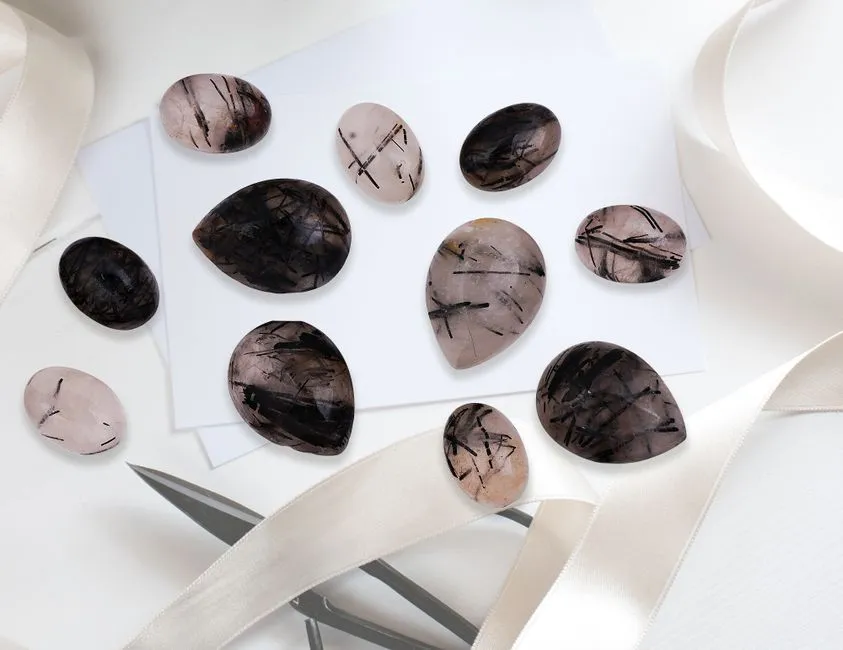
Pliny the Elder wrote in his Natural History that the Roman Emperor Nero used to watch the gladiator fights through polished gemstones to reduce the glare from the sun, potentially the most expensive and most ineffective form of sunglasses in history.
Some might credit the Roman emperor Nero for the concept of sunglasses, as he was known to hold gems up to his eyes. Whether this was a practical habit or a show of imperial extravagance is hard to say. Probably both, knowing what we know about Nero.
Either way, the Romans were experimenting with the idea that filtered vision could be useful, even if they never formalized it into wearable eyewear. It’s a fascinating early data point in a very long story.
James Ayscough Tinted Lenses to Treat Vision Problems, Not Sunlight
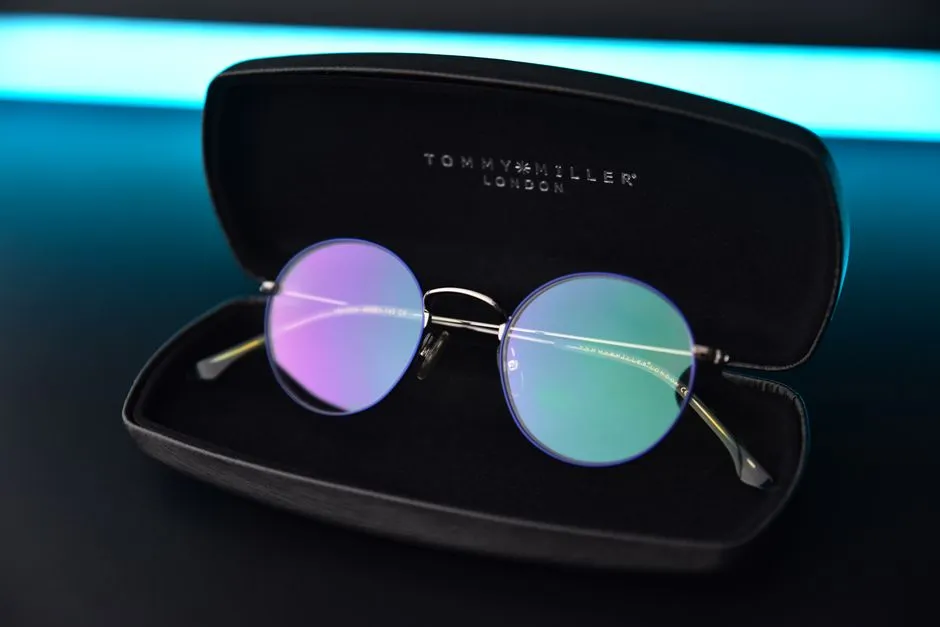
James Ayscough began experimenting with tinted lenses in spectacles around 1752. These were not “sunglasses” as that term is now used. Ayscough believed that blue- or green-tinted glass could correct for specific vision impairments.
Around 1752, James Ayscough introduced spectacles with double-hinged side pieces. Although he made clear lenses, he recommended lenses tinted blue or green to treat some vision problems. These spectacles with tinted lenses are believed to be the precursors to sunglasses.
Ayscough’s invention made it slightly easier to see, particularly for elderly people, and they were touted as “a blessing to the aged.” Sun protection was genuinely not part of the conversation. The color was about optics and comfort, not about blocking UV rays on a summer afternoon.
Tinted Glasses Were Prescribed as Medical Treatment for Syphilis
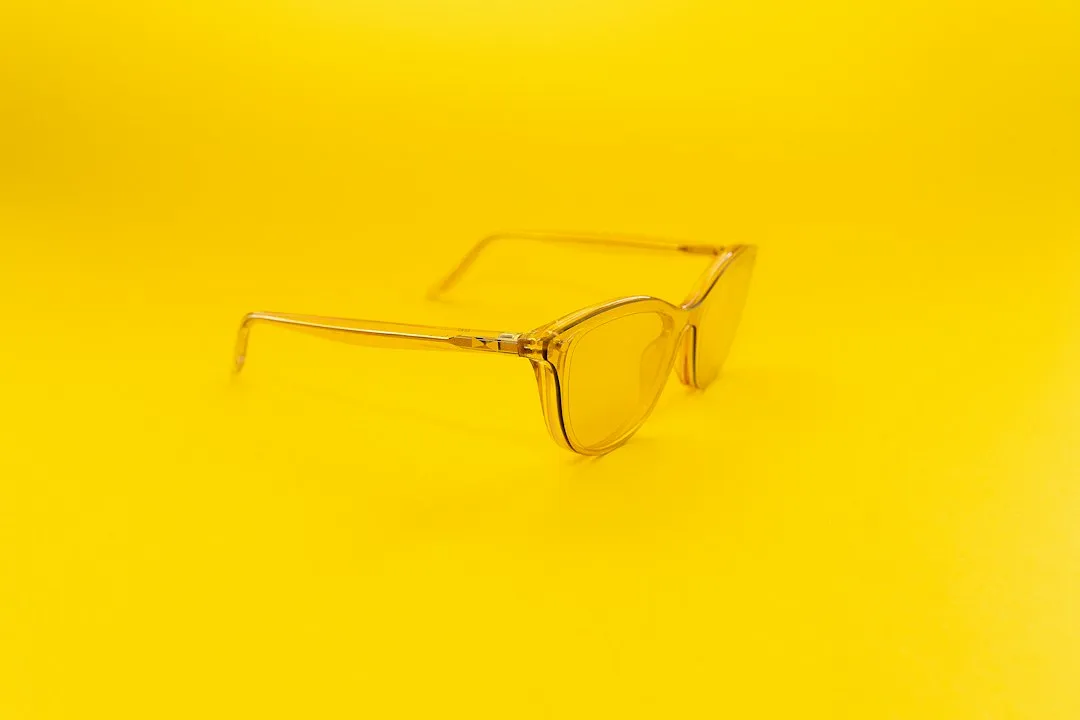
Glasses tinted with yellow-amber and brown were a commonly prescribed item for people with syphilis in the 19th and early 20th century because one of the symptoms of the disease was sensitivity to light. This is one of the stranger chapters in the history of eyewear, and one that rarely gets mentioned in casual conversation.
The first instance of lenses being used to actually protect a wearer’s eyesight from light was around the early 20th century, when yellow and brown tinted glasses were prescribed to sufferers of syphilis. Syphilis causes eyes to become sensitive to light, so wearing darkened spectacles would have eased discomfort.
Sunglasses weren’t something that people with normal vision wore. In fact, people who wore them were often assumed to have a problem with their eyes. This social stigma persisted well into the early 20th century, which makes the later glamorization of sunglasses all the more remarkable as a cultural reversal.
Venetian Canal Glare Gave Rise to “Goldoni Glasses”
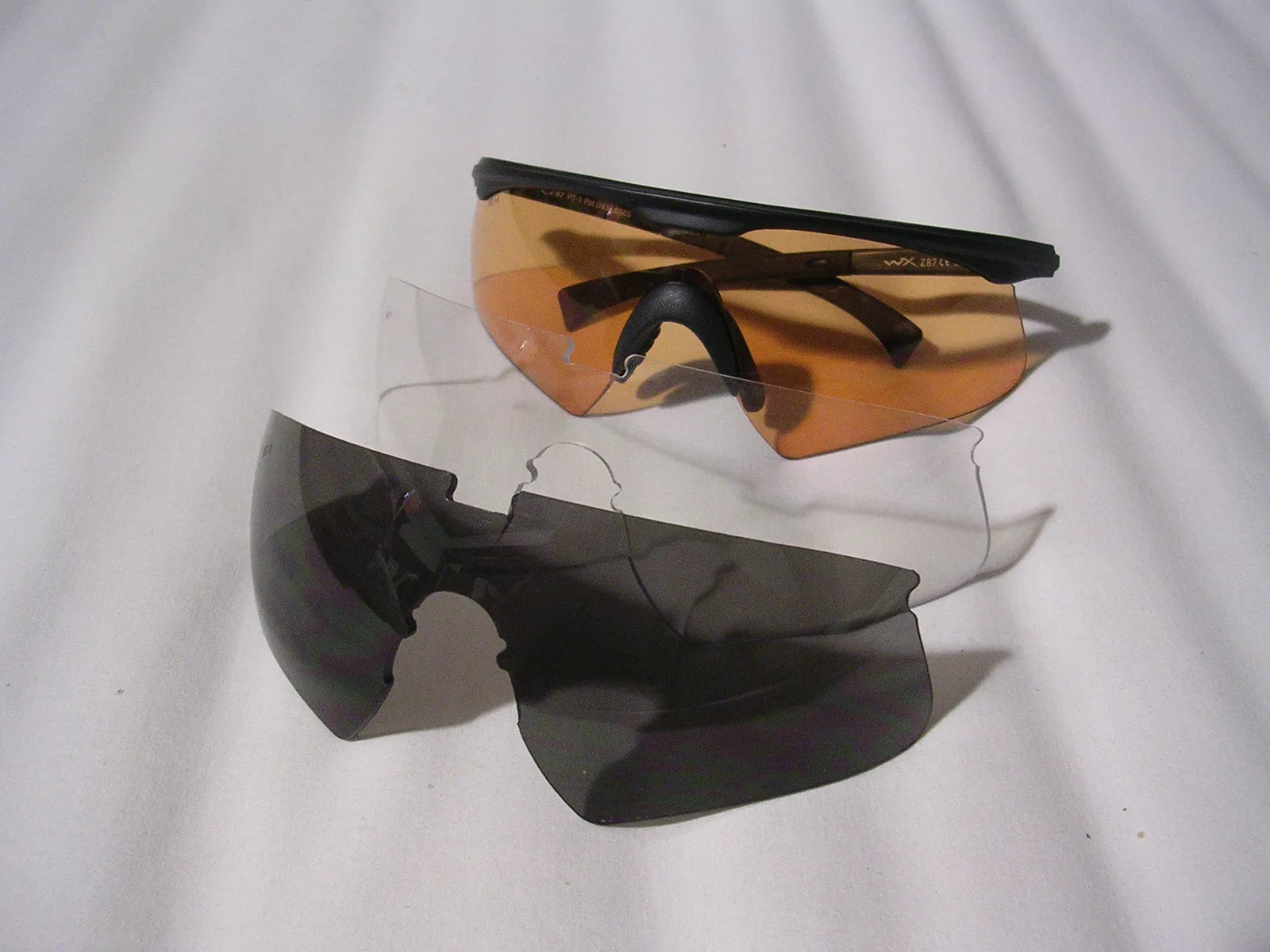
In the 18th century, Italians in Venice wore green-tinted glasses known as Goldoni glasses, named after the playwright Carlo Goldoni. They wore these dark green lenses to protect their eyes from the sun’s glare off Venetian canals.
These sunglasses became known as Goldoni glasses after Carlo Goldoni, a famous playwright, wore the glasses and made them popular. Fashion and function came together here in a way that felt natural to Venetian life. The city’s reflective waterways created a genuinely uncomfortable glare problem, and the solution happened to look stylish.
Historians suggest that the wearers must have been on the wealthier side because these “sunglasses” cost the same amount as a horse. That price point tells you something important: tinted eyewear was a luxury item long before it was an everyday accessory.
Hollywood Stars Accidentally Made Sunglasses Cool

Sunglasses got their biggest boost from the silver screen, specifically from silent film stars who began wearing them in the early 20th century. The original motivation had nothing to do with fashion statements or celebrity branding as we understand those things today.
In Hollywood, sunglasses were starting to become associated with glamour and glitz. Back then, movie stars began wearing sunglasses to protect their eyes from the strong lighting on movie sets. The powerful arc lights used in early film production were genuinely harsh, and tinted lenses provided real relief.
Glasses helped celebrities disguise themselves from fans. To avoid being photographed or having to greet fans in a certain state, dark glasses were essential. The mystique that grew around sunglasses came almost entirely from practical necessity, and the fashion world simply noticed what was happening and ran with it.
Sam Foster Made Sunglasses Affordable for Everyday People
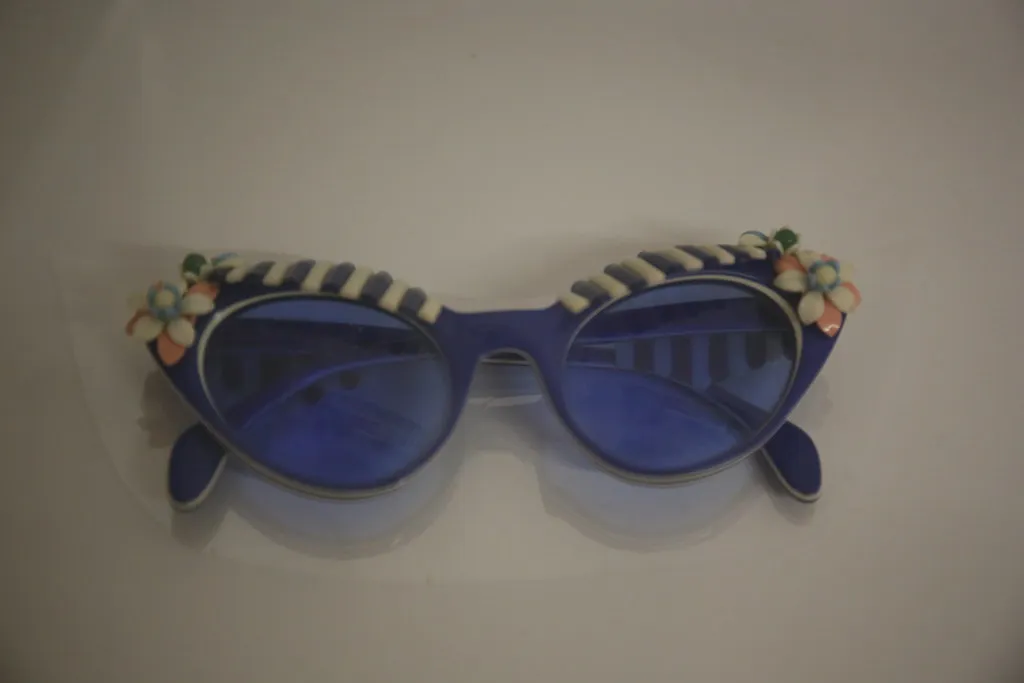
It wasn’t until 1929 that sunglasses were made for mass production, thanks to the advent of new production technology. The founder of Foster Grant, Sam Foster, created the first affordable sunglasses for the public. Before this moment, tinted eyewear of any kind was a specialty item with a specialty price tag.
Foster sold the first pair of sunglasses on the Atlantic City boardwalk intended for the mass market. The choice of location was deliberate. Atlantic City was a popular resort destination, and beachgoers were the obvious early audience for sun-protective eyewear.
Sam Foster made sunglasses affordable in 1929 at 10 cents a pair. That price democratized what had previously been a luxury, transforming a niche medical and theatrical accessory into something millions of ordinary people could wear. It was a turning point that reshaped the entire category.
Polarized Lenses and Military Aviation Changed the Technology
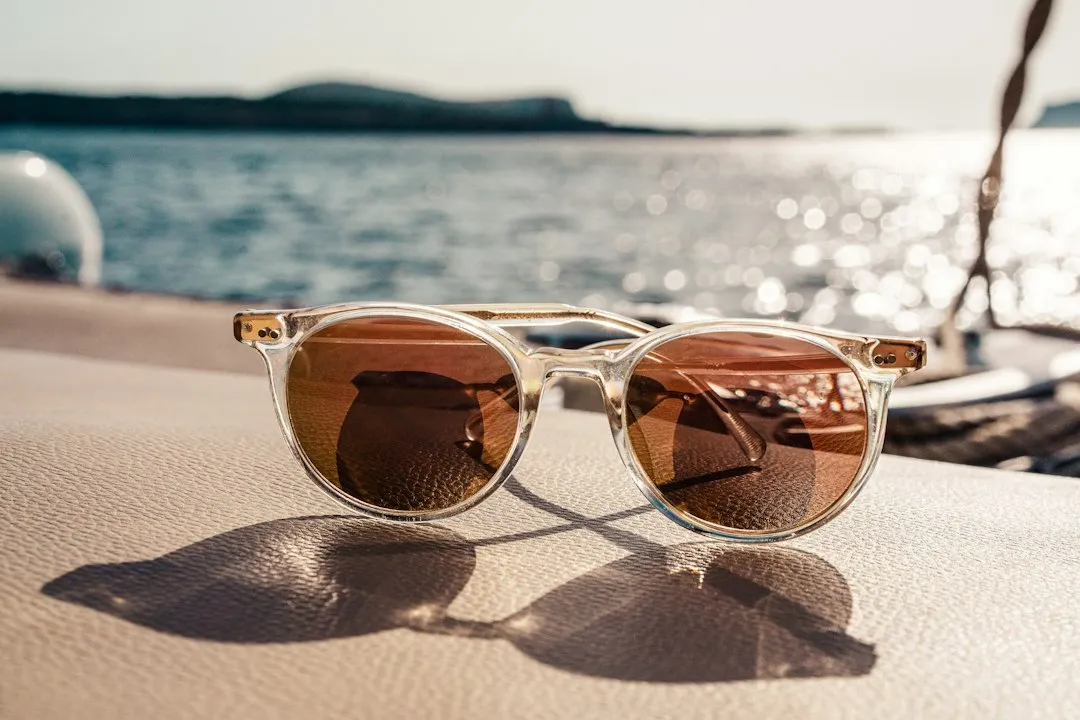
Edwin Land created a polarizing lightweight filter that could be produced inexpensively for use on sunglasses. With that polarization technology in place, special sunglasses intended as anti-glare spectacles for military pilots were developed.
Like numerous other inventions, polarized sunglasses got their start in a garage. Land invented polarized sunglasses and started the Polaroid Corporation. The military application gave the technology credibility and scale, and aviator-style frames became closely associated with the precision and functionality pilots required.
In 1912, Pittsburgh Pirates manager Fred Clarke invented flip-down sunglasses that could be attached to their caps, offering on-field protection with a simple, practical flourish. Sports, aviation, and medicine kept pushing sunglasses forward technically, while Hollywood kept making them desirable culturally. Those two forces together are what created the modern sunglass market.
A Quiet Reinvention Across Two Thousand Years
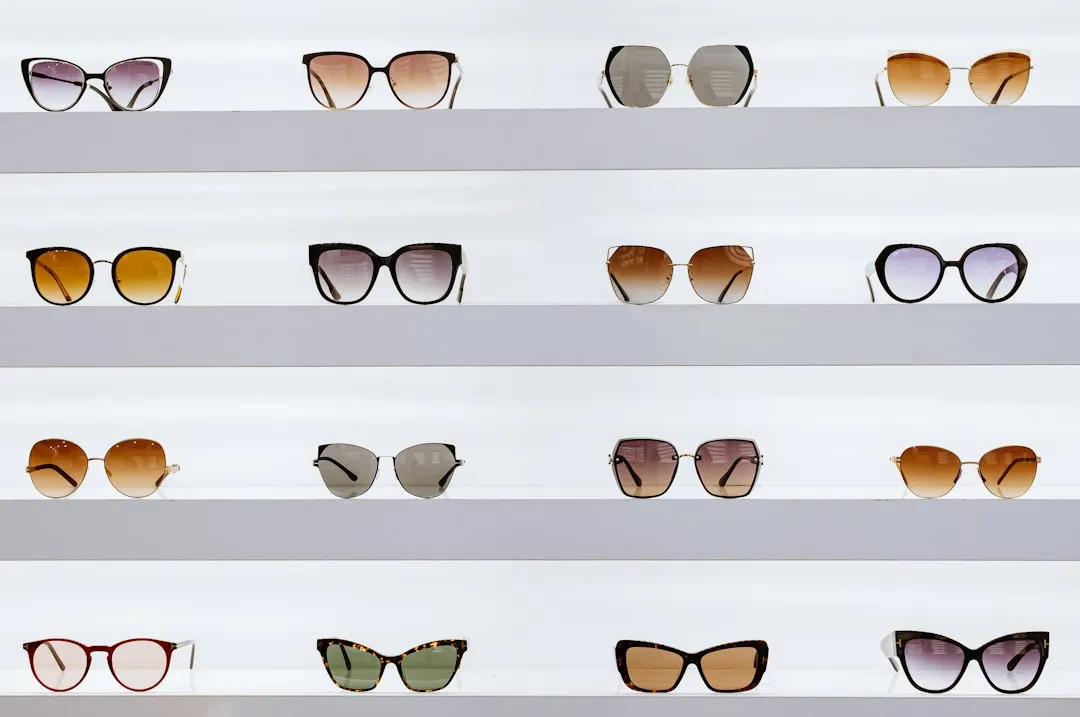
What makes the history of sunglasses genuinely fascinating is how many times the object was reinvented for a completely different reason. Survival in the Arctic. Courtroom authority in China. Vision correction in 18th-century London. Medical relief during a syphilis epidemic. Movie set comfort. Military precision. And finally, UV protection for the rest of us.
Each era had its own pressing need, and tinted eyewear kept showing up as the solution. No single inventor sat down and planned sunglasses as we know them. They arrived in pieces, across cultures and centuries, each layer adding something the previous one had not considered.
The pair sitting on your nose right now is, quietly, one of the most layered objects in everyday life. It carries the ingenuity of Arctic hunters, the inscrutability of Chinese judges, and the accidental cool of early Hollywood all in one slim frame.
AI Disclaimer: This article was created with the assistance of AI tools and reviewed by a human editor.