


Most countries have a very clear relationship between private land and public access: you stay out unless you’re invited in. Sweden has always operated on a different philosophy. Here, the idea that undeveloped nature belongs, in a meaningful sense, to everyone is not just a cultural attitude. It’s backed by the constitution.
That principle has a name: Allemansrätten. It draws hikers, wild campers, foragers, and kayakers from across the world, and it continues to shape the daily outdoor habits of millions of Swedes. Understanding it properly, though, requires more than knowing it exists. The rules are specific, and getting them wrong misses the spirit of something genuinely remarkable.
What Allemansrätten Actually Is
Allemansrätten is unusual among legal rights in that it isn’t written down as a single detailed law. Instead, it exists at the highest constitutional level, explicitly mentioned in Sweden’s foundational legal document, the Regeringsformen, as a customary right that Swedish society has practiced for centuries. More specific boundaries are set out separately in the Environmental Code, known in Swedish as Miljöbalken.
The Right of Public Access is a principle, protected by law, that gives all people in Sweden the freedom to roam freely in nature. That freedom means you have the right to walk, cycle, ride, ski, and camp on any land, with the exception of private gardens, near a dwelling house, or land under cultivation.
This constitutional recognition means that anyone present in Sweden, whether a citizen, resident, or visitor, has the right to walk, hike, and spend time in nature even on privately owned land, as long as that land isn’t a garden or cultivated field. Private property ownership in Sweden does not include the right to exclude the public from undeveloped land the way it typically does in many other countries.
The Origins of the Right
Allemansrätten is more than a law. It’s a cultural cornerstone, enshrined in the Swedish constitution, that allows anyone to walk, camp, ski, kayak, or forage in natural areas, even if they are privately owned.
In the mid-twentieth century, the term allemansrätt, meaning “every man’s right,” became commonly used in political discussions on public access to the Swedish landscape. Allemansrätten has been around legally in Sweden since the 1940s and was added to the constitution in 1994, but the concept itself is far older, with roots stretching back to the Middle Ages.
Where You Can and Cannot Camp
The Allemansrätten law says you have a limited right to cross another person’s land or stay on it for a short period of time, even if the owner hasn’t given specific consent. The phrase “limited right” carries real weight here. It’s a right with clear edges.
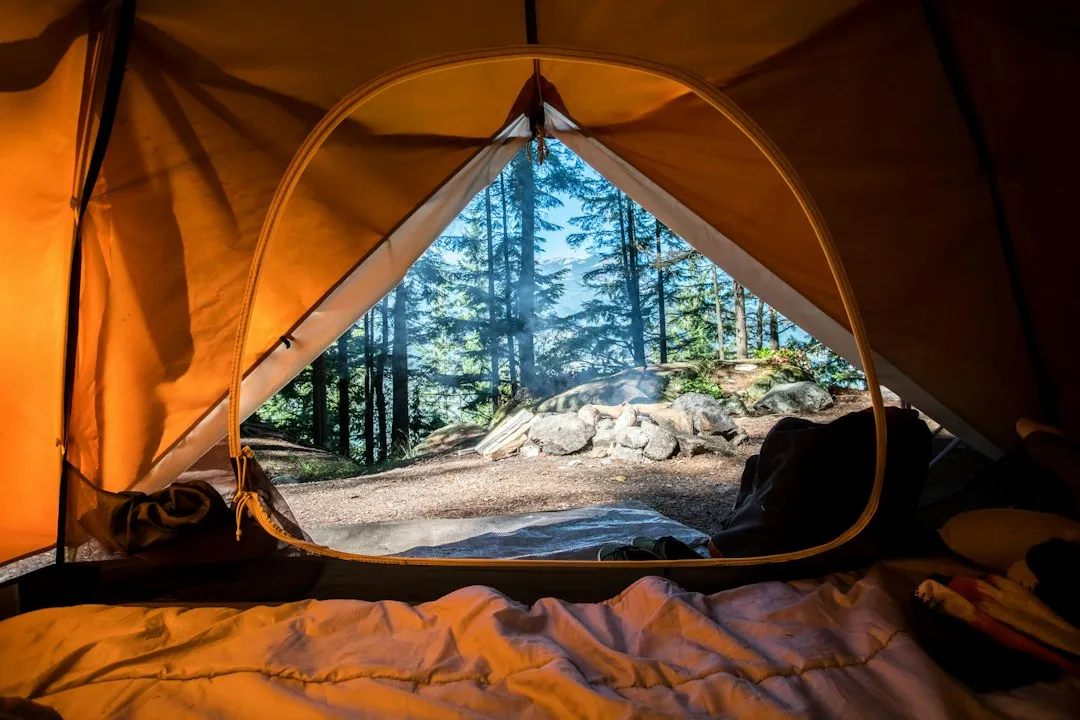
You can pitch a tent for up to two nights as long as you don’t bother the property owner or cause damage to the natural environment. You should not camp on environmentally sensitive land, grazing land, farmland, or fields with planted crops.
You cannot pitch up anywhere near private buildings, or otherwise disturb the owner or their business interests. Gardens and other areas that look like they are part of a plot of land around a building are always off limits, even if forested.
The Hemfridszon: The Privacy Zone Around Homes
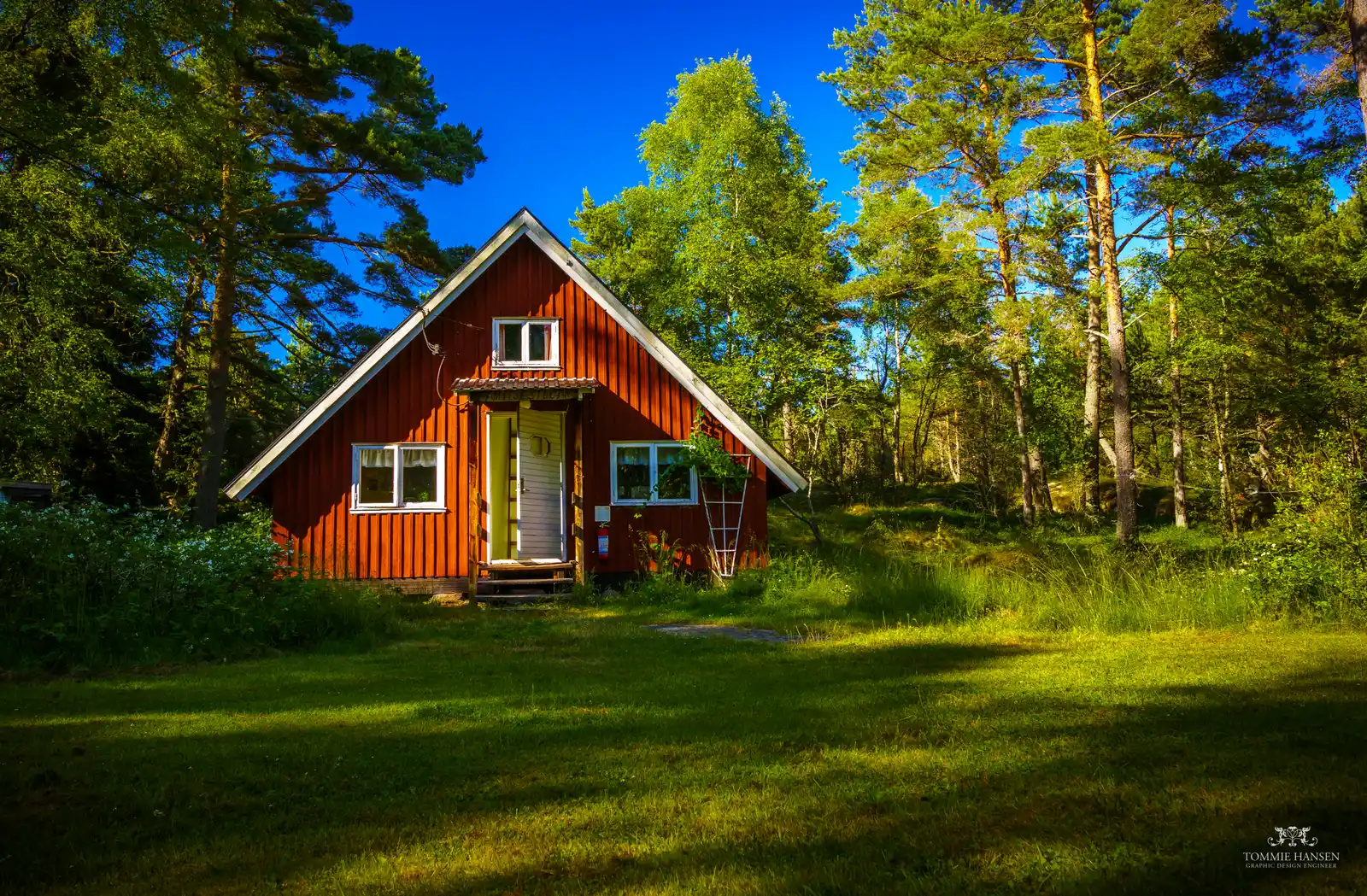
Allemansrätten does not apply within the privacy zone surrounding someone’s home, known as the hemfridszon. Within this zone, the landowner has full rights to their privacy, and the public access right simply stops.
There’s no single fixed legal distance written into law, which is part of why this catches people off guard. As a practical guideline, in open, flat rural terrain, a safe distance is generally considered to be somewhere in the 70 to 100 metre range.
One detail that catches visitors off guard is that Swedish summer cottages, known as fritidshus, carry the same hemfridszon protection year-round, not just during the months their owners are actually there. A quiet forest cabin that looks unoccupied in November still has a protected privacy zone around it.
How Long You Can Stay in One Spot
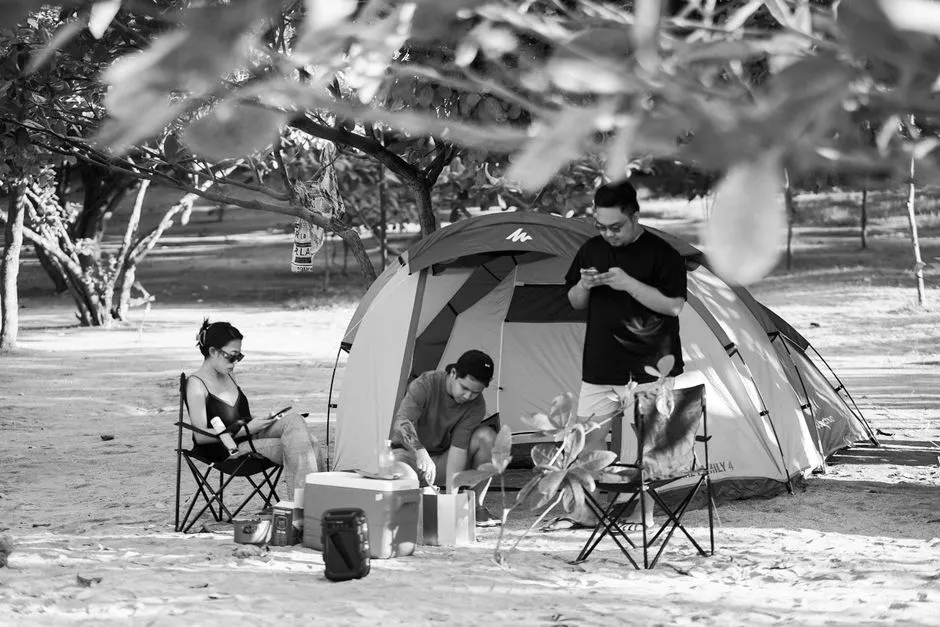
The general rule is not to camp in the same spot for more than two nights. For a longer stay, it’s best to ask for permission from the landowner. This keeps the right in balance with the interests of those who own and manage the land.
Those wishing to camp for longer or in a larger group must ask the landowner for permission first. If you are several people with multiple tents, you need landowner permission. What feels like a casual overnight for one or two tents becomes a considerably different situation when a larger group is involved.
Campfires: Allowed, but Not Without Conditions
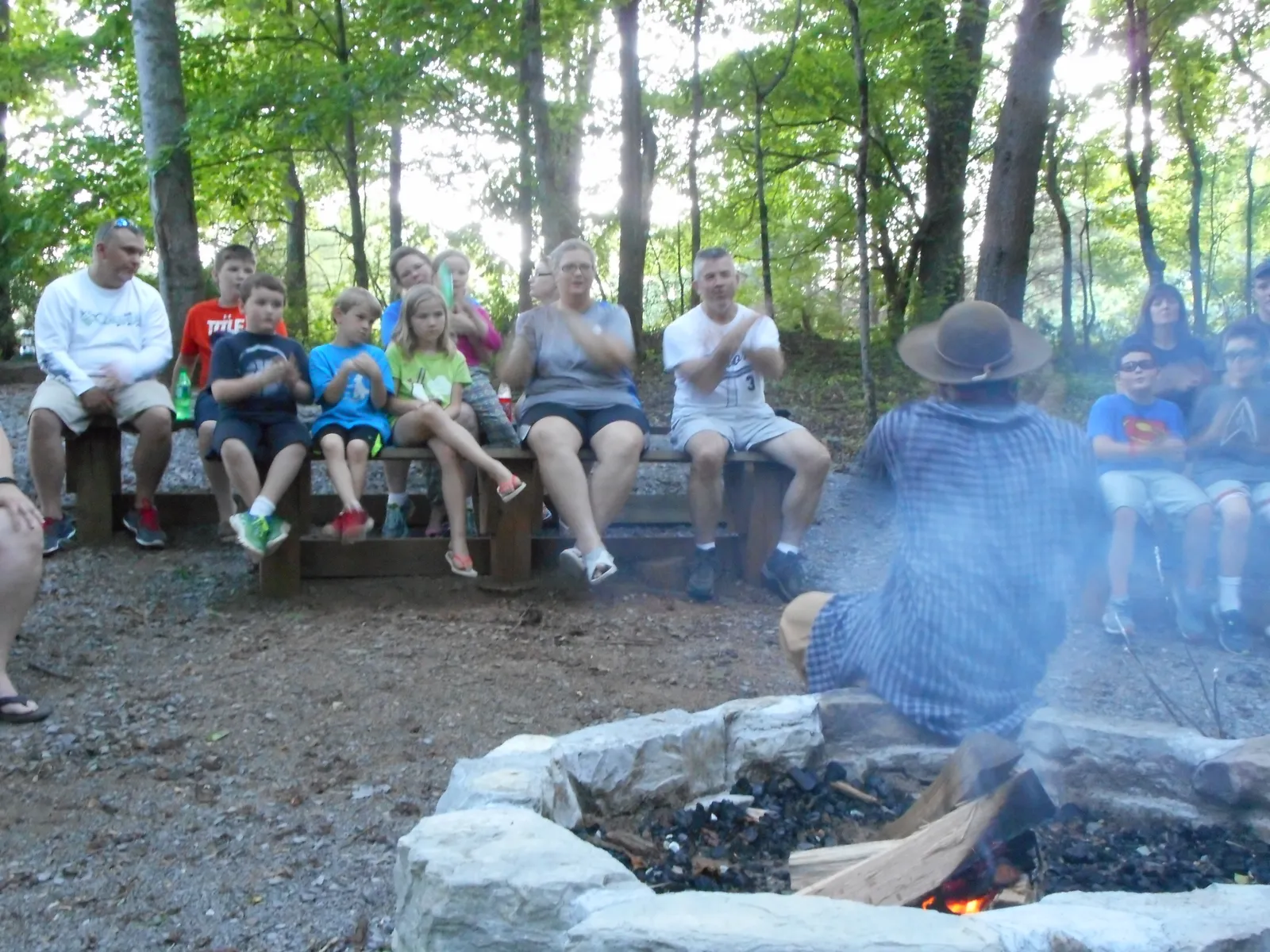
Cooking over an open fire is one of the genuine pleasures of Swedish outdoor life, but Allemansrätten doesn’t grant an automatic right to light one. You’re doing so entirely at your own legal and financial responsibility if something goes wrong.
Allemansrätten doesn’t give you any specific right to start a campfire. If you do light one, choose an area where there is no risk of damage to land or vegetation, and no risk of the fire spreading. You can take fallen pinecones, loose twigs, and branches found on the ground, but you’re not allowed to cut down or take branches from living trees.
Never light a fire directly on rock. The heat causes Sweden’s glacially formed boulders and rock faces to crack permanently, a kind of damage that doesn’t heal. Fire bans may be imposed during certain times of the year, especially during dry and warm periods, to minimize the risk of forest fires.
Foraging, Berries, and What You Can Collect

You can pick berries such as lingonberries, blueberries, and cloudberries, as well as mushrooms, anywhere in Sweden for personal consumption. Foraging is a mainstream Swedish autumn activity and one of the most practically used aspects of Allemansrätten.
As a rule, you can pick wild herbs, flowers, berries, and mushrooms, although some plants, such as rare flowers, are protected, meaning you aren’t allowed to pick them. You can only forage things that grow back each year, so no digging up plants or roots in a way that damages the plant.
The main restrictions are on motorized vehicles and hunting, both of which require explicit permission. You’re also not allowed to cut down trees or harvest nuts, but you can pick all the berries and mushrooms you want.
Water Access: Lakes, Rivers, and the Archipelago
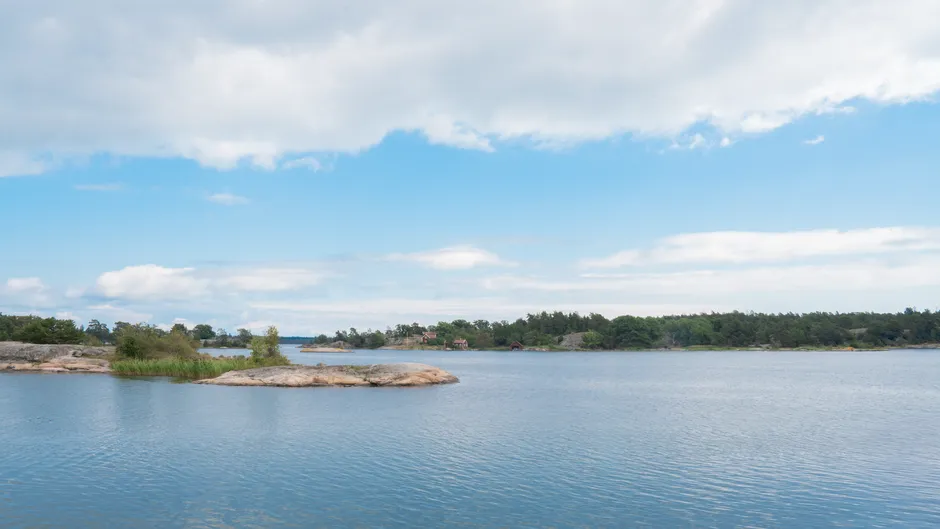
In the archipelago, Allemansrätten means you can walk, swim, and camp on any land or island not immediately adjacent to a private home, without asking permission. You can land your kayak on any accessible rock and pitch a tent in any forest clearing.
You can also moor a boat or kayak temporarily, generally understood as up to 24 hours, at most shorelines, as long as you’re not docking at private property or a jetty that clearly belongs to someone’s home. Sweden’s lake-dense landscape makes this one of the most liberating aspects of the right in practical terms.
What Allemansrätten Does Not Cover
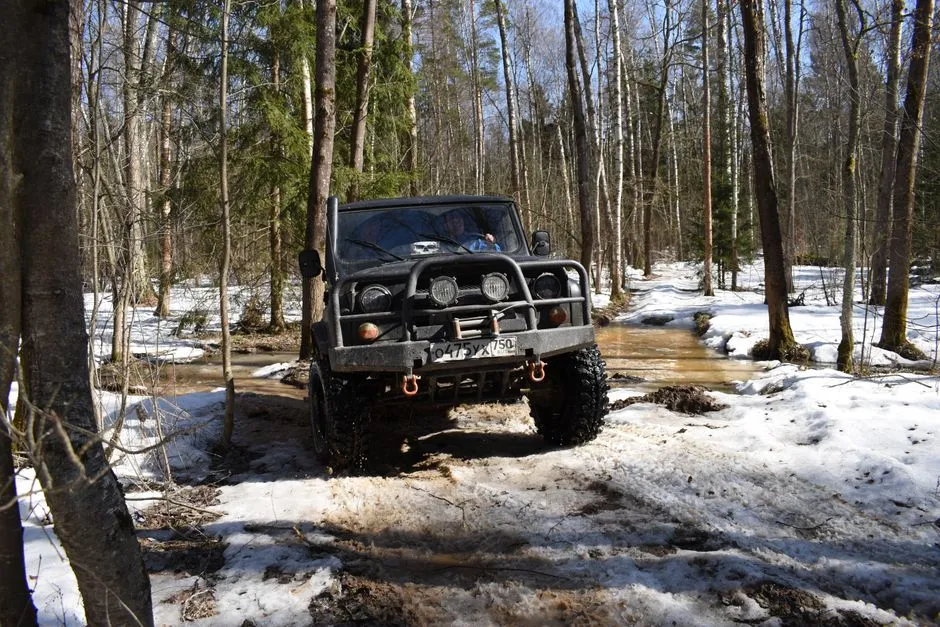
Off-road driving with motorized vehicles is generally prohibited in the Swedish wilderness unless specific permission has been granted. Violations can lead to fines, especially in the case of environmental damage.
If you’re traveling by campervan, you’re limited to parking on roadsides, designated car parks, or official overnight stopping areas, not driving out into a field or forest clearing to park for the night. E-bikes are not covered by the freedom to roam and may not be used in nature in the same way as regular bikes.
You aren’t allowed to camp just anywhere in national parks or nature reserves either, only in specifically signposted areas, and some national parks don’t allow camping at all. Protected zones operate under their own, often stricter, regulations.
The Responsibility That Comes with the Right
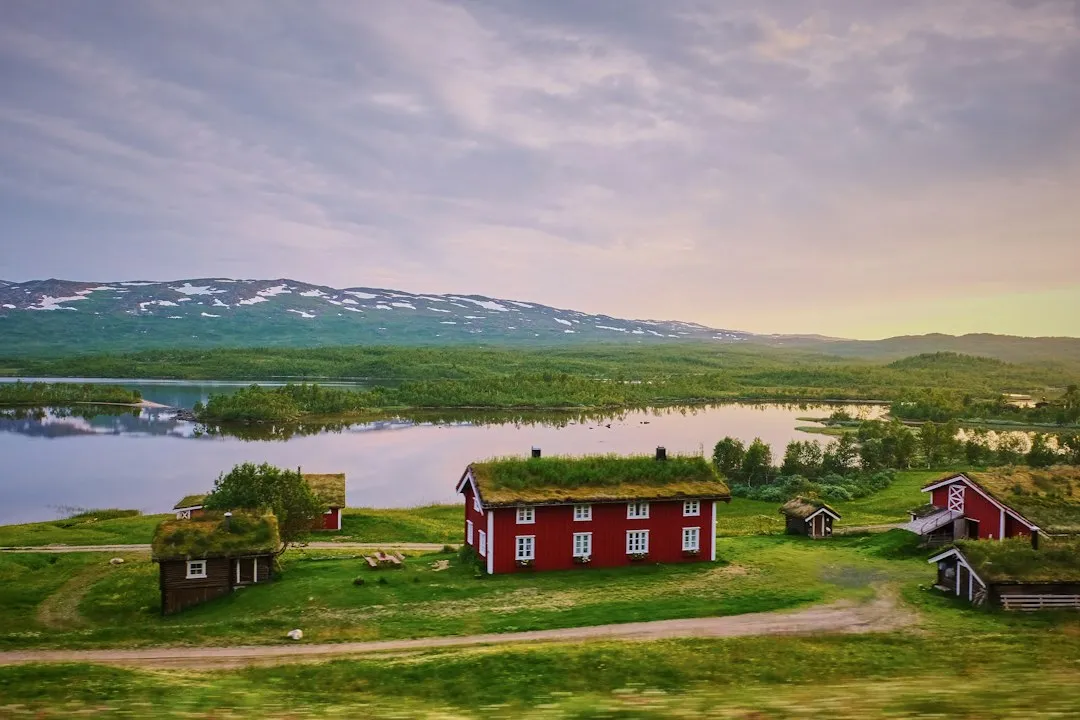
The Swedish Environmental Code states that “all who exercise their right to roam or are otherwise present in nature must show consideration and caution when interacting with it.” The Swedish Environmental Protection Agency summarises this simply as: don’t disturb, don’t destroy.
Alongside the rights provided by Allemansrätten come responsibilities. Those enjoying the freedom to roam are expected to do so without causing harm to nature, wildlife, or property. This includes not littering, not damaging plants, and respecting the privacy of landowners.
Not adhering to these rules jeopardizes the long-term future of this unique right. That’s perhaps the most important sentence in any discussion of Allemansrätten. The right has endured because Swedes, by and large, have treated it with care. Visitors who understand that are the ones who truly honor it.
Sweden in a Global Context
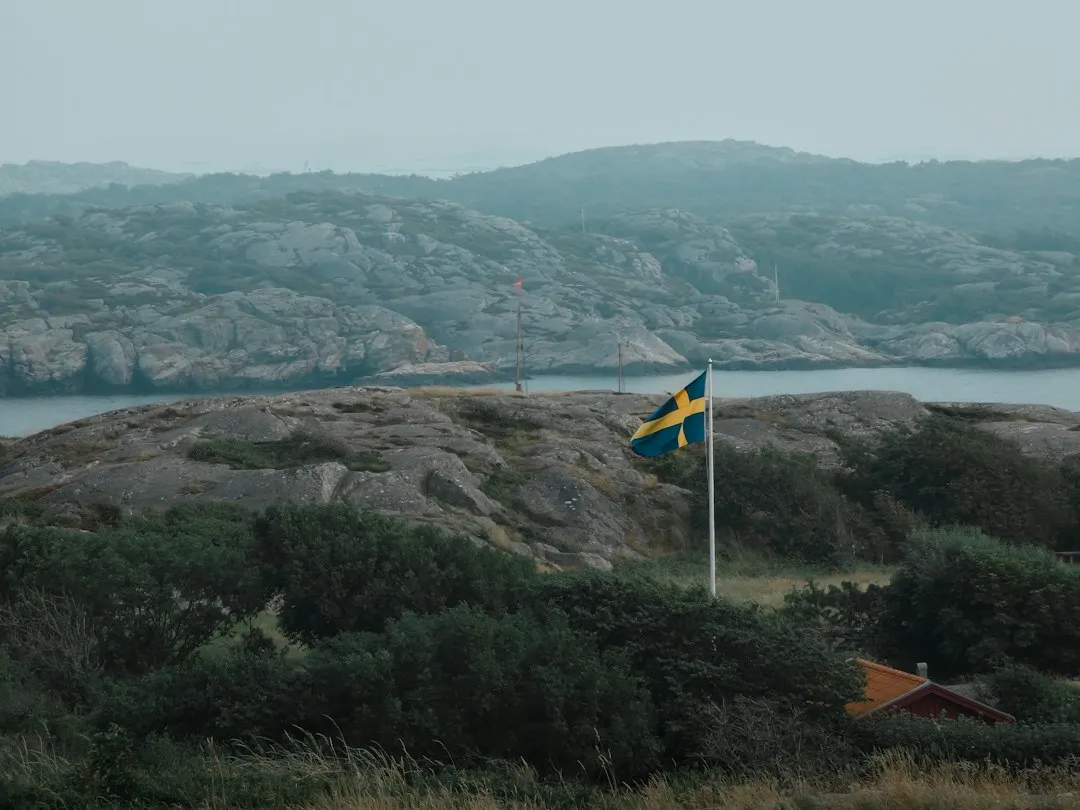
While many other European countries such as Scotland, Austria, and Switzerland ensure their citizens the freedom and right to roam in public, the Scandinavian laws are the most welcoming regulations for wanderers.
Similar laws exist in many other countries too, such as Finland, Iceland, Norway, Estonia, Latvia, Austria, Czech Republic, and Switzerland. Still, the Swedish version is distinctive for the depth of its constitutional grounding and the breadth of activities it covers, from camping to foraging to open-water swimming.
In Sweden, a right of public access allowing outdoor recreational activity on privately held wilderness is enshrined in the constitution. Very few places in the world can say the same with that level of legal clarity and cultural commitment behind it.
Final Thoughts
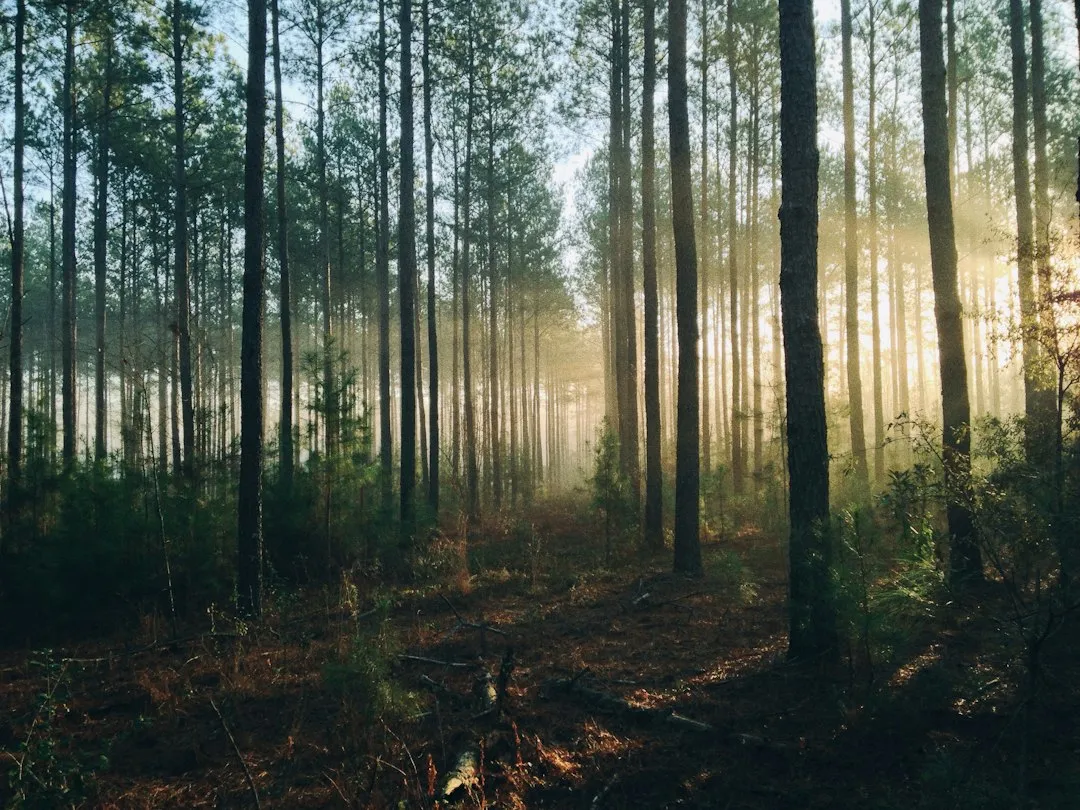
Allemansrätten is one of those rare social arrangements that works precisely because most people who use it understand what it asks of them in return. The right to sleep under the stars in a Swedish forest, on land you don’t own, without asking anyone’s permission, is genuinely extraordinary by global standards.
It’s built not on legal enforcement but on something quieter: a shared understanding that access to nature is a common good worth protecting. It’s a unique right where the only thing you have to pay is respect for nature and the animals living there.
That exchange, freedom for responsibility, is as elegant as it is fragile. It has survived for generations in Sweden because each person who walks into a birchwood or paddles toward a lakeside rock treats it as a privilege, not a given. That instinct, more than any constitutional clause, is what keeps it alive.
AI Disclaimer: This article was created with the assistance of AI tools and reviewed by a human editor.