

Most people rinse their swimsuit and feel like they’ve done the right thing. Toss it under the showerhead for a few seconds, maybe wring it out, and hang it somewhere sunny. Job done. Except that quick routine, the one that feels like basic maintenance, is often the very thing quietly destroying the fabric from the inside out.
Swimsuits are engineered from a surprisingly fragile set of materials, and they respond very poorly to the small daily habits most of us never think to question. The damage doesn’t show up immediately, which is part of why it’s so easy to miss. By the time a suit loses its shape or fades badly, the real harm was done weeks earlier.
Chlorine Keeps Attacking After You Leave the Pool
One of the most misunderstood facts about swimsuit care is that pool chemicals don’t stop working when you step out of the water. Chlorine continues to damage fabric even after you’ve left the water, so quick rinsing removes the chemical before it can cause further harm. This is why a suit stuffed into a bag after swimming is in much worse shape than one rinsed within minutes.
A swimsuit left sitting wet in a pool bag overnight experiences significantly more degradation than one rinsed immediately after use. The chlorine keeps working until it is diluted away. Timing really is everything here, and most people wait far too long.
The hypochlorite compounds in pool water gradually attack materials like elastane and polyester, breaking them down over time. This chemical wear leads to fading colors, loss of elasticity, and eventually a swimsuit that stretches out or falls apart.
The Hot Water Rinse Is Quietly Doing Real Damage
Rinsing in the shower feels convenient, especially if you’ve already warmed the water up. The problem is that hot water and swimsuit fabric are a genuinely bad combination. Never rinse with hot water, as heat makes fibers brittle and stretches the elastane components.
Cold water only is the rule here. Heat destroys the polyurethane bonds in elastane. Never use hot water, never tumble-dry. These aren’t overcautious guidelines. They reflect the actual chemistry of what elastane does under thermal stress.
Excess heat can shrink or warp elastane fibers. Even a single high-heat cycle can make a nylon-spandex suit lose its elasticity. That applies to rinse water just as much as it applies to a dryer setting.
Wringing It Out Destroys the Stretch Permanently
After a rinse, the instinct is to squeeze and twist the water out quickly. It works fine on a cotton t-shirt. On a swimsuit, it causes real structural harm. Wringing a wet swimsuit twists and stresses the elastane fibers under tension, and repeated wringing progressively weakens the elastic recovery.
Avoid twisting or wringing out swimsuits. The combination of stretch and wetness makes fibers vulnerable. Pulling or wringing can snap elastic strands and distort shape. Once those strands are compromised, no amount of gentle care afterward will restore the fit.
The correct method is simple but requires patience. Roll the garment in a clean, dry towel to press out excess water without stretching it out. Pressing rather than twisting is the key distinction.
Sunscreen and Body Oils Are Just as Destructive as Chlorine
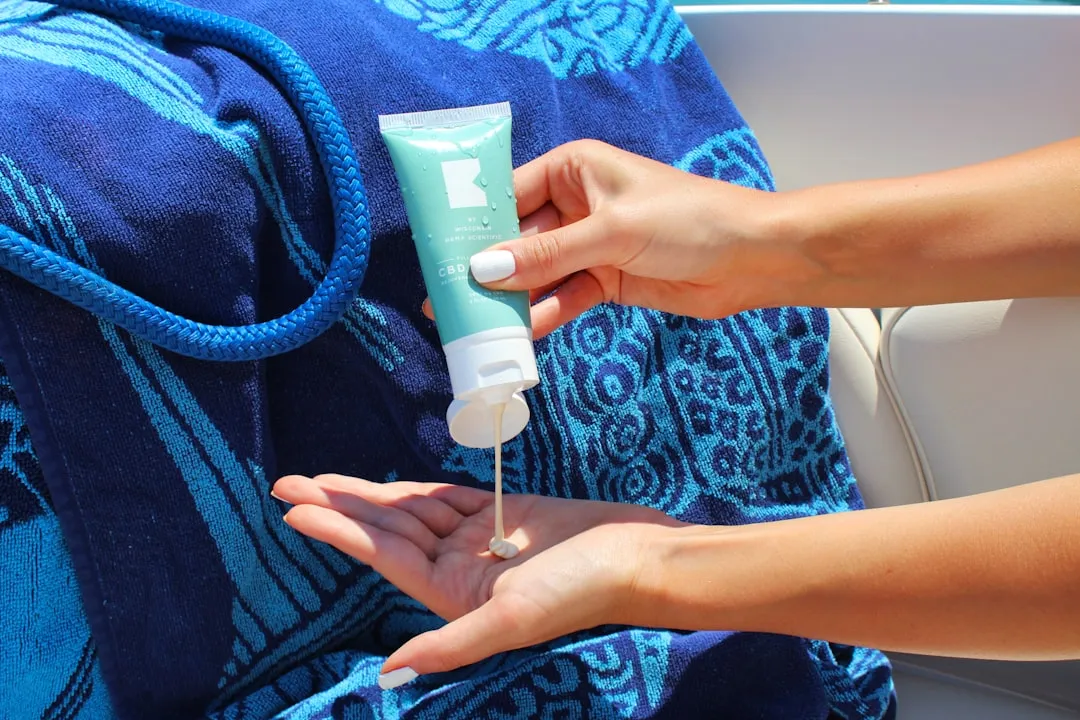
Chlorine gets most of the blame for swimsuit damage, and fairly so, but sunscreen and body oils are working against your fabric at the same time. Chlorine and saltwater aren’t the only culprits. Sweat and sunscreen cause damage, too.
Sweat, body oils, and sunscreen degrade elastane when left in contact with the fiber. The oily residues from SPF products in particular tend to bind into fabric, making them harder to flush out with a casual rinse. The longer you wait to wash your swimwear, the more time odors have to build up and sunscreen has to set in, leading to stubborn smells and stains.
Suits need a rinse even after sunbathing, as sunblock and the body’s oils can do damage even without any pool or ocean water involved at all. Sunscreen alone, baked into fabric by UV heat on a lounger, is enough to begin fiber breakdown.
Soaking in a Basin Instead of Rinsing Under Running Water
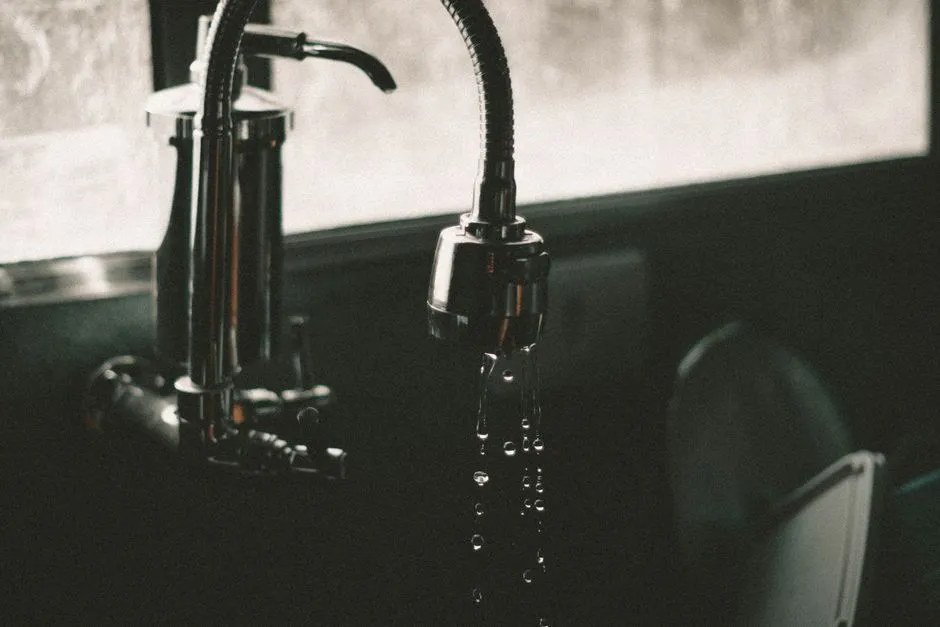
Many people rinse by filling a sink with water and dunking the swimsuit in it. It sounds thorough, but static water doesn’t flush chemicals out effectively. Submerging in a basin is insufficient: stagnant water allows chlorine to concentrate at the fabric interface.
The more effective method is running water. Hold the suit under a gentle faucet stream for 60 to 90 seconds per major panel, front, back, and sides, gently squeezing but not wringing, to flush trapped water from seams and lining layers. Most people spend far less than that on the entire process.
Do not use soap at this stage. Detergent residue can bind chlorine, worsening oxidation. A thorough plain water rinse under a gentle stream is the correct first step, and soap comes later if needed.
The Staggering Scale of Fiber Strength Loss Over Time

It’s easy to think that gradual chemical exposure is a slow and minor problem. The research says otherwise. After 300 hours of exposure to chlorine and sunlight, equivalent to approximately 35 days of summer, the strength of swimwear fabrics may drop by 65%. That’s a striking figure for anyone who swims regularly through a warm season.
The rate of polyamide degradation depends on the acidity of the water, with degradation most pronounced at pH levels below 5.0. This pH sensitivity means pool chemistry matters. The acceptable range for pool water pH is between 7.0 and 7.2.
A 2024 peer-reviewed study published in Polymers by researchers at the University of Zagreb Faculty of Textile Technology confirmed these findings, examining how combined chlorine and UV exposure directly affects tensile properties and moisture management performance of swimwear materials over time. Understanding the factors that affect how materials age is essential for creating a durable product with long-lasting properties.
Saltwater Creates Its Own Form of Mechanical Destruction
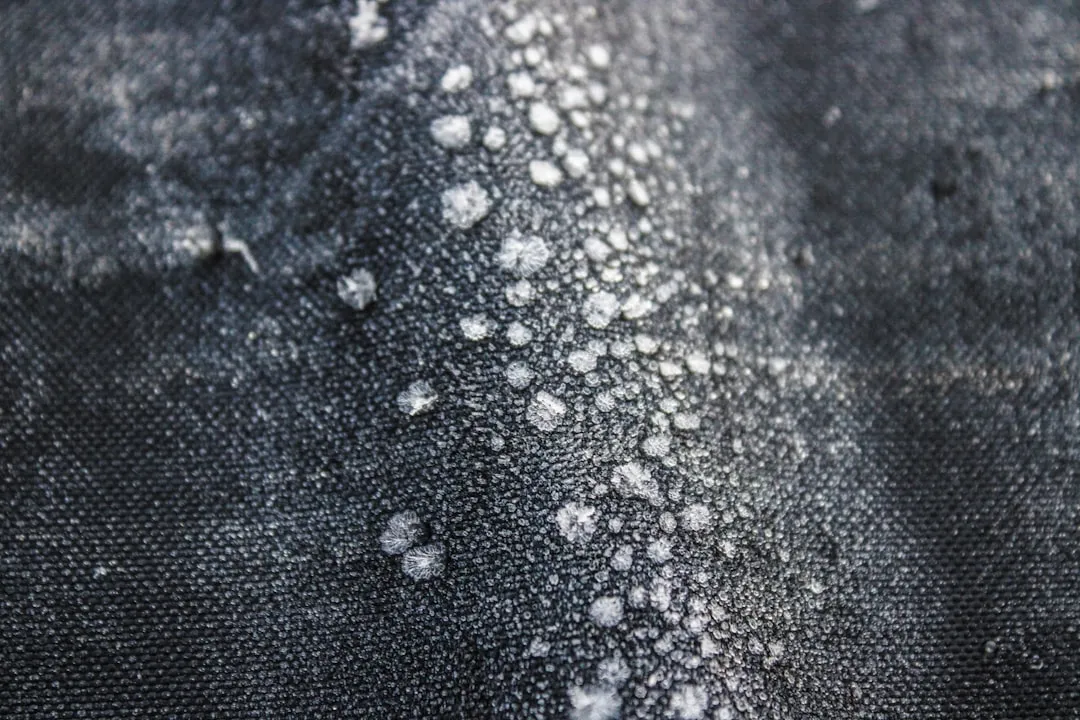
Ocean swimmers sometimes assume that saltwater is gentler than pool chlorine. It’s less chemically aggressive, but it causes a different and underrated kind of damage. Salt crystals have sharp microscopic edges that can cut into fibers, causing gradual mechanical damage. If not rinsed out, salt accumulation also stiffens fabric and can create white residue marks.
High salinity causes oxidation and other chemical reactions, which lead to discoloration and degradation of materials. In synergy with sun exposure, this speeds up fabric breakdown even more. The combination of dry salt crystals and UV heat is particularly harsh on the outer surface of fibers.
Constant humidity encourages fiber rot, and chlorine or salt residues dry into crystals that slowly shred fibers and thin out material. Rinsing after every ocean swim isn’t optional for anyone who wants their suit to last more than a season or two.
Drying in Direct Sunlight Accelerates the Damage You Just Tried to Prevent

After a rinse, the sunny spot by the window or on the balcony seems like the logical place to hang the suit to dry. It’s warm, it’s fast, and it feels clean. Unfortunately, UV exposure during drying is one of the more overlooked damage triggers. Elastane is known to lose strength when exposed to UV radiation for long periods, and direct sunlight while the garment is drying can break down the fibers, leading to loss of stretch and faded colours.
Don’t dry or store swim fabrics under intense sunlight or near heat vents. UV rays and high heat will degrade spandex, causing brittleness and fading. The damage compounds because the suit just spent time in the pool absorbing chemicals, and UV then accelerates the breakdown of whatever residues remain.
Air-drying is essential to extend the life of swimwear. Flat, shaded, and away from any heat source is the consistently recommended approach across textile science literature.
Fabric Softener and Harsh Detergents Make Things Worse

When people do decide to properly wash a swimsuit, the choice of product matters enormously. Grabbing whatever laundry detergent is nearby is one of the more common mistakes. Avoid highly acidic or alkaline detergents, and never use bleach, as elastane fibers will lose stretch and turn yellow. Fabric softeners should also be avoided, as they leave a coating that clogs fabric pores, trapping odours and bacteria while also degrading the elastane.
Avoid harsh detergents and fabric softeners that can damage the elasticity. The softener issue is particularly counterintuitive. It feels like it should be good for delicate fabrics. In practice, the coating it leaves behind blocks the very properties that make swimwear functional.
Hand washing swimsuits with mild, pH-neutral detergent is the ideal method to preserve fabric integrity and color vibrancy. If a full wash is needed, keeping the water cool and the detergent gentle makes a measurable difference in how long a suit holds its shape and color.
Pre-Wetting Before Swimming Is a Habit Worth Starting

One of the most practical and least-known habits for protecting swimsuit fabric happens before you even get into the pool. Before entering the pool, wet your swimsuit thoroughly in fresh water. Saturated fabric absorbs less chlorinated water, reducing the amount of chlorine that penetrates the fibers. This simple step can meaningfully reduce chlorine exposure per swim.
When the fabric is already saturated with clean water, it absorbs less chlorinated pool water. Using lukewarm water works best, as it prepares the fibers gently without stressing the material. It’s an easy habit to build into any pre-swim shower routine.
If you swim frequently, alternate between swimsuits. This allows the fabric to recover between wears, preventing overstretching and extending durability. Rotating two suits is genuinely one of the most cost-effective ways to preserve both of them over time.
Final Thoughts
The rinse habits that feel perfectly reasonable, a warm shower, a quick twist to drain the water, a spot in the sun to dry, are actually a sequence of small stresses that add up to real damage. None of them is catastrophic on its own. Together, they shorten the life of a suit by a meaningful margin.
The science here is consistent and well-established. Cool running water immediately after swimming, gentle pressing rather than wringing, shade drying, and a mild detergent when needed. These aren’t complicated adjustments. They’re just a different set of habits than most of us formed without much thought.
A well-made swimsuit is built to handle real wear in difficult conditions. It’s the post-swim routine, not the swim itself, that often determines how long it actually lasts.
AI Disclaimer: This article was created with the assistance of AI tools and reviewed by a human editor.