
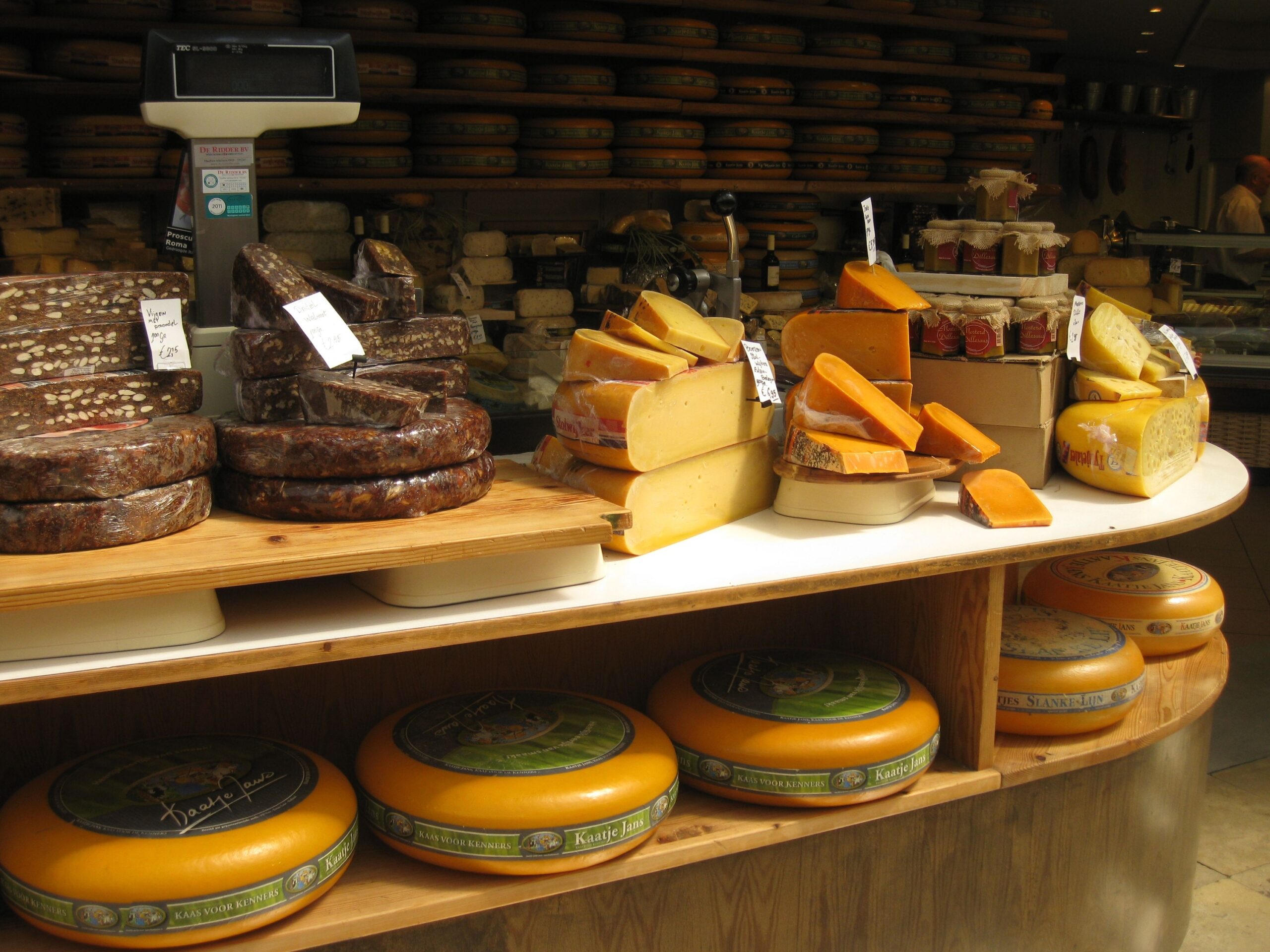

Tucked into the foothills of the Fribourg Pre-Alps, one small Swiss town has quietly shaped the culinary world for nearly a thousand years. Most people know the cheese long before they know the place. That, in itself, is a remarkable story.
In western Switzerland, in the canton of Fribourg, the municipality of Gruyères is the birthplace of Le Gruyère cheese. The town is modest in size, medieval in character, and extraordinary in its cultural weight. Its name is printed on cheese labels across the globe every single day.
A Town Perched on a Hill
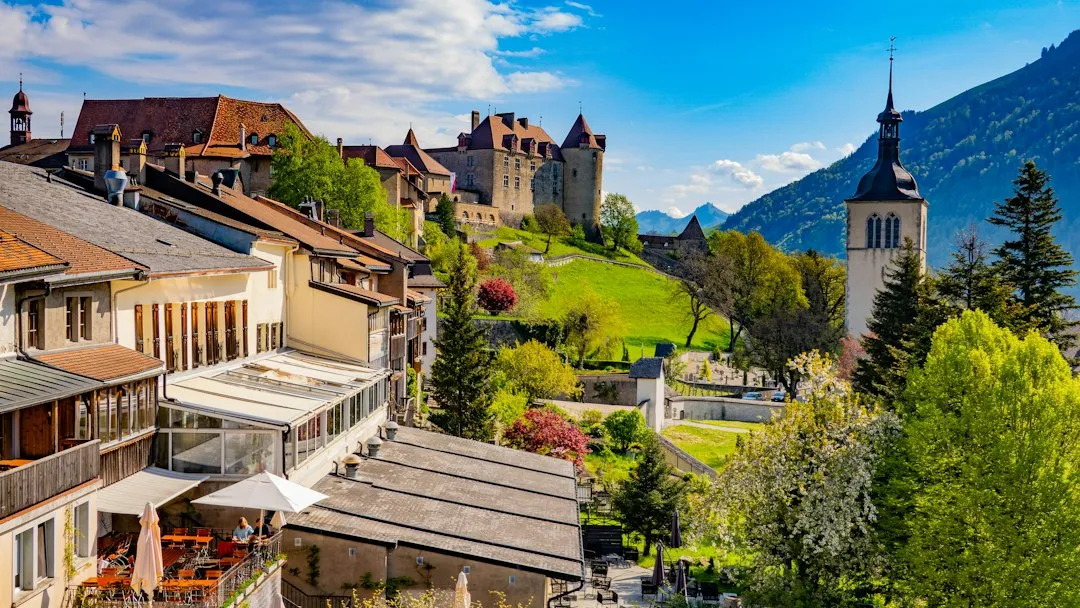
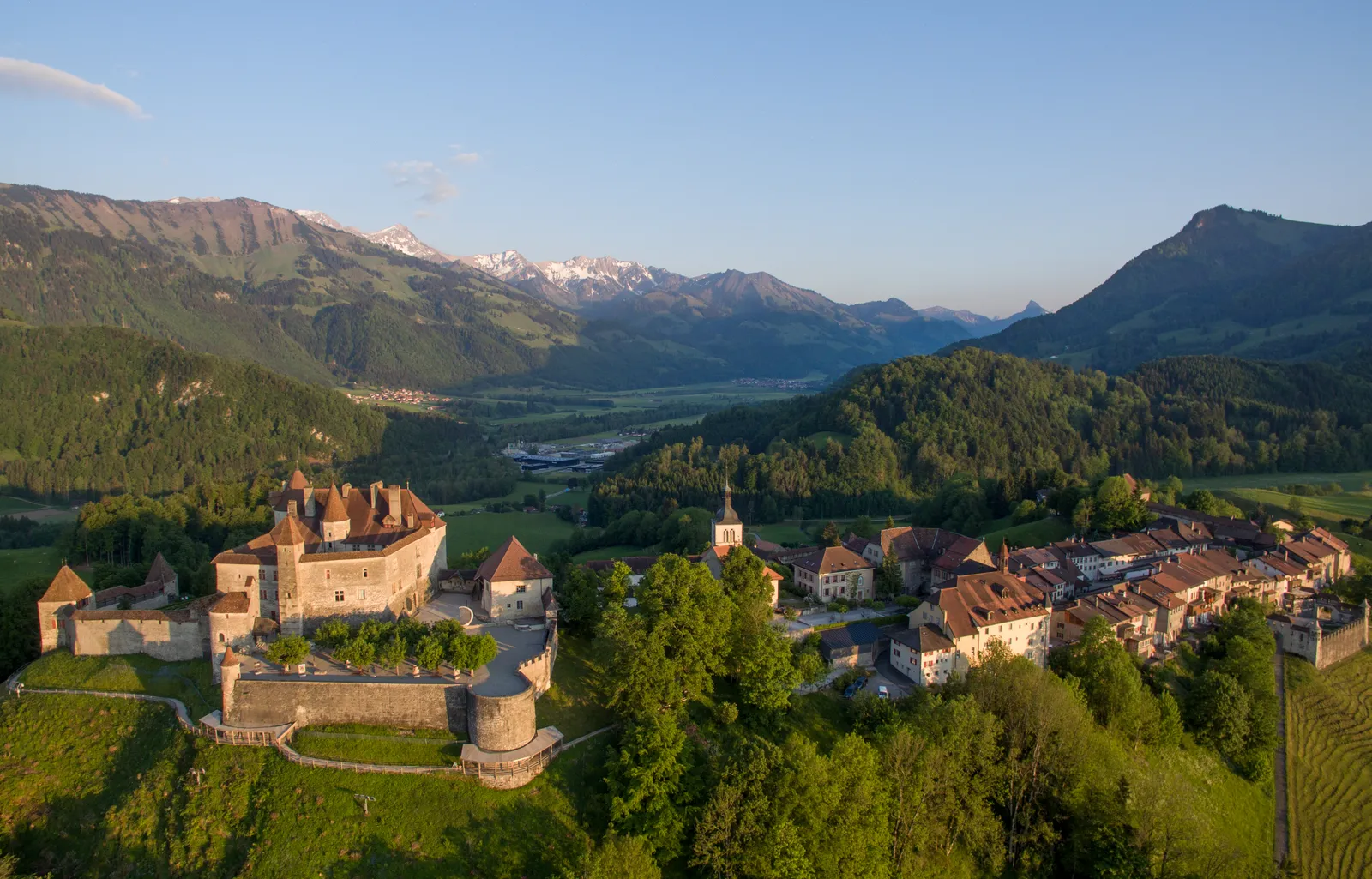
Gruyères is a beautiful, walled medieval town with cobbled streets and its own castle, located at the base of the Swiss Pre-Alps in the French-speaking canton of Fribourg. The setting is not incidental. The castle dominates a green hill at the foot of the Moléson and at the junction of the Jogne and Intyamon Valleys.
Strolling through the car-free town, you discover one photo motif after another, from cobblestones with a beautiful fountain flanked by historic buildings. It is the kind of place that seems almost too picturesque to be real, yet everything here is rooted in centuries of genuine history.
Where History and Cheese Begin
The history of the town dates back to the 12th century, and in 1270, it received town rights, developing into an important administrative and commercial center. The first written records of Le Gruyère cheese date back to 1115, and its name originates from this very town.
The region of Gruyère has been known for its cheese production since at least the 12th century. Cheese production in the area was mentioned in medieval chronicles, and cheese from the area is said to have been sold into France and Italy during this time. That is a trading history spanning more than eight centuries, sustained by the same pastures, the same alpine air, and largely the same methods.
The Counts of Gruyères and the Castle
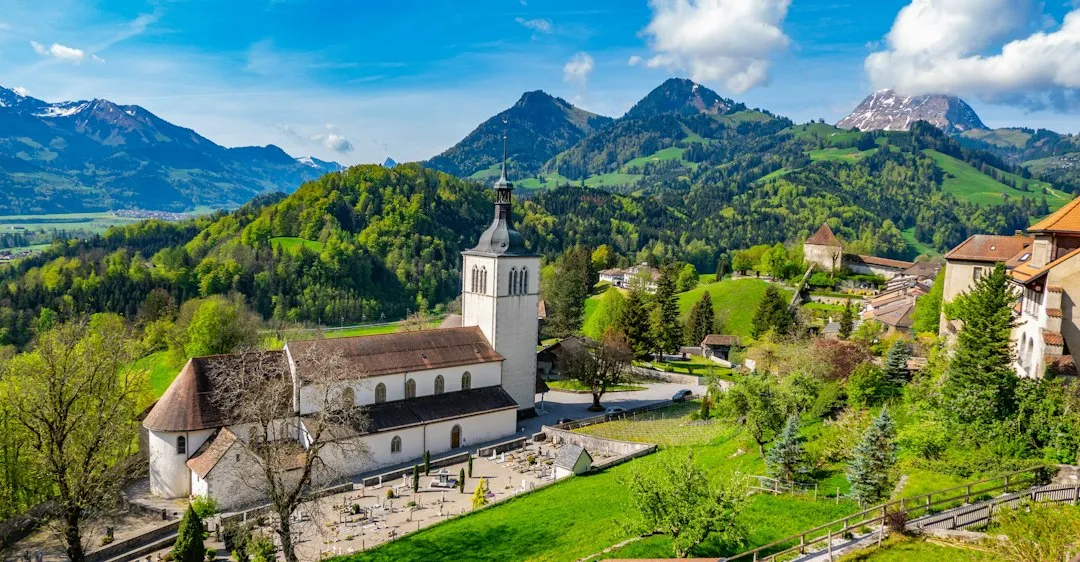
In the 13th century, the Count of Gruyères built his castle at the top of the hill to control the upper Saanen Valley, and the town was developed thereafter. Visitors can discover the Knights’ Hall, medieval stained glass, and the legends of the Counts of Gruyères in one of the most famous castles in French-speaking Switzerland. The castle holds medieval stained glass, frescoes from the Ancien Régime, paintings by Corot, and the Knights’ Hall decorated in the Troubadour style.
Its walls swim in legends, and its garden and rich collections bear witness to a life and culture that has continuously inhabited the region for the last eight centuries. The castle was opened as a museum in 1938 and remains one of the most visited historic sites in the country.
How the Cheese Got Its Name
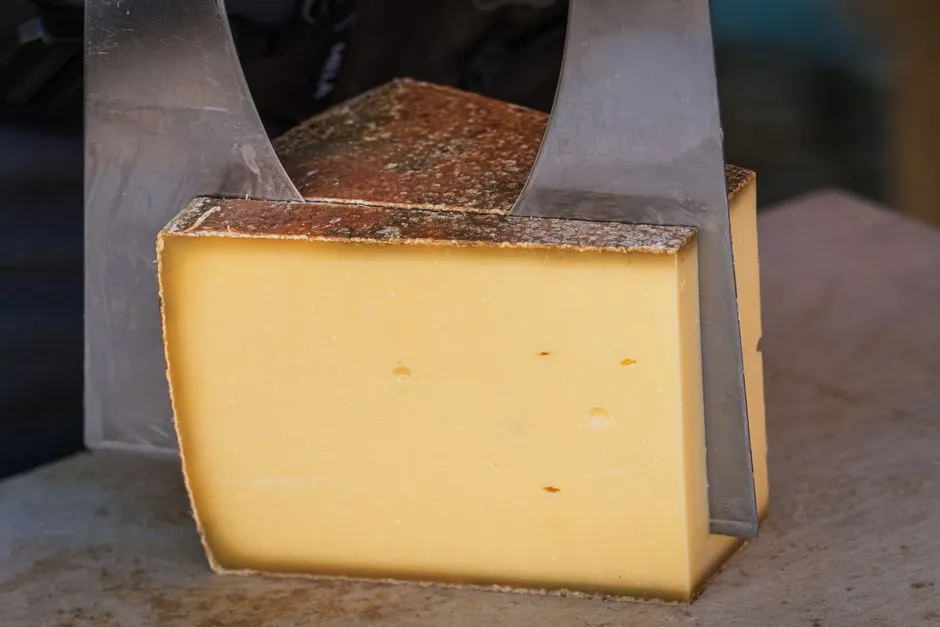
Named for the town of Gruyères found in the larger canton of Fribourg in Switzerland, Gruyère is one member of a family of “mountain cheeses” made throughout the Alps. The beautiful mountains and valleys around the town are where the cows roam and graze; the fresh air, sweet grasses, and lush pastures make the milk particularly high quality, which in turn gives the cheese its incredible flavor.
The history of this traditional cheese can be traced back to the 12th century, when the monks of Gruyères began making it in the region. During the Middle Ages, the cheese was traded in local markets and became a staple food for the people of the region. From monastic kitchens to global dinner tables, the journey of this cheese is quietly remarkable.
A Long Road to Legal Protection
By the nineteenth century, cheesemakers from outside the Canton of Freiburg were producing their own versions of “Gruyère.” There was no trade protection in place, and the cheese was often imitated. By the mid-nineteenth century, a campaign toward structuring trade and a fight for recognizing designation of origin was begun.
In 2001, Swiss Gruyère cheese received AOC (Appellation d’Origine Contrôlée) certification, which regulates the methods and locations of production. In 2011, it received the Protected Designation of Origin (AOP) status for all of Europe. It took more than a century of advocacy to formalize what cheesemakers had always known: this cheese belongs to a specific place.
Strictly Defined: What AOP Really Means
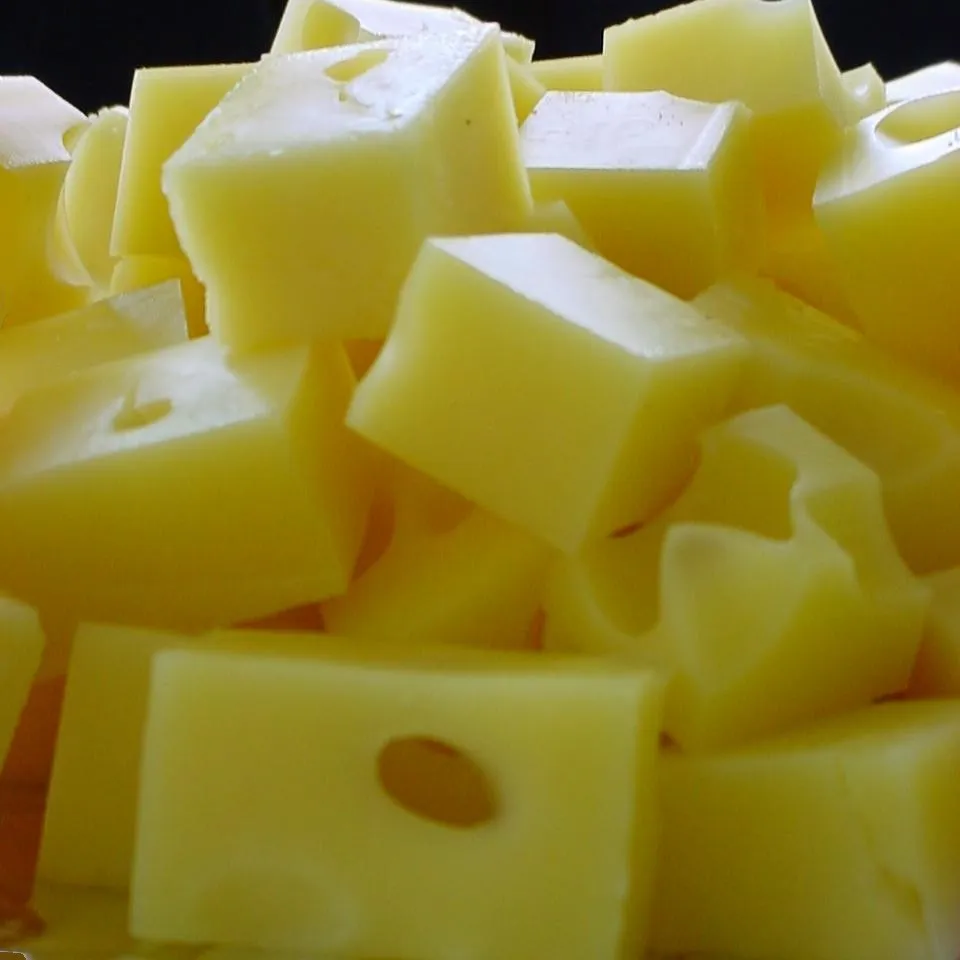
This protected designation of origin ensures that only cheese made in the cantons of Fribourg, Vaud, Neuchâtel, Jura, and a few municipalities in the canton of Bern, using traditional methods and raw milk, can bear the name Le Gruyère AOP. The rules are precise and non-negotiable.
From feeding the cows one hundred percent natural food and banning all additives to traditional production methods in a clearly defined geographical area, every aspect has been carefully considered to preserve the product’s identity and ensure the finest quality. Every wheel is identified by a tag indicating the cheese’s origin and its date of production to guarantee traceability.
The Cheese Itself: Flavor, Aging, and Character
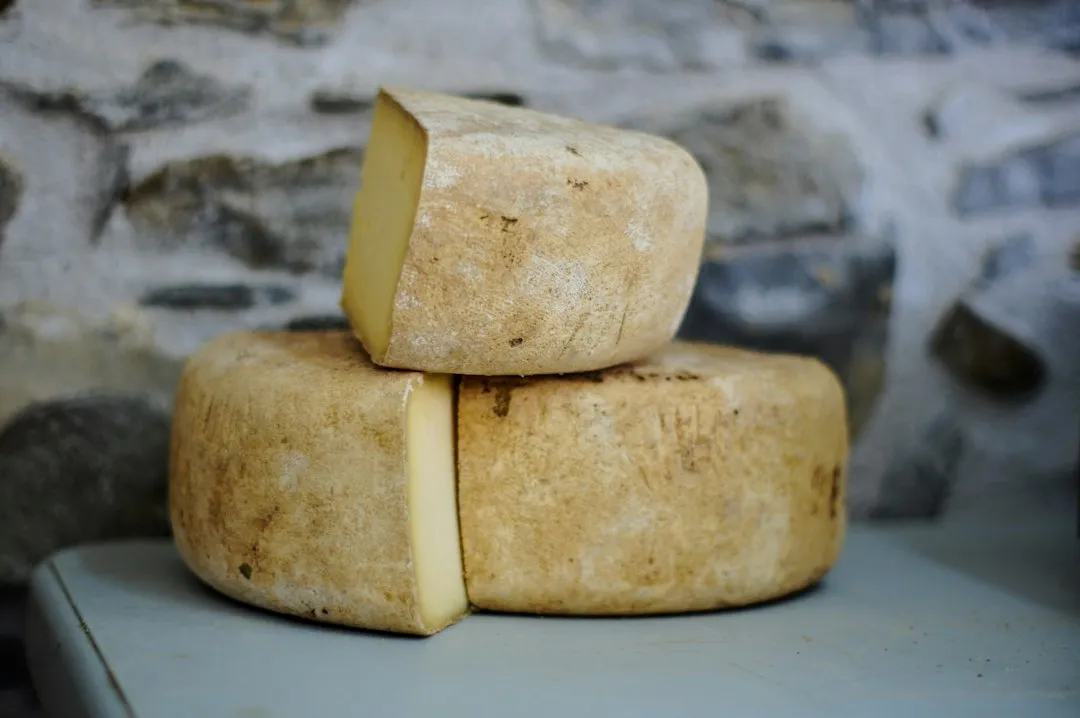
Gruyère is a nutty, fruity raw cow’s milk cheese, aged for at least five months and up to even two years. Gruyère can be cured for three to ten months, with long curing producing a cheese of intense flavor. The longer it ages, the more complex and assertive its character becomes.
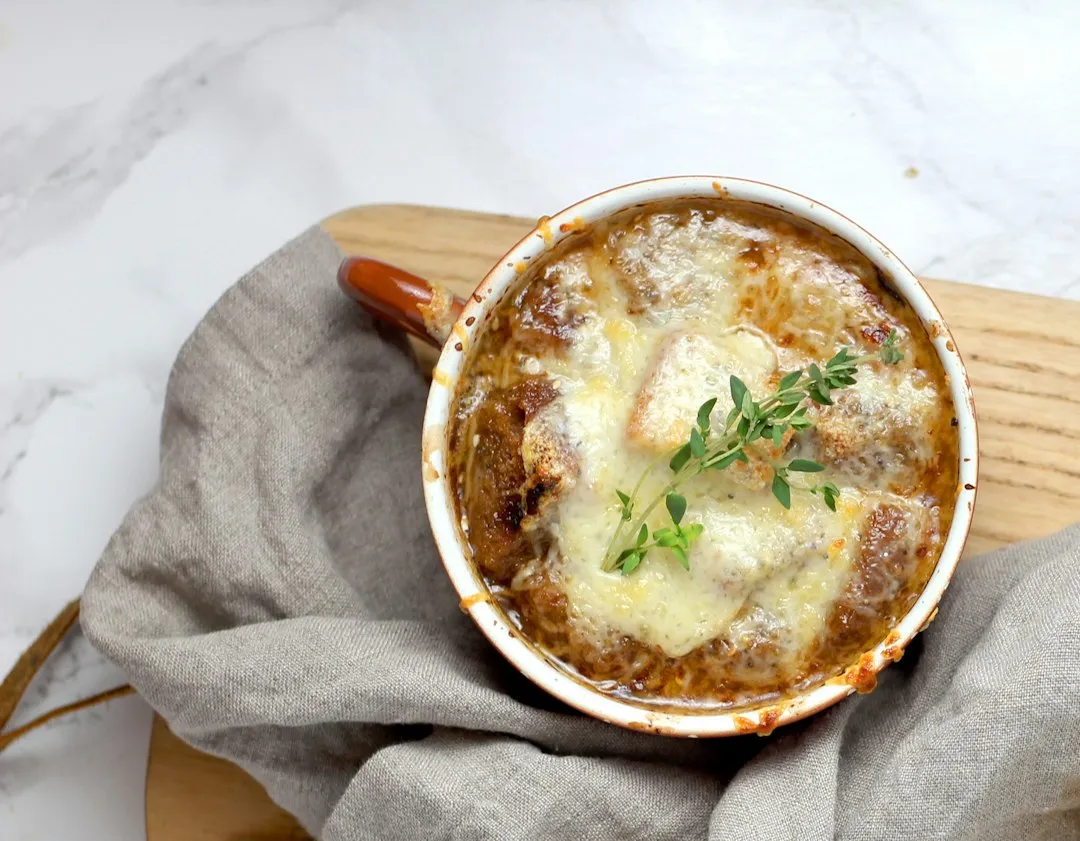
Gruyère is a cheese that melts exceptionally well, which is why it is one of the two main cheeses used in traditional Swiss fondue. Gruyère is used in many ways in countless dishes, and it is considered a good cheese for baking because of its distinctive but not overpowering taste. Few cheeses manage to be this versatile without losing their identity.
Production Numbers and Global Reach
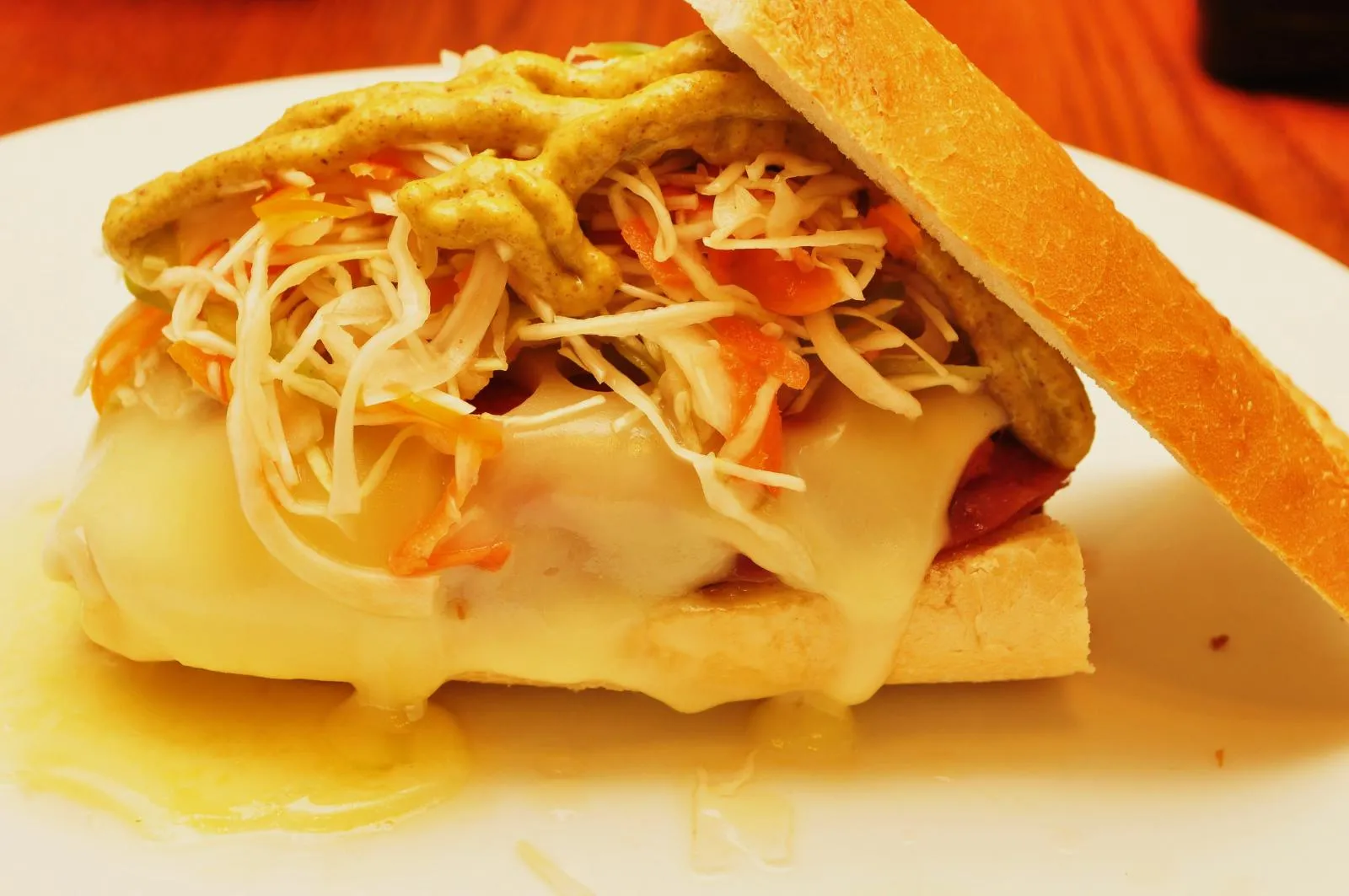
Le Gruyère AOP is Switzerland’s most-produced and most-consumed cheese, and a cornerstone of the country’s dairy heritage and rural economy. Gruyère continues to be a staple, with approximately 30,000 tons produced annually.
According to the Interprofession du Gruyère’s Annual Report, imports of Le Gruyère AOP into France reached 1,241 tonnes in 2024. In the United States, Gruyère-style cheese, often produced in Wisconsin, can legally be labeled “gruyère,” following a 2023 federal appeals court ruling that deemed the term generic, even as authentic Le Gruyère Switzerland AOP remains protected in Europe by strict origin standards. The legal distinctions matter deeply to producers in Fribourg.
La Maison du Gruyère: Where You Can Watch It Happen
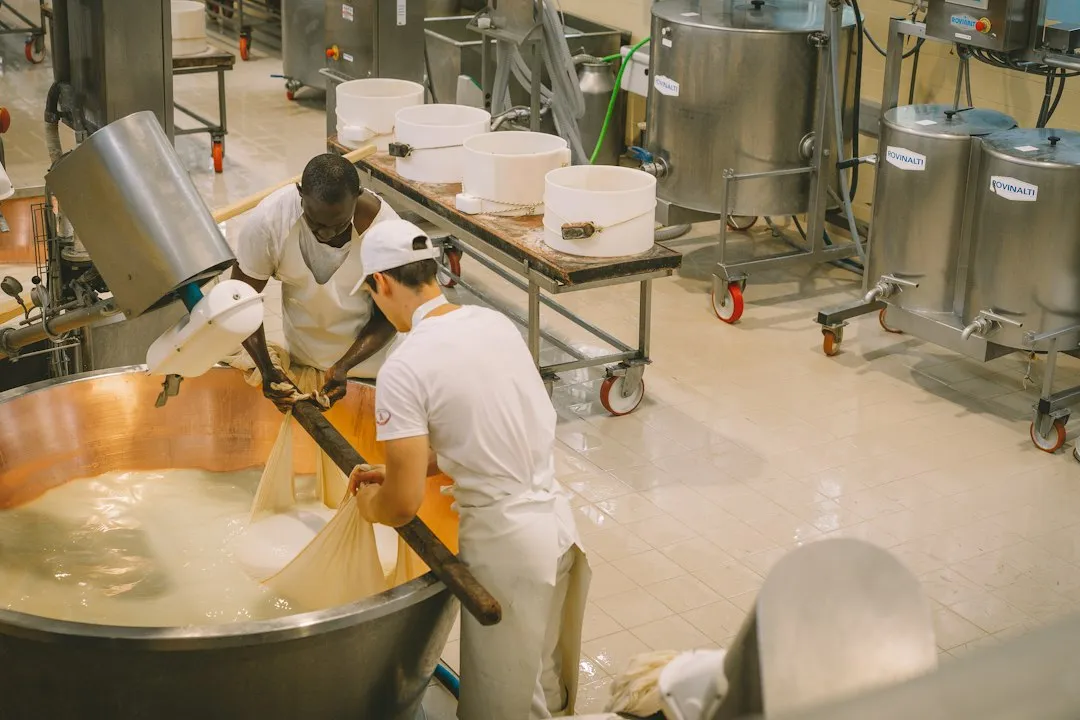
Gruyères is home to La Maison du Gruyère, a museum and cheesemaking facility that is open to the public. The La Maison du Gruyère cheese dairy below the hilltop town offers a real production visit, with the cheese made here every day, rather than a simulated tourist experience.
Watching a wheel of cheese come to life in copper vats, following centuries-old methods, is one of the more grounding experiences a food lover can have in Switzerland. Inside the dairy, copper vats hold the day’s milk as cheesemakers work by hand, following the strict production rules required for Le Gruyère AOP, to produce six to seven wheels daily.
Beyond the Cheese: Gruyères as a Destination
The HR Giger Museum, dedicated to the Swiss surrealist artist who created the visual design of the “Alien” film franchise, occupies a medieval building in the heart of the old town and is one of the most unexpected and genuinely compelling museums in Switzerland. It sits just steps from the cheese dairy, which says something interesting about the town’s range of character.
The full Gruyères experience, covering the old town, castle, HR Giger Museum, cheese dairy, and Cailler chocolate factory, requires a full day and is best done with a car or by using the regional train that serves both Gruyères and Broc-Fabrique. Gruyères is worth the detour for almost anyone touring French-speaking Switzerland, the combination of a genuinely intact medieval town, a real working cheese dairy, and the startling HR Giger Museum is hard to replicate elsewhere.
A Name That Traveled Farther Than Its Founders Ever Could
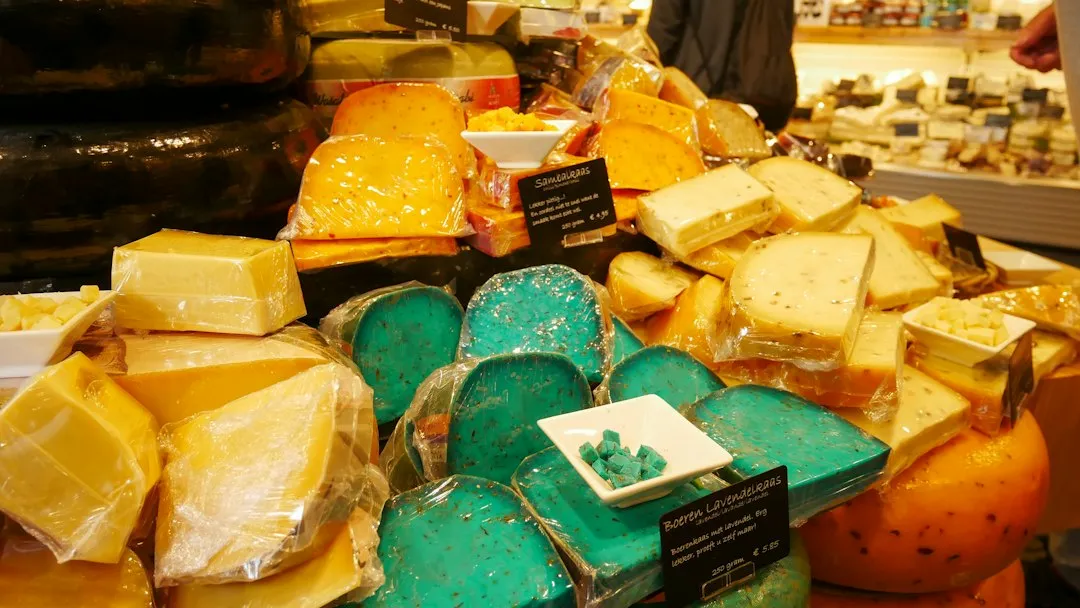
There is something quietly remarkable about a small hilltop town in western Switzerland having its name spoken in kitchens, restaurants, and supermarkets across dozens of countries, every single day. Le Gruyère AOP has had protected Appellation d’Origine Protégée status since 2001, and a Le Gruyère AOP has been named World Champion cheese on multiple occasions.
The town of Gruyères never sought global fame. It simply had fertile pastures, skilled hands, and a tradition worth protecting. That turned out to be more than enough. The designation safeguards the cheese’s quality, production process, and local origin, which have developed over centuries. Some things, it seems, are worth taking very good care of.
AI Disclaimer: This article was created with the assistance of AI tools and reviewed by a human editor.