

Somewhere between Sweetwater and Madisonville in Monroe County, Tennessee, a mountain holds a secret most people drive right past. Beneath the rolling farmland at the foot of the Great Smoky Mountains, a vast network of chambers drops 140 feet into the earth and opens onto a lake so large that no one has ever found its end.
This is Craighead Caverns, home to the Lost Sea – a body of water that has earned a place in the Guinness Book of World Records and has drawn explorers, Cherokee councils, Confederate soldiers, and curious travelers for centuries. It’s one of those rare places where geology, history, and genuine mystery all converge in the same underground room.
Where Exactly It Hides
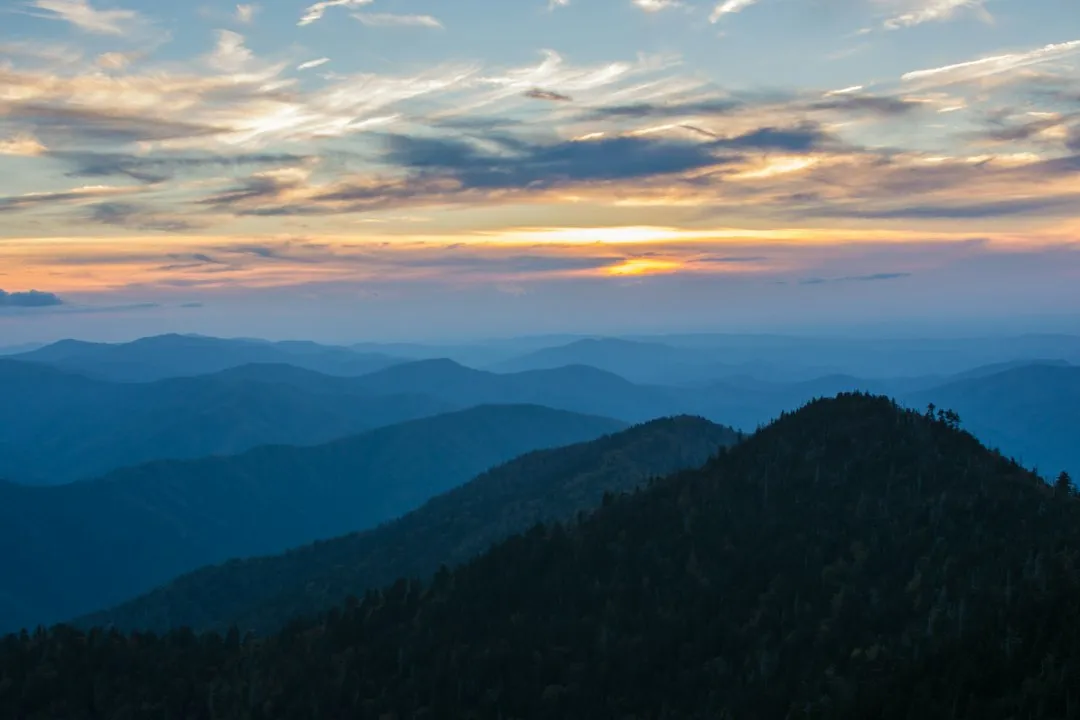
At the foot of the Great Smoky Mountains, between Sweetwater and Madisonville in Tennessee, the Lost Sea is located within the vast cave system known as Craighead Caverns. The Lost Sea attraction sits in Sweetwater, Tennessee, about 50 miles southwest of Knoxville. The surrounding landscape gives almost no hint of what lies below – it’s ordinary Tennessee farmland on the surface, and something extraordinary underneath.
The Scale of the Lake
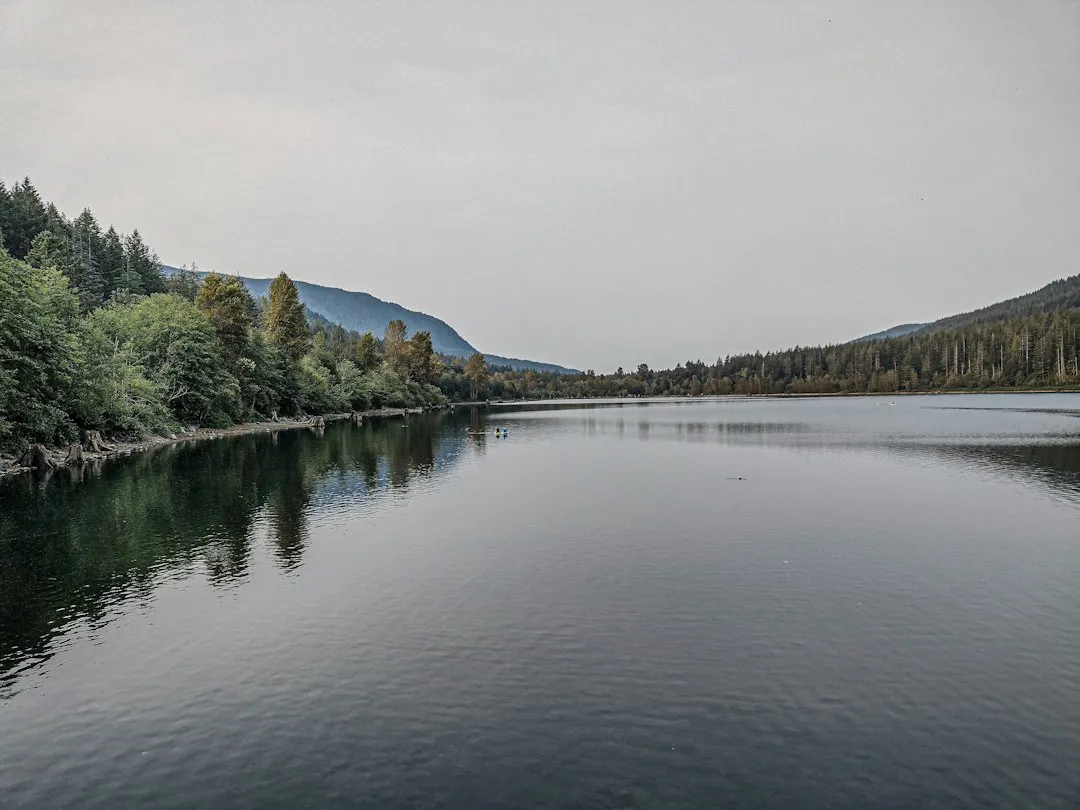
Spanning more than 240 meters at the surface alone, this body of water is by far the largest underground lake in America and the second-largest in the world. The visible area of the lake is 250 meters long and 67 meters wide, with a known total area of approximately 18,000 square meters. The water is at least 70 feet deep and covers four and a half acres.
The depth of the lake starts on one side at only about five feet deep, sloping down dramatically to 70 feet at its lowest point. What makes the scale even harder to pin down is that researchers still don’t have a complete picture of the lake’s true extent.
A Lake That Has Never Been Fully Explored
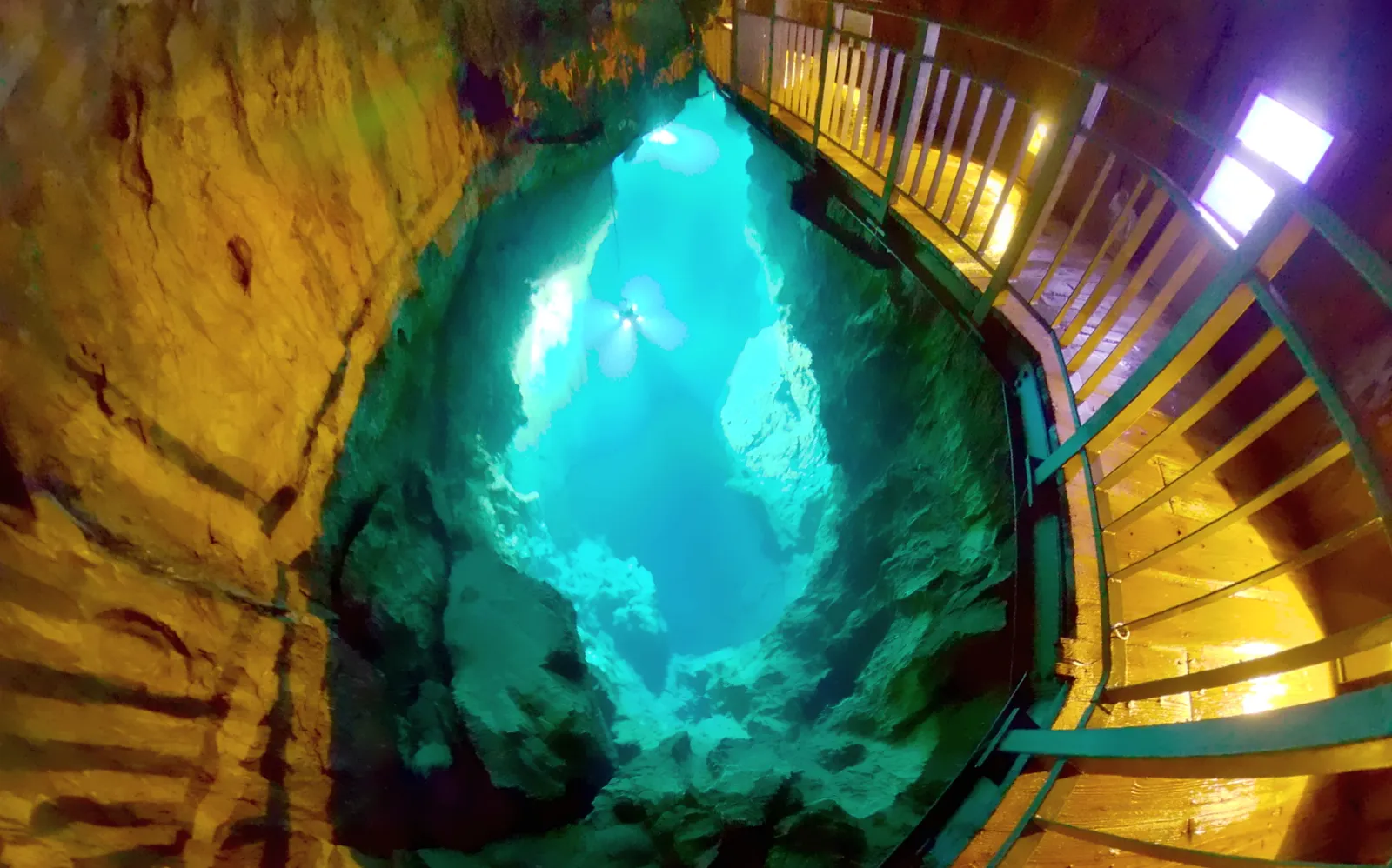
Deep beneath an unassuming corner of Tennessee, this colossal body of underground water is so large that no one is actually sure how big it is. Cave divers have been mapping parts of it for years and still have not found the end. The exact depth and area of the lake is still a debate, as many unexplored rooms within Craighead Caverns filled with water are yet to be accounted for.
For decades, cave divers have explored many of the lake’s underwater chambers to try and map its full extent, but these efforts have still not located a definitive end to the lake. The idea that a lake in Tennessee remains genuinely unmapped in 2026 says something about just how unusual this place really is.
The Boy Who Discovered It
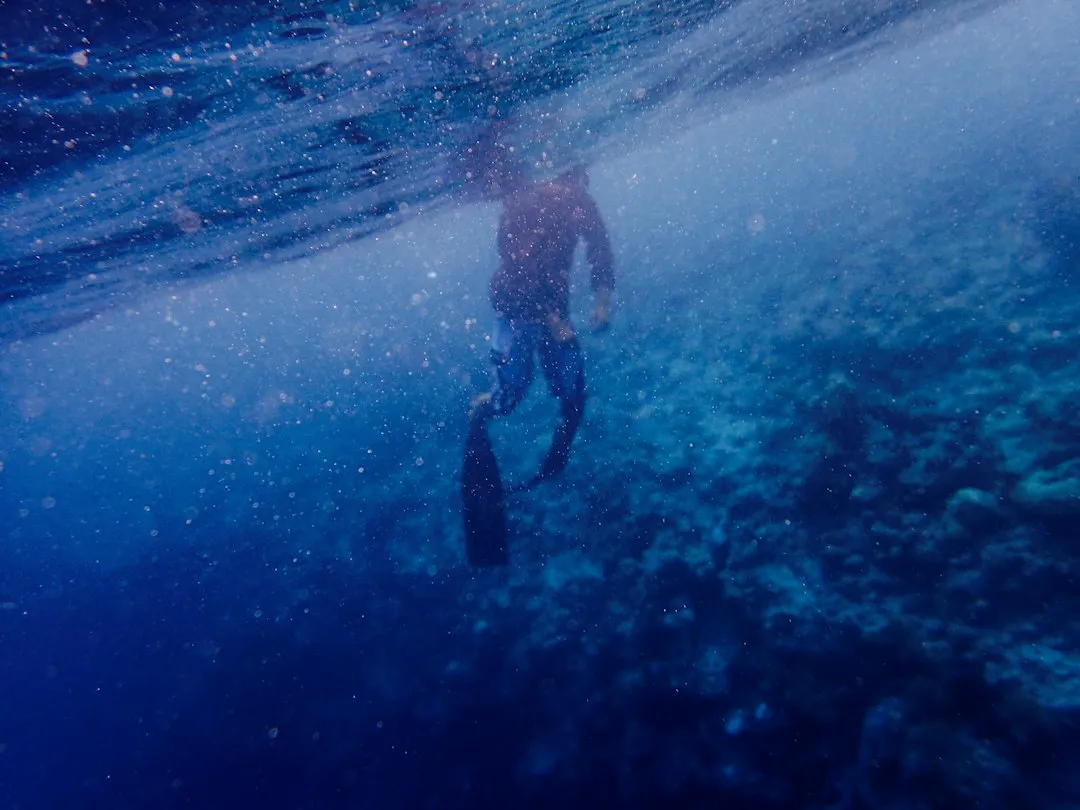
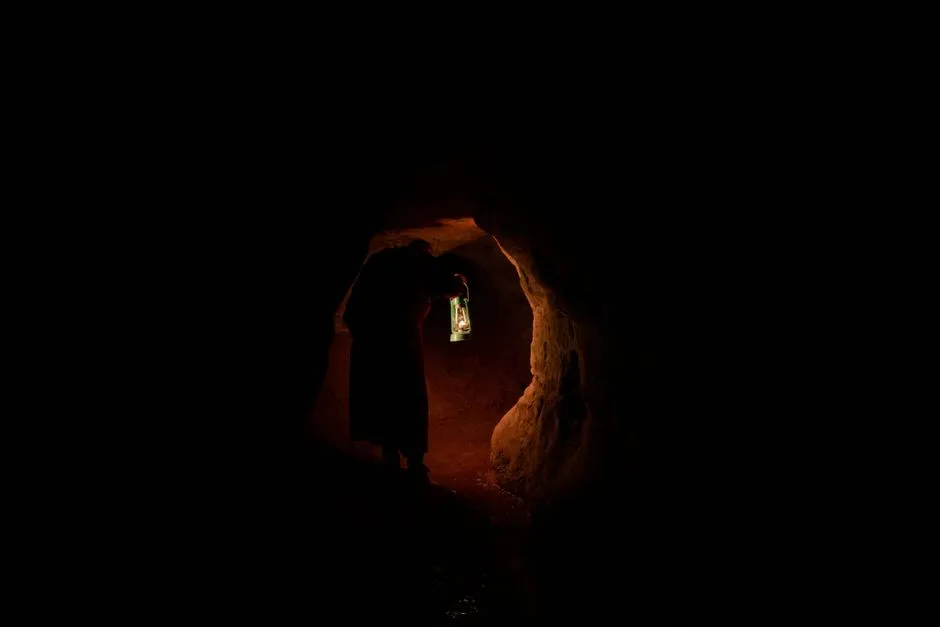
The lake was discovered in 1905 by a thirteen-year-old boy named Ben Sands, who was exploring the caves where his father often guided people through its many rooms. He played in the caves often, and crawled into a room so large he couldn’t see its walls with his lantern. He threw mud balls in all directions and heard splashes.
The water level of the lake fluctuates depending on precipitation, and by the time Ben had convinced his father to return to explore his discovery further, the water level had risen and concealed the entrance – local explorers only rediscovered it several years later. Because of his discovery, the Lost Sea Adventure now sees about 150,000 tourists a year from all over the world.
The Cherokee History Within These Walls
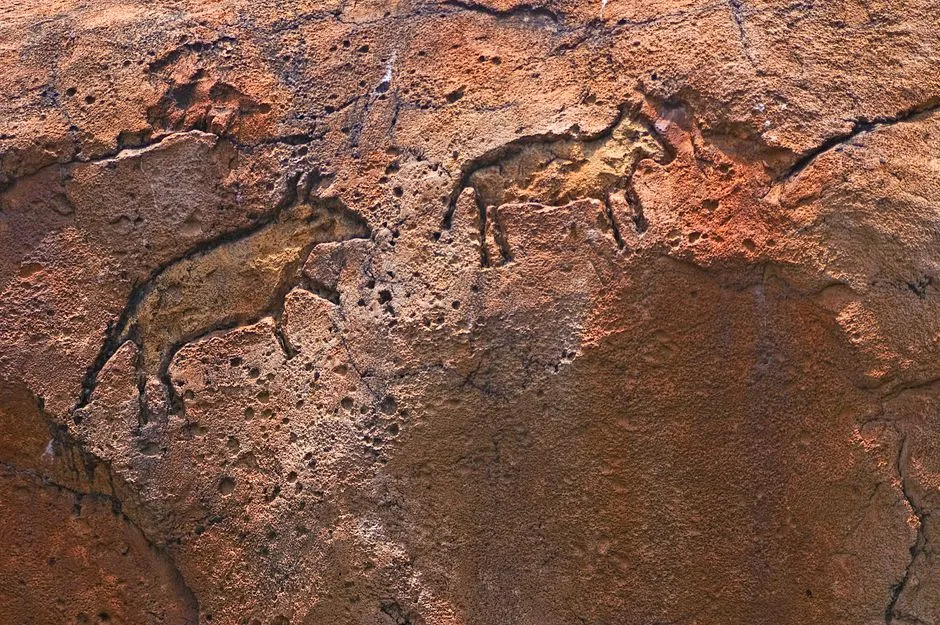
Located in the foothills of the Great Smoky Mountains, the caverns are named after their former owner, a Cherokee Native American, Chief Craighead. The caverns were used by the Cherokee as a meeting place for their councils. Cherokee councils used the caverns as their meeting place in the 1820s, and the caverns are located just 25 miles from Chotow, the historic capital of the Cherokee nation.
An array of Indian artifacts – including pottery, weapons, and jewelry – have been found nearly a mile from the Lost Sea entrance in a cave now known as “The Council Room.” The presence of these objects confirms that this wasn’t a casual shelter. It was a place of significance, used deliberately and over generations.
Civil War Secrets Carved Into the Caves
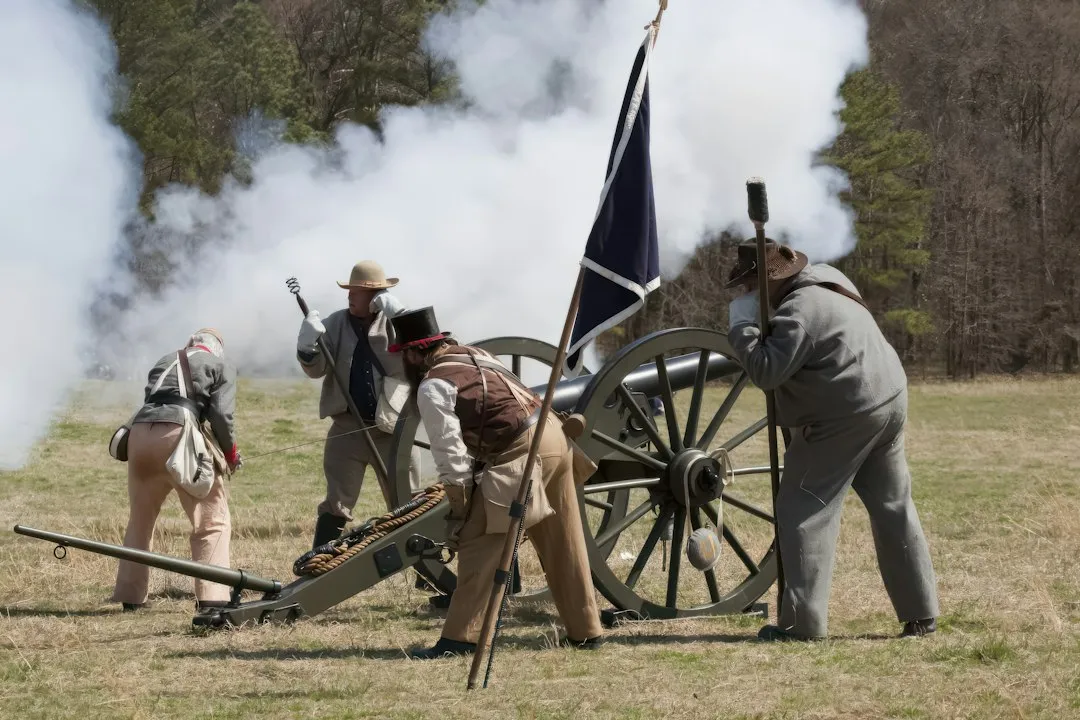
During the American Civil War, the caves were mined by Confederate soldiers for saltpeter, a commodity necessary to the manufacture of gunpowder. Confederate soldiers mined the caverns for saltpeter and used it to manufacture gunpowder during the Civil War in the 1860s, and a date torched on the walls bears testament to the enterprise.
The major cave and lake area was also used as a hideout for moonshiners, especially during the Prohibition era. Layer upon layer of human history is literally written into these walls, from the Cherokee to the Confederacy to bootleggers running stills in the dark.
Ancient Fossils and Prehistoric Life
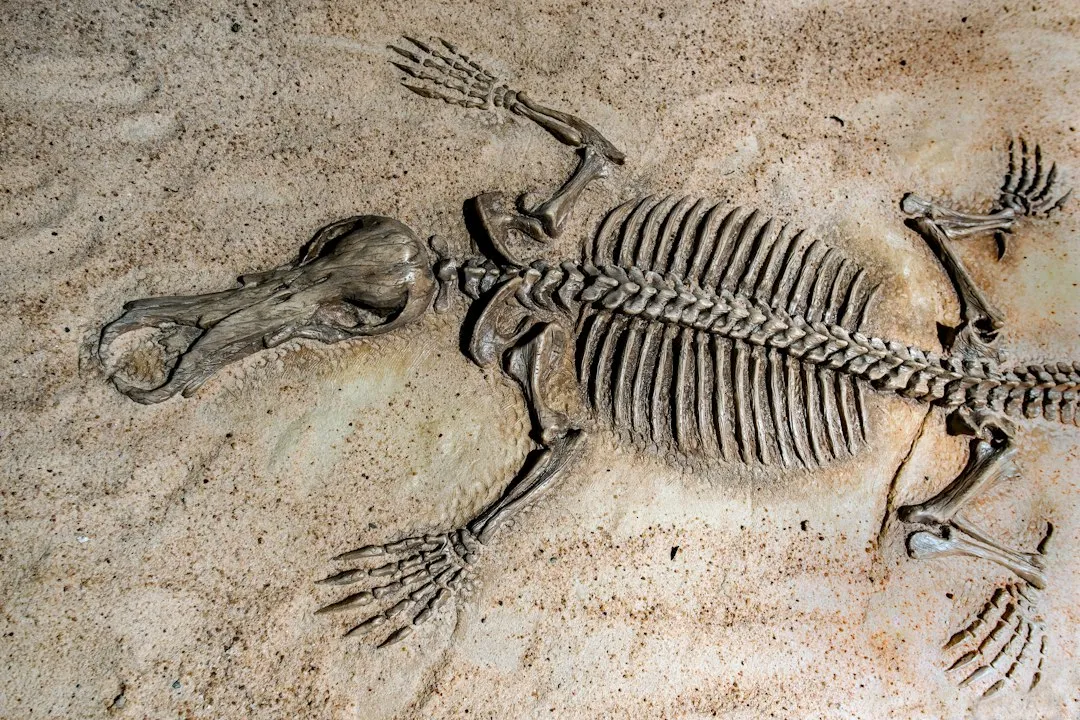
Most notably, 20,000-year-old fossilized footprints and bones of a jaguar from the Pleistocene epoch were discovered in the cave in 1939. Explorers found the fossilized remains of a Pleistocene jaguar and an elk fawn, which led to an excavation by paleontologists from the American Museum of Natural History in New York City.
A portion of the remains are now on display in the American Museum of Natural History in New York, while others – and plaster casts of the cat’s tracks – can be viewed at the visitor center. The idea that a giant Ice Age jaguar once wandered through these same chambers adds a dimension to the experience that few caves in the world can match.
The Rare Cave Flowers Found Almost Nowhere Else
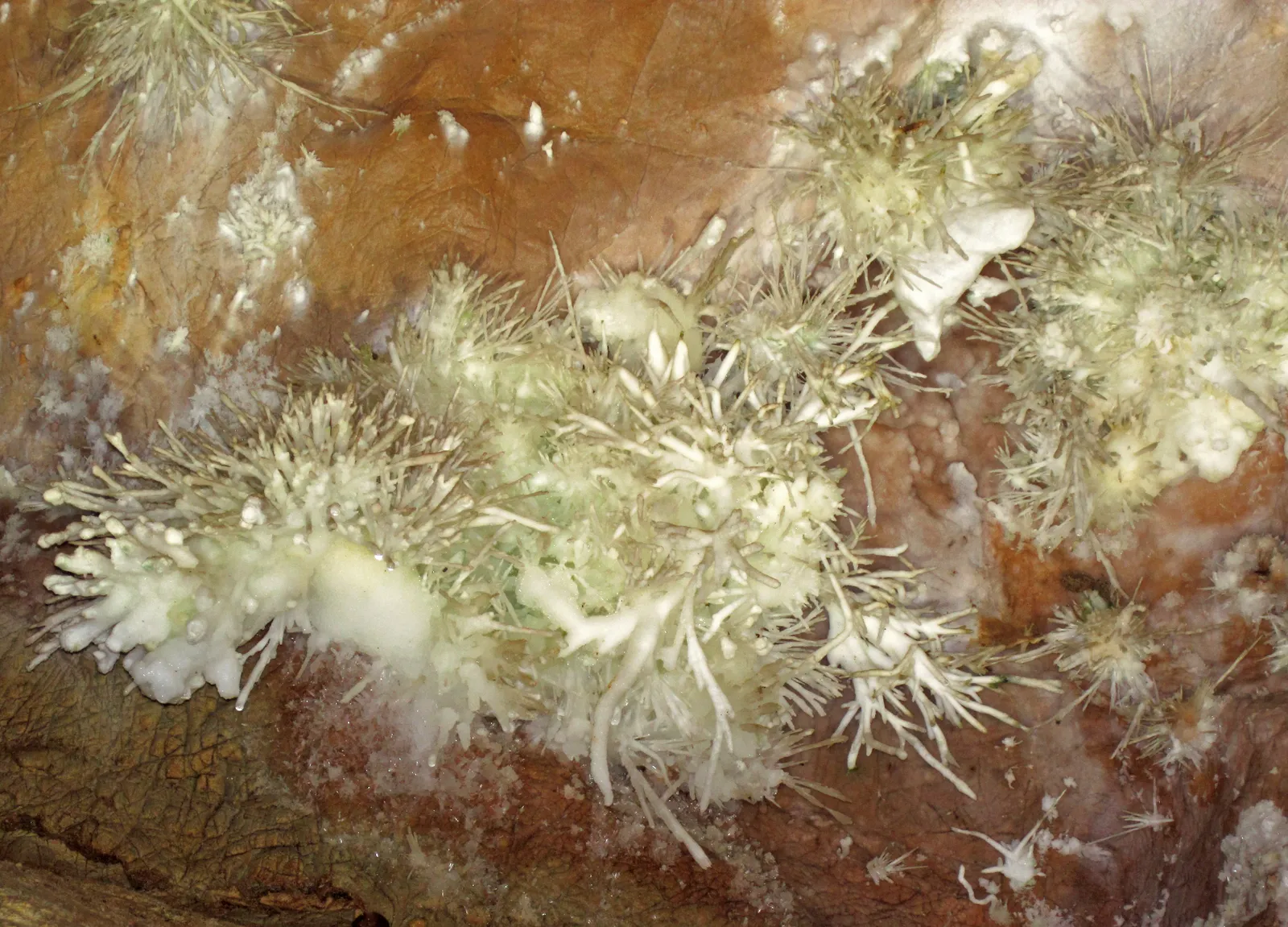
In addition to the lake, the caverns contain an abundance of crystal clusters called anthodites, stalactites, stalagmites, and a waterfall. Craighead Caverns is believed to have around 50 percent of all the anthodite formations in the world. These are spiky, radiating mineral structures that look nothing like a typical cave wall – they’re otherworldly in appearance.
Fragile crystalline clusters known as anthodites adorn the cavern walls, a feature found in only a handful of caves worldwide. Their concentration inside Craighead Caverns is a geological anomaly that on its own would make the site worth visiting, even without the lake.
The Rainbow Trout Living in Permanent Darkness
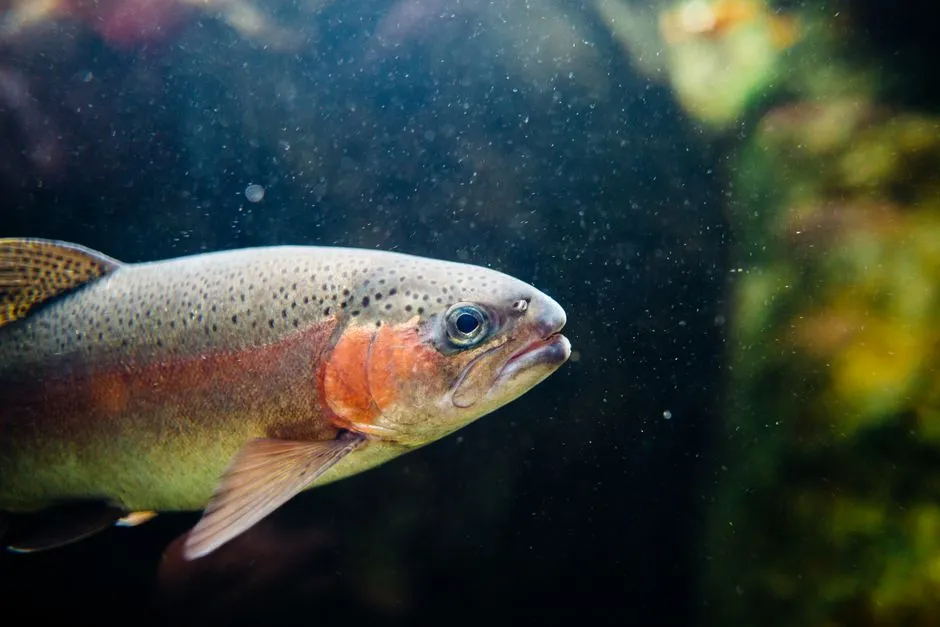
The fish were introduced to the water as an experiment back in 1967 to see if they could find their way out. Rainbow trout were chosen because they typically swim upstream, and the fish were marked so they could be tracked if they got out. They never did. Since these fish had no natural enemies, they continue to live and thrive down here. The cave water has a filtration system to oxygenate the water, and they are fed during tours.
After spending so much time underground, the trout have lost most of their eyesight and much of their original color. A boat ferries visitors across the clear water where you can dip your fingers in the cold lake and watch rainbow trout swim by – and there are almost 300 of them in the lake.
The National Recognition It Has Earned
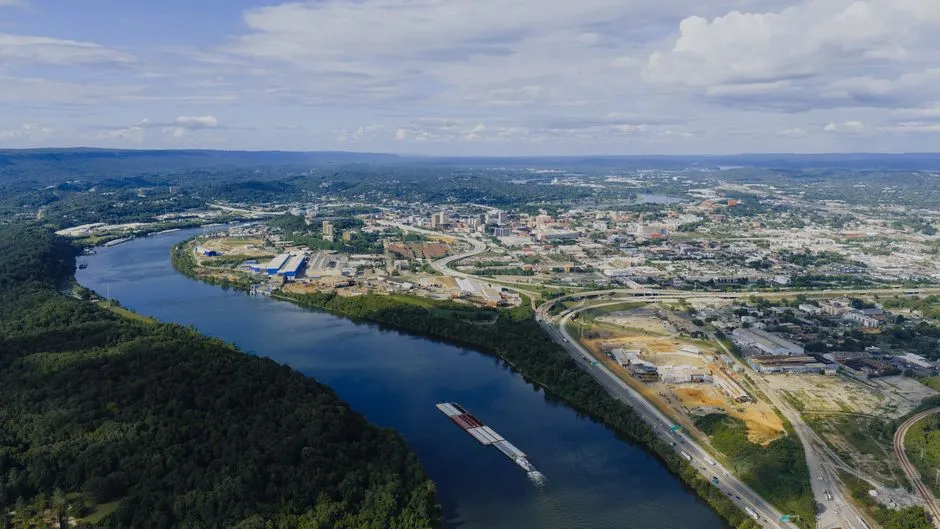
The Lost Sea in Sweetwater, Tennessee leads 140 feet below the surface and holds a Guinness World Record for being America’s largest underground lake. With so much geological and historical significance, Craighead Caverns and the Lost Sea is officially listed as a National Natural Landmark by the U.S. National Park Service.
The Tennessee landmark was added to the U.S. National Park Service list of National Natural Landmarks in 1974. That designation reflects both the geological rarity of the anthodite formations and the sheer scale of the underground lake – a combination that exists essentially nowhere else in the country.
What a Visit Actually Looks Like
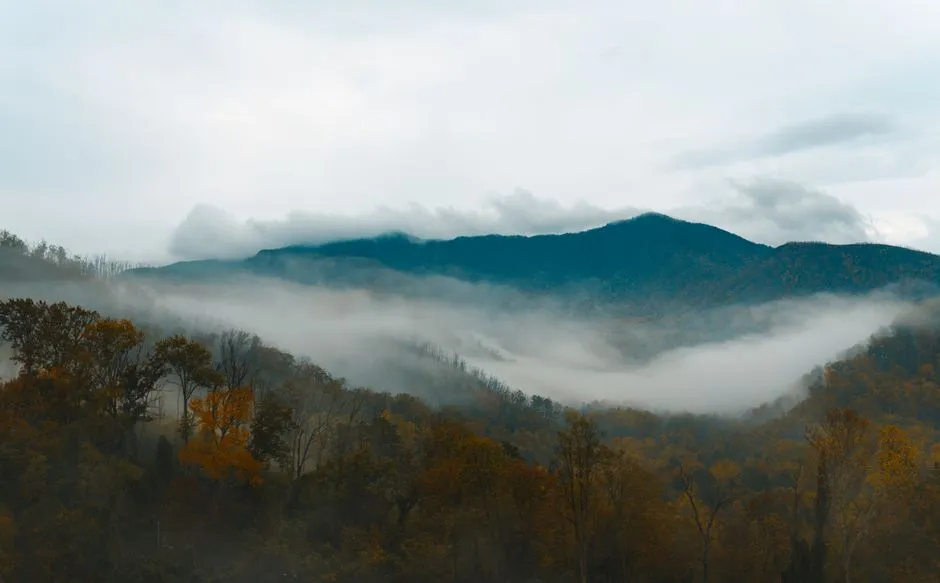
The Lost Sea maintains a constant temperature of 58 degrees Fahrenheit year-round, which makes it a welcome retreat in summer and a surprisingly comfortable one in winter. Tour options include a daily tour, a daytime wild cave tour, and an overnight wild cave tour. You can take a tour and enjoy a glass-bottomed boat ride, with each tour running about an hour and fifteen minutes.
Spanning a little over four acres, the lake feels enormous nestled into its underground confinement. The translucent waters glisten in the low lights of the cave and give off a distinct blue hue. For most visitors, stepping onto the boat and watching the cave walls disappear into the distance is a genuinely disorienting moment – the kind that stays with you.
A Place That Keeps Its Secrets Well
The Lost Sea has been walked through by Cherokee elders, Confederate soldiers, bootleggers, teenage explorers, and paleontologists. It has been officially recognized by Guinness, the National Park Service, and scientists from New York to Tennessee. Yet its full dimensions remain unknown.
There’s something quietly remarkable about that. In an era when most of the world has been catalogued and mapped to the inch, this Tennessee cave still holds water nobody has traced to its end. That’s not a marketing line – it’s simply the truth of the place.
AI Disclaimer: This article was created with the assistance of AI tools and reviewed by a human editor.