

What the Official Rules Actually Say
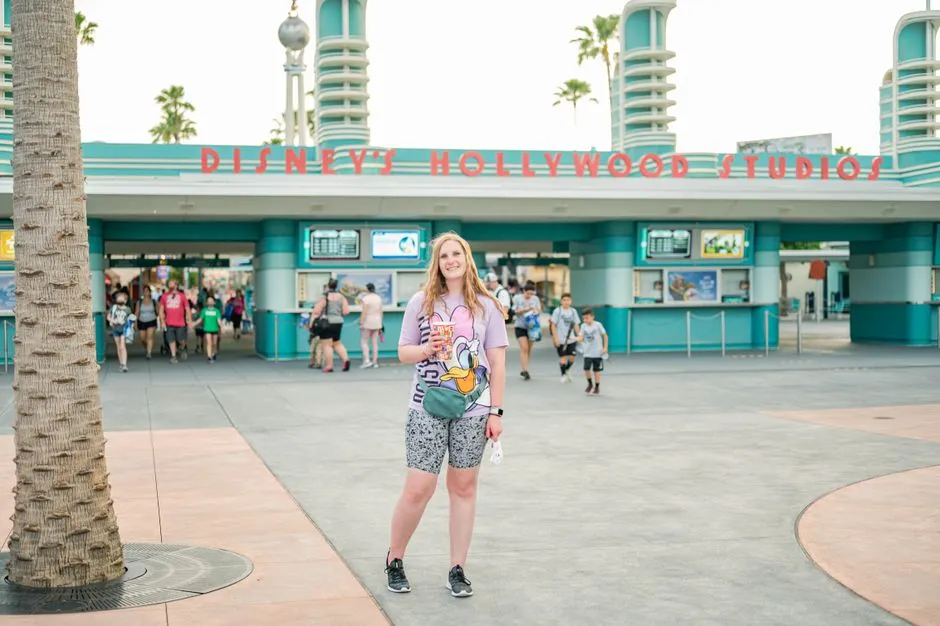
Queue jumping is the act of entering a line of people at any position other than the back. That definition sounds simple, but its application inside a theme park covers a range of behaviors that many guests don’t even realize are violations.
Disney’s policy states that guests must show common courtesy by avoiding “unsafe, illegal, disruptive, or offensive behavior,” which specifically includes jumping lines or saving places in lines for others. The language is deliberate and leaves very little room for interpretation.
On the park guide and map at parks like Knott’s Berry Farm, it clearly states that line jumping is against park rules and may result in ejection from the park. Most guests walk past this notice without a second glance.
Holding a Spot Is Now Officially Line Skipping

Without fanfare, Disney recently updated its official policy to explicitly state that “holding a place in line for others is considered line jumping,” a practice previously existing in a gray area. This was a meaningful shift, and many regular visitors were caught off guard by it.
In a recent online statement, Disney clarified that this behavior is now considered “line skipping,” a violation of park rules, and the company made it clear that if you’re caught holding a spot in line, you could be removed or even banned from the parks.
The update effectively closed a loophole that large groups had quietly exploited for years: sending one person ahead to secure a position, then having the rest of the group trickle in much later. That practice now carries the same weight as an outright cut.
What “Removed From the Queue” Actually Means

Common penalties for cutting the line without an authorized pass range from being forced to the back of the line to removal from the premises entirely. The severity depends on the specific park, the cast member on duty, and whether the behavior was deliberate or accidental.
Those caught cutting may be removed from the line or even asked to leave the park, though enforcement can vary depending on the situation and the cast members monitoring the attraction.
Disney maintains a zero-tolerance policy for violence connected to these disputes, and potential consequences include immediate ejection from the property without a refund, as well as lifetime bans. For violent incidents, Disney frequently issues a “Trespass Warning,” a legal notice that can ban an individual from all Disney properties worldwide indefinitely.
The Gray Area: Rejoining Your Party After a Restroom Break
The most debated gray area at both Disneyland and Walt Disney World involves guests who leave a line for a restroom break or an urgent issue and then attempt to rejoin their party. While Disney’s official stance has varied over the years, most frontline cast members are trained to allow small regrouping scenarios, such as a parent and child returning.
At the center of one viral discussion was a guest’s claim that a cast member removed his family from a ride queue after another visitor accused them of cutting, despite the incident stemming from a restroom break. The situation escalated, stalled the family’s day, and left the guest wondering whether the entire ordeal was normal.
Families often navigate long days at the parks with small children who cannot wait in line uninterrupted. Allowing them to rejoin is generally considered normal, and most cast members do not treat it as line-cutting. The trouble starts when the optics look ambiguous to other guests nearby.
How Other Guests React – and the Numbers Behind It
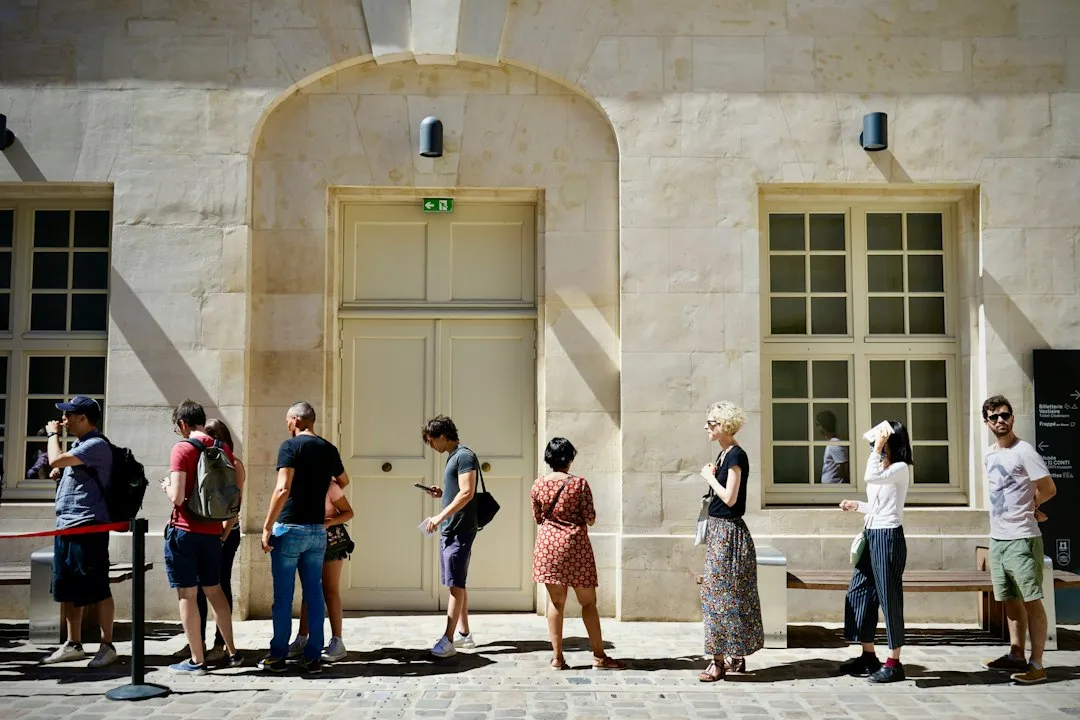
According to one study, a person cutting in line has a roughly 54 percent chance that others in the line will object. With two people cutting in line, that figure rises to over 91 percent. The proportion of people objecting from anywhere behind the cutter sits at about 73 percent, with the person immediately behind the point of intrusion objecting most frequently.
While some believe allowing one or two people to join their group is harmless, many others see it as a frustrating breach of park etiquette, especially when those individuals skip significant portions of long queues.
The emotional charge of that moment is real. Waiting an hour only to have people insert themselves ahead of you is the kind of thing that tends to escalate quickly, even among otherwise reasonable adults.
When Confronting Line Cutters Goes Wrong
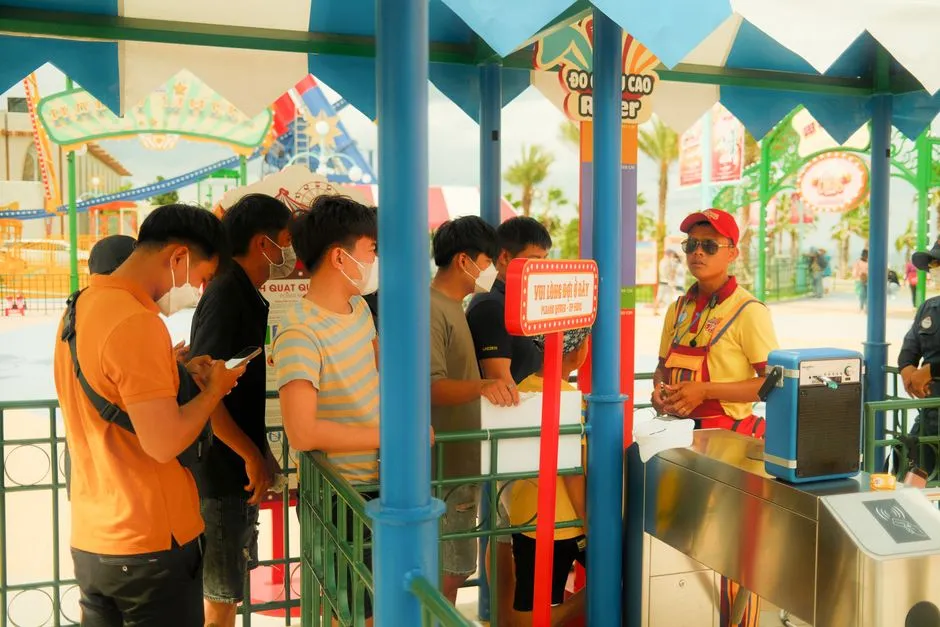
One group confronting another about allegedly cutting the line has led to violence inside theme parks before. It’s a pattern that parks have observed with enough regularity that some have built reporting systems specifically to reduce direct confrontations.
During Universal Studios Singapore’s Halloween Horror Nights, a 21-year-old man reported being assaulted after confronting a group attempting to cut the line for a popular horror attraction. He observed three women trying to cut the queue and warned them against it. The confrontation escalated into verbal threats, and when the women successfully moved ahead, three men from their group attempted to breach the line as well, resulting in a physical assault.
People who purposely line cut are unlikely to be fair people who can be reasoned with. When confronted, they will not own up to their bad behavior and can behave irrationally, up to the point of throwing punches. It’s an uncomfortable reality, but one worth knowing before deciding how to respond.
Knott’s Berry Farm’s Unusual New Approach
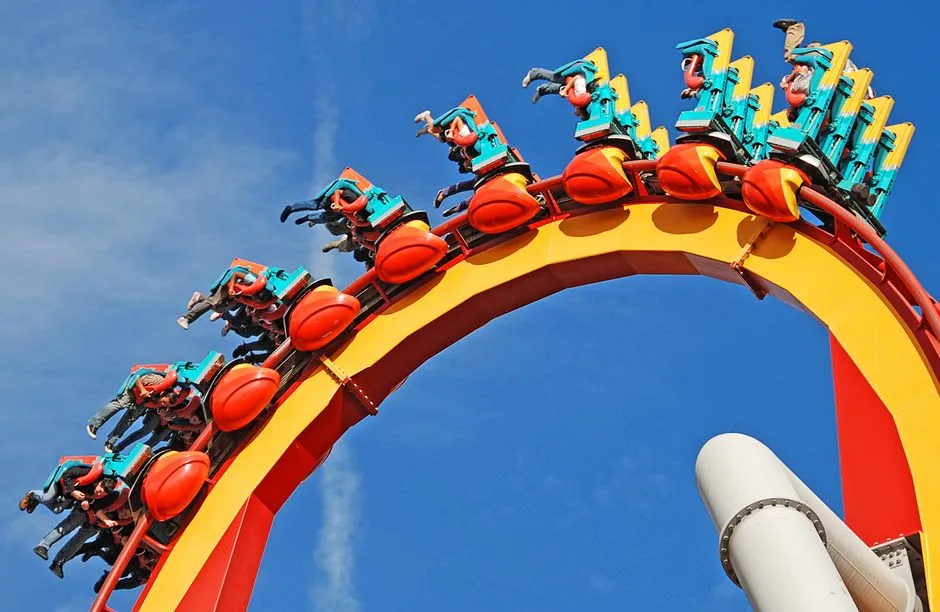
Knott’s Berry Farm began posting new signs warning against line jumping and offered a phone number that park guests can text if they see someone skipping ahead in a queue. It was a novel way to handle a persistent problem without forcing guests into direct confrontations.
By texting a number, people cutting the line can be reported discreetly. The violators will likely not know who reported them, so even if there was a desire to get physical, it couldn’t happen. The logic is sound, even if the execution has its limitations.
Knott’s Berry Farm has specifically been dealing with problems of violence on property for years, leading the park to install chaperone rules. The reporting system was partly designed as a de-escalation tool, reducing the need for guests to confront each other directly.
How Enforcement Actually Works on the Ground

A lot of the time, employees can’t do anything unless they personally witness the behavior, so if the jumping occurs in an unsupervised portion of the queue, it’s really hard for anything to change. At some parks, ride operators don’t have the authority to eject guests from the line and must call security to deal with it, which may or may not be effective.
Among major parks, Universal Studios Hollywood sees comparatively little line cutting. The primary reason appears to be that the queues are well staffed and employees are trained not to tolerate this kind of behavior.
At some parks, security guards have been stationed inside the queue to prevent line jumping and would force those who attempt it to join the back. Six Flags has also experimented with boarding passes, where each rider is given a numbered slip that is collected later, and those out of sequence or without their slip don’t get to ride.
The DAS Overhaul and Its Connection to Line Fairness

Disney implemented significant changes to its Disability Access Service, including pre-registration through video chat verification, a reduced maximum group size, and stricter verification of legitimate needs. These changes reportedly reduced DAS enrollment considerably, addressing a major source of perceived line-cutting abuse after reports of guests falsely claiming disabilities to gain line advantages.
Disney World also offers a return-to-line service if something happens while guests are in the queue or they need to exit. With this service, guests speak to a cast member at the entrance of an attraction if they need to leave the queue line temporarily. This is the legitimate, approved route for guests with genuine needs.
The distinction matters. Using the proper channels protects everyone and keeps the system fair, while improvising your own solution, even with good intentions, is what tends to create the misunderstandings that lead to removal.
What to Do If You’re Falsely Accused

Without full context, a cast member may remove a group from the line entirely based on a report from another guest. It happens, and it can feel deeply unfair when the situation was genuinely innocent.
In cases where a cast member is informed at the loading area, people have been told to get off the ride and were escorted off the premises. Appealing to a supervisor or Guest Services after the fact is the most productive route in those situations.
Staying calm, explaining the sequence of events clearly, and, ideally, having a cast member already aware of your situation before rejoining your group are the best ways to avoid the misunderstanding altogether. Prevention, here, genuinely is easier than the cure.
The Broader Shift in Theme Park Culture

Since theme parks returned from pandemic closures, a nationwide outbreak of fights has been reported at entertainment venues across the country, with theme park operators noting increasingly rude and angry visitors getting into altercations with other guests and employees at an alarming rate.
Ultimately, line jumping is often a sign of poor attraction operations. People are less likely to jump a queue that is moving swiftly, thanks to an operations team loading and dispatching ride vehicles close to theoretical hourly capacity. They are also less likely to jump a queue staffed by an active, engaging greeter who keeps communication flowing throughout the wait.
Parks are slowly realizing that queue management is not just a logistics problem, it’s also a social one. Shorter-feeling waits, better communication, and visible staffing all reduce the temptation to cheat the system in the first place.
The Takeaway
The line rule that can get you removed from a queue is, at its core, about fairness, a principle most of us learned very early in life. Parks have formalized that principle into enforceable policy, and enforcement has become noticeably stricter since 2024. Holding a spot, cutting ahead, or rejoining a group without using official channels can all result in removal from the queue, or worse, removal from the park entirely.
The safest approach is also the simplest: enter the queue together, use official services when emergencies arise, and report problems discreetly to staff rather than handling them directly. A theme park day is expensive, carefully planned, and genuinely exciting. It’s worth protecting by following the one rule that keeps the experience fair for everyone standing in that line alongside you.
AI Disclaimer: This article was created with the assistance of AI tools and reviewed by a human editor.