
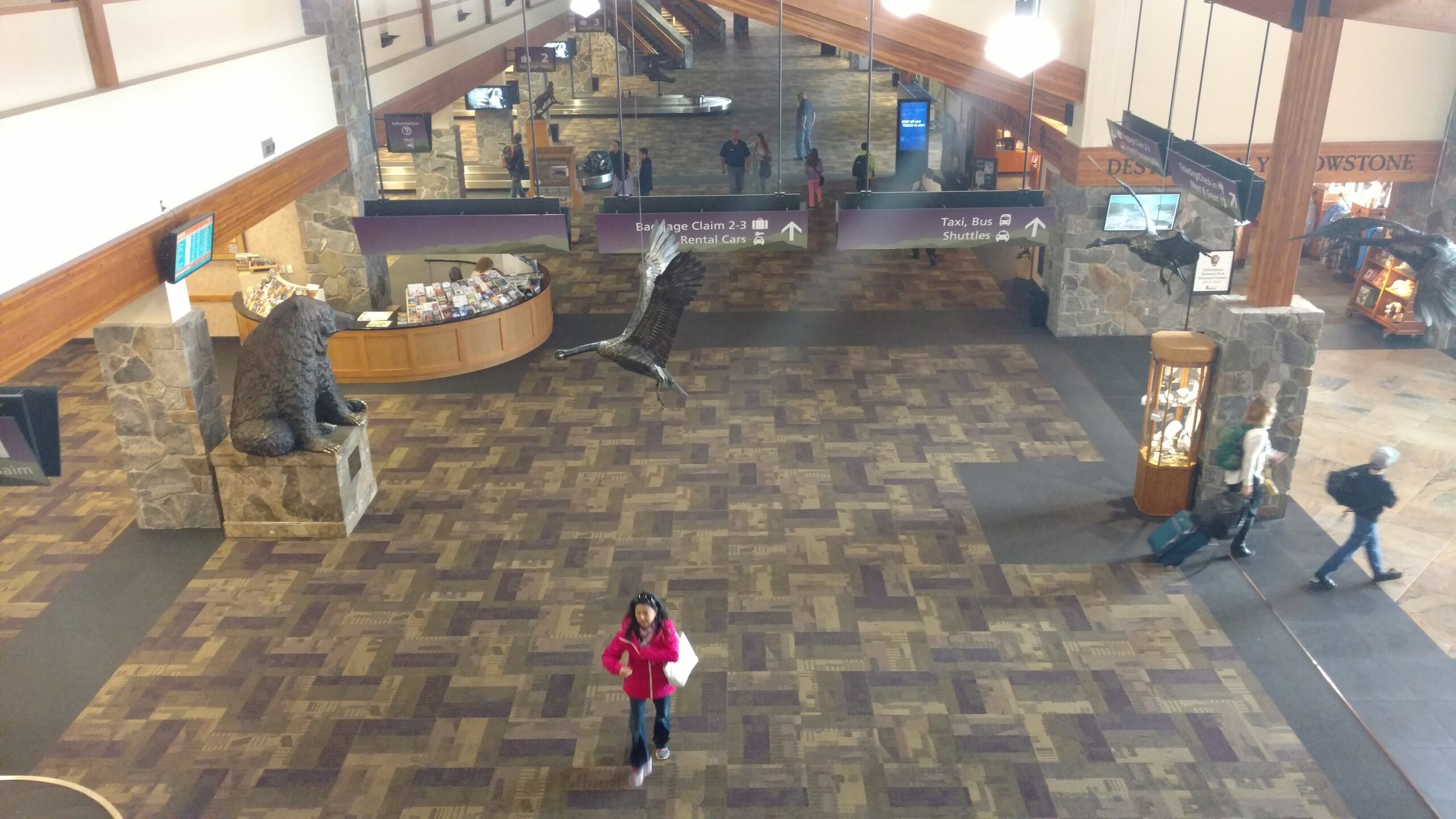

Most travelers pass through Bozeman Yellowstone International Airport without thinking twice. It sits in Belgrade, Montana, about eight miles northwest of Bozeman, surrounded by wide-open ranch land and the kind of big sky that gives the state its name. From the outside, nothing about it signals anything extraordinary.
Come ski season, the picture changes completely. The tarmac fills with Gulfstreams. The FBO lounges go quiet in that particular way that money makes things quiet. And for a few months each winter, this regional airport in the northern Rockies becomes one of the busiest private aviation hubs in the entire United States.
Montana’s Busiest Airport, and One of the Top Private Jet Destinations in the Country
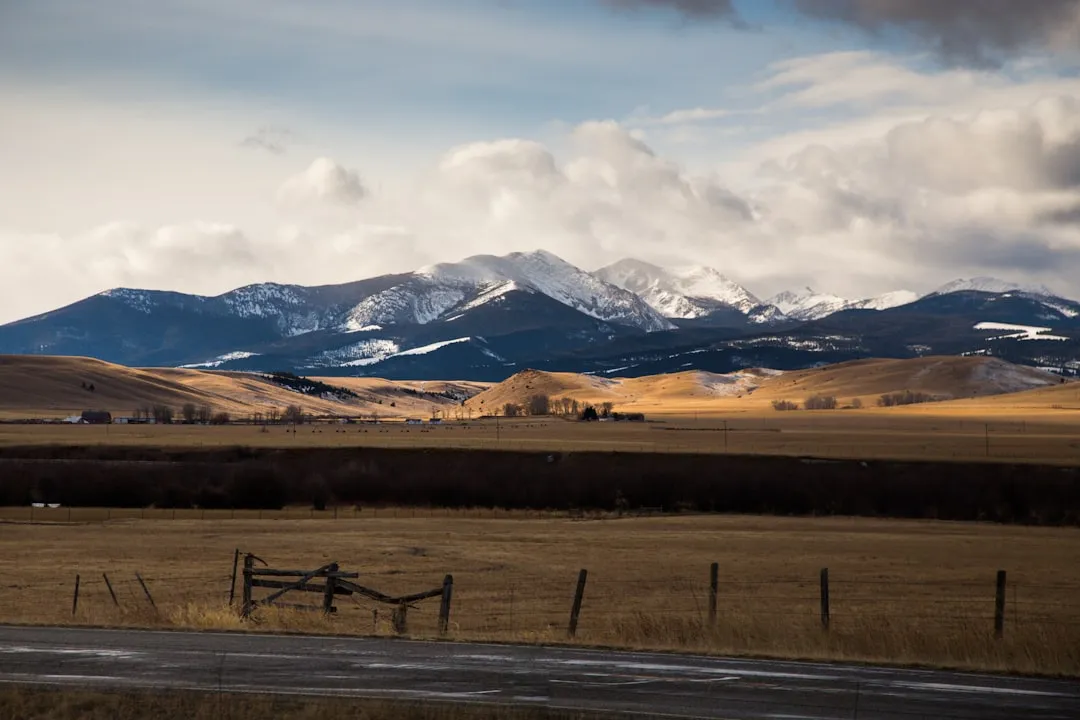
Bozeman Yellowstone International Airport, known by its IATA code BZN and its older nickname Gallatin Field, is located in Belgrade, Montana, and has been Montana’s busiest airport since 2013. That alone is a notable fact for a state more often associated with cattle trails than jet bridges.
According to a Business Insider report, Gallatin Field ranks third overall in the United States for private planes to land at, with over 7,000 flights recorded. Montana ranks behind only Aspen at number one and Jackson Hole at number two on that list. For an airport most people outside the Mountain West have never heard of, that placement is remarkable.
In 2025, Bozeman ranks among the fastest-growing private charter cities in the Western United States. The growth isn’t accidental. It follows the money, the mountains, and a very specific slice of American wealth culture that has quietly colonized southwest Montana.
The Airport Itself: Compact, High-Altitude, and Built for Volume
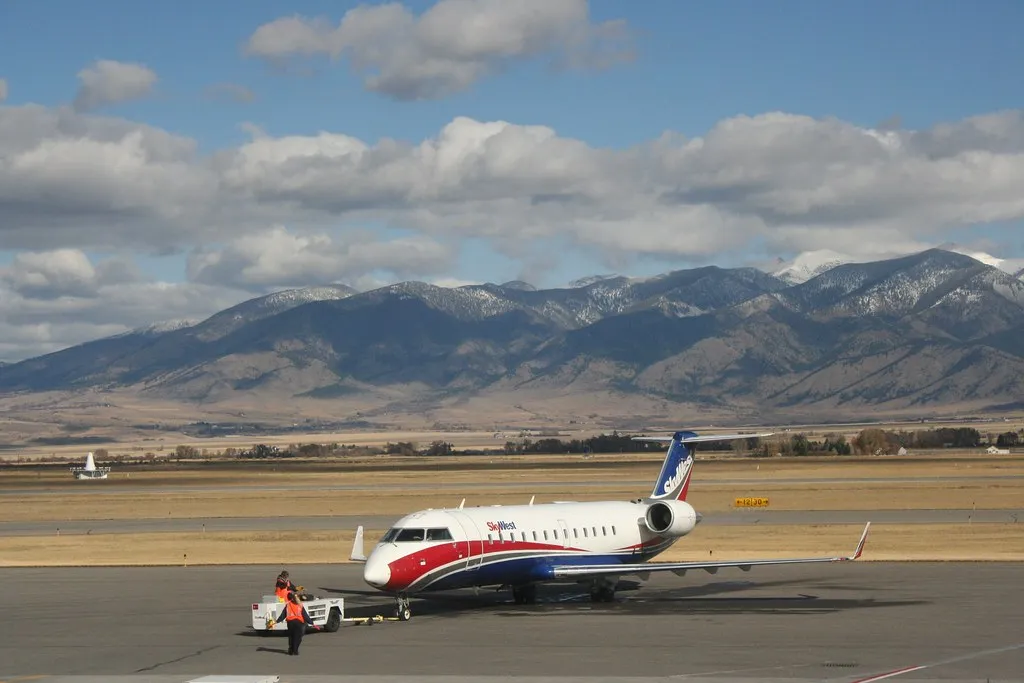
Sitting on 2,481 acres, the Bozeman Yellowstone International Airport airfield is located in Belgrade, Montana, in Gallatin County. It’s a working regional airport in every practical sense, handling commercial and private traffic side by side.
Bozeman International Airport is a civil airport with three asphalt runways. Its longest runway is 8,994 feet long and 150 feet wide, with an elevation of 4,473 feet. That runway length matters for private aviation. Larger cabin aircraft, including long-range jets flying nonstop from the East Coast, can land and depart without issue.
The airport has two fixed-base operators, Jet Aviation and Yellowstone Jet Center, which provide services such as fueling, hangaring, tie-down and parking, aircraft maintenance, and 24-hour surveillance. For A-list private charter flyers, the FBOs offer luxurious amenities including ground transportation, valet service with vehicle-to-plane ramp access, pet support services, and an airport restaurant.
The Yellowstone Jet Center: Where the Red Carpet Literally Gets Rolled Out
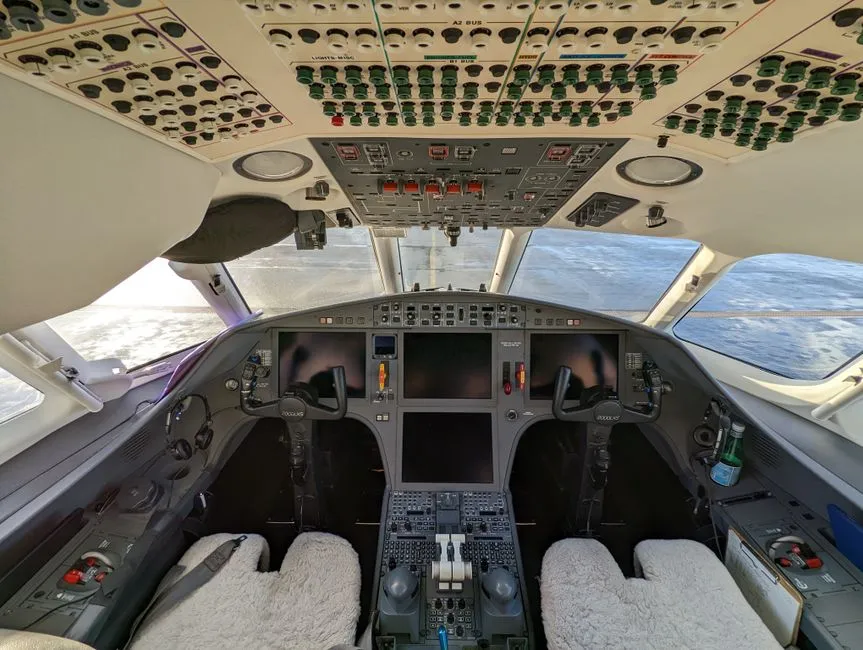
The presence of private jets has grown over the years as development, be it million-dollar homes or new hangars at the airport, continues to expand. The Yellowstone Jet Center sits at the center of all this quiet luxury, designed from the beginning with a very specific clientele in mind.
Originally called Sunbird Aviation, the center was co-owner Tim Blixseth’s brainchild. He wanted a place for the members of his exclusive Yellowstone Club, a private ski and golf community, to park their jets. The Yellowstone Club and its airport gateway grew together, each feeding the other’s prestige.
The center became prominent after moving into a new building with a pilot’s lounge as refined as any mountain residence. The interior shows a more cultivated side of local culture, with tile floors, rustic beams, a grand stone fireplace, wildlife paintings, and Western bronze sculptures. It’s a specific aesthetic: Montana authenticity, wrapped around serious money.
The Yellowstone Club: The Reason the Jets Keep Coming
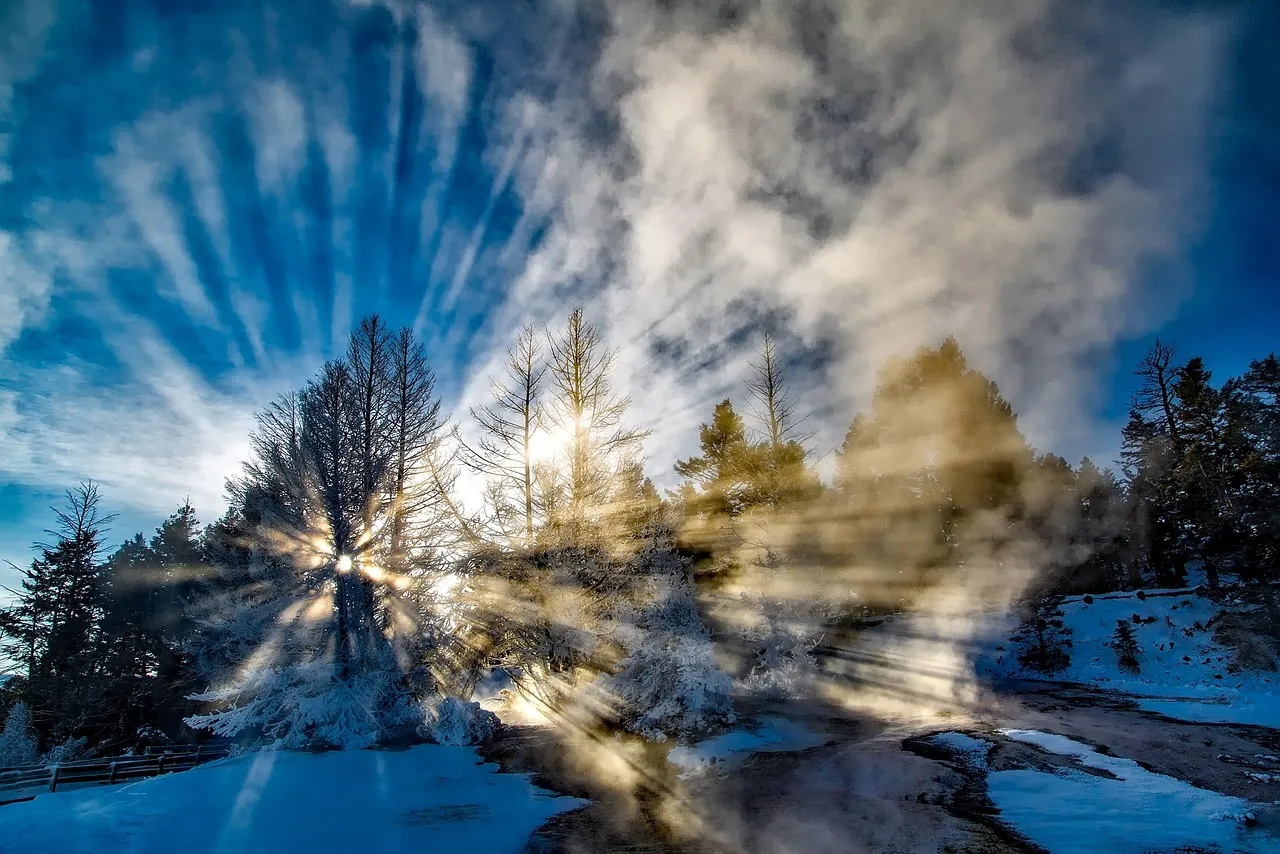
The Yellowstone Club is a private residential club, ski resort, and golf resort located in Madison County, just west of Big Sky, Montana, and is rated among the top ten lifestyle estates in the world. That’s not marketing language. For the people who can actually afford to join, it functions as a private paradise with no crowds, no lift lines, and no strangers.
Next door to Big Sky Resort, this vast 2,900-acre private playground sits among Montana’s mountains, with high-speed lifts and well-heeled members skiing perfectly groomed trails. Yellowstone Club’s exclusive skiing is off the panoramic 9,860-foot Pioneer Mountain, accessible to members only with private lifts. There is a vertical drop of 2,700 feet in total, and the club has more acreage than Aspen, shared among just 750 member families.
Yellowstone Club initial membership dues are $400,000, plus over $40,000 a year, and you will need to buy or build a luxury mountain home at $4 million or more, once you’ve been invited to join the club. The invite-only nature of the process is part of the point. Wealth alone isn’t enough.
The Members: A Who’s Who of Global Wealth

After combing Montana public records for more than 300 club properties, Forbes found 19 billionaires and two children of billionaires, including hedge fund tycoons Bill Ackman and Felix Baker, New England Patriots owner Robert Kraft, Slack founder Stewart Butterfield, and Blackstone chairman Steve Schwarzman’s son Teddy. That list is almost certainly incomplete.
When Melinda and Bill Gates divorced in 2021, she received their now $40 million home, featuring eight bedrooms and nine bathrooms, on the winding Andesite Ridge Road, nicknamed Billionaires’ Ridge. Also transferred from Bill: 18 acres of land spread out over four lots nearby.
Robert Herjavec and his wife spent three years and $28 million, including furnishings, on a 13,500-square-foot, eight-bedroom dream house at the club that features cathedral views of the Rockies. These are not weekend cabins. They’re permanent statements of intent.
Private Jet Traffic: The Numbers Tell the Story

Private jet usage at Yellowstone International Airport increased five to six percent in a recent year, and investors continue to eye the area, as reflected by nearly forty percent of 2023’s Bozeman home sales closing in cash or through 1031 exchange transactions. The jet traffic and real estate investment move in lockstep.
With access to Yellowstone National Park, Big Sky Resort, and a growing population of high-net-worth residents, charter flights to and from Bozeman are increasing in volume and diversity. BZN is Montana’s busiest airport and offers world-class FBO facilities. Charter travelers benefit from private lounges, quick customs processing, and flexible scheduling.
In 2024, the airport announced a $180-million infrastructure upgrade and expansion. That level of investment signals long-term confidence from the airport authority, and it strongly suggests that the private aviation boom is expected to continue well into the coming decade.
Commercial Growth Running Alongside the Private Jet Economy
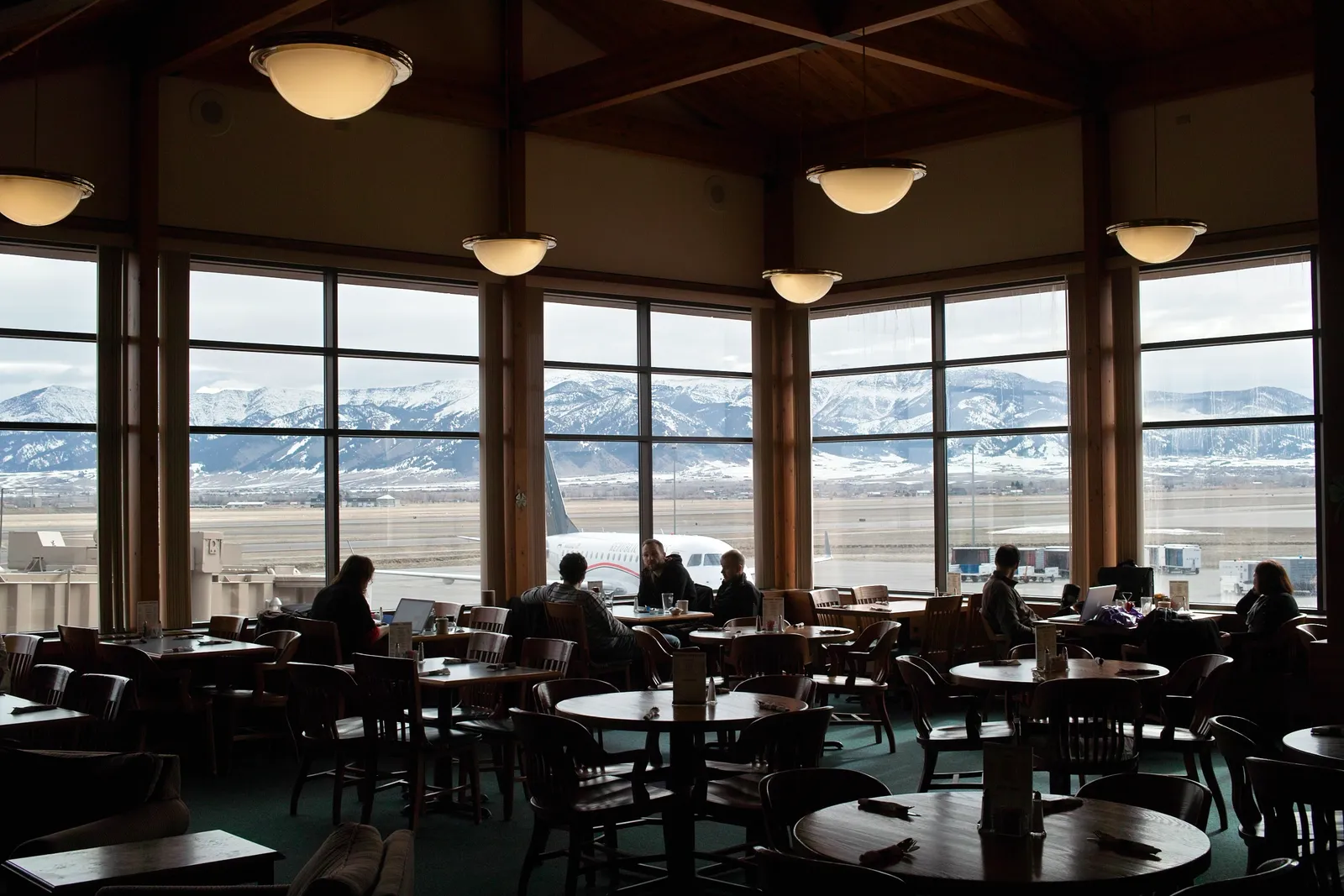
The airport had an expansion of service in 2020 and 2025 to a record 31 nonstop destinations as airlines entered the market or added new routes to serve increased leisure demand. Allegiant Air added nonstop service from three cities, Alaska Airlines added two new routes, and Southwest Airlines entered Montana for the first time with two destinations from Bozeman.
Gallatin Field provides service for major airlines including Delta, Southwest, American, Allegiant, JetBlue, and United, as well as regional carriers, serving Bozeman, Big Sky, southwest Montana, and Yellowstone National Park. The commercial and private aviation ecosystems coexist, though they inhabit very different corners of the tarmac.
Several of the markets added had never been commercially served from Bozeman before, including Washington, D.C. (Dulles) and Nashville. The route map now reads like a list of cities where the Yellowstone Club’s membership base tends to live and work.
Big Sky Real Estate: The Ground-Level Consequence of the Jet Age
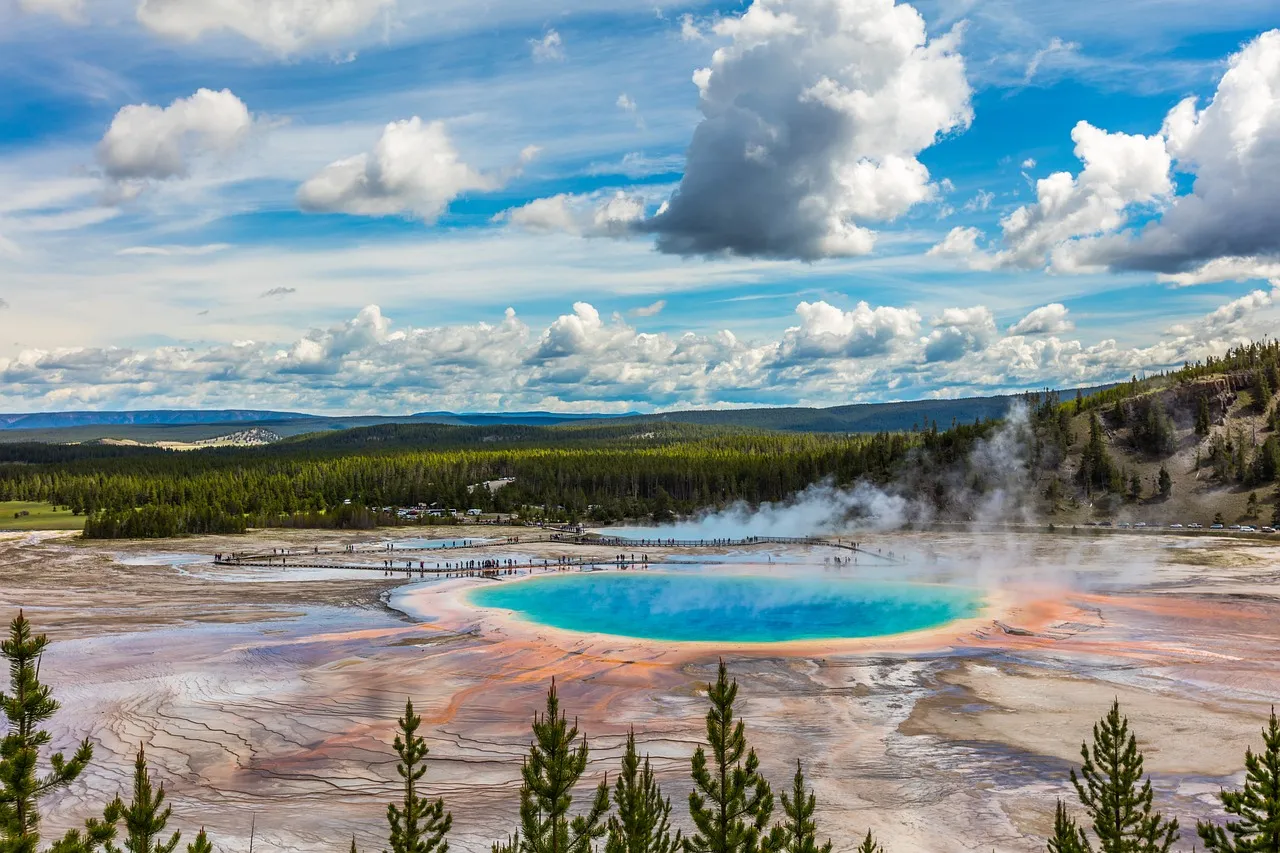
As of December 2025, Big Sky sits at the top of Montana’s price charts, with a median listing price just over three million dollars. That places Big Sky in a category of its own within the state, competing with premier resort destinations across the country.
Fourth quarter 2025 sales in Big Sky were up twenty-five percent year-over-year, while January 2026 sales were up eighty percent year-over-year, marking the highest monthly sales figure since April 2022. The winter ski season and the real estate calendar are essentially the same thing in this corner of Montana.
When COVID hit, well-to-do, newly remote workers fled the coasts for Bozeman in droves. Formerly working-class neighborhoods have been remade. The airport growth and the housing transformation share the same root cause: the discovery of southwest Montana by a mobile, wealthy class that no longer needs a fixed city.
The Community Conversation: Growth, Affordability, and Who Montana Is For
No other big ski resort town in the country has as dominant an investor as Big Sky does. CrossHarbor Capital, the principal owner of the Yellowstone Club, represents the southwest Montana region’s most significant private ownership and approximately 75% of the local tax base, according to the company’s own 2023 ESG report. That concentration of private power shapes the town in ways that extend well beyond skiing.
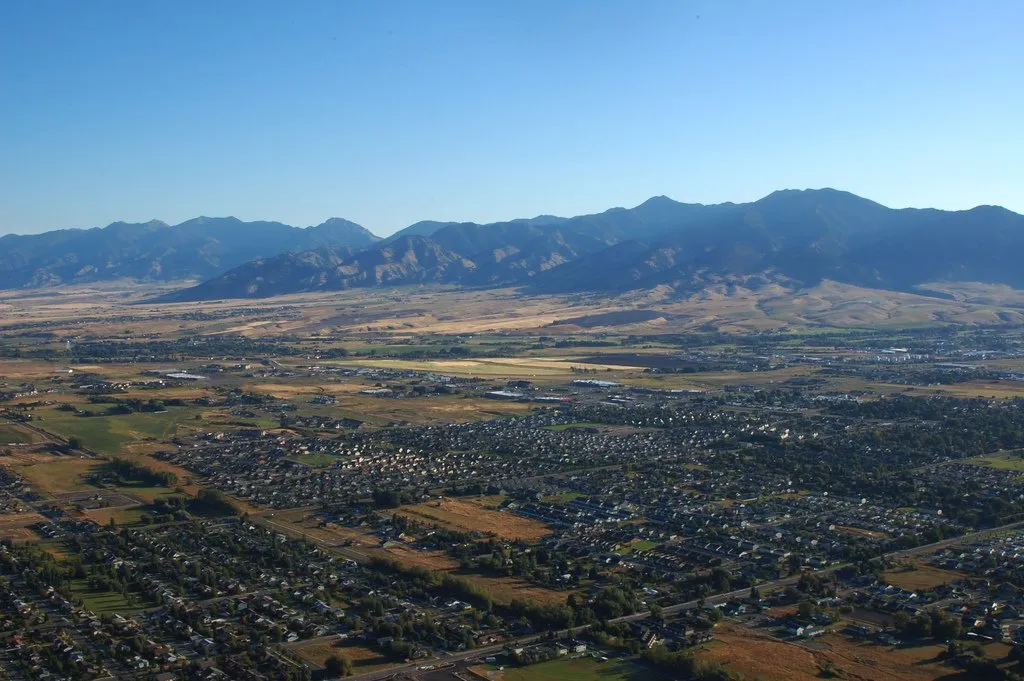
Bozeman’s population jumped nearly forty-three percent between 2010 and 2020, according to the Census Bureau, and also posted a seven percent increase from April 2020 to July 2023. That kind of growth compresses affordable housing options and strains local infrastructure.
Montana public-land advocates have raised concerns that land swap terms offer scant protections against large-scale development. Some speculation exists that parties could potentially develop backcountry holdings in tandem, creating skiing terrain available only to the few, on what was once public land. These are real debates, unresolved, worth knowing about before romanticizing the billionaire playground.
The Airport’s Own Origin Story: From Rancher’s Gift to Global Gateway
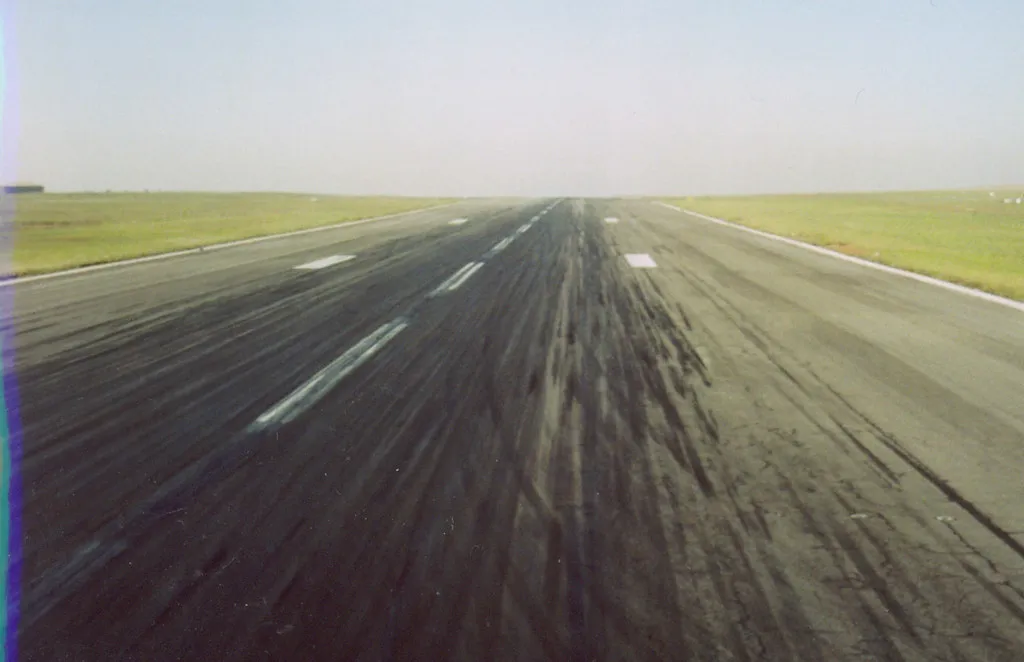
In 1931, the Friedman family, pioneering Idaho sheep and cattle ranchers, gifted the city of Hailey with the land on which the original airstrip was located. In return, the family asked only that the land remain solely for use as an airport. Within a year, in 1932, the airport gained recognition by the federal government as a designated airport. (Note: while the Friedman Memorial Airport story applies specifically to the Idaho/Sun Valley gateway, BZN in Montana shares this broader American small-airport transformation story.)
Bozeman Yellowstone International Airport serves as a year-round gateway to Yellowstone National Park and nearby ski resorts, and is also close to the business centers of Bozeman, Belgrade, and Livingston, as well as Montana State University and Gallatin College. It was never designed to become what it is today. That’s partly what makes it so interesting.
The presence of private jets has grown over the years as development, be it million-dollar homes or new hangars at the airport, continues. A modest regional airport built for a small mountain community has evolved into an infrastructure node for a global elite, one ski season at a time.
Looking Ahead: What 2026 and Beyond Might Bring

The 2026 real estate market is off to an encouraging start across both Bozeman and Big Sky. In Bozeman, newly under-contract homes in January rose 13.7% year over year, outperforming the past three Januarys. Supply is also on the rise with twelve percent more inventory than January 2025.
Both real estate brokers point to interest rates, inventory levels, and buyer re-entry as key variables to watch in 2026. “If 2025 was about resetting expectations, 2026 feels like a year where confidence returns.” The broader signals suggest the jet traffic and the luxury market move together, and both appear set to keep climbing.
In many ways, Yellowstone Club stands as the ultimate example of how privacy itself has become the world’s most valuable luxury asset. The airport is simply where that idea physically lands, wheels down, on a cold Montana morning, before heading up the mountain.
Why This Tiny Airport Matters Beyond the Headlines
What’s genuinely fascinating about Bozeman Yellowstone International is how fully it reflects a larger shift in how the world’s wealthiest people organize their lives. They no longer cluster exclusively in coastal cities or traditional European resorts. They fly into remote, spectacular places on their own schedule, on their own aircraft, and they’ve built entire private ecosystems to support that mobility.
Montana offers dramatic mountain landscapes, abundant land, and a lifestyle centered around outdoor recreation. Meanwhile, remote work and global connectivity have reduced the importance of living near traditional financial capitals. As a result, affluent buyers have become more willing to relocate or establish second homes in secluded regions.
The airport in Belgrade, Montana doesn’t announce itself. There are no grand terminals, no celebrity sightings posted to social media, no velvet ropes. That quiet is the whole point. Every winter, the Gulfstreams line up, the mountains fill with powder, and one of the least assuming airports in America quietly becomes one of the most exclusive addresses on the planet.
AI Disclaimer: This article was created with the assistance of AI tools and reviewed by a human editor.