
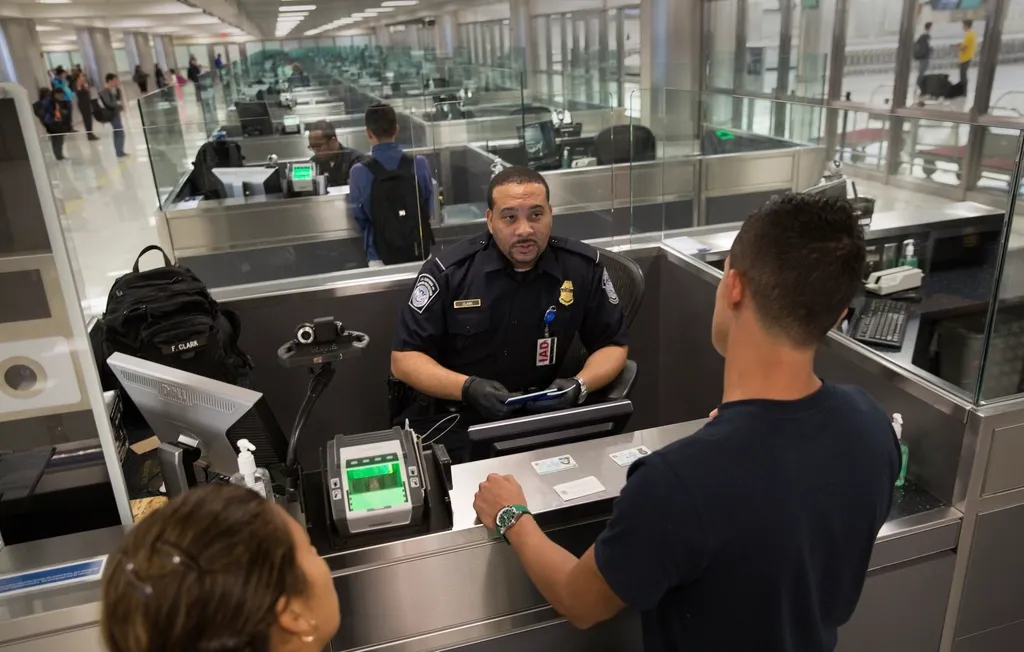

Every year, millions of travelers return home from vacation with bags full of memories. Some of those memories, it turns out, are flat-out illegal. From beach coral to exotic animal skins to items that pose real biological risks, the checkpoint between “fun vacation purchase” and “federal violation” is thinner than most people realize.
Just because an item is for sale abroad or you found it on a beach doesn’t mean you can legally bring it home to the United States. That’s a quiet truth customs and TSA officers deal with daily, and the categories of problem souvenirs keep expanding.
Coral and Marine Life: The Beach Souvenir That Can Land You in Court

That beautiful piece of coral sitting in a tourist shop in Bali or the Bahamas might look like an innocent keepsake, but picking it up can break international law. It’s tempting to pocket a shell or a piece of coral while strolling along a tropical beach, but coral reefs are valuable, fragile ecosystems protected under international regulations such as CITES, the Convention on International Trade in Endangered Species.
Under the Endangered Species Act, more than 25 coral species are listed as threatened or endangered. Customs officers have grown far more vigilant about marine souvenirs in recent years. In countries like Australia, Indonesia, and the Philippines, taking coral or certain shells is illegal and can carry hefty fines, and travelers have faced legal action even for small souvenirs.
Ivory and Tortoise Shell: The “Antique” Excuse Doesn’t Work
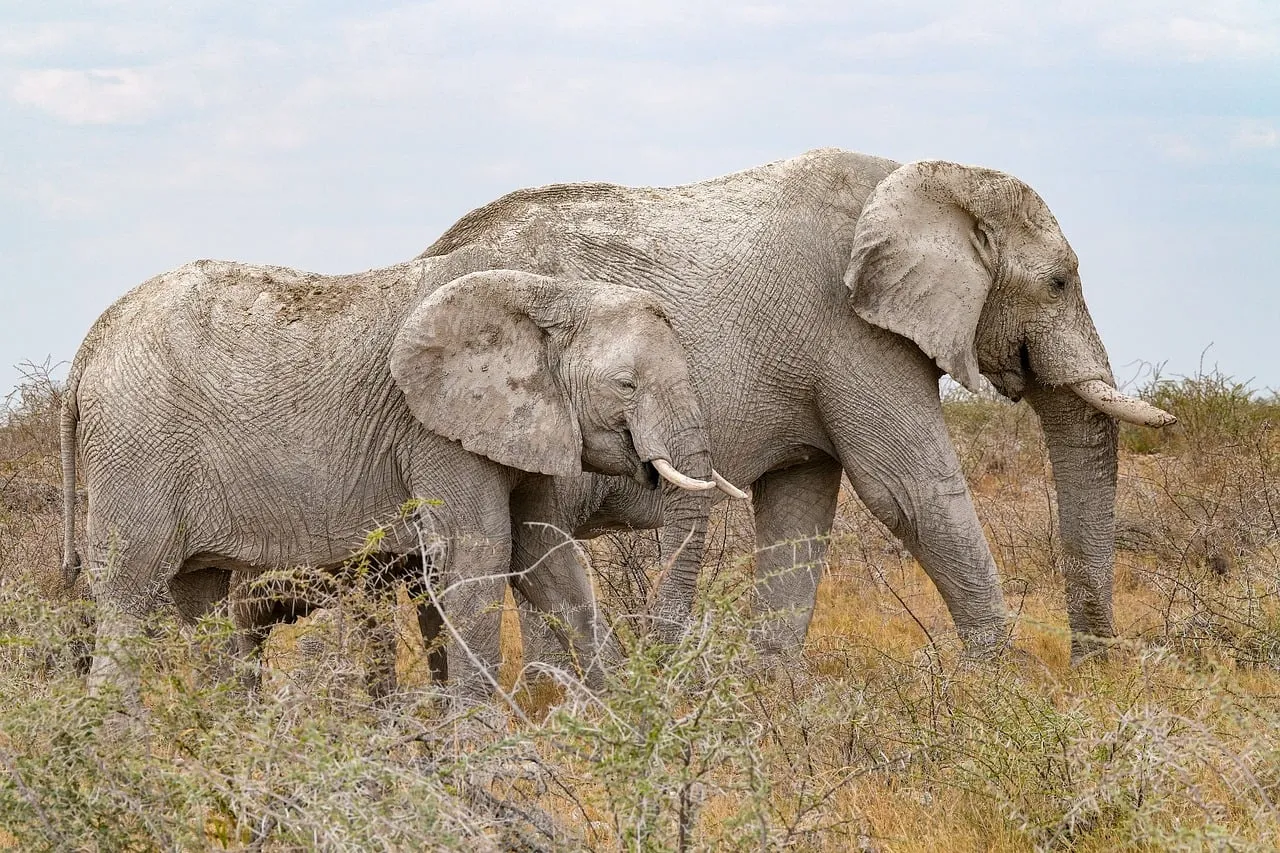
Ivory carvings and tortoise shell trinkets are still sold in some markets, but their trade is tightly restricted worldwide. The 2025 update to CITES regulations put even stricter controls on ivory, and many countries, including the United States and nations in the European Union, have total bans on the import or export of ivory items, even antiques.
Dealers are sometimes aware that tourists know about the elephant crisis and may describe ivory as antique to make a sale seem legitimate. Purchasing this is risky unless you have a certificate to prove its origin – not only may you be contributing to the poaching of elephants, but you could have your item confiscated and even be arrested. Other seemingly innocent items include tortoiseshell, which is usually not derived from a tortoise at all but from the endangered hawksbill sea turtle. CITES has banned the trade in tortoiseshell since 1973.
Crocodile Skins and Exotic Animal Products: More Common Than You’d Think
Since the beginning of the 2024 fiscal year, U.S. Customs and Border Protection officers and agriculture specialists at LAX’s International Mail Facility, working with the U.S. Fish and Wildlife Service, detained 4,227 animal and plant products for violating wildlife laws. Among the detained products were crocodile skulls, belts, wallets, taxidermy baby crocodiles, turtle skulls, skins, kangaroo meat, elephant toenails, exotic butterflies, peacock feathers, seashells, coral, and shark cartilage.
Crocodile skin wallets are among the most trafficked items, and the seized products arrived in individual packages via air mail from Singapore, Vietnam, Australia, China, Thailand, the UK, Mexico, and Peru. International trade in species listed by CITES is illegal unless authorized by a permit. Items prohibited by CITES include articles made from whale teeth, ivory, tortoise shell, reptile skins, coral, and birds.
Live Animals Concealed in Luggage: A Real and Recurring Problem
This one sounds like a movie plot, but it keeps happening. According to TSA, a reptilian discovery took place at Miami International Airport on a Friday in May 2024. Photos from the airport show two slender pink snakes lying outside a small camo-colored bag after reportedly being removed from a passenger’s pants before they could board the plane.
In one of 2025’s most memorable discoveries, officers at Newark found a live turtle hidden inside a man’s pants. The turtle survived. The passenger did not make the flight. These incidents aren’t just bizarre – live animals can carry pathogens and invasive parasites across borders, which is precisely why authorities treat them as serious threats. The snakes found at Miami were confiscated and turned over to the Florida Fish and Wildlife Conservation Commission.
Lithium Battery-Powered Souvenirs and Gadgets: A Growing Fire Hazard

Smart gadgets, rechargeable novelty items, and battery-powered travel accessories have become popular gifts from abroad. The problem is that lithium-ion batteries present a documented fire risk at altitude. In 2024, a record 89 incidents caused by lithium-ion batteries overheating or catching fire were recorded on commercial and cargo flights by the Federal Aviation Administration. Through mid-2025, the FAA had already recorded 38 such incidents.
The TSA recently updated its list of items banned from checked luggage, adding new personal care items that use lithium-ion batteries, as the agency continues to crack down on electronics that use these batteries due to an increase in related fire incidents. Any bag with a non-removable lithium battery is now banned from both check-in and cabin baggage. If you buy a gadget abroad, check whether the battery is removable before packing it.
Drugs Disguised as Innocent Souvenirs: Creative But Predictable

Some travelers try to blend contraband into the visual noise of a vacation bag, hiding drugs inside everyday items that look like souvenirs. At Asheville Regional Airport in North Carolina, a jar of Jif peanut butter was confiscated after it was found to contain marijuana inside it. At Phoenix Sky Harbor International Airport, TSA officers discovered meth hidden inside a bag of Epsom salt.
The year 2025 began with a head-scratching discovery at San Francisco International Airport, where officers uncovered crystal meth hidden in wax candles. TSA officers in Denver also made a discovery in March when a passenger’s checked bag turned up 300 liquid-filled vape pens, 20 containers of marijuana wax, and a quarter-pound bag of weed. The creativity is real, but so is the technology catching it.
Food Souvenirs That Carry Invisible Biological Risks

A wheel of cheese from France, a cured pork leg from Spain, a bag of tropical fruit from Southeast Asia – these feel like wonderful ways to extend a vacation. Customs officers see them differently. Travelers who bring home meats, cheeses, fruits, vegetables, and spices often learn too late that many agricultural products are restricted. A cured pork leg from Spain or even a single piece of tropical fruit can be taken at inspection because of the risk of pests or disease.
Prohibited agricultural items can harbor plant pests and foreign animal diseases that could seriously damage America’s crops, livestock, environment, and a large sector of the country’s economy. Prohibited items that are not declared by passengers are confiscated and disposed of by CBP agriculture specialists. Civil penalties may be assessed for failure to declare prohibited agricultural products and may range up to $1,000 per first-time offense for non-commercial quantities.
Plants, Seeds, and Wooden Crafts: The Pest-Smuggling Problem Nobody Talks About

A hand-carved wooden bowl from Bali or a bundle of dried herbs from a Moroccan market seems utterly harmless. It rarely is, from a biosecurity standpoint. A seemingly harmless item like a small bonsai tree or a carved piece of wood may carry soil-borne insects or fungi that threaten native forests.
Every plant item must be declared, even decorative souvenirs made of straw or dried plant materials. While some plants, seeds, and cuttings are allowed into the U.S., many require special permits, and certain species are prohibited altogether. Items involving threatened or endangered plants may also need export documentation from the country of origin. Because many pests and plant diseases are invisible to the naked eye, inspection is mandatory no matter how clean or harmless a plant item appears.
Weapons and Bladed Souvenirs: The “It’s Decorative” Defense
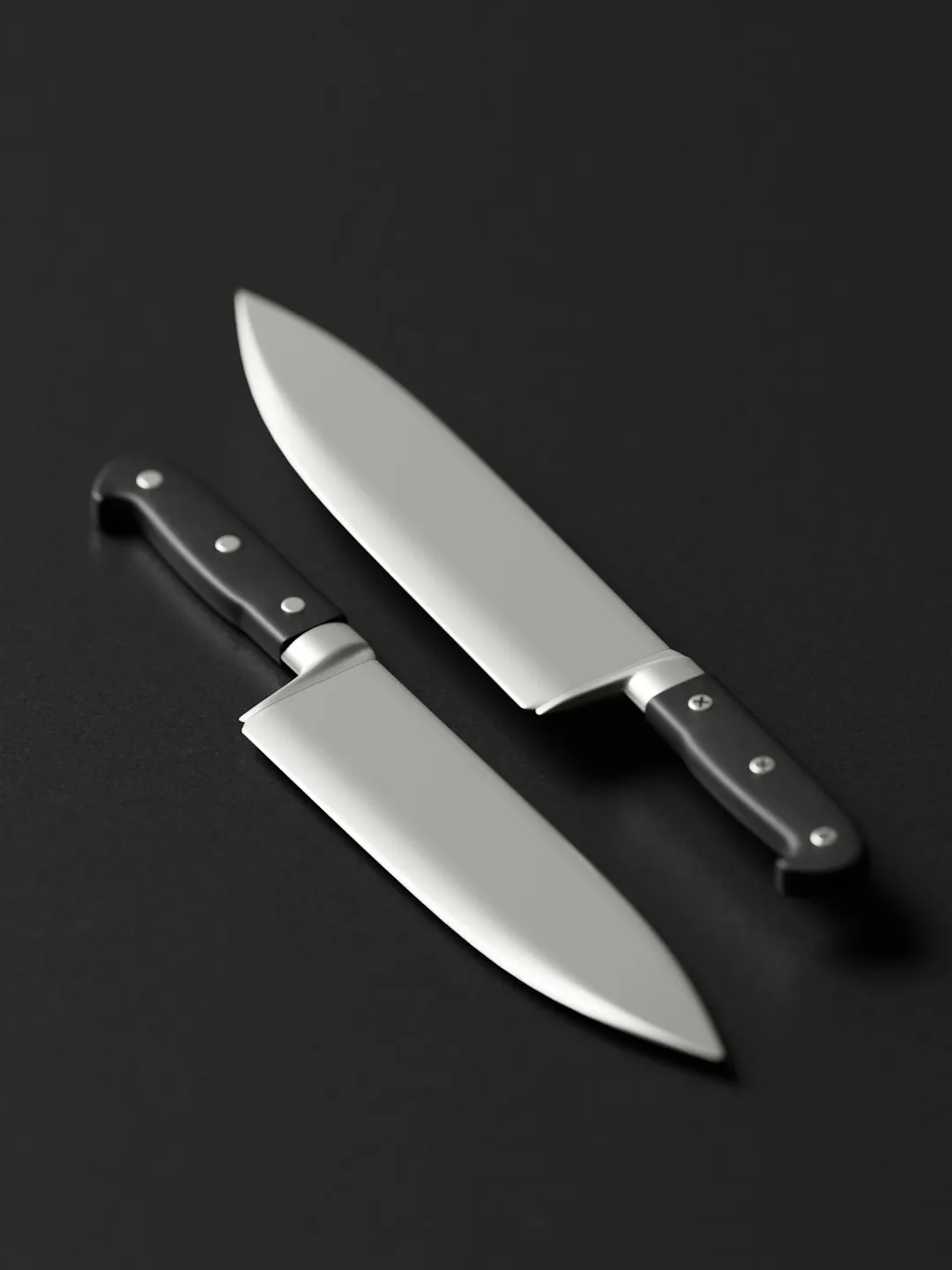
Decorative swords, ceremonial daggers, ninja stars, and hunting knives are sold as cultural souvenirs all over the world. Tourists pick them up in Japanese markets, Thai night bazaars, and Swiss gift shops without thinking twice about the flight home. In 2025, throwing stars – small metal blades shaped like stars – were among the items flagged by TSA, with one officer calling the discovery “very odd.”
TSA’s prohibited items list includes knives of any length, swords, daggers, ice axes, darts, and large scissors. Even hobby knives and metal razor blades are banned from carry-on bags. In 2025, a stun gun concealed as a flashlight was found at Baltimore/Washington International Airport, and a knife hidden inside a belt buckle was discovered, leading to a police search after it was picked up during routine X-ray screening. The message is consistent: decorative intent doesn’t change what the object is.
Oversized Liquids and Aerosols: The Rule Everyone Forgets on Vacation
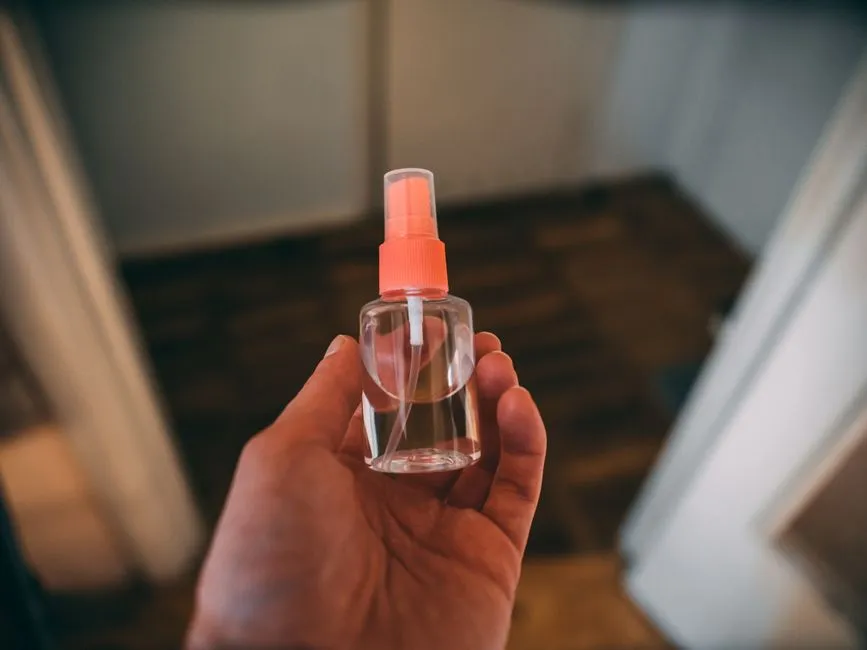
It’s one of the oldest TSA rules, and it still catches people out every single trip. The problem gets worse when the offending liquid is a specialty souvenir – a large bottle of local rum, a jar of artisan hot sauce, an oversized perfume. Chances are that the bottle of tropical lotion bought as a souvenir while vacationing in Hawaii and tucked into a bag without a second thought wouldn’t make it through airport security.
Each liquid container must be 3.4 oz (100 mL) or less and fit inside a single clear quart-sized bag. Large bottles of shampoo, drinks, or aerosol cans must go in checked luggage. TSA policy states that anything over 12 ounces must undergo chemical swabbing, even if sealed and labeled, because powders and thick liquids can disguise explosives or narcotics, and smugglers have been caught using this method at major airports like JFK and LAX. A souvenir that doesn’t fit the rule simply doesn’t fly.
What Happens to Everything That Gets Taken
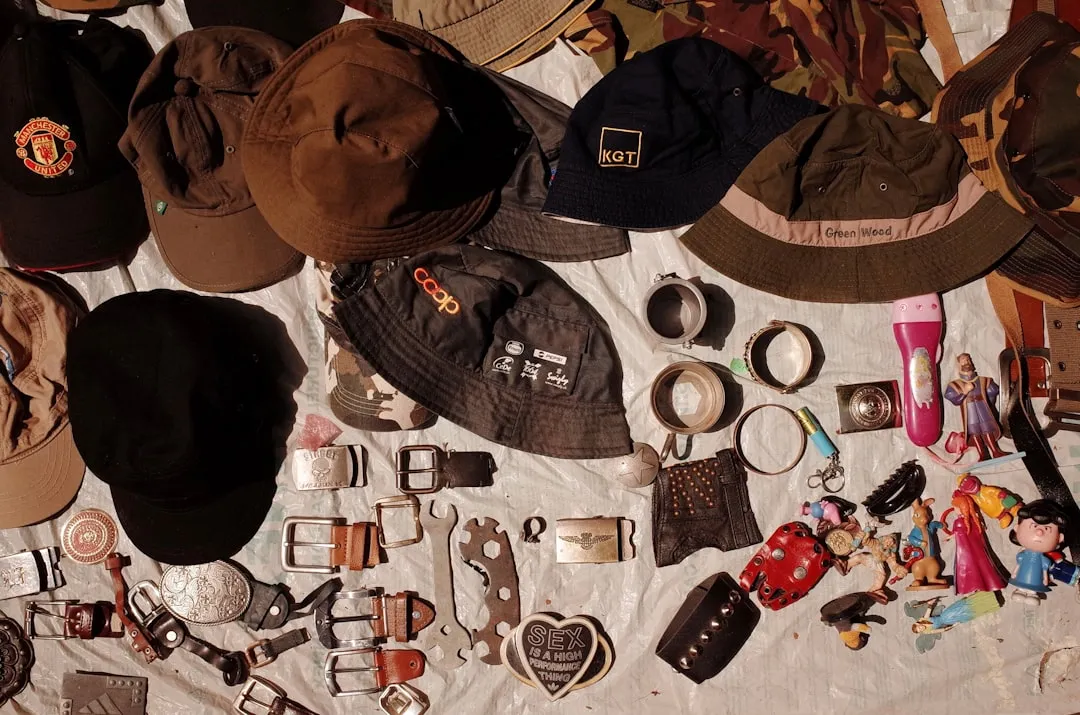
Most confiscated items disappear quietly into TSA’s growing stockpile. Prohibited items left at screening checkpoints are considered voluntarily abandoned. The agency disposes of any prohibited liquids, aerosols, gels, and hazardous materials in a way that complies with federal and local laws.
According to the official TSA website, lost and found items that remain unclaimed for 30 days will either be destroyed, given to the state as surplus property, or sold by the TSA. Wildlife products and anything with legal implications get handed to law enforcement or the relevant federal agency. TSA may impose civil penalties of up to $17,062 per person for items such as firearms. The souvenir doesn’t just disappear – sometimes, it takes a chunk of your wallet with it.
Conclusion
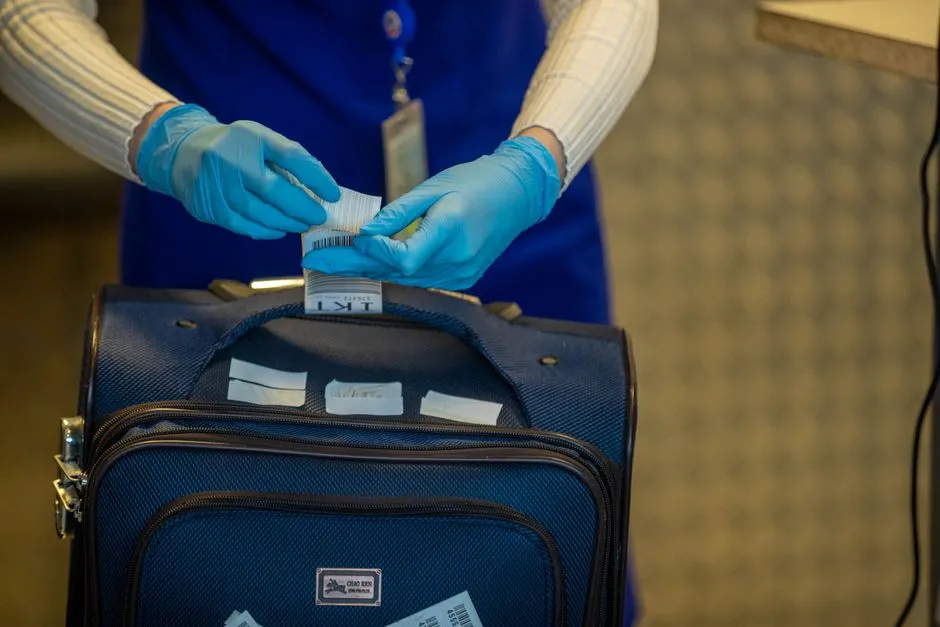
The pattern running through all of these cases is the same: travelers treat the security checkpoint as an afterthought when it should be part of the planning. Just because an item is for sale abroad doesn’t mean it can legally come home. When purchasing souvenirs, it’s worth considering where that item came from. Permits may be required to lawfully bring wildlife or plants, including parts and crafted products, into the United States.
Declaring all items and researching restrictions ahead of time dramatically reduces the risk of seizure, fines, or legal trouble. The rules can feel excessive until you understand what’s actually at stake – ecosystems, agriculture, public safety, and endangered species that don’t get a second chance.
A good souvenir tells the story of where you’ve been. A confiscated one just tells the story of what you didn’t bother to look up before you left.
AI Disclaimer: This article was created with the assistance of AI tools and reviewed by a human editor.