
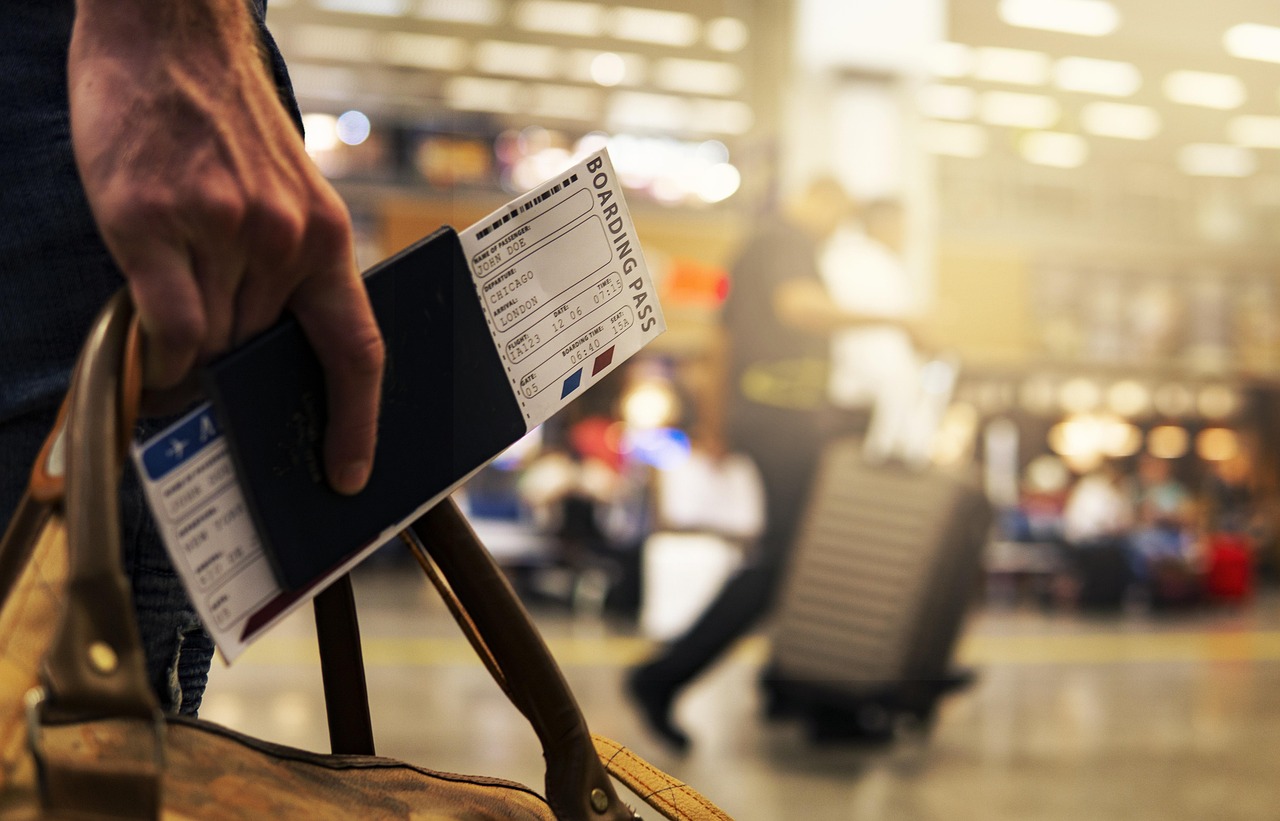

The Passport: Still the Most Forgotten Document at the Door
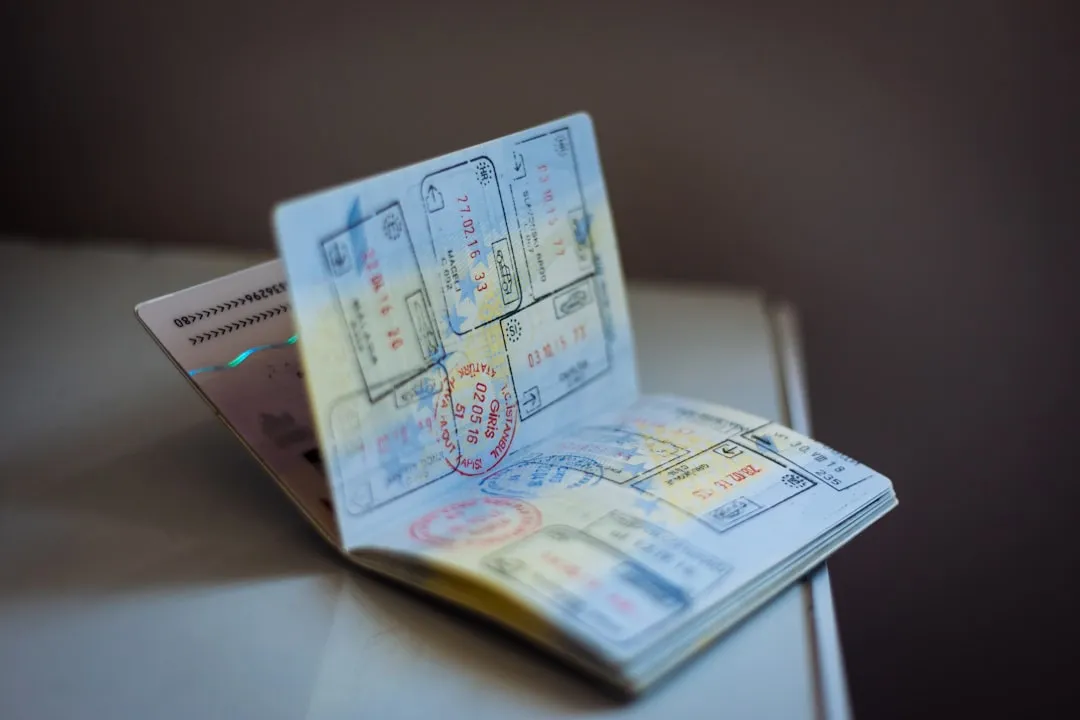
It sounds almost impossible to forget a passport, yet it happens constantly. Passports are the most critical yet commonly forgotten travel documents, and many travelers realize too late that their passport is still at home or in a different bag. The chaos of packing, last-minute arrangements, and early departure times creates exactly the right conditions for an oversight this costly.
The deeper issue is often validity rather than location. Most countries require passport validity of six months or more beyond your return date. A passport that is technically “not expired” may still get you turned away at the border if it’s close to its end date. Many first-timers don’t know this rule exists until they learn it the hard way.
Visa Documents: The One They Really Don’t See Coming
Visa documents, especially for international travel, can slip people’s minds entirely. First-time travelers often assume that booking a flight is enough, not realizing that the destination country may require a separate approval process weeks before departure. The visa requirement doesn’t announce itself at the airport. It shows up as a boarding denial.
Some countries require visas or travel authorization forms for entry, and the requirements vary significantly by nationality and destination. What’s visa-free for one passport holder may require weeks of paperwork for another. Checking official embassy or consulate websites well before travel is the only reliable way to know for certain.
Proof of Onward Travel: The Overlooked Boarding Requirement
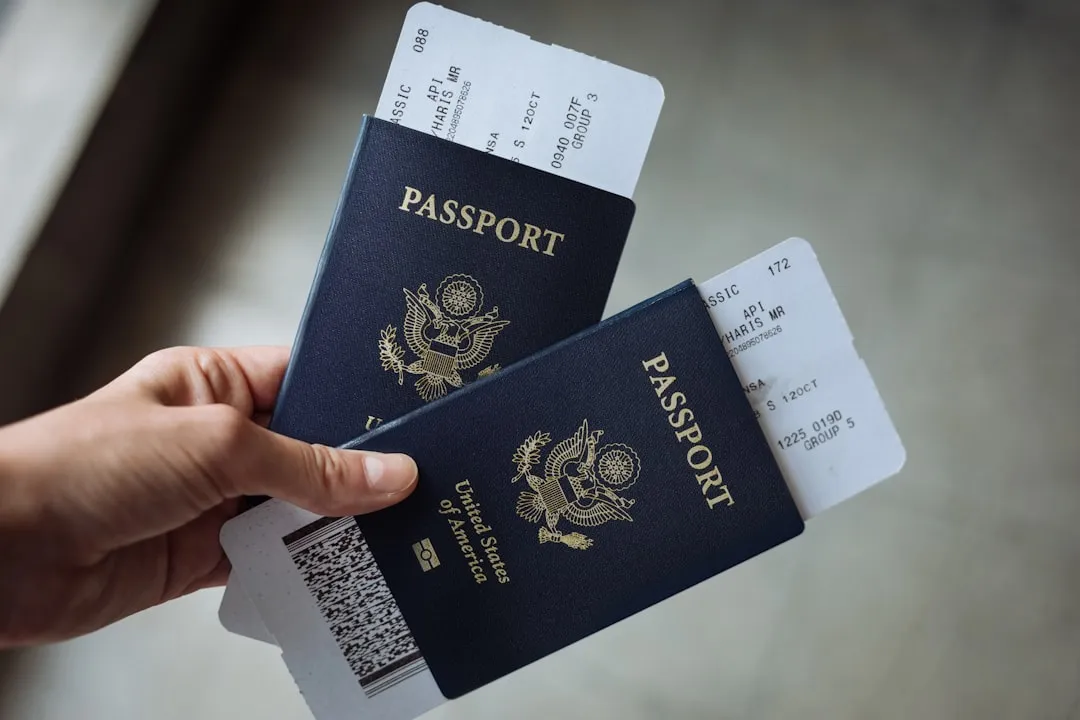
Some countries require proof of onward travel or return tickets, which passengers may forget to bring. Airlines and immigration officers use this document to confirm that a traveler doesn’t intend to overstay. It’s a requirement that catches first-timers completely off guard because no one mentions it during the booking process.
This is particularly relevant in Southeast Asia, parts of Latin America, and several island destinations. Even if you’re planning a one-way journey with loose return plans, having some form of documented onward travel saved and accessible can mean the difference between boarding and being turned back. A printed or digital copy works in most cases.
Travel Insurance Policy: Not Just for Peace of Mind

Health insurance cards are another essential often overlooked, and they can be crucial in case of medical emergencies abroad. Many first-time travelers either skip travel insurance entirely or purchase it and then forget to bring any documentation of the policy. When something goes wrong abroad, that policy number and emergency contact line become the most important numbers you have.
Saving PDFs of your documents to your phone, emailing them to yourself, and uploading them to a secure cloud service like Google Drive is recommended, along with having the policy number and the 24/7 emergency contact number readily accessible. A physical backup is equally important. Digital access disappears when your phone does.
The International Driving Permit: Easy to Miss, Hard to Replace

If you plan to drive abroad, an International Driving Permit (IDP) is often required alongside your domestic license. This is one of those items that sits completely outside the typical pre-travel mental checklist. Most people think their home country’s driver’s license travels with them automatically. In many countries, it simply doesn’t hold legal authority.
The IDP is a standardized document recognized in over 150 countries and must be obtained before you leave home. It cannot be issued abroad. Rental companies may not always flag the requirement at the counter, meaning travelers sometimes drive illegally without knowing it. If you’re renting a car anywhere outside your home country, check the IDP requirement as a standard step.
Physical Copies of Every Key Document
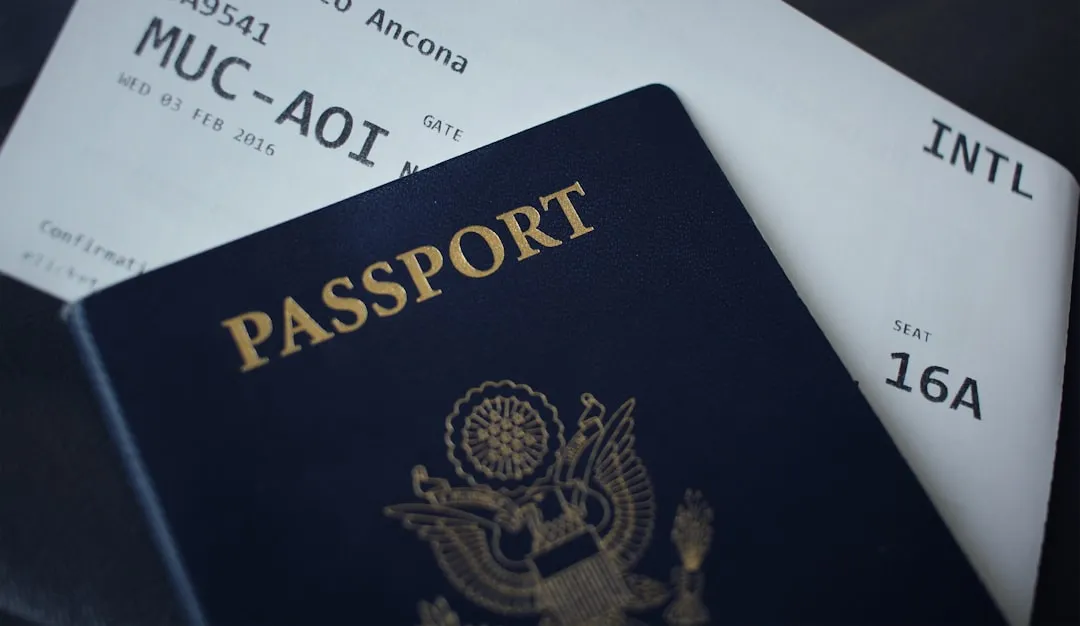
Keeping one set of physical document copies in your checked bag and one in your carry-on is a practice that seasoned travelers treat as non-negotiable. First-timers rarely think about it at all. The logic is simple: if your original passport is lost or stolen, a photocopy won’t replace it, but it will significantly speed up the process of getting emergency help from your embassy.
Copies should cover your passport data page, visa approvals, travel insurance details, hotel confirmations, and any entry authorizations. Storing them separately from your originals is the key. If your bag goes missing and your documents were all in one place, you’re left with nothing.
ETIAS: Europe’s New Pre-Travel Authorization
This is the document that will catch the most travelers off guard in the near future. ETIAS, or the European Travel Information and Authorization System, is an electronic screening system for passport holders granted visa-free access to the EU and Schengen Area. Once implemented, every traveler entering Europe without a visa will need one. The launch is expected in late 2026, though the exact date has moved several times.
All visitors who previously travelled visa-free to Europe, including visitors from the United States, Canada, Australia, New Zealand, and many others, will need an approved ETIAS to enter any ETIAS member country such as France, Germany, Italy, and Spain. The fee for the ETIAS application is €20 per adult, and travelers under 18 or over 70 do not pay the fee. It’s not a visa, but it’s a firm entry requirement once the system goes live.
The Passport Validity Trap: Six Months Matters

Many travelers glance at their passport expiration date, see that it doesn’t expire until after their trip ends, and assume they’re fine. Most countries require passport validity of six or more months beyond your return date, so renewing well in advance is essential. This catches travelers heading to popular destinations throughout Asia, the Middle East, and Africa.
Renewal timelines matter too. In 2024, the U.S. Department of State announced a four to six week passport processing timeline for applicants, the fastest turnaround in more than five years. That’s still over a month. If you’re leaving in three weeks and your passport is borderline, that’s a problem you cannot wish away at the airport.
What a Packing List Actually Prevents
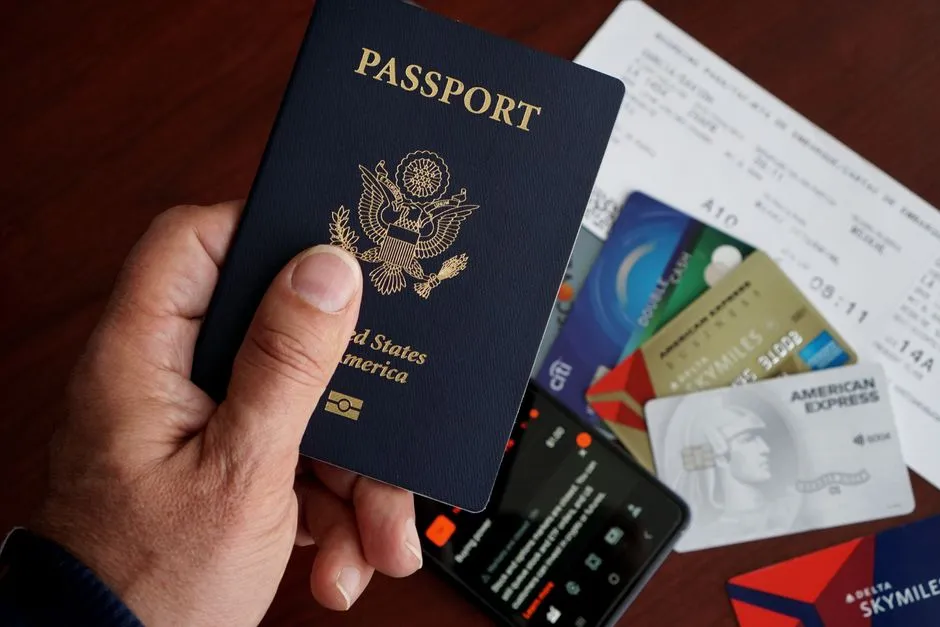
Statistics show that nearly four in ten travelers admit to forgetting at least one essential item on their most recent journey, often leading to expensive last-minute purchases abroad. Documents are a different category of forgotten item. You can buy a replacement toothbrush at any airport pharmacy. You cannot buy a replacement visa authorization at the boarding gate.
Roughly three in four travelers make a packing list before a trip, and a similar proportion say a packing list makes them less likely to forget things. The gap between those who make lists and those who forget things anyway suggests that most lists focus on clothes and toiletries, not documents. A dedicated document checklist, reviewed a week before departure, changes that entirely.
The Document Pouch Strategy: Simple but Effective

A boarding pass may be set down while juggling bags, or an ID might be left in a scanner tray. Losing identification can derail travel plans entirely, forcing travelers to delay flights or navigate complex recovery steps. The airport itself is one of the highest-risk environments for losing documents, not just forgetting them at home.
Keeping travel documents organized in a secure pouch or wallet helps reduce the risk of a last-minute scramble. A dedicated travel document organizer, with a fixed spot in your carry-on, removes the mental load of remembering where everything is. Passport, visa confirmation, travel insurance details, onward travel proof, and any entry authorizations all go in one place, and that place goes directly on your body or in your personal item during transit.
Final Thoughts
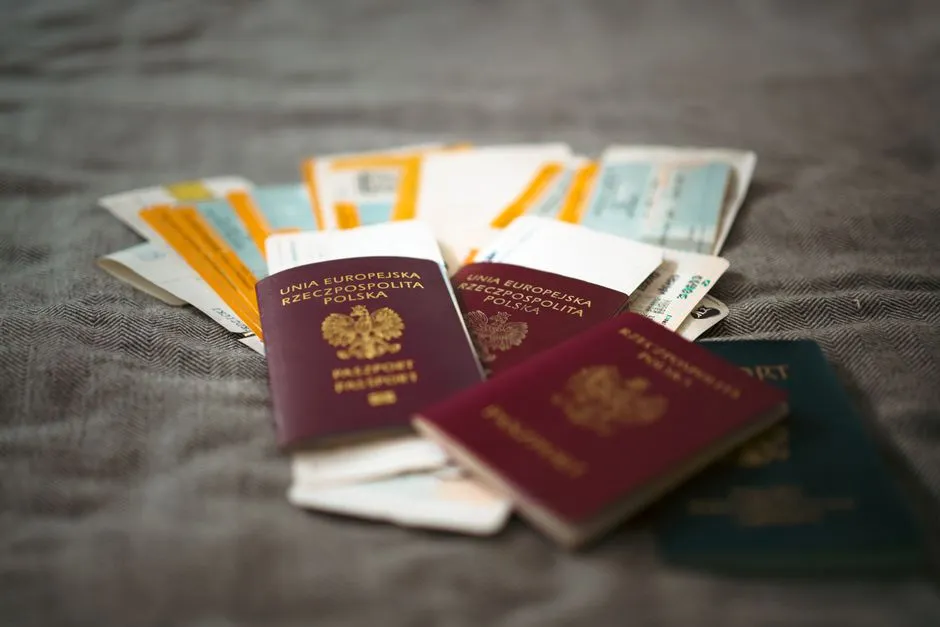
The document most first-timers forget isn’t always the same one. Sometimes it’s the visa. Sometimes it’s proof of return travel. Increasingly, it will be an electronic authorization they didn’t know existed. What these oversights share is a common cause: documents don’t feel as urgent as packing until you’re standing at a counter and someone is asking for one you don’t have.
Getting your documents sorted is the least glamorous part of travel planning, and probably the most important. Check them early, copy them thoroughly, store them separately, and review the specific entry requirements for your destination rather than assuming last year’s rules still apply. The trip you’ve planned deserves a beginning that’s actually as smooth as you imagined it.
AI Disclaimer: This article was created with the assistance of AI tools and reviewed by a human editor.