
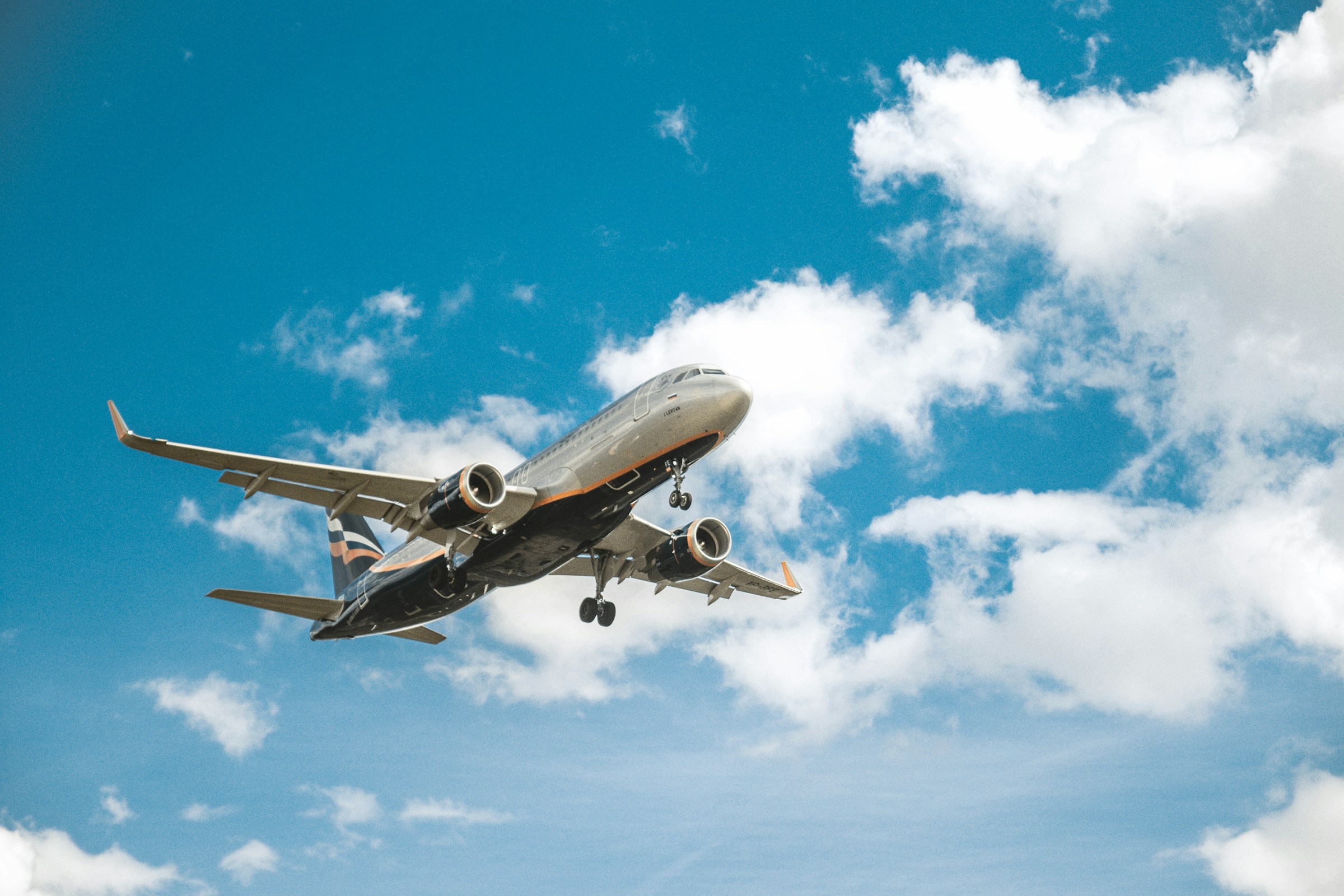
There’s a quiet ritual that happens at the boarding door of almost every flight. A traveler pauses, reaches out, and lightly touches the fuselage. They may look a little self-conscious doing it. They do it anyway. For all of aviation’s precision engineering and safety culture, the skies remain one of the last places where ancient instinct quietly overrides modern reason.
The interesting thing isn’t that people are superstitious about flying. It’s that the people who fly the most often tend to hold onto these beliefs just as tightly as nervous first-timers. Frequent flyers know the safety statistics, they’ve logged the miles, and they still carry their lucky charm. Here are ten superstitions that quietly endure among air travelers, and what they actually reveal about us.
Touching the Plane Before Boarding
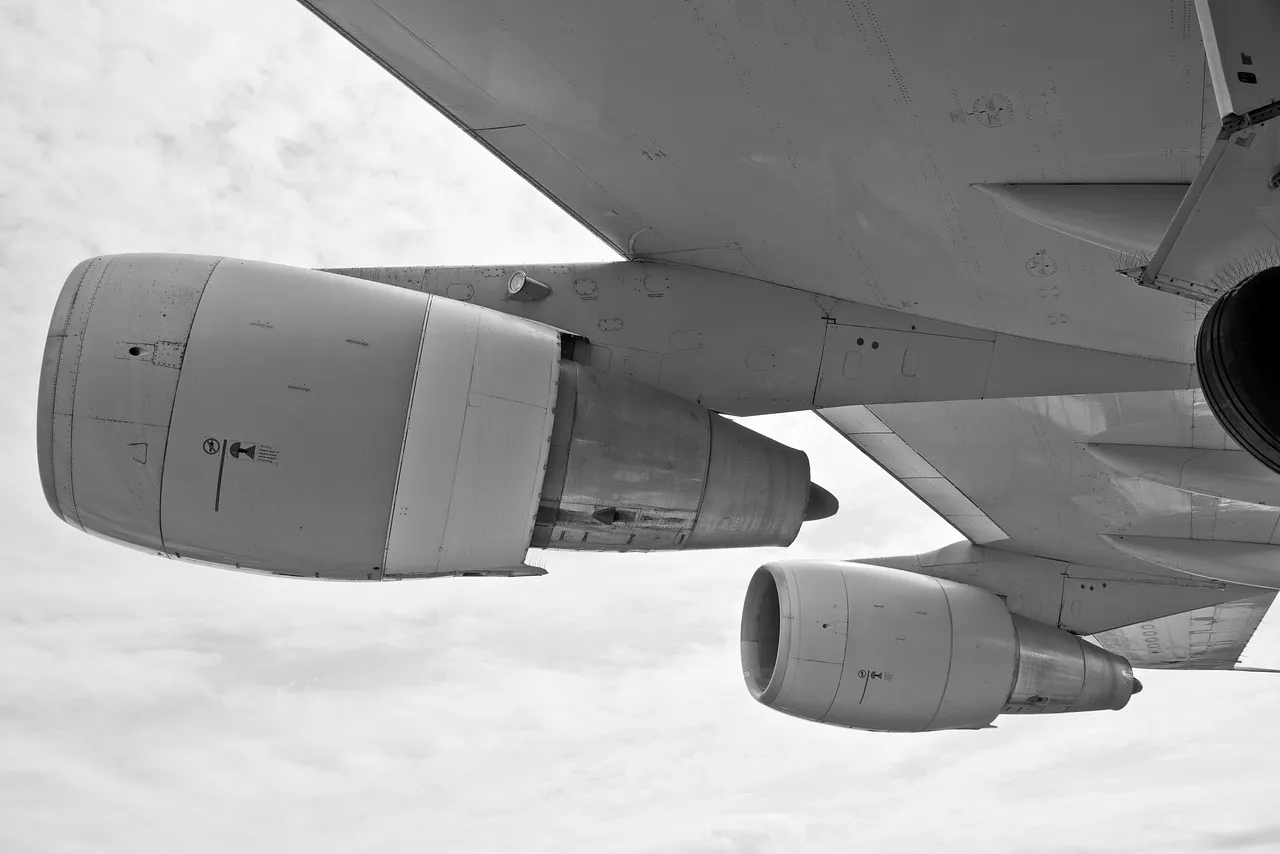
The most popular superstition among those surveyed was touching the exterior of the aircraft, with 17 percent of travelers admitting to touching the outside prior to boarding. One of the most common explanations is that touching the plane offers a bit of good luck, as though passengers are thanking the aircraft for its services and asking it to carry them safely to their destination.
Pilots share this same instinct with passengers, though they tend to favor touching the nose of the plane specifically. It’s a gesture that crosses the crew divide entirely. Whether you’re the one flying the plane or sitting in seat 22B, the urge to make that small physical connection is remarkably common.
Carrying a Lucky Charm on Board
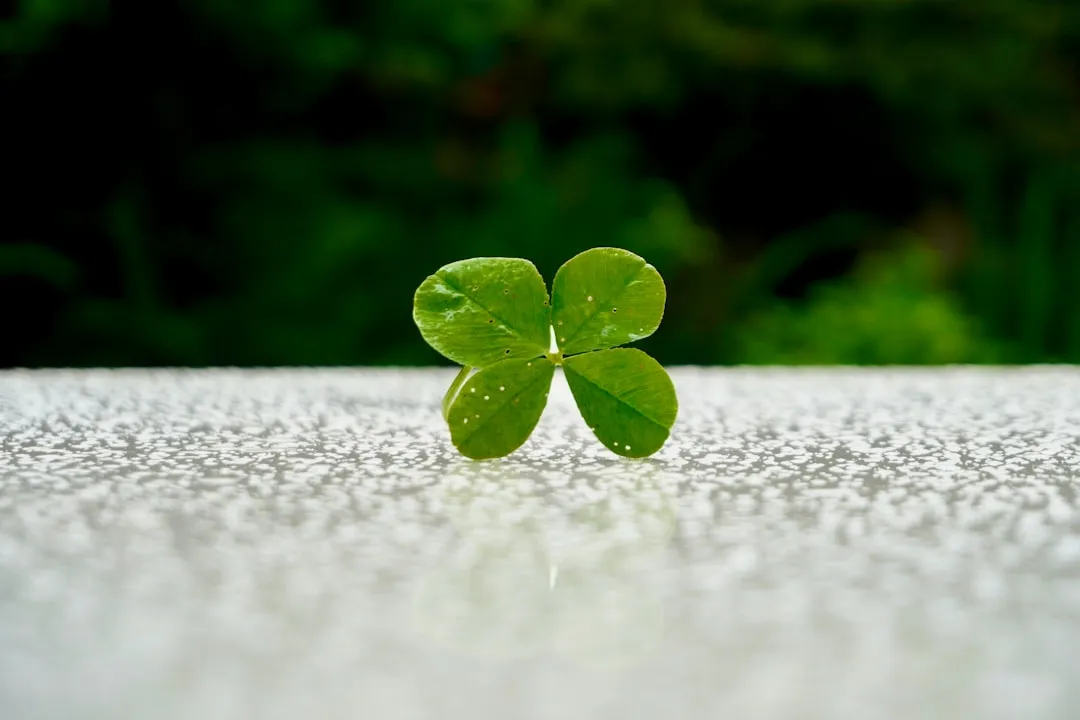
The second most popular superstition among air travelers involves bringing some sort of good luck charm aboard, with 15 percent of flyers saying they liked having a mascot or charm with them for comfort. These charms can range from simple items like a favorite stone or a piece of jewelry to more elaborate talismans, with the belief that they hold protective qualities making them an integral part of the travel experience for many.
What’s striking is that research actually backs up the functional value of these objects. Participants who were allowed to complete a task with their lucky charm not only found significantly more words than the control group, they also reported significantly higher rates of self-efficacy and set higher goals than those without one. The charm itself may not be magic. The confidence it creates, however, is real.
Avoiding Friday the 13th Flights
Friday the 13th is one of the most well-known superstitions in aviation. Many people believe this day is cursed with bad luck, and historically airlines have noticed that fewer passengers book flights on this day. Research has found that approximately 10,000 fewer people fly on Friday the 13th in the United States, resulting in losses of roughly 800 to 900 million dollars in revenue every occurrence.
Data suggests flights from the UK to Europe are notably quieter on Friday the 13th, and some airlines, including Ryanair, have skipped row 13 in their seating arrangements entirely, catering to passengers’ superstitions about the unlucky number. The aviation industry, in other words, has quietly built passenger superstition directly into the design of their aircraft.
Refusing to Sit in Row 13
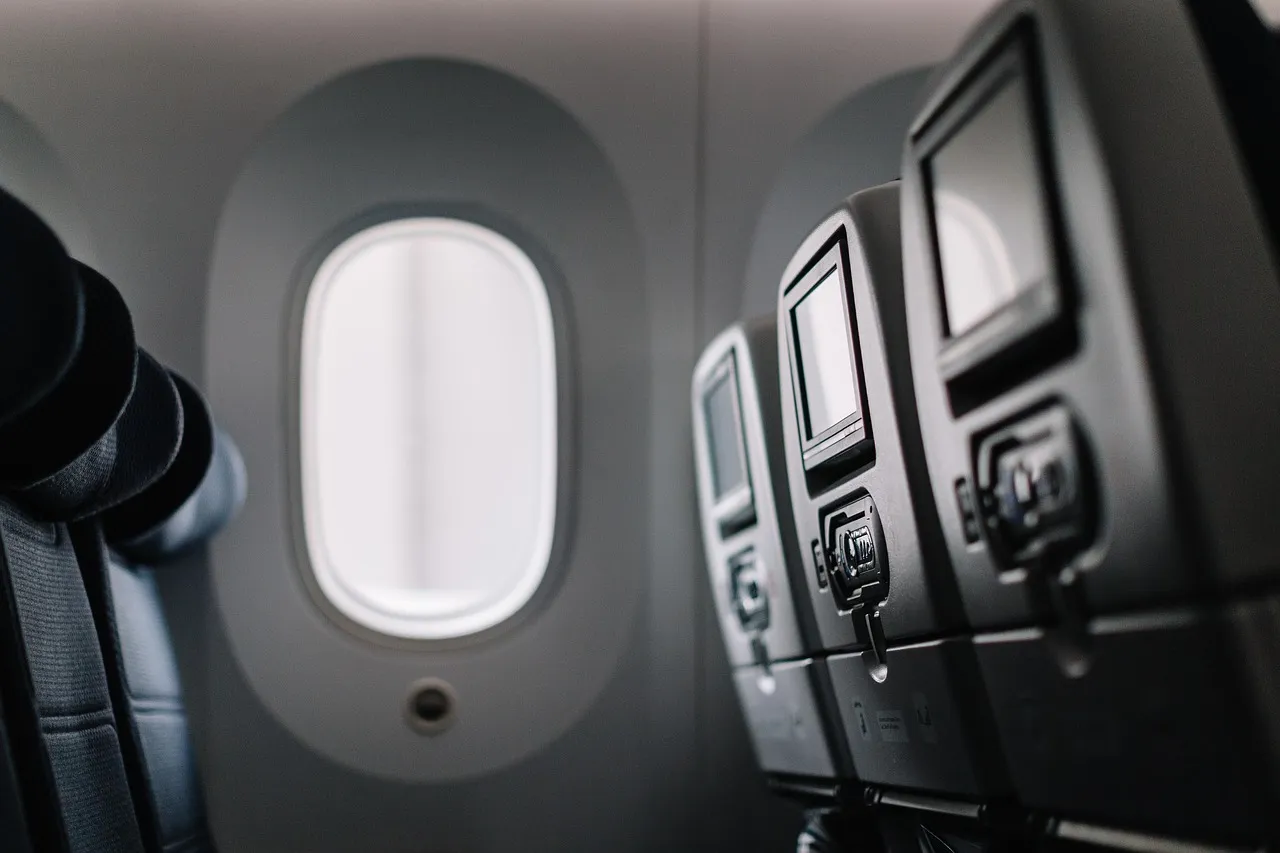
The fear or avoidance of the number 13, known as triskaidekaphobia, has led airlines including Lufthansa, Air France, Iberia, Ryanair, British Airways, and Air New Zealand to remove row 13 from their aircraft entirely, with the main reason being that a large number of superstitious passengers simply refused to sit there.
Lufthansa also doesn’t have a 17th row in their planes, because in Italy and Brazil, 17 is regarded as unlucky, and the airline tries to account for as many specific cultural beliefs as possible. United Airlines Polaris does not have a row 13 or 14 either, with row 14 considered unlucky in China because it sounds like “will die” in Chinese. These aren’t fringe accommodations. They’re standard practice across some of the world’s largest carriers.
Avoiding Flight Numbers Like 666 or 911
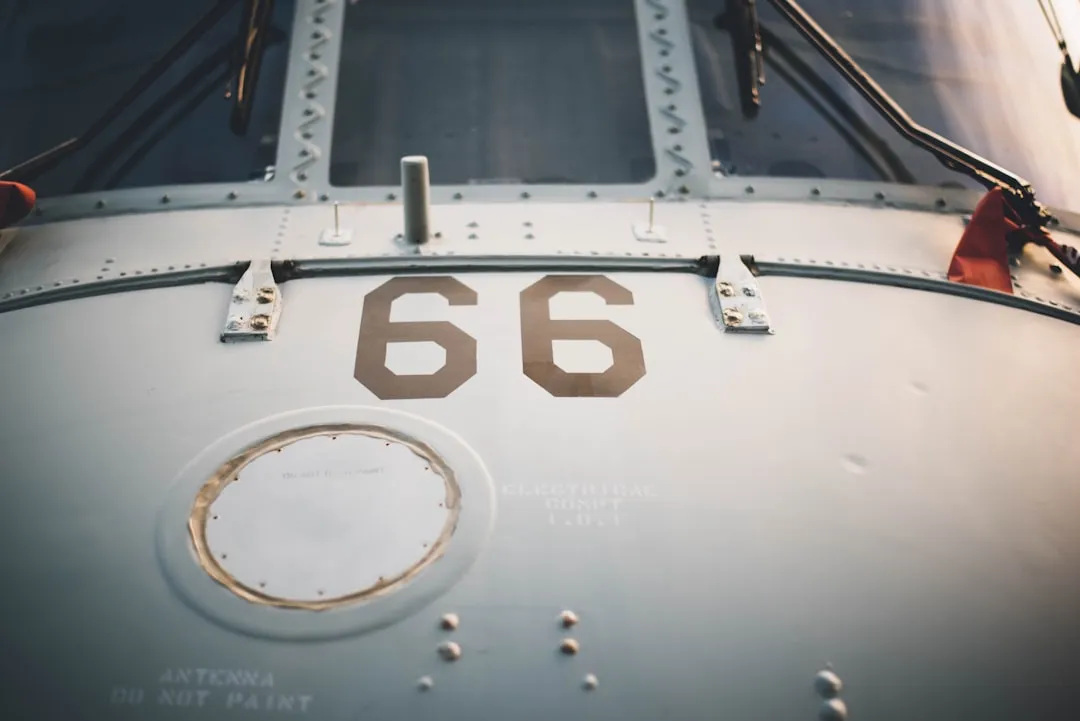
Airlines don’t take chances with certain numbers, and most carriers will not assign the numbers 666 or 911 to their flight numbers, retiring any flight number that ends in a close call or a crash. Some airlines even avoid scheduling flight 666, especially on routes to destinations like HEL (Helsinki), playing into the idea that the combination of these symbols could suggest disaster.
Both Delta and American have dropped flight 191 due to both airlines experiencing crashes from planes carrying that number. This particular practice isn’t driven purely by passenger belief. The airlines themselves treat certain numbers as genuinely something to be avoided. When the industry holds the superstition too, it stops feeling quite so irrational.
Only Flying at Certain Times or on Certain Airlines
A survey revealed that eight percent of travelers will only fly between certain hours to ensure a good flight, or will only fly a certain airline. This goes beyond loyalty programs or comfort preferences. For this group, departing outside their self-defined safe window feels genuinely risky in a way that’s hard to articulate but impossible to shake.
This behavior ties closely to the pilot superstition of preferring to keep the same routines before a flight, rather than trying something unfamiliar. Sticking with what they know works is more comforting than taking a chance on something new. The psychology here is really about control, and the feeling that a known routine is somehow part of the reason previous flights went well.
The Superstition of Unlucky Travel Days
Many people refuse to travel on days when disasters or historical tragedies occurred, such as September 11th. In Spanish, the word for Tuesday is “martes,” which has ties to Mars and the god of war and destruction, leading some to believe that Tuesday the 13th is a travel day that is more likely to end badly.
Many sojourners refuse to travel on Friday the 13th, many American planes don’t have a 13th row, and many hotels in western countries don’t have a 13th floor. In Mexico, Spain, and some Latin American countries, it’s an unlucky day any time the 13th falls on a Tuesday. The specific date changes by culture, but the underlying conviction – that some days carry a heavier risk than others – is strikingly universal.
Throwing Coins for Safe Passage
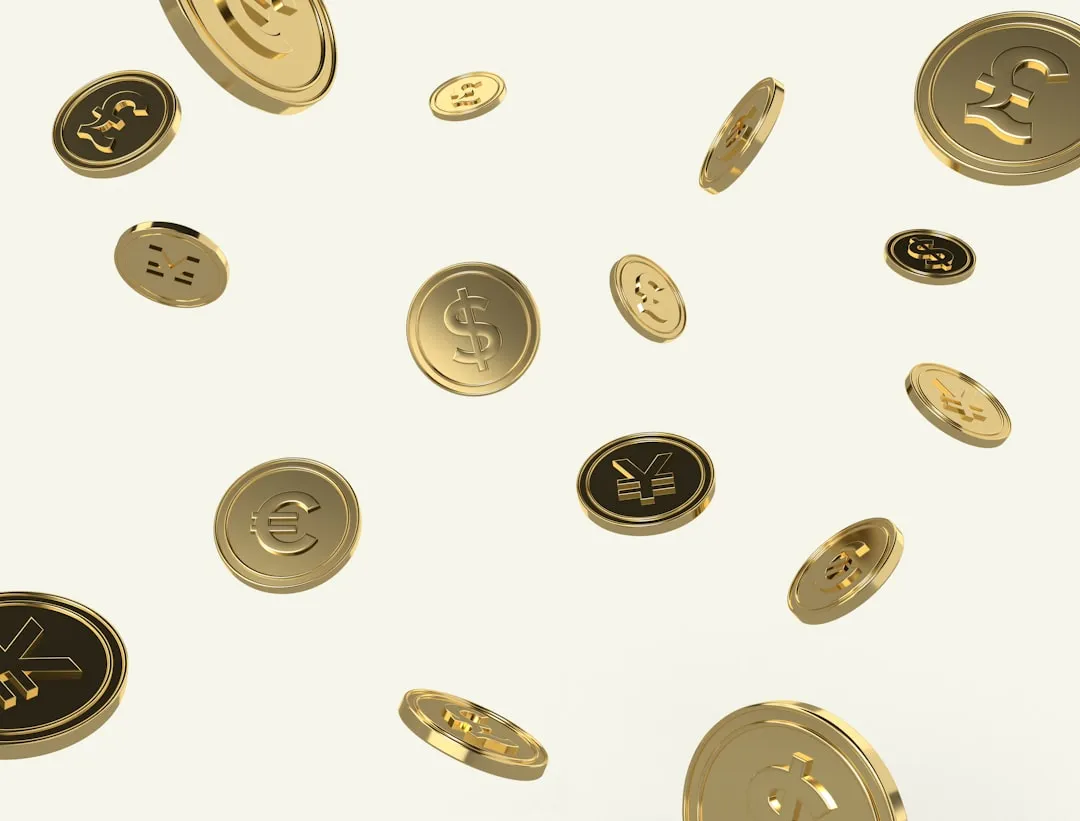
This superstition is especially common in East Asia, where some travelers believe that offering coins to the gods of fortune can bless their journey and ensure a safe flight. Though dangerous and strongly discouraged by airlines, this practice is still seen by some as a way to attract good luck, and the tradition became so common in certain regions that airlines had to issue warnings.
In 2017, a well-known incident in Shanghai occurred when a passenger threw coins into an engine, leading to a five-hour delay as mechanics retrieved the coins to prevent damage. It’s one of the rarer cases where a travel superstition crossed from harmless ritual into a genuine operational concern. Still, it reflects how deeply the impulse to seek protection can run, even on a tarmac in the age of modern aviation.
Wearing a Specific Outfit or Color for Protection
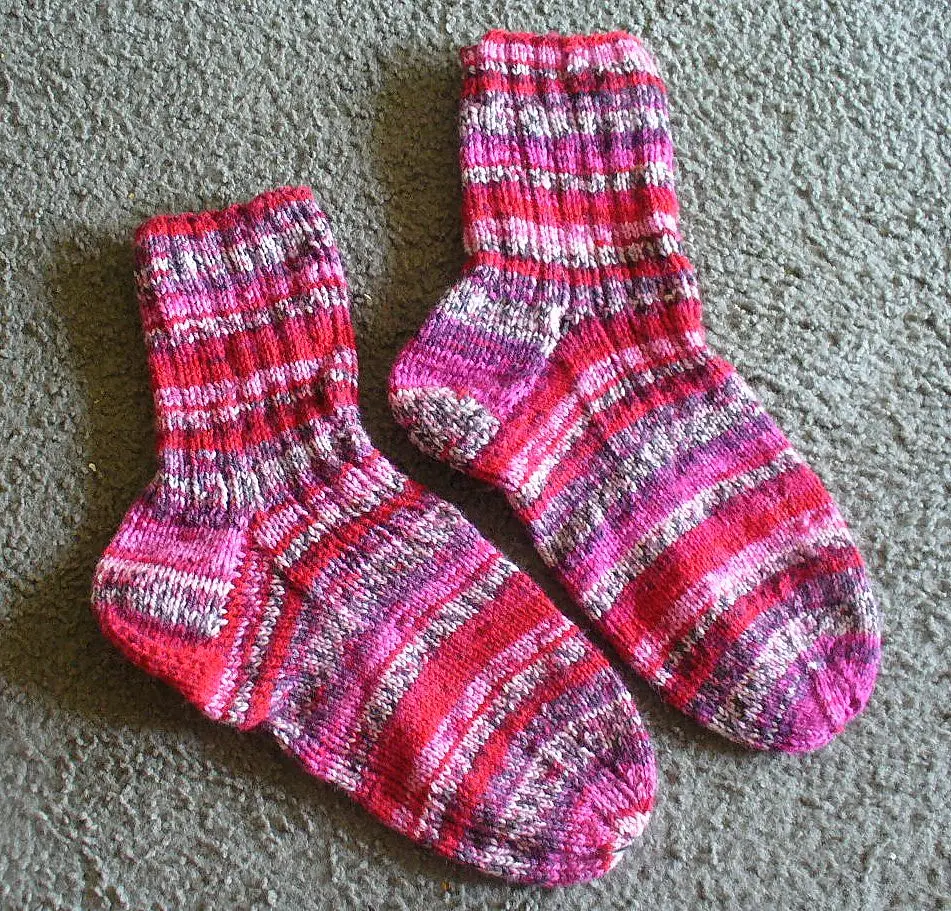
In parts of Asia, travelers wear red for protection during flights, while in Europe, some swear that the left side of the plane is inherently safer. Whether it’s a nervous passenger whispering a prayer before takeoff or a pilot wearing lucky socks, the skies are full of rituals that blend fear, humor, and culture in equal measure.
Western cultures often emphasize individual lucky objects like jewelry, clothing items, or personal possessions that provide private psychological support, with these individual-focused practices reflecting broader cultural values around personal responsibility in achieving success. The specific item or color is rarely the point. It’s the intentional act of preparation that matters, the feeling that you’ve done your part before the wheels leave the ground.
The Fear That Anxiety Itself Keeps the Plane Safe
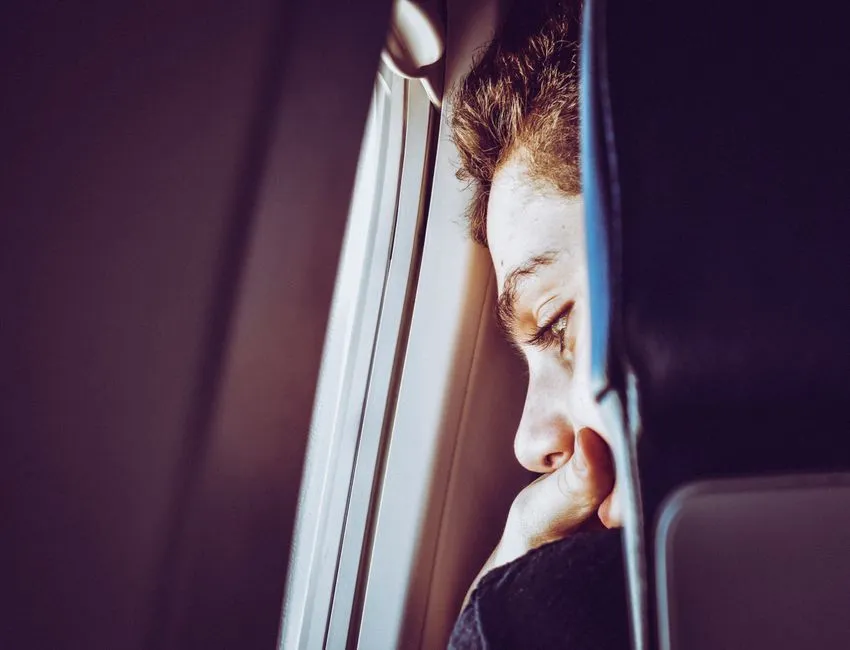
Many international studies report that roughly 30 to 40 percent of air travelers feel some anxiety when flying, with approximately 5 to 10 percent of travelers diagnosed with a clinical fear of flying. Among this group, a subtler but surprisingly common belief exists: that staying alert and anxious during the flight is somehow part of what keeps it safe. Relaxing feels dangerous. Worry feels like vigilance.
While rituals and charms don’t actually change the outcome of an event, they can help reduce anxiety and increase confidence. Rituals provide a sense of control over uncontrollable events, reducing stress and anxiety in measurable ways. Psychologists note that superstitions are a way to control the unknowns in our lives, a specific way to bring about good resolutions to unknown circumstances, like those we encounter when traveling to new places. The superstition and the anxiety, in other words, are doing the same job. They just wear different clothes.
What All of This Actually Tells Us
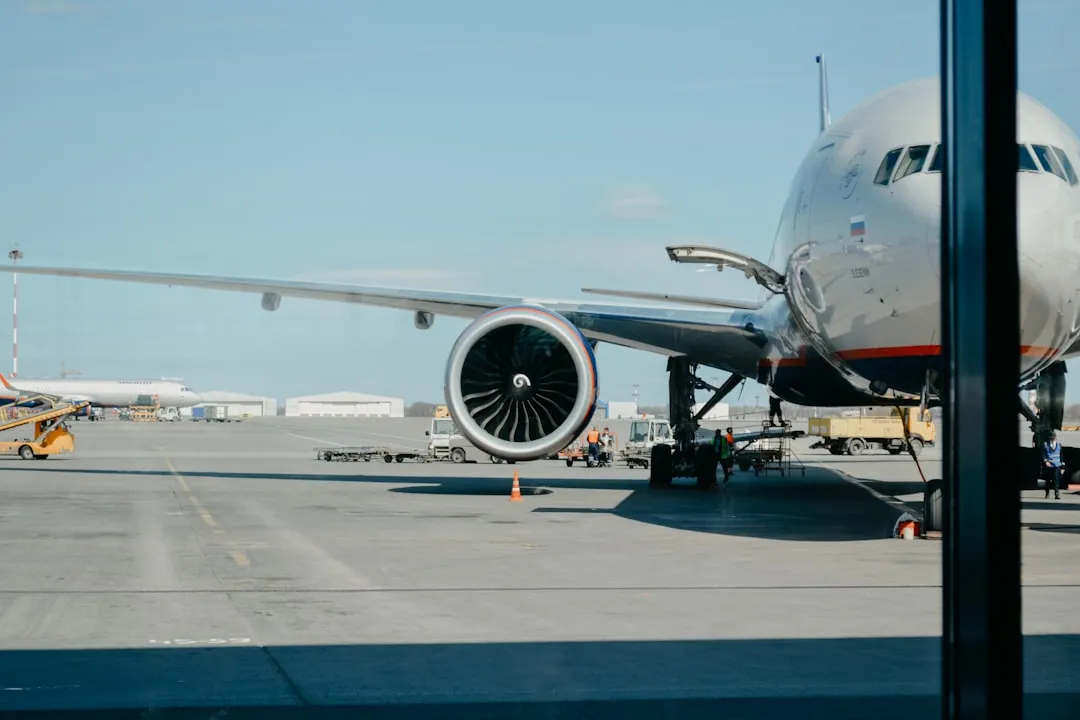
In 2024, there were 37.9 million commercial flights with just 7 fatal accidents, a fatality risk representing a one in 13.7 million chance of dying in an aviation crash. By any rational measure, flying is extraordinarily safe. Driving is roughly 95 times more dangerous per mile traveled than commercial flying, and modern aircraft are certified to withstand one and a half times the most extreme turbulence ever recorded.
The facts don’t make the rituals disappear, though. They never have. Flying superstitions have long been part of human culture, often reflecting our need for safety and reassurance, and from the moment we step into an airport to when we finally take our seat, these beliefs can influence our thoughts and actions. There’s something quietly honest in that. We can know a thing is safe and still reach out to touch the fuselage anyway, just to be sure.
The superstition isn’t really about the plane. It’s about the particular human discomfort of entrusting your life to something you don’t control. Frequent flyers who’ve done it a thousand times still feel it. The charm in the pocket, the avoided row, the tapped zipper – these small acts are less about irrationality and more about the enduring need to feel like a participant in your own safe arrival.
AI Disclaimer: This article was created with the assistance of AI tools and reviewed by a human editor.