


Most travelers pack their bags carefully, confirm their hotel bookings twice, and still leave home without the one thing that matters most in a real emergency: a plan. Travel in 2026 is genuinely exciting, and in most respects it’s safer than ever. Travel safety trends in 2026 show that while travel remains statistically safe, the factors influencing traveler safety have grown more complex, now involving digital hygiene, climate awareness, and geopolitical savvy supported by thoughtful planning and preparation.
Preparation isn’t about fear. It’s about giving yourself the freedom to be fully present in a place, knowing you’ve taken care of the essentials before you arrived. Here’s what that actually looks like, point by point.
1. Get Your Documents in Order Before You Even Pack
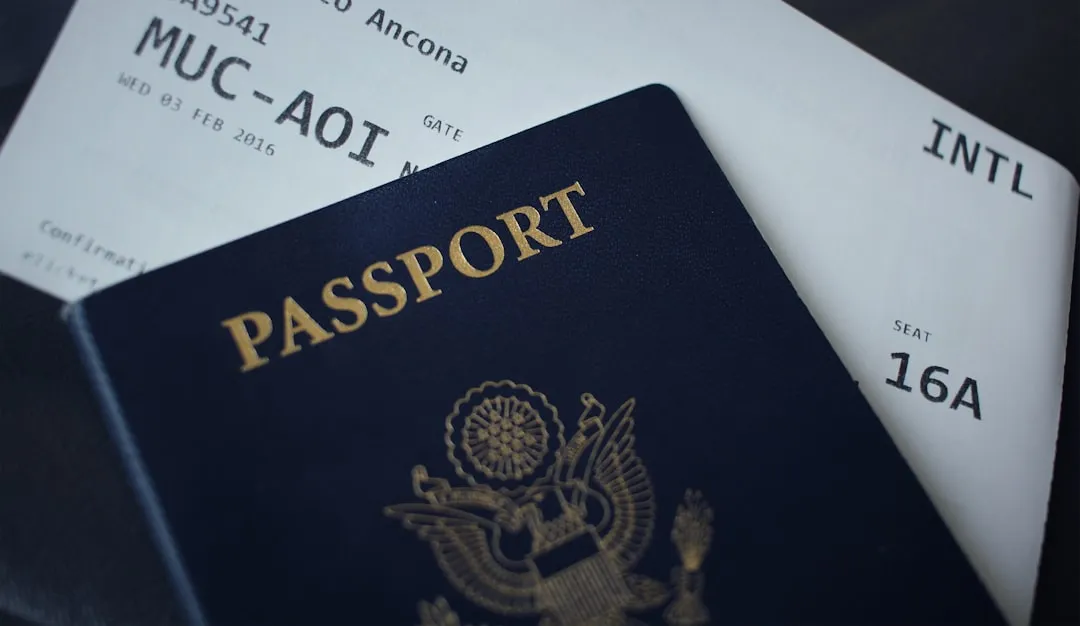
Your passport, visas, and any electronic travel authorizations need to be sorted well before departure day. Electronic Travel Authorizations are now required by numerous countries that previously allowed visa-free entry with just a passport. Canada has the eTA, the EU has ETIAS, and Australia has its own ETA system, with the list continuing to grow.
The U.S. State Department reports that roughly 300,000 passports are lost every year. That figure alone makes the case for backups. Keep a color copy of your passport in a safe place in your hotel room, leave a copy with friends or family at home, and scan a copy as a digital document.
Start by dividing your documents into clear groups: identity and border control documents such as your passport and visa; itinerary and lodging details including hotel addresses and reservation numbers; money and recovery information including your insurance policy and bank card numbers; and access restoration essentials like emergency contacts and account recovery codes.
2. Choose the Right Travel Insurance, and Actually Read It
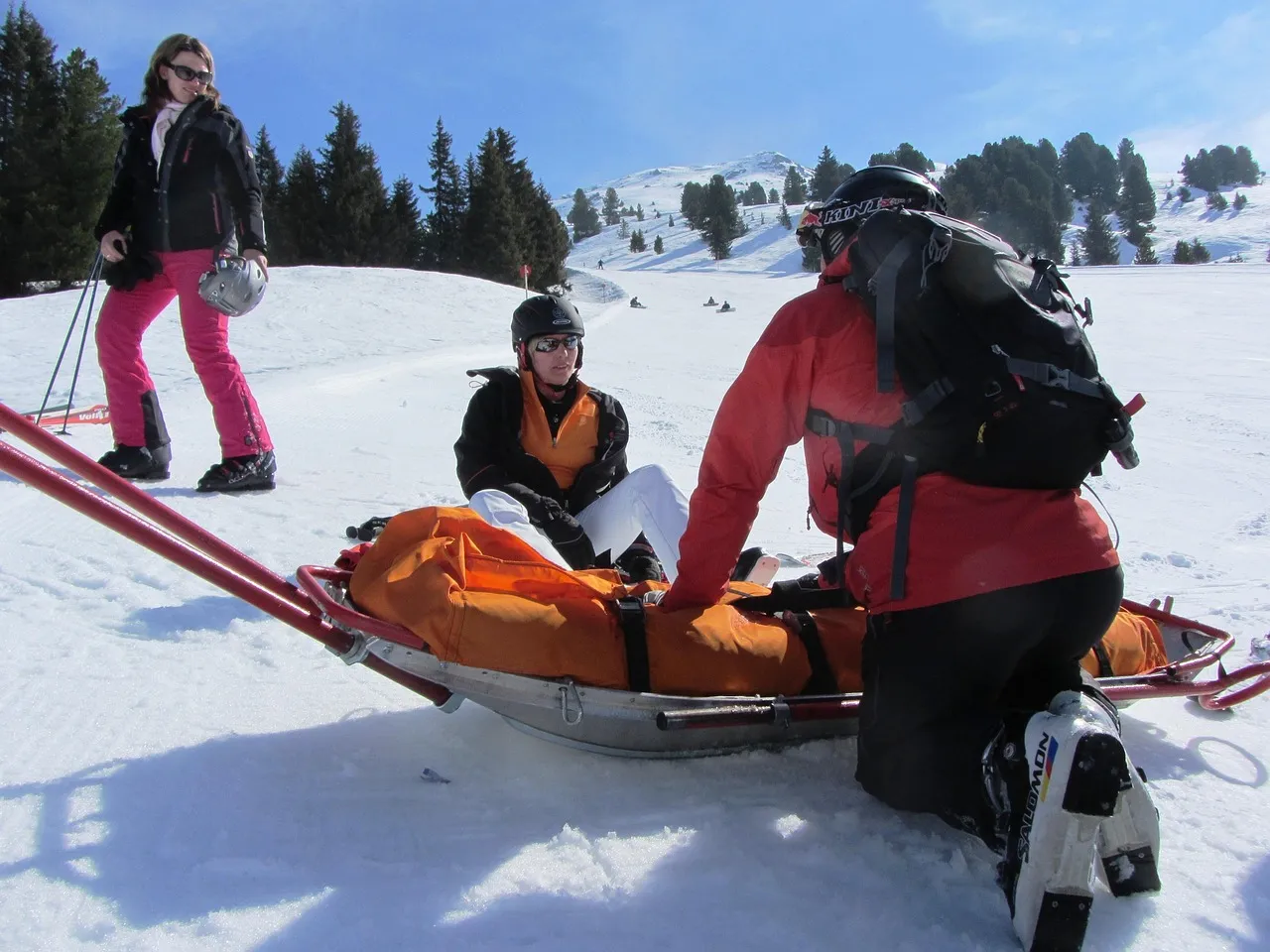
Comprehensive travel insurance isn’t optional; it’s essential. Medical emergencies abroad can cost tens of thousands of dollars, and evacuation services can exceed $100,000. Choose policies that cover medical expenses, evacuation, trip cancellation, and personal liability.
Recent reporting on global travel disruptions indicates that traveler demand for trip protection increased in early 2025, with travel insurance quote requests up at least 32% year over year and purchases of more flexible protection options rising by more than 30%. That surge in interest reflects a real shift in how people are thinking about risk.
Still, coverage gaps remain surprisingly common. While 58.6% of U.S. travelers have purchased some form of travel insurance in their lifetimes, for 2025 trips specifically, 63% of American travelers had not purchased any travel insurance. The most common travel insurance claims are for unexpected trip cancellations and interruptions, while emergency medical expenses remain a top concern, especially for longer or riskier trips.
3. Back Up Your Documents Digitally, and Test the Backup

A reliable travel document backup plan needs more than one storage method, because travel failures rarely happen one at a time. A phone can be stolen while you are offline, and a cloud account can require a text message you can no longer receive.
The offline layer should live on your primary phone in a place that does not require mobile data. For most travelers, that means saving PDFs or images into a clearly named offline folder, not only inside an email inbox. Test it in airplane mode. If you cannot open your passport scan, hotel address, insurance policy, and first transportation ticket while offline, the backup is not real yet.
Create a digital travel folder with everything organized and share access with one trusted emergency contact at home. Always have contact information readily accessible, even if your phone dies or gets stolen.
4. Research Your Destination’s Safety Landscape
Travel-related risk alerts, which include those related to travel safety, severe weather, geopolitical crises, and disease outbreaks, rose 15% from 2024 to 2025. That sounds alarming, but context matters. Travel industry experts weren’t alarmed, attributing the rise in alerts to broader visibility into disruption rather than a blanket surge in danger.
Start with official government travel advisories from the U.S. Department of State or your country’s foreign ministry. These provide current information about political stability, crime rates, health risks, and natural disasters. Checking these resources takes less than ten minutes and can meaningfully reshape your preparation.
Register with your embassy through programs like STEP for U.S. citizens, or the equivalent for your country, which provides critical alerts and assistance in emergencies. It’s free, quick, and the kind of step most travelers skip until they wish they hadn’t.
5. Protect Your Valuables Against Pickpocketing and Physical Theft
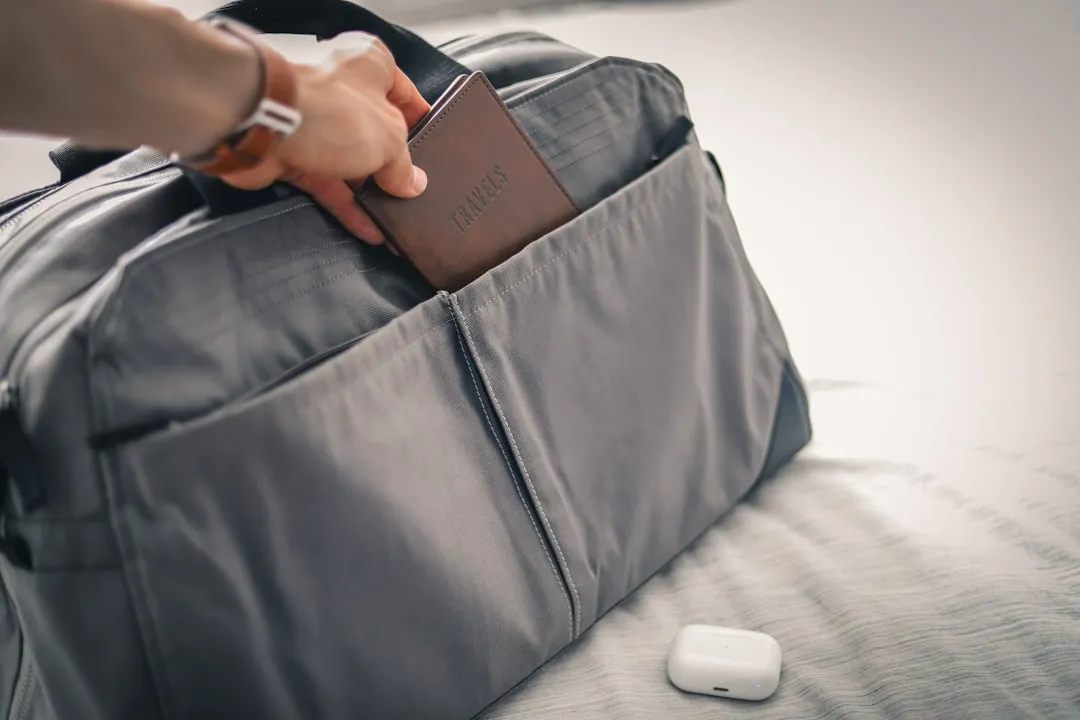
Pickpocketing remains one of the most common travel risks in major cities worldwide. Fortunately, most incidents can be prevented with simple strategies. Pickpocketing is one of the most common crimes against travelers in crowded areas around the world.
Anti-theft bags come with lockable zippers and hidden compartments, making quick snatches harder. RFID-blocking wallets protect credit cards and passports from electronic skimming, which has spiked in European cities like Barcelona and Paris since early 2025. Slash-proof backpacks use steel mesh panels to prevent slashing, a technique common in busy transport hubs like Rome’s Termini station.
Use hotel safes for valuables, carry only what you need for the day, and keep backup cards and cash in separate locations. Consider using a money belt or hidden wallet for important documents and emergency funds. Spreading your cash and cards across two or three locations dramatically limits the damage if anything is lost or taken.
6. Lock Down Your Digital Security Before You Land

Alongside traditional pickpocketing and street scams, digital fraud is emerging as one of the defining safety concerns for travelers in 2026. Industry surveys and government data point to sharp increases in travel-related fraud, including fake booking sites, compromised accommodation platforms, and phishing campaigns that mimic airlines or hotel brands.
In an era where your phone holds your boarding passes, hotel bookings, and banking apps, digital pickpocketing and data theft are major security priorities. Unsecured public Wi-Fi networks at airports, hotels, and cafes are prime targets for traffic interception. Turn off your phone’s auto-connect feature to prevent it from linking to spoofed networks, and use a reliable Virtual Private Network or stick to mobile data.
Updated digital safety checklists for travelers now recommend steps such as installing security software, turning on automatic updates, and considering the use of virtual private networks when using public Wi-Fi. Enable device encryption, use strong passwords or biometric locks, and keep software updated with the latest security patches.
7. Prepare Thoroughly for Health Needs Abroad

If you’re visiting a country without modern medical facilities and standards, consider scheduling a visit with a travel medicine clinician at least one month before departure. During the assessment, the clinician will review your itinerary, including specific cities and types of accommodations, as well as the season and mode of travel. They will also factor in your medical conditions, daily medications, and allergies, resulting in a list of appropriate medications and vaccinations for your trip.
Travelers with chronic conditions need extra preparation. Carry sufficient medications, medical documentation, and emergency contact information for healthcare providers. Consider medical alert jewelry and research healthcare facilities at your destination.
Keep a list of the generic equivalents of your medications, and always carry spare medication in case of emergency. Check to make sure your medication is allowed in the destination country. If not, determine a solution before your trip, not when the medicine is confiscated at entry. This is a detail that catches even experienced travelers off guard.
8. Set Up a Reliable Emergency Contact System
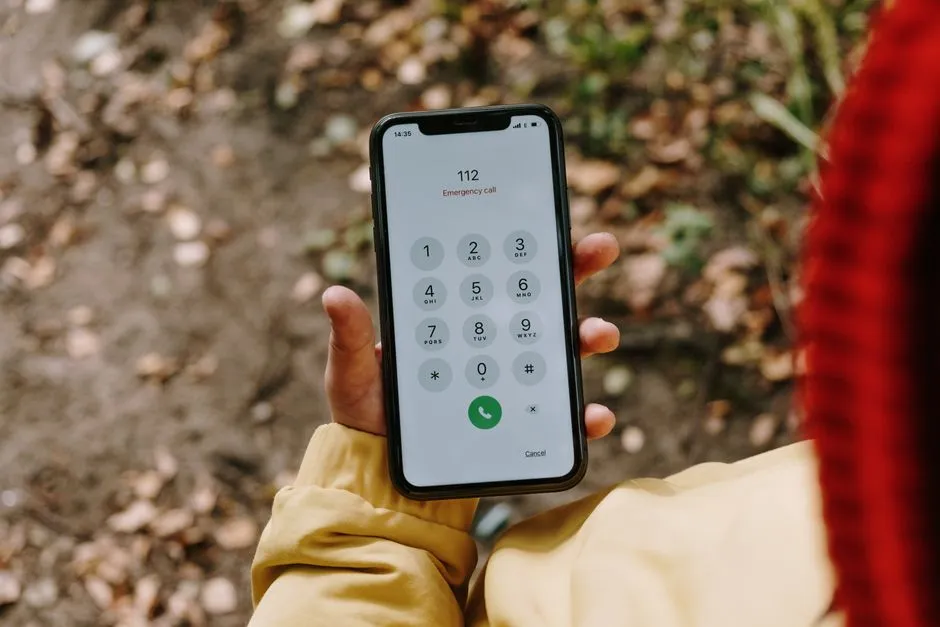
Set up an emergency protocol by designating one person back home as your main point of contact. Everyone else knows to call that person in an emergency. They should have access to your digital travel folder with all your important documents.
Memorize key numbers: at minimum, your emergency contact’s number and the local emergency services number. Phones get lost, stolen, and drained. Knowing one number by heart takes that vulnerability off the table entirely.
The human layer of your backup plan is not about broadcasting personal documents casually. It is about choosing one trusted person who can retrieve specific information if you are stuck. Give them clear instructions rather than a confusing document dump: where the folder is, what they may send, and under what circumstances.
9. Be Smart About Transportation and Local Movement
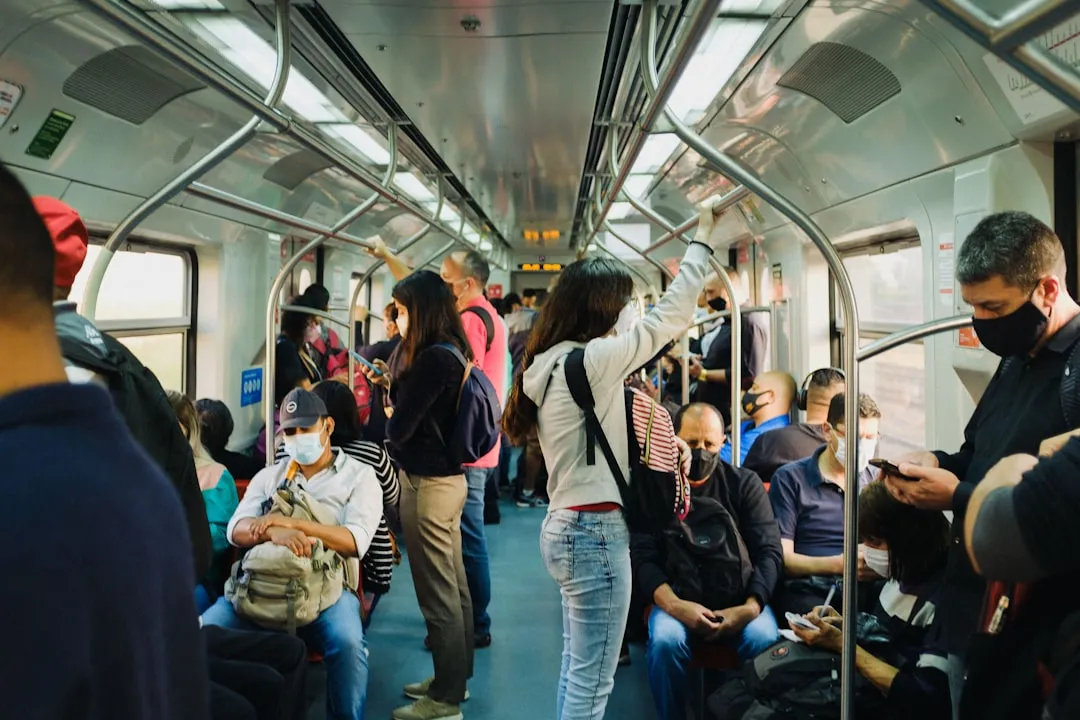
Use official transportation services, research reputable taxi companies, and consider ride-sharing apps with tracking features. Avoid hitchhiking, unlicensed taxis, and traveling alone in remote areas, especially at night.
Public buses and trains can be efficient, but pickpockets often strike when travelers are boarding or exiting. Keep bags secured and in front of you, especially in crowded cars or stations. It’s a small habit adjustment that makes a meaningful difference in busy urban transit environments.
The most dangerous way to travel is via motorcycle. Motorcyclists are injured at a rate of more than 399 per 100 million miles, more than six times the rate of any other form of transportation. If you’re planning to rent a scooter or motorcycle at your destination, factor that into your risk planning with appropriate coverage and protective gear.
10. Stay Aware of Your Surroundings Without Living in Anxiety

Your first line of defense while traveling is awareness. Pay attention to your surroundings in busy areas like markets, squares, transit stations, and tourist attractions. Keeping your head up and moving with purpose not only helps you navigate well but also signals to opportunistic thieves that you are alert.
The good news is that most travel safety problems are preventable. A few hours of preparation can save you from annoyance, financial loss, medical emergencies, and legal trouble. That framing matters. Preparation isn’t about imagining worst cases; it’s about neutralizing them quietly so they never become your story.
Travel safety is about preparation and awareness, not fear. With a strong plan, careful habits, and informed choices, you will dramatically reduce the chance of incidents and enjoy every part of your trip. Technological advancements, including AI translation, real-time tracking, and safety alerts, are transforming travel by increasing safety and control for travelers.
The Takeaway
No checklist replaces good judgment, but the best judgment comes from being prepared. The travelers who handle disruptions calmly, whether a lost passport or a medical scare, almost always have one thing in common: they thought it through before they left home.
Most of these steps take under an hour in total. Backing up your documents, reading your insurance policy, registering with your embassy, setting up a contact person back home. None of it is complicated. Travel safety trends in 2026 show that while travel remains statistically safe, the factors influencing traveler safety have grown more complex. A well-prepared traveler can navigate that complexity without breaking stride.
The world is genuinely worth exploring. Going in with a quiet, practical plan is simply the most respectful thing you can do for yourself and for the journey ahead.
AI Disclaimer: This article was created with the assistance of AI tools and reviewed by a human editor.