
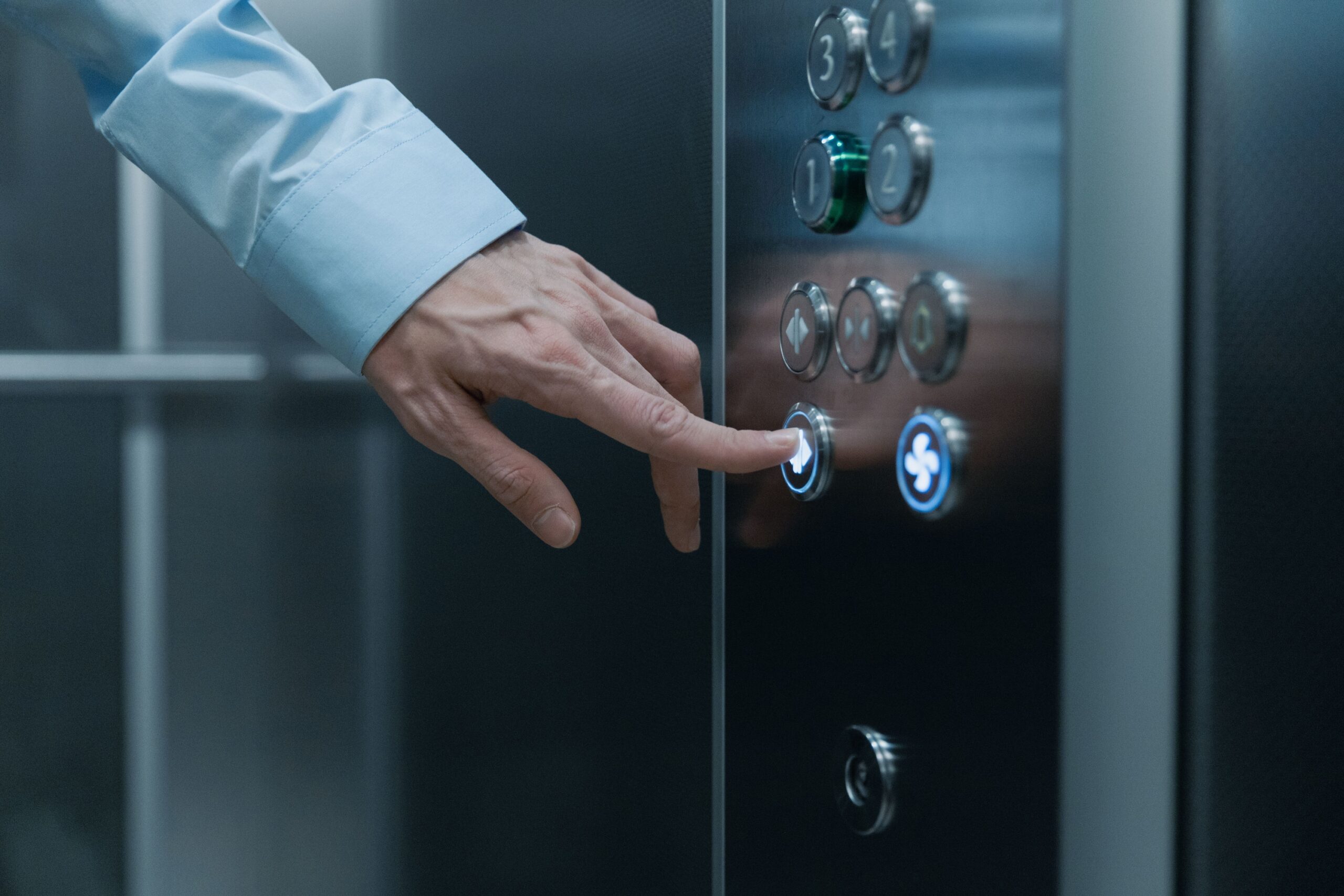

There’s a quiet irony that plays out in five-star hotels every single day. Guests pay hundreds, sometimes thousands of dollars per night for an experience built on refinement, discretion, and mutual respect. Then they crowd the elevator doors before anyone has stepped off, talk at full volume, or prop the doors open indefinitely while waiting for a companion three floors away.
Often, a guest’s first stop after the lobby is not their room but the elevator, and more than just a mode of transportation, elevators can be a defining element of the guest experience. Which makes it all the more surprising how reliably travelers stumble through these 40 seconds of shared space. The rules are rarely posted on a plaque. They’re expected to be understood.
Let People Exit Before You Step In
This one sounds obvious, yet it remains one of the most frequently broken rules in any hotel. Elevators become bottlenecks, particularly during arrivals, departures, and breakfast service, when limited capacity means lines form quickly and even small delays lead to longer wait times across multiple floors. Boarding before others exit slows each stop, while holding doors or overloading the car reduces efficiency for everyone.
Hotel elevators can get crowded, especially at check-in and check-out times, and letting people exit first keeps things running smoothly – the simple rule is let people exit before stepping inside. It takes roughly three seconds of patience. Most guests bypass it entirely.
In a luxury property, where the entire atmosphere is calibrated to feel unhurried and graceful, barging in while others are still stepping out is a jarring disruption to that tone. It signals a kind of impatience that the setting simply doesn’t call for.
Never Hold the Doors for an Indefinite Wait
Holding the door open for too long, especially during peak hours, is one of the most common elevator missteps guests make. Shouting across a lobby to a companion who hasn’t quite reached the elevator yet, then jamming the “door open” button for thirty seconds, creates a cascade of delays for everyone waiting on other floors.
Frequent short trips also keep elevators in constant use, limiting availability for others, and staff moving between floors face the same delays, which can slow housekeeping, room service, and maintenance tasks. What feels like a harmless two-minute inconvenience to one guest can ripple through an entire building.
A reasonable rule: hold the door for someone visibly close, meaning within a few steps. If your companion is still across the lobby adjusting their luggage or checking their phone, let the doors close and meet them on the floor. The elevator will come back.
Don’t Use the Elevator for a Single Floor
Taking the elevator for just one floor when you’re able to use the stairs is considered one of the more avoidable habits that frustrates fellow guests. In a busy luxury hotel during checkout rush, every unnecessary trip compounds the wait for everyone else, including guests traveling with luggage, guests with mobility needs, and housekeeping staff on tight schedules.
Boarding before others exit slows each stop, while frequent short trips keep elevators in constant use, limiting availability for others. If you’re staying on the second or third floor and are physically able to take the stairs, it’s worth considering – especially during peak periods in the morning or late afternoon.
This isn’t about rigidly following a rule. It’s about a light awareness that the elevator serves everyone in the building, and small choices add up quickly when a hotel is fully booked.
Mind the Volume of Your Conversation
Luxury hotel elevators are intimate spaces, often paneled in marble, glass, or polished wood that amplifies sound considerably. Guests should be considerate of their volume while traveling through hallways and doorways, especially at night or early in the morning, keeping conversations to a minimum or waiting until in a larger area to continue them.
Commentary online suggests that hotel etiquette may be deteriorating, with almost four in ten respondents in a recent survey saying standards have slipped. Loud conversations inside a moving elevator cab are a common flashpoint. The closed space makes every decibel feel amplified, and a personal phone call at full volume is particularly disruptive.
The standard is simple. Keep voices low. Finish the conversation in the lobby or step aside until the call is done. A hushed thirty-second ride is something virtually all guests appreciate, whether or not they say so.
Don’t Overcrowd the Car
If an elevator is full, wait for the next one instead of squeezing in. This is the etiquette equivalent of stepping over someone on an airplane to take the middle seat nobody wanted. Everyone already inside the car senses it immediately, and the discomfort is palpable – particularly in a luxury setting where physical ease and personal space are part of the product.
Higher hotel occupancy puts everyday habits on full display, and small missteps can quickly turn into property-wide problems that affect multiple guests at once. The gap between packed hotels and inconsistent behavior is becoming harder to ignore. Choosing to wait 60 seconds for the next car is not an inconvenience. It’s a courtesy that costs nothing.
Most high-end elevators also carry posted weight and passenger limits for a reason. In practice, the discomfort of an overfull car arrives well before any mechanical limit does. Err on the side of giving everyone a little more room.
Acknowledge Others with a Simple Nod or Greeting
Luxury hospitality, at its core, is built on warmth and human acknowledgment. Politeness and friendliness are always welcome; a simple hello when meeting with staff or other guests creates a friendly atmosphere and sets a positive tone, first of all for yourself. Stepping into an elevator and staring at your phone while ignoring the two other guests beside you doesn’t just feel cold – it actively works against the ambient warmth a good hotel works hard to establish.
A brief nod, a quiet “good morning,” or even just making eye contact for a moment before looking away is enough. Nobody expects a conversation. Always greet staff and make eye contact, because a simple smile at check-in can set the tone for your entire stay. The same principle carries directly into the elevator.
The instinct to vanish into a screen the moment shared space becomes slightly awkward is deeply understandable. Resisting it, even briefly, signals a kind of social attentiveness that tends to be appreciated in equal measure.
Keep Perfume, Food, and Strong Scents in Check
An elevator cab is a sealed, ventilated box. Scents, both pleasant and unpleasant, concentrate quickly and linger after you’ve stepped off. Luxury is not loud, it is refined – it’s in the silence, the gesture, the confidence, and the care. Arriving in the elevator with a plate of room service, a pungent takeaway bag, or a fresh application of heavy cologne runs directly counter to that philosophy.
This isn’t a formal rule most hotels codify. It falls into the category of spatial awareness that quietly distinguishes experienced travelers from those still finding their footing in fine hospitality environments. A brief elevator ride is not the moment for strong sensory statements.
The same consideration applies to wet umbrellas dripping across the floor, gym bags carried at waist height, or snacks being actively eaten. The cab belongs equally to whoever boards next.
Manage Luggage Carts and Large Items Thoughtfully
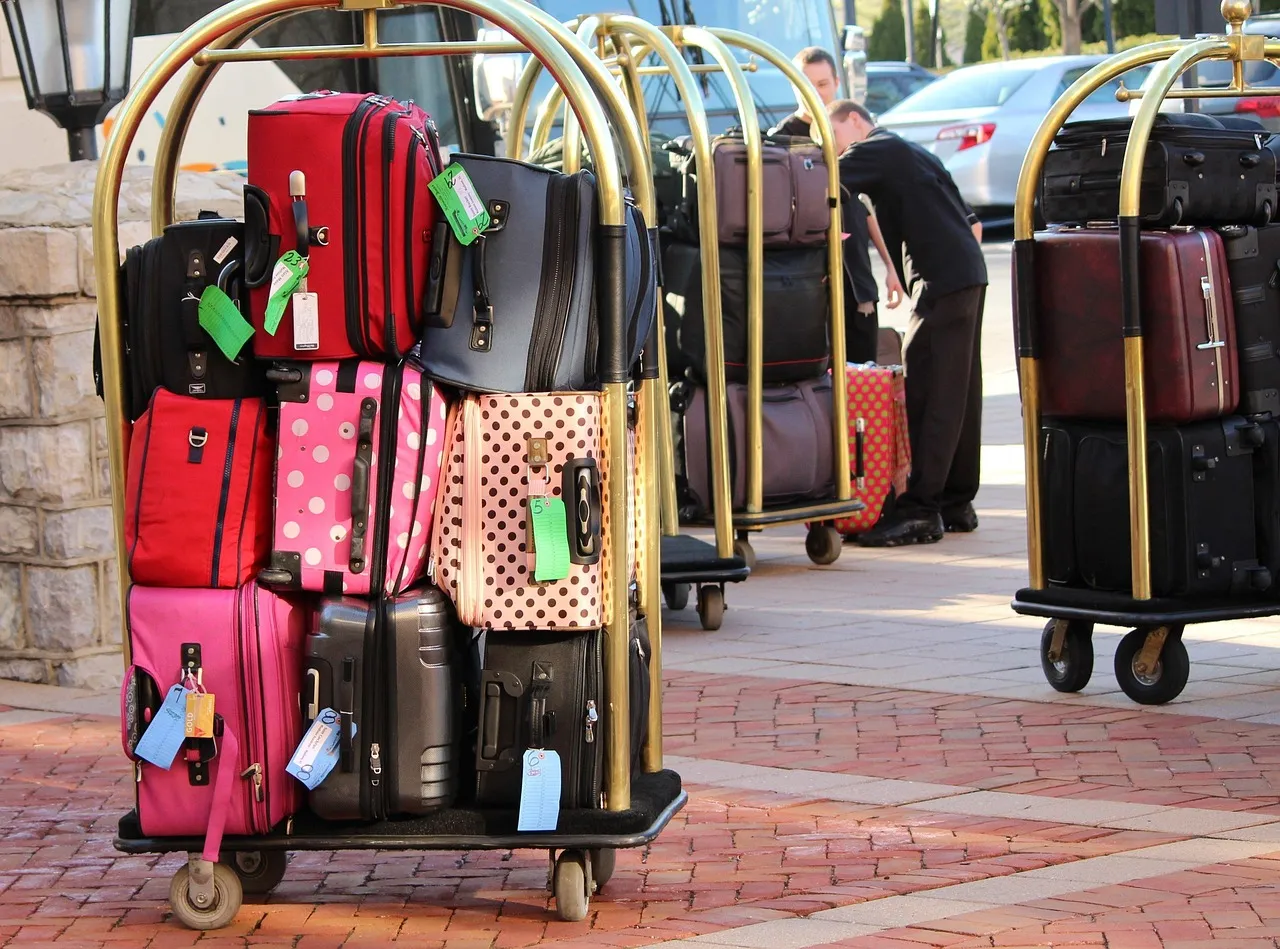
If a hotel offers a luggage cart for you to use, be sure to return it to the front lobby once you’re finished, and do not send it down the elevator unattended hoping someone else will retrieve it for you. An unmanned cart occupying an elevator car during busy periods creates real congestion, blocking space and slowing access for every other guest on every other floor.
Large items near entrances and elevator banks create additional congestion, especially during busy periods, while food trays and service carts left outside rooms can remain longer than intended, adding to blocked access. The same logic applies to guests physically maneuvering oversized bags. Be aware of how much space you’re occupying and adjust accordingly.
In a well-staffed luxury hotel, the concierge or bellhop team is almost always available to help with luggage logistics. Using that service is not a sign of neediness. It’s exactly what it’s there for, and it takes a genuine source of elevator friction off the table entirely.
Respect Keycard-Access Floors Without Asking Others to Bypass Security
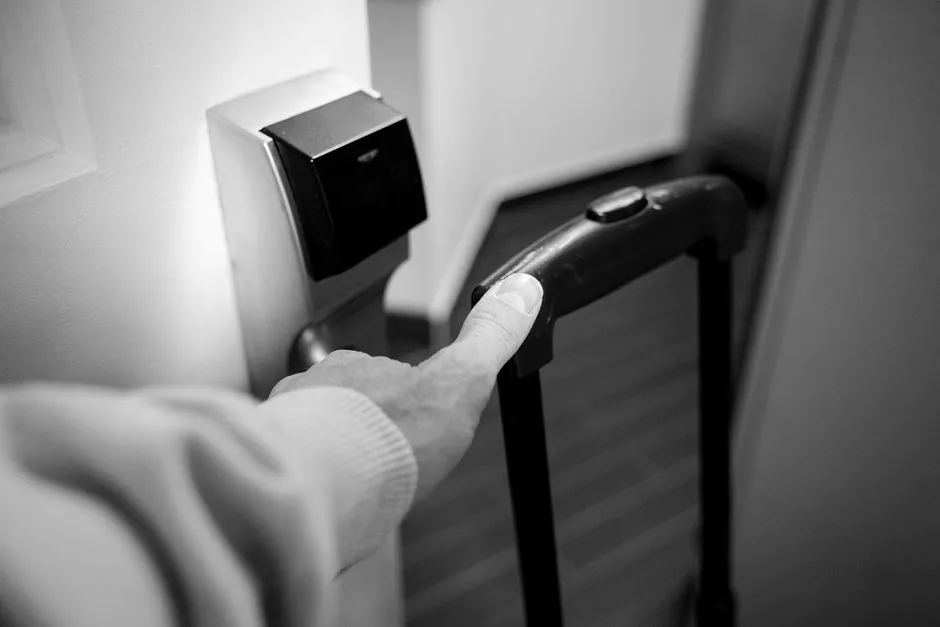
Many luxury and boutique hotels use keycard-controlled elevators that restrict access to certain floors, particularly those housing suites, executive lounges, or private residences. Good hotel elevators meet functional requirements including IC card control – a standard feature in upscale properties specifically designed to protect guest privacy and security. Asking a fellow passenger to tap their card on your behalf so you can access a floor your own card doesn’t cover is a direct breach of that system.
Luxury guests value privacy above all, and maintaining that means never oversharing or overstepping – respecting boundaries and maintaining confidentiality, always. Floor access controls exist precisely to enforce that standard.
If you’ve been accidentally assigned a card that doesn’t grant access to your floor, the right move is a quick trip back to the front desk. It takes minutes. Pressuring a stranger in a closed elevator cab to override a security feature is not a reasonable alternative.
Don’t Make the Elevator Your Personal Phone Booth
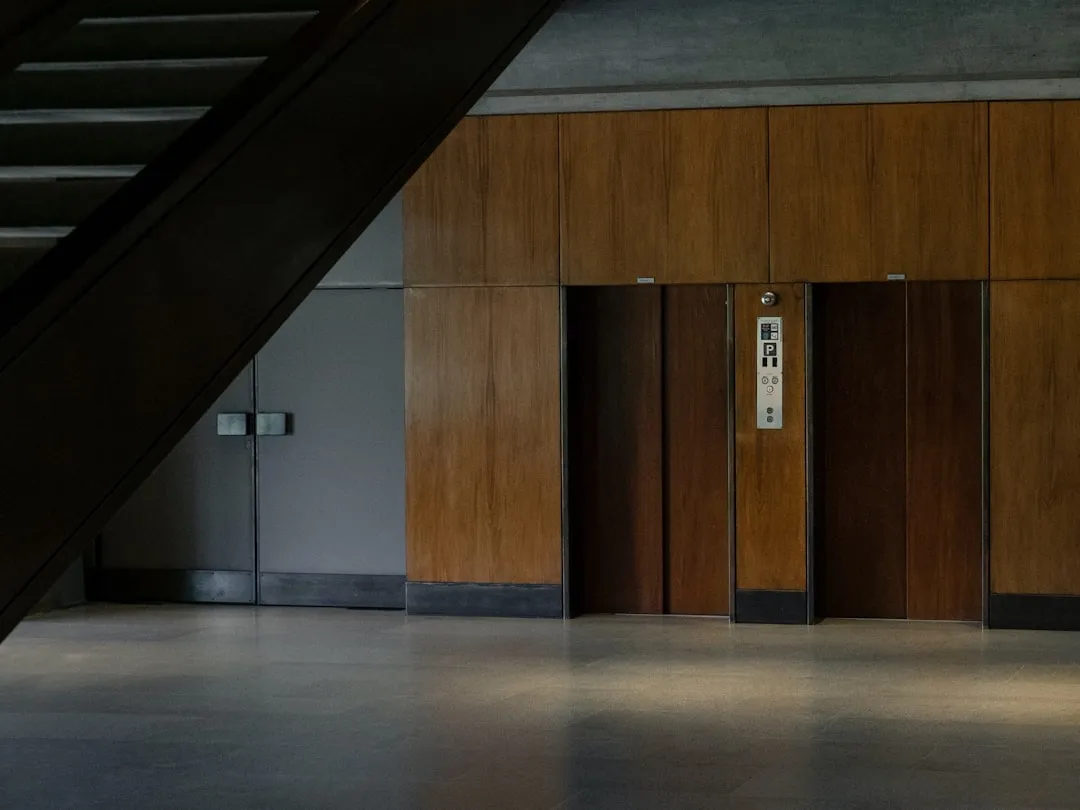
Taking or placing calls inside an elevator is common. In a luxury hotel, it tends to land particularly badly. Loud behavior in hallways or late at night is considered one of the most unacceptable guest behaviors, cited by more than four in ten respondents in a recent survey. The elevator is essentially an extension of those shared corridors, and it amplifies everything.
Group travel adds to the issue, with repeated movement between rooms and doors closing loudly at all hours, and speakerphone calls and loud videos in hallways or just outside rooms extend the disruption. Carrying that same energy into an elevator cab is a concentrated version of the same problem.
The practical solution is brief and easy. Step to the side of the elevator bank and finish the call before boarding. Or, if the call genuinely can’t wait, keep your voice to a near-whisper and keep it short. The person standing next to you didn’t book a front-row seat to your conversation.
The Takeaway
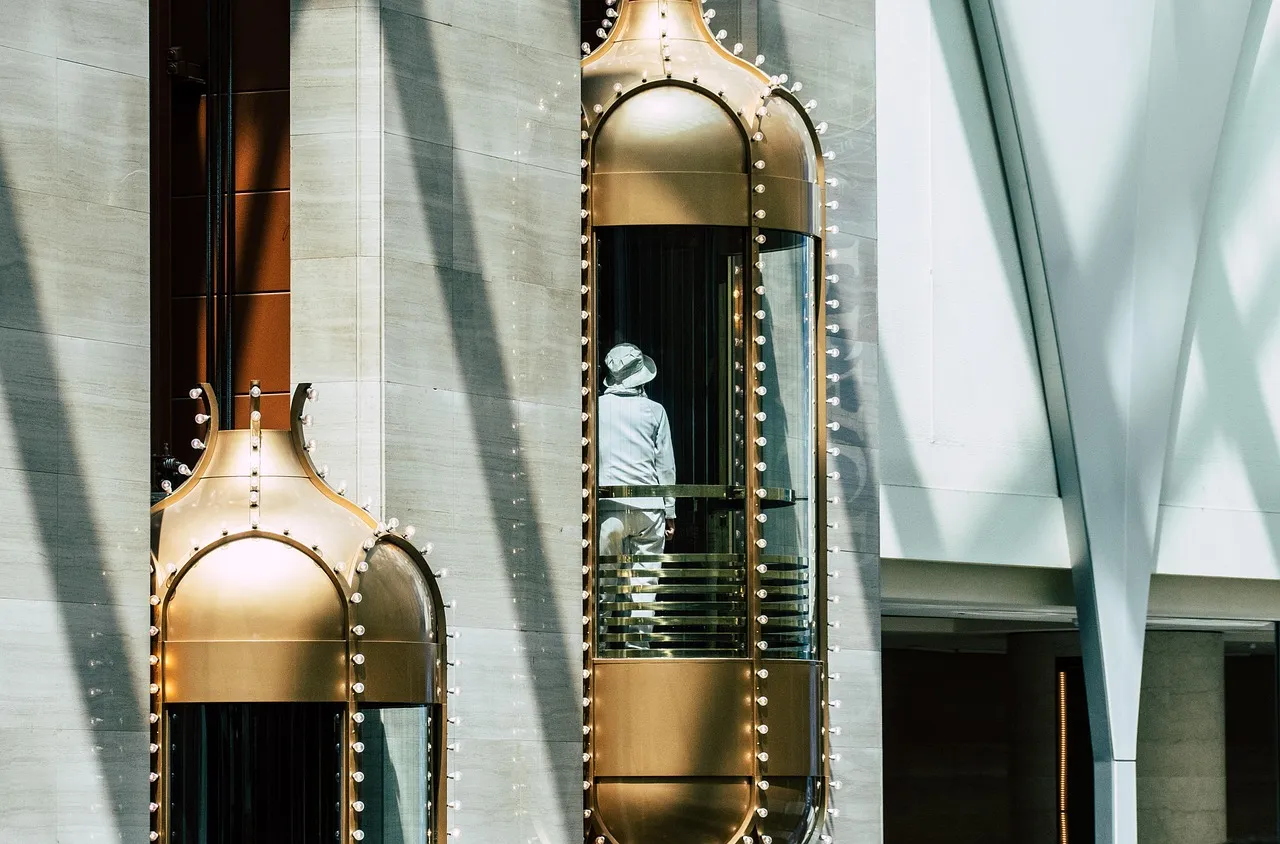
Many travelers assume that paying for a room means they can treat shared spaces however they want, but hotel etiquette is a two-way street, and the idea that “the customer is always right” can lead to entitled behavior that frustrates staff and disturbs other guests. The elevator, for all its brevity, is one of the clearest places where that tension plays out.
North American hotel guests are now staying an average of 3.43 days, up from 3.36 in 2023, and this changing dynamic of fewer but longer stays is putting a greater focus on the details of the hotel experience. Every shared moment matters more when guests are spending more time inside the same walls.
None of these ten points require effort or sacrifice. They require only the kind of quiet awareness that turns a good stay into a genuinely gracious one. An elevator ride lasts under a minute. How you move through it says quite a bit about how you move through the world.
AI Disclaimer: This article was created with the assistance of AI tools and reviewed by a human editor.