
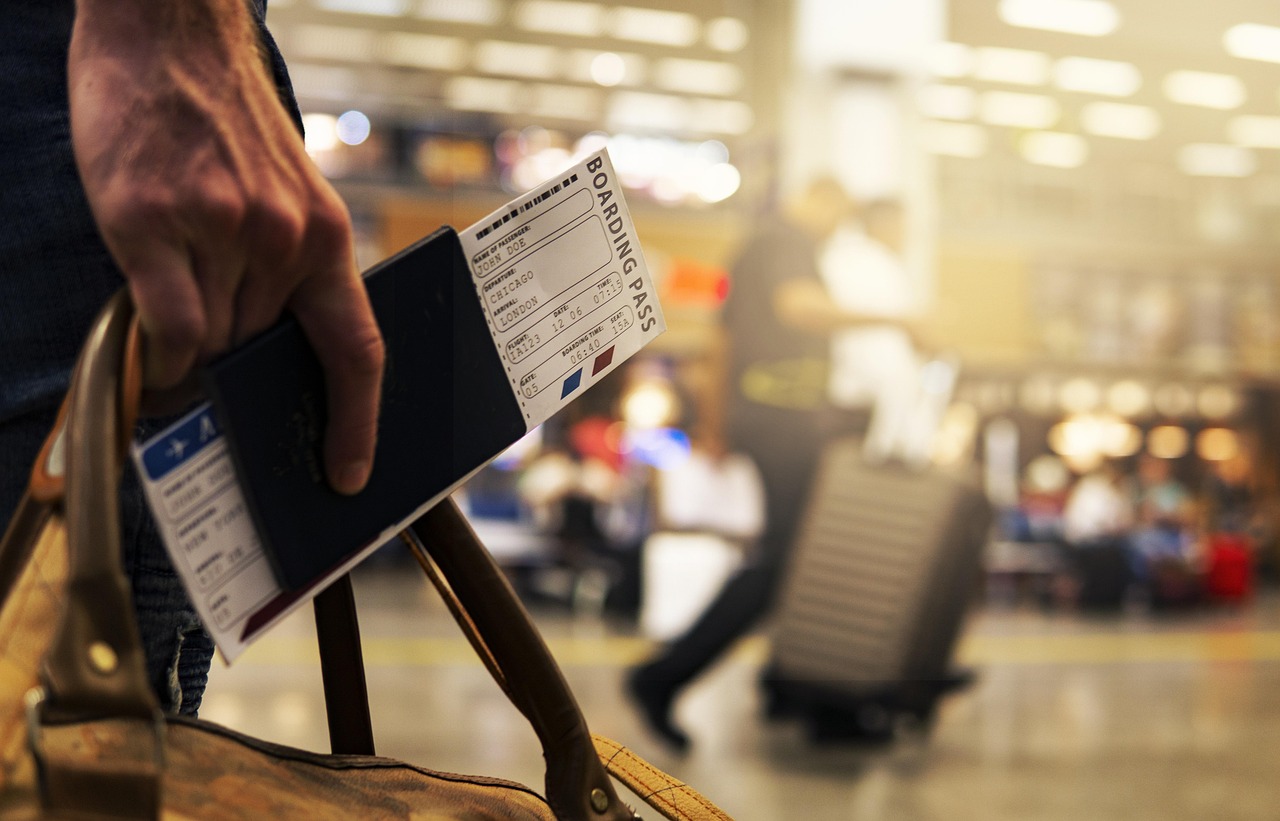

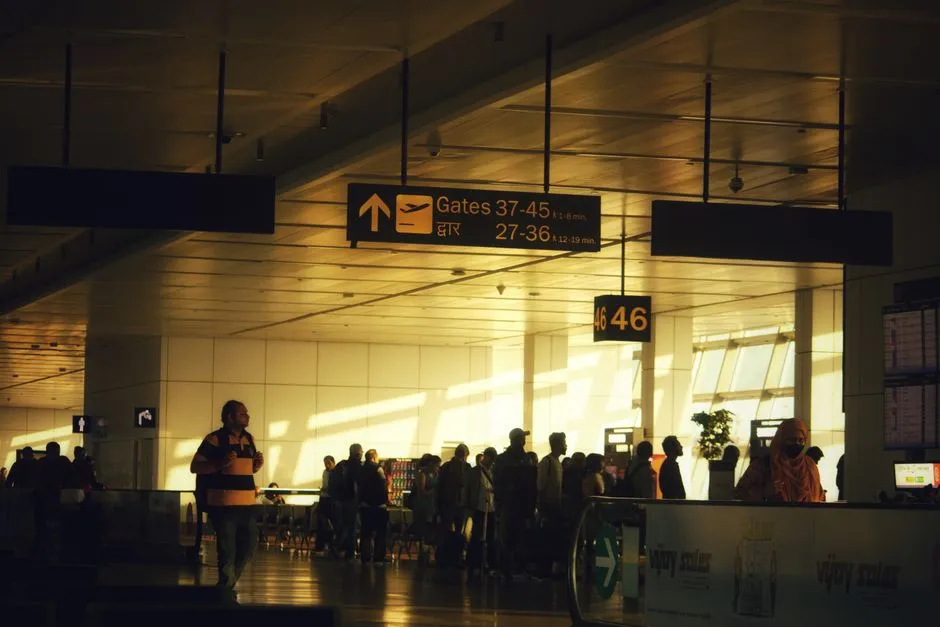
There’s a ritual that plays out at almost every gate, on almost every flight, every single day. The boarding call hasn’t been made. The zone hasn’t been announced. Yet dozens of passengers have already abandoned their seats, drifted toward the jetway door, and formed a shapeless, shuffling mass – blocking the corridor for everyone else.
This is the phenomenon the aviation industry has taken to calling “gate lice.” It’s a blunt term, but it describes something genuinely disruptive. Understanding why it happens, and what it actually costs, matters more now than ever before.
What “Gate Lice” Actually Means
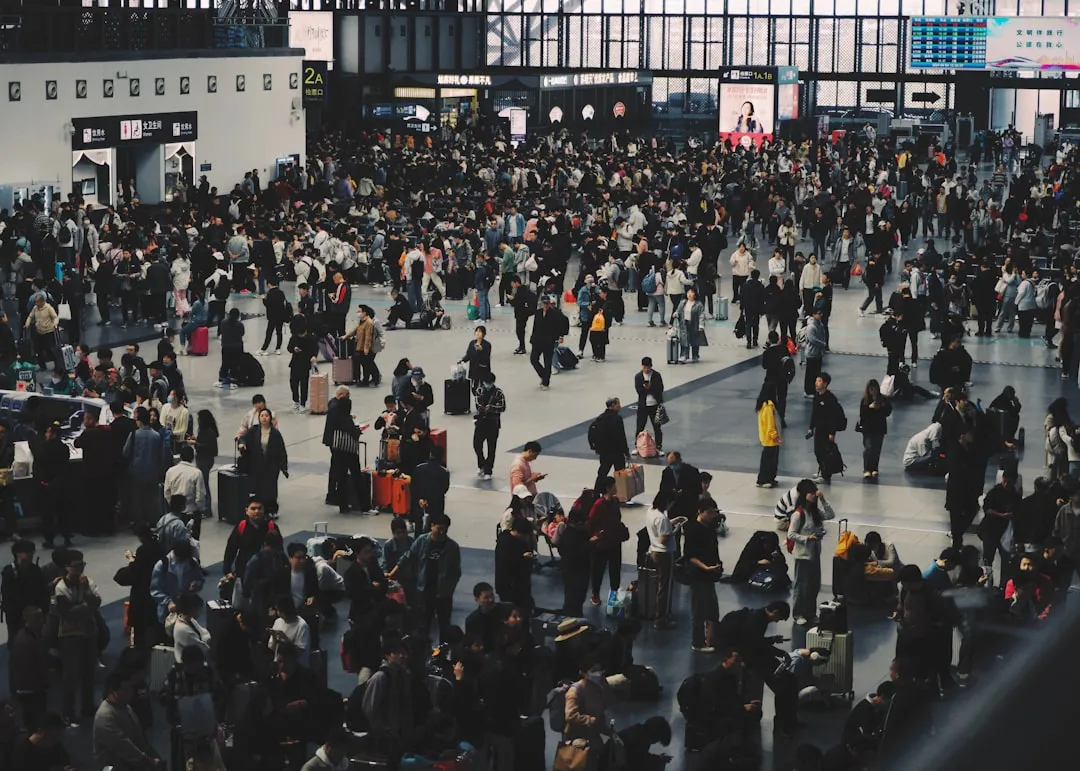
The term “gate lice” refers to the crowd of passengers who gather before their boarding time, often obstructing the flow of traffic and creating congestion. It’s not a fringe internet term – airline staff have used it internally for years, and it has entered mainstream travel conversation.
American Airlines has described these passengers as people who “throng terminals’ boarding areas in an attempt to get on the plane before their group or zone is announced.” The behavior is so widespread that one of the largest airlines in the world has now spent real money trying to solve it.
Gate lice is a creature that’s been discussed for years, but one with which few seem to self-identify, at least publicly. That gap between behavior and self-awareness is telling. Most people who do it don’t think of themselves as doing anything wrong.
The Psychology Behind Crowding the Gate
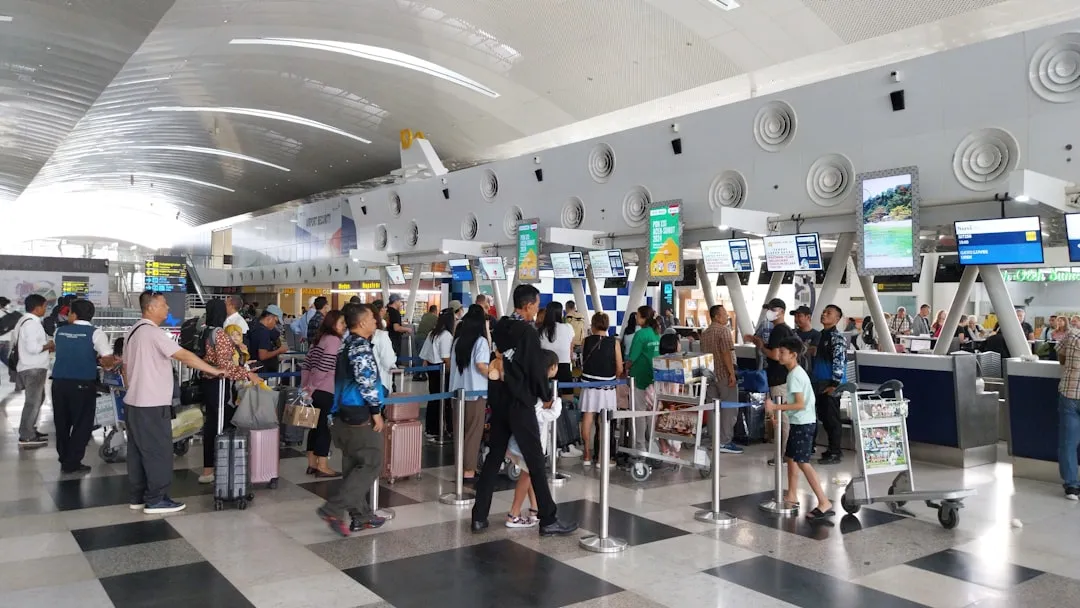
When people see other passengers crowding the boarding area, there may be a social tendency to move toward conformity. Overhead bin space is viewed as a limited resource, leading to competition. The underlying uncertainty and competition can lead to anxiety and hostility.
Waiting in line may also help bring a sense of control as well as relieve anxiety. Following the COVID-19 pandemic, the phenomenon has increased, possibly as travelers have become more anxious. That post-pandemic stress hasn’t fully dissipated, and airports continue to bear its effects.
This uncertainty has led to a noticeable behavior among passengers: the tendency to rush to board as quickly as possible. Some airlines use a zone boarding system, where passengers board in specific groups based on status or seat assignments. Unfortunately, this can result in a scramble for those in later boarding zones, who often attempt to board earlier than their assigned time in hopes of securing overhead bin space.
The Overhead Bin Problem Is at the Root of Everything
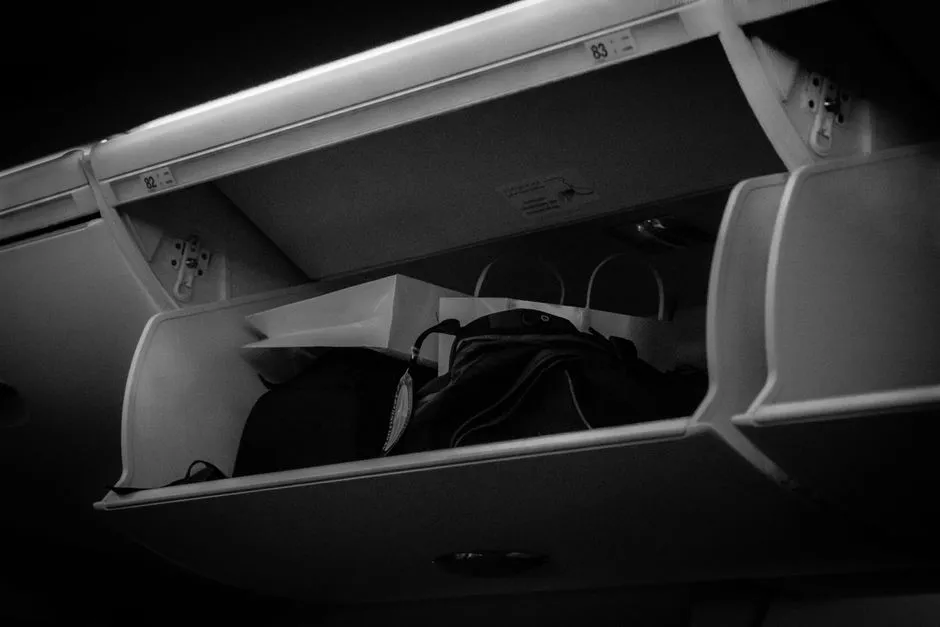
Airlines began charging for checked bags in 2008. Before that, overhead bin space was fairly abundant, and people were not lining up to get on the plane as early as possible. After implementing checked bag fees, it became cheaper to carry on luggage. That single policy decision changed passenger behavior at the gate in a lasting way.
Many U.S. airline passengers live in a near-constant state of anxiety because of overhead bins. They wonder if space will be available when they reach their row, fearing that if there isn’t, they’ll have to return to the front of the plane.
American’s initiative aims to reduce crowding and line-jumping that soared as people seek to avoid paying steep fees to airlines that charge both for checking bags and for the privilege of boarding early. The bag fee and the boarding scramble are deeply connected – one feeds the other.
How Early Lining Up Actually Slows Everything Down
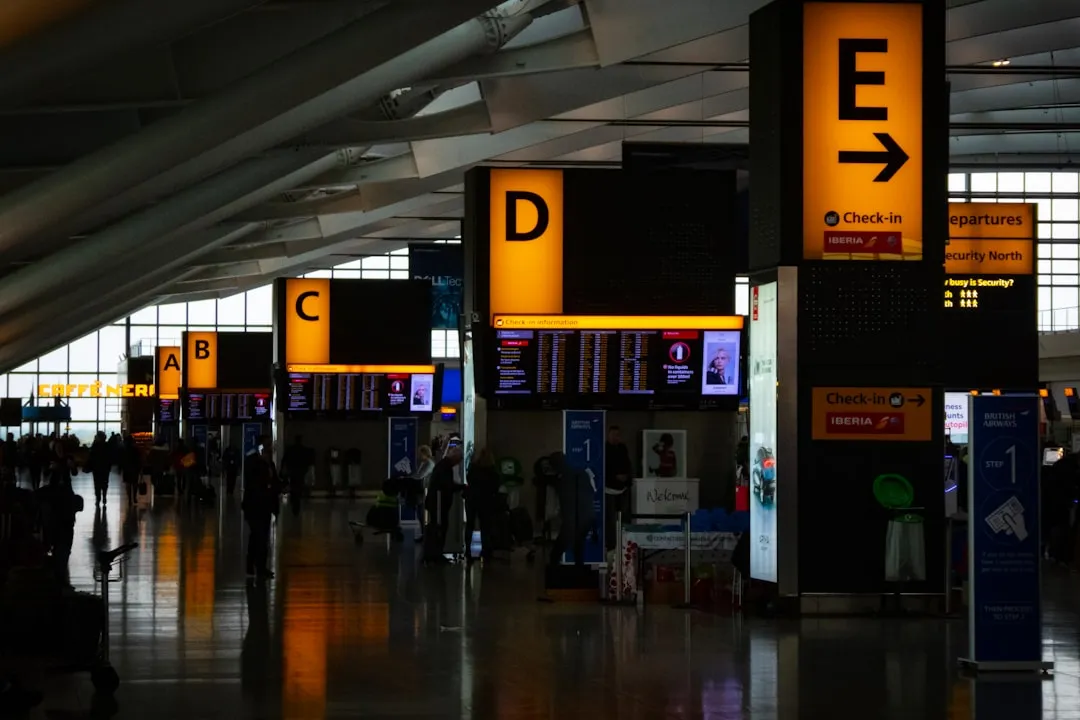
Analyzing congestion data identifies common bottlenecks in passenger flow. Gate queues, jet bridges, and seating areas experience frequent backups. Adjustments in queue management or boarding processes could reduce these congestion points. When passengers mob the gate area early, they create exactly those bottlenecks.
Gate agents are usually on a time crunch to complete boarding, and they will often not argue with passengers who have lined up early. The sneaky passengers typically have a lower fare class and should therefore wait for passengers in higher zones to board first. The result is a disordered cabin fill that takes longer, not shorter.
If passengers have to wander up and down the aisles in search of overhead bin space, it can slow the process and potentially cause delays. If a gate agent fears that bin space is limited, they often take proactive measures, such as limiting carry-ons or asking for volunteers to gate-check their bags. Gate crowding triggers a chain reaction that everyone ends up waiting through.
The Real Cost to Airlines – and to Passengers
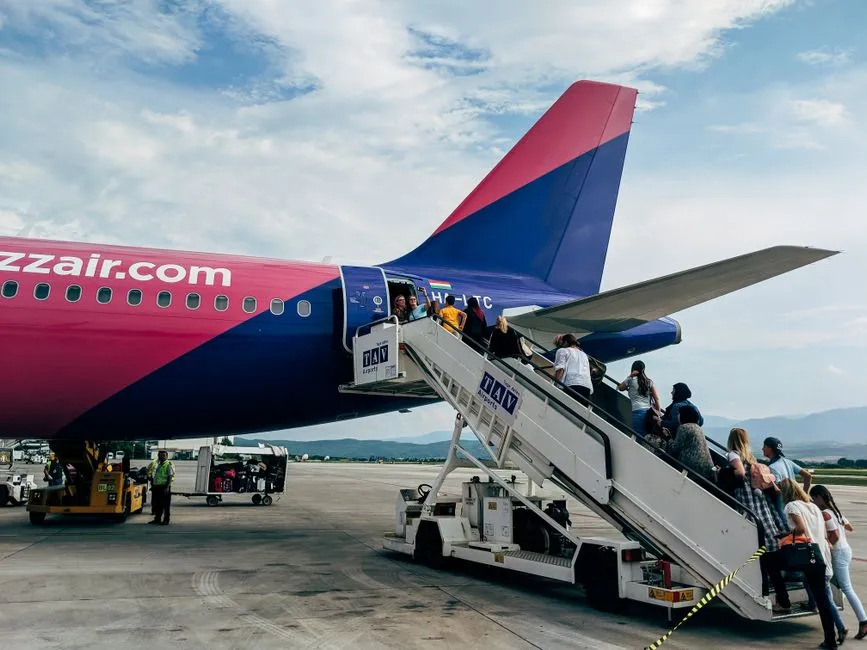
Every minute spent parked at the jet bridge costs airlines money, so shaving off boarding time could add up to real savings. That observation from Scientific American isn’t abstract. It scales across thousands of daily flights.
The International Air Transport Association estimates that saving just one minute during boarding can reduce global airline costs by more than one billion dollars annually. The numbers are staggering, and a significant part of that lost minute is attributable to disordered boarding driven by gate crowding.
From the passenger’s perspective, overcrowding and delays are perceived as signs of poor service quality, which may lead to negative feedback and influence airline choice. A key performance indicator used by airlines that is closely tied to revenue and customer satisfaction is turnaround time.
What Science Says About Boarding Order
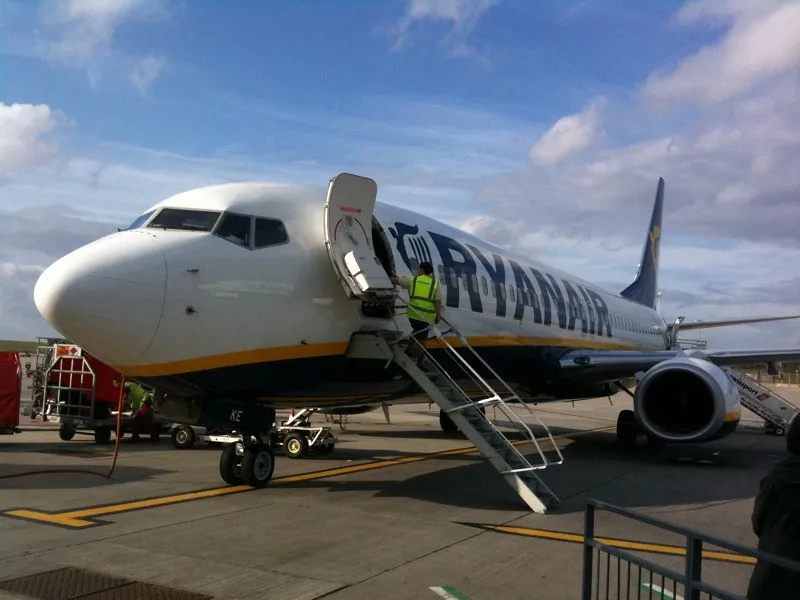
Scientifically speaking, there are more efficient ways to get customers to their seat. These methods could help reduce the amount of time and stress people experience at the airport – and save airlines significant money. But these more efficient methods, developed using computer models, might come at too high a cost for both airlines and their passengers.
Research shows that outside-in boarding produces shorter total boarding times than random and back-to-front boarding. Among the three most popular boarding strategies used by airlines across the world, outside-in is the best when it comes to balancing airplane boarding efficiency with individual customer satisfaction.
United Airlines recently began using the windows-middle-aisle approach, which bears some resemblance to more efficient methods by boarding window seat passengers first. Other airlines use more “random” approaches, which studies have shown to be faster than block boarding strategies such as back-to-front. None of those strategies work well when passengers ignore their assigned zone.
American Airlines Takes Action: The New Boarding Tech
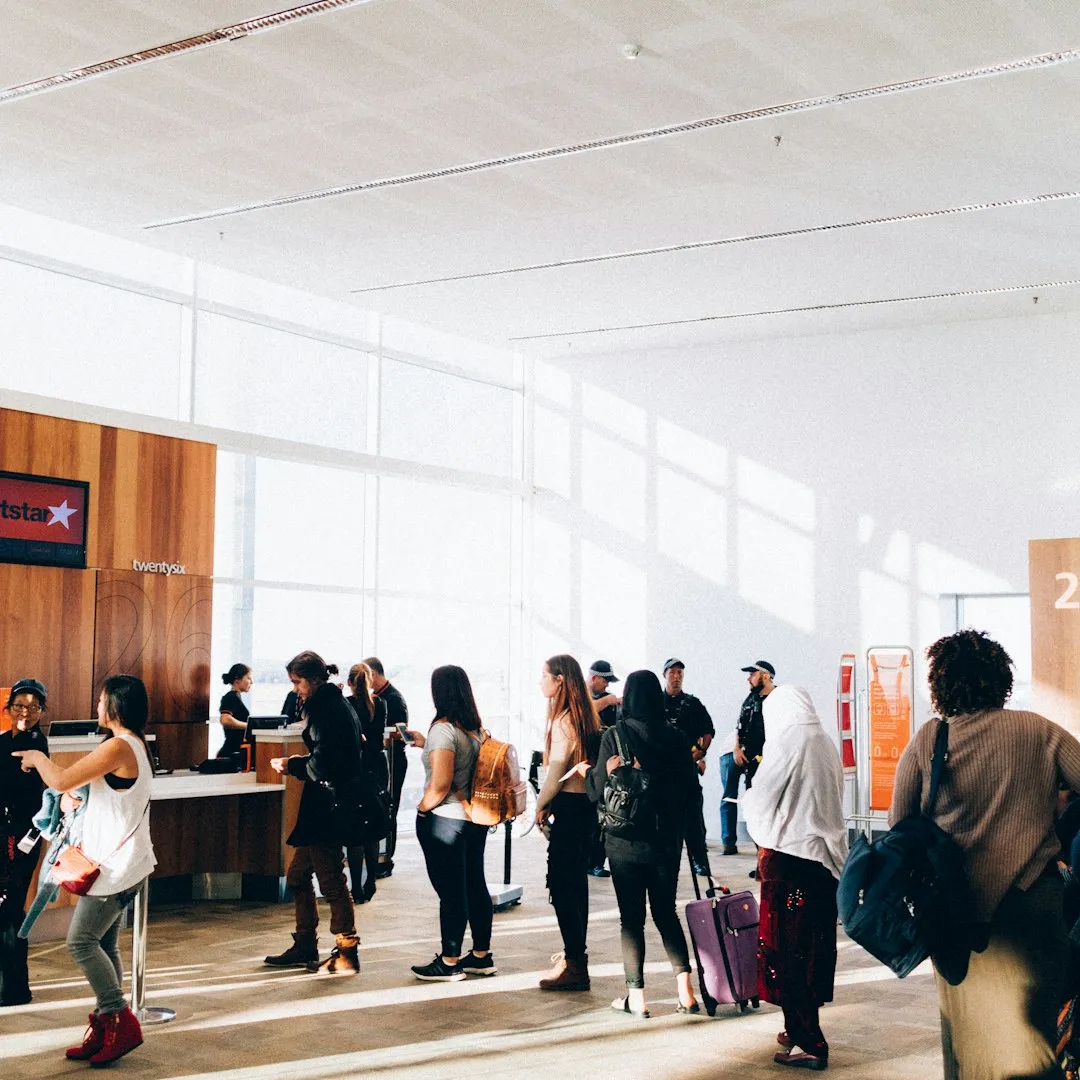
In 2024, American Airlines spent millions of dollars developing software that will block people from boarding before their zone has been called. The practice of gate-crashing is common precisely because of how easy it is to sneak through.
American Airlines began testing this technology in October 2024 at Albuquerque International Sunport, Ronald Reagan Washington National Airport, and Tucson International Airport as a pilot project. This initiative helps protect the airline’s nine distinct boarding groups to moderate gate crowding and reward loyal flyers.
The system automatically denies access to passengers attempting to board before their assigned group, eliminating the need for gate agents to intervene manually. American Airlines reports positive results from initial tests. The technology not only informs passengers of boarding restrictions but also physically prevents early entry by keeping the gate closed.
The Rollout: From Test Cities to Over 100 Airports
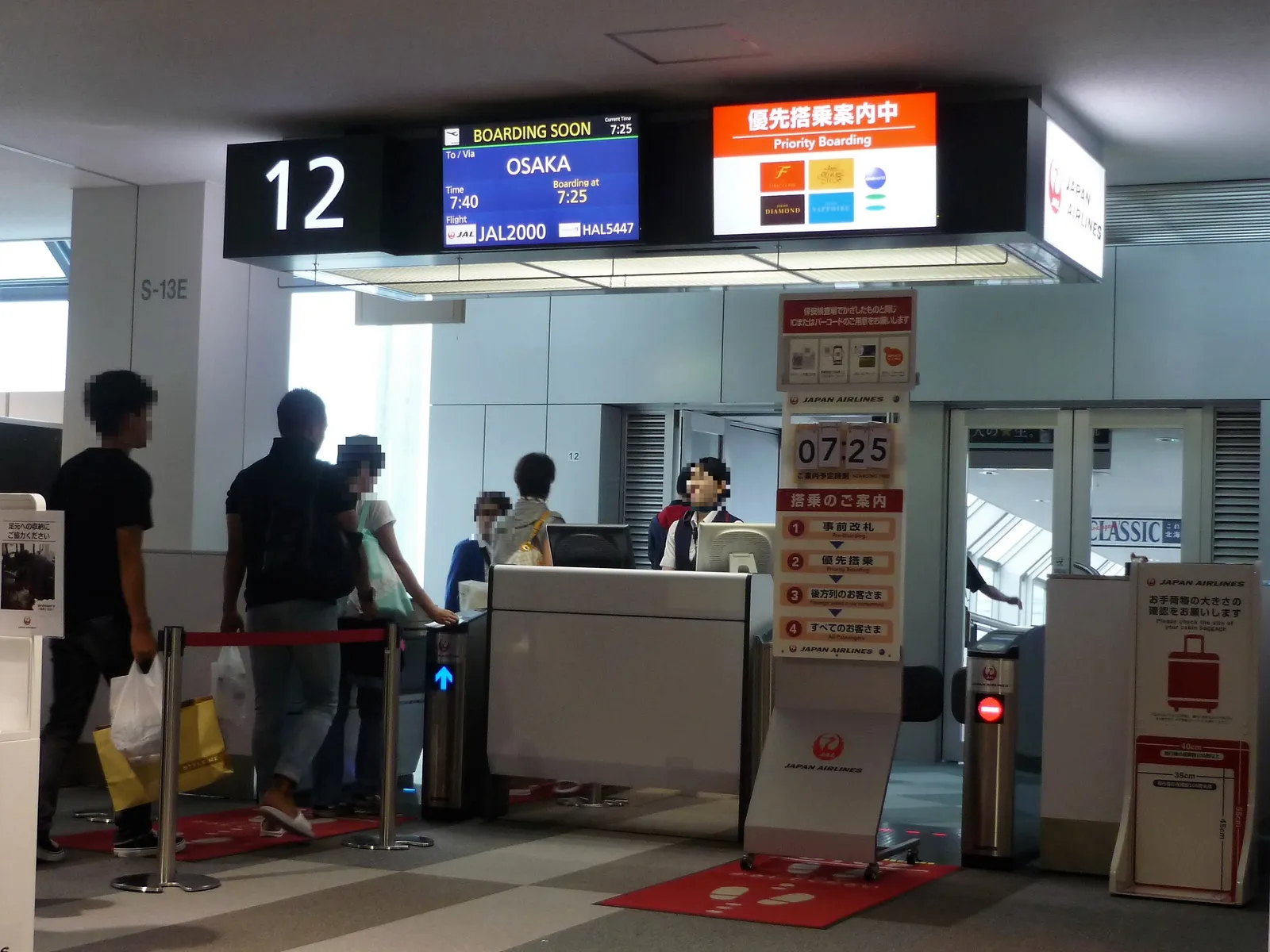
The technology was tested in late 2024 and rolled out to more than 100 U.S. airports just as the busy Thanksgiving travel season got under way. American brought it to O’Hare International Airport in February. The software sounds a chime if a passenger attempts to board before their assigned group is called, alerting the gate agent and the customer. It will not accept the boarding pass of someone assigned to a later group.
Travel analysts can see the benefits of more orderly and universal gate-control enforcement, particularly for airlines. However, some aren’t entirely convinced it’s perfect for passengers just yet. Families, for example, might be booked on several different reservations across more than one group. Airlines typically have workarounds for that, and American noted that customers traveling with a companion in an earlier group can simply have a gate agent override the alert.
Gate agents often lack time to confront passengers trying to board prematurely, especially when faced with long queues. American Airlines uses a complex boarding structure with ten distinct zones. These range from the exclusive ConciergeKey group for top-spending customers to Group Nine for basic economy passengers. The airline believes this new system will streamline the boarding process, enhance priority benefits, and provide better oversight for staff.
What Passengers Actually Want From the Process
According to IATA’s Global Passenger Survey, roughly seven in ten passengers expect to reach their gate within 30 minutes when traveling with carry-on luggage, while nearly three in four expect no more than a 45-minute total process with checked baggage. Speed matters deeply to travelers – but standing in a gate crowd doesn’t actually deliver it.
The clear message from travelers is that they expect to board their planes faster with technology and smarter processes beginning well before they reach the airport. The desire for efficiency is real, but the instinct to crowd the gate is one of the few behaviors that actively undermines it.
Clear announcements and digital displays can help manage passenger flow and reduce gate congestion. Better communication from airlines – telling passengers honestly what to expect about bins, zones, and timing – reduces the panic that fuels early queuing in the first place.
Delta, United, and the Broader Industry Response
Various airlines, such as United, American, Delta, and Southwest, have introduced priority boarding programs catering to specific customer groups. The push toward structured, enforced boarding is now an industry-wide conversation, not just an American Airlines project.
In April 2024, a Delta spokesperson explained the rationale behind the airline’s return to numbered zones. Delta believes this simpler system will offer passengers greater clarity regarding the boarding sequence. The numbered approach is expected to be more intuitive, particularly benefiting infrequent flyers and passengers who may face language barriers at airport gates.
Switching to speedier boarding could affect an airline’s ability to offer additional paid options such as first class, business class, and priority seating. That commercial tension is part of why airlines have historically tolerated gate chaos – there’s money embedded in the disorder.
The Final Thought: Sitting Down Is an Act of Cooperation
The irony of gate lice behavior is that it accomplishes almost nothing for the individual doing it. The software American Airlines has rolled out either opens the gate door or lets out a beep and keeps the gate closed depending on the type of boarding pass the traveler scans. Technology is now closing the loophole that made early line-jumping feel worth it.
Airports worldwide served nearly 9.4 billion passengers in 2024. Every one of those journeys passes through a boarding gate. When even a fraction of those travelers stand when they should be seated, the ripple effect on delays, costs, and stress is enormous.
The unspoken rule that nobody enforces – until now – is simply this: sit down, wait your turn, and the whole process moves faster for everyone. It’s not a complicated idea. It just requires trusting that the system, when respected, actually works.
AI Disclaimer: This article was created with the assistance of AI tools and reviewed by a human editor.