

The Mountain Hidden in Plain Sight
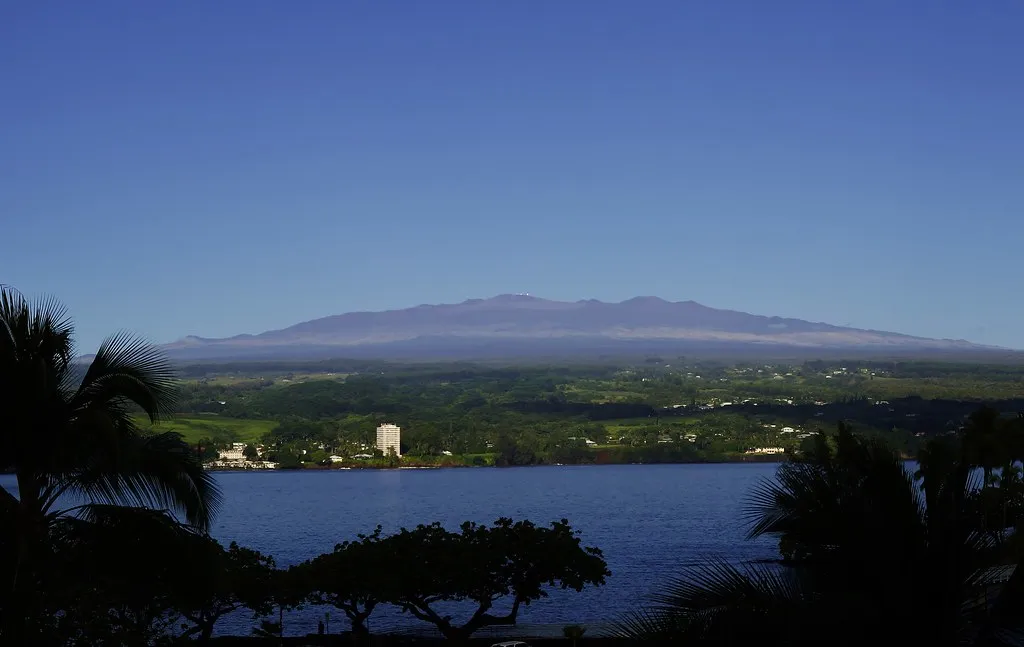
A dormant volcano located in the heart of Hawaii, Mauna Kea’s peak stands at a seemingly modest 13,796 feet above sea level, yet its volcanic base rests on the ocean floor. Most people drive past this number and move on. It doesn’t trigger the same awe as Everest’s stats. That reaction is completely understandable, but it misses roughly two-thirds of the story.
Mauna Kea’s true magnitude is largely obscured by the fact that almost two-thirds of it lies unseen beneath the Pacific Ocean. When you factor in that submerged mass, the mountain’s identity changes entirely.
The Numbers That Change Everything
According to the U.S. Geological Survey, Mauna Kea extends about 6,000 metres below sea level to the deep ocean floor, giving it a total base-to-summit height of nearly 10,211 metres. That makes it more than 1.3 kilometres taller than Everest by that measure.
Technically, the tallest mountain when measured from base to tip is the approximately 10,205-metre Mauna Kea on the Big Island of Hawaii. Guinness World Records selects a base in the Hawaiian Trough and reports approximately 33,480 feet (10,205 metres). For reference, Everest tops out at 29,032 feet above sea level. The gap between the two is substantial.
Highest vs. Tallest: Why the Words Matter
This is not a trick so much as a reminder that “highest” and “tallest” are not identical words. Highest asks where the summit sits relative to sea level. Tallest asks how much mountain there is from bottom to top. It’s a distinction that gets blurred in casual conversation, but it’s geographically precise and scientifically important.
Everest has the highest altitude above mean sea level, while Mauna Kea is the tallest mountain from base to peak, rising more than 10,210 metres from its underwater base. Mount Everest is roughly double the height of Mauna Kea when measured above sea level. Both facts are true simultaneously, depending entirely on which ruler you use.
A Volcano Born From the Deep Pacific
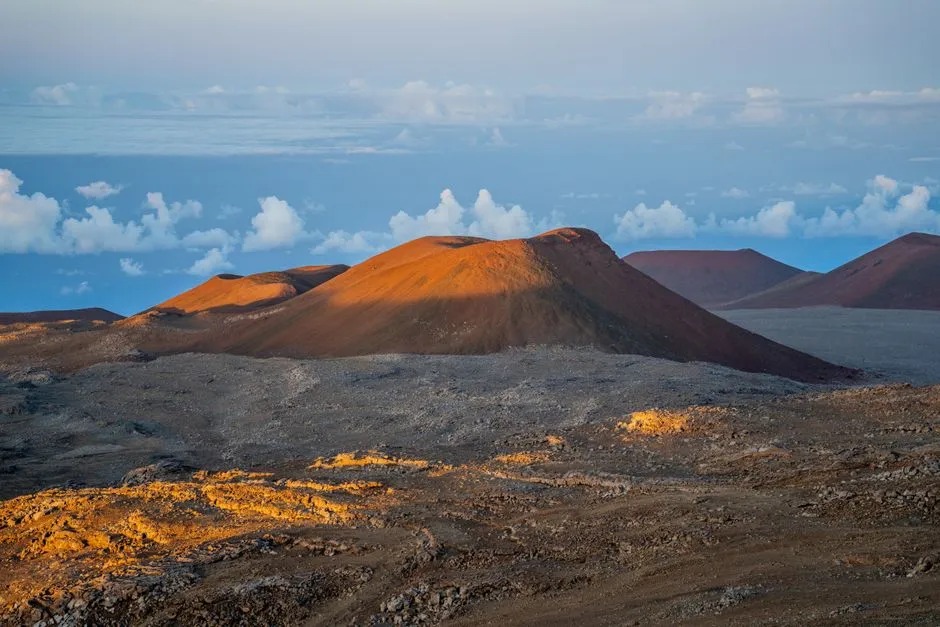
Mauna Kea is a shield volcano, built by repeated lava flows over a long span of geologic time. Hawaiian volcanoes grow from the ocean floor as the Pacific Plate moves over a hot spot. This process, slow and relentless, has been stacking volcanic material for roughly a million years.
The underwater portion of Mauna Kea descends into the Hawaiian Trough, a deep oceanic depression that amplifies the mountain’s total vertical relief. Mauna Kea is over 32,000 cubic kilometres in volume, so massive that it and its neighbor Mauna Loa depress the ocean floor beneath their combined weight. Few geological features on the planet carry that kind of mass.
Where the Measurement Gets Complicated
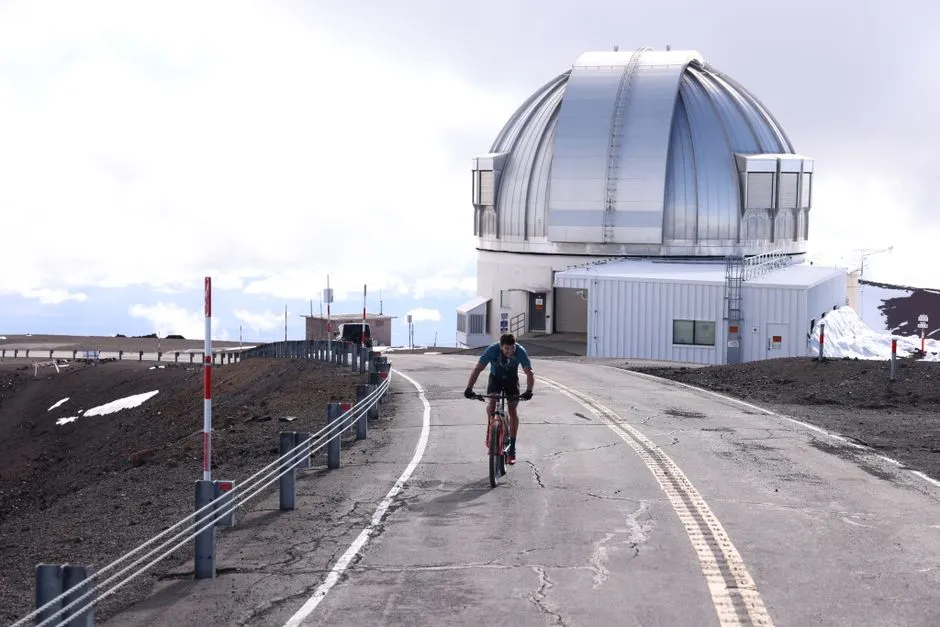
The difficulty is that a mountain’s “base” is not a universal line like sea level. Mauna Kea merges with the seafloor, neighboring volcanic structures, and the depressed oceanic crust beneath Hawaii. Guinness itself acknowledges debate over where the base begins.
Everest is part of a continental mountain range lifted by the collision of tectonic plates, while Mauna Kea is an oceanic volcano rising from the floor of the Pacific. One looks taller because its base is already high on the Asian continent; the other looks shorter because most of its body is submerged. The comparison is legitimate, but it requires an honest acknowledgment that different geological origins demand different frameworks.
The Sacred Mountain of Native Hawaiians
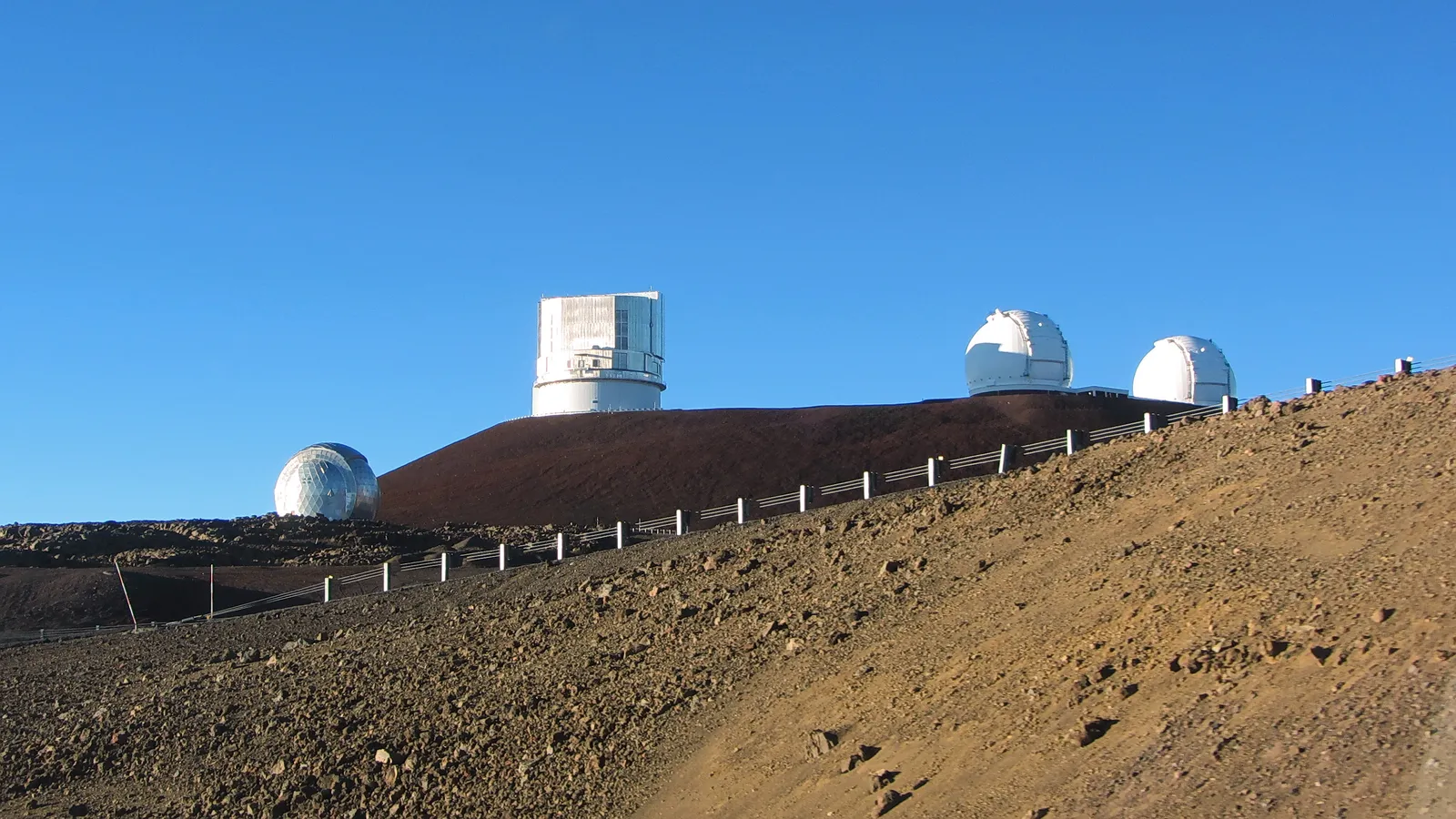
The mountain is a sacred Native Hawaiian landscape, an advanced post-shield volcano, a major astronomy site, and a demanding high-altitude destination. For Native Hawaiians, Mauna Kea is not simply a geological record-holder. It is a place where the spiritual and the physical are inseparable.
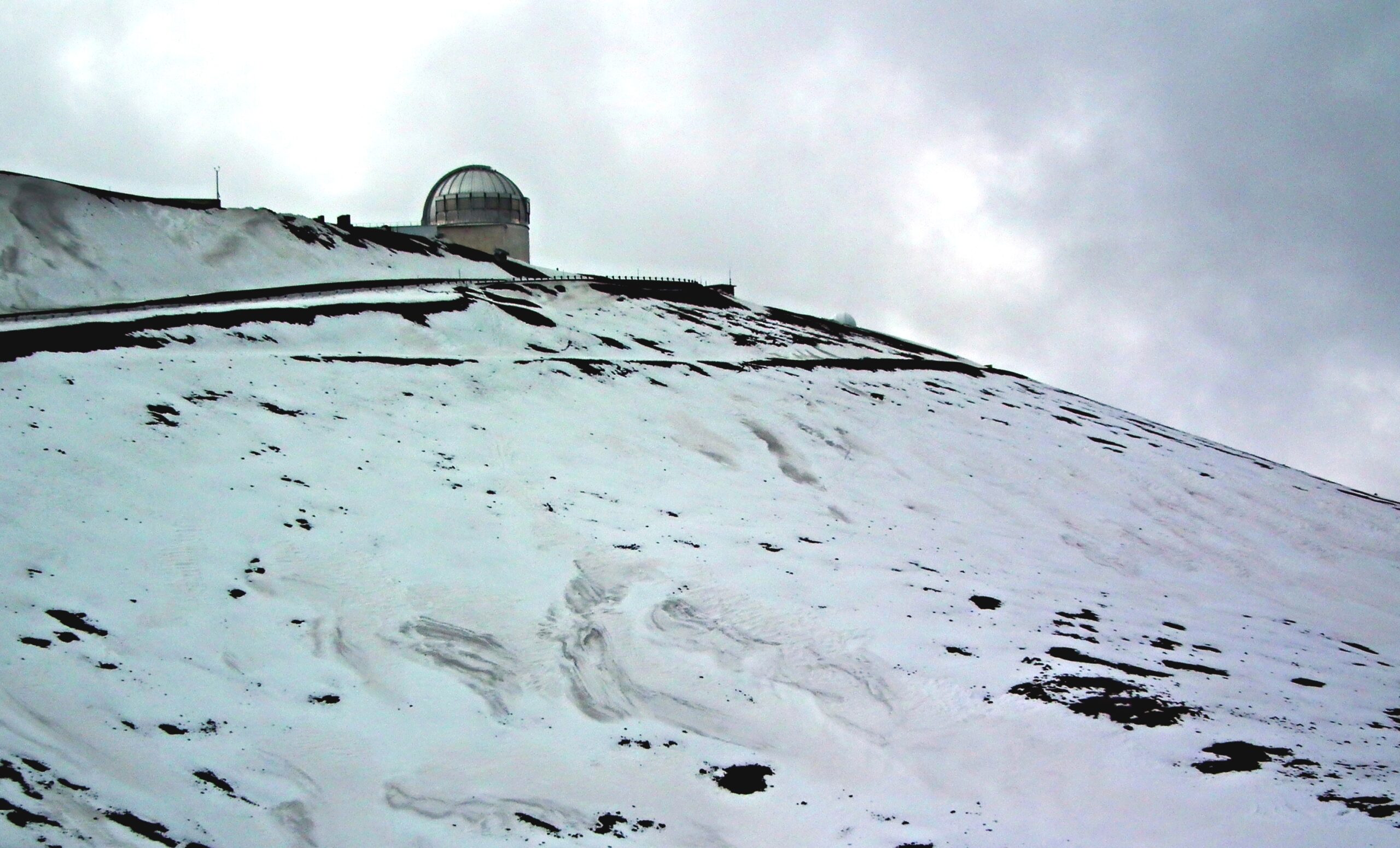
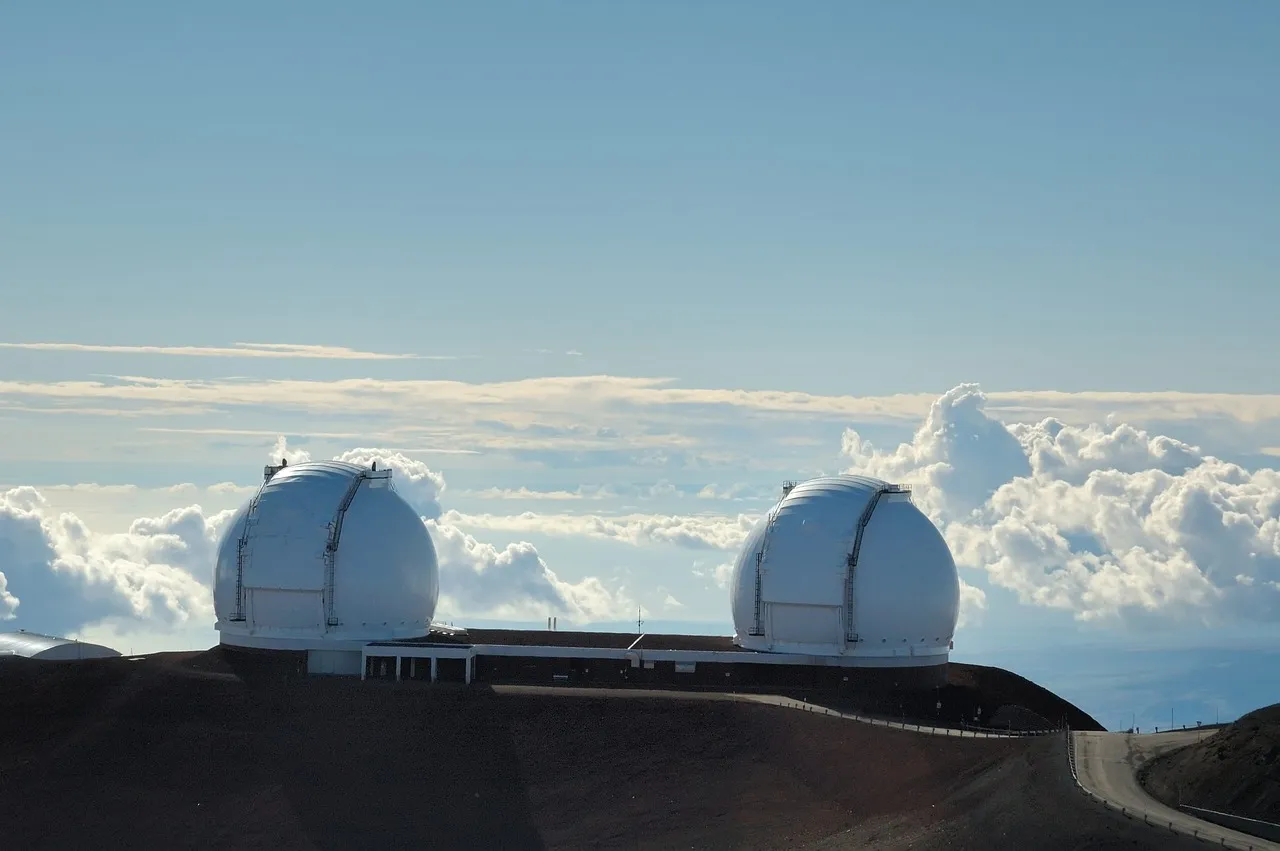
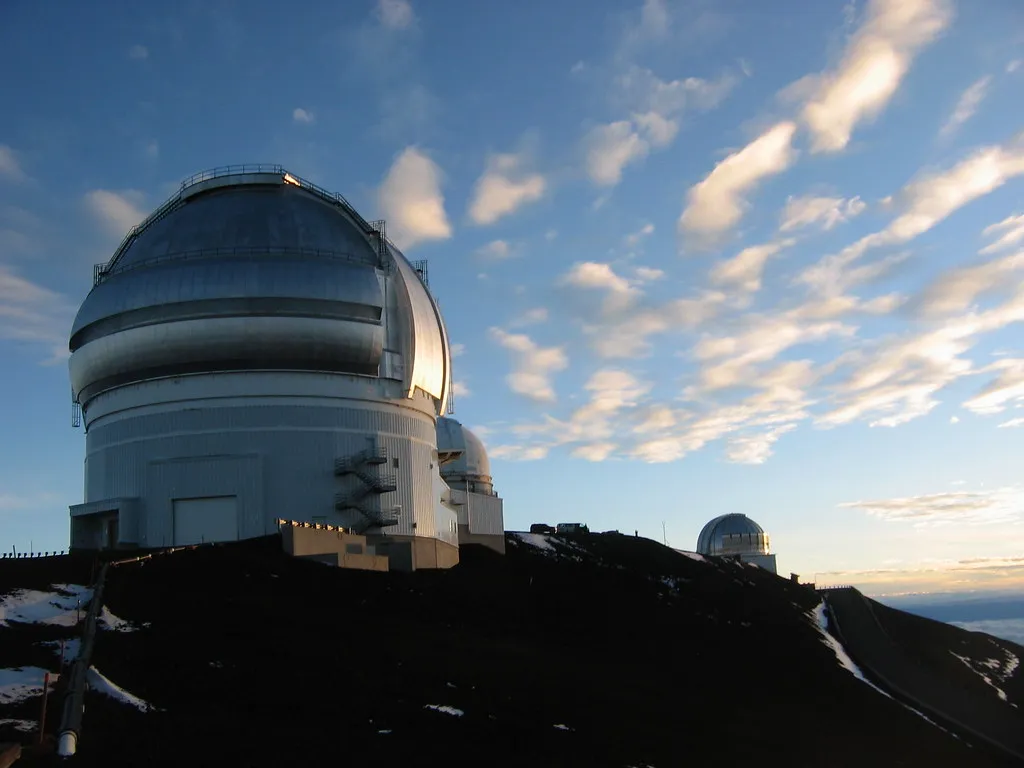
The summit of Mauna Kea, sacred to Native Hawaiians, is home to 13 astronomical facilities, two of which are currently being decommissioned. The coexistence of ancient spiritual meaning and cutting-edge science at the same summit has made Mauna Kea one of the most contested landscapes in the United States.
The World’s Premier Stargazing Platform
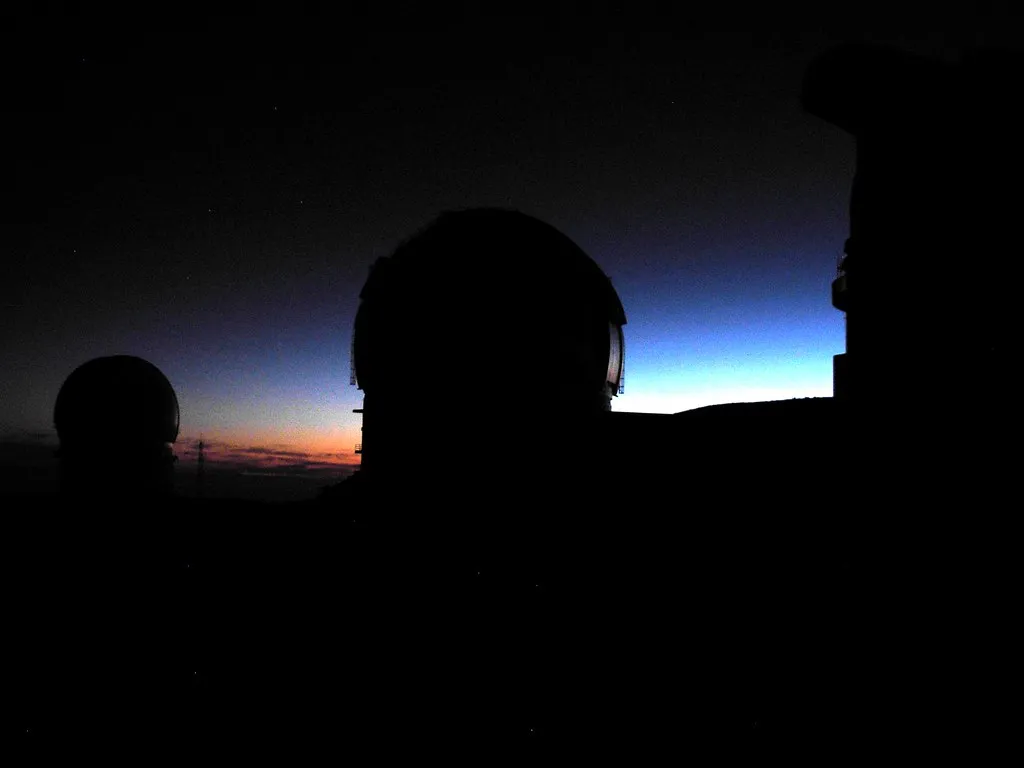
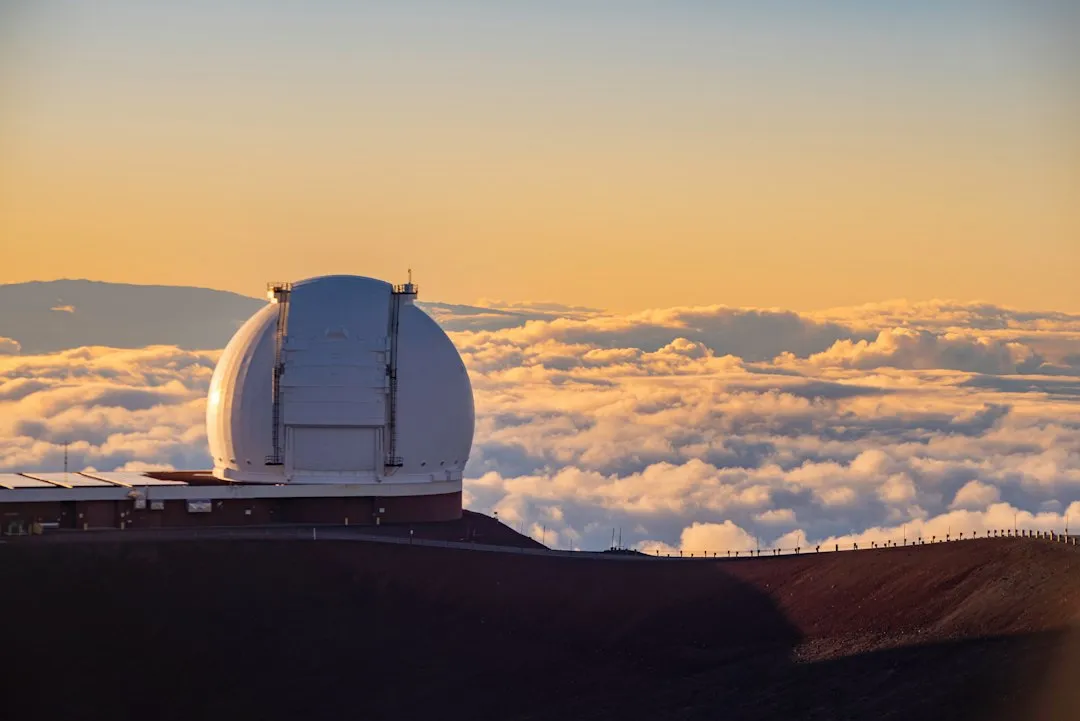
Mauna Kea is ideal for telescopes due to its high elevation, stable airflow, clear skies above the inversion layer, and lack of light pollution. These factors minimize atmospheric distortion and maximize light capture for observing celestial objects. Astronomers have known this for decades, which is why the mountain hosts observatories from multiple nations.
Mauna Kea has been considered the best location because of its high elevation above most clouds, and a location in the middle of the Pacific Ocean where the skies are clear most of the year. Mauna Kea is also significant for its astronomical observatories, and the high altitude and clear atmosphere make it one of the best places in the world for astronomical observations.
The Thirty Meter Telescope Debate
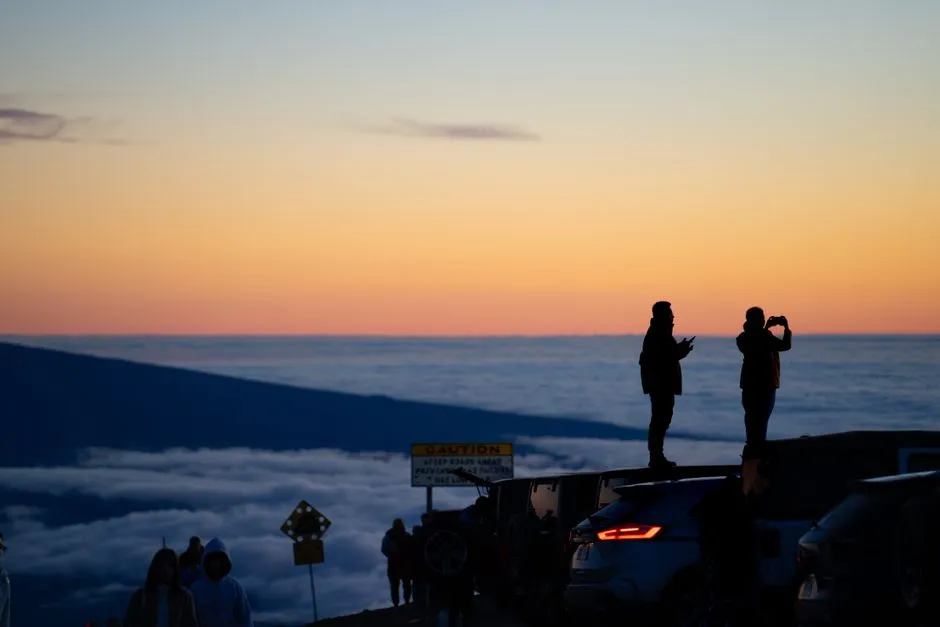
After years of protests that halted the construction of the Thirty Meter Telescope on Mauna Kea and divided communities in Hawaii, a major change in the management of the summit is underway. The TMT became a flashpoint that brought Indigenous rights, scientific ambition, and land stewardship into direct conflict.
The delay inflated the cost to 3.9 billion US dollars and put the project in limbo. By late 2025, Spain offered new funding and a new location on the island of La Palma as an alternative site for the telescope. A new oversight board includes representatives from both astronomical observatories and Native Hawaiian communities, and its members say it marks a new approach that for the first time gives Native Hawaiians a voting role in overseeing the mountaintop.
Visiting Mauna Kea Today
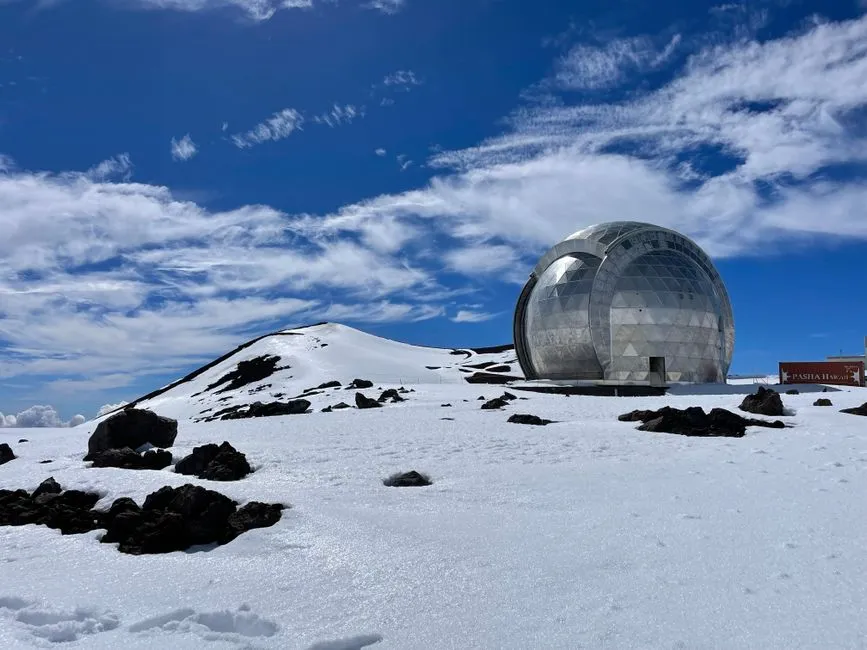
The high altitude poses serious health risks for visitors: stopping for at least half an hour at the visitor center to acclimate is strongly recommended. The roads to the summit are steep and winding, passable only with a four-wheel-drive vehicle. Visitors should also not go to the mountaintop within 24 hours of scuba diving.
Visiting Mauna Kea is an adventure unlike any other. The summit offers beautiful views, unique ecosystems, and exposure to cultural experiences that few places on the planet can match. The mountain rewards those who approach it with patience, preparation, and genuine respect for what it represents to the people who have called it sacred for generations.
Why Mauna Kea Deserves Its Place in the Conversation
The sheer mass of volcanic material built up from the ocean floor over a million years is staggering. The mountain’s dual role as a sacred Hawaiian site and the world’s premier astronomical observatory adds layers of significance that no simple height comparison can fully capture.
Both mountains hold cultural significance and attract adventurers and scientists alike. While Mount Everest is the tallest mountain above sea level and renowned for its extreme altitude, Mauna Kea holds the title for the tallest mountain on Earth when measured from base to summit, though much of its height is submerged beneath the ocean’s surface. Neither title cancels out the other. They simply measure different things.
The Takeaway
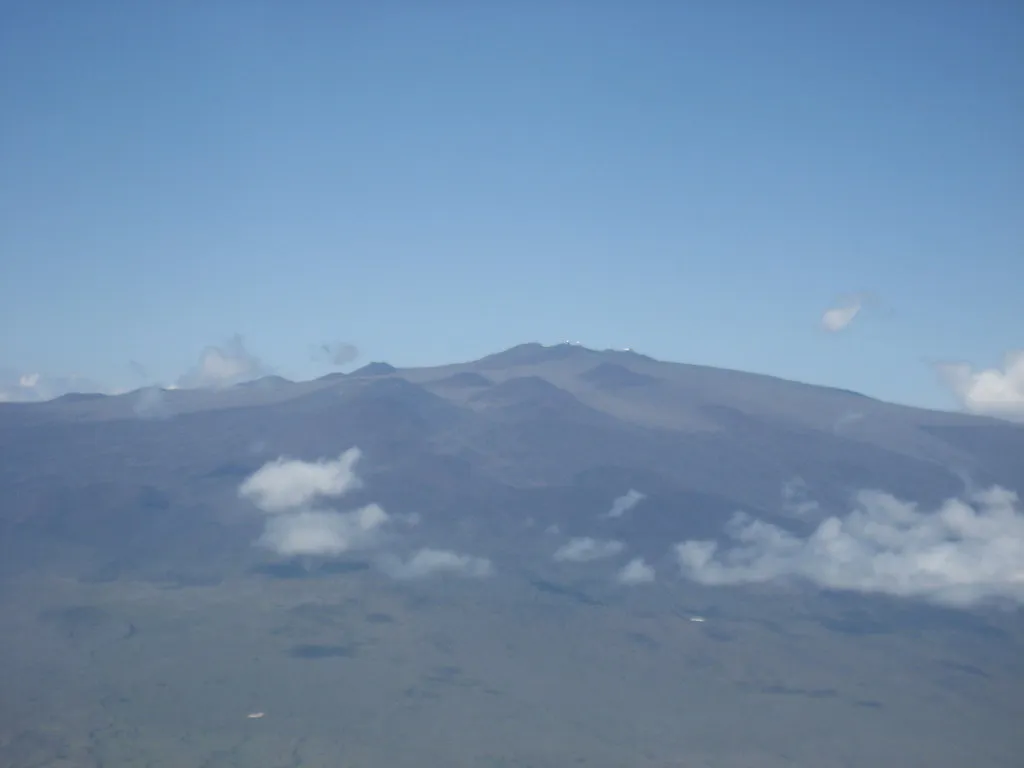
Mauna Kea doesn’t announce itself the way Everest does. It doesn’t tower over a continent. It doesn’t appear on the front pages of climbing publications or inspire the same rush of summit fever. Its greatness is quieter, mostly hidden, resting beneath the waves of the Pacific in a darkness most of us will never see.
That’s precisely what makes it worth understanding. The mountain reminds us that our instinct to rank and compare often depends entirely on what we decide to measure, and that the most significant things are sometimes the ones we can’t immediately see. In geography, as in most things, the full picture requires looking a little deeper than the surface.
AI Disclaimer: This article was created with the assistance of AI tools and reviewed by a human editor.