


The NOMAD States: A Quick Map of Who They Are
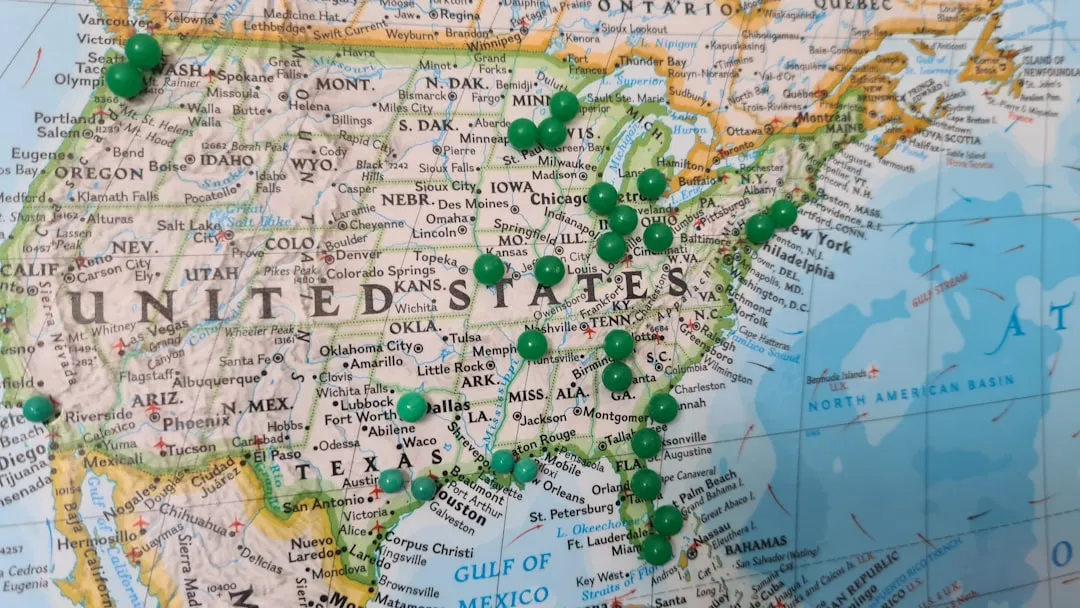
As of 2026, these five remain the only states with a 0.00% statewide rate, per the Tax Foundation’s 2025 state and local sales tax data. The savings this creates for shoppers varies by state, but the principle is the same in all five: no tax is added at the register on general retail purchases.
Of the five, only Alaska lets local governments levy a general sales tax, so Delaware, New Hampshire, and Oregon are the only states where ordinary retail purchases are free of general sales tax everywhere. Montana occupies a middle ground, with most of the state truly tax-free but certain resort towns being exceptions.
Oregon: The Cleanest Tax-Free Shopping Experience

Oregon is the cleanest example of a no-sales-tax state. There is no state or local sales tax anywhere in Oregon. No city, no county, no special district charges sales tax on retail purchases. That consistency makes it unusually straightforward for shoppers.
Oregon has no state sales tax and no local sales tax, which is a big reason it draws shoppers from nearby high-tax states. Oregon border shopping is tied to an estimated $100 million to $200 million in annual tax savings for Californians.
Oregon funds its government primarily through income tax, reaching 9.9% at the top bracket. The trade-off is explicit: no consumption tax, higher income tax. Visitors who come just to shop get all the benefit with none of the trade-off.
Delaware: The Mid-Atlantic’s Tax-Free Magnet
Delaware is one of the only states with zero sales tax, state or local. That distinction matters enormously given its geography: it sits within easy driving distance of some of the most densely populated, high-tax parts of the country.
Delaware has become a popular shopping destination for residents of neighboring Pennsylvania (6%), New Jersey (6.625%), and Maryland (6%). The savings on a single large purchase can easily cover the cost of the trip.
The Christiana Mall in Newark, Delaware, draws shoppers from four states specifically for tax-free shopping on clothing, electronics, and luxury goods. Delaware is known to have a significant advantage in sales tax competition, because its tax rate of zero attracts businesses and shoppers from all over the Mid-Atlantic region.
New Hampshire: New England’s Retail Escape Valve
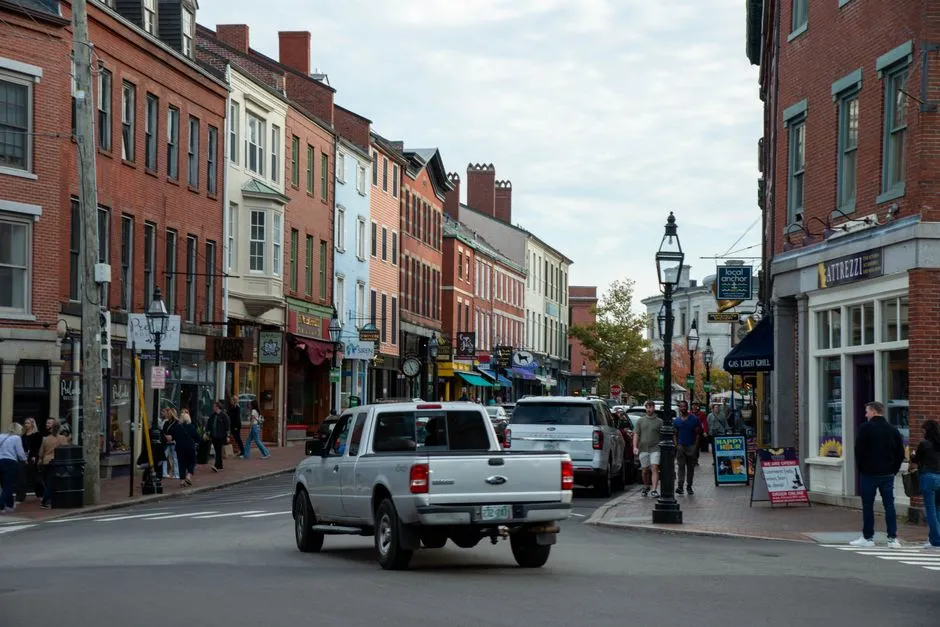
New Hampshire has no general sales tax, though it does impose taxes on specific items like alcohol and tobacco. The state is known for its strong anti-tax sentiment, and voters have consistently opposed the introduction of both sales and income taxes.
For retail shopping, including clothing, electronics, groceries, furniture, and sporting goods, New Hampshire is completely tax-free. The NH tax-free advantage draws shoppers from Massachusetts (6.25%), Maine (5.5%), and Vermont (6%).
As of January 1, 2025, New Hampshire also has no personal income tax of any kind, after the Interest and Dividends Tax repeal took effect, according to the New Hampshire Department of Revenue Administration. That makes the state’s tax position even more distinctive heading into 2026.
Montana: Tax-Free with a Few Resort Town Exceptions
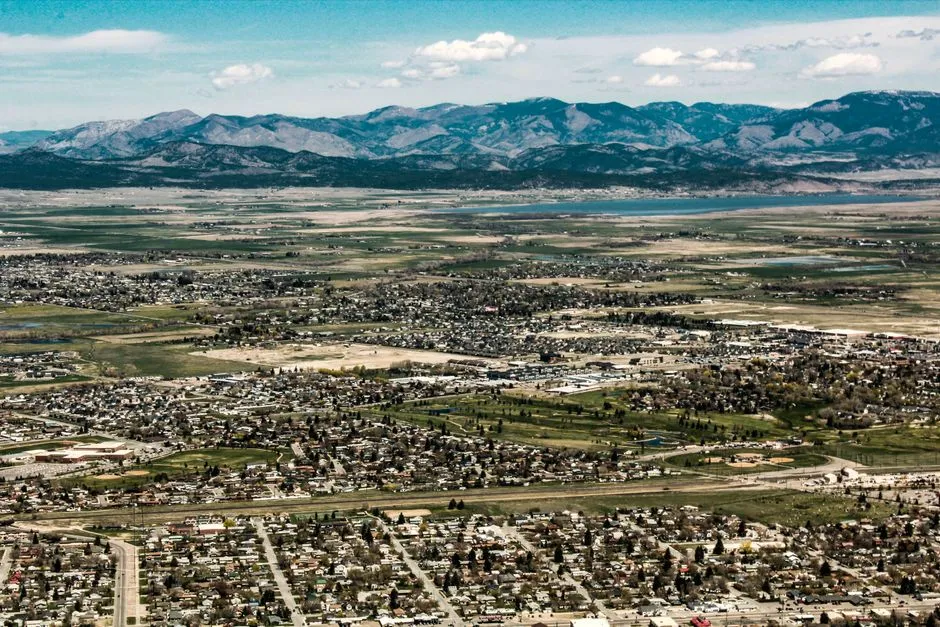
Montana offers a rare mix of tax-free shopping and targeted taxes in certain areas. While the state does not impose a general sales tax, popular tourist destinations in places like Big Sky, Whitefish, and Gardiner have a “Resort Tax.” This 3% tax is applied to high-end goods such as luxury clothing, restaurant meals, and recreational services like ski lift tickets.
For shoppers looking to buy luxury items tax-free, it’s best to shop in non-resort towns like Billings or Missoula, where no additional local taxes apply. This creates a useful internal geography for savvy travelers: the outdoor recreation hubs have modest levies, while the larger commercial centers remain completely clear.
Alaska: No State Tax, but Local Rules Vary Widely

Alaska doesn’t impose a statewide sales tax, but that doesn’t mean businesses are entirely off the hook. Many boroughs and municipalities charge their own local sales taxes, with rates climbing as high as 7.5%. These rates vary significantly by location, meaning compliance isn’t as straightforward as it may seem.
Alaska and New Hampshire are the only two states with neither a general sales tax nor a personal income tax, as of January 1, 2025. For shoppers visiting Alaska’s larger urban hubs, it pays to check local rates before assuming a purchase will be tax-free.
The Real Savings: What the Numbers Look Like in Practice
If you buy a $500 laptop in Portland, Oregon, you pay exactly $500. The same laptop in Los Angeles costs $543.40 at the combined rate of 8.68%. On higher-value items like appliances, furniture, or vehicles, those differences become even more significant.
Purchasing a vehicle can be expensive, especially for buyers who need multiple units. States with no vehicle sales tax can provide substantial savings. Alaska, Delaware, Montana, New Hampshire, and Oregon do not charge statewide sales taxes on vehicle purchases.
Cross-Border Shopping: A Well-Documented Travel Behavior

Research has shown significant cross-border shopping and smuggling between low-tax states and neighboring high-tax states. The shopping travel, at least, is entirely legal and increasingly popular among budget-conscious households looking to stretch their purchasing power.
Pennsylvania and New Jersey have sales tax that often drives residents of those states to Delaware for tax-free shopping. Residents of Massachusetts and Vermont tend to frequent New Hampshire for shopping without worrying about taxes, which benefits the economy there.
These states are popular shopping destinations for residents of neighboring high-tax states, particularly for large purchases like electronics, vehicles, and appliances. The pattern is consistent across all five NOMAD states, each pulling from its own regional orbit of neighboring shoppers.
How These States Replace Lost Tax Revenue
States with no sales tax generate revenue through alternative methods such as income taxes, property taxes, excise taxes, corporate income taxes, and fees on business activity. No state gives up that revenue without replacing it somewhere else in the system.
Delaware has no sales tax for shoppers, but businesses pay a gross receipts tax on their Delaware sales, along with corporate income tax and other business taxes. Oregon takes a similar approach, leaning on higher personal income tax rates to fill the gap. New Hampshire, meanwhile, relies heavily on property taxes.
What Shoppers Should Know Before They Go

No statewide sales tax does not mean no tax obligations, for shoppers or for sellers. The distinctions matter in practice. New Hampshire charges an 8.5% meals and rooms tax, meaning a hotel stay or restaurant meal won’t be tax-free even if your clothing purchase is.
Oregon and Delaware are the most consistently tax-free for general retail shopping, as neither has state nor local sales taxes on most goods. New Hampshire is also widely sales-tax-free except for restaurants, hotels, and prepared food, which carry an 8.5% Meals and Rooms Tax.
States like Delaware and Oregon stand out with no state or local sales tax, making them ideal for tax-free purchases. For travelers planning a shopping-focused trip, those two states offer the least complicated experience: the price on the tag is the price you pay.
The Bigger Picture: Tax Policy as a Tourism Driver

Tax-free weekends and permanent zero-rate states are growing tools in the tourism landscape. This growing trend of tax-free shopping not only drives tourism but also provides visitors with a more rewarding and budget-friendly shopping experience.
The NOMAD states do not impose a statewide sales tax. This lack of sales tax can lead to lower prices for goods and simpler tax compliance. For travelers, that simplicity has its own appeal: you don’t need to calculate anything. What you see is genuinely what you pay.
A Final Thought

Tax-free shopping rarely tops a travel brochure, but it quietly shapes where millions of Americans choose to spend their money each year. The five NOMAD states each arrived at their zero-rate status through different political histories and economic trade-offs, and each serves a different regional community of cross-border shoppers.
For the purposeful traveler, understanding those nuances is part of the value. A trip to Portland for electronics, a day at the Christiana Mall, or a weekend drive into southern New Hampshire can deliver real, tangible savings without any special planning required. Sometimes the most practical travel decision is also the most satisfying one.
AI Disclaimer: This article was created with the assistance of AI tools and reviewed by a human editor.