


Most Americans hop into a rental car abroad and spend the first ten minutes gripping the steering wheel, reminding themselves to stay left. What few realize is that you don’t need a passport to have that exact experience. There is one corner of the United States where left-side driving is not a novelty or an accident. It’s simply the law.
That place is the U.S. Virgin Islands, a sun-drenched archipelago of three main islands sitting between the Caribbean Sea and the Atlantic Ocean. Its roads carry one of the most fascinating quirks in all of American territory, a product of colonial history, practical inertia, and a culture that has never had much reason to conform.
The Only US Jurisdiction That Drives on the Left
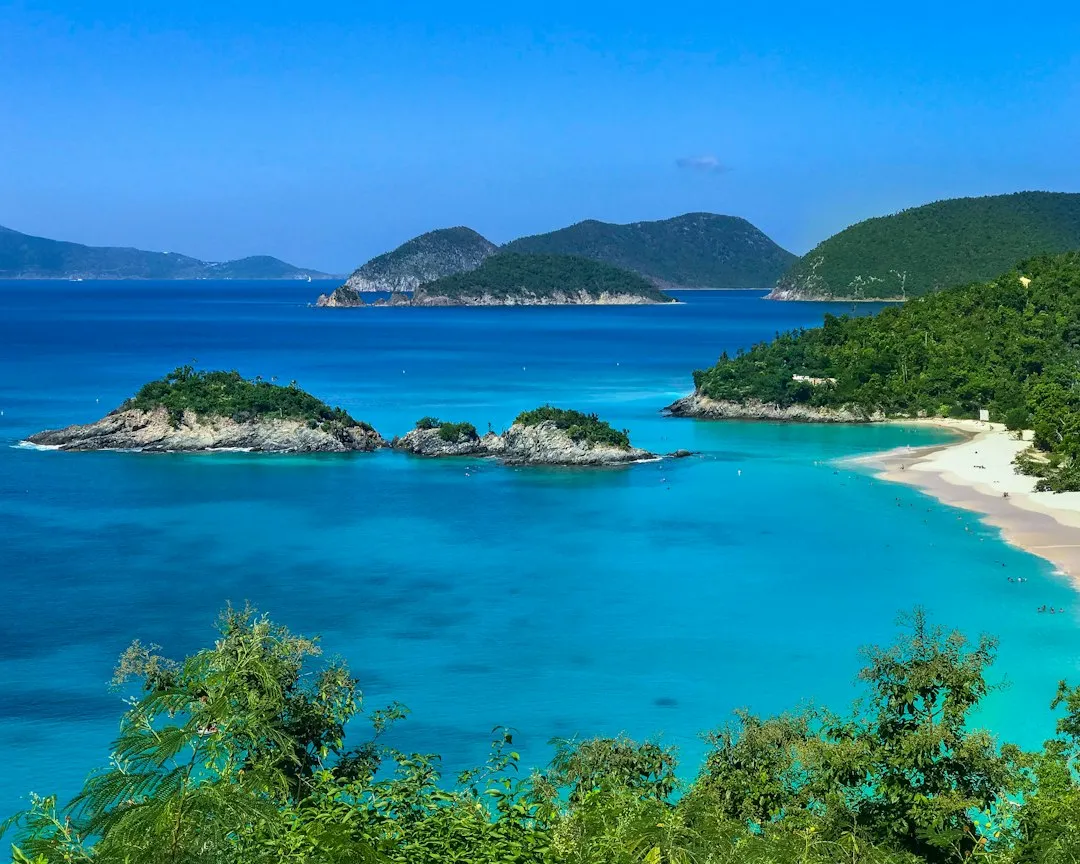
The U.S. Virgin Islands is the only place under United States jurisdiction where the rule of the road is to drive on the left. That distinction is not symbolic or ceremonial. It applies on every street, every roundabout, and every steep hillside road across St. Thomas, St. Croix, and St. John. For visitors arriving from the mainland, the adjustment is real and immediate.
Driving on the left is the same as in the U.K., Japan, Australia, and India, among approximately 64 countries and territories worldwide. Roughly a third of the world’s countries follow this convention, accounting for about 35 percent of the global population. The USVI sits within that global minority, even while remaining firmly part of the American legal and administrative system.
A Colonial Past That Never Fully Left
The Danish West India Company settled on St. Thomas in 1672, St. John in 1694, and bought St. Croix from the French in 1733. Officially, the islands became the Danish West Indian Islands in 1754. For nearly two centuries, Danish customs shaped everyday life, including how people moved along roads and paths.
In the mid-eighteenth century, many European nations, including Denmark, had a left-hand driving custom, and this extended to their colonies as well. When the U.S. purchased the islands in 1917, the influence of those colonial systems led to the retention of left-side driving. While the U.S. adopted right-hand driving on the mainland, the U.S. Virgin Islands kept the left-hand system, which has remained ever since.
Why the US Never Changed It
When the United States took control of the islands, it decided to maintain the left-hand driving system as it was already established, since changing it would have been too costly and disruptive. There was also a measure of respect for the local customs of the time. That combination of economics and cultural sensitivity quietly settled the matter, and no serious legislative effort has overturned it since.
Traffic laws in the US are a strictly state, territorial, and local concern, not a national one. There is no federal law mandating which side of the road people should drive on. This means the USVI has every legal right to maintain its own traffic rules, and it does so without any conflict with federal authority. The left lane simply stayed.
The Peculiar Case of Left-Hand Cars on a Left-Hand Road
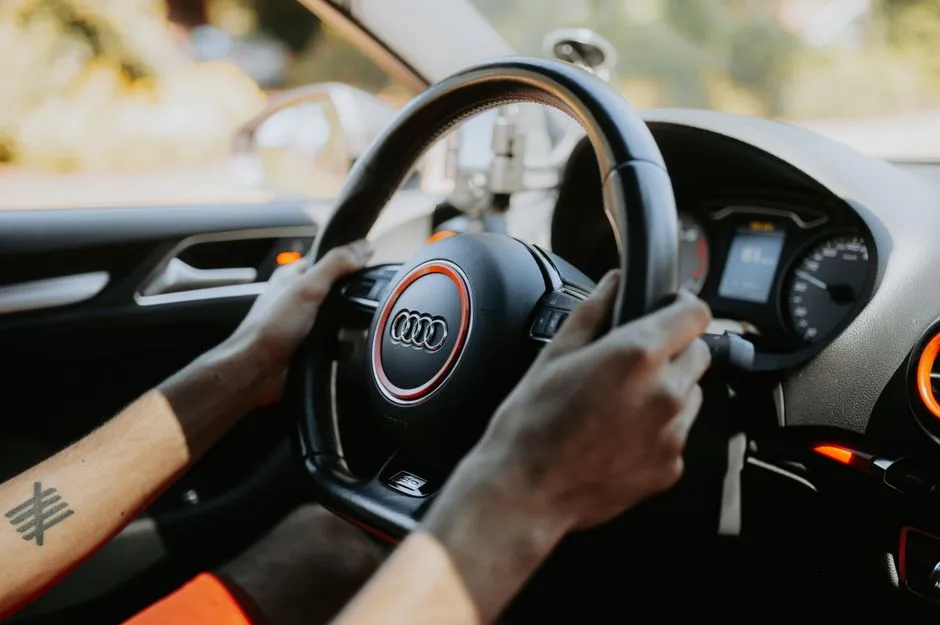
Virtually all passenger vehicles in the territory are left-hand drive due to imports of U.S. vehicles. Cars drive on the left-hand side of the road, but nearly all automobiles on the island have left-side steering columns. In most left-driving countries, this would be backward. Typically, the driver sits on the side closer to the road’s center line for better visibility.
As many of the cars in the USVI are imported from the U.S. mainland, the steering wheel is still on the left. This can be even more confusing, as the driver is no longer the person closest to the center line of the road. It’s an odd combination that takes some getting used to, even for experienced drivers. You sit on the left, you drive on the left, and you navigate from the outside edge of every lane.
The Roads Themselves Are a Different Challenge

Due to the terrain, roads are often narrow, steep, and full of sharp turns. They tend to be poorly surfaced. The islands are not flat, and the road network reflects that honestly. Hillside switchbacks, tight village streets, and sudden elevation changes are part of any drive, particularly on St. John and St. Thomas.
The USVI has around 1,240 miles of roadways total, about 750 miles of public roads and 490 miles of private roads. Most public roads are two-lane and paved with asphalt or concrete. There are very few road shoulders. Roundabouts are increasingly common in the U.S. Virgin Islands, designed to improve traffic flow and safety, though narrow lanes and limited visibility in some areas remain genuine considerations.
The Donkey Theory and Other Local Lore

Alongside the historical record, a more colorful explanation circulates among locals and longtime residents. According to this local tradition, they drive on the left in the U.S. Virgin Islands because of the donkeys. People in earlier times used donkeys as their primary means of transport, and they were trained to move to the left and pass other donkeys. Later, many islanders continued to use donkeys on the same roads even after vehicles were introduced.
Whether the donkey theory carries historical weight or simply reflects the islands’ love of a good story is genuinely unclear. It’s the kind of explanation that persists precisely because no one can fully disprove it, and because it captures something true about how slowly island life changes when left to its own pace.
What It’s Like for Visiting Drivers
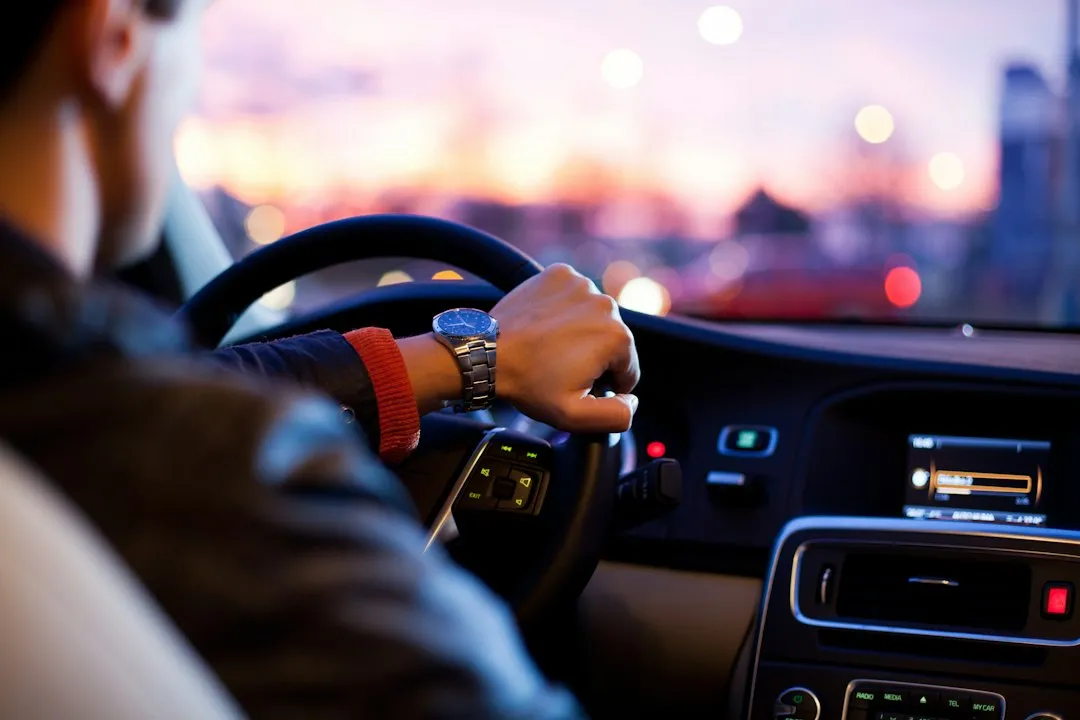
Adjusting to left-hand driving can be challenging for first-timers, but most drivers adapt within a few days with focused attention and practice. The key difficulty isn’t the lane itself. It’s the muscle memory at intersections, roundabouts, and moments when you glance left for traffic that should actually be coming from the right.
If you’re looking to drive around the USVI, you can rent a car on a U.S. driver’s license for up to 90 days in total. No international permit is required, which makes the territory unusually accessible for American travelers wanting to experience left-side driving without venturing overseas. Locals will often wave to say thank you, flash lights to signal “go ahead,” or give a friendly honk as a heads-up, which softens the learning curve considerably.
The Wider Caribbean Context
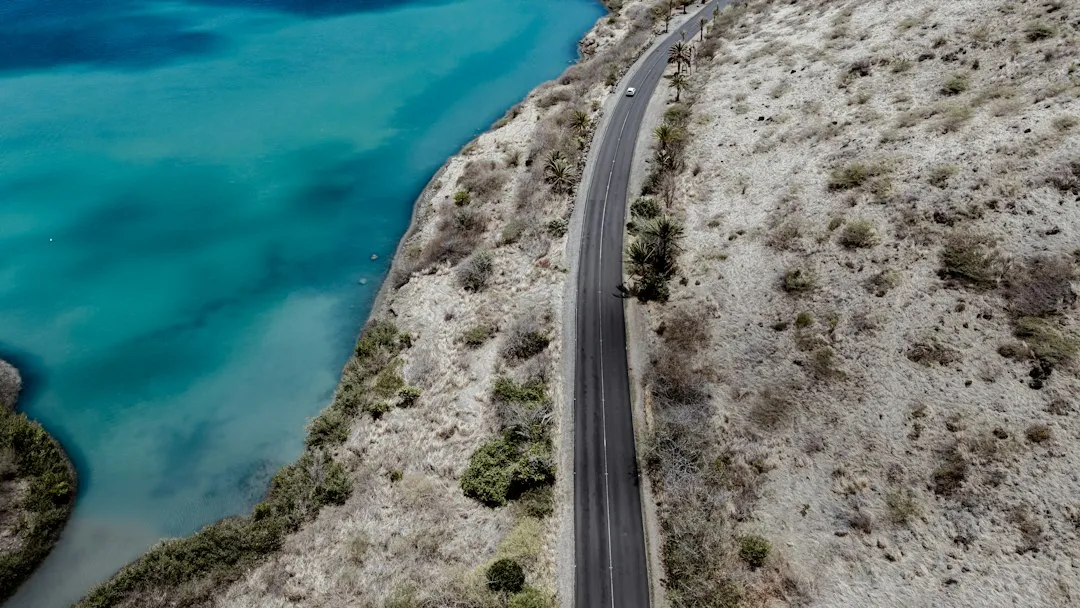
In the West Indies, colonies and territories drive on the same side as their parent countries, except for the United States Virgin Islands. Many island nations are former British colonies and drive on the left, including Jamaica, Antigua and Barbuda, Barbados, Dominica, Grenada, Saint Kitts and Nevis, Saint Lucia, Saint Vincent and the Grenadines, Trinidad and Tobago, and The Bahamas.
This means the USVI fits geographically and culturally into a left-driving Caribbean neighborhood, even if the reason differs from its neighbors. Most vehicles in The Bahamas, Cayman Islands, Turks and Caicos, and both the British Virgin Islands and the United States Virgin Islands are left-hand drive due to their being imported from the United States. The shared quirk of American cars on left-side roads connects the USVI to several other island jurisdictions nearby.
A Territory Welcoming More Visitors Than Ever
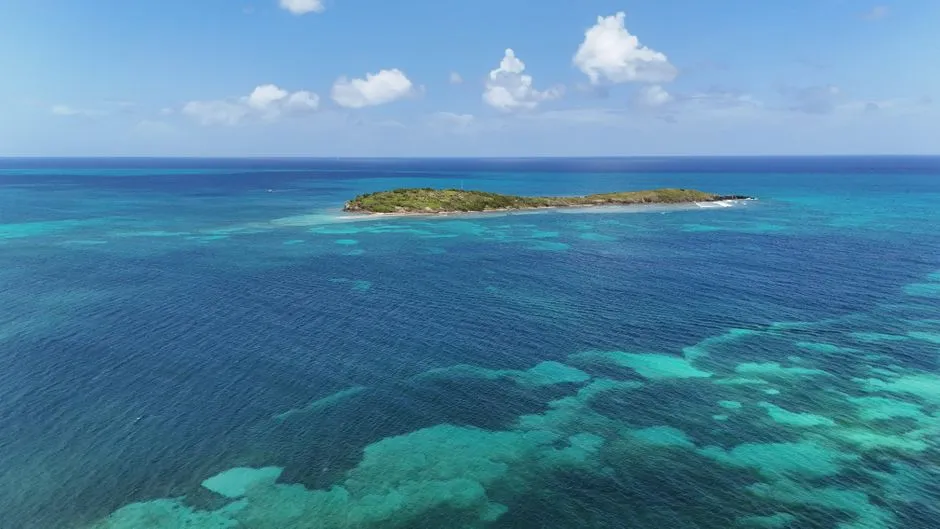
The U.S. Virgin Islands welcomed an unprecedented number of visitors in 2024, highlighting the continued growth of St. Thomas, St. Croix, and St. John as leading tourist destinations. Combined airline arrivals at Cyril E. King Airport in St. Thomas and Henry E. Rohlsen Airport in St. Croix totaled 932,265 passengers in 2024, surpassing the previous record by over 100,000 passengers and representing a 16.5 percent increase compared to 2023.
The territory also experienced a significant boost in cruise passengers, welcoming nearly 1.77 million, a 9.8 percent increase compared to 2023. In 2025, cruise tourism continued its momentum, with nearly 1.83 million cruise passengers arriving in the U.S. Virgin Islands. More visitors than ever are discovering this corner of America, and for many, the left-side roads are part of what makes the experience feel genuinely different.
No Plans to Switch – and Little Reason To

While there are no imminent plans to switch to right-hand driving, the possibility is occasionally discussed. In practice, the logistical cost of converting road signage, roundabout flow, infrastructure design, and deep-seated local habit would be enormous. The islands have shown little appetite for it, and there is no political pressure from Washington to make a change.
For those planning a road trip around the USVI, it’s the only U.S. destination that drives on the left. Due to historic colonialism, the islands have remained on the left side of the road, despite being a U.S. territory for over a century. That fact alone says something about how places hold onto identity. Rules written into a landscape outlast the empires that wrote them.
The Road Less Traveled – Literally
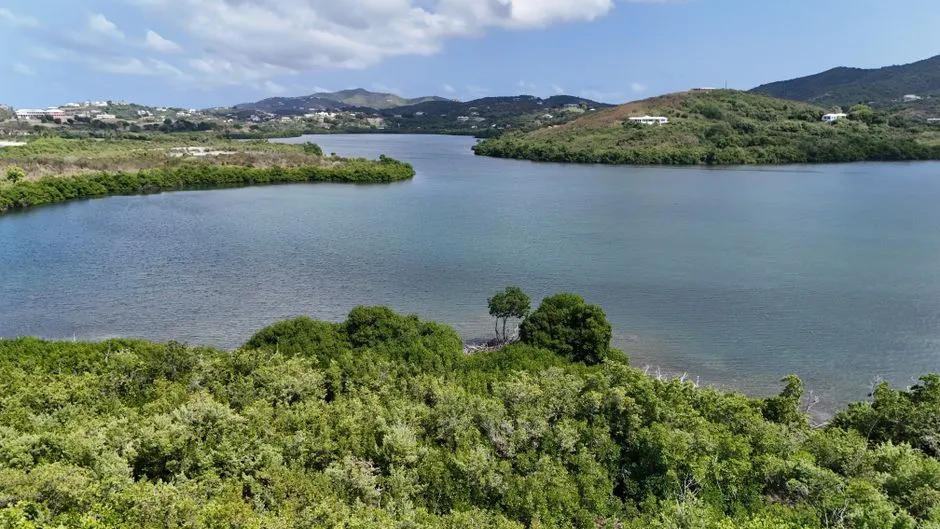
There’s something quietly remarkable about driving through American territory on the left side of the road, past tropical hillsides, with a U.S. driver’s license in your pocket and a car that was almost certainly assembled for a different lane. The U.S. Virgin Islands remind you that American identity is not a single, uniform thing, and that a stretch of road can carry centuries of history in its painted center line.
With roughly 84 percent of USVI visitors coming from the U.S. mainland, the territory often serves as the first Caribbean experience for many. No passport is needed, but what visitors discover is a full immersion into genuine Caribbean heritage, music, cuisine, and natural beauty. Add the left-lane driving to that list. It’s not just a traffic rule. It’s the first sign, the moment you pull out of the rental lot, that you’ve arrived somewhere that does things its own way.
AI Disclaimer: This article was created with the assistance of AI tools and reviewed by a human editor.