
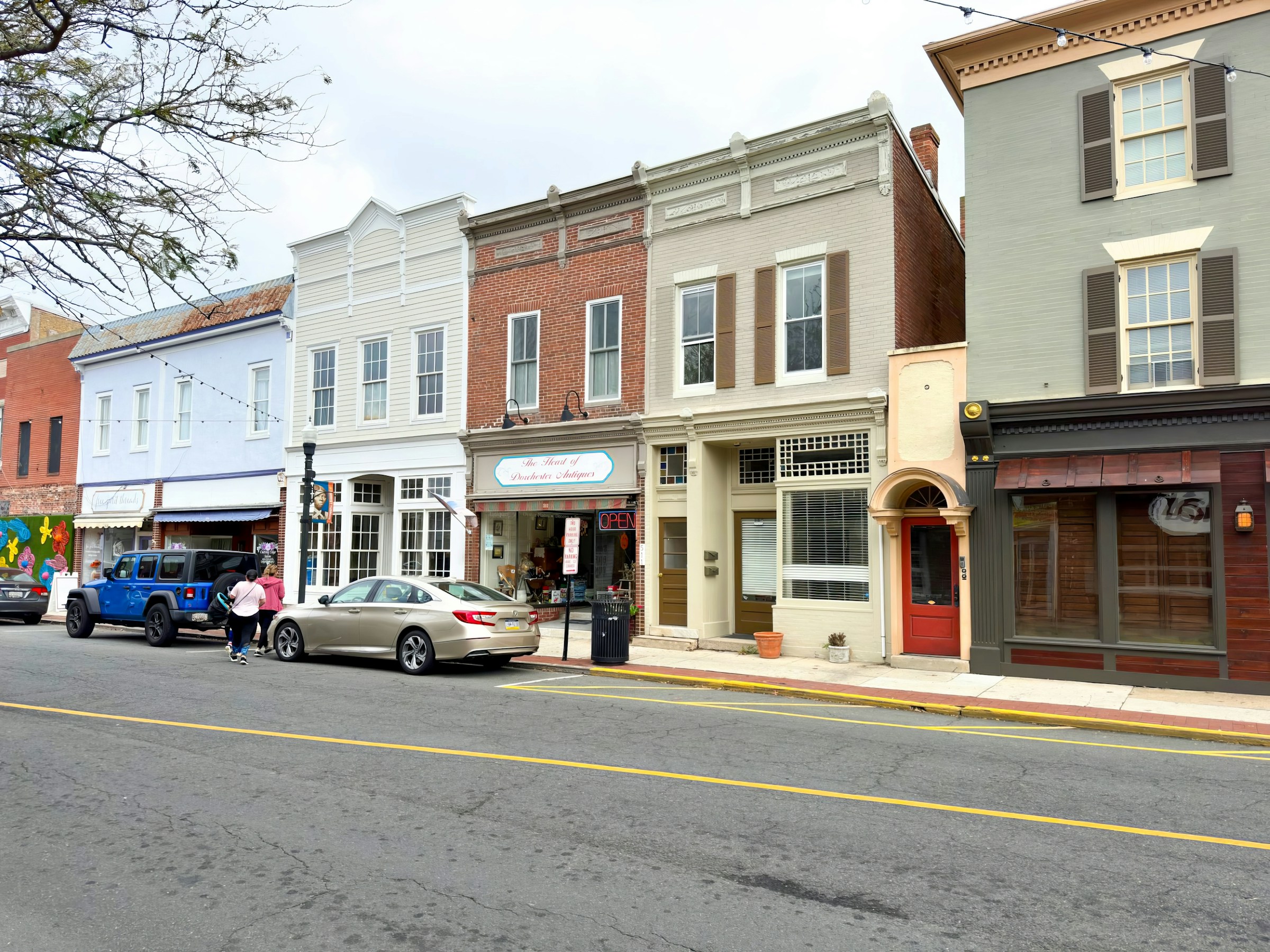

Monowi, Nebraska: A Town of One
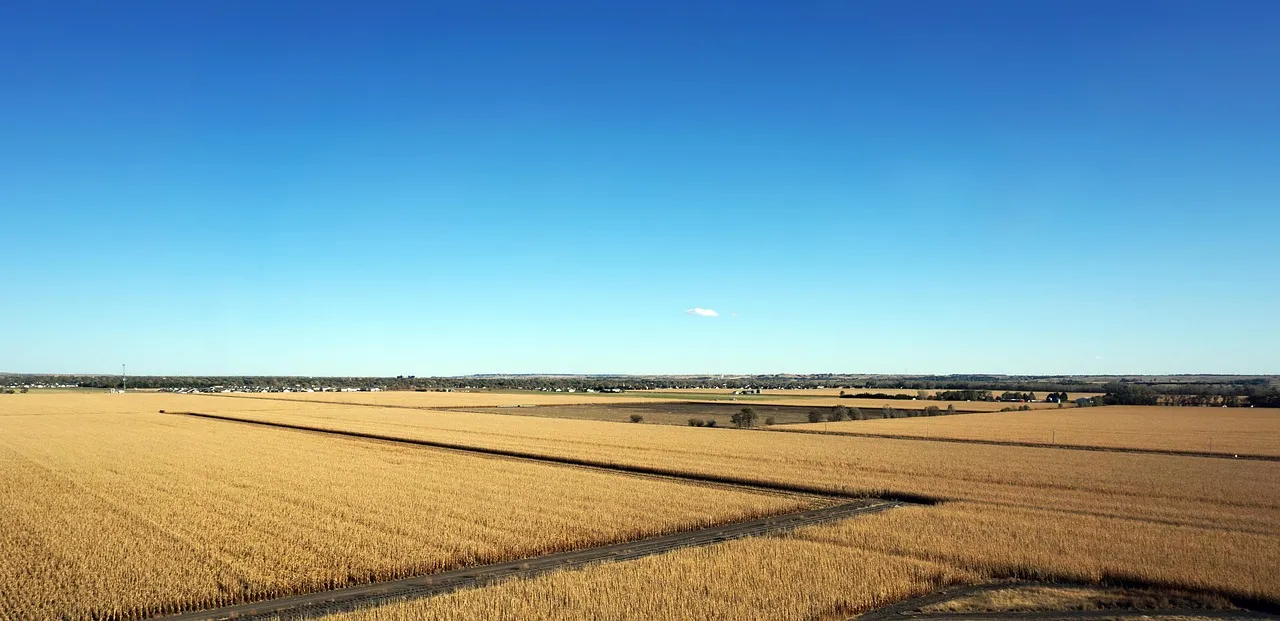
There is no town in America quieter than Monowi, Nebraska, because there is almost no one there to make any noise. Nestled in Boyd County, Nebraska, Monowi holds the distinction of being the smallest town in America and the only incorporated town in the US with just one resident.
Monowi’s sole resident is Elsie Eiler, who has spent over 50 years running the local bar and grill. She and her late husband bought the Monowi Tavern in 1971, and now it’s the only business in town.
She is also Monowi’s mayor, clerk, secretary, treasurer, and tax collector, which means she can approve her own liquor license, among other things. Nearly a century ago, it was a thriving farming community home to 150 people, with grocery stores, restaurants, a one-room schoolhouse, and even a prison. The contrast between then and now is striking.
Centralia, Pennsylvania: Silence Over a Fire
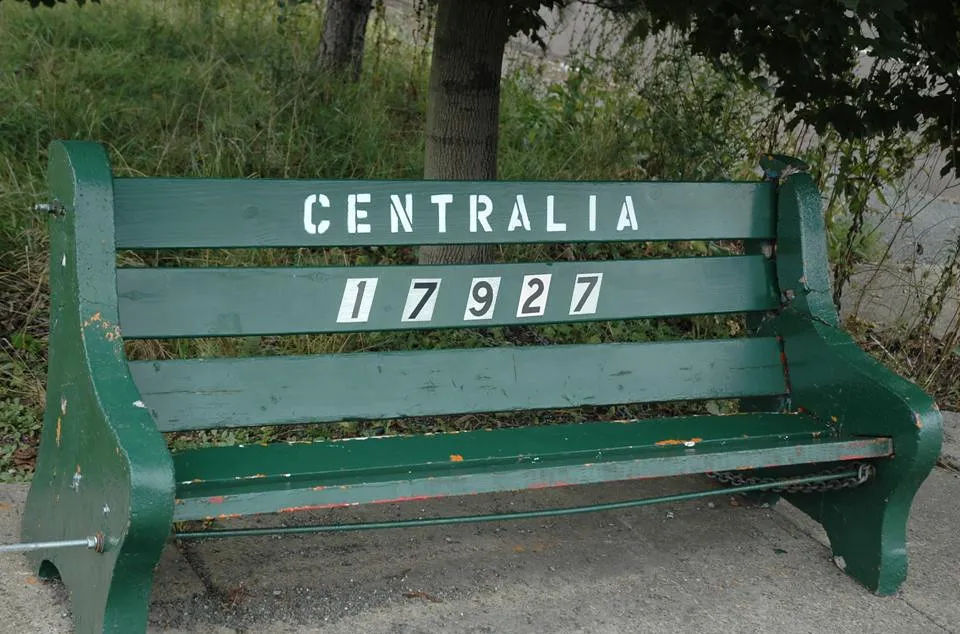
Once a thriving coal-mining town in Pennsylvania, Centralia faced a devastating underground coal mine fire in 1962 that continues to burn to this day. That single fact explains almost everything about why this town became one of the emptiest places in the eastern United States.
With a population reduced to a handful of residents, Centralia has become a ghost town, its streets eerily empty. The ongoing fire forced most residents to relocate, leaving a town with a dwindling population and an uncertain future.
Walking through Centralia today means navigating cracked, weed-split roads where houses once stood and reading the occasional government warning sign posted along what used to be a main street. It’s a place where the silence carries a specific weight, shaped by displacement and loss rather than simply by geography.
Bonanza, Colorado: A Silver Town Faded to a Whisper
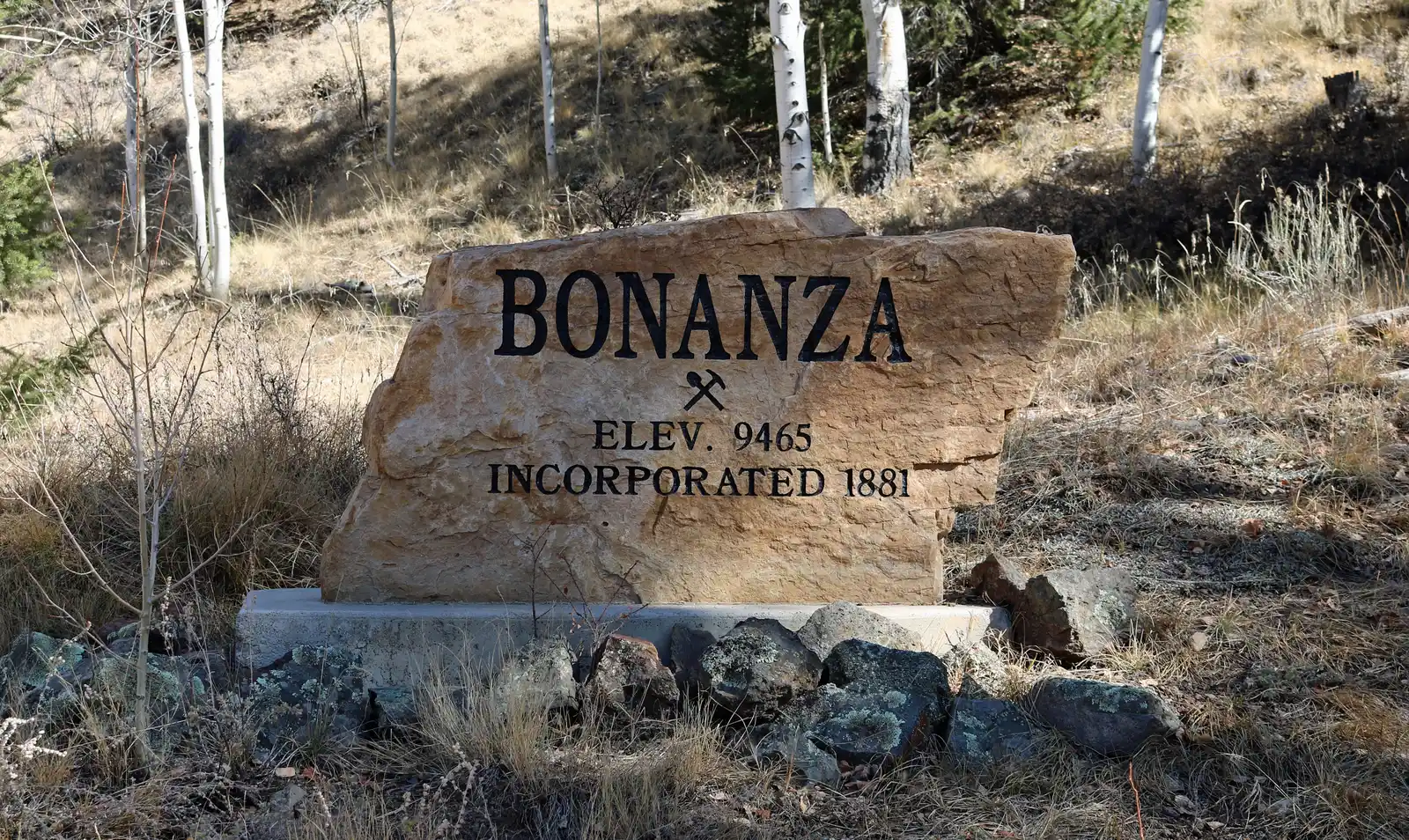
Bonanza, a thriving silver mining town in Colorado’s Saguache County, has a population of just 11 as of 2024 and a land area of 0.4 square miles, making it one of the smallest towns in the USA worth a visit. Sitting in the northeastern San Juan Mountains, this small town is a year-round destination.
The high-altitude setting adds a particular texture to the quiet here. The Sangre de Cristo mountains create a natural bowl around the town, and on calm days the air feels genuinely still in a way that feels almost theatrical. Yet for the tiny number of people who call it home, it’s entirely ordinary.
Bonanza’s mining history dates back to the 1880s, and remnants of that era still dot the hillsides. It’s the kind of place where the past is not preserved so much as simply not cleared away. The silence there feels earned.
Lost Springs, Wyoming: Four Residents and a Story
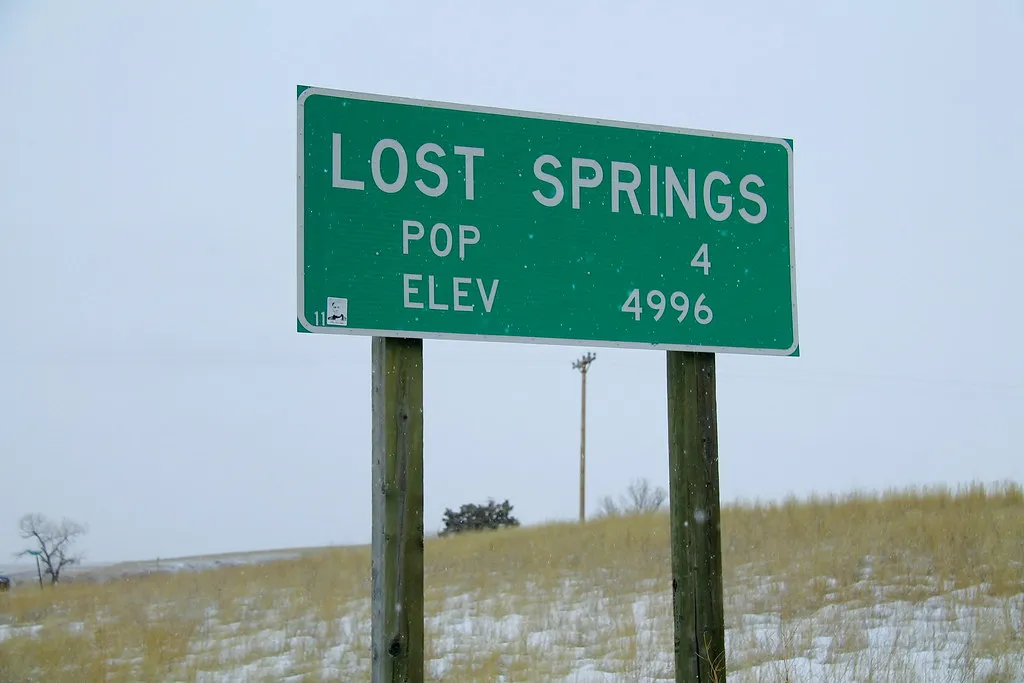
Today, only four people reside in Lost Springs, working at the local tavern and general store, making it one of the smallest towns in the United States with a population in the single digits. It has a historical marker showing the town’s population as one, which was never the case, and the marker is awaiting an upgrade.
Wyoming as a whole leans toward the sparse. Its wide plains and high desert plateaus have always made dense settlement impractical. Lost Springs fits right into that landscape, a speck of incorporation on an enormous canvas of open land.
Four people is enough to run a bar and keep a general store stocked. It’s also, genuinely, enough to constitute a community. The residents know each other’s daily rhythms by heart, which is both the warmth and the defining character of life in a town this size.
Oak Hill, Alabama: The State’s Smallest Incorporated Town
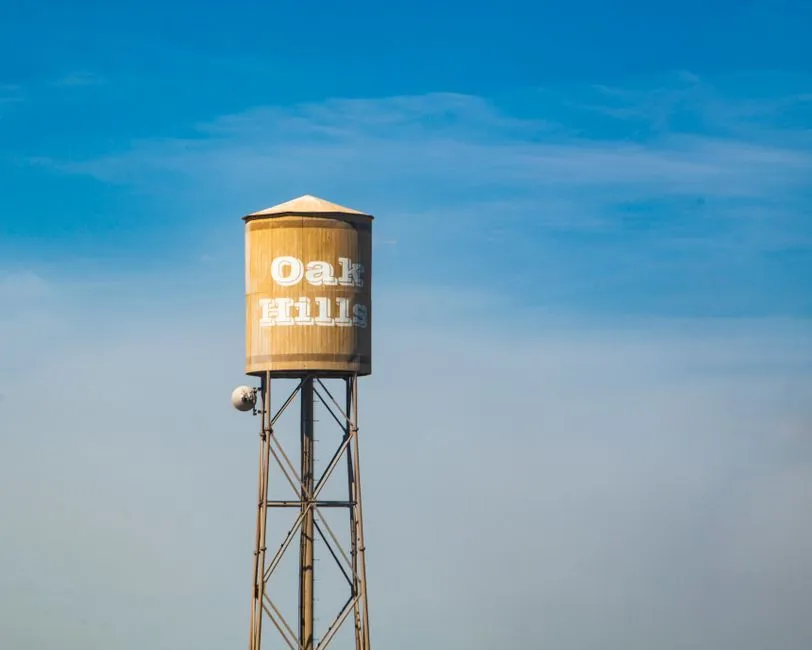
Oak Hill is a small town located in Wilcox County. Founded in the early 1800s, it is the state’s smallest incorporated town, with a population of only 13 residents in 2024.
Wilcox County sits in the Black Belt region of Alabama, an area named for its rich dark soil and known historically for its agricultural heritage. The land here is productive in a quiet, unhurried way, and the communities embedded in it reflect that same character.
Oak Hill has retained its incorporation status for two centuries, which in itself says something about the stubborn persistence of small American communities. The paperwork, the local governance, the formal status of being a town, all of it maintained by a group of people small enough to fit in a single dining room.
Beaconsfield, Iowa: Fifteen People, One Community
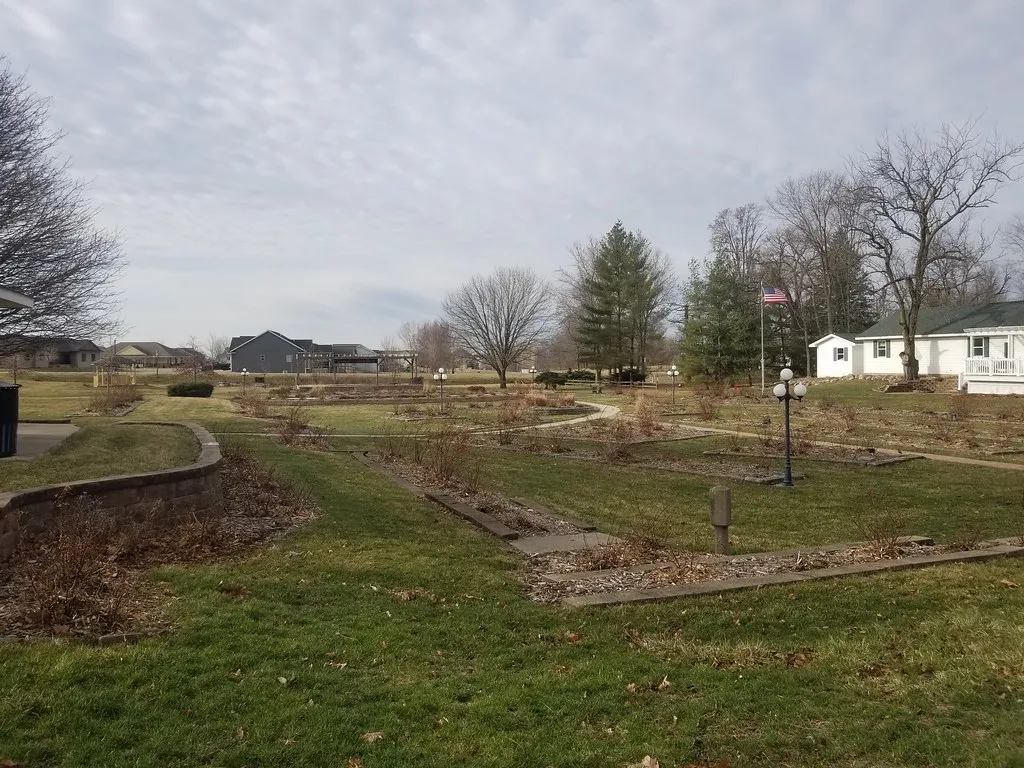
Located in Ringgold County, Iowa, Beaconsfield has a population of 15 in 2024 and a total land area of around 0.7 square miles. It was incorporated in 1990. Despite being one of Iowa’s smallest towns, it had a significant impact on the state’s history.
Iowa’s rolling southern counties have a particular kind of quietness that’s different from western desert silence. The fields absorb sound. In winter, a fresh snowfall turns Beaconsfield into something approaching complete acoustic stillness, the kind that most people living in cities have never actually experienced.
Fifteen residents is a number small enough that a single family moving in or out shifts the demographic profile of the entire town in a meaningful way. That kind of intimacy with community statistics is unusual and quietly fascinating.
Freeport City, Kansas: Prairie Quiet at Its Purest
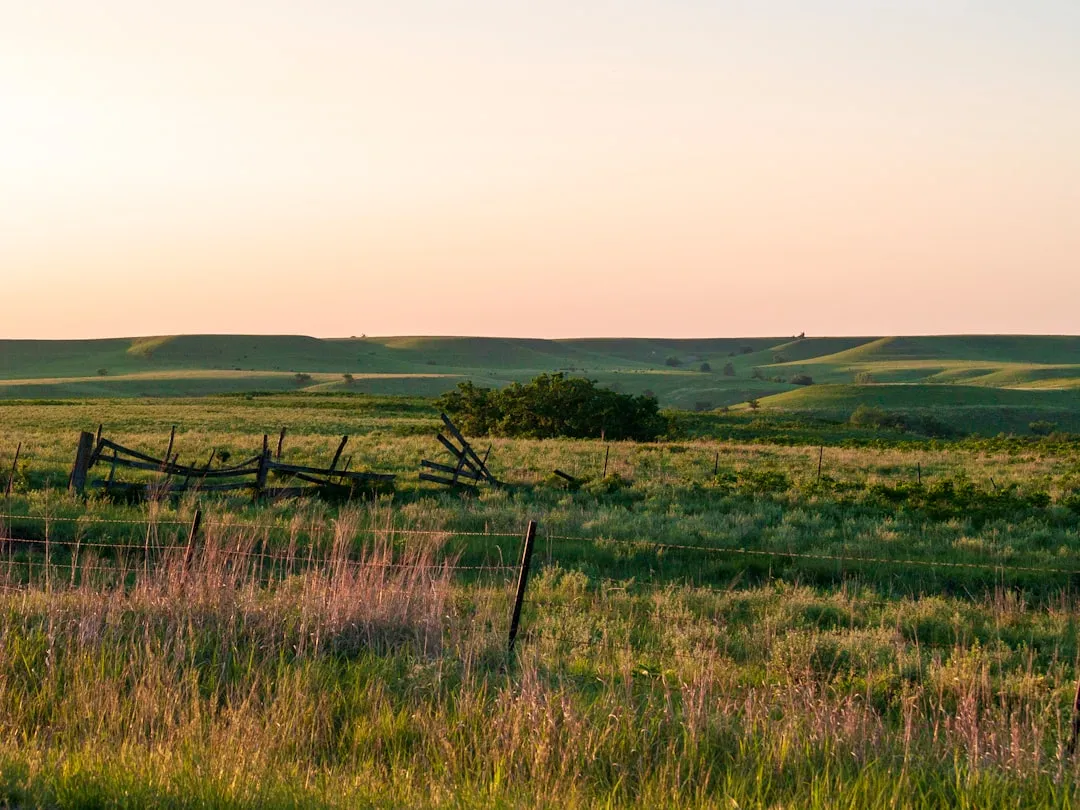
Freeport City in Harper County, Kansas, stands as one of the tiniest cities in the US, with a population barely exceeding a handful. Surrounded by vast prairies, Freeport City offers a tranquil retreat from the urban hustle. The simplicity of life here, where everyone knows each other, reflects the timeless appeal of small-town living.
The Kansas prairie has a sound of its own, mostly grass moving in the wind and the distant call of birds. On still days, that background hum disappears almost entirely, leaving something that feels more like pressure than sound. It’s the kind of silence that takes a little getting used to.
Freeport City is a useful reminder that “quiet” and “empty” are not quite the same thing. The town maintains its identity as an incorporated place, with all the civic machinery that implies, even as its population has settled into the single digits.
Ouzinkie, Alaska: Accessible Only by Boat or Plane
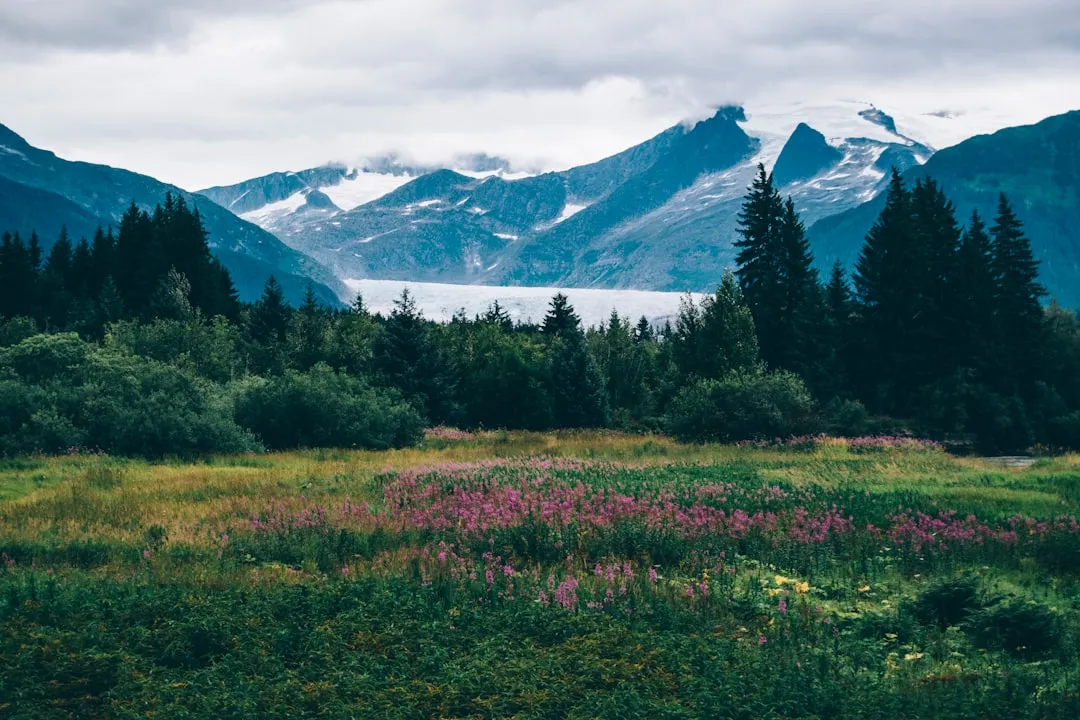
Ouzinkie, located on Spruce Island in Alaska, is one of the smallest cities in the US, with a population usually below 150 residents. Accessible only by boat or plane, Ouzinkie offers a unique lifestyle surrounded by the natural beauty of the Alaskan wilderness. The town reflects the resilience and resourcefulness required to thrive in remote areas, where residents depend on each other for support.
The remoteness here is of a fundamentally different order than in the lower 48. There’s no driving out to a larger town for supplies or a meal. The logistics of daily life require planning that most Americans never think about, and that insularity shapes the quiet in a profound way.
Spruce Island itself has a striking natural character, forested and green, with the Gulf of Alaska visible from nearly every vantage point. The quiet of Ouzinkie is partly topographic and partly a function of distance. Both are very real.
McMullen, Alabama: A Small Town With a Long Memory

McMullen, located in Wilcox County, Alabama, stands as one of the smallest incorporated cities in the US. With a population that rarely exceeds a few dozen residents, this rural community exemplifies the tight-knit spirit found in small towns across the country. Though its size may be modest, McMullen is a testament to the resilience of rural communities that continue to thrive amidst the changing landscapes of America.
Wilcox County appears twice on this list, which is not an accident. It’s one of the more rural counties in Alabama, with an economy historically tied to agriculture and timber. That combination of factors has kept density low across the region for generations.
What McMullen lacks in population it compensates for in continuity. Communities this small often preserve local customs, oral histories, and everyday traditions that have largely disappeared from more populated places. The quiet, in a sense, protects them.
The Broader Pattern: A Third of America Lives in Near-Silence
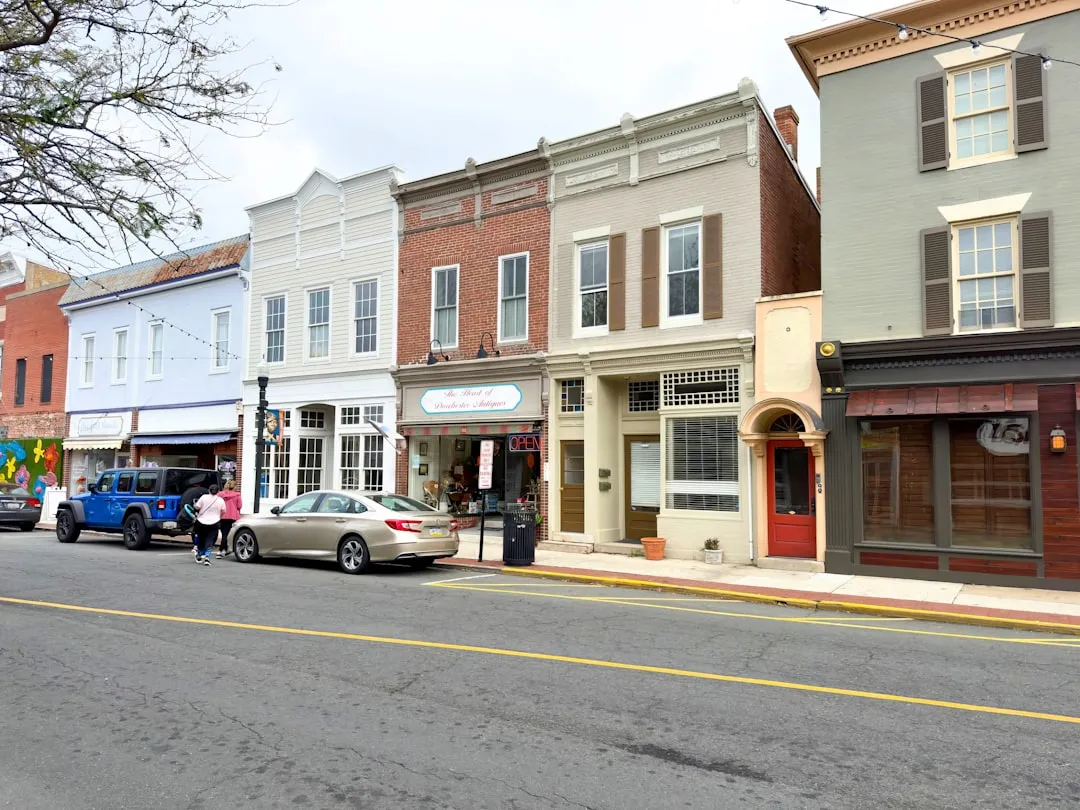
Nearly one third of all incorporated places in the United States have fewer than 500 residents. That is a number worth sitting with for a moment. It means that the kind of quiet described in this article is not an exception in the American landscape. It is, statistically speaking, one of America’s most common experiences.
Small towns across the Midwest and Northeast experienced lower rates of population decline in recent years, though decline itself remains a persistent reality. Small towns in the Midwest decreased by an average of 0.3% and those in the Northeast by 0.1%. These are modest numbers, but they compound quietly over time.
The smallest cities across the United States face distinct challenges that larger municipalities rarely encounter. With populations sometimes numbering in single digits, these incorporated places must maintain essential governmental functions, preserve infrastructure, and sustain community identity despite limited resources and declining populations. The fact that so many of them still manage to do so says something genuinely admirable about small-town determination.
The Quiet Is the Point
AI Disclaimer: This article was created with the assistance of AI tools and reviewed by a human editor.