

The Checkout Time Is Not a Suggestion

Of all the rules that trigger deposit deductions, a missed checkout time is one of the most common and most avoidable. Once a checkout time is stated in a host’s house rules, consequences for breaching it can be direct, including deductions from the security deposit. Some properties go even further. One rental company, for instance, sets checkout at 10:00 AM and states plainly that guests not out by that time will be billed a full day’s rate.
Late checkout clauses typically specify additional fees, the maximum allowable extension period, and the process for requesting more time, with the core purpose being to prevent misunderstandings and ensure smooth turnover between reservations. The pressure isn’t just financial. When another guest is checking in the same afternoon, a cleaning crew is scheduled and waiting, and a host has no flexibility. Being even fifteen minutes late can trigger automatic fees.
Damage vs. Wear and Tear: A Line Guests Misread
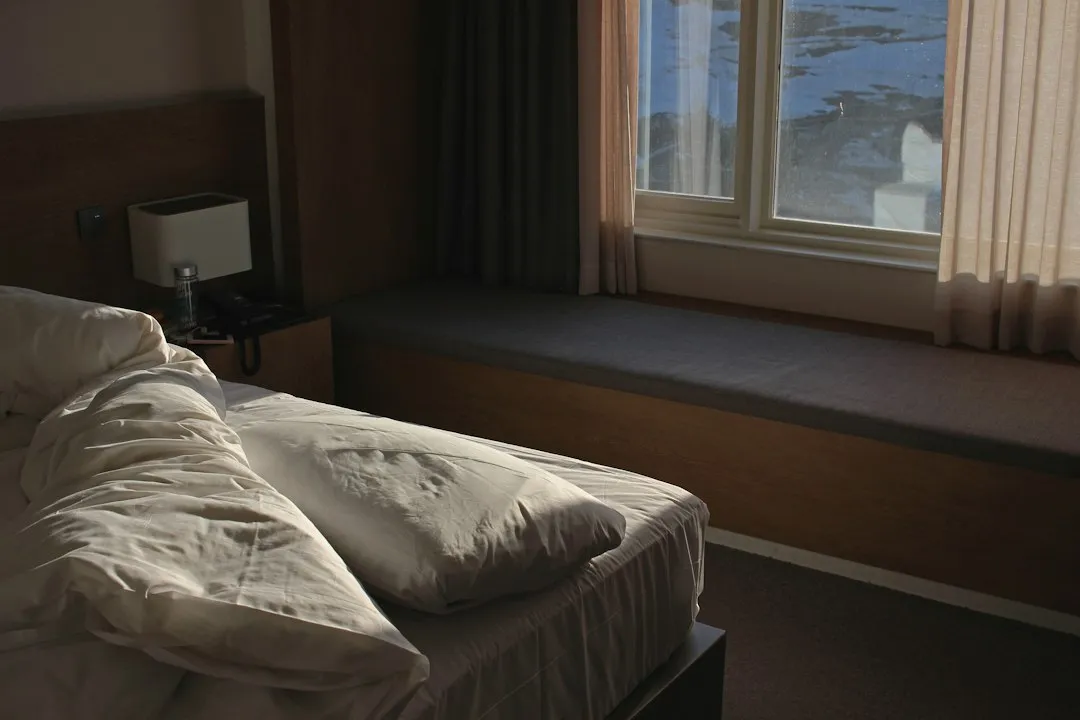
Many deposit disputes stem from different opinions about what counts as damage. Guests often assume that small issues fall under normal wear and tear, while hosts view them as chargeable damage, and clarifying this from the start helps avoid those misunderstandings. The distinction genuinely matters. A scuffed baseboard is generally wear and tear. A broken bed frame is damage.
Detailed examples in house rules are especially helpful, such as clarifying that used linens are fine but permanent stains are chargeable, giving guests a clearer picture of what’s acceptable. Guests who skip that section of their rental agreement and assume good faith will cover everything are often disappointed at checkout. The rules were there the whole time.
Unauthorized Guests and Parties: A Costly Mistake

Unauthorized parties cause an average of $1,560 in damages per incident, according to a Lodgify survey of more than 170 hosts managing over 2,200 properties. That figure only covers physical damage and doesn’t account for the host’s time, lost bookings, or platform penalties. Some hosts in that same survey reported party-related damages ranging from $5,000 to over $25,000, not including legal fees and lost revenue.
Over half of hosts surveyed by Lodgify, specifically 53.1%, experienced at least one unauthorized party in the previous two years, yet only 42% of hosts use any prevention tools. Bringing extra guests without disclosure, even for a single evening, is one of the surest ways to forfeit a deposit in full. Most rental agreements explicitly state the maximum occupancy, and exceeding it is a clear breach.
The 14-Day Filing Window You Need to Know About

On Airbnb, hosts must go to the Resolution Center within 14 days of checkout to start a damage claim, including a written description, repair costs, and all supporting documentation, and even off-platform deposits require following Airbnb’s official procedures. This window matters as much for guests as it does for hosts. If a dispute is going to happen, it will happen within that period.
Airbnb phased out traditional host-set security deposits after introducing AirCover for Hosts in 2021, which provides free damage protection up to $3 million, claimed through the Resolution Center within 14 days of checkout. On Vrbo, the refundable damage deposit policy gives hosts 14 days to claim for accidental damage after a renter checks out. Knowing which platform you’re on and how its timeline works is essential if you intend to contest any charge.
Photo Documentation: The Guest’s Best Defense

Upon check-in, it’s advisable for guests to document any pre-existing damages or issues right away to avoid disputes later. This sounds like extra effort, but it takes about five minutes and can be the difference between recovering your deposit and losing it. A quick video walkthrough on your phone, time-stamped, is all you need.
Guest disputes are most commonly won by the guest when the host cannot provide timestamped before-and-after photos taken within the check-in and checkout window. That cuts both ways. If a host has clear photographic evidence of something you didn’t document on arrival, their claim will be far stronger than your word. Guests should document the property’s condition upon both arrival and departure to avoid disputes.
House Rules That Go Beyond the Obvious

During a rental period, guests are expected to take care of the property and adhere to the terms of the rental agreement, including following rules regarding noise levels, guest occupancy, and maintenance of the property. Many of these rules feel obvious, but plenty of others do not. Some properties prohibit candles entirely. Others charge for moving furniture, leaving windows open during rain, or using the outdoor shower without rinsing it after.
A vacation rental security deposit is a sum collected before a guest’s stay, intended to cover potential damages, unpaid fees, or breaches of house rules. That last part is significant. It’s not only about broken things. Rule violations of almost any kind, if listed in the agreement, can justify a deduction. Reading the house rules fully before checking in is not optional if you want your deposit back intact.
How Deposit Amounts Are Set (and What That Means for You)

A common industry guideline is to keep the deposit below 20% of the total booking cost to maintain strong conversion rates, though the right amount also depends on property value, location, and size, with larger homes typically warranting larger deposits. For guests booking a high-end beachfront property or a large estate for a group, that figure can be substantial.
Luxury properties may require a higher deposit or stricter pre-authorization, while urban studios or business rentals may benefit from a lower deposit or a damage waiver for guest convenience. Understanding why a deposit is set at a particular level helps guests gauge the seriousness of the rules attached to it. A $1,500 deposit on a mountain cabin is a signal that the host takes their property and their rules seriously.
When Disputes Go to the Platform

Airbnb gives the guest 72 hours to respond to a damage claim. They can agree, negotiate, or reject it, and if the guest refuses or doesn’t respond, the host can escalate the claim to Airbnb for review, with Airbnb’s support team then deciding if the guest is responsible. The process sounds fair, and in principle it is, but evidence matters enormously in the outcome.
According to data from Avada Properties covering over 20,000 bookings, hosts were able to get roughly 60 to 70% of their claimed damage amounts approved, with 68.29% approval on Vrbo and 56.75% on Airbnb, with hosts winning more than 11% more of their claims on Vrbo than on Airbnb. Guests who dispute charges without documentation are fighting uphill. A calm, evidence-based response carries far more weight than frustration alone.
The Behavioral Effect of Security Deposits

The primary value of a damage deposit is not the dollar amount held but rather the change in guest behavior it produces, with research on short-term rental guest behavior consistently showing that guests with a committed security deposit are statistically less likely to violate house rules, host unauthorized guests, or cause damage beyond normal wear and tear. This is by design, not coincidence.
Listings without security deposits receive up to 30% more bookings than comparable listings that require one, according to Nowistay’s 2024 data. That trade-off is one hosts weigh carefully, and it explains why deposits have not disappeared even as platforms evolve. Airbnb’s move away from traditional deposits, replacing them with AirCover, has been controversial among experienced hosts because AirCover provides reimbursement for damage but removes the pre-booking behavioral deterrent entirely.
Deposit Return Timelines Vary by Location

Security deposit rules vary across locations, and most places specify a time frame for returning deposits after checkout, which can range from anywhere between seven and 45 days. Guests who expect an immediate refund on the day of checkout will sometimes be waiting for weeks, depending on the jurisdiction and the platform involved. That’s not necessarily a sign of trouble.
Security deposit terms should be clearly spelled out in the rental agreement, and in Florida, for example, the law generally expects hosts to return deposits within a reasonable timeframe of often around 15 days if no damages occur. Delaying a deposit return beyond the timeframe stated in a booking policy can itself be grounds for a payment processor dispute by the guest. Both sides have obligations here, and knowing the timeline in advance removes a lot of unnecessary anxiety.
Final Thoughts

The checkout rules in a vacation rental aren’t designed to trap guests. They exist because the property is someone’s home, investment, or livelihood, and the expectations around it reflect that. Most guests who lose their deposit do so not out of malice but out of not paying attention to what they agreed to.
Reading the house rules at booking, documenting the property on arrival, and checking out on time are three habits that cost nothing. They also happen to be the three most reliable ways to guarantee your deposit comes back to you. The rules were always in the agreement. The guests who fare best are simply the ones who read them.
AI Disclaimer: This article was created with the assistance of AI tools and reviewed by a human editor.