
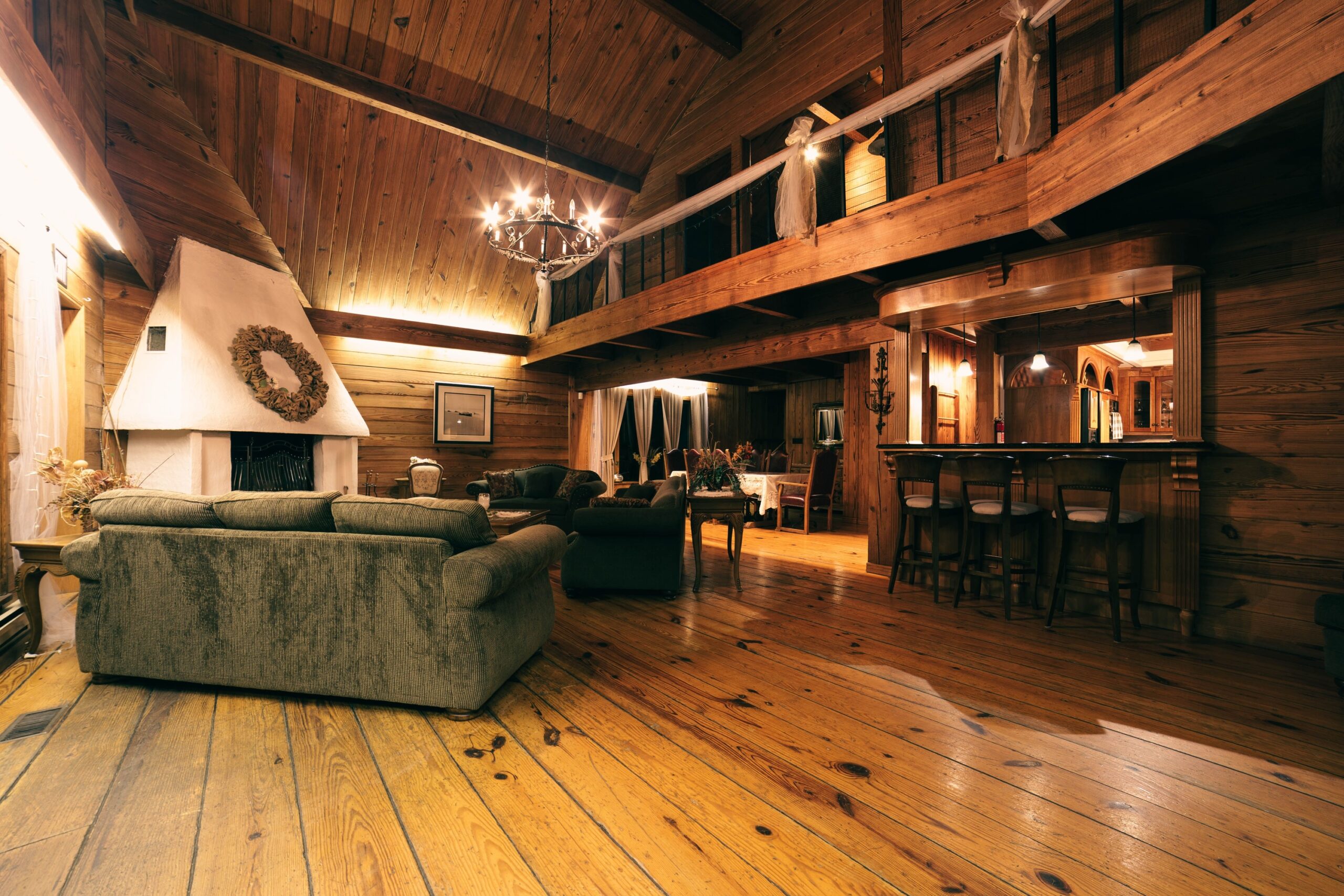

There’s something unmistakably grounding about walking into a great old state park lodge. The smell of timber, the weight of a stone fireplace, the way the furniture seems to belong right where it sits. For decades, that particular aesthetic sat quietly in the background while minimalism and glass-and-gray interiors dominated design conversations. Now, the tide has shifted, and the vintage lodge look is back with a genuine force behind it.
What’s driving this isn’t just nostalgia. It’s a broader cultural lean toward warmth, authenticity, and spaces that feel genuinely lived in. Designers, homeowners, and hospitality brands are all paying attention.
Why the Lodge Look Is Back Now
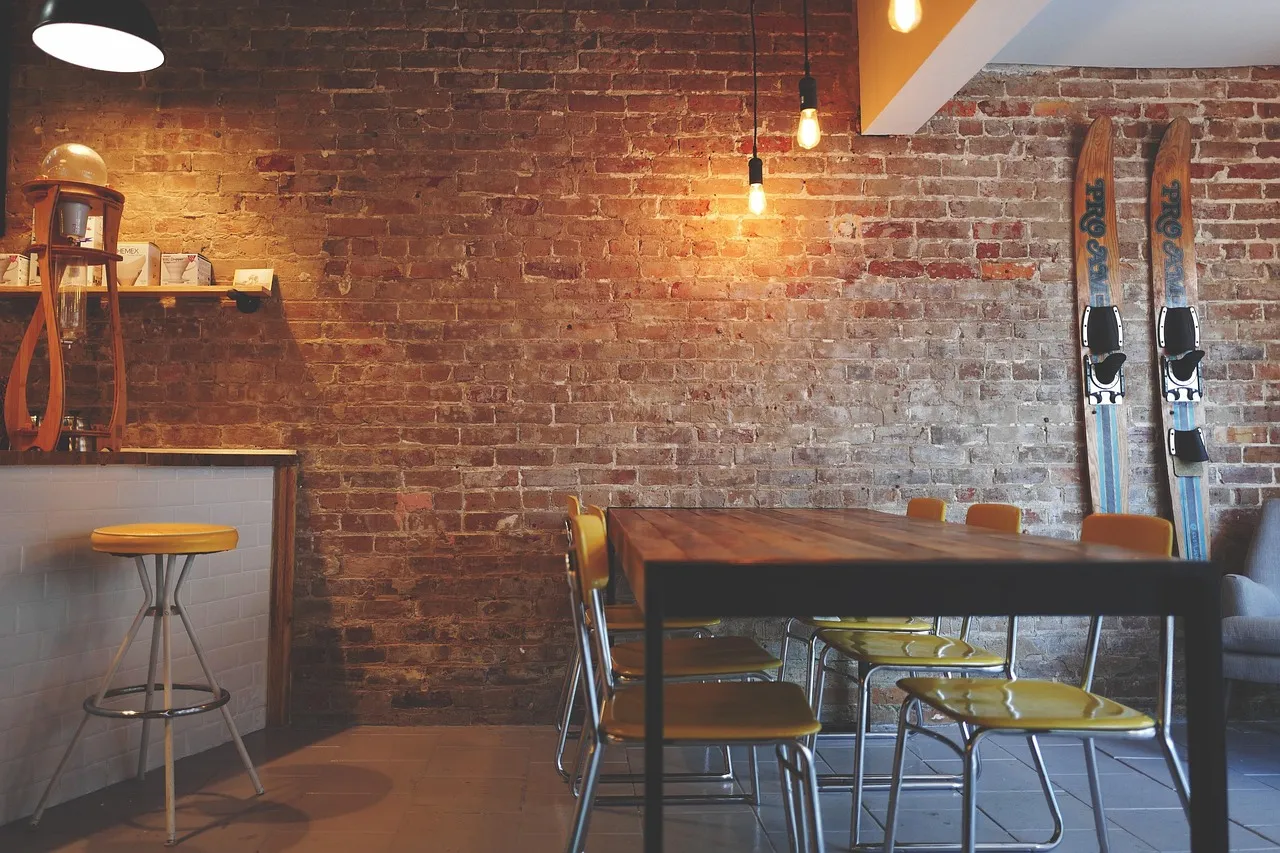
In 2024, rustic interiors emerged as a counterbalance to glass-and-gray minimalism, trading sterile surfaces for texture, patina, and authenticity. That shift didn’t happen overnight. It built quietly over several years, gaining momentum as people grew tired of interiors that prioritized appearance over comfort.
The interior design landscape for 2026 feels quieter and warmer than in recent years. Rather than chasing what’s new, designers are doubling down on what lasts, creating homes rooted in comfort, craftsmanship, and personal meaning.
Zillow’s 2025 Trend Report found that mentions of the word “nostalgia” appeared fourteen percent more often than in 2023, and use of the word “vintage” were up nine percent. That’s a measurable cultural signal, not simply a design talking point.
The Deep Roots of State Park Lodge Design
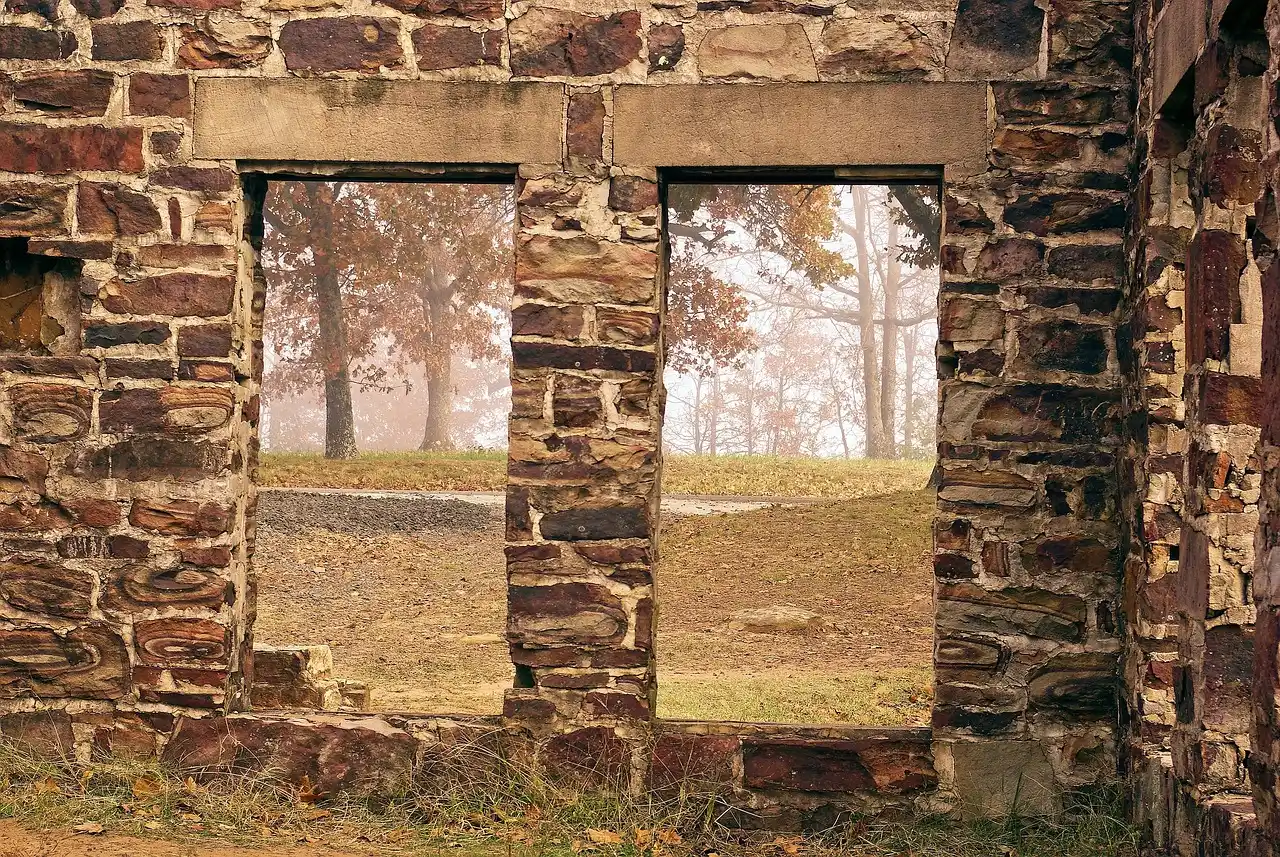
The classic American state park lodge has a design language that goes back nearly a century. The State Game Lodge in Custer State Park, South Dakota, is a gracious native stone and wood lodge established in 1920 and listed on the National Register of Historic Places. It’s the kind of structure that defined the style long before anyone called it a trend.
Punderson State Park’s Manor Lodge has a comfortable, homey feel, owing in part to its origins: in the 1920s, Detroit millionaire Karl Long started construction on an English Tudor-style mansion along a natural kettle lake, but defaulted on the mortgage as the Great Depression took hold.
These buildings weren’t designed to impress. They were built to endure, to shelter, and to feel right in their landscape. That’s precisely the sensibility that contemporary designers are now reaching back toward.
Reclaimed Wood as the Foundation
Wood held nearly half of the U.S. home decor market share in 2025, with sustainable and reclaimed wood variants growing at a compound annual growth rate of over ten percent, according to Mordor Intelligence. Those numbers reflect a genuine appetite, not a passing flicker of interest.
Reclaimed wood flooring adds something no new wood can replicate: density from slow old-growth timber growth and visible history in the grain. That’s what lodge interiors have always understood. The material itself tells a story.
Designers pivoted toward tactile finishes, including untreated wood, stone, and handmade textiles, bringing rustic into the spotlight. Open-plan mountain homes, boutique cabins, and high-end lodges now routinely feature exposed beams, handcrafted timber tables, and reclaimed log pieces that bear the marks of age and craftsmanship.
Stone Fireplaces as the Emotional Anchor
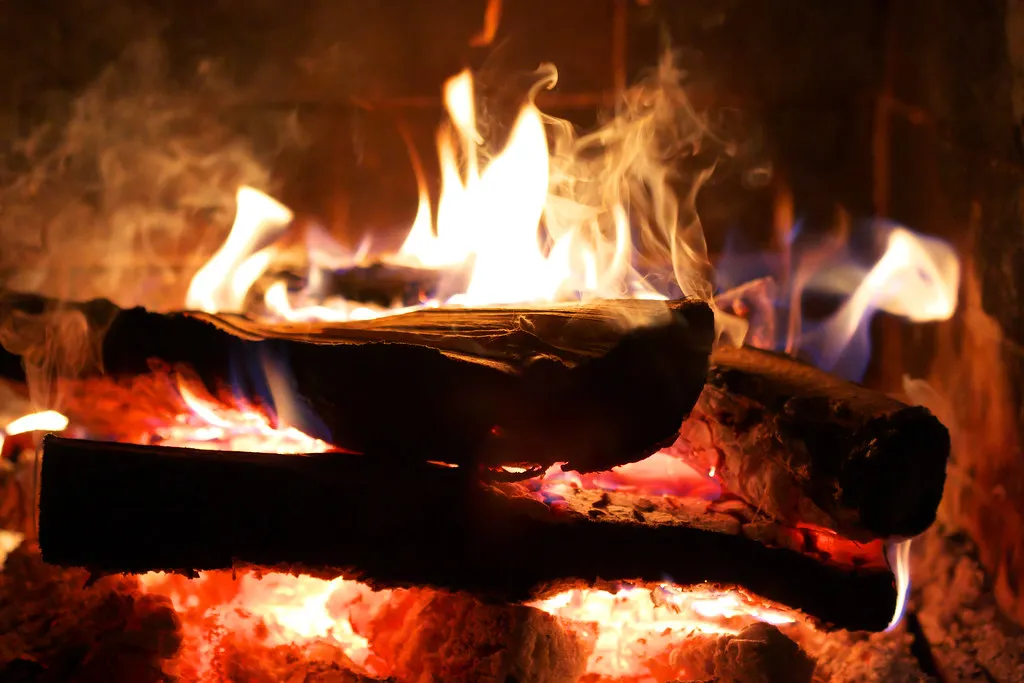
Few design elements carry more emotional weight than a stone fireplace. In lodge-style interiors, it’s rarely decorative. It’s structural, central, and defining. The rustic cabin living room succeeds when it has one structural anchor, whether a stone fireplace, exposed ceiling beams, or a raw-edge wood feature, and builds every other element around it.
Natural stone fireplace mantle surrounds with prominent texture are trending over highly polished surfaces. Rough-hewn limestone, split-face stone, tumbled marble, and natural cleft slate create tactile, dimensional surfaces that add depth and character.
There is a resurgence of modern and rustic combinations, specifically glass fireboxes within reclaimed wood or natural stone walls. The contrast adds visual interest and warmth. It’s a pairing that feels right at home in both a century-old lodge and a newly built mountain retreat.
The Palette: Earthy, Warm, and Deliberately Imperfect
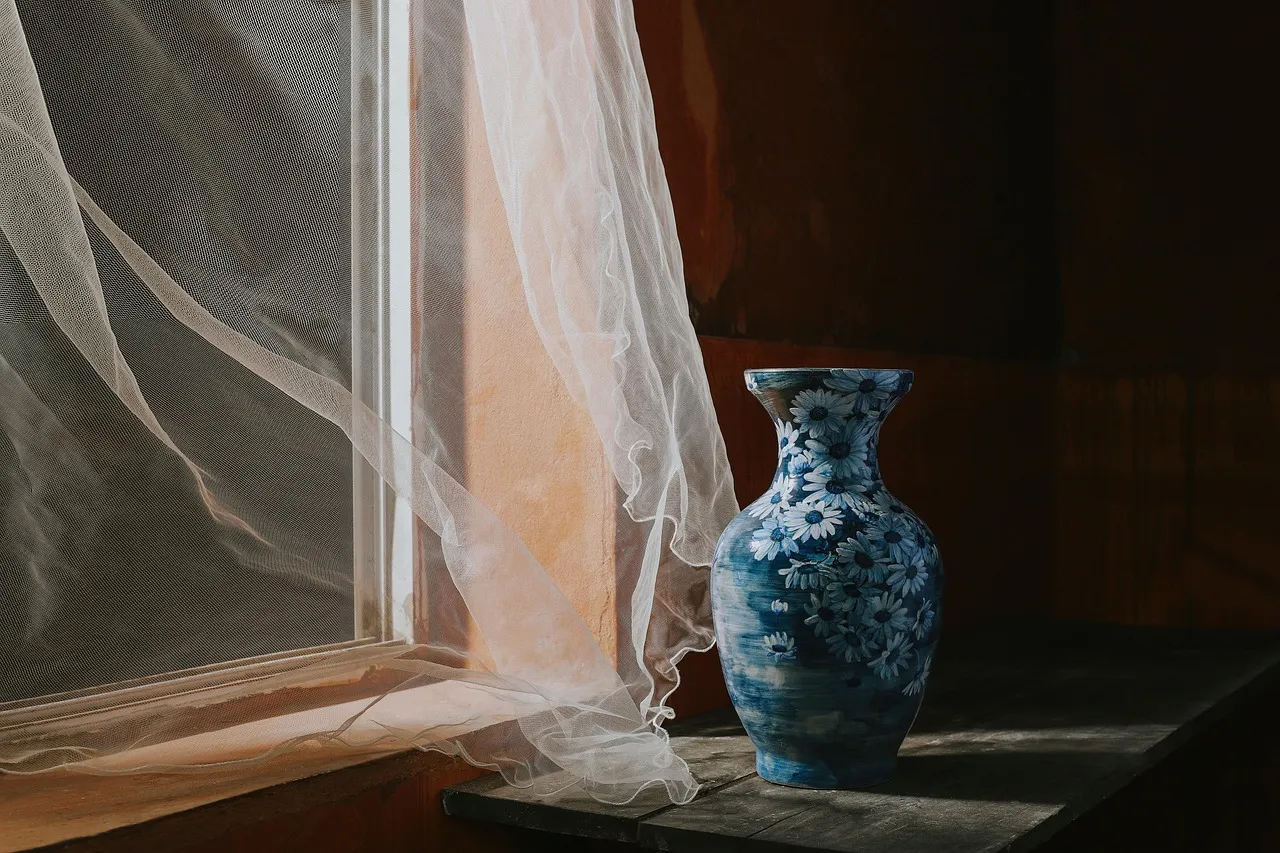
Earthy terracotta, warm clay, and rust tones are expected to dominate 2026 interiors. These colors bring warmth and sophistication without overwhelming smaller spaces. For vintage lodge interiors, this reads as a natural homecoming rather than a trend pivot.
The reign of cool grey is ending. 2026 embraces warmer neutrals: warm beiges, soft taupes, creamy whites, and gentle mushroom tones that create cozy, inviting atmospheres.
Earthy sustainable palettes dominate 2026, merging muted earth tones like sage greens, taupes, and terracotta with honeyed cedars from responsibly sourced woods for eco-conscious appeal. These tones are drawn directly from the forest and mountain environments that the lodge aesthetic has always called home.
Log Furniture: From Kitsch to Considered
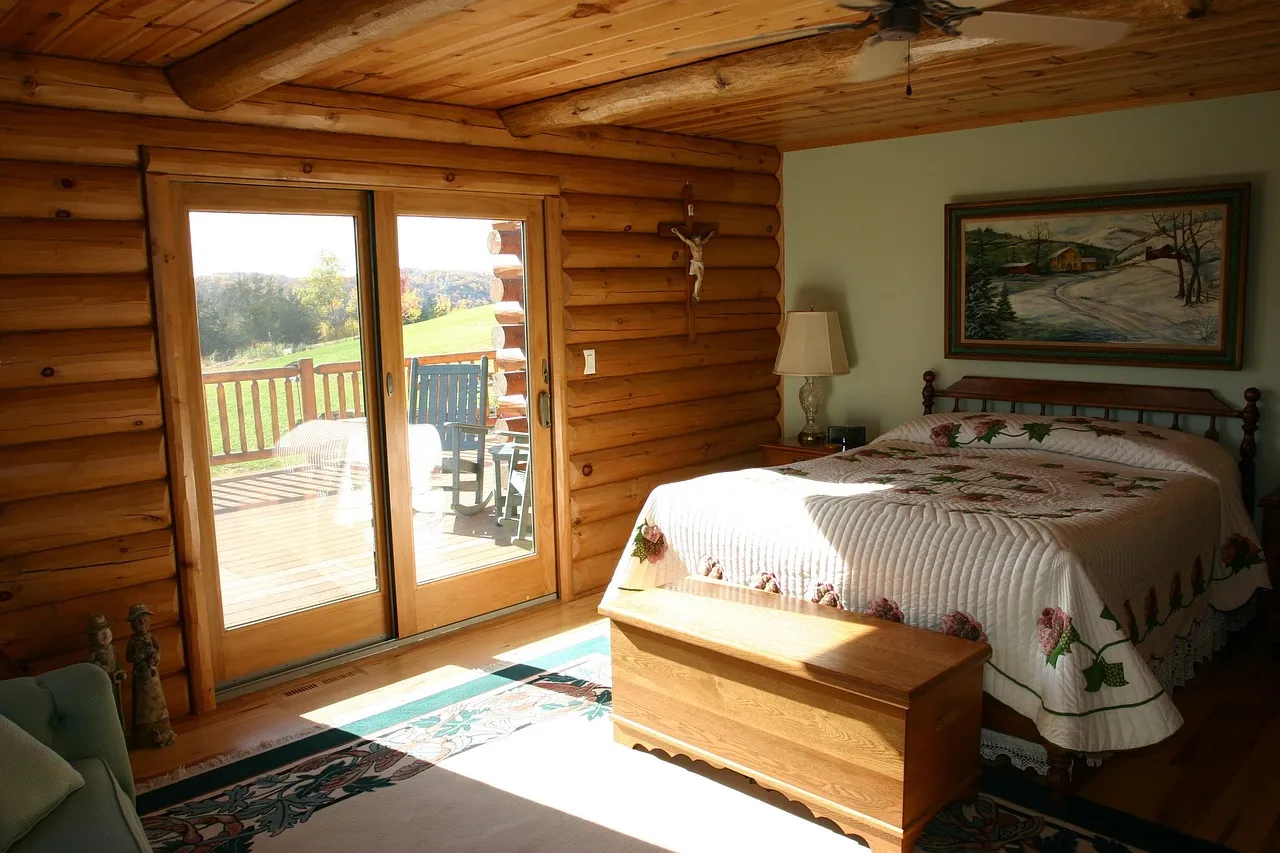
Log furniture had a complicated reputation for a while. The style veered into novelty territory during the 1990s and early 2000s, and it took time to recover its credibility. This renewed embrace of rustic décor doesn’t aim to replicate the past but to reinterpret it. Designers are combining vintage lodge aesthetics with modern silhouettes, earthy tones with strategic lighting, and raw timber with contemporary accents.
Vintage log furniture aligns naturally with this preference. Its raw edges and visible grain echo the imperfect beauty of nature. When paired with other materials, such as wool throws, linen drapery, and leather upholstery, the effect is cohesive.
The key shift is intentionality. Today’s lodge-inspired furniture is chosen with care, placed with purpose, and selected for what it contributes to the room’s overall feeling rather than simply for how rustic it looks.
Exposed Beams and High Ceilings: Structural Honesty
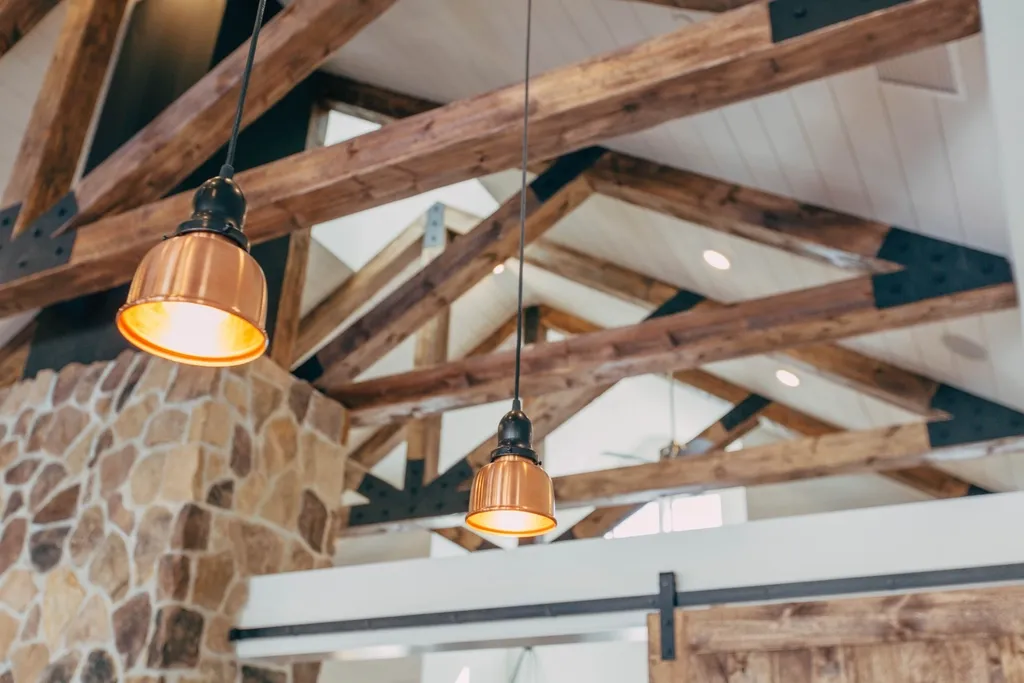
Exposed wooden beams and the flat ceilings of a cross-laminated timber structure are defining elements. Where buildings are historic, this exposure of the original structure is part of a broader trend of nostalgia and history.
Additional design features that define this style include open shelving, massive stone fireplaces, wooden floors, high ceilings, cozy area rugs, and rough texture. Taken together, these elements create rooms that feel generous and grounded at the same time.
High ceilings in lodge interiors aren’t simply about creating drama. They’re about honest proportions that match the scale of the landscape outside. It’s architecture that acknowledges where it sits.
Lodge-Inspired Lighting: Layered and Warm
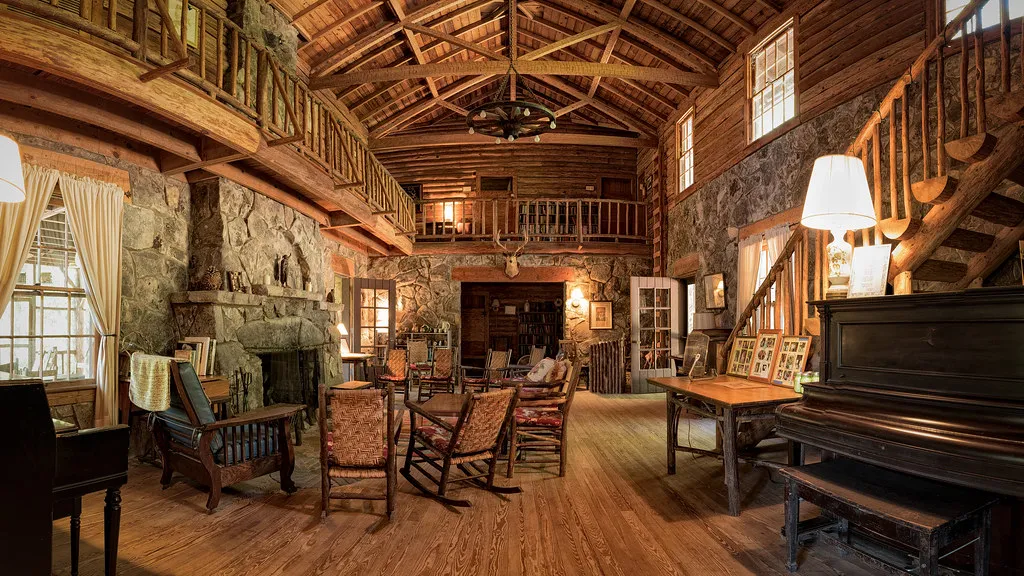
Lighting is where many lodge revival interiors either succeed or fall flat. Get it wrong and the whole effect collapses into a dark, heavy space. A sophisticated space requires three types of light, all on dimmers, to achieve a balanced aesthetic: ambient light from a central statement fixture, task lighting from pendant lights or under-cabinet LEDs, and accent lighting from wall sconces that highlight the texture of stone or reclaimed wood walls.
The perfect modern rustic fixture combines the raw, natural feel of the rustic base with the clean lines or finishes of contemporary style. Wrought iron in matte black or bronze provides a sleek, industrial contrast to the warmth of exposed wood beams and reclaimed wood.
The result, when done well, is a room that feels alive in the evening hours. Firelight, ambient glow, and carefully placed accent sources work together in a way that no single overhead fixture could ever achieve on its own.
Sustainability and the Lodge Ethic
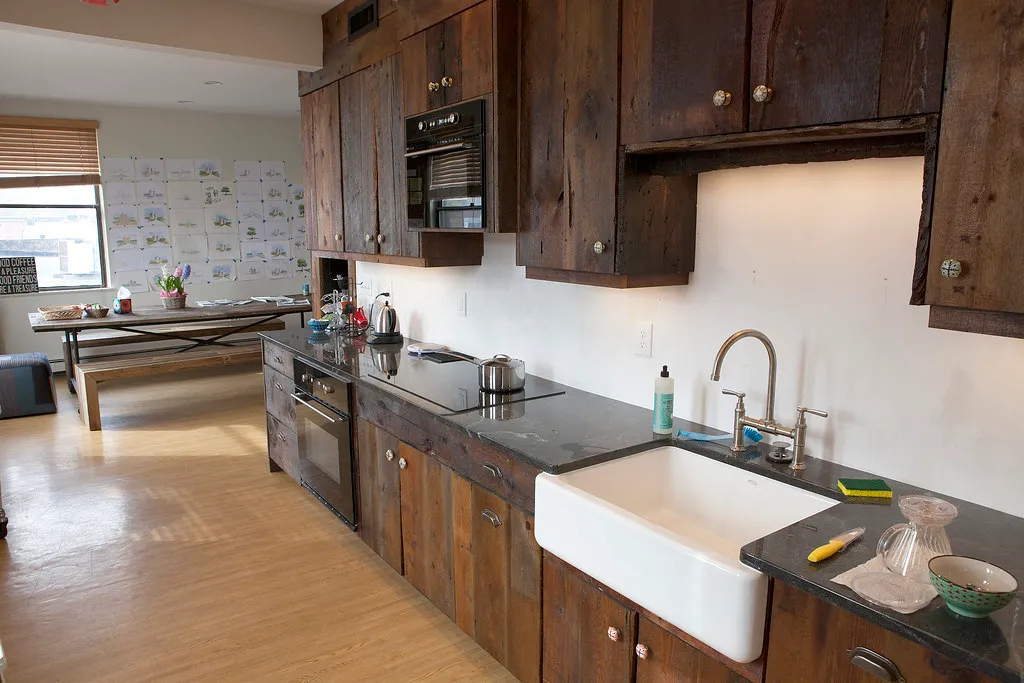
The rustic farmhouse decor sector surpassed eleven billion dollars globally in 2025, with projections indicating sustained expansion driven by demand for tactile elements like reclaimed timber, hand-peeled logs, and exposed wood grains. Much of that growth is tied directly to sustainability values.
Even fireplace surrounds are going green, using locally sourced stone, reclaimed wood, and recycled steel. These options reduce environmental impact while increasing aesthetic appeal. The vintage lodge aesthetic and responsible material sourcing turn out to be natural partners.
From embracing biophilic design principles to carefully selecting the perfect sculptural lighting fixture, every element in this style contributes to a feeling of enduring wellness and authenticity. For travelers and homeowners alike, that combination carries real meaning right now.
Bringing It Home: The Modern Lodge Interior
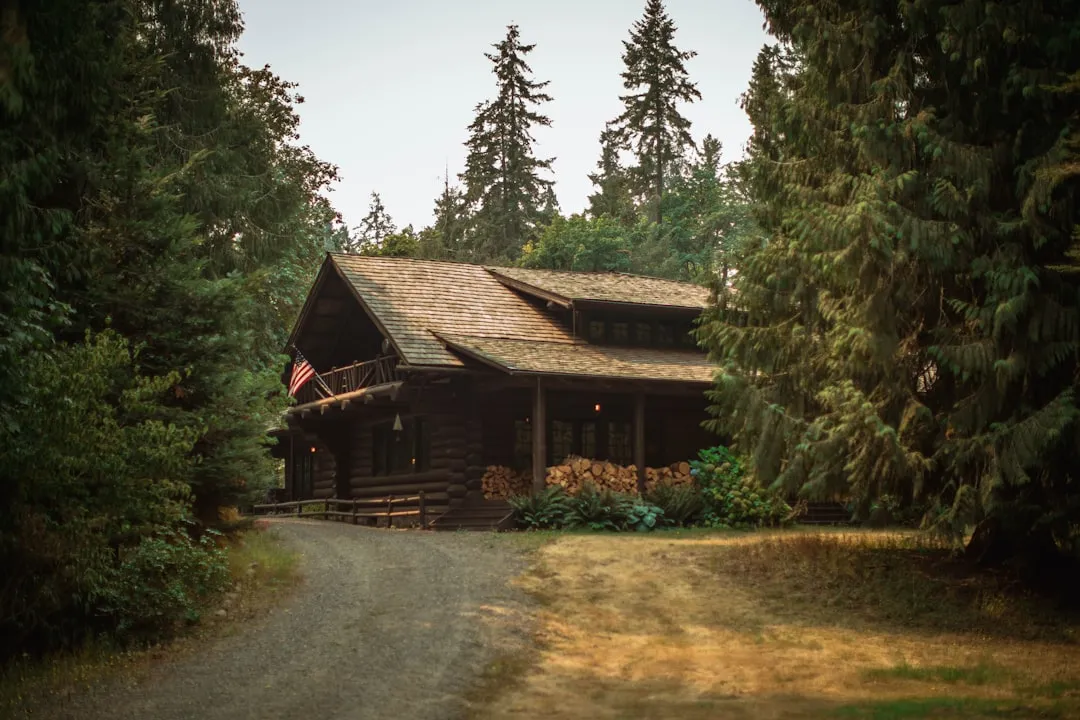
Rather than chasing what’s new, designers are doubling down on what lasts, creating homes rooted in comfort, craftsmanship, and personal meaning. This year’s defining trends reflect a collective shift from stark minimalism toward layered spaces, natural materials, and color palettes inspired by the world outside our windows.
A hallmark of rustic home design is its emphasis on authenticity and craftsmanship. You will often find exposed wooden beams, stacked stone fireplaces, and neutral color palettes that echo the outdoors. Handcrafted furniture and vintage decor pieces give each rustic home a unique personality.
The practical takeaway for anyone drawn to this aesthetic is straightforward: start with one structural anchor, build outward with honest materials, and resist the urge to over-style. The vintage state park lodge look has always worked best when it feels inevitable, as if the room simply grew that way.
The Takeaway
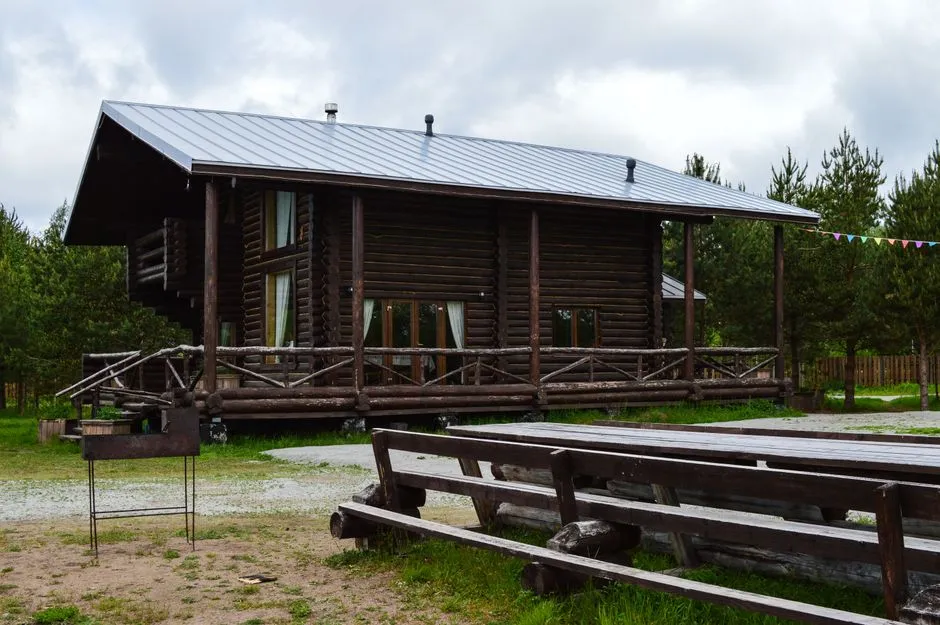
The vintage state park lodge aesthetic isn’t staging a trendy revival so much as it’s reclaiming its place as a design language that was always worth taking seriously. It offers warmth, material honesty, and a quiet connection to landscape that no amount of polished minimalism can manufacture. Interior design in 2026 is quieter, warmer, and far more intentional. From layered, lived-in spaces to earthy palettes and craftsmanship-driven details, these are the trends designers say are shaping how we live in our homes this year.
The great lodges of America’s state parks got something right from the very beginning. It just took the rest of the design world a little while to catch up.
AI Disclaimer: This article was created with the assistance of AI tools and reviewed by a human editor.