
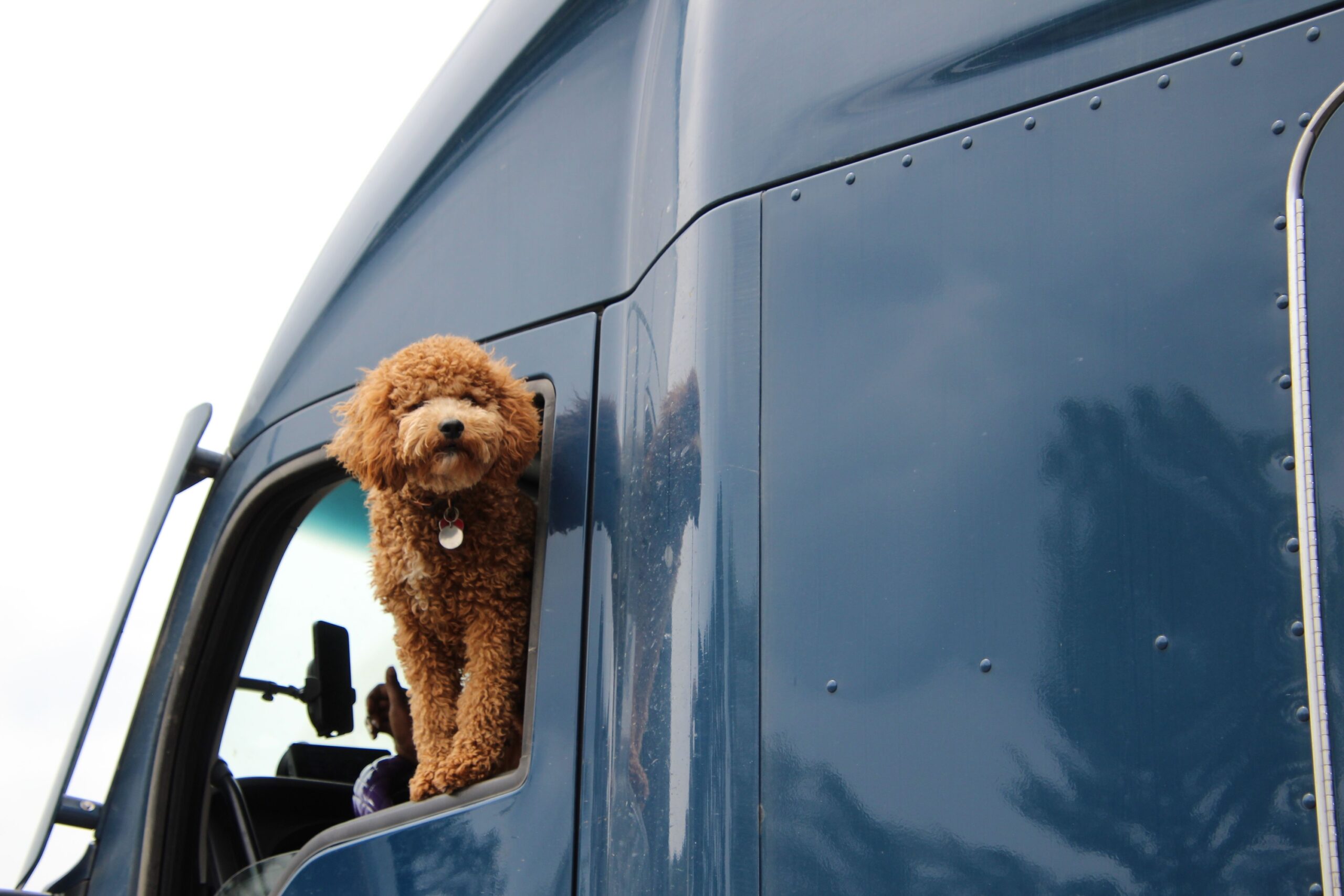

Why Long Drives Increase Your Dog’s Thirst
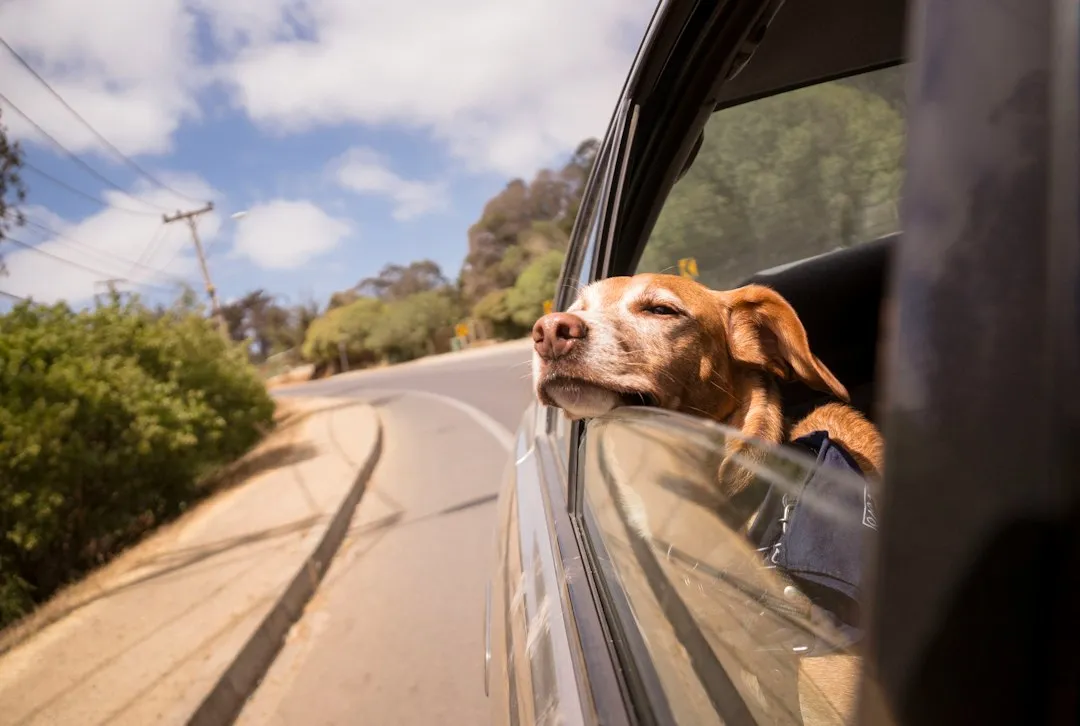
Road trips are a break from routine, and that disruption extends to your dog. Unfamiliar schedules, car air conditioning, and even the excitement of new sights can all increase water loss. The combination adds up faster than most owners expect, particularly on warm days when the cabin temperature climbs.
Long journeys, warm cars, excitement, and increased panting can all affect a dog’s water requirements. Panting is a dog’s primary way of cooling down, and every panting breath releases moisture. That moisture has to come from somewhere.
How Much Water Does a Dog Actually Need Each Day?
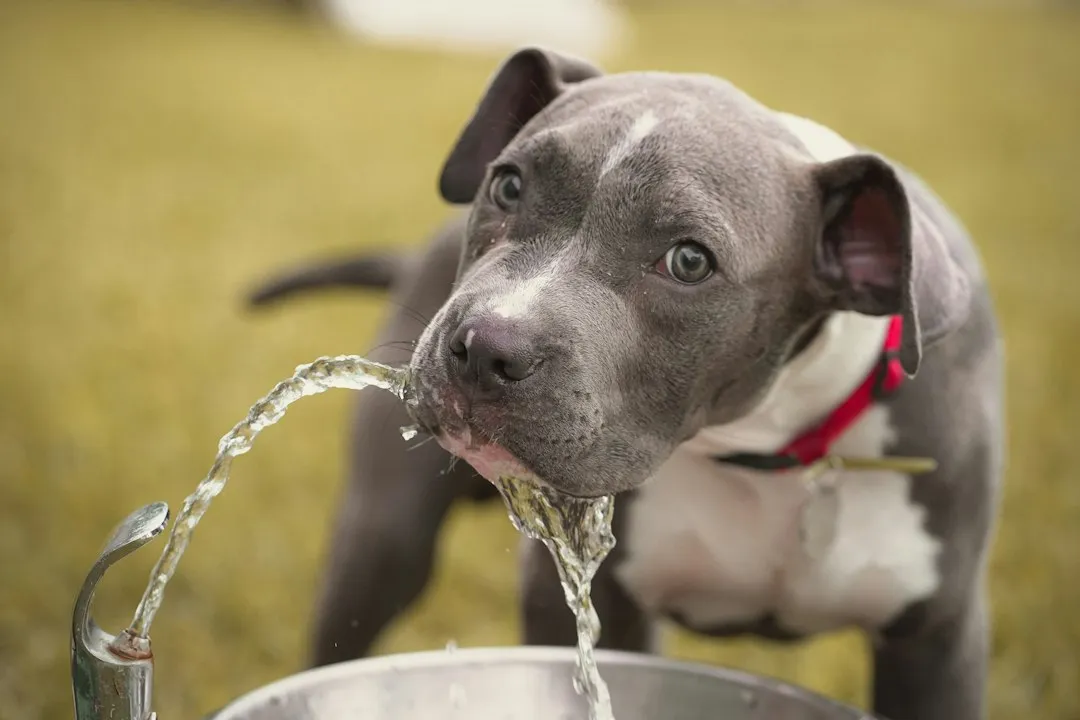
Dogs need about one ounce of water per pound of body weight each day, what PetSafe calls the 1-to-1 Ratio. So a forty-pound dog needs roughly forty ounces, or about five cups, across a full day. That baseline stays the same on the road, and may actually increase depending on conditions.
Certain factors can affect this estimate, as how much water a dog needs is highly variable depending on what demand is placed upon the pet. Heat, stress, and increased panting on a drive all push that number upward. Dogs eating wet food may drink less from their bowl because their food already contains significant moisture, while exercise and warm weather can increase water requirements further.
The Two-Hour Water Rule That Makes a Real Difference
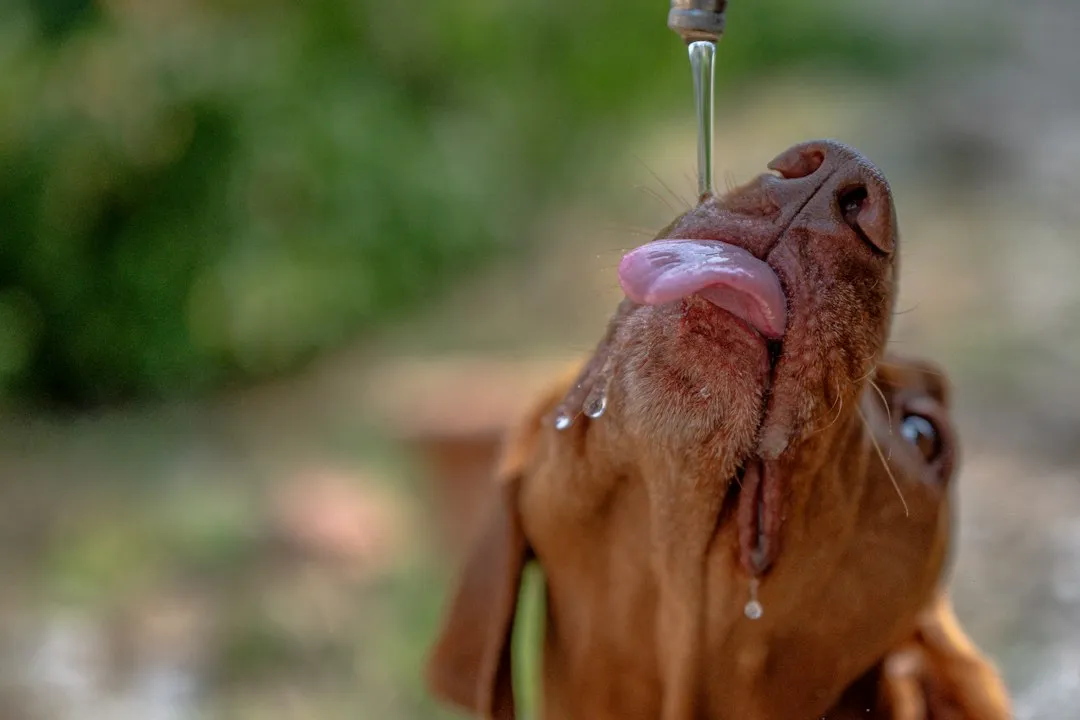
On average, many veterinarians agree that dogs need regular breaks for fifteen to thirty minutes every two to four hours during long road trips, and water should be offered every two hours. This isn’t a rough suggestion. It’s the central habit that prevents dehydration from quietly building throughout a drive.
Try to give your dog water every two hours, and get a travel water bowl so it’s easier to hydrate on the go. The two-hour interval is widely endorsed. The American Veterinary Medical Association suggests stopping roughly every two to three hours for a bathroom and exercise break.
Bring Water from Home, Not from the Road
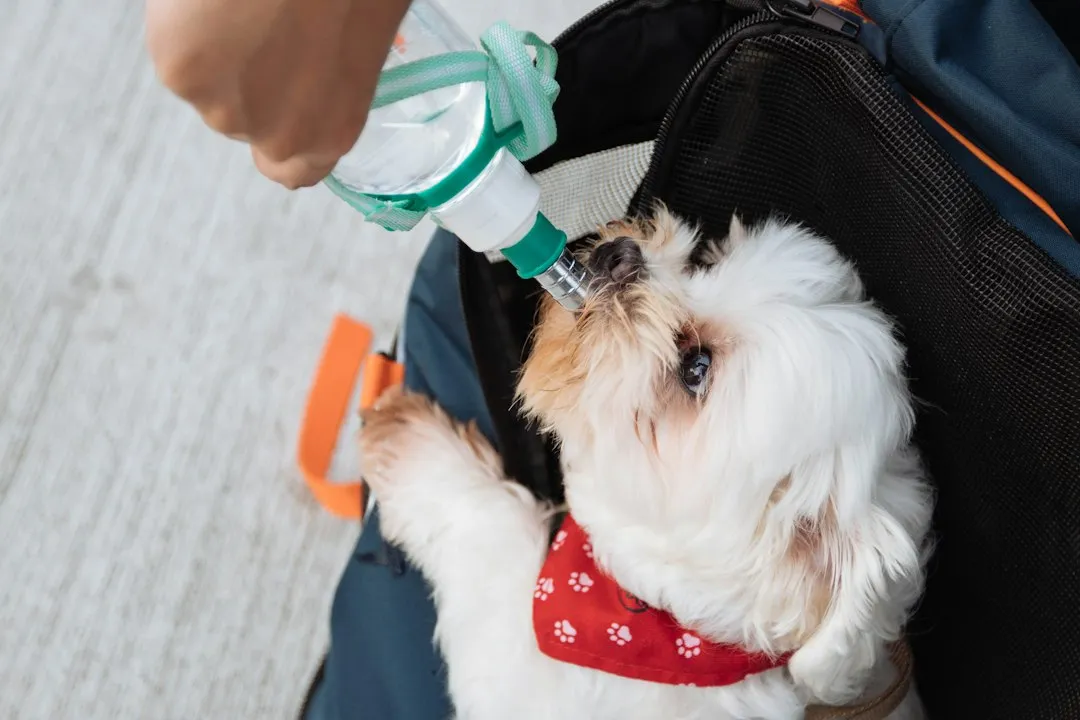
A change in water source, even going from hard water to soft water, can upset a dog’s digestive system and increase the risk of diarrhea, which can then cause dehydration and overheating. This is a commonly overlooked travel hazard. The water at a highway rest stop may look perfectly fine, but your dog’s gut doesn’t know that yet.
Take enough water from home or bottled water to last a day or two, and gradually integrate local water into the supply if the trip extends over multiple days. If you stick with bottled water, offer your pet the same brand throughout the trip to avoid stomach irritation.
Spot the Signs of Dehydration Before They Escalate
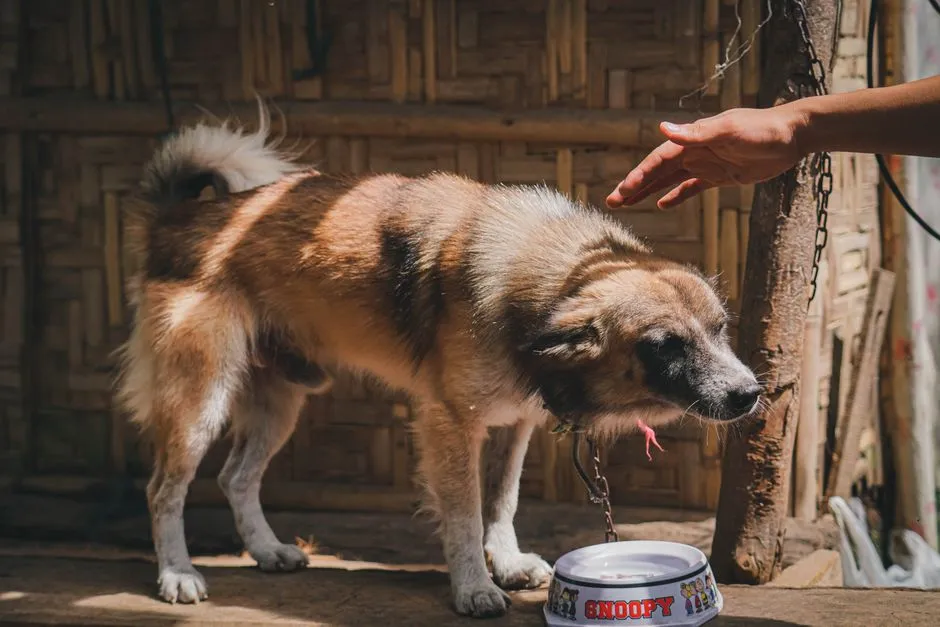
Early signs of dehydration include dry gums, lethargy, thick saliva, and skin that doesn’t spring back into place. These signs are easy to miss when you’re focused on the road. Checking in on your dog at every stop takes seconds and can catch a problem early.
Gently pinch the skin between your dog’s shoulder blades. It should snap back immediately. If it takes a second or two, or stays tented, that can be a sign of dehydration. On the more serious end, veterinarians consider five percent dehydration the point at which it becomes clinically detectable, and dogs with twelve to fifteen percent dehydration are at risk for shock and death.
Wet Food as a Hydration Supplement on the Road
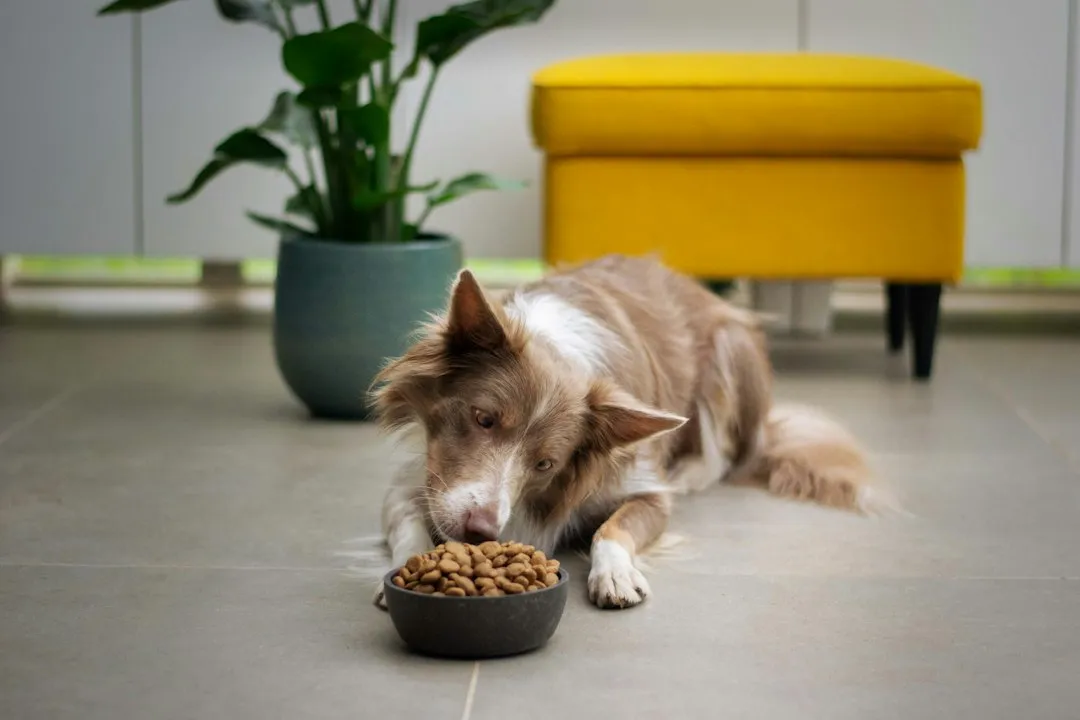
Try soaking the dog’s dry kibble in warm water, totally saturating the food to aid hydration and digestion. This is especially useful if your dog is hesitant to drink from an unfamiliar bowl or in an unfamiliar place. It delivers moisture without requiring your dog to cooperate fully with a water bowl.
Supplementing water intake with wet pet food is another option, as wet food typically contains seventy-five to seventy-eight percent moisture and can help pets get the hydration they need. Keep in mind that wet pet food should not be a substitute for fresh water. Think of it as a useful extra layer, not a replacement.
Avoid Large Drinks While the Car Is Moving
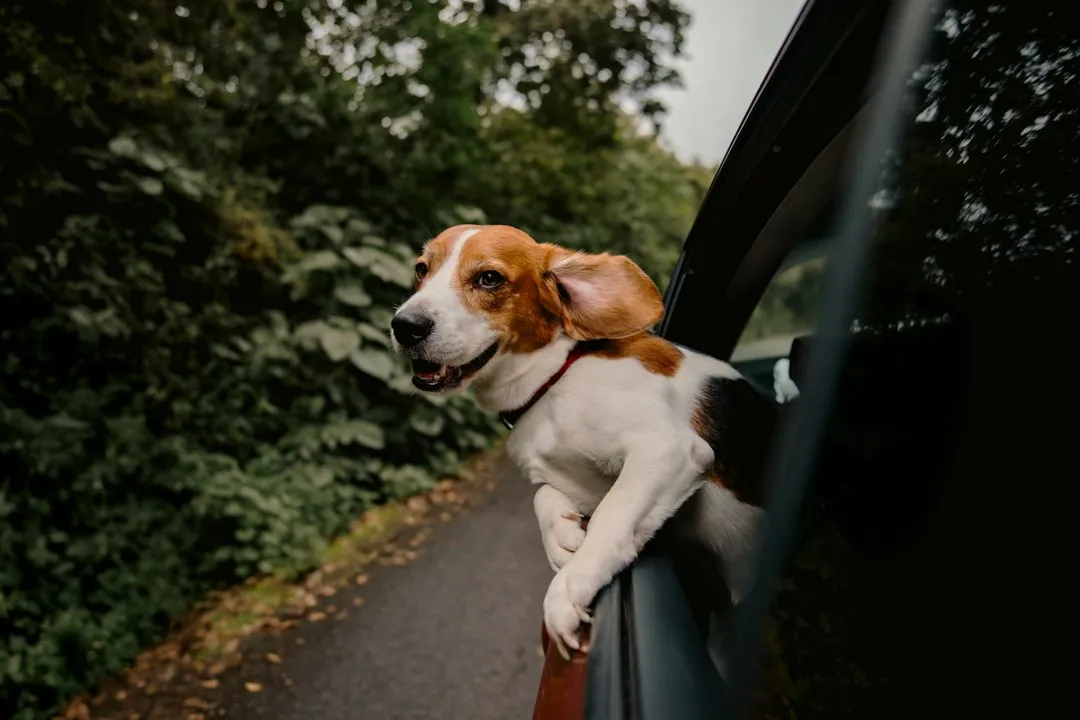
Many dogs can get carsick during a car trip if they drink a lot when in motion. To keep your pet hydrated, provide small sips and plan for water breaks. Stopping completely to offer water is safer for your dog’s comfort and tends to result in more effective drinking anyway.
Offering water in smaller doses, especially near mealtime, can help prevent motion sickness and nausea. If your dog is prone to an upset stomach in the car, keeping pre-trip meals light is also smart. A light meal a few hours before departure is best, and feeding right before the ride should be avoided, especially if your pet is prone to motion sickness.
Puppies, Seniors, and Small Breeds Need Extra Attention
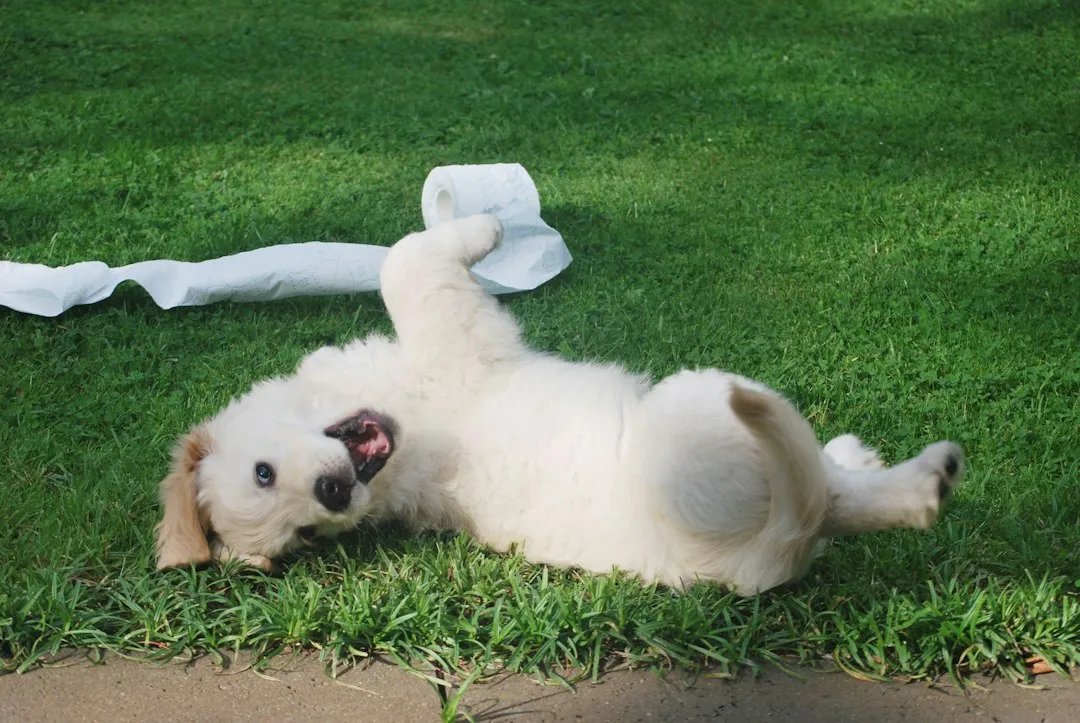
A puppy, a senior dog, or a small dog with a smaller bladder needs stops closer to every two hours, while a settled adult on a quiet highway can often stretch toward three. Age and size genuinely change the math here. What works for a healthy three-year-old Labrador won’t work for an elderly Dachshund or a twelve-week-old puppy.
Smaller breeds and puppies require more potty breaks than larger breeds and adults, and senior dogs may also need additional breaks. More frequent stops also mean more natural opportunities to offer water, which helps keep the hydration habit consistent without forcing the issue.
Use the Right Gear: Travel Bowls and Portable Bottles
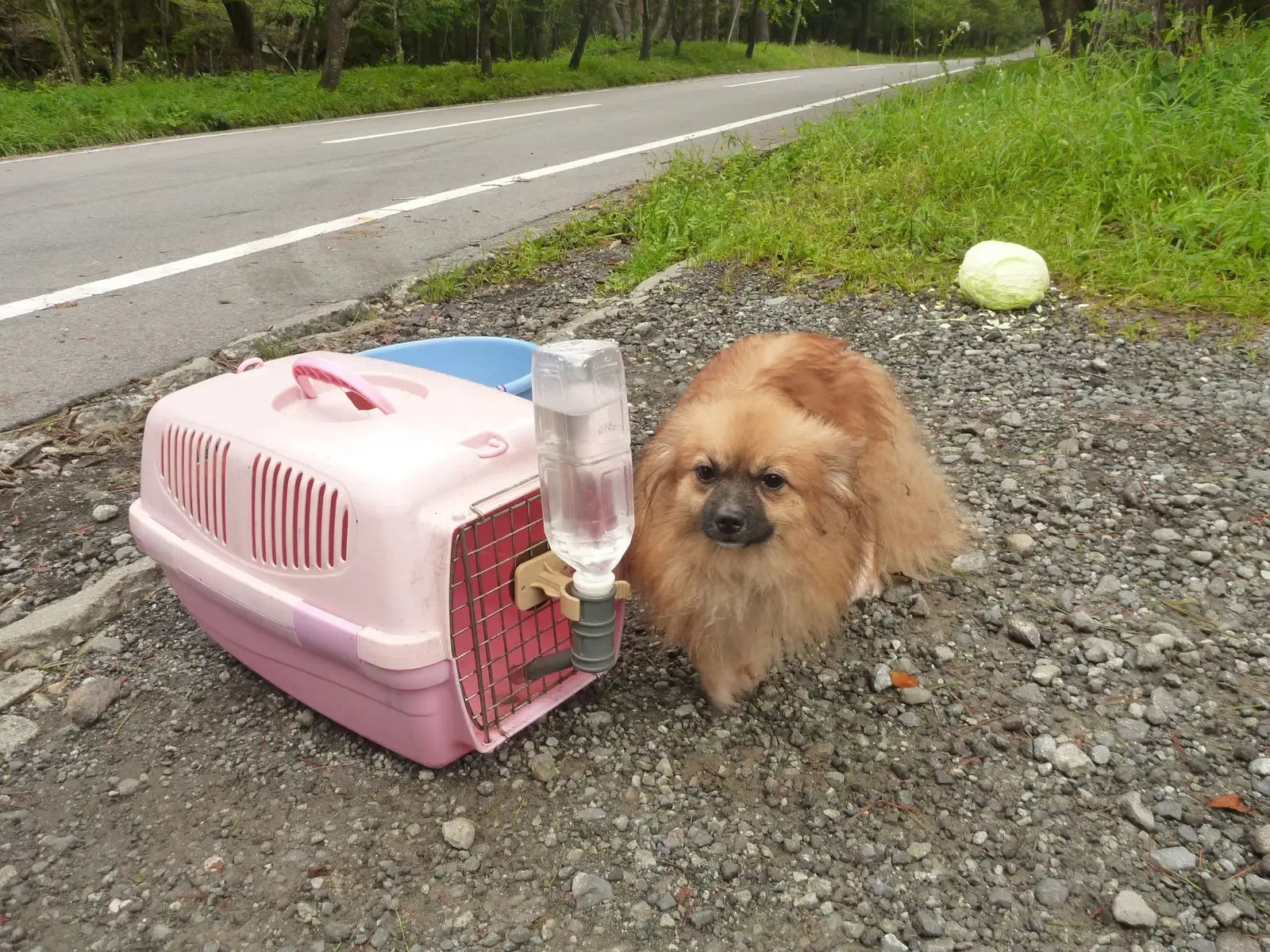
Portable water containers designed for dogs make it convenient to provide water and prevent dehydration during travel. The market for these has grown significantly, and options now range from simple collapsible silicone bowls to integrated bottle-and-bowl systems that work with one hand. Having gear that’s easy to use means you’ll actually use it at every stop.
Bringing an extra bottle or two of water for your dog and a portable bowl is always recommended. Whether you’re going for a long drive or a day at the park, having a clean water source readily available will help ensure your dog stays hydrated throughout the day. Keeping the bowl accessible rather than buried in the trunk removes friction from the habit entirely.
When to Call a Vet During or After the Trip
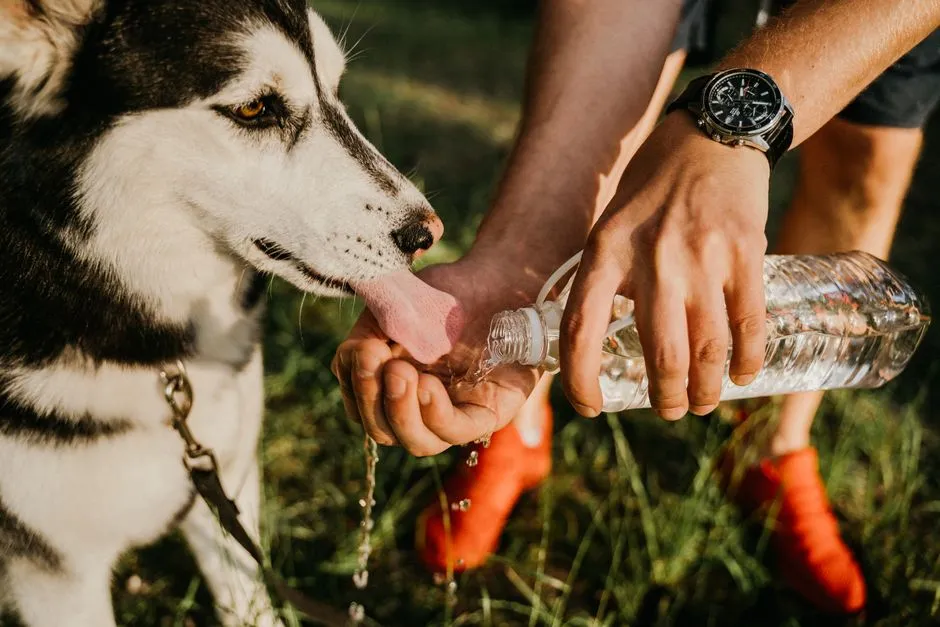
If you notice your dog has sticky gums, sunken eyes, skin that stays tented, thick ropy drool, pale gums, or other signs of dehydration, contact your veterinarian immediately. These are not symptoms to monitor from a distance. They are signals to act on.
Mild dehydration can usually be reversed at home by offering small, frequent amounts of water and switching to a wet-food meal. Moderate to severe dehydration cannot. It needs subcutaneous or intravenous fluids from a veterinary team. Catching the problem early, ideally before it becomes moderate, makes all the difference. Dehydration in dogs is a frequently underestimated emergency, and early fluid therapy significantly improves the prognosis.
The Takeaway
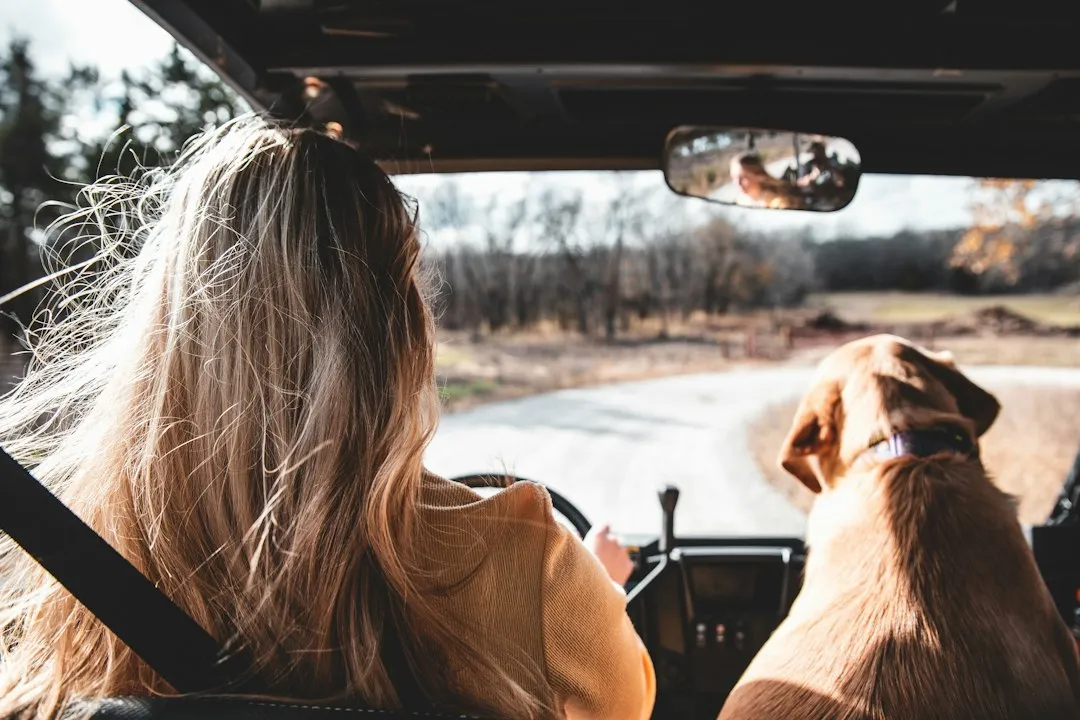
The water habit that keeps dogs hydrated on a long drive isn’t complicated. It’s consistent. Offer water every two hours at a proper stop, bring your own water from home, watch for early warning signs, and adjust for your dog’s age and size. Those four things, done reliably, make the difference between a dog that arrives tired and uncomfortable and one that steps out of the car ready for whatever comes next.
Road trips with dogs can be genuinely joyful experiences, and the dogs who handle them best are usually the ones whose owners treated hydration as a plan rather than an afterthought. A small cooler of familiar water, a portable bowl, and a two-hour rhythm might be the simplest travel preparation you make, and arguably the most important one.
AI Disclaimer: This article was created with the assistance of AI tools and reviewed by a human editor.