
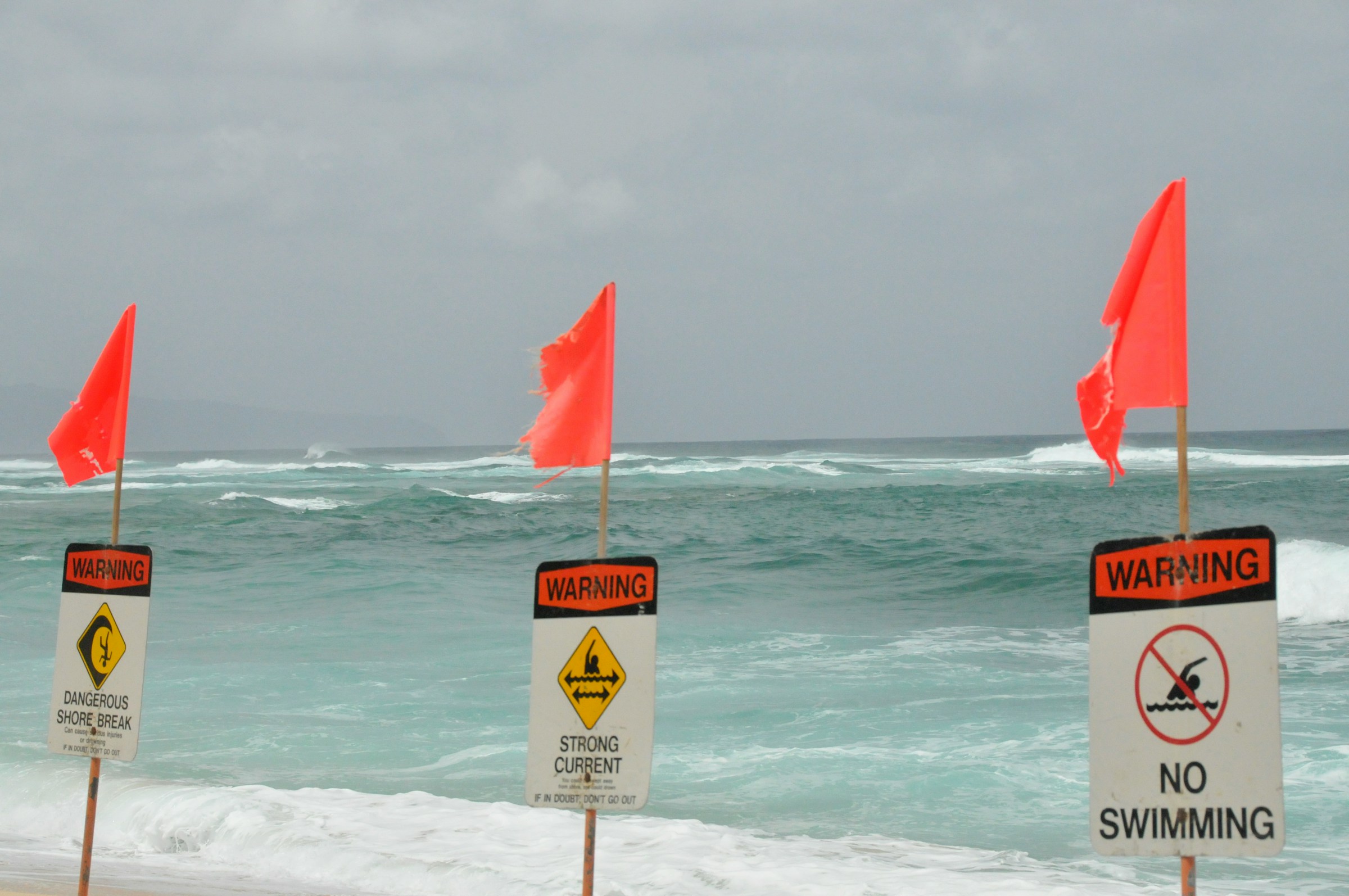

Every summer, beaches around the world fill with visitors chasing the pleasure of sun and sea. Most of them arrive with sunscreen, sandals, and a good mood. Very few arrive with a working knowledge of what the ocean can actually do to an unprepared swimmer.
Lifeguards see it constantly. Not recklessness exactly, but a quiet, confident unawareness that the water they’re wading into is a genuinely dynamic environment that doesn’t care how good a pool swimmer they are. The gap between what tourists assume and what the ocean demands is, more often than is comfortable to acknowledge, fatal.
Rip Currents Are the Number One Killer at the Beach
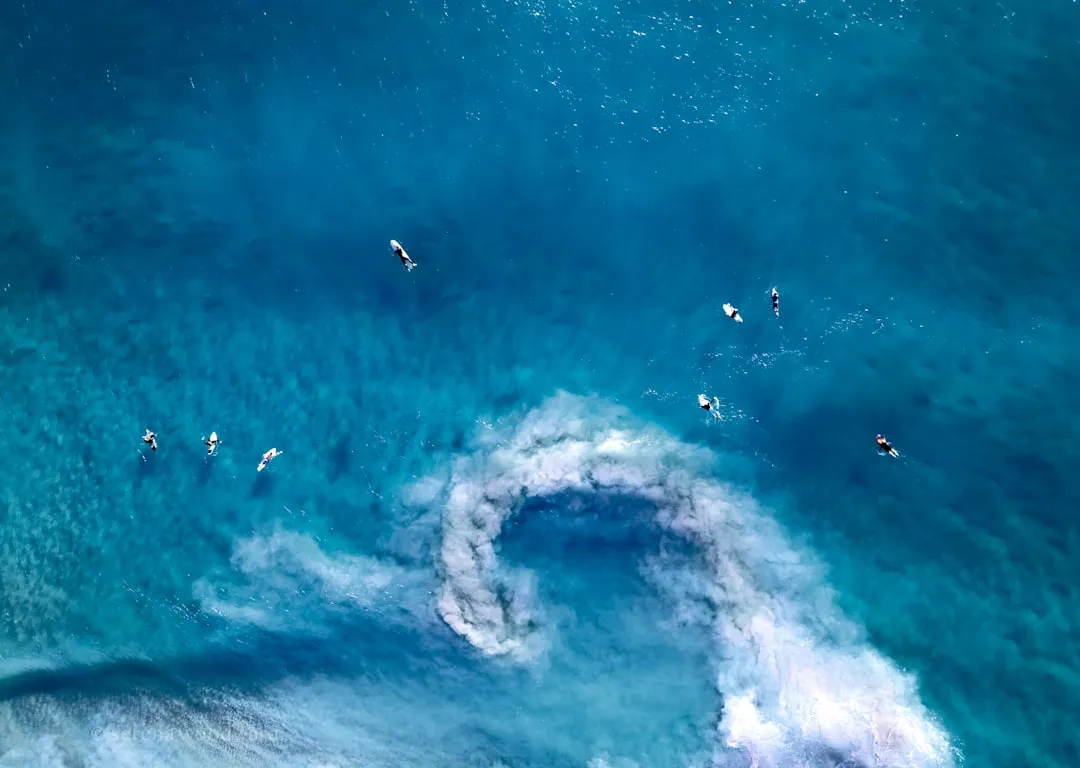
Rip currents are powerful, narrow channels of fast-moving water prevalent along the East, Gulf, and West coasts of the United States, as well as the shores of the Great Lakes, and they account for roughly 100 drowning deaths along U.S. beaches every single year, according to the U.S. Lifesaving Association. That number has stayed stubbornly consistent for years, despite advances in forecasting and public outreach.
Rip currents are the deadliest of surf-zone dangers, making up the majority of deaths among beach swimmers every year according to NOAA data, and since 2010, more than 800 people have died in rip current drownings in the U.S. The summer of 2024 made this painfully clear, when Florida alone saw a string of tragedies in rapid succession.
There were five rip current drownings in Panama City Beach and three others at different Florida beaches, totaling eight rip current deaths in a single week in June 2024. Many of those who died were tourists on vacation, unfamiliar with the specific coastline they were swimming in.
Fighting the Current Is What Gets People Killed
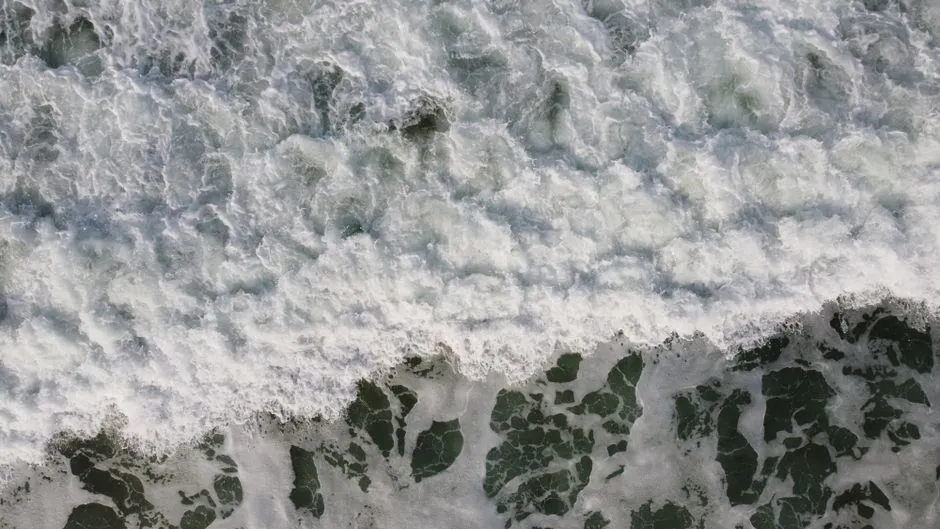
The instinct when something pulls you away from shore is to swim back toward shore. Hard. Fast. This is exactly the wrong response, and lifeguards will tell you it’s what exhausts swimmers to the point of sinking before help can arrive.
In July 2025, actor Malcolm-Jamal Warner drowned after being caught in a rip current in Costa Rica. He was an experienced swimmer, but even strong swimmers are no match for the sea if they panic or fight the current. Experts advise to “float first, then swim parallel to shore.”
If you come into contact with a strong rip current and feel confident in your ability to swim, swim parallel and gently toward the shore. Do not attempt to swim directly inward, as you will be pulled further out. If you’re not confident in your ability, raise your hand and call for help from a lifeguard or nearby beachgoers.
Beach Warning Flags Are Not Decoration
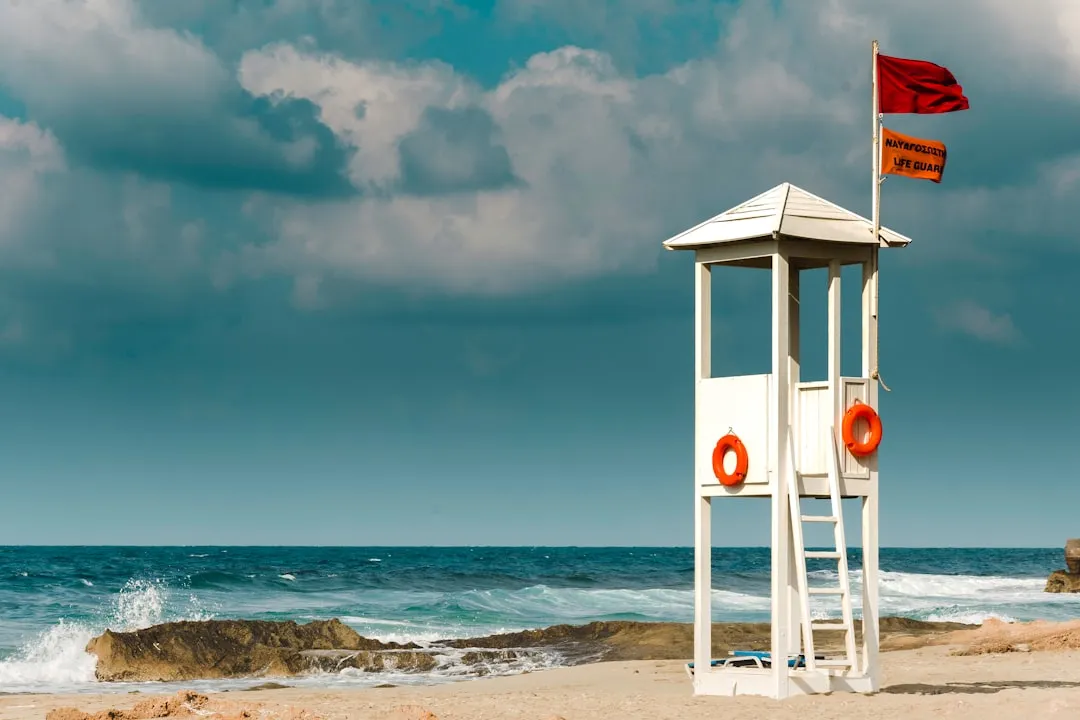
One of the most commonly ignored pieces of safety infrastructure at any beach is the colored flag system. Tourists photograph them, walk past them, and occasionally pose in front of them. Very few actually stop to understand what those flags are communicating.
For decades, lifeguard agencies in the U.S. and around the world have employed flags to notify swimmers of conditions, warn of hazards, and identify safer areas for swimming. To help ensure global consistency, in 2004 the International Life Saving Federation developed international guidelines for warning flags, which have been adopted in part by the International Standards Organization and are endorsed by the United States Lifesaving Association.
A red flag indicates that the surf is extremely dangerous, possibly due to big waves, strong rip currents, or other hazardous conditions. You should not enter the ocean in red flag conditions unless you are a very strong swimmer. Critically, the absence of red flags does not assure safe conditions. Lifeguards recommend always asking a guard directly if you’re uncertain what the flags mean for that specific beach on that specific day.
Swimming Near a Lifeguard Tower Dramatically Increases Survival Odds
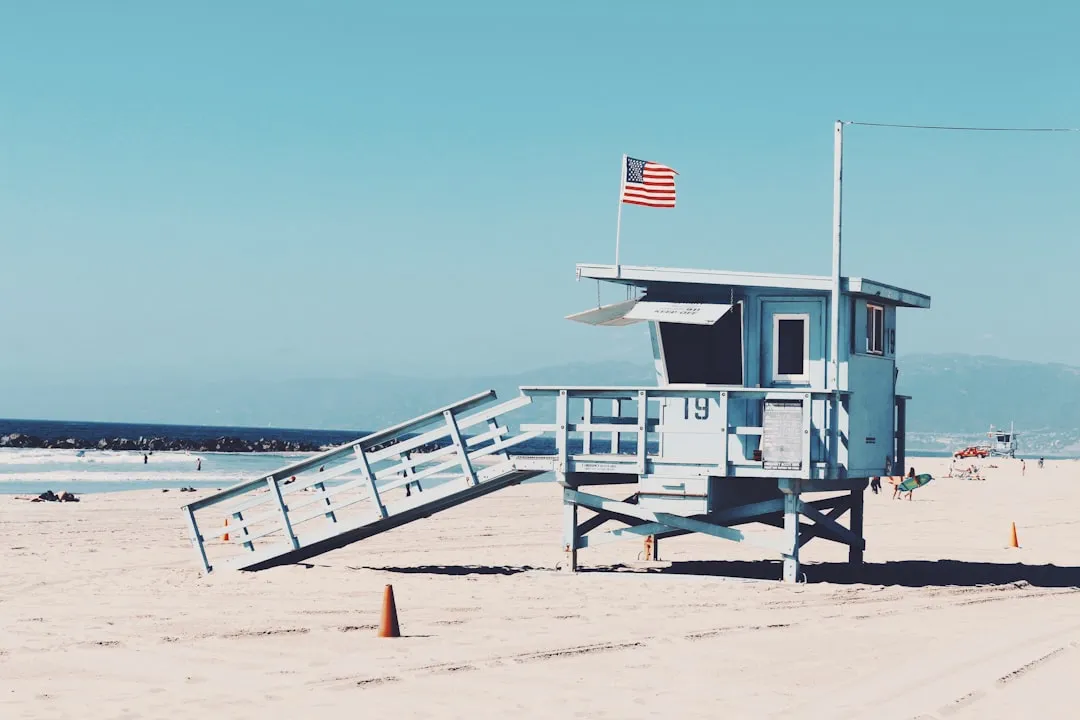
There’s a statistic that tends to stop people mid-sentence when they hear it for the first time. According to Wyatt Werneth, public service spokesperson for the American Lifeguard Association, your chances of drowning in front of a lifeguard are one in 18 million. Those are about as reassuring as odds get in any outdoor activity.
Most rip current rescues happen outside the guarded areas simply because there is no one there to prevent an incident from escalating. Tourists tend to spread out along a beach, seeking quieter patches of sand. The problem is that a quiet patch of sand often means no lifeguard tower nearby.
If at all possible, always swim, surf, and board at lifeguarded beaches, near the lifeguard post, in the designated area. It’s a straightforward rule with an enormous impact on outcomes.
Cold Water Shock Can Kill Even Confident Swimmers
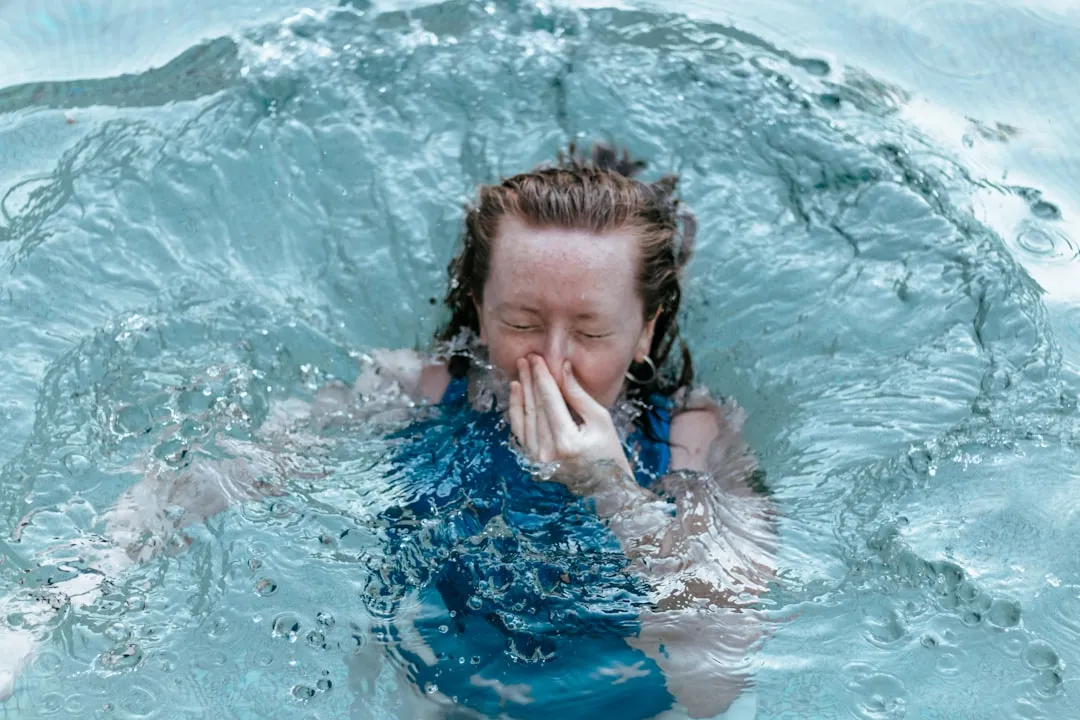
Warm air temperatures create a false sense of security about what the water itself actually feels like. Many tourists on a warm spring or early summer day walk straight into water that is still dangerously cold, with no awareness of what that cold can do to a body in seconds.
Although air temperatures are rising, open water temperatures remain dangerously cold. Many inland waters such as lakes and rivers remain below 16°C all year round, which is when water is considered hazardous for cold water shock. Cold water shock is the body’s response to sudden immersion in cold water, leading to an involuntary gasp, rapid breathing, and loss of swimming ability, which can result in drowning.
Cold water shock causes the blood vessels in the skin to close, which increases the resistance of blood flow and raises the heart rate. As a result, the heart has to work harder and blood pressure rises. Cold water shock can therefore cause heart attacks, even in the relatively young and healthy. The initial effects of cold water pass in less than a minute, so the key advice is not to try to swim straight away but to relax and float to live, then call for help or swim to safety if able.
Tourists Face Specific and Distinct Risks That Locals Don’t
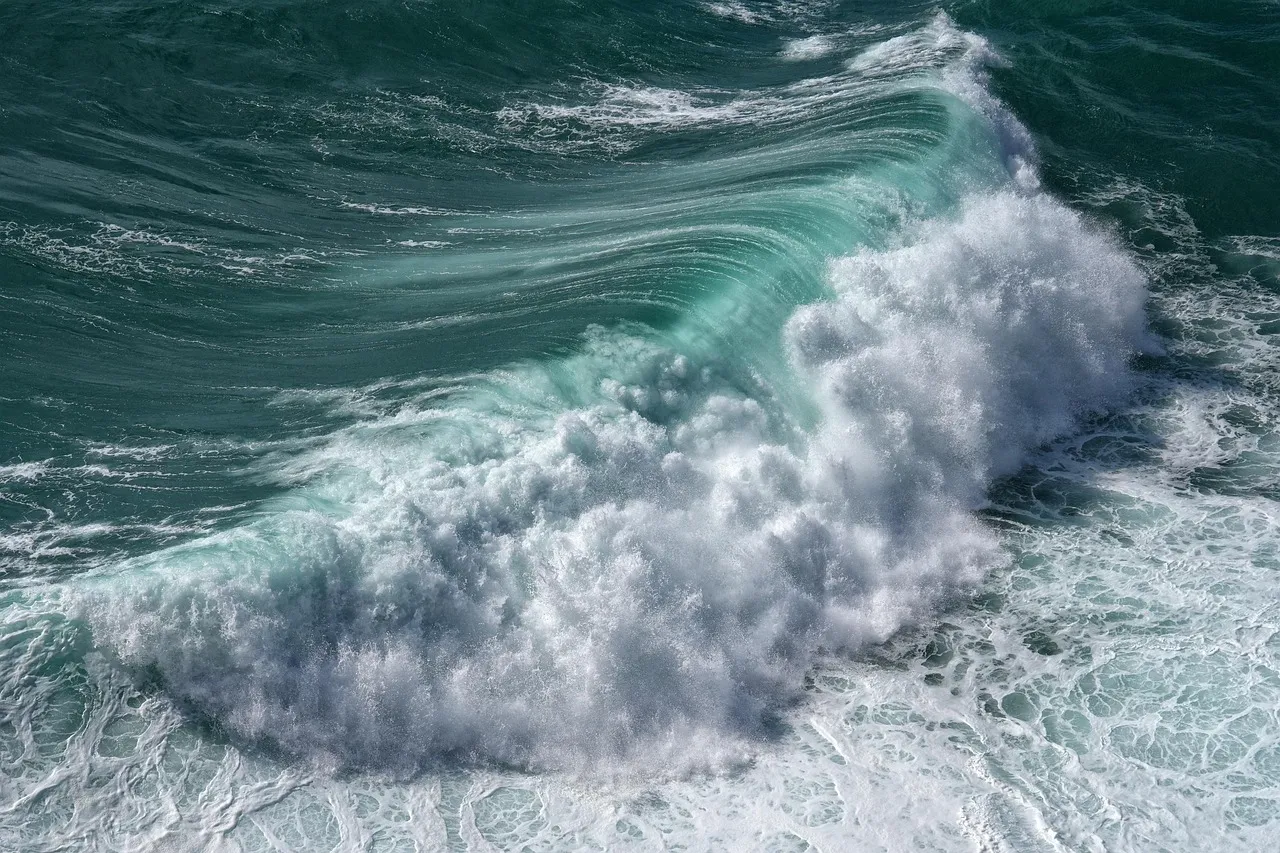
It would be easy to assume drowning is an equal-opportunity hazard. Research shows it isn’t. Visitors carry a layered set of risk factors that residents simply don’t have: unfamiliarity with local currents, no knowledge of where sandbars or sudden drop-offs sit, and often, a language barrier that makes posted warnings invisible.
Tourists on open water often lack general knowledge of local currents, tides, or dangerous undertows. Depending on the location, there may also be a language barrier between swimmers and their would-be rescuers, which can make a perilous situation even worse due to a lack of safety briefings and an inability to read posted warnings.
The dangers of the coastal environment, including rip currents, cause an average of 122 coastal drownings every year in Australia, and almost half of all coastal drowning deaths are associated with beachgoers born outside the country. This pattern holds across many high-tourism coastlines globally. Being a visitor in unfamiliar water is itself a measurable risk factor.
Never Attempt a Rescue Without Something That Floats
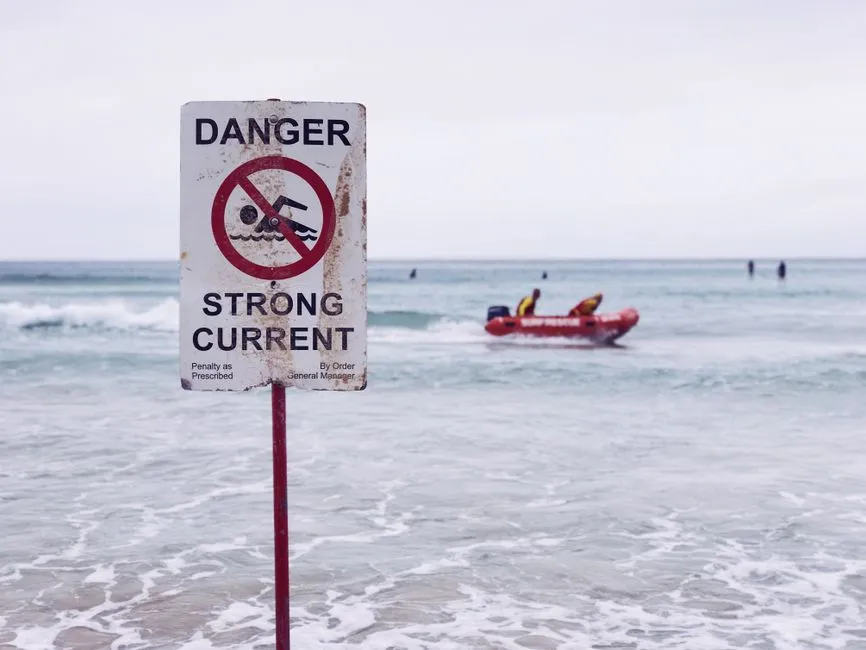
When someone sees a person struggling in the water, the immediate impulse is to jump in and swim out to them. It is an act of genuine courage. It also gets rescuers killed with alarming regularity.
It can be dangerous to try to rescue someone caught in a rip current, because often the people trying to perform the rescue can get into trouble themselves. A panicked drowning person can pull a rescuer underwater through sheer involuntary force.
To help someone caught in a rip current, first call emergency services for assistance, then seek help from a lifeguard. If a lifeguard is not present, yell instructions on how to escape or throw the victim something that floats. A boogie board, a cooler, a life ring, or even an inflated float toy can keep someone alive long enough for trained help to arrive.
Alcohol and Open Water Is a Consistently Deadly Combination
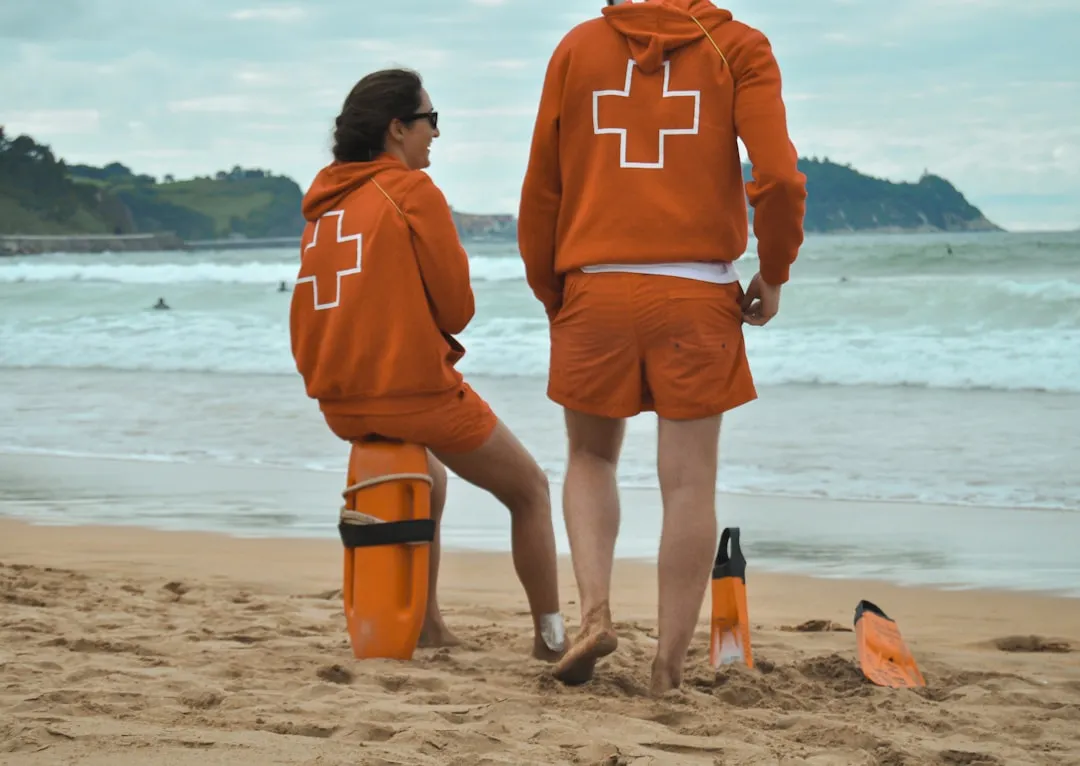
Vacation culture and alcohol have always been closely linked. At the beach, that combination creates a risk that lifeguards consider one of their most predictable sources of tragedy. Impaired judgment, reduced physical coordination, and overconfidence in swimming ability are all direct consequences of drinking before or during water activities.
Drinking and vacations often go hand in hand, but drinking and swimming should never be mixed. Being under the influence can impair a person’s judgment, and many tourists engage in high-risk activities like jet-skiing or cliff jumping. When combined with alcohol, these already hazardous activities become even more unsafe.
This is not a nuanced risk. Alcohol directly reduces the body’s response time, degrades the ability to assess distance and depth, and can suppress the body’s natural panic response to being submerged, which is one of the mechanisms that triggers a person to fight for the surface.
Drowning Doesn’t Look Like Drowning
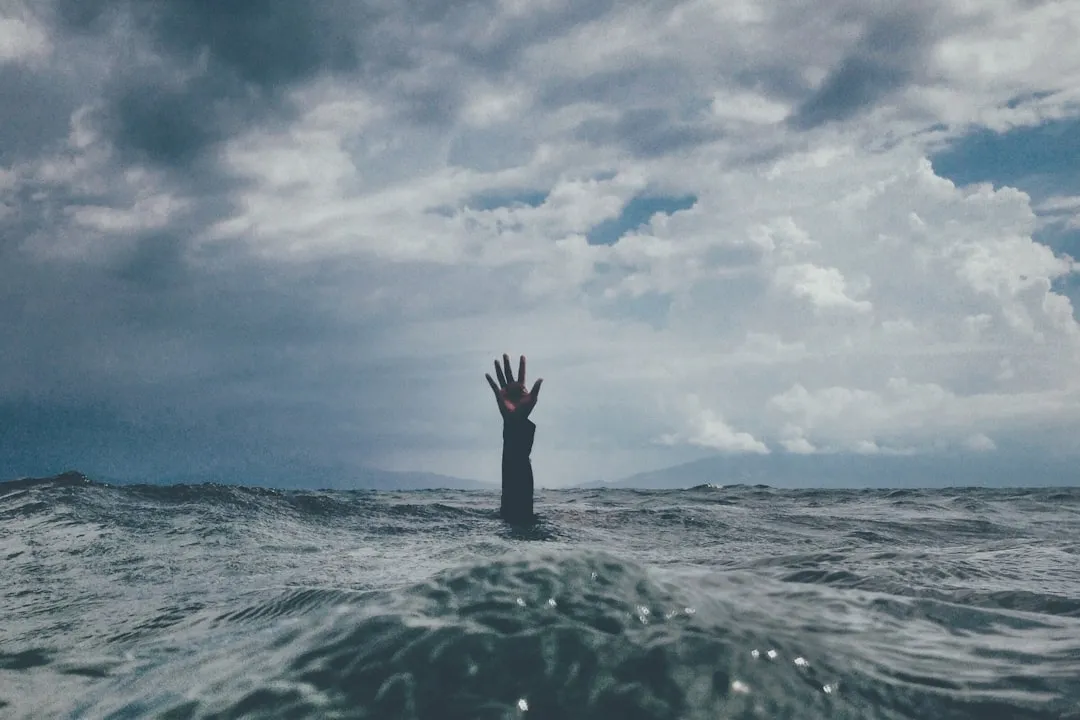
Most people picture drowning as something dramatic: arms waving, screaming, splashing. In reality, drowning is almost always a silent event. A struggling swimmer typically cannot wave or call for help because every instinct is focused on keeping the airway above water. Bystanders on the beach watch without realizing anything is wrong.
Every drowning is fast, often silent, and nearly always preventable. The WHO notes that drowning is one of the ten leading causes of death for individuals aged 1 to 24, and nearly a quarter of a million people around the world die every year from drowning. The silence of the event is part of what makes prevention so difficult.
Lifeguards train to spot the signs: a person positioned vertically in the water rather than horizontally, a glassy or unfocused expression, the head barely above the waterline with the mouth open. Knowing these visual cues can make the difference between a close call and a fatality, especially at unguarded beaches.
Many Drownings Happen at Unguarded Beaches, Especially Off-Season
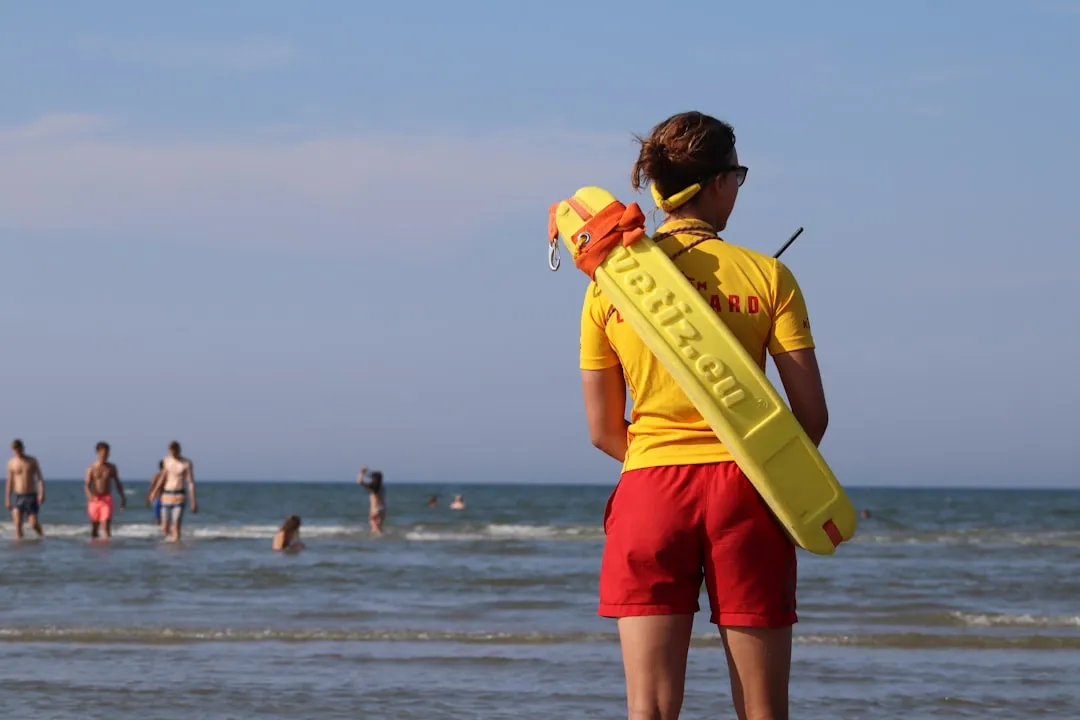
It’s worth being direct about something many tourists don’t fully absorb: lifeguards are seasonal. A beautiful beach in October or March may look identical to the same beach in July, but the tower is empty, the flags are down, and the trained eyes that would spot trouble are gone.
At many popular destinations, there are no lifeguards on duty on public beaches from October through February. During this time, beach patrol and response will be limited, which is why it’s always important to check beach flags and surf conditions before entering the water and never swim alone.
According to the National Water Safety Forum, 193 people accidentally lost their lives in water-related incidents across the UK in 2024, and surprisingly, most of these incidents did not occur at the coast. Around 61% happened in inland waterways such as rivers, lakes, reservoirs, and canals, many of which carry no patrols or safety infrastructure of any kind.
The Takeaway
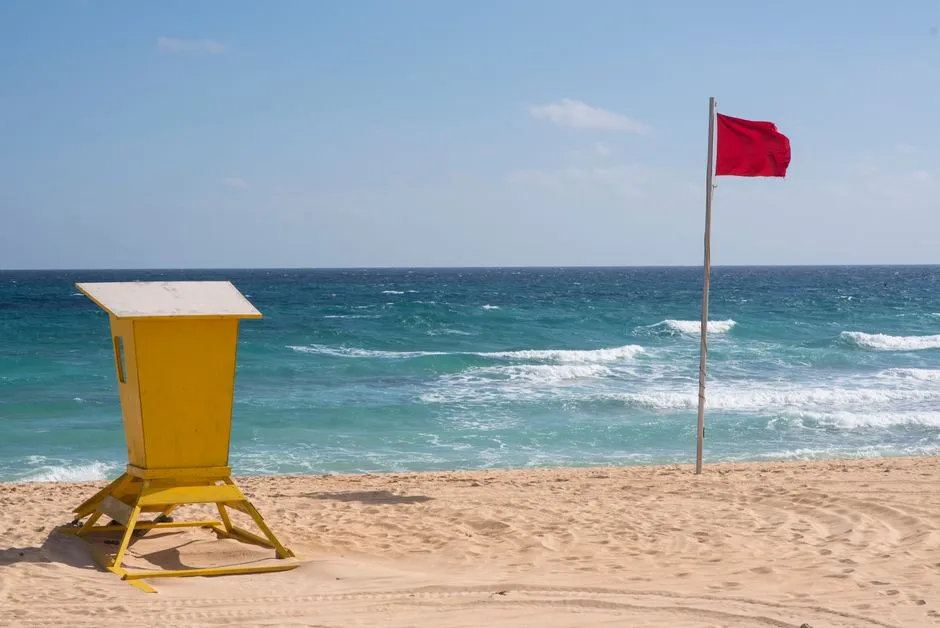
The water safety rule lifeguards most wish tourists understood isn’t a single technical skill. It’s more of a shift in orientation: treating any unfamiliar body of water with the same respect you’d give an unfamiliar road in an unfamiliar country. You’d check the signs. You’d ask someone local. You wouldn’t assume the rules are the same as back home.
Read the flags before you swim. Know what a rip current looks and feels like. Stay near a lifeguard tower. Don’t get in if you’ve been drinking. And if something goes wrong, float first. The ocean rewards preparation and punishes assumption in roughly equal measure, and usually very quickly.
Every one of the deaths documented in recent research was preventable with knowledge that takes about ten minutes to learn. That’s the quiet, uncomfortable truth that lifeguards carry through every shift of every season.
AI Disclaimer: This article was created with the assistance of AI tools and reviewed by a human editor.