
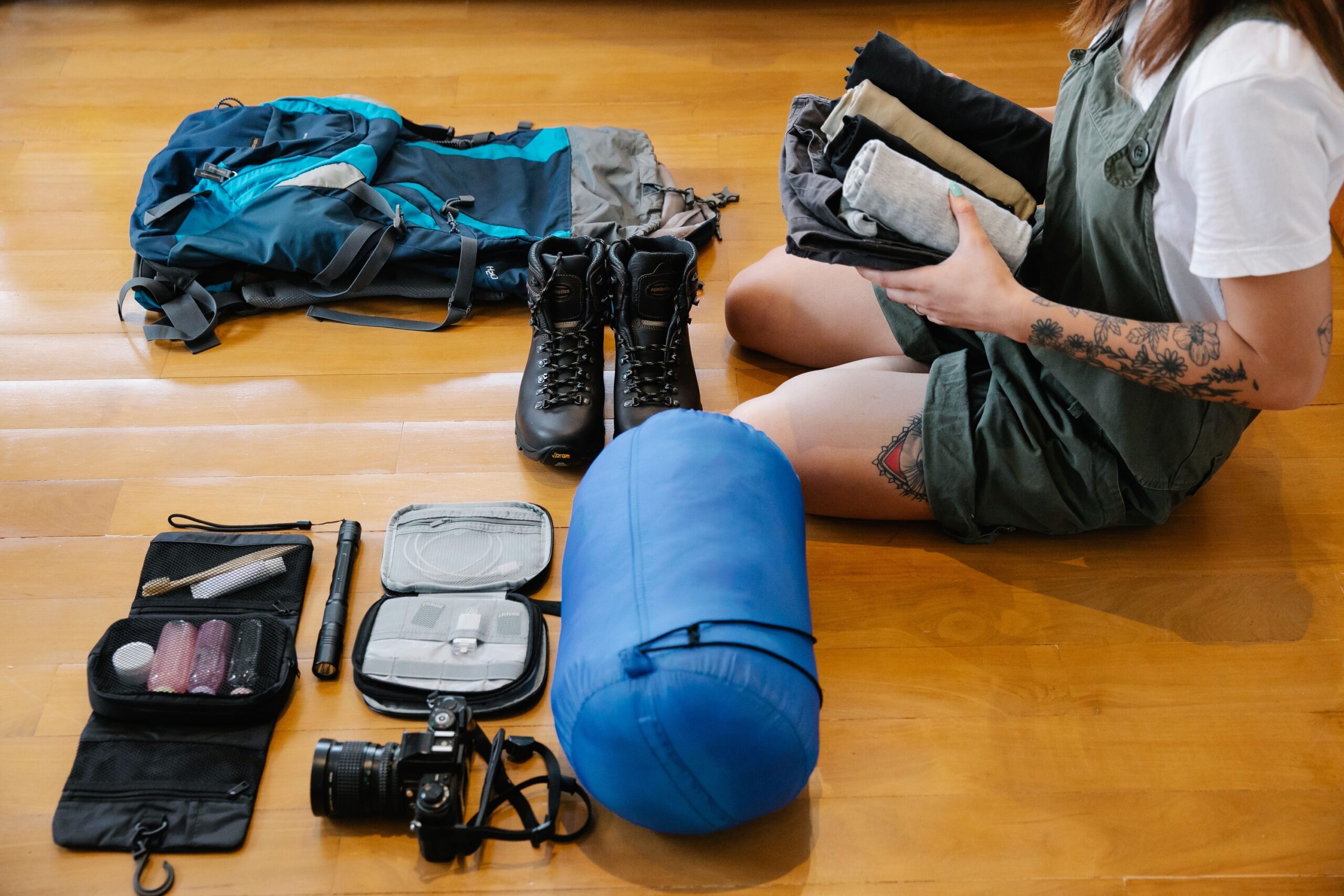
Weather on the trail doesn’t negotiate. It shifts fast, sometimes within the span of a single ridgeline, and the gap between prepared and underprepared can close quickly. That reality has shaped a packing philosophy shared by serious hikers the world over: you don’t just pack for the forecast, you pack for what the forecast might miss.
The list below isn’t about loading down your pack with every possible gadget. It’s about carrying the right things, in the right combination, so that a sudden temperature drop or an afternoon storm stays an inconvenience rather than an emergency.
1. A Moisture-Wicking Base Layer (Never Cotton)

The base layer’s job is moisture management and sweat wicking, the insulating mid layer is for warmth, and the outer layer keeps wind and rain at bay. That three-part logic starts and ends with the base layer doing its job properly. If it fails, everything above it fails too.
Cotton absorbs moisture and takes a long time to dry, making it a poor choice for hiking. Whether sweating or caught in the rain, wet cotton clings to your body, leading to discomfort and potential hypothermia in cold conditions. Merino wool and synthetic fabrics are the reliable alternatives, both of which move sweat away from skin and dry quickly.
Your base layer is the foundation of the hiking clothing layering system because it controls sweat before it cools your body. A fitted base layer keeps sweat off the skin for better comfort and temperature control. It sounds simple, but this one choice affects every hour of the hike.
2. An Insulating Mid Layer for Warmth Management
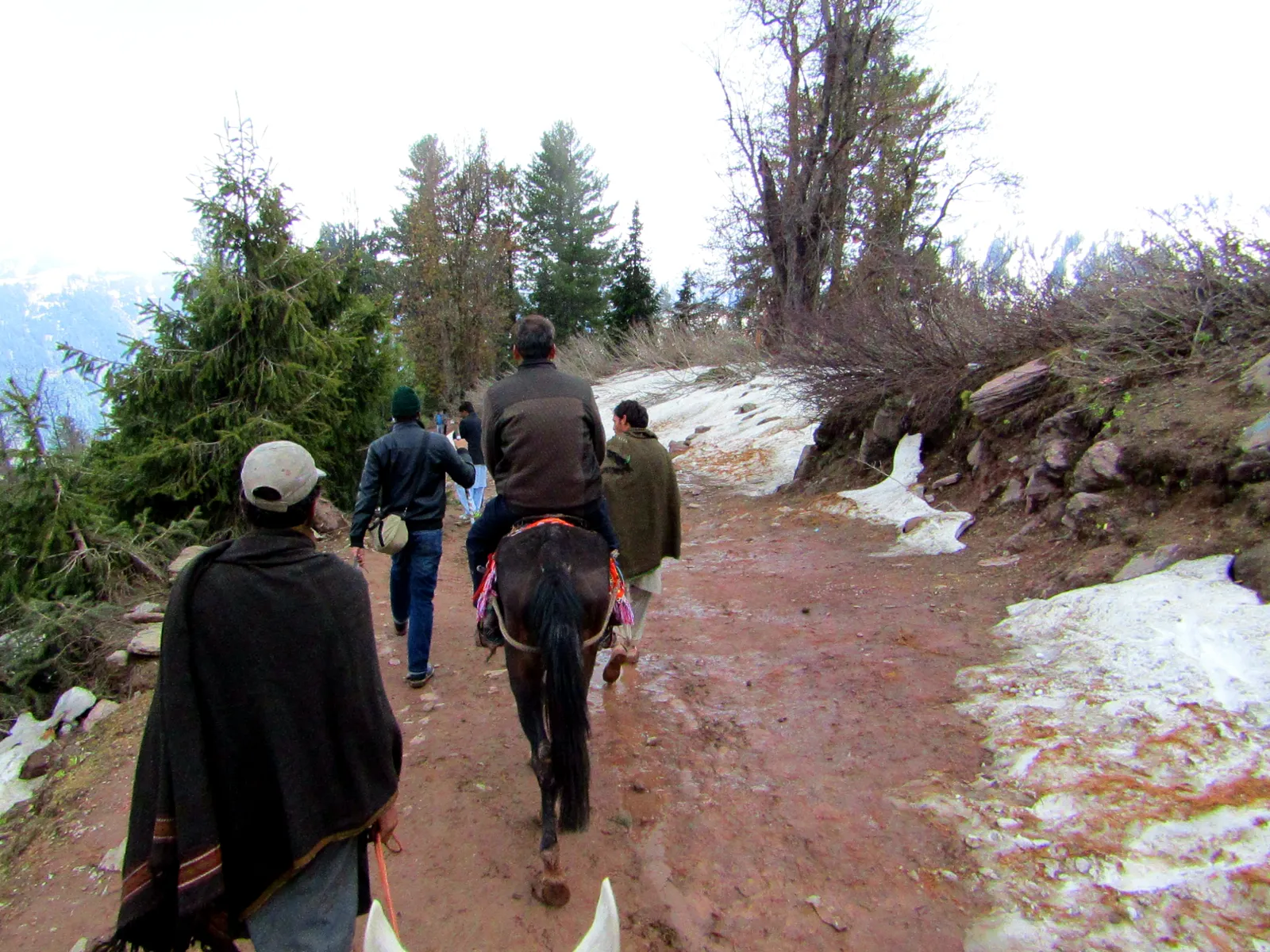
The role of the mid layer is to retain the body heat you generate and keep you warm. This works by trapping warm air in thousands of tiny air pockets. A mid layer can be any item of clothing worn over your base layer and under your outer shell, such as a synthetic gilet, micro-fleece hoodie, or down insulated jacket.
Down jackets provide a superior warmth-to-weight ratio, but they are expensive. Synthetic jackets provide better value and improved insulation when wet, while fleeces are generally heavier and cheaper but deliver far better breathability. For most three-season hiking, a mid-weight fleece or synthetic insulated jacket covers the majority of situations well.
Staying adaptable is the real advantage of the hiking clothing layering system, since you can add or remove pieces as conditions change throughout the day, keeping you comfortable and prepared at every stage of your outing.
3. A Waterproof and Windproof Shell
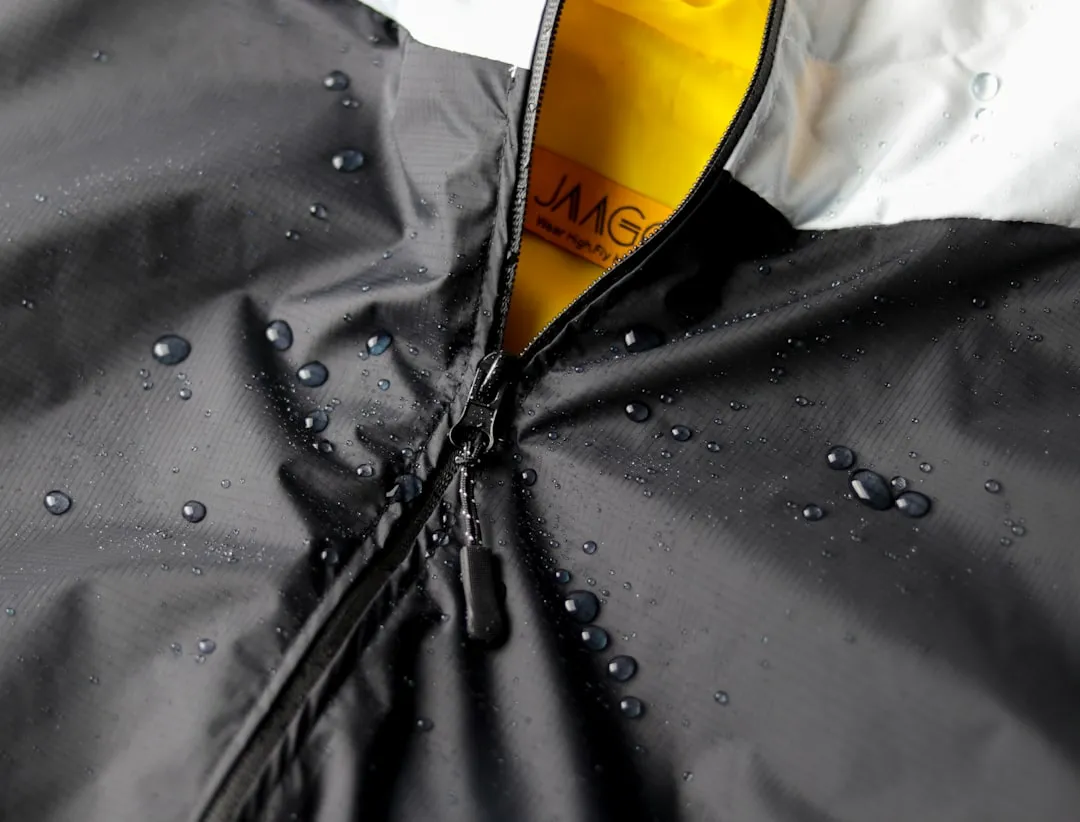
Even the most reliable forecast can change once you’re on the trail. Be ready for sun, wind, or rain with a few simple items. A proper shell is the single most important piece of weather protection you can carry. It belongs in every pack, regardless of the season.
A windproof and waterproof shell protects against harsh winds and unexpected snow or rain. Look for something that packs down small enough to clip onto the outside of your bag or tuck into a top pocket. Weight matters when you’re carrying it every day.
Staying dry and shielded from the elements keeps your spirits high and helps prevent blisters or chills that can cut a hike short. Trail conditions can swing from sunny to near-freezing rain within a mile of altitude gain, especially in mountain terrain.
4. Proper Hydration Supplies and a Smart Water Plan
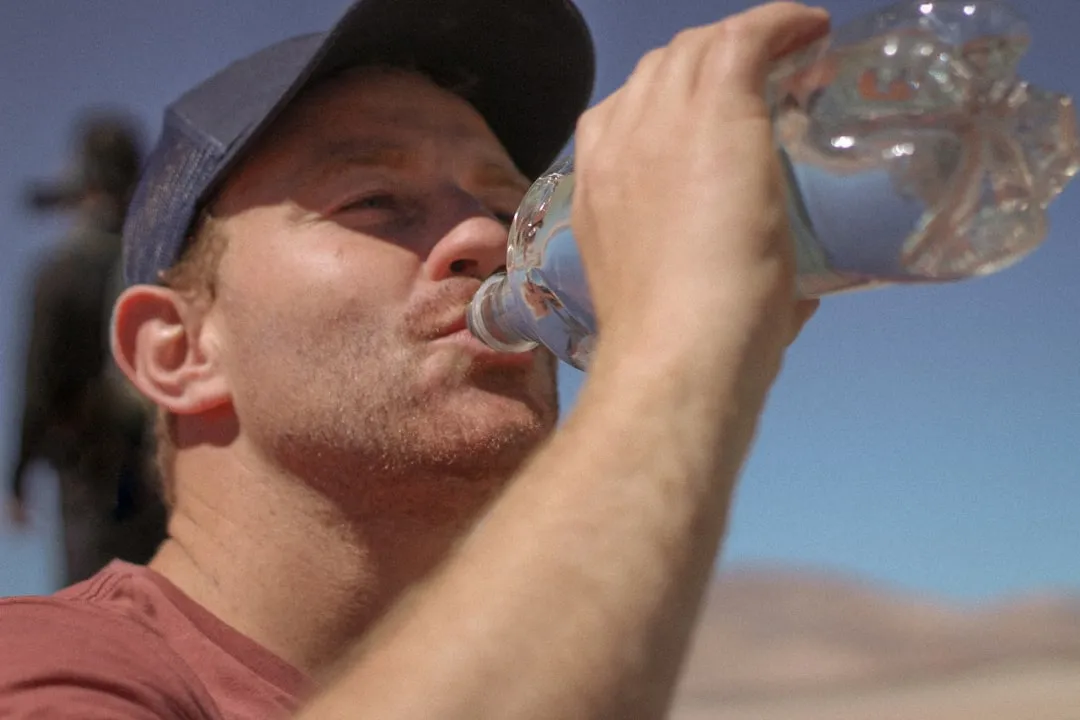
Most hikers need between half a liter and one full liter of water per hour. That range shifts considerably with temperature and elevation, so a flat number rarely tells the full story. The conditions of the hike matter far more than a single rule of thumb.
Sweat rate roughly doubles between a cool 15-degree day and a hot 32-degree day. Most hikers drastically underestimate how much more they need in heat. In high altitude conditions, the adjustment is even more pronounced. Hikers above 2,500 meters consistently need roughly ten to twenty percent more water than at sea level, often without any increase in perceived thirst.
Thirst is a late signal. By the time you feel thirsty, you’re already mildly dehydrated. That’s not a myth, it’s how the body’s fluid regulation system works. Drinking on a schedule rather than waiting to feel thirsty is the practical solution.
5. Reliable Navigation Tools

The Ten Essentials of hiking list is universally agreed upon in the hiking community and should serve as a baseline for all the necessary supplies you need to bring along on any given day hike. Navigation sits at the very top of that list. A paper map and compass remain the most weather-resistant tools you can carry.
Navigation essentials include a map, compass, GPS device, personal locator beacon, and altimeter. GPS devices add a useful layer of precision, but batteries die and screens crack. Carrying a physical map as a backup costs almost nothing in weight and can matter enormously in poor visibility.
Always let someone know your route and expected return time, even for short hikes. This precaution takes thirty seconds and creates a safety net that no piece of gear can fully replace.
6. Sun Protection: More Than Just Sunscreen
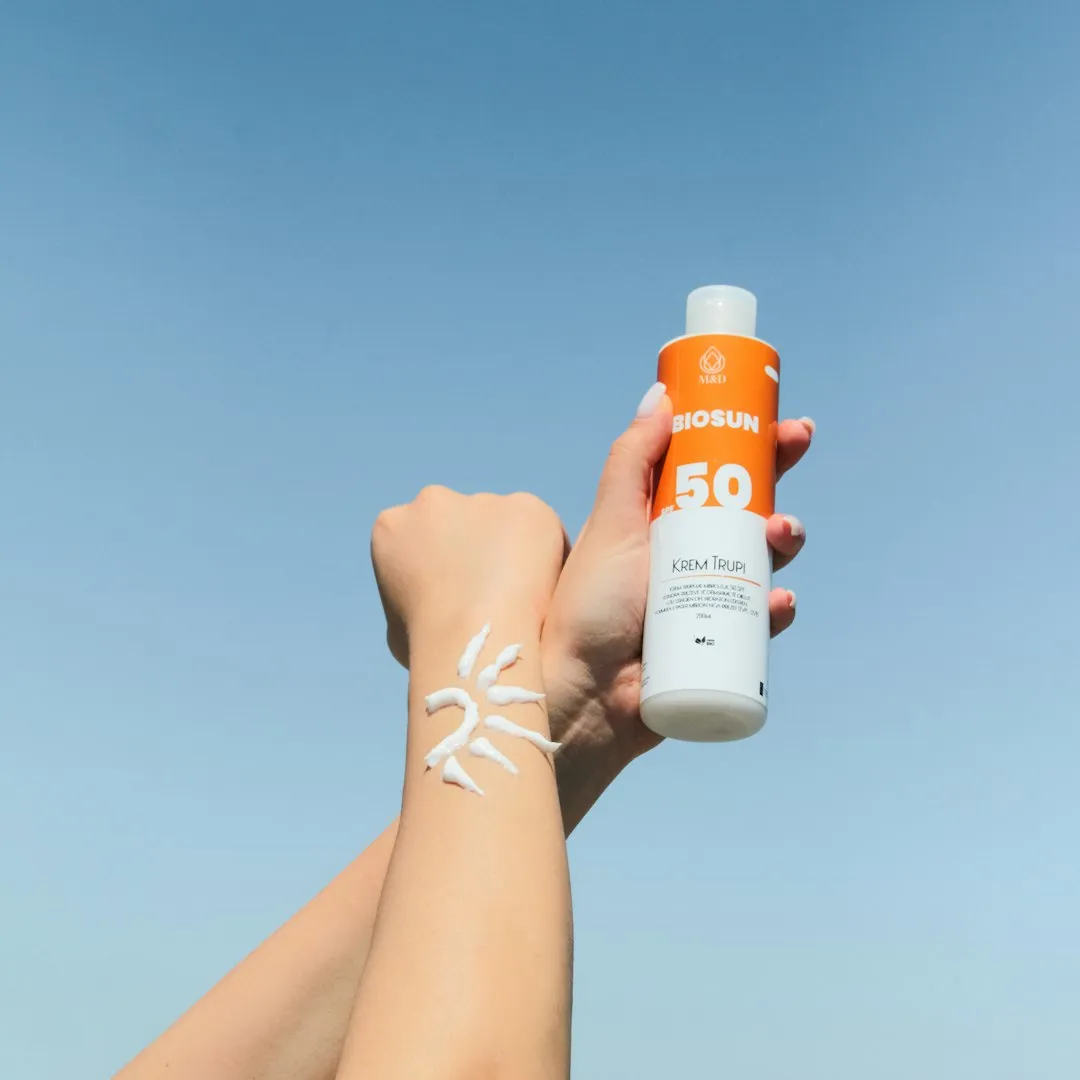
Whether you’re headed to a summit or along the beach, sun protection is an absolute must. It’s suggested that you apply sunscreen even underneath standard clothing. A cotton t-shirt, for example, is easily penetrated by the sun’s rays and only has a UPF rating of five. That’s a meaningful number when you’re spending six hours in full sun exposure.
The sun’s rays reflect off of snow. Remember to reapply sunscreen every two hours, or more frequently if perspiring heavily on a strenuous trail. Winter and high-altitude hikes are where this catches people off guard most often. Snow amplifies UV exposure significantly.
A wide-brimmed hat and UV-protective clothing are necessary to shield against harmful sun rays. Sunglasses with full UV protection are equally important, particularly above the treeline where glare off snow and rock can cause real eye strain over a long day.
7. A First Aid Kit Suited to the Trail
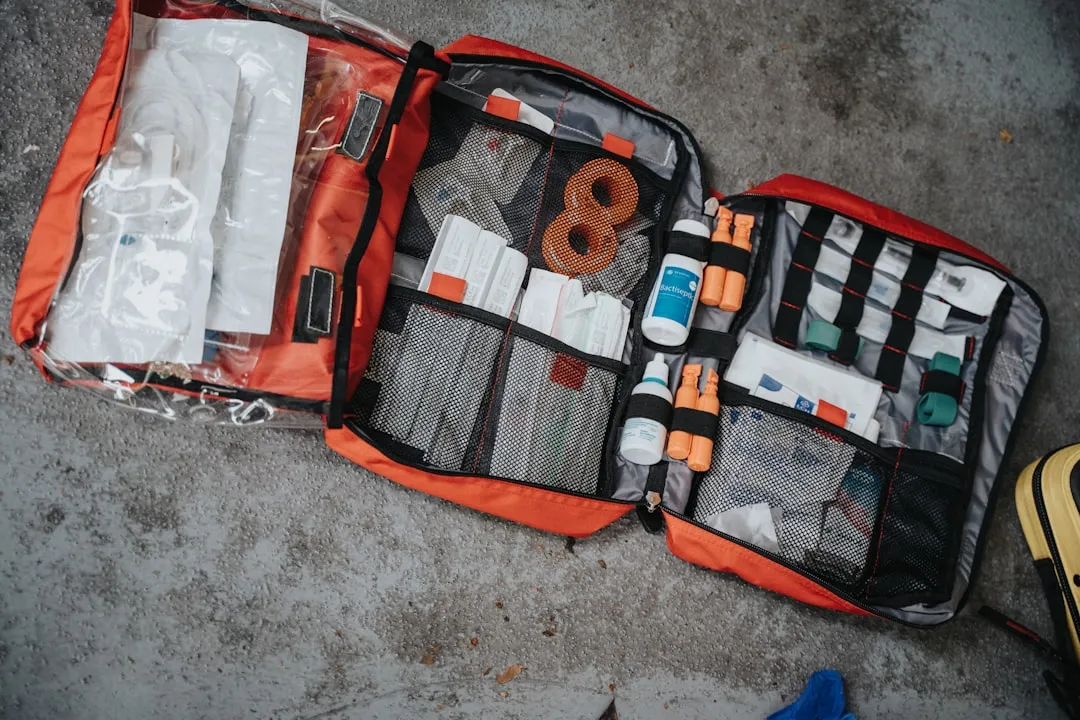
First aid essentials include medication, bug repellent, and foot care. Foot care deserves more attention than it usually gets on packing lists. Blisters caused by wet socks in unexpected rain are among the most common reasons day hikes turn uncomfortable or even dangerous.
Falls are the leading cause of hiking accidents, followed by injuries from rough terrain, environmental hazards like avalanches and rock falls, and health issues such as dehydration, hypothermia, or altitude sickness. A trail-appropriate first aid kit covers the realistic range of minor injuries that can occur on any difficulty level.
At minimum, pack blister pads, bandages, adhesive tape, a small pair of tweezers, pain relief tablets, and any personal medications. Keep it compact but genuinely usable, not just a repackaged office kit.
8. Emergency Shelter: The Item You Hope Never to Use

You never know if injury or poor weather could leave you stranded overnight. Effective thermal emergency blankets retain ninety percent of body heat and can shield you from wind and moisture. In an emergency situation, they can also be used to collect water or as a signal tool.
The stakes around emergency shelter are real and recent. In February 2026, a 21-year-old New Jersey woman died of hypothermia after slipping off a trail near the summit of New York’s tallest mountain during a winter hike. According to AccuWeather, temperatures in the area ranged from minus eight to twenty degrees the day she was hiking.
Emergency shelter essentials include an emergency blanket, bivy, or tarp. An emergency bivy weighs roughly the same as a granola bar and folds into a pocket. There’s no reasonable argument for leaving one behind.
9. Illumination: Headlamp and Spare Batteries
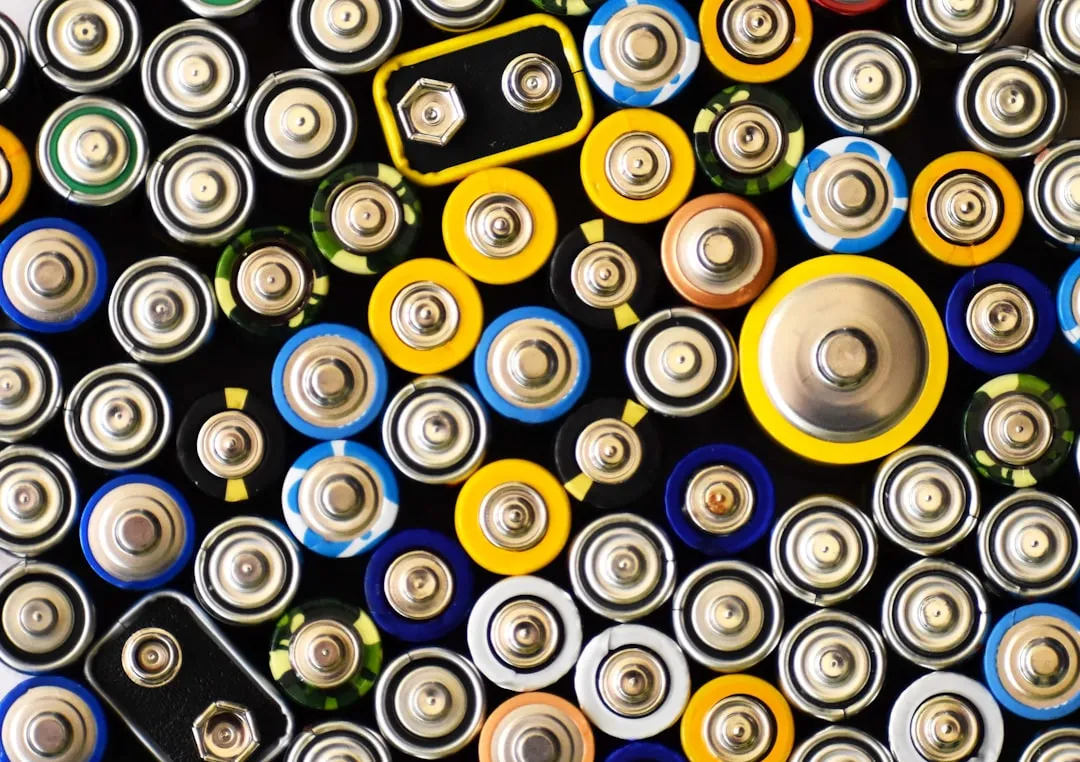
Illumination essentials include a headlamp, flashlight, lantern, and extra batteries. Weather delays, wrong turns, and slower-than-expected terrain are all ordinary parts of hiking. Any of them can push a day hike into dusk, and a headlamp is what keeps a late return manageable rather than dangerous.
Modern LED headlamps are lightweight and efficient. The important thing isn’t the brand but the habit: always carry one, always carry a spare set of batteries. Cold temperatures drain battery life faster than most people expect, which is a relevant fact anywhere above treeline or in mountain terrain in autumn and winter.
People assume summer means safety, which is exactly when they get caught off guard by sudden storms, hypothermia, and whiteout conditions that leave even experienced hikers stranded and disoriented. Having light in those conditions changes the situation significantly.
10. Trail-Appropriate Footwear and Traction Devices
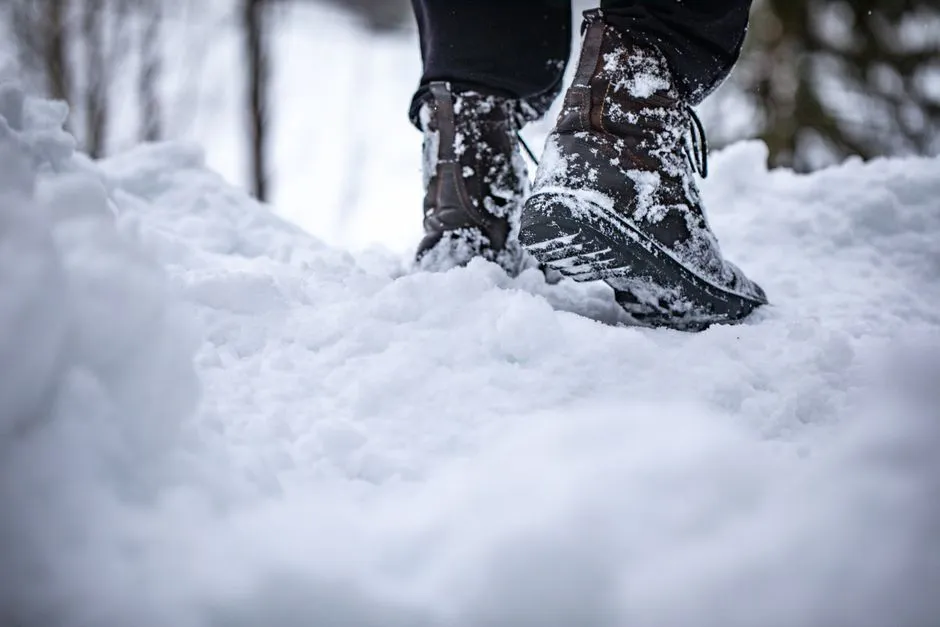
Depending on the hikes you’ll be taking and the terrain you’ll be exploring, you’ll want to invest in hiking apparel that’s breathable, moisture-wicking, quick-drying, UPF-protective, and wind and water resistant. Those same principles apply to footwear. Wet feet on a cold day accelerate heat loss faster than almost any other factor.
Before packing, check the weather, terrain, and distance. A shaded canyon hike demands different gear than a sunny desert trail or alpine climb. Waterproof trail shoes or boots with good ankle support cover most three-season conditions. For icy or packed snow, compact microspike traction devices weigh almost nothing and provide enormous grip security.
Wearing the wrong shoes can lead to blisters, foot pain, and injuries. This is especially true when trail conditions change mid-hike due to rain or wet ground. Invest in the right footwear for the actual conditions you’ll face, not just the best-case scenario.
The Takeaway
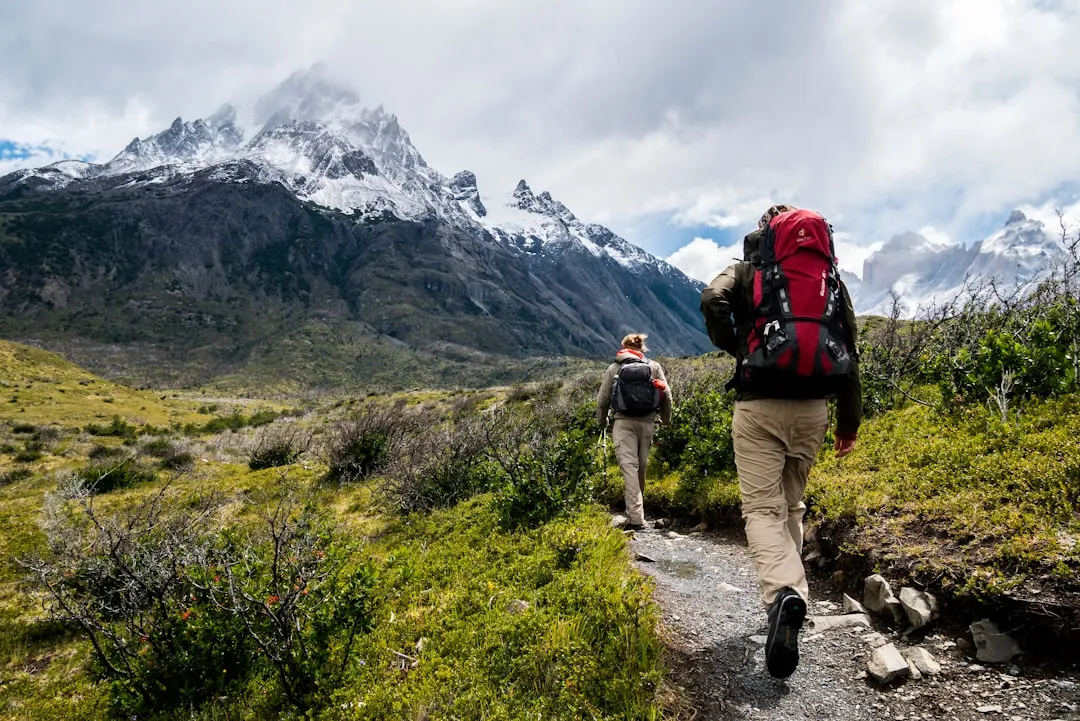
The best hiking packing list isn’t the heaviest or the most elaborate. It’s the one that actually gets carried. Each item on this list earns its place by addressing a real, documented risk: exposure, dehydration, disorientation, falls in wet conditions, or being caught in the dark.
You’ll want to tailor your selection to fit the length, difficulty, and expected weather conditions of your trip. That calibration takes five minutes of honest planning before you leave. It costs nothing, but its value on the trail is hard to overstate.
The mountain doesn’t care how experienced you are. What matters is what’s in your pack when the weather decides to change its mind.
AI Disclaimer: This article was created with the assistance of AI tools and reviewed by a human editor.