

An Elevation That Rewrites the Rules
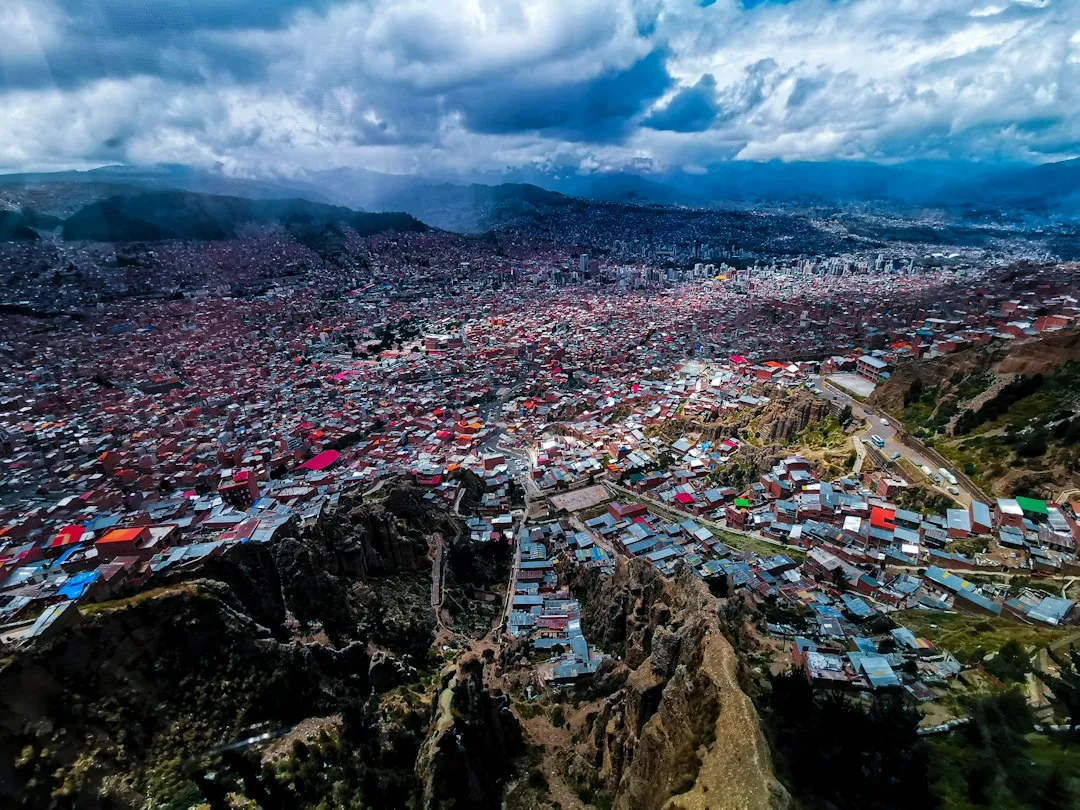
At an elevation of roughly 3,650 meters (11,975 feet) above sea level, La Paz holds the title of the highest administrative capital city in the world. To put that in perspective, the city climbs the valley walls between roughly 3,250 and 4,100 metres (10,650 to 13,250 feet) above sea level, according to Britannica, high enough that arriving visitors often struggle with exertion in the thin, oxygen-poor air.
La Paz’s elevation is not a single number because the city extends through a steep valley and up surrounding slopes, with an elevation range of roughly 3,200 to 4,100 meters. This means the neighborhood you stay in can make a real physical difference to how you feel on arrival.
One Nation, Two Capitals
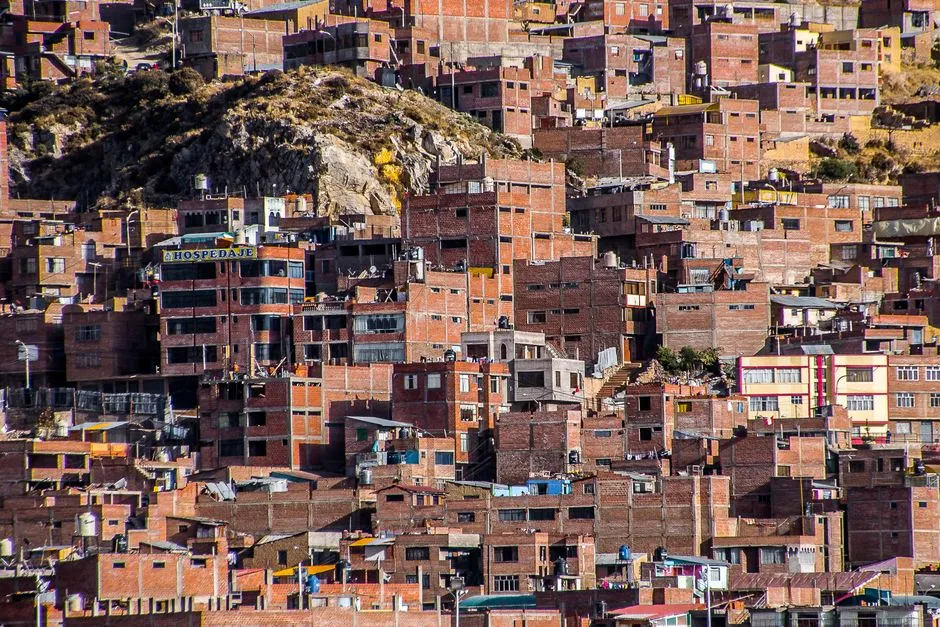
La Paz is Bolivia’s administrative and de facto capital, home to the executive and legislative branches, even though the constitutional capital is Sucre. This arrangement is one of the more unusual governance structures anywhere in South America, and it still generates heated conversation today.
Bolivia has two capitals because of the Federal War of 1899, a civil conflict between Sucre and La Paz over political and economic power. Sucre remains the official constitutional capital, while La Paz became the seat of government, hosting the executive and legislative branches. Bolivia’s 2009 constitution reaffirmed Sucre as the official constitutional capital, keeping the split system intact.
The Dramatic Geography That Shapes the City
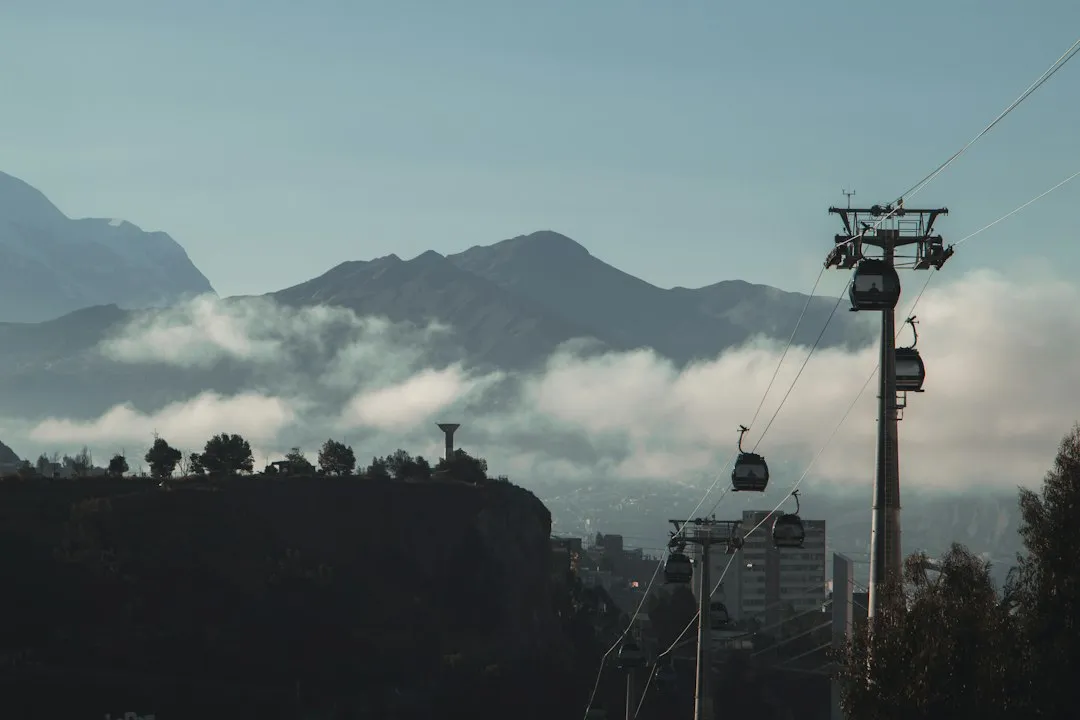
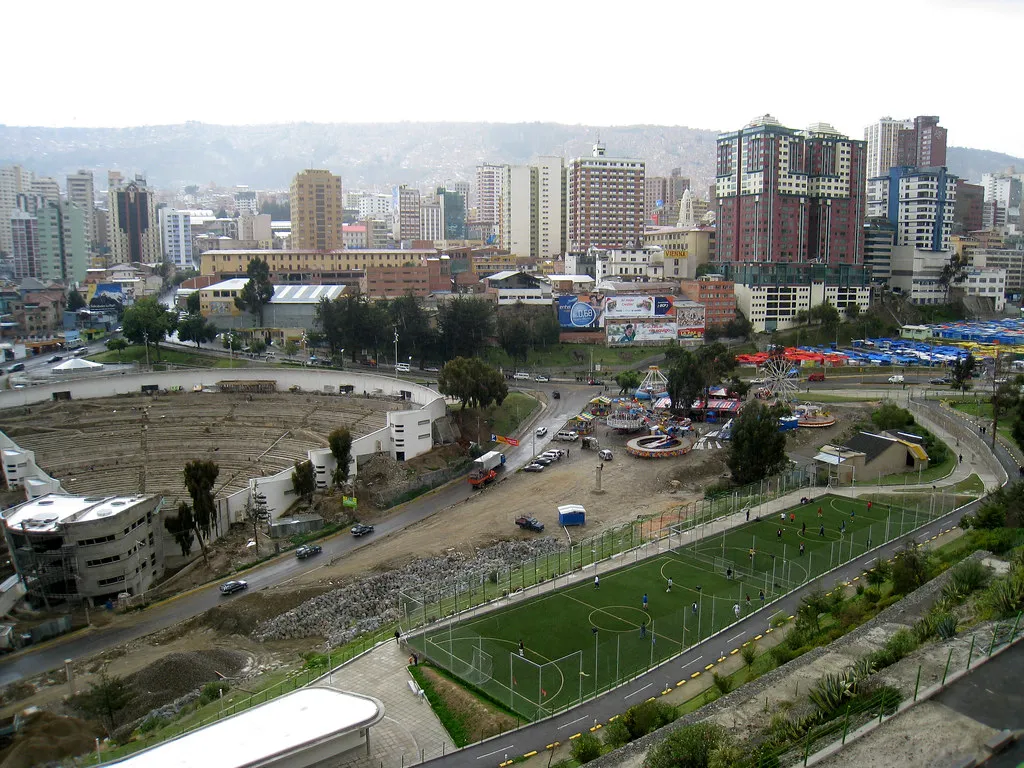
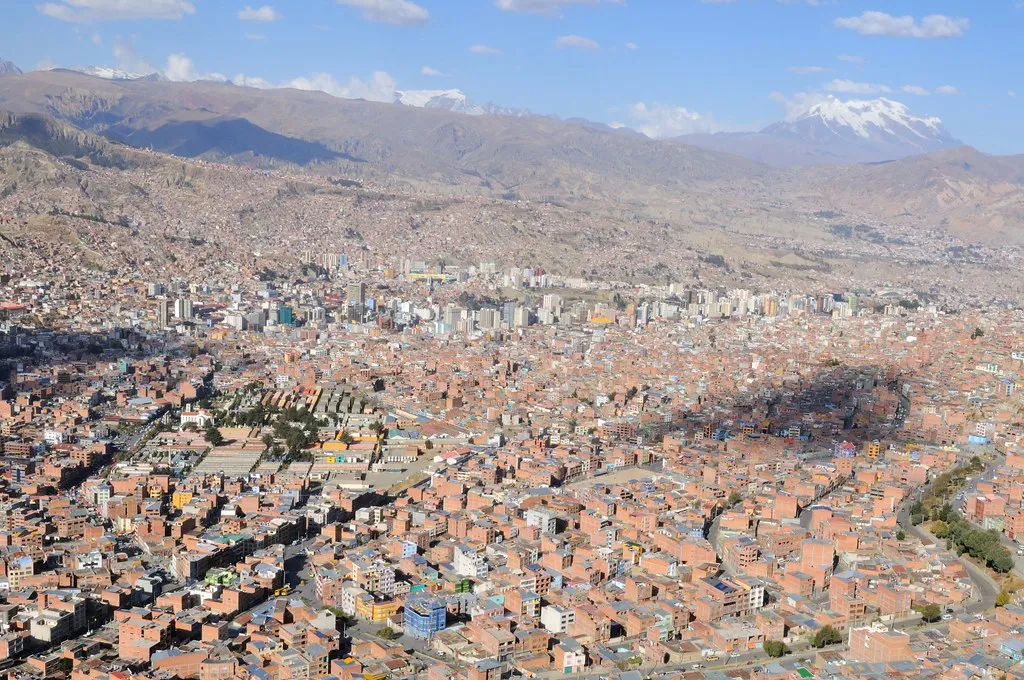
La Paz is set in a depression that is surrounded by high mountains towering above it. This topography isn’t just visually stunning. It’s the reason the city functions so differently from most other capitals, with neighborhoods cascading down steep canyon walls and the sprawling city of El Alto sitting on the plateau directly above.
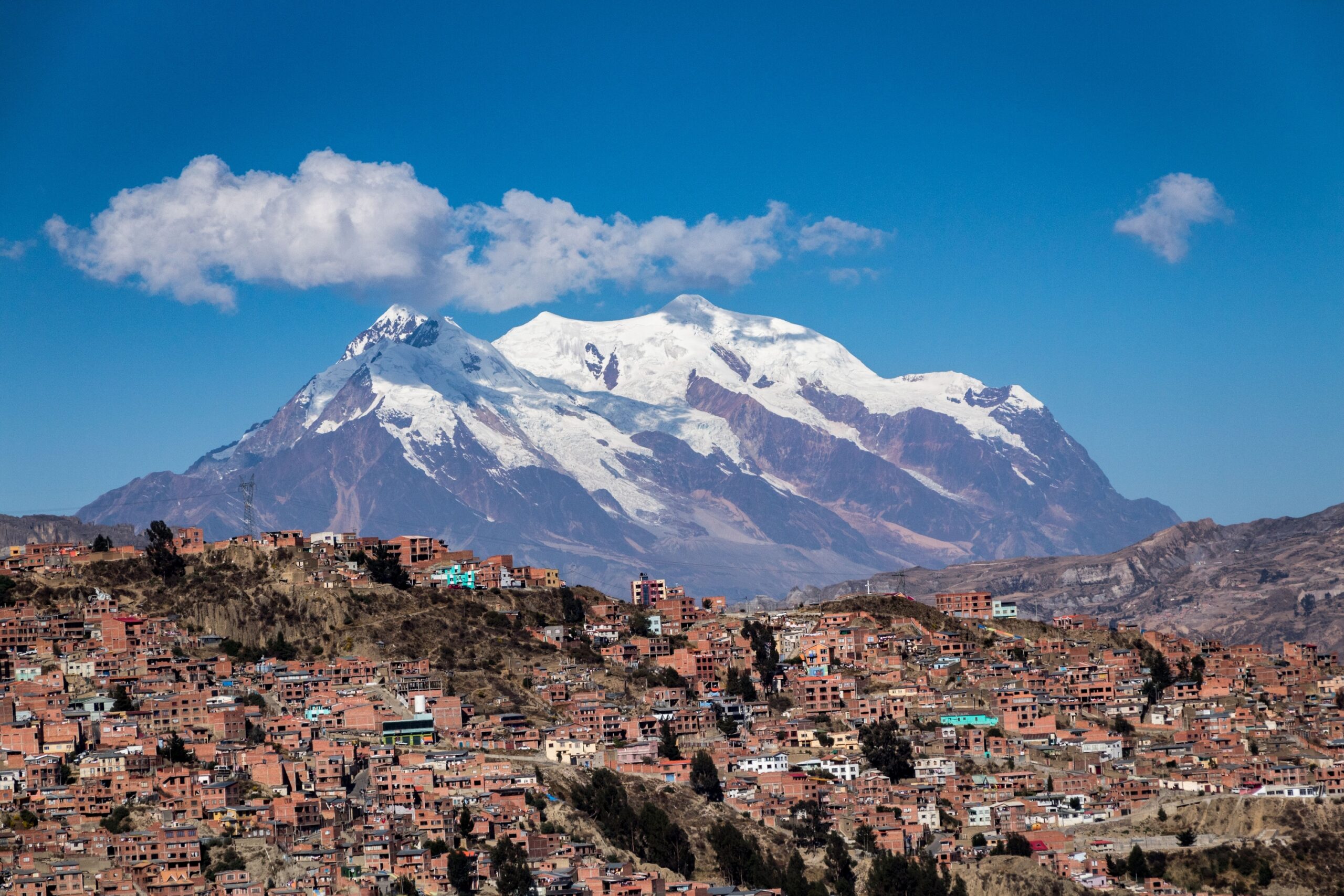
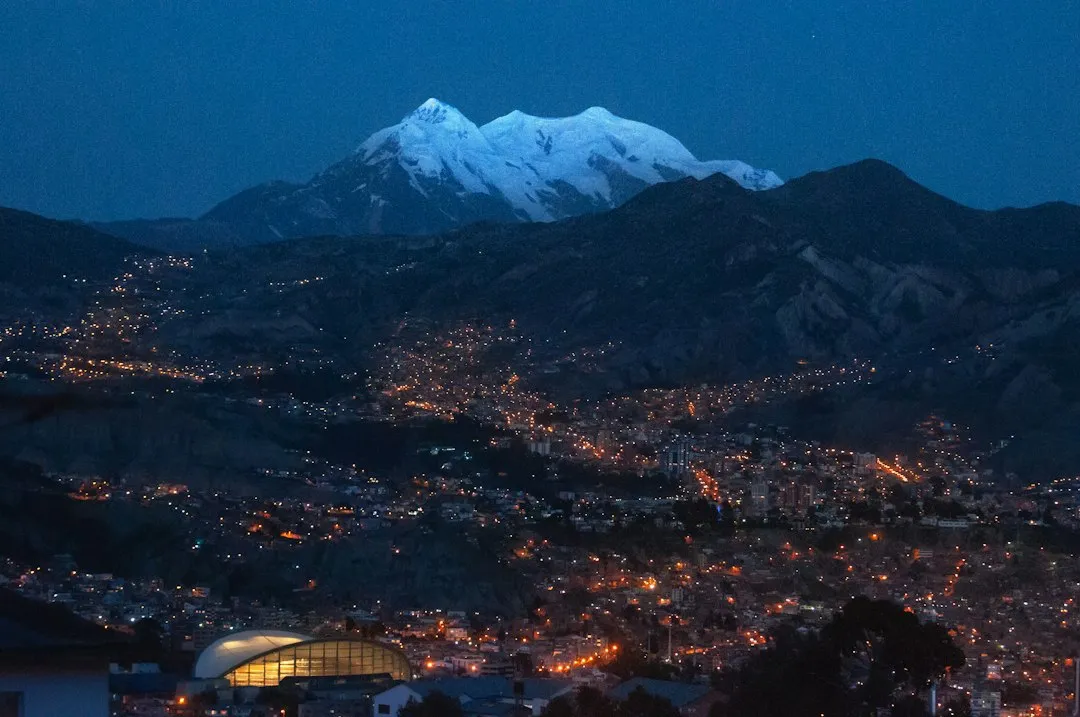
Overlooking the city is the triple-peaked Illimani. Its peaks are always snow-covered and can be seen from many parts of the city. That ever-present, glaciated horizon gives La Paz a visual drama that’s hard to fully absorb on the first day.
El Alto: The City Above the City
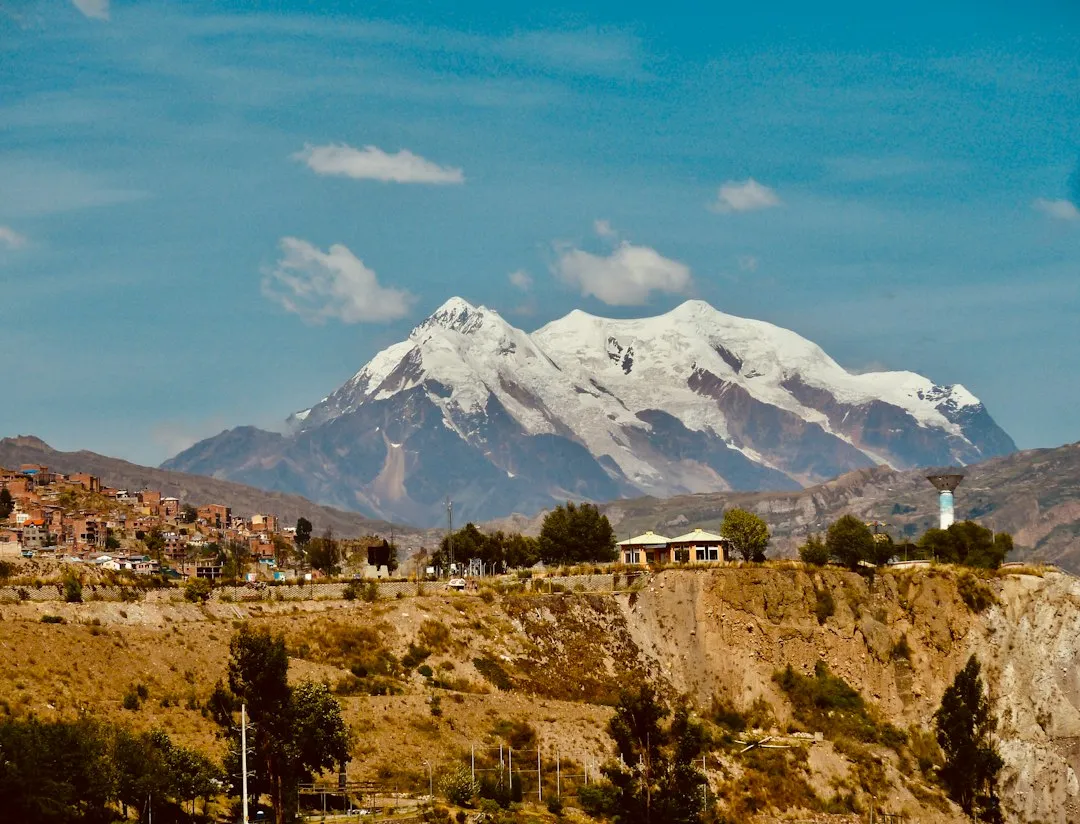
La Paz makes up half of Bolivia’s highest metropolis when combined with its suburb El Alto, the neighboring city situated just the other side of a vast canyon. While Sucre is Bolivia’s constitutional capital, all the administrative duties take place in the La Paz and El Alto metropolitan area, which averages 3,896 meters above sea level.
With a population of more than two million people, La Paz and El Alto certainly pack a punch with visitors; given the remote location, the city has a vibrant culture to go alongside its magnificent views. El Alto is a city in its own right, with distinct Aymara cultural roots and one of the most colorful weekly markets in the entire Andes region.
Mi Teleférico: The World’s Largest Urban Cable Car System
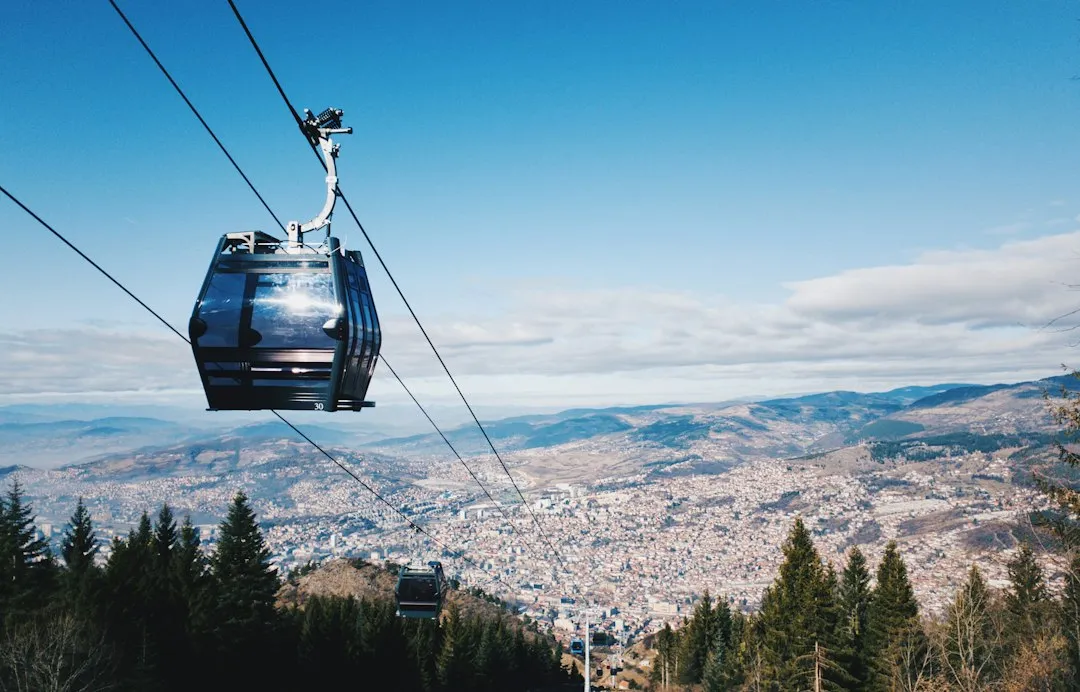
La Paz is home to the largest urban cable car network in the world. Known as Mi Teleférico, it is the highest and longest urban cable car network in the world, with ten color-coded lines spanning more than 30 kilometers and serving over 300,000 daily passengers.
The system runs ten lines across 26 stations, with altitude ranges from about 3,300 to 4,100 meters depending on the route. Single ride tickets cost 3 BOB, which is roughly 44 US cents per line in 2026, making it one of the world’s most affordable cable car experiences. For travelers still adjusting to the altitude, riding rather than walking steep hills is both practical wisdom and genuine pleasure.
Altitude Sickness: The Reality Every Visitor Faces
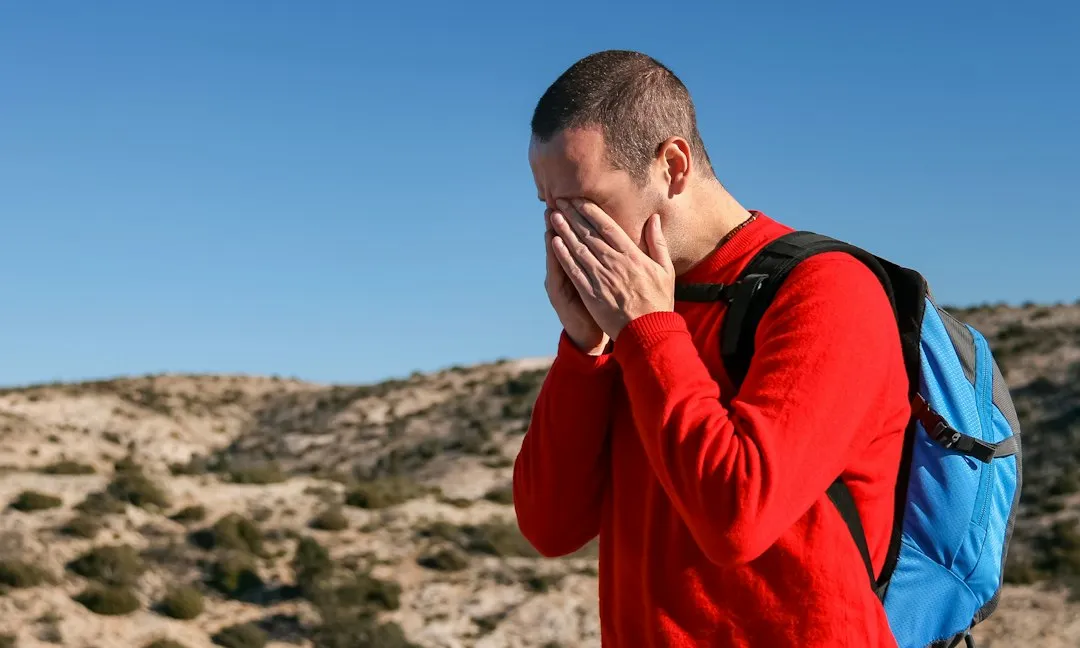
Altitude is genuinely the biggest safety issue most visitors face in La Paz, more so than crime. Symptoms range from a mild headache and shortness of breath to nausea, insomnia, and in rare cases serious altitude sickness that requires descending.
The standard advice is boring but effective: spend the first 24 to 48 hours moving slowly, drink coca tea or mate de coca freely, hydrate constantly, skip alcohol on day one, and pick up altitude pills from any local pharmacy if you feel unwell. Most visitors find their symptoms ease considerably after two or three days, once the body has had a chance to produce more red blood cells and begin adapting.
A City Founded by the Spanish in Inca Territory
The Spanish conquistadors founded the city in 1548 with the name Nuestra Señora de La Paz. This area had been the site of an Inca city on a major trading route. The layering of Inca and colonial heritage gives La Paz its particular cultural texture, one that’s visible in the architecture, the markets, and the faces of the people who live there.
Founded in 1548, La Paz has a rich history as a former Inca settlement and has landmarks dating back to Spanish colonial times. Walking through the historic center, you encounter both realities side by side, Aymara textiles sold beneath Spanish colonial facades, centuries of exchange compressed into a single afternoon.
Markets, Culture, and the Witches’ Market

La Paz is renowned for its markets, particularly the Witches’ Market. Known locally as the Mercado de las Brujas, this is a genuinely unique place where traditional Aymara medicinal herbs, ritual objects, and spiritual offerings are sold openly alongside everyday goods. It’s one of the most authentic cultural spaces in South America, not a performance for tourists but a living marketplace with deep community roots.
Bolivia is a nation of contrasts; not only does it have the world’s highest capital city set high in the barren mountains, it also has vast stretches of steaming tropical Amazon rainforest. La Paz sits at the crossroads of these worlds, making it one of the most diverse cultural hubs on the continent.
Climate: Tropical Latitude, Alpine Conditions
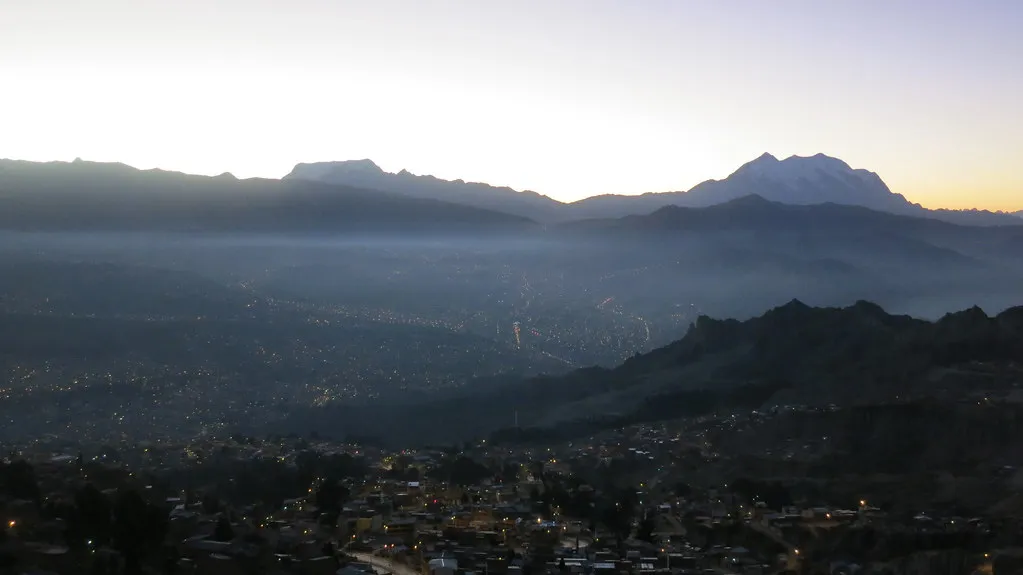
La Paz lies within tropical latitudes, but elevation keeps conditions much cooler than the location on a world map might suggest. Average temperatures tend to stay cool year-round, with winter months from June to August being the coldest and clearest, and the wet season from December through February bringing daily afternoon rains alongside somewhat warmer mornings.
La Paz is the coldest capital in South America during winter, with temperatures averaging around 7.5 degrees Celsius, and ranks as the third driest capital in South America with annual rainfall of around 730 millimeters. The dry winter months offer the most reliable sunshine and the clearest mountain views, making them a popular window for travel.
La Paz in 2026: Still at the Center of Bolivia’s Political Life
Bolivia’s long-running debate over where power should sit has resurfaced in recent years, as politicians and citizens argue whether the seat of government should remain in La Paz, move to the economic hub of Santa Cruz, or return to the historic capital Sucre. The conversation reflects deep regional identities and economic tensions that have shaped Bolivian politics for well over a century.
Authorities and social organizations in La Paz and El Alto have reacted sharply against any hint of relocation. For now, the city remains what it has been for more than a century: Bolivia’s undisputed seat of power, its diplomatic home, and its most recognizable face to the outside world. The city hosts all the foreign embassies as well as international missions in the country.
Visiting La Paz: What Makes It Worth the Effort
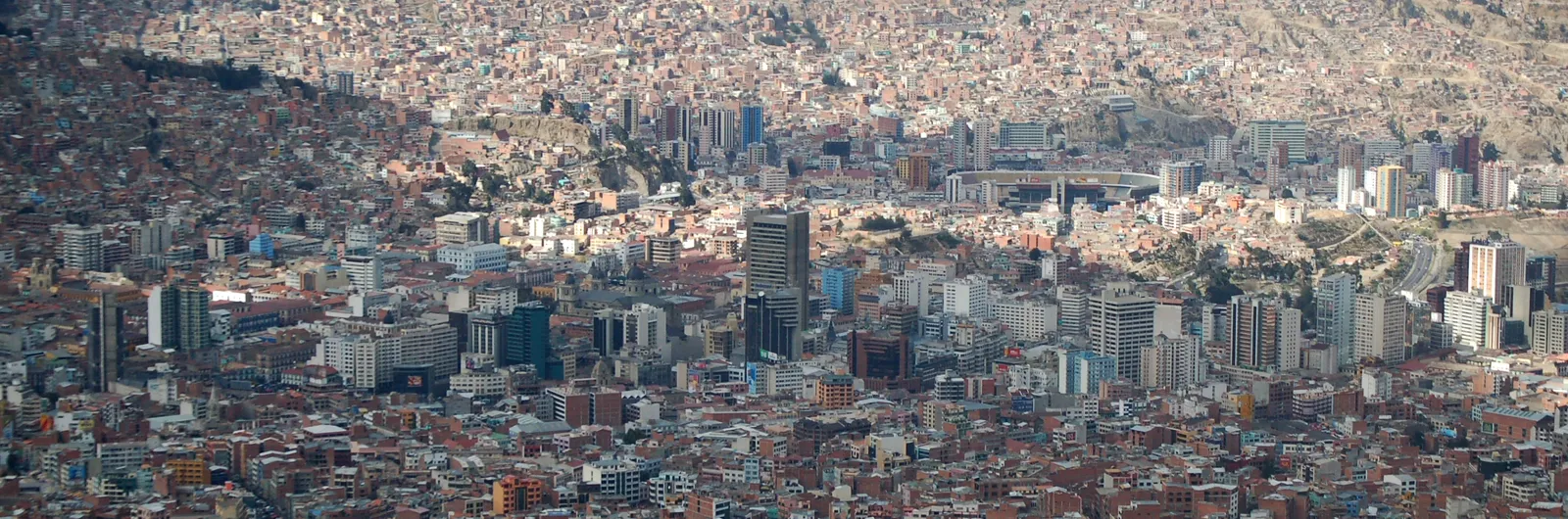
Getting to La Paz takes genuine effort, and the first hours after arrival can be uncomfortable. That discomfort fades, though, and what it gives way to is a city unlike anywhere else. The canyon setting, the cable cars overhead, the snow-capped Illimani framing the skyline, the living markets, and the warmth of a city that has been at the center of an entire nation’s story for generations, all of it comes into focus once your body has found its footing.
The elevation is not a footnote here. It is part of the experience, shaping the architecture, the pace of life, the food, the transport, and the culture in ways both visible and subtle. Coming to La Paz means accepting, even welcoming, that this city is on its own terms entirely.
The Takeaway
La Paz earns its superlative honestly. Guinness World Records places the seat of government at about 3,631 metres (11,913 feet), and that figure alone explains why the city holds such a singular place in the world’s geographic imagination. Very few capitals ask this much of the people who govern them, live in them, or visit them.
What makes La Paz genuinely worth knowing is not just its altitude record but everything that altitude has shaped: a culture built over centuries in thin air, a city of extraordinary visual drama, and a community that has found ways to thrive where most would simply struggle to breathe. That, more than any statistic, is the real story of the world’s highest capital.
AI Disclaimer: This article was created with the assistance of AI tools and reviewed by a human editor.