

Why Some People Feel Jet Lag More Intensely Than Others
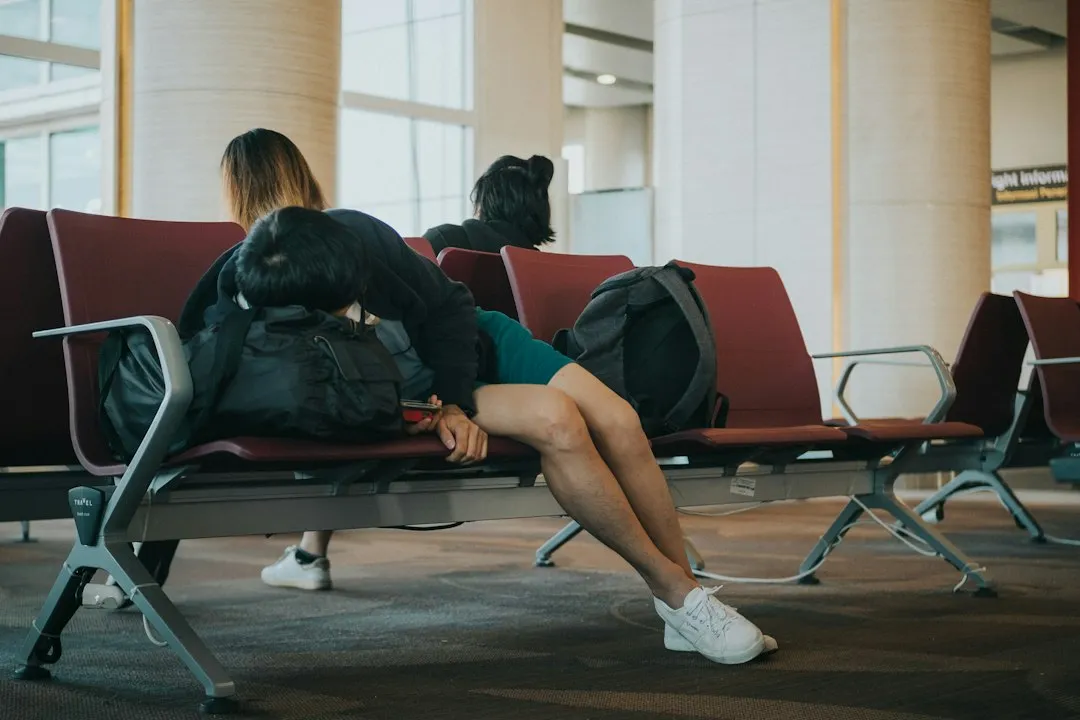
Jet lag is a syndrome characterized by fatigue, irritability, disrupted sleep, gastrointestinal distress, and memory lapses that occur after a long flight through several time zones. It probably results from disruption of circadian rhythms in the human body. That disruption hits differently depending on who you are.
Studies have shown that around ninety percent of travelers experience one or more effects of jet lag. Still, the severity varies widely. Neuroticism correlates with longer sleep onset and more nighttime waking, while extraversion correlates with later bedtimes and higher tolerance for sleep debt, and conscientiousness correlates with more consistent sleep schedules and better sleep hygiene. These personality-linked patterns matter enormously when your body is trying to recalibrate to a new time zone.
The Science Link Between Chronotype and Jet Lag Vulnerability
Research has found that individuals with later chronotypes tend to experience greater misalignment between biological and social time. This misalignment is essentially the same process that makes jet lag so brutal. Late chronotypes show the largest differences in sleep timing between work and free days, leading to considerable disruption.
Birth season genuinely affects your circadian rhythm. Research from the University of Bologna found that people born in spring and summer have different chronotype tendencies than those born in fall and winter. Spring and summer babies tend to be night owls, while fall and winter babies lean toward early rising. This gives us a real, evidence-rooted connection between when you were born and how your internal clock operates.
Gemini: The Sign That Struggles Most with Jet Lag

When you layer chronotype science on top of astrological personality profiles, one sign stands out from the rest: Gemini. Geminis have trouble switching off and can swing between being night owls and early risers depending on mood, making them prone to disrupted and fragmented sleep. That inherent inconsistency is the exact trait that makes jet lag so punishing for them.
A Gemini can feel suffocated when put in a routine. Travel disrupts every routine imaginable: meal times, sleep windows, light exposure, social rhythms. For a sign that resists regularity even at home, being forcibly thrown into circadian chaos by an eight-hour time zone shift is a particularly rough experience.
The Overthinking Problem That Makes Everything Worse

Overthinking can result in migraines and insomnia for Geminis, who are also prone to colds, coughs, and viral infections. Sleep deprivation is common among them. Now add international travel fatigue and a foreign sleep environment into that mix. The result is a perfect spiral.
Gemini’s active mind often leads to overthinking and anxiety. They may analyze situations from multiple angles, creating unnecessary stress, and this tendency to overanalyze can hinder their ability to relax and enjoy the present moment. Lying awake in a Tokyo hotel at 3 a.m., a Gemini will mentally replay the flight, stress about tomorrow’s schedule, and investigate every sound the air conditioning makes. Recovery becomes nearly impossible.
No Routine, No Reset: The Structural Vulnerability
Gemini does not settle into routines or long pauses. Instead, it moves, connects, and collects experiences. A Gemini rarely remains in one place, physically or mentally. That restless quality is genuinely wonderful for curiosity and adventure. It is genuinely terrible for circadian recovery.
Higher behavioral jet lags, including social and eating jet lag, were significantly associated with increased risk of circadian disruption. Maintaining consistency in daily behavioral cycles, such as sleep or eating, may be an effective and cost-effective way to reduce that disruption. Consistency, however, is one thing Gemini actively avoids. This is the core tension.
How Jet Lag Symptoms Compound for a Gemini Personality
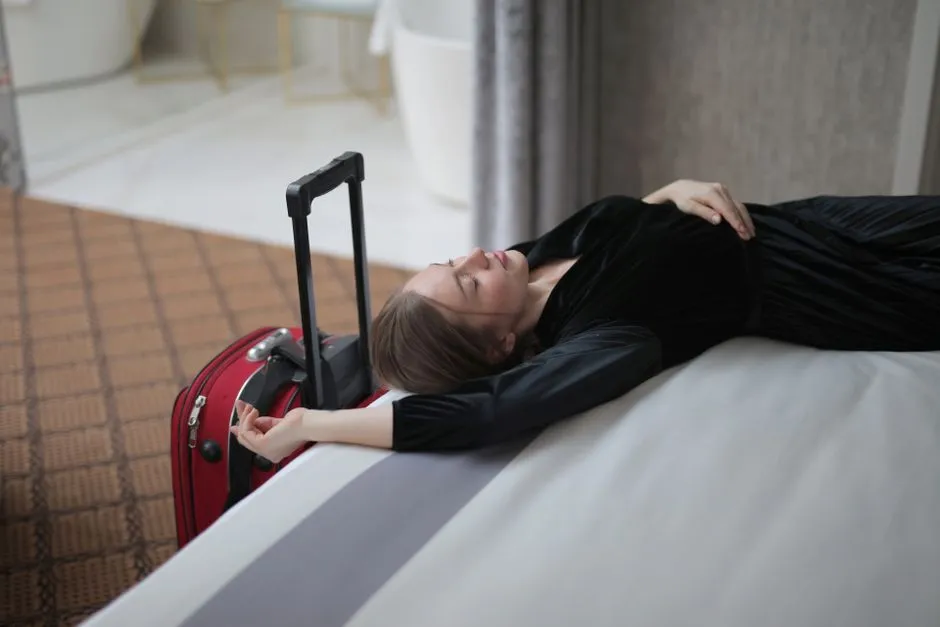
The typical jet lag manifestations include insomnia during local sleep time, daytime fatigue, reduced concentration, irritability, and exhaustion with mild depression, attributed to transient desynchronization in the circadian rhythm. For Geminis, who rely on mental sharpness and verbal energy as their primary mode of operating in the world, reduced concentration and irritability are particularly destabilizing.
The negative effects of jet lag include nervous system aggravation, changes in physiological organ function, and circadian rhythm disruption. Cabin pressurization, humidity changes, low oxygen levels, and restricted movement create a host of symptoms including dizziness, fatigue, brain fog, and gastrointestinal disturbances. A mind that never stops running becomes genuinely fragile in these conditions.
The Fix That Actually Works for Gemini

The good news is that the fix for Gemini’s jet lag problem is something they can genuinely commit to, precisely because it involves novelty and structure packaged together. Zeitgebers, such as meals, exercise, and social interactions, play a role in regulating circadian rhythms. For Gemini, this is actionable: replace broken sleep rituals with intentional new ones before the flight even takes off.
Adding variety within routines through small changes can keep everyday responsibilities interesting without feeling monotonous. That same logic applies to jet lag recovery. Instead of forcing a rigid sleep schedule (which a Gemini will resist and abandon), the smarter approach is to build a loose but consistent anchor routine: the same wind-down playlist, the same light snack before sleep, the same fifteen-minute breathing practice. The anchor holds even when the times shift.
Light Exposure and Melatonin: The Tools Gemini Needs to Use Consistently
Circadian rhythms regulate essential physiological and behavioral processes and are crucial for maintaining overall health. Disruptions to these rhythms, particularly due to trans-meridian travel, can lead to significant health issues including jet lag, metabolic imbalances, and neuropsychiatric disorders. The most evidence-backed tools for resetting those rhythms involve light and melatonin.
Studies published between 2020 and 2024 across databases like PubMed and ScienceDirect focused on randomized controlled trials exploring the effectiveness of various interventions aimed at realigning disrupted circadian rhythms. Timed bright light exposure in the morning at the destination, combined with low-dose melatonin at local bedtime, consistently ranks among the most supported strategies. For Gemini, framing this as a fascinating biohack rather than a boring health obligation makes compliance far more likely.
Social Anchoring as a Gemini-Specific Recovery Strategy
Air signs like Gemini often struggle with racing thoughts at bedtime. On its own, that’s a sleep obstacle. Combined with jet lag, it becomes a significant barrier to recovery. The remedy for an air sign, counterintuitively, isn’t isolation and silence. It’s structured social engagement at the right hours.
Geminis recover best when they have a reason to be awake and present at the new local time, not just a rule telling them to stay up. Planning a morning coffee with a local contact or booking a walking tour for the first day after arrival creates real-world social cues that anchor the body to local time far more effectively than willpower alone. Journaling, meditation, and calming activities are also important for a Gemini’s mental health and overstimulation tendencies.
Why Gemini’s Love of Travel Is Both the Problem and the Solution
The Gemini is open to new experiences, travel, exploring new places, and meeting new people. That innate love of discovery means they’ll keep booking flights regardless of how rough the last recovery was. The challenge isn’t motivation. It’s building enough structural intention around the travel to protect the body that wants to do all of it.
There is a long history showing that chronic circadian disruption such as jet lag negatively affects brain and body physiology. For a sign that lives in and through the mind, protecting cognitive function mid-trip is a genuine priority, not just a wellness nicety. Approached with curiosity rather than discipline, jet lag management actually becomes something a Gemini can get genuinely interested in.
The Takeaway

Jet lag is universal, but the experience is deeply personal. Gemini lands at the more vulnerable end of the spectrum not because of cosmic misfortune, but because the traits that make them endlessly curious, socially magnetic, and intellectually alive are the same traits that resist the one thing jet lag recovery demands most: consistency.
The solution isn’t to become a different kind of traveler. It’s to work with Gemini’s nature rather than against it. Small, flexible anchors. Social cues at the right hours. Genuine curiosity about light, melatonin, and the body’s clock as a system worth understanding. That reframe is everything. The best trips Gemini will ever take are still ahead, and they don’t have to spend the first three days sleeping through them.
AI Disclaimer: This article was created with the assistance of AI tools and reviewed by a human editor.