

Most people arrive at a theme park with a rough idea of what they want to ride, then spend a good chunk of the day surrendering to wherever the crowds push them. The result? A lot of standing still. The guests who move most efficiently through a park aren’t just lucky – they’ve learned to read the rhythms of the place the same way the staff does.
The difference between a good day and a great one often comes down to sequencing. Which ride you do first, where you go after lunch, and how you position yourself in those quieter windows between the morning rush and the evening surge – these choices matter more than people realize.
Start at the Biggest Ride the Moment the Gates Open
There’s a reason experienced visitors walk quickly the moment they enter. When planning your day, it’s best to prioritize the most popular rides early, since these are usually the ones that attract the longest lines later on. Getting to a headline attraction in those first 20 to 30 minutes can mean a wait of just a few minutes compared to an hour or more by mid-morning.
Slinky Dog Dash at Hollywood Studios is considered possibly the most competitive ride for rope drop – even a short rope drop wait beats the two-hour wait possible in summer heat. The same principle applies across most major parks. The window at opening is genuinely short, so heading directly to your priority ride without stopping is worth it.
Understand That You Can Only Pick One “First” Headliner
One of the most useful pieces of advice that comes from experienced park visitors is blunt: when it comes to two top-tier rides like Rise of the Resistance and Slinky Dog Dash, you can only pick one – you will not be first in line for both. Accepting that early forces better decisions throughout the rest of the day.
During the peak spring break season at Hollywood Studios, the highest average wait times were for Slinky Dog Dash and Star Wars: Rise of the Resistance, both reaching close to two hours, while Smuggler’s Run, Tower of Terror, and Runaway Railway also averaged over an hour. Knowing the hierarchy of wait times at your specific park helps you build a realistic sequence from the start.
Know When the Crowds Peak – and Plan Around It

The busiest period in any theme park is generally late morning, once people have got out of bed and made it to the parks, through to late afternoon when people start thinking about eating after standing in queues and doing a lot of walking. This window, roughly from 11am to 3pm, is when standby lines are longest and patience runs thinnest.
The early morning and late evening park hours are especially helpful for managing crowds, as most wait times will be short during these times of day. Structuring your ride order to hit the big attractions in the morning and again during the evening effectively sidesteps the worst of the day.
Use the Midday Lull for Lower-Priority Rides and Meals
The instinct is to keep riding through the middle of the day, but that’s often the least efficient choice. Planning midday breaks or longer table-service lunches helps you cool off while the park hits its peak congestion. You’re not losing ride time – you’re trading a period of long queues for a relaxed break.
Once the early afternoon crowd thins, the lower-tier and mid-tier rides become genuinely approachable. Save these for the 2pm to 4pm stretch. Staying into the evening can give you access to popular rides after families with younger children have left, and theme parks often stay open late during peak seasons, giving you extra time to enjoy the park with fewer crowds.
The Single Rider Line Is One of the Most Underused Tools Available
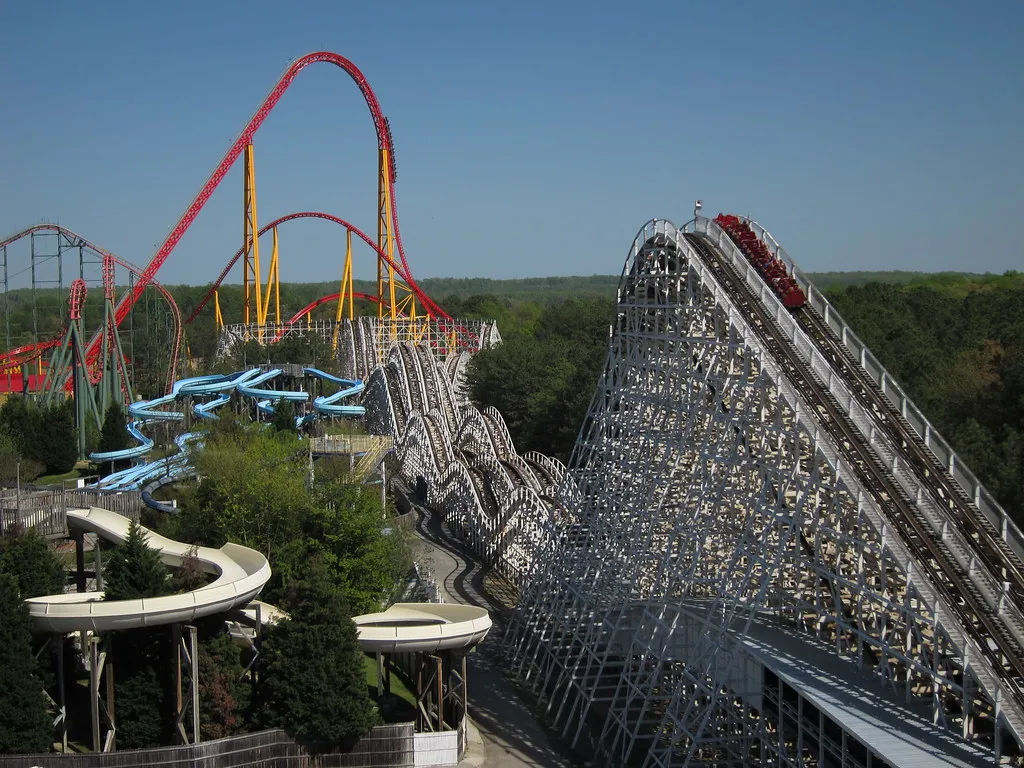
Single rider lines work by filling empty seats in ride vehicles that would otherwise go out partially empty – cast members seat you wherever there’s space, and on the right ride, that can mean skipping most of the standby line entirely. It’s a free option that requires no app, no extra purchase, and no planning beyond knowing where the queue entrance is.
The single rider line is especially short in the morning and does grow as the day goes on, which makes it a useful second tool for your opening-hour strategy if your first priority ride has already drawn a crowd. If you’re comfortable riding solo, single rider lines allow you to fill up empty space on attractions and get a seat next to another guest.
Midweek Visits Change Everything About Ride Order Strategy
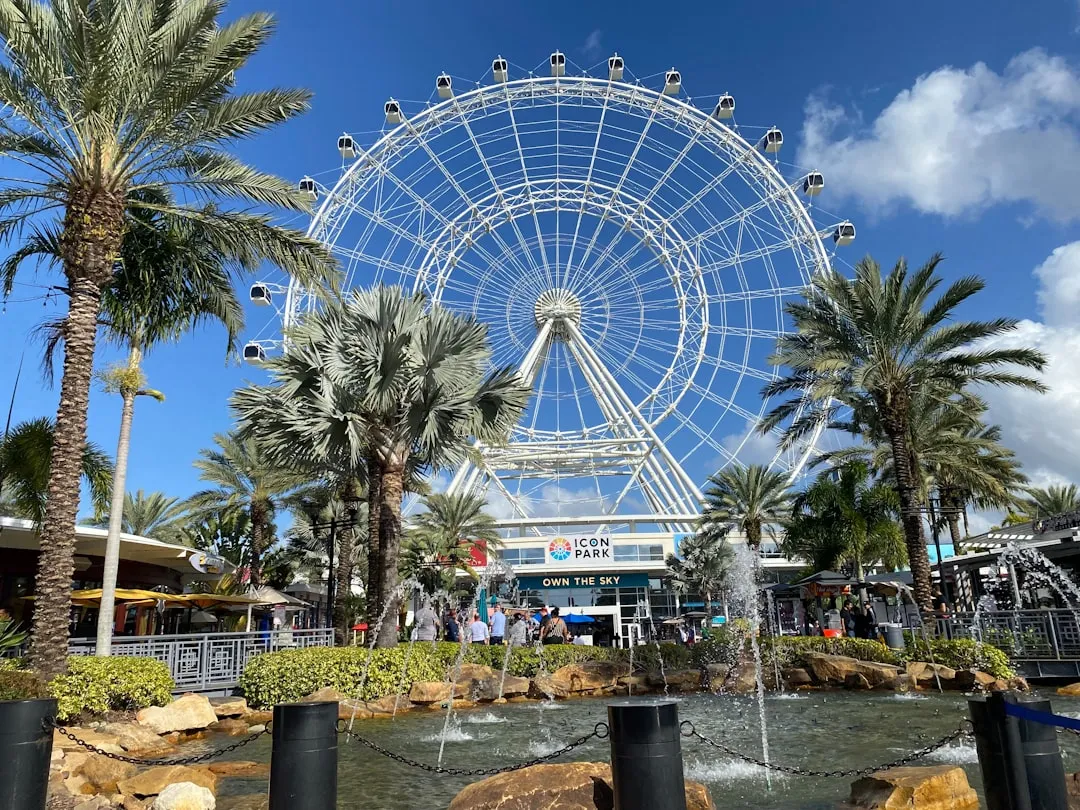
Ride order strategy changes significantly depending on which day of the week you visit. According to extensive wait time analysis covering more than 15 years of historical data, Wednesday consistently ranks as the least crowded day at Universal Orlando, with Tuesday and Thursday following as optimal low-crowd alternatives.
On optimal low-crowd days, visitors report maximum wait times of just around 20 minutes, which transforms the entire calculus of how you sequence rides. When waits are that short, a rigid route matters far less. Across Walt Disney World, wait times on average have been lowest on Wednesdays through the year, with Mondays consistently showing the highest average wait.
Early Park Admission Adds Real, Measurable Time
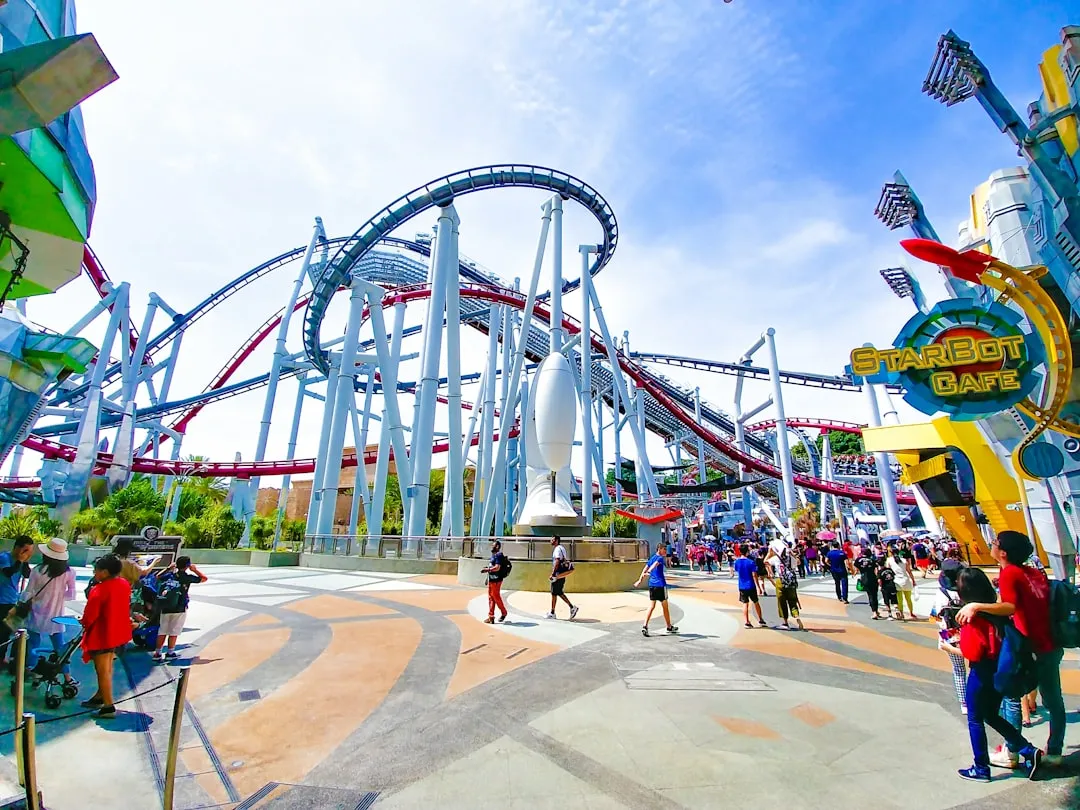
Many parks offer early entry programs for guests staying on-site or as part of ticket packages. The data suggests these windows are genuinely valuable. Early park admission reduces wait times by up to 60 minutes on popular attractions like Hagrid’s Magical Creatures Motorbike Adventure at Universal Orlando. That kind of head start is difficult to replicate at any other point in the day.
Online reservations, mobile ticketing, and virtual queues have become an industry standard, and this modern approach enables easier access to parks, especially for those who hold express passes and early entry programs, which offer a high return on investment during busy seasons. Booking these options in advance rather than deciding at the gate makes a meaningful difference.
Let the App Guide Your Mid-Morning Moves
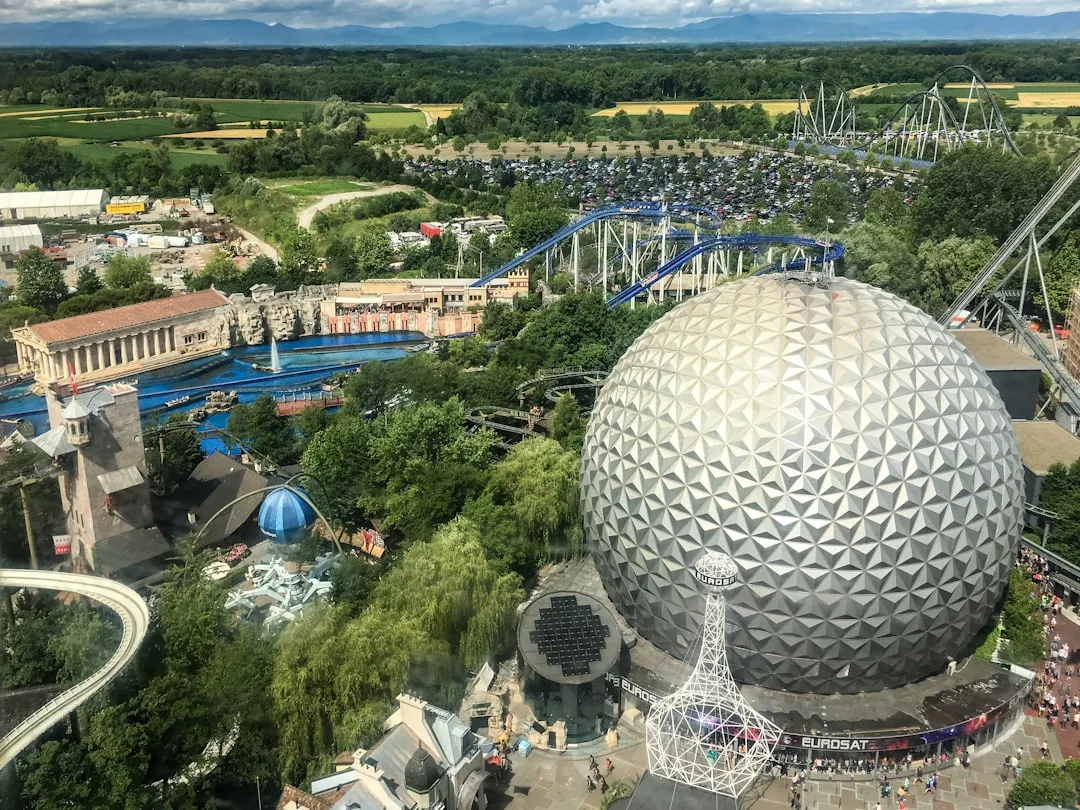
Once the opening rush is over and you’ve cleared your first priority ride, live wait time data becomes your most useful planning tool. Many theme parks now offer mobile apps that provide real-time updates on wait times, park maps, and even mobile food ordering, which can help you strategize your day based on ride availability.
Modern wait time platforms build forecasts from three layers of data – historical queue records collected over years, external signals like weather forecasts and school holiday calendars, and contextual factors such as special events and seasonal patterns – and can generate both hourly wait time forecasts for individual rides and daily crowd level ratings for full park visits. Using even a basic version of this information during your visit helps you pivot when a ride is suddenly swamped or unexpectedly quiet.
Rain Is an Opportunity, Not a Reason to Leave
Weather shifts the crowd in ways that most guests don’t account for. When it starts raining, thousands of families immediately head for the exits and make their way back to their hotels – but waiting the storm out and staying in the park is one of the best ways to beat the crowds, since thunderstorms don’t typically last long and usually bring the sun back out shortly after.
The practical move during a downpour is to find the nearest indoor show, go in, and by the time it’s over, the storm has often already passed. When the rain clears, you’ll find yourself in a noticeably emptier park with shorter waits on rides that were packed just an hour earlier. It’s one of those accidental windows that frequent visitors have learned to take full advantage of.
End the Night on the Rides That Are Worth the Closing Rush
The final 60 to 90 minutes before closing tend to reward guests who stayed patient. Families with young children have gone home, energy levels in the queue drop, and staff often keep the most popular attractions running right up until closing time. Wait times are typically quieter at the start and end of the day, with the busiest period being late morning through to the mid-to-late afternoon.
For rides that were overwhelmed in the morning – the ones you had to pass on – the evening closing window is often your second real chance. The wait time for major rides may dip noticeably before park close, making it worth positioning yourself near your second-choice headliner in the final hour rather than spending that time on lower-priority attractions.
The Bigger Picture: Sequence Beats Spontaneity

A theme park day rewards those who treat it less like a leisurely stroll and more like a thoughtful itinerary – one that still leaves room for flexibility. The sequence you follow matters as much as the rides you choose. Theme park operations teams measure their effectiveness by how many people a ride processes in an hour – it’s all about capacity. When that number is up, wait times go down; when it slides, wait times and guest frustration both rise.
Understanding what drives wait times from the inside out gives you a cleaner picture of when and where to move. The best strategy isn’t about gaming the system – it’s about working with the natural flow of the park rather than against it. Go early, pace yourself through the middle, and return for what you missed when the crowds thin out. It’s straightforward, but remarkably few guests do it consistently.
AI Disclaimer: This article was created with the assistance of AI tools and reviewed by a human editor.