
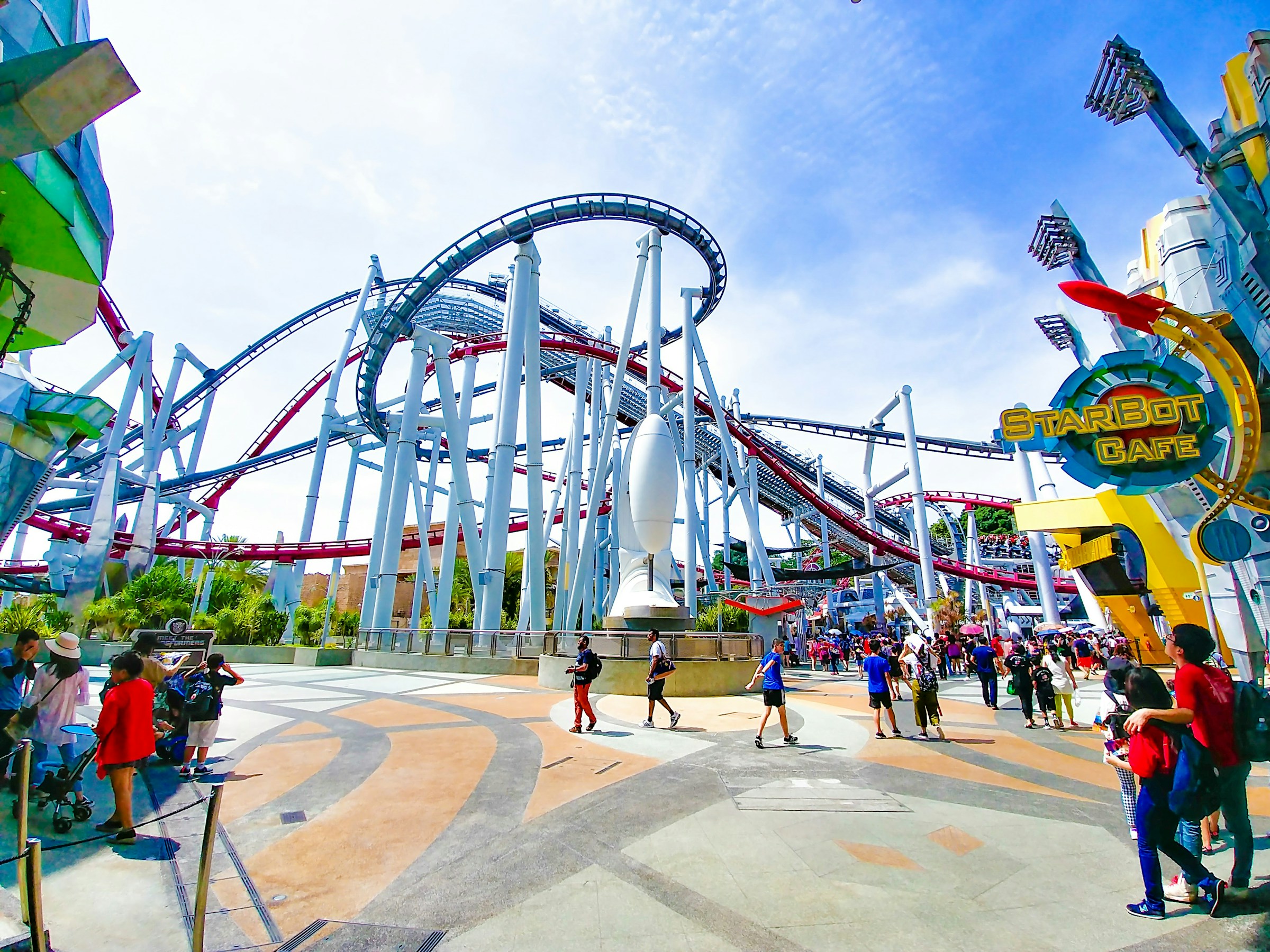
Spending a full day at a theme park sounds like pure fun until you’re forty-five minutes deep in a queue, watching the same looping safety video for the third time. The difference between a great park day and a frustrating one often comes down to a single factor: timing. Not which rides you choose, not which park you visit, but simply what time you walk into the queue.
What’s remarkable is how consistent the pattern is across parks and seasons. Whether you’re at Disney World, Universal Orlando, or another major destination, the rhythm of crowds follows a surprisingly predictable curve. Here’s what the data and experienced visitors consistently reveal about when to ride.
The First Hour After Opening Is the Golden Window

The first 60 minutes after park opening and the final 90 minutes before closing consistently have the shortest waits. This isn’t folklore or a lucky coincidence. It’s a pattern that holds across crowd levels, seasons, and parks. The math is simple: rides are running at full capacity, most guests are still finding their bearings, and the queues simply haven’t had time to grow.
The shortest wait times at Disneyland are during the first two hours after the park opens. The same principle applies at Universal, Magic Kingdom, and most major parks worldwide. Those first two hours are genuinely different from anything you’ll experience for the rest of the day.
Rope Drop: The Strategy That Actually Works

Arriving for rope drop allows you to experience more attractions each morning when crowds tend to be at their lowest. Rope drop refers to the park’s official opening moment, when cast members pull back the ropes and guests flood into the lands. During rope drop, guests bounce from ride to ride before the main crowds arrive and wait times get longer. Disneyland’s rope drop time usually starts at 8am and lasts until 10 to 10:30am, depending on when the crowds arrive for the day.
Because the crowds disperse quickly across many attractions, wait times are incredibly short for the first hour or two. The key insight here is that the crowd disperses. Hundreds of guests scatter across dozens of attractions simultaneously, which keeps individual queues manageable in a way that simply isn’t possible once the late-morning wave arrives.
Arriving at least 45 to 60 minutes before the posted opening time puts you among the first through the gates. For Disney Resort hotel guests, there’s an added perk: Early Theme Park Entry gives hotel guests 30 minutes before the official opening time. Those extra 30 minutes, quiet and unhurried, can set the tone for the entire day.
Midday Is When Lines Peak. Every Single Day.
Wait times follow a consistent daily curve: shortest in the first 60 minutes after opening, rising steadily to peak between 11:00 AM and 3:00 PM, then gradually declining through the afternoon and dropping significantly in the final 90 minutes before closing. This curve holds regardless of whether it’s a busy or a slow day. The absolute numbers shift, but the shape of the pattern stays the same.
It doesn’t matter if it is a busy day or a slow one: if you are trying to ride Harry Potter and the Forbidden Journey at 12:00 PM, you’ll likely hit the longest lines of the day. Midday is when families are fully settled in, energy is high, and everyone converges on the same must-do attractions at once. It’s the worst possible window for tackling headliners.
Booking a table-service lunch during the busiest hour is a smart tactic to avoid lines and recharge. Reserve shows, walkthrough attractions, and indoor rides for that time window. These attractions typically have lower lines at midday and provide a climate-controlled break. Rather than fighting the peak, simply step out of it for an hour.
Wednesday and Thursday Are the Best Days of the Week

According to extensive wait time analysis covering over 15 years of historical data, Wednesday consistently ranks as the least crowded day at Universal Orlando, with Tuesday and Thursday following as optimal low-crowd alternatives. The logic is straightforward: midweek visitors are typically travelers with flexible schedules, not families anchored to school holidays and weekend trips.
Wednesday and Thursday are the least crowded days at Universal Studios Florida, with average wait times around 32 minutes. Saturday is the busiest, averaging approximately 39 minutes. That difference might sound modest, but across an entire day of multiple rides, it compounds quickly. Wednesday wait times average roughly 40 percent shorter than weekend peaks.
September and Early January Are the Quietest Months

The best months for theme parks are September and October. Shoulder periods in early May and early November also work well. September in particular stands out in nearly every data set. Schools are back in session, summer crowds have evaporated, and parks are still running full operations with all attractions open.
The quietest month at Universal Studios Florida is September, with average wait times of approximately 26 minutes across all rides. The busiest month is July, which averages around 41 minutes. That’s a substantial gap. Mid-January through mid-February, September after Labor Day, and early December before the holiday rush are the least crowded periods overall.
The best weeks to visit are known as the “dead weeks,” specifically the week immediately following Thanksgiving and the week following New Year’s. These narrow windows are often overlooked by families who assume the holiday hangover means the parks stay busy. In reality, the opposite is usually true.
The Closing-Time Secret Most Visitors Miss
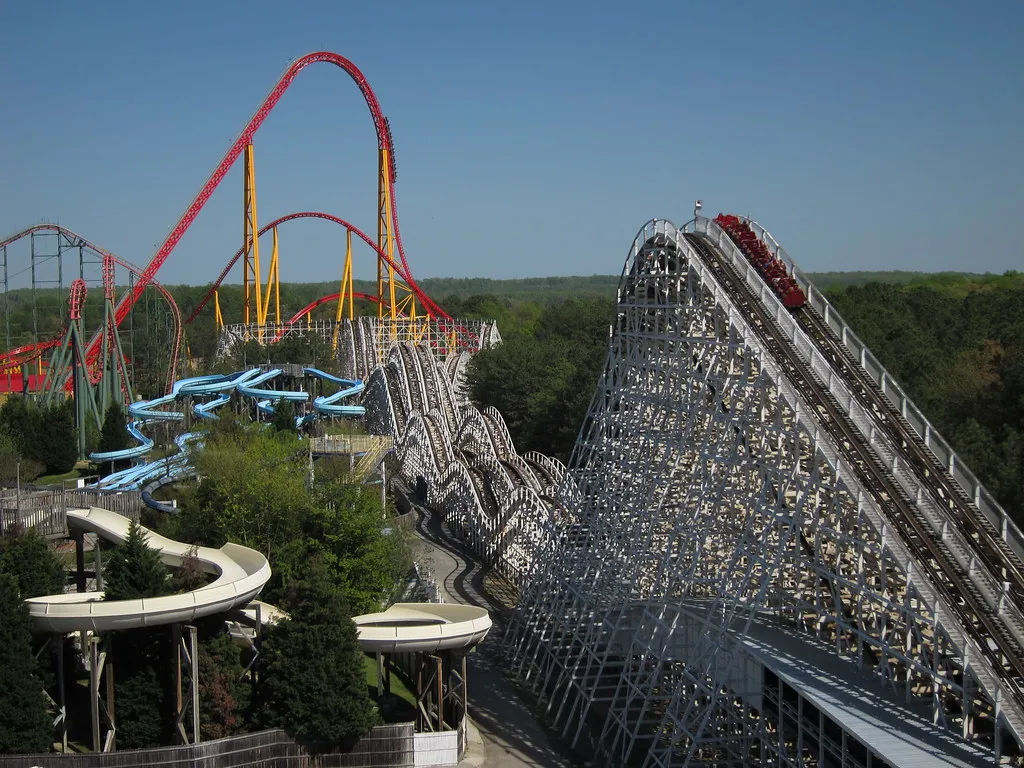
At the beginning or end of the day, wait times will always be the shortest. It doesn’t matter if it is a slow day or a busy one: if you are at the parks first thing in the morning, or if you are the last one leaving at the end of the night, you will experience the shortest waits. Most guests either don’t stay until closing or save energy by heading out early. That’s your advantage.
Coming back to a headliner ride 30 minutes before park close, when the crowds have thinned, can cut the line by half. The caveat is that you need to be already in line before closing time, not approaching it. Staff will still cycle through the queue even after official closing, so being committed and already inside the queue is what matters.
Parades and Fireworks Create Invisible Ride Windows

Shows and parades often draw large crowds away from rides, which means that ride lines are shorter during these times. If rides are your priority, plan to enjoy them while other visitors are watching the parade. This is one of the most underused tactics in theme park planning, largely because it feels counterintuitive to skip a spectacular show.
During a fireworks show, most guests are stationary in the hub and on Main Street. This means ride wait times drop significantly for 15 to 20 minutes. If you’ve already seen the show on a previous trip, riding headliners during fireworks is one of the smartest time-saving moves at Magic Kingdom. Rides like TRON, Space Mountain, and Haunted Mansion all see meaningful wait reductions during that window.
Getting in line during mealtimes, parades, or fireworks, or waiting until people start leaving for the night, are among the most effective free strategies for avoiding long lines. None of these require a paid pass or any special access. They just require a bit of planning and a willingness to move against the crowd’s natural flow.
Single Rider Lines: The Most Underrated Tool in the Park
Single rider lines can reduce wait times by 80 percent or more. That figure is striking, and it holds up in practice. Single rider lines exist because rides are designed to fill every seat, and groups of three rarely make a four-seat row work perfectly. That leftover seat is yours. The single rider queue at many major parks runs at a fraction of the standby wait, sometimes ten minutes versus seventy.
If you’re okay with being separated from your party, the single rider line at certain attractions can save significant wait time. Some theme parks offer the option to ride solo, which typically yields shorter waits in line. For repeat visitors who’ve already shared the experience together, riding solo for three minutes in exchange for skipping an hour-long queue is a very reasonable trade.
It’s also smart to pair single rider use with dining and show schedules. Plan rides during natural crowd diversions, whether someone picks up a mobile order, while others browse shops, or right after parades or fireworks. Stacking two crowd-thinning strategies at once consistently delivers the shortest possible waits.
Crowd Calendars and Real-Time Apps Are Now Genuinely Useful

Crowd calendars predict how busy a theme park will be on any given day of the year. By using data compiled from recent years, Disney crowd calendars help visitors determine which parks will have the shortest lines and which will have the longest. These tools have become considerably more accurate in recent years as the volume of crowd-sourced data has grown.
Shortest lines at Universal Studios typically hit around 9:00 AM, 12:05 PM, and 6:40 PM, according to real-time tracking data from Thrill Data. The 12:05 PM window is particularly interesting since it suggests a brief midday dip, possibly linked to lunch-hour crowd movement, that many visitors don’t think to exploit.
Monitoring the park app for short wait windows is worthwhile because some rides fluctuate unexpectedly due to temporary downtime or operational adjustments. A ride that just came back online after a brief technical pause often has a temporarily depleted queue, which creates a short but real opportunity worth grabbing when you see it.
The Worst Time to Ride Is Also the Most Popular One
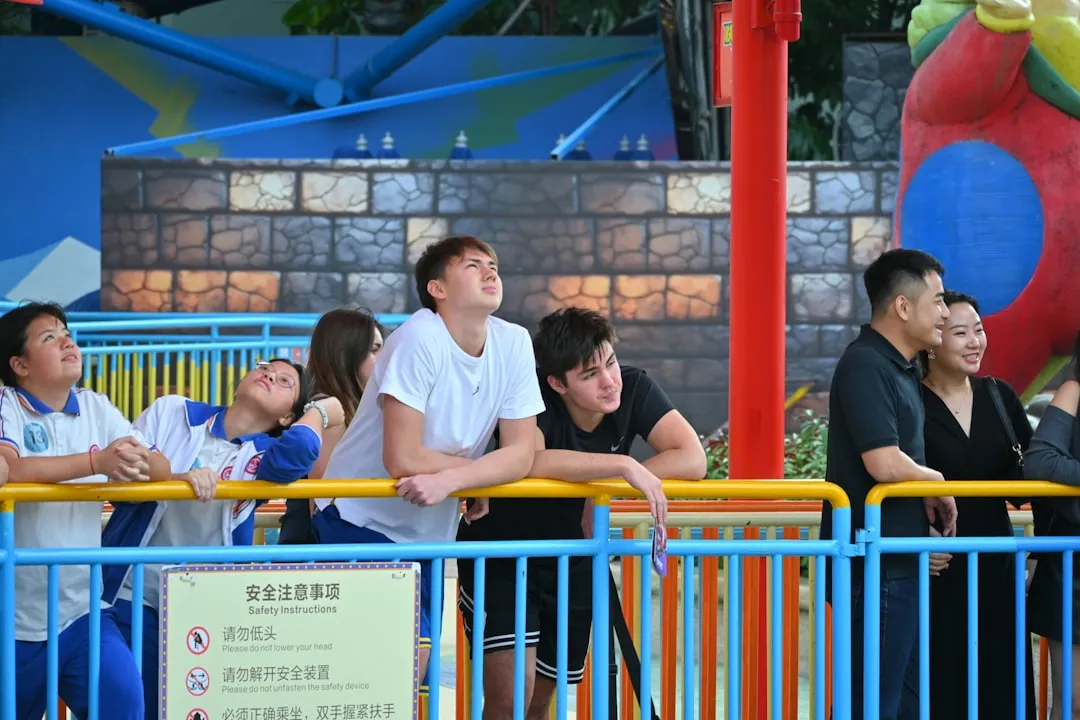
The difference between visiting at noon on a Saturday in July and visiting at 9:00 AM on a Wednesday in September can mean the difference between 90-minute waits and walk-on rides. That contrast captures the full range of what timing can do. Both guests paid the same admission price. Their experiences could not be more different.
The average wait time across all rides at Universal Studios Florida is approximately 34 minutes. The longest waits are for Escape from Gringotts at 45 to 90 minutes at midday, Revenge of the Mummy at 30 to 60 minutes, and Transformers at 30 to 60 minutes. All of those numbers shrink considerably when you apply even one or two of the timing strategies outlined above.
The Takeaway

No theme park visit is ever fully predictable. Rain, ride closures, special events, and simple crowd unpredictability can all shift the picture on any given day. What remains remarkably consistent, though, is the underlying rhythm: early mornings, late evenings, midweek days, and off-peak months all genuinely deliver shorter waits. The data confirms what experienced park-goers and staff have long known.
The best time to ride your favorite attraction isn’t a secret. It’s simply the time when everyone else has chosen to do something else. Understanding that rhythm, and planning around it deliberately, is what separates a good theme park day from a truly great one.
AI Disclaimer: This article was created with the assistance of AI tools and reviewed by a human editor.