

Monteverde’s thriving community owes much of its development to a group of Quaker families who made a new home in Costa Rica’s mountains. Yes, you read that correctly: Quakers helped establish the community that would become an internationally recognised destination for cloud-forest conservation and tourism.
In 1951, families largely from Fairhope, Alabama, settled in the Monteverde highlands, seeking a life consistent with their commitment to peace. Opposition to militarism, including the imprisonment of young men who refused draft registration, helped motivate their move to Costa Rica.
In a region already inhabited by Costa Rican families, the newcomers built homes, established a school and developed a dairy enterprise through cooperation and ingenuity. They also set aside forest that would help form the foundations of Monteverde’s conservation story, with scientists, conservationists and other newcomers later contributing to its development.
That resourcefulness became a recurring theme during my visit, from a farmer’s homemade coffee roaster to a chocolate maker’s inventive equipment. If you’re looking for things to do in Monteverde, its forests deserve your attention, but so do the people whose livelihoods and ideas are rooted here.
Stay Close to Nature at Monteverde Lodge

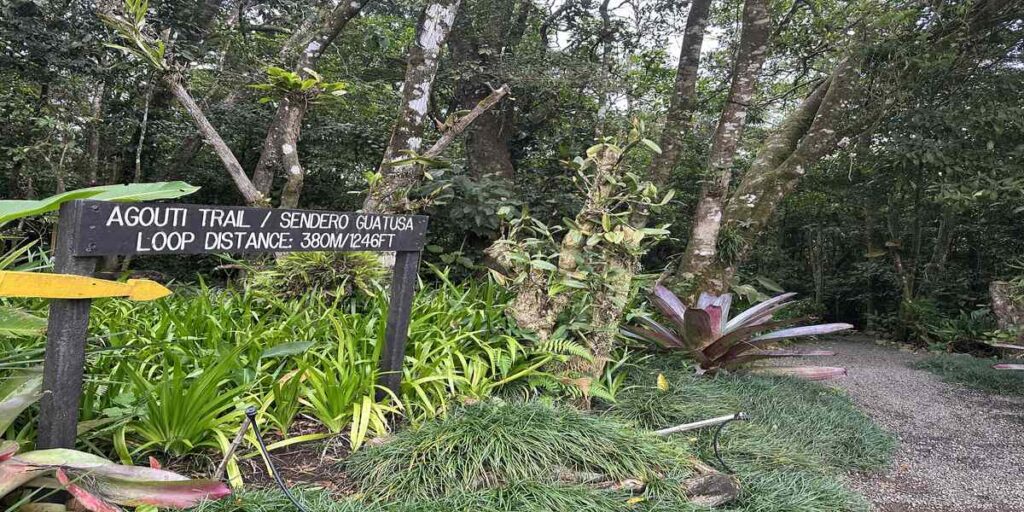
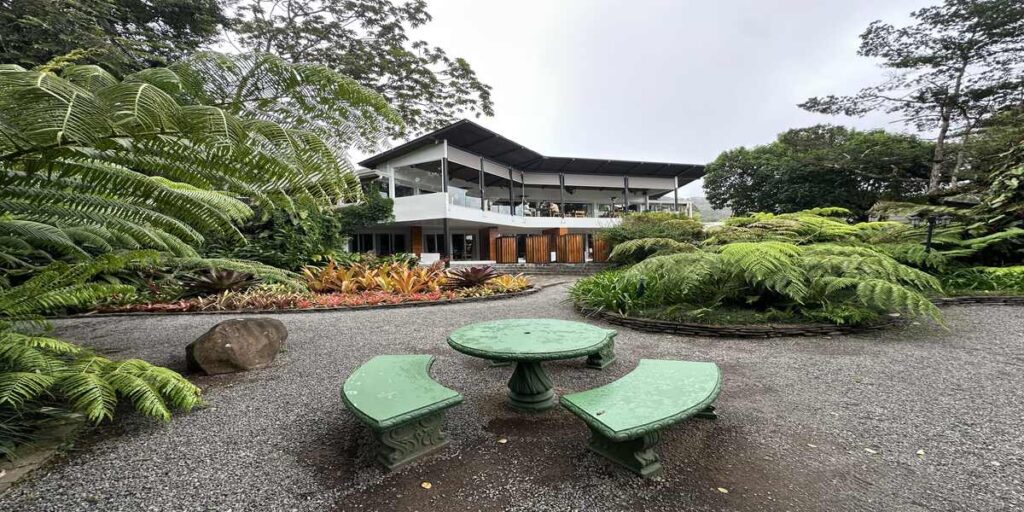
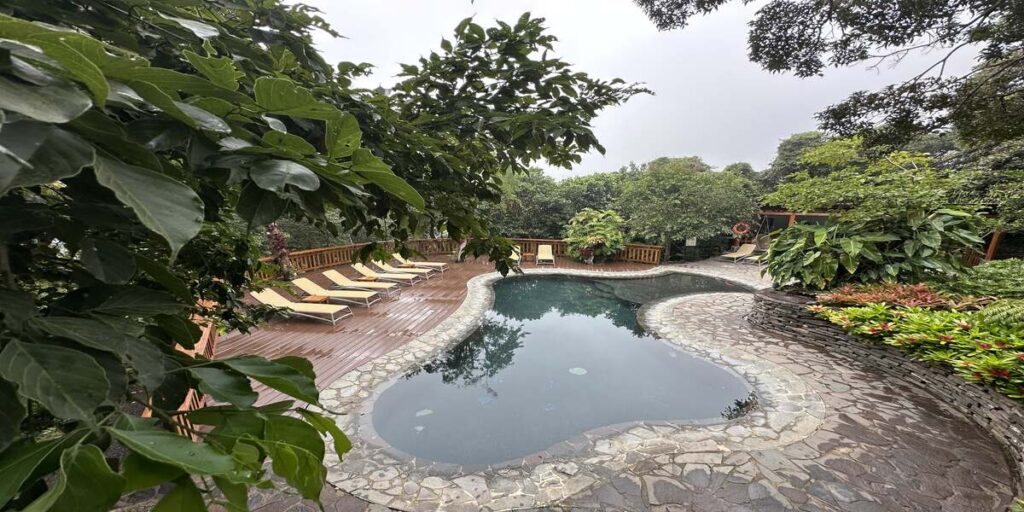
My base was Böëna’s Monteverde Lodge, a luxurious retreat nestled in the forest, with beautiful gardens and thoughtful amenities, including a heated outdoor pool. Behind the property, a nature trail loop allowed me to immerse myself in the greenery without venturing far from my room.
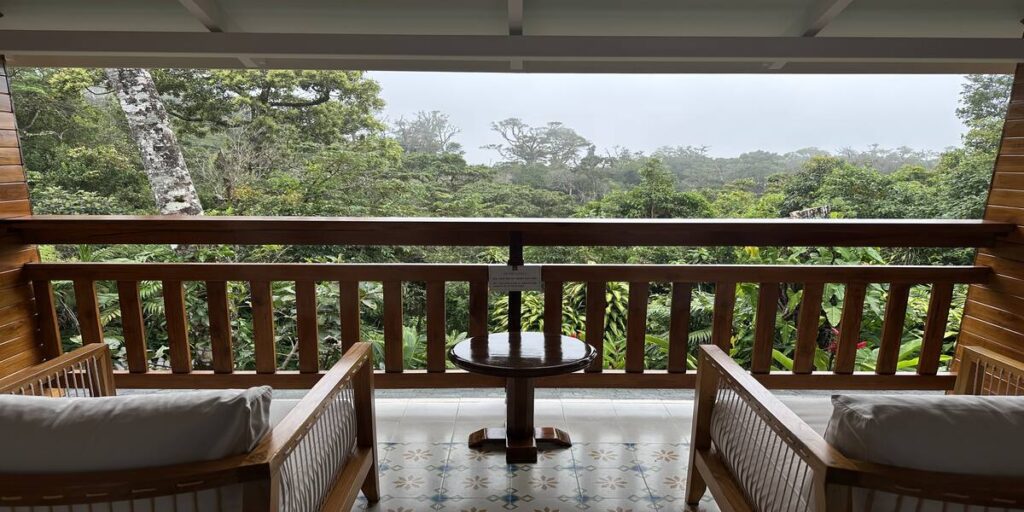

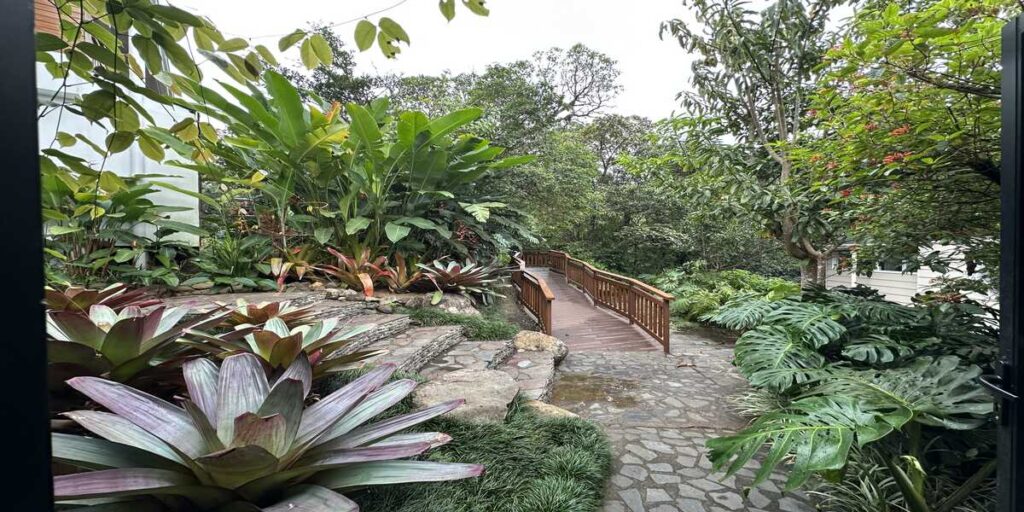
Conservation also informs the lodge’s operations, with practices that include responsible water use, electricity conservation, waste management and support for local recycling. The property protects a private nature reserve and purchases food from local growers and suppliers whenever possible, connecting the guest experience with the surrounding community.
Dining at El Jardín was another highlight, with delicious meals presented through artistic plating and an emphasis on preparations made in-house. The care on the plate complemented the setting, making meals an enjoyable part of the stay.



Despite its secluded feel, the lodge is within walking distance of the town centre. Nearby restaurants, bars and souvenir shops offer more to explore before returning to the comfort of the forest.
Meet the Family Behind Café San Luis
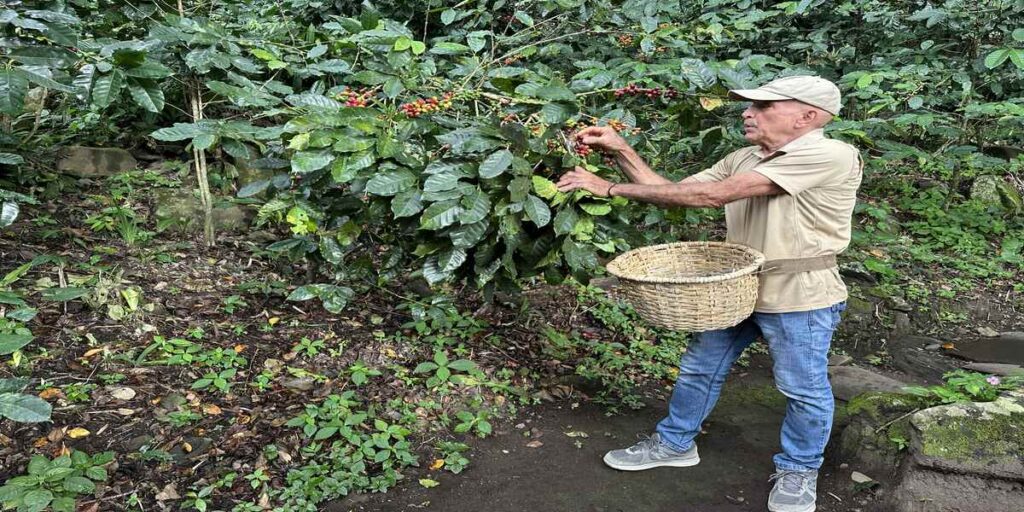
A family-hosted lunch with the Ramírez family introduced us to local hospitality before our visit to Café San Luis. Meeting the people behind these experiences gave our time in Monteverde a personal dimension that continued throughout the trip.
I’m not a coffee drinker, but I am curious about experiences, particularly when someone shares their work with such care. At Café San Luis, following coffee through its production process made sampling the finished cup surprisingly enjoyable.
Víctor Manuel Ramírez Brenes, known as Don Víctor, runs the family business with his wife, Denia Brenes, and their daughters. His sister-in-law Amy Cherwin, originally from Chicago, brought humour and energy to her translations, making the visit engaging, entertaining and educational.
We learned that material removed from the coffee fruit becomes compost, returning an agricultural by-product to the land. Don Víctor also told us the farm pays pickers US$4 per cajuela, a standard 20-litre measure of harvested coffee cherries.
His coffee roaster offered another lesson in resourcefulness: he explained that a commercial model cost US$25,000, beyond his budget. After studying a roaster at the cooperative where he worked, he built his own version, turning observation and practical knowledge into a solution.
Understand Monteverde’s Conservation Story
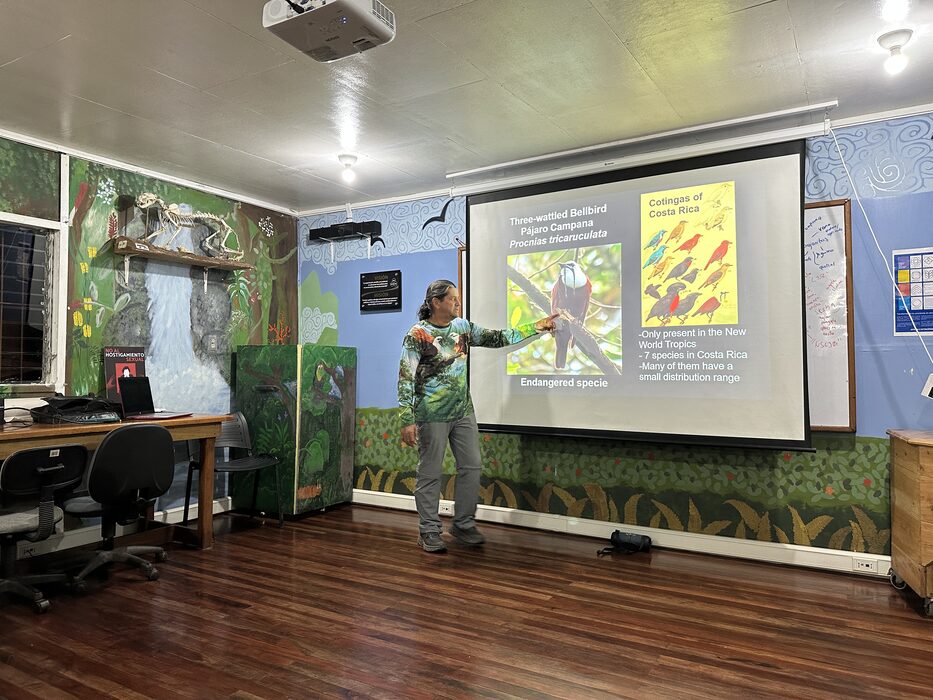
At the Monteverde Cloud Forest Biological Reserve, an educational session led by naturalist and conservationist Victorino Molina Rojas introduced us to the landscape’s conservation history and wildlife. His work includes environmental education with Fundación Conservacionista Costarricense, tropical forest restoration research and years of collaboration on three-wattled bellbird monitoring.
Established in 1972, the reserve is managed by the Tropical Science Center, illustrating the role of private conservation alongside Costa Rica’s government-protected areas. Learning from someone involved in the region’s conservation work added a personal perspective to the history of the forest around us.
The country’s forest recovery involved protected areas, changing land-use incentives and support for conservation on private property. Earlier policies had encouraged clearance through cheap cattle credit and land-tenure rules that rewarded deforestation, showing how economic decisions can shape a landscape.
Costa Rica’s 1996 Forestry Law recognised forests’ environmental services, including biodiversity protection, water-related benefits, carbon storage and scenic beauty. Payments to participating landowners helped give standing forest an economic value alongside its ecological importance.
The recovery is substantial: a World Bank publication reports forest cover increasing from approximately 40 per cent in 1987 to almost 60 per cent in 2023. Monteverde brings that national story into focus through its reserves, farms and forest-based visitor experiences.
Discover the Forest’s Wildlife, Including After Dark
The three-wattled bellbird, or pájaro campana, particularly captured my interest during the presentation. Research in Monteverde documents males using exposed calling perches and special branches involved in courtship, adding another layer to the behaviour taking place above visitors’ heads.
Globally classified as Vulnerable, Procnias tricarunculatus moves between elevations during the year and faces threats from forest loss. Its movements demonstrate why protecting connected habitats beyond a single reserve matters.
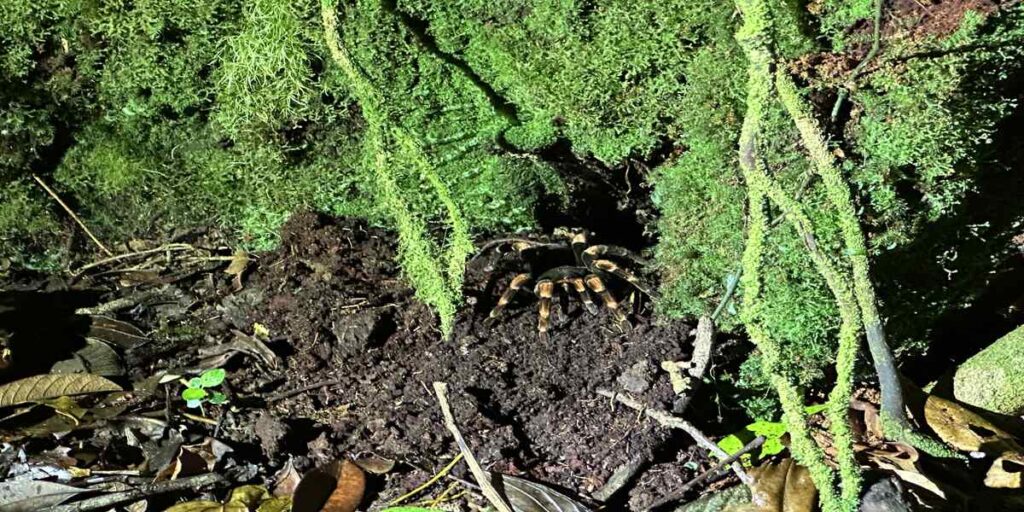
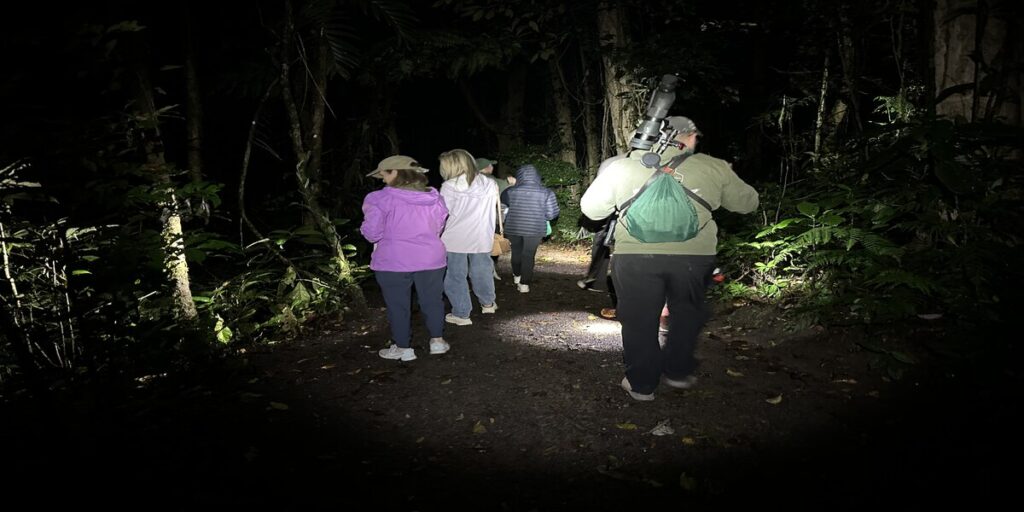
Our guided night walk revealed a different side of the forest, with sightings that included insects, a snake, a tarantula and a small lizard. Looking closely at bark, leaves and hollows brought attention to creatures that could easily have escaped notice.
Walk Among the Treetops at Treetopia Park
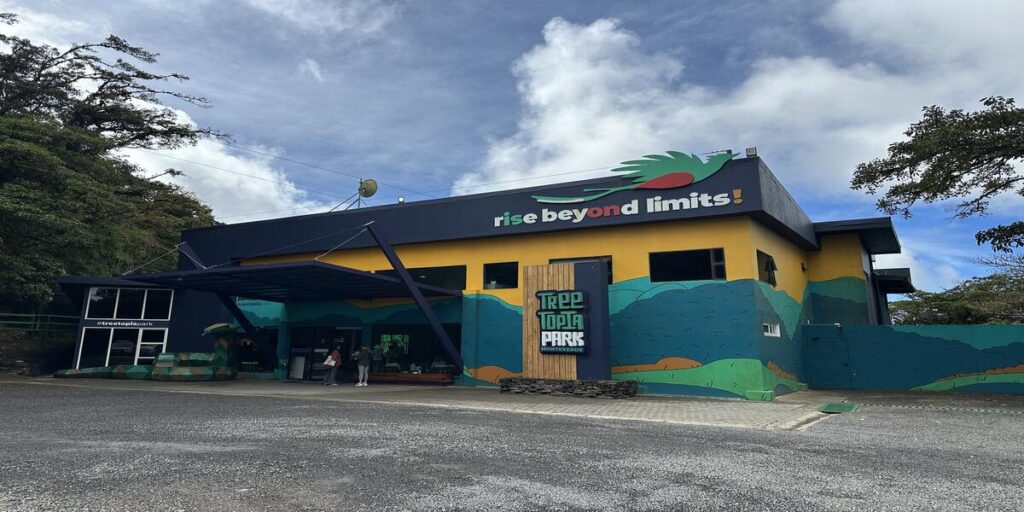
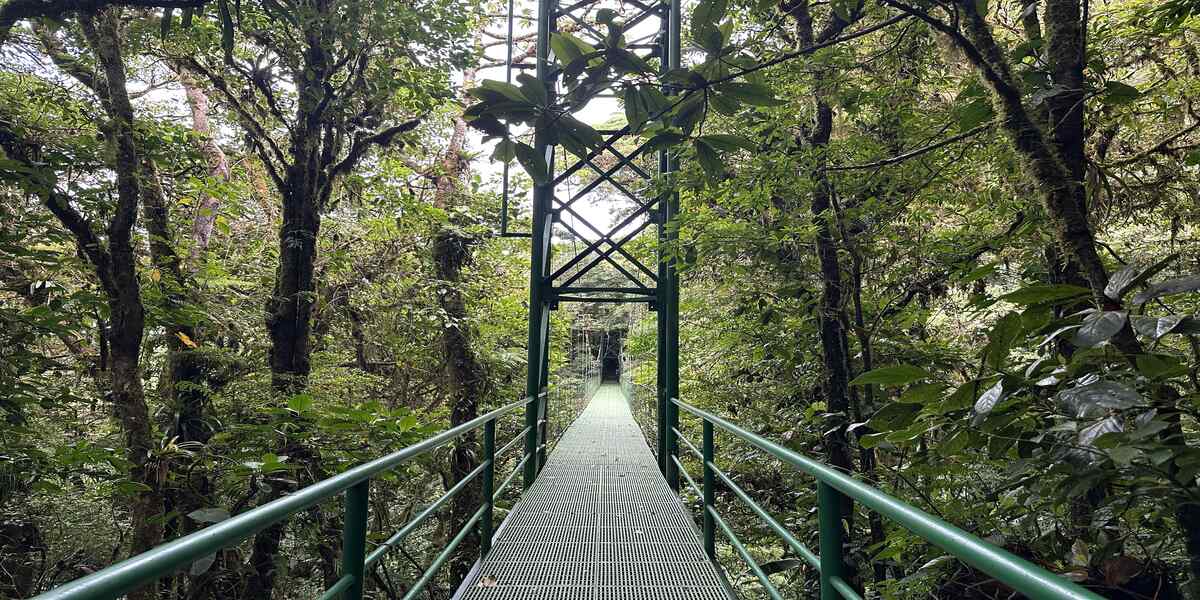
Treetopia’s hanging bridges carried our exploration into the cloud-forest canopy, where the views were breathtaking. Looking across the treetops felt as close as I could imagine to experiencing the forest as a bird, with a perspective impossible to appreciate from the ground.
We spotted howler monkeys and parakeets along the way, adding to the pleasure of being surrounded by life at canopy level. It was blissful to pause above the forest and take in its layers, allowing time to look closely rather than hurrying to the next crossing.
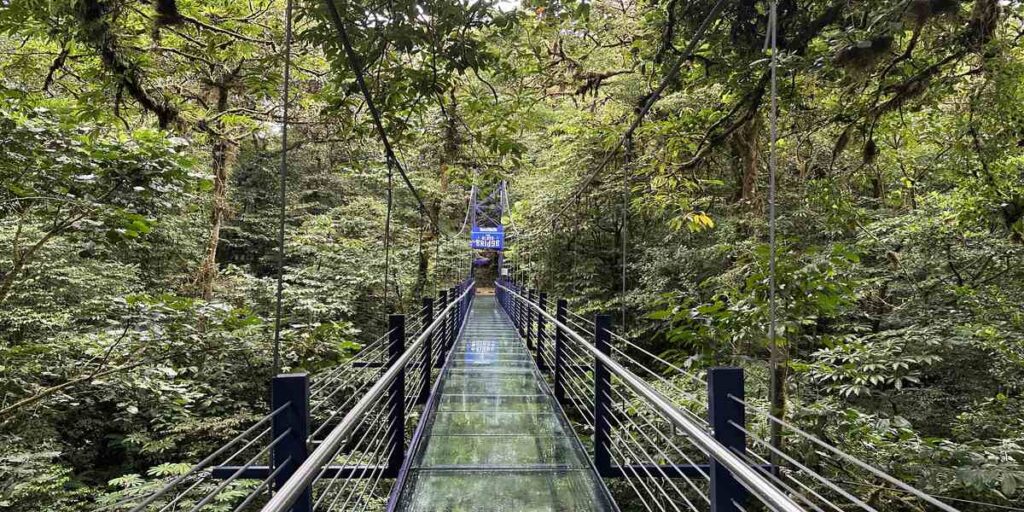
The glass-bottomed bridge added another dimension, revealing the vegetation beneath my feet as well as the trees around me. Its transparent floor made the height more tangible, inviting me to look down into the greenery before lifting my eyes towards the wider view.
The park dates its hanging-bridge operation to 1997 and describes its Sky Walk as approximately 2.7 kilometres of trails and bridges. Give yourself time for both: the crossings offer remarkable views, while the connecting trails bring you back amongst the details of the forest.
Browse the Artisans’ Work at CASEM
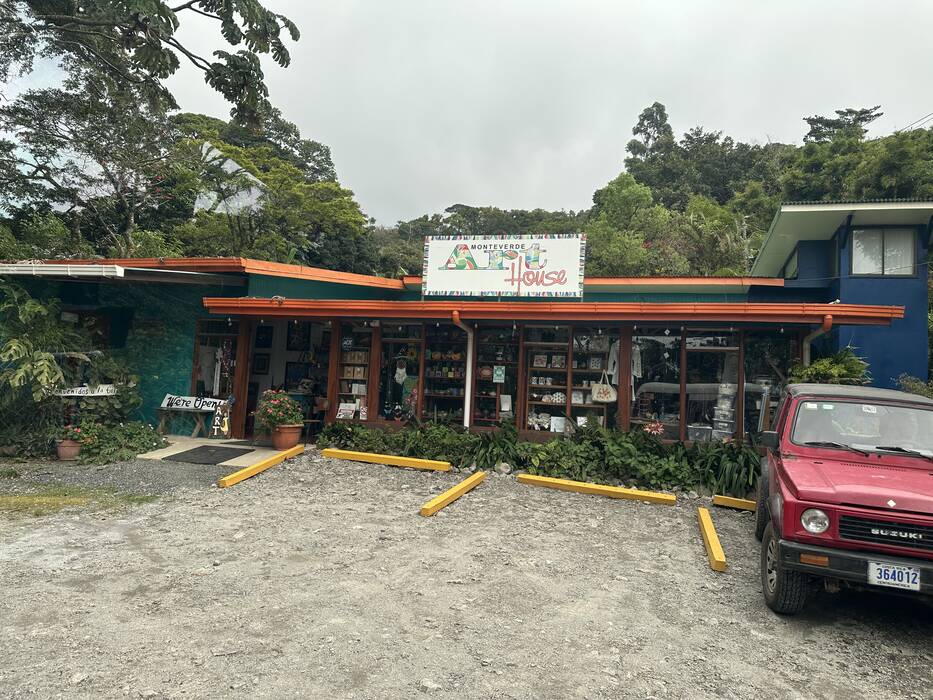
At CASEM, displays held jewellery, clothing, ornaments, dining accessories and artwork, making it easy to linger. Candles incorporating children’s crayons particularly caught my attention, another example of finding possibilities in materials that might otherwise be discarded.
The organisation began in 1982 with Patricia Jiménez and seven other local women, developing into a cooperative supporting craft production and sales. That history makes shopping here an introduction to women’s enterprise and community life as well as an opportunity to find a keepsake.
Enjoy Chocolate and Learn About Bats at Caburé

Lunch at Café Caburé, owned and operated by Susana Salas and her husband, Bob Carlson, came with an unexpected welcome. Bob was there to greet us and offered a mini chocolate tour followed by a bat tour, turning our meal into an opportunity to learn more about both.
The house-made chocolate was delicious, and seeing Bob’s improvised equipment—including a hairdryer incorporated into a system of piping—added another layer of appreciation. His practical ingenuity echoed what I had encountered at the coffee farm, where Don Víctor had built his own roaster.
The bat tour expanded on something I had previously learned through the Nature Conservancy of Canada: these animals play important roles in healthy ecosystems. Insect-eating bats consume agricultural pests, including moths and beetles, helping limit crop damage and potentially reducing reliance on pesticides.
Other species pollinate flowering agaves in Mexico, connecting bats with plants used to produce tequila and other spirits. Because commercial agaves are often harvested before flowering, allowing some to bloom supports nectar-feeding bats and the plants’ sexual reproduction—a relationship worth remembering the next time you raise a glass.
Unwind with a Picnic at Cerro Pinocho
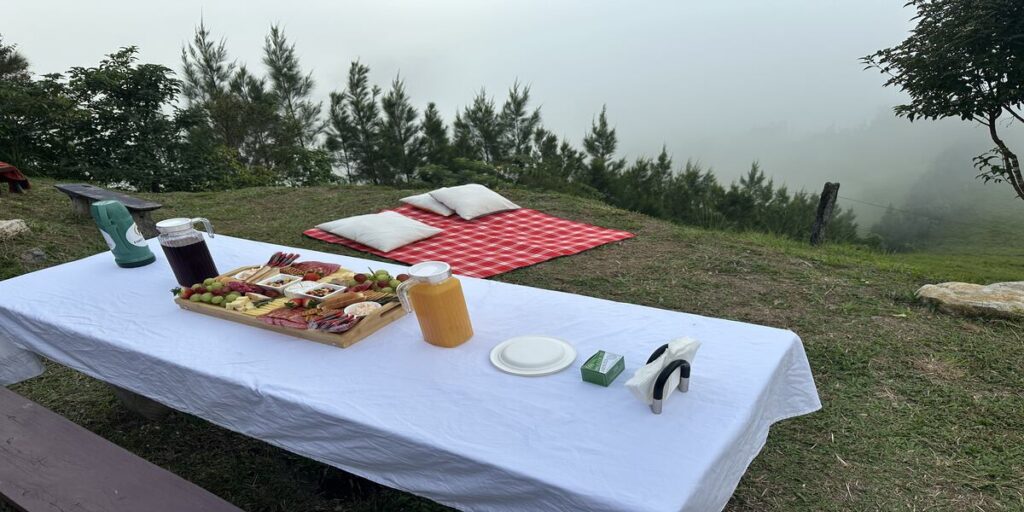
At Cerro Pinocho, our hosts welcomed us and led us on a short walk to our picnic area. They shared the story behind its name, a playful reference to the owner’s father and his prominent nose.
Fresh juice, wine and a charcuterie board awaited us on a picnic table, while a red-and-white checkered blanket and pillows were arranged on the grass. The setting was wonderfully photogenic, but its greatest appeal was the invitation to settle in.
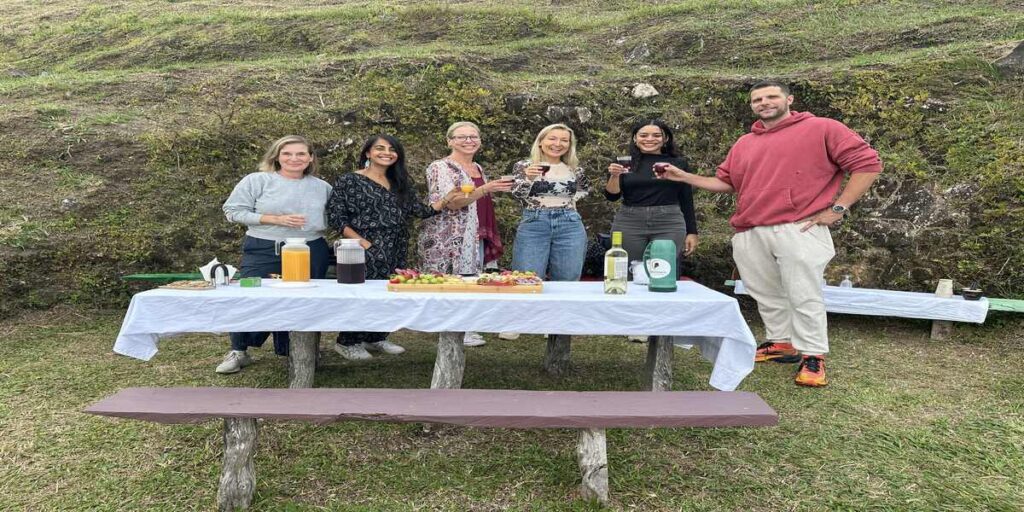
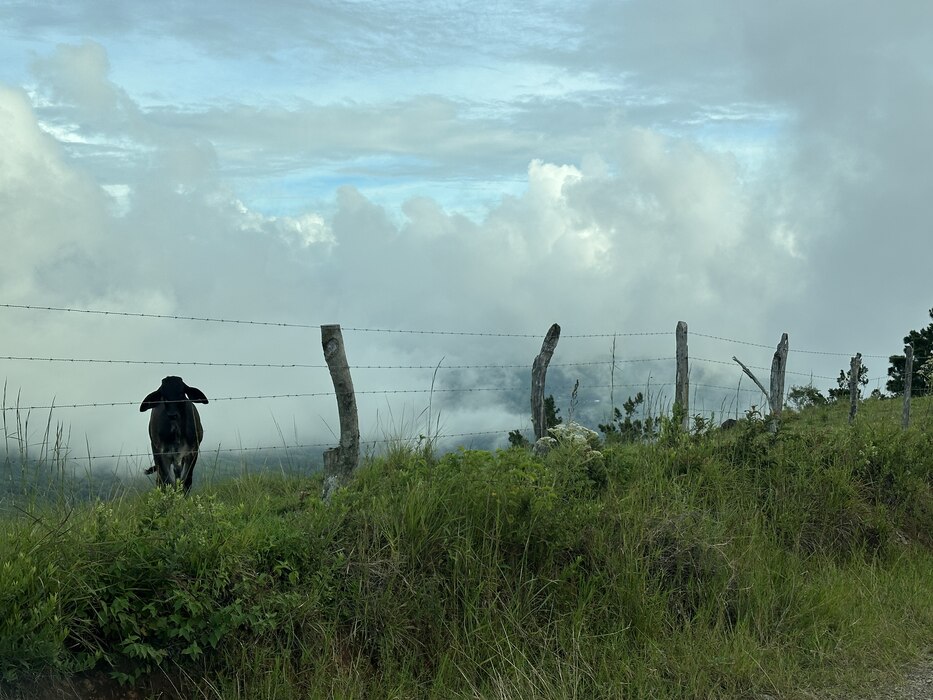
The sun peeked through the clouds periodically, and the cloud cover made the mountaintop feel enveloped in the forest landscape. A cow grazed on lush grass in the distance, with only the sounds of nature around us.
Conversation moved between favourite travel destinations and anecdotes from our lives, making the experience as much about the company as the view. It was a peaceful place to unwind and create a shared memory.
Finish with Dinner at Cervecería Belmar
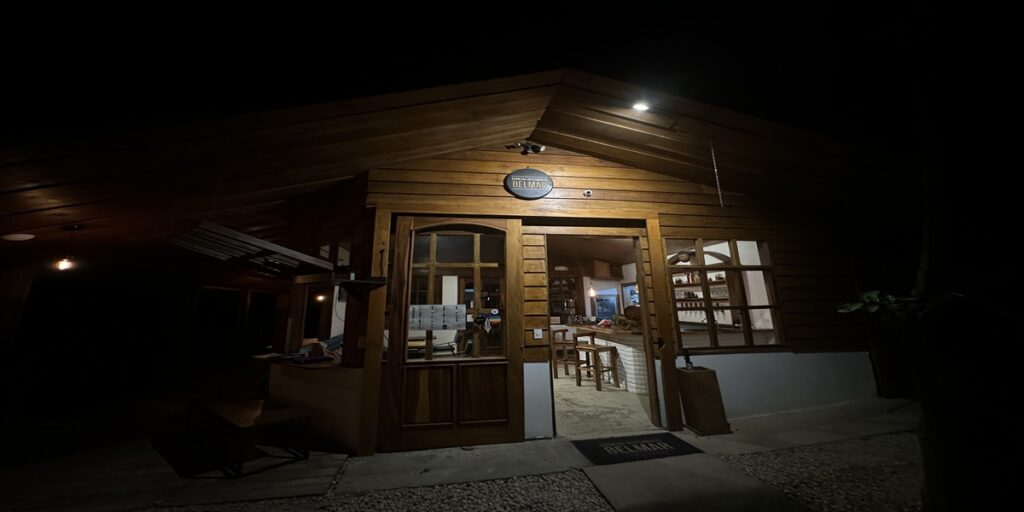
We wrapped up the day with dinner at Cervecería Belmar, the taproom and beer garden associated with Hotel Belmar, a member of Design Hotels. Open to hotel guests and other visitors, it combines casual dining with beer brewed on site in a pond-side setting bordered by forest.
The brewery uses water from Monteverde’s natural springs, adding another local connection to the food and drink experiences of our stay. Beyond the town centre, it offers an informal option for rounding out a day in the mountains.
The Takeaway
Across Monteverde, I encountered people applying knowledge, creativity and care to their work, whether roasting coffee, making chocolate or sharing the forest with visitors. The pride and contentment I sensed recalled my time amongst residents in San José, giving pura vida a personal meaning through the people I met.
Leave room for conversations alongside the better-known attractions, and bring a waterproof layer and shoes with good grip for forest outings. A bridge, a cup of coffee or a piece of chocolate becomes more memorable when you understand something about the people and landscape behind it.
As with every destination, I encourage travellers to tread lightly and leave places better than they found them. Respect cultural wildlife and stay on designated paths, observing them from a distance. We are visiting their home.
Disclosure: This trip was hosted by Costa Rica Tourism Board, but all reflections, opinions, and editorial content are entirely my own.
Photo Credit Disclosure: All photographs featured in this article were taken by Helen Hatzis. Some images have been cropped and/or resized to meet the formatting and technical requirements of Trip Jaunt’s syndication partners.