
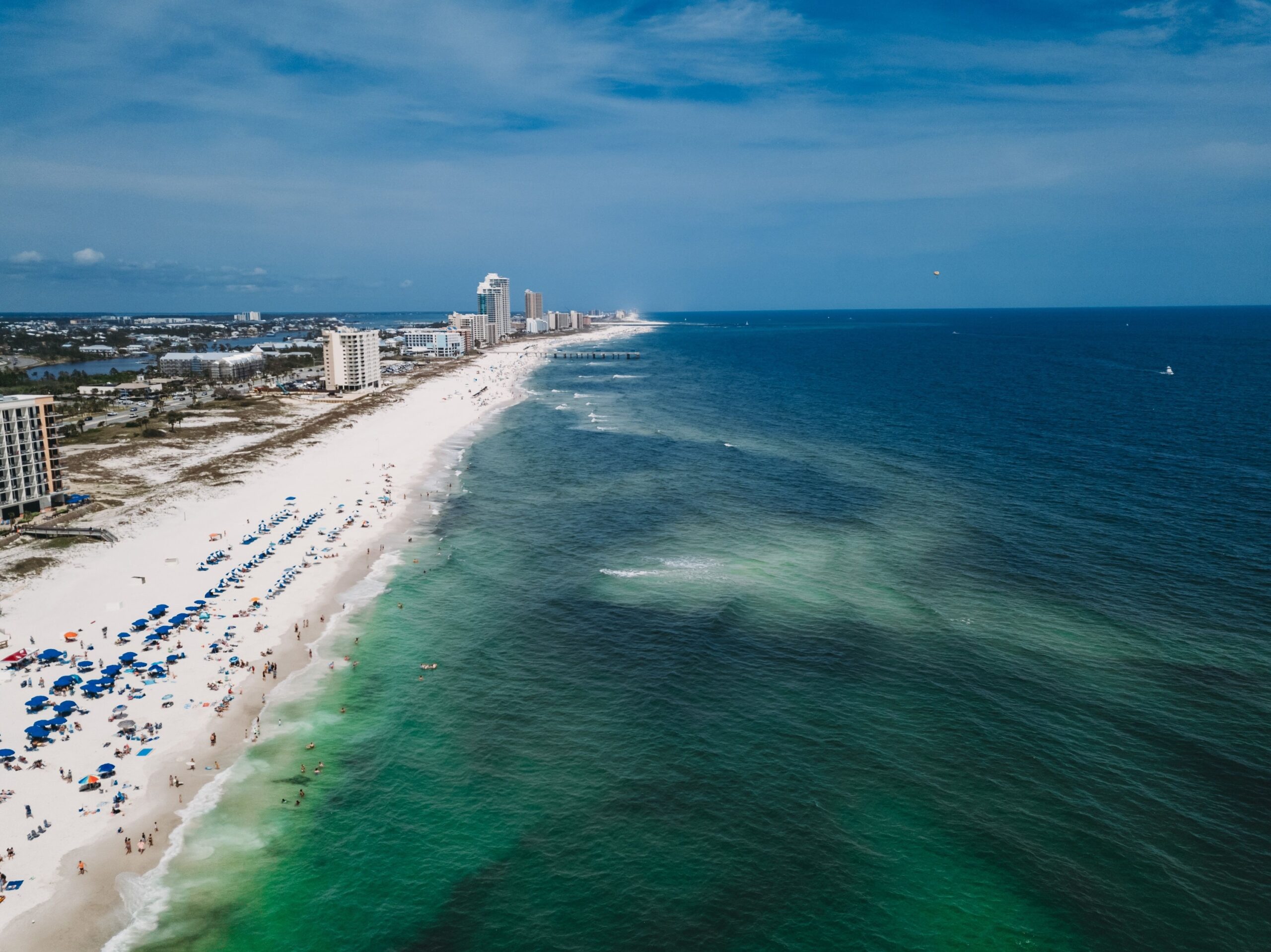

Most people picture Florida when they think of the Gulf Coast’s powdery shores. The turquoise water, the pale dunes, the kind of sand that sticks to your feet like fine sugar. What many travelers don’t realize is that one quiet stretch of Alabama coastline quietly rivals all of it.
Gulf Shores, Alabama, sits at the western end of a 32-mile barrier island, and the sand here is genuinely extraordinary. It tends to earn a second glance from first-time visitors, who weren’t expecting it to look quite like this. The science behind that color is just as interesting as the sight itself.
The Science Behind That Startling White
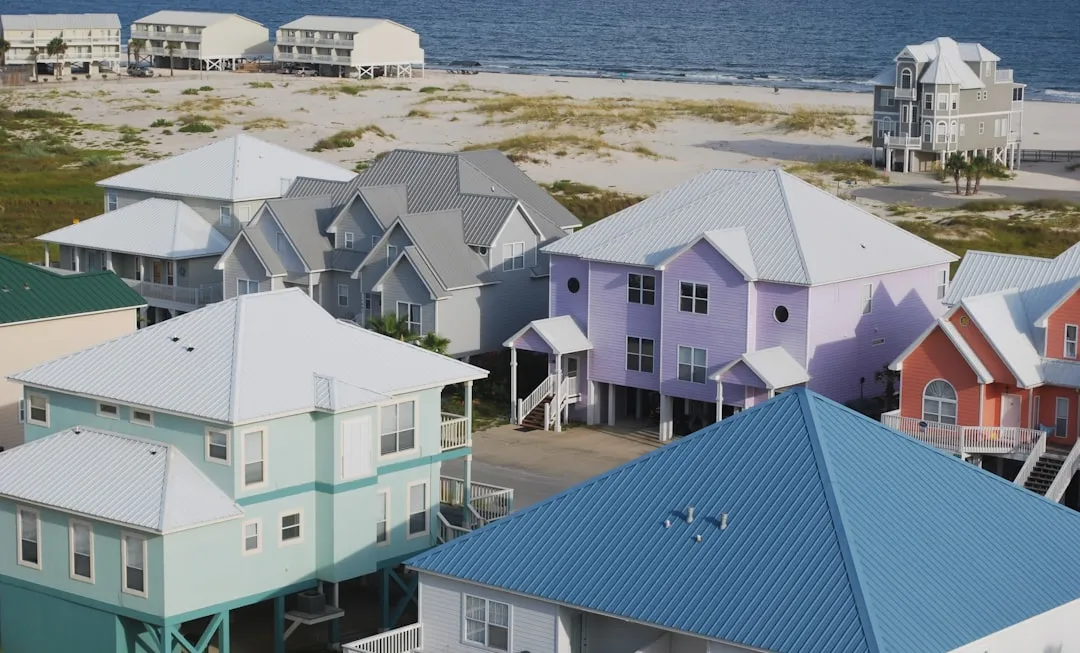
The sand at Gulf Shores is made up of quartz grains washed down from the Appalachian Mountains, which gives it a surprisingly bright white color and an unusually soft texture. This isn’t simply a matter of aesthetics. The origin of the material directly explains why the beach looks so different from sandier, more yellowed shores elsewhere on the Gulf.
The quartz particles were flushed down through rivers and streams from the Appalachian Mountains during the last Ice Age, nearly 20,000 years ago. Over millennia, those crystals ground down to fine particles through surf and storms, which is also what causes the sand to squeak underfoot when you walk. It’s a small, peculiar detail that surprises almost everyone who experiences it for the first time.
Thirty-Two Miles of Sugar-White Shoreline
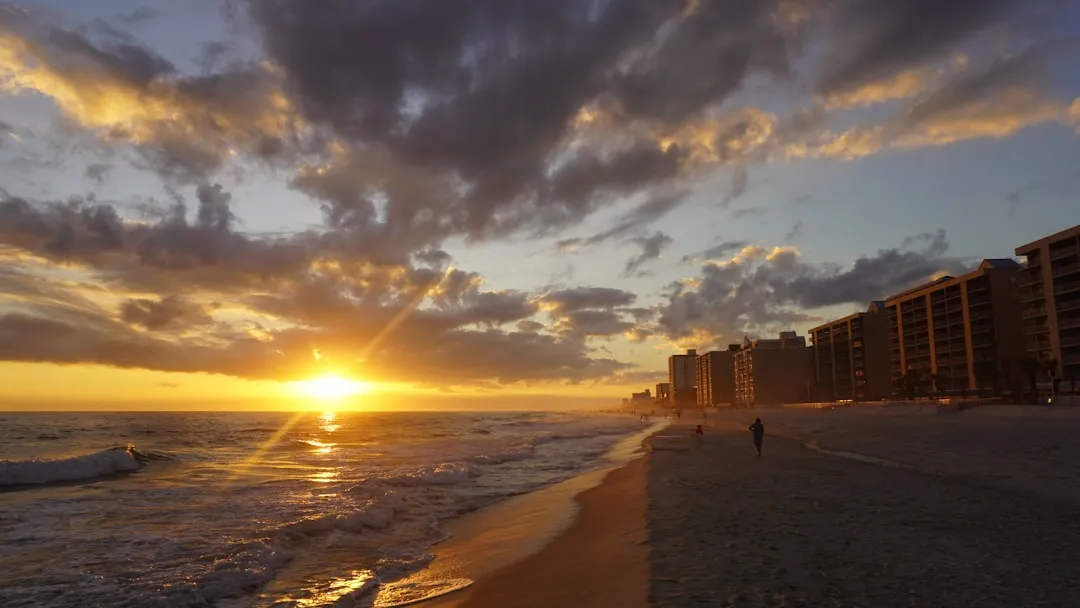
Alabama’s 32 miles of sugar-white sand beaches span across Gulf Shores, Orange Beach, and Fort Morgan, which makes planning a trip here genuinely diverse. The stretch offers a range of atmospheres, from the livelier Gulf Place area in Gulf Shores to the quieter, more windswept reaches further west toward Fort Morgan.
The sand along Alabama’s beaches is softer and finer than what you see on most other beaches around the world, the result of pure white quartz crystal that washed down from the Appalachian Mountains and was deposited into the Gulf. That geological history is part of what makes this coastline feel like a reward for those willing to travel a little off the beaten path.
The Fort Morgan Peninsula: Where the Sand Runs Deepest
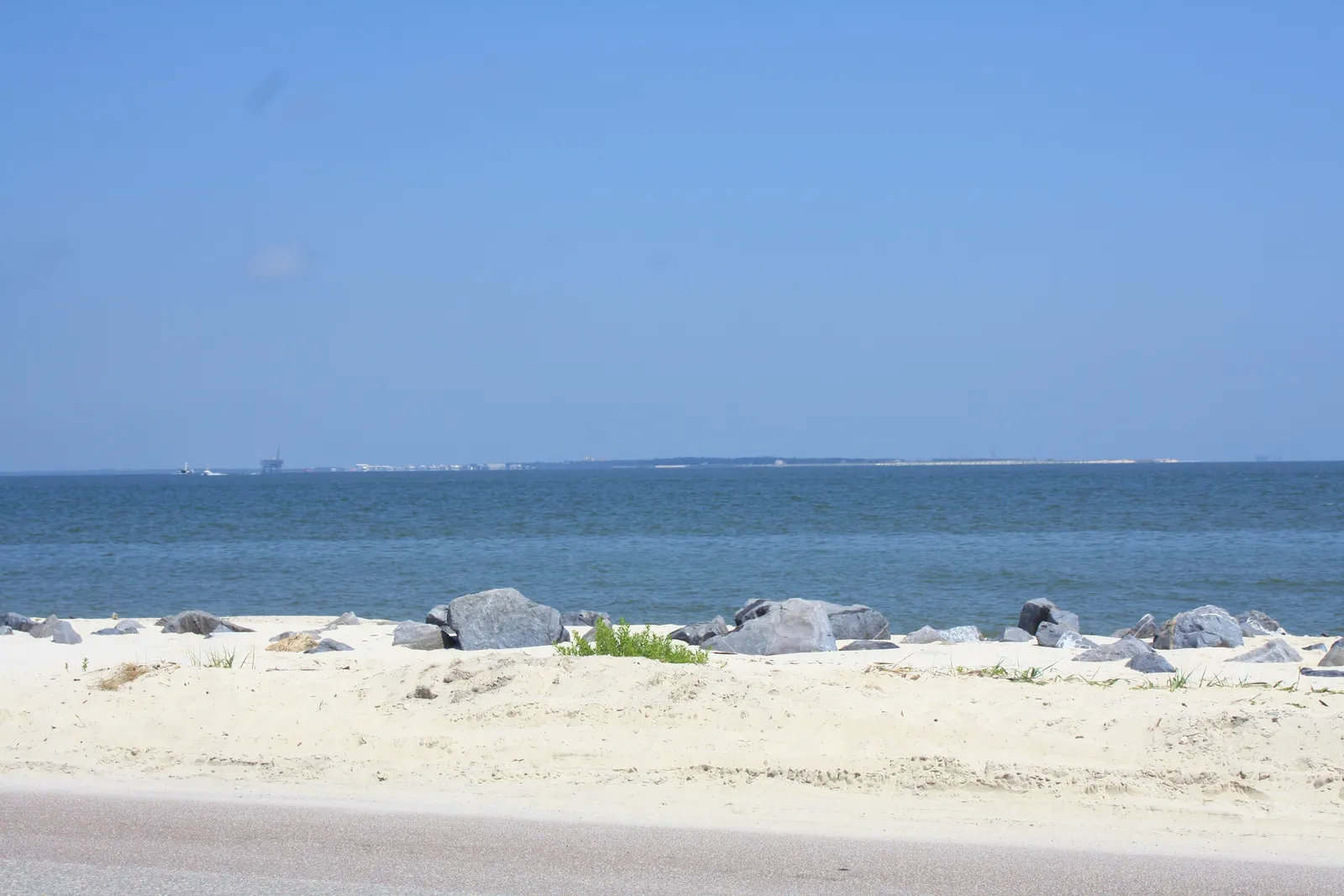
The shoreline along Alabama’s Fort Morgan Peninsula has what many consider perfect sand dunes: sparkling white, seemingly untouched, windblown, with thin blades of grass swaying in the wind. It’s the kind of landscape that feels more like a nature photograph than a tourist destination.
The beaches on the Fort Morgan Peninsula are wide, sugar-white, and blissfully uncrowded. Visitors sometimes find entire stretches of shoreline to themselves, with nothing but gentle waves and swaying sea oats. Protected dunes frame the landscape, keeping the coastline as natural as possible.
A Historic Fort Watching Over It All
Fort Morgan is a Third System masonry fort built between 1819 and 1833, named after Revolutionary War hero Daniel Morgan. Standing guard where Mobile Bay meets the Gulf of Mexico, the fort played a significant role in the Battle of Mobile Bay in August 1864 and was used intermittently through the Spanish-American War, World War I, and World War II.
Construction began in 1819, but due to its isolated location, the fort was not completed until 1834. Skilled masons, many of whom were enslaved African Americans, built the fortification, which contains more than 46 million cubic yards of bricks. Walking those grounds today, with the dunes and turquoise water just beyond, creates a quietly layered experience that’s hard to find elsewhere along the Gulf.
Bon Secour National Wildlife Refuge: Protected and Pristine
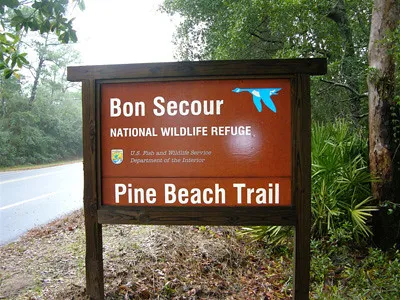
Bon Secour National Wildlife Refuge is a 7,157-acre National Wildlife Refuge located in five separate units in Baldwin and Mobile Counties, directly west of Gulf Shores on the Fort Morgan Peninsula. It is one of the largest undeveloped parcels of land on the Alabama coast.
The refuge was established by Congress in 1980 for the protection of neotropical migratory songbird habitat and threatened and endangered species, including green, loggerhead, and Kemp’s ridley sea turtles, as well as the Alabama beach mouse. The refuge is home to more than 360 species of birds, and the best times for birding are spring and fall, when it serves as an important stopover and staging habitat for hundreds of migratory songbirds.
Sea Turtles Nesting on the White Sand
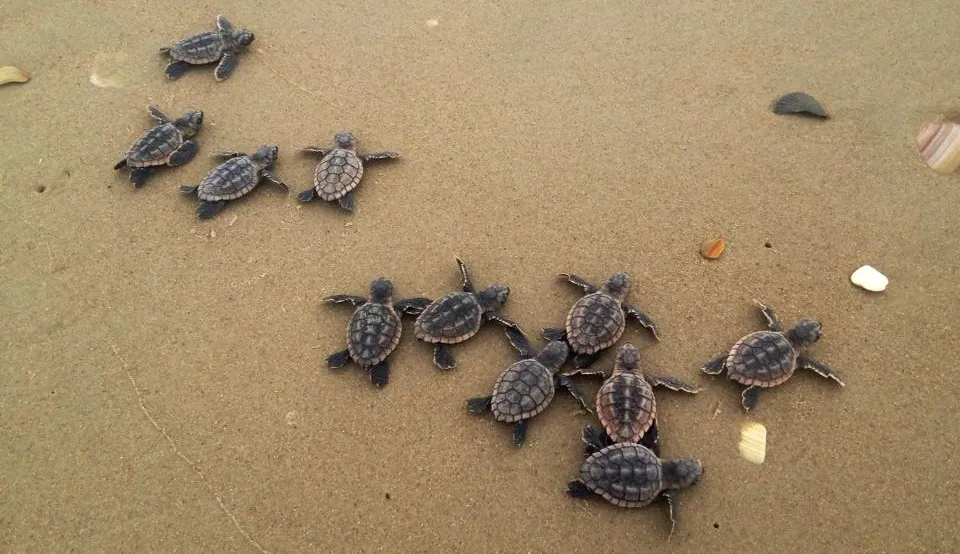
Loggerhead, green, and Kemp’s ridley sea turtles all nest on the beaches of Bon Secour National Wildlife Refuge. Conservation strategies to protect them under the Endangered Species Act include on-site nest monitoring and protection, as well as fostering a public ethic through educational programs.
Staff and Share the Beach volunteers protect and monitor the eggs during incubation, then guide the newborn turtles safely to the surf. These species are in decline worldwide, and the refuge represents an important step in sea turtle recovery. Visiting the beach with that awareness changes the way you look at the dunes entirely.
Gulf State Park: The Outdoor Heart of the Coast
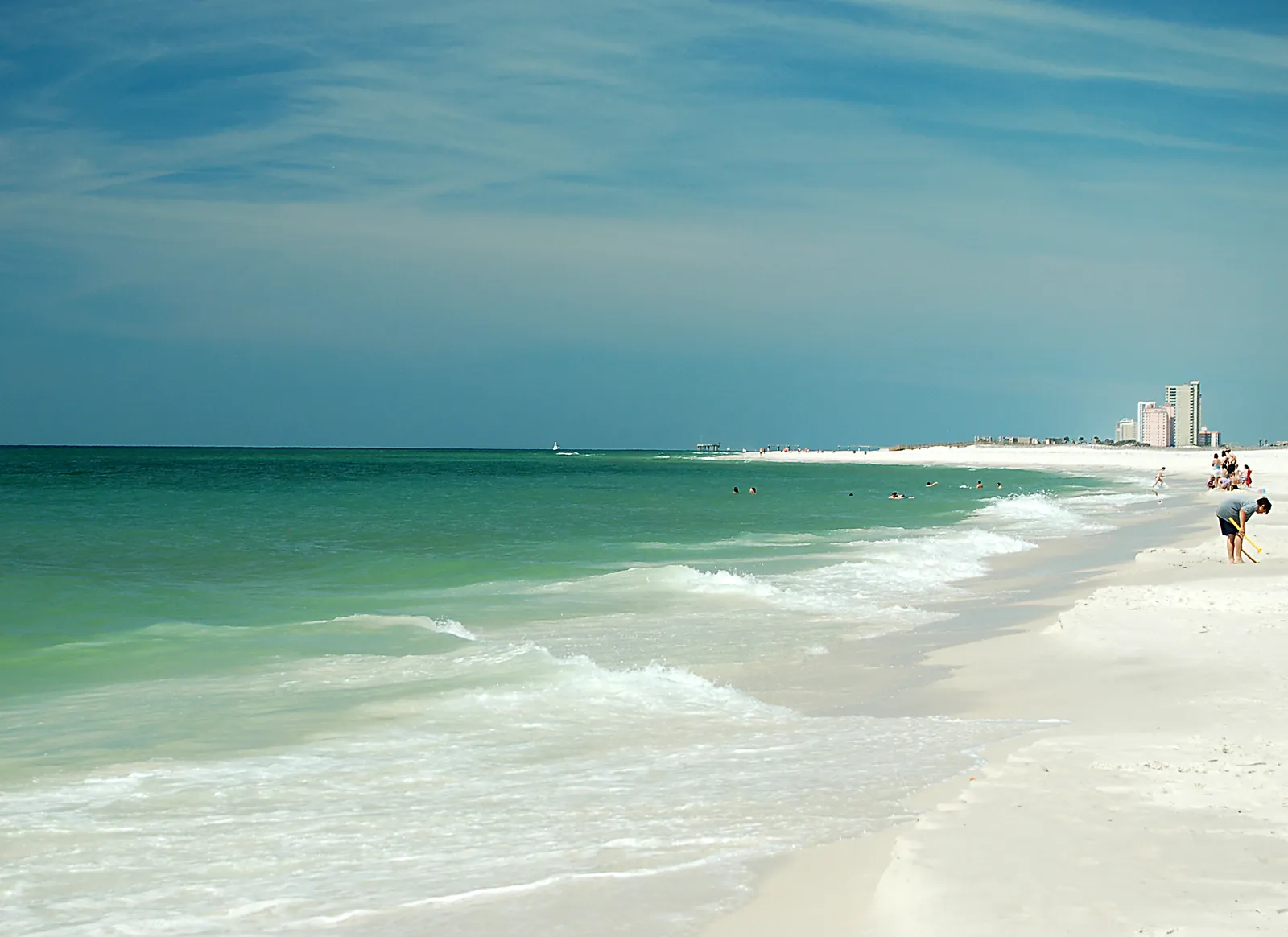
Gulf State Park boasts over 3.5 miles of beautiful white sand beaches, available at both the main park area in Gulf Shores at the Beach Pavilion and from access points in Orange Beach. The park anchors the middle section of Alabama’s coastline and serves as a natural buffer that keeps development from pushing too close to the water’s edge.
The Hugh S. Branyon Backcountry Trail runs through the park with 28 miles and seven trails, allowing visitors to experience six distinct ecosystems. Also central to this stretch of beaches is the Gulf State Park fishing pier, the second longest in the Gulf of Mexico, measuring 1,540 feet.
A Tourism Economy Built on the Sand
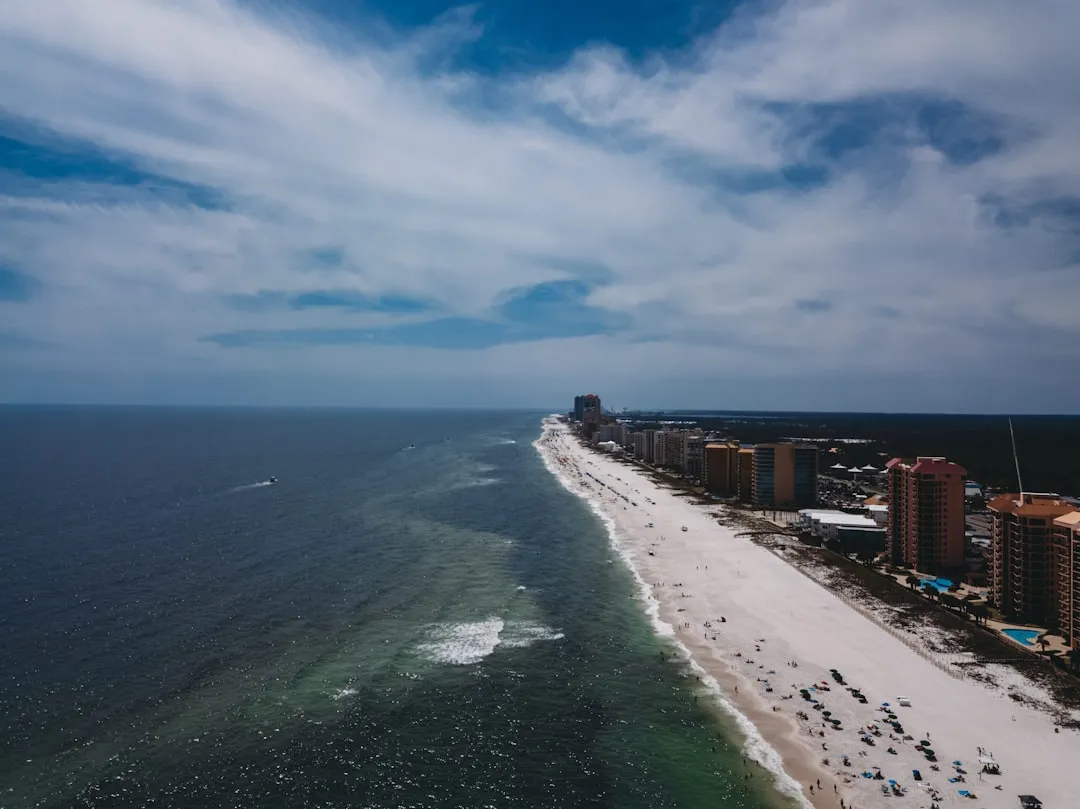
According to the Alabama Tourism Department’s 2023 report, an estimated 8.4 million visitors came to Baldwin County, with 6.5 million specifically visiting Alabama’s beaches. Those beach visitors spent almost $6.7 billion in the coastal community and helped employ 55,000 people with tourism-related jobs in Gulf Shores, Orange Beach, and the Fort Morgan area.
Visitor spending on lodging rentals across Alabama’s beaches reached a record $923 million in 2025, well above 2024’s mark of $871 million and more than double what lodging revenue totaled just ten years ago. Retail sales continued to rise as well, reaching $1.42 billion in 2025. The numbers reflect a destination that has quietly matured into one of the South’s most significant coastal economies.
Getting There Is Getting Easier

Gulf Shores International Airport marked its first year of commercial air service in 2025 with the launch of Allegiant Airlines, and a passenger survey conducted at the airport found that nearly half of visitors arriving by air had never visited Alabama’s beaches before. That shift represents something meaningful. A destination that long relied on road-trip traffic is now drawing a genuinely new audience.
One route from Belleville, Illinois, recorded a very high load factor in July, and the airport averaged roughly two-thirds capacity across all destinations. By summer 2026, the airport expects to operate about 30 flights per week. The logistical barrier that once kept Gulf Shores off many travel radars is clearly shrinking.
How to Experience the Shore Responsibly
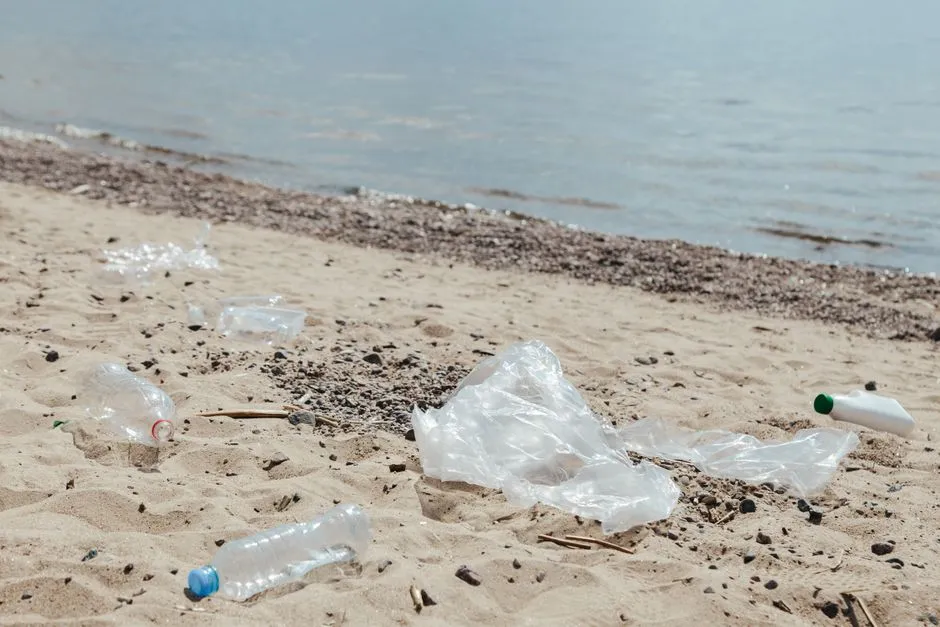
The “Leave Only Footprints” program protects Alabama’s beaches so the coast can be enjoyed for many years to come. Visitors are encouraged to follow beach ordinances and properly dispose of trash. That ethic feels genuine here, not performative. The beaches that look this white stay that way because people treat them with care.
The Wind and Water Learning Center continues expanding outdoor programming that introduces visitors and residents to coastal recreation and environmental stewardship, with a coordinator who emphasizes hands-on education: getting kids into the actual field creates real-world learning that sticks. The commitment to education alongside tourism is one of the things that gives this destination its particular character.
Final Thoughts: The Sand That Earns a Second Trip

There’s a version of the Gulf Coast that most people know from postcards and spring break photos. Gulf Shores offers something a little quieter, a little less expected. The sand is genuinely this white, the history is genuinely this layered, and the wildlife is genuinely this close.
What stays with most visitors isn’t just the view. It’s the texture underfoot, the soft crunch and gentle squeak of ancient quartz that traveled thousands of miles and thousands of years to end up exactly here. That kind of place tends to earn a return visit.
AI Disclaimer: This article was created with the assistance of AI tools and reviewed by a human editor.