
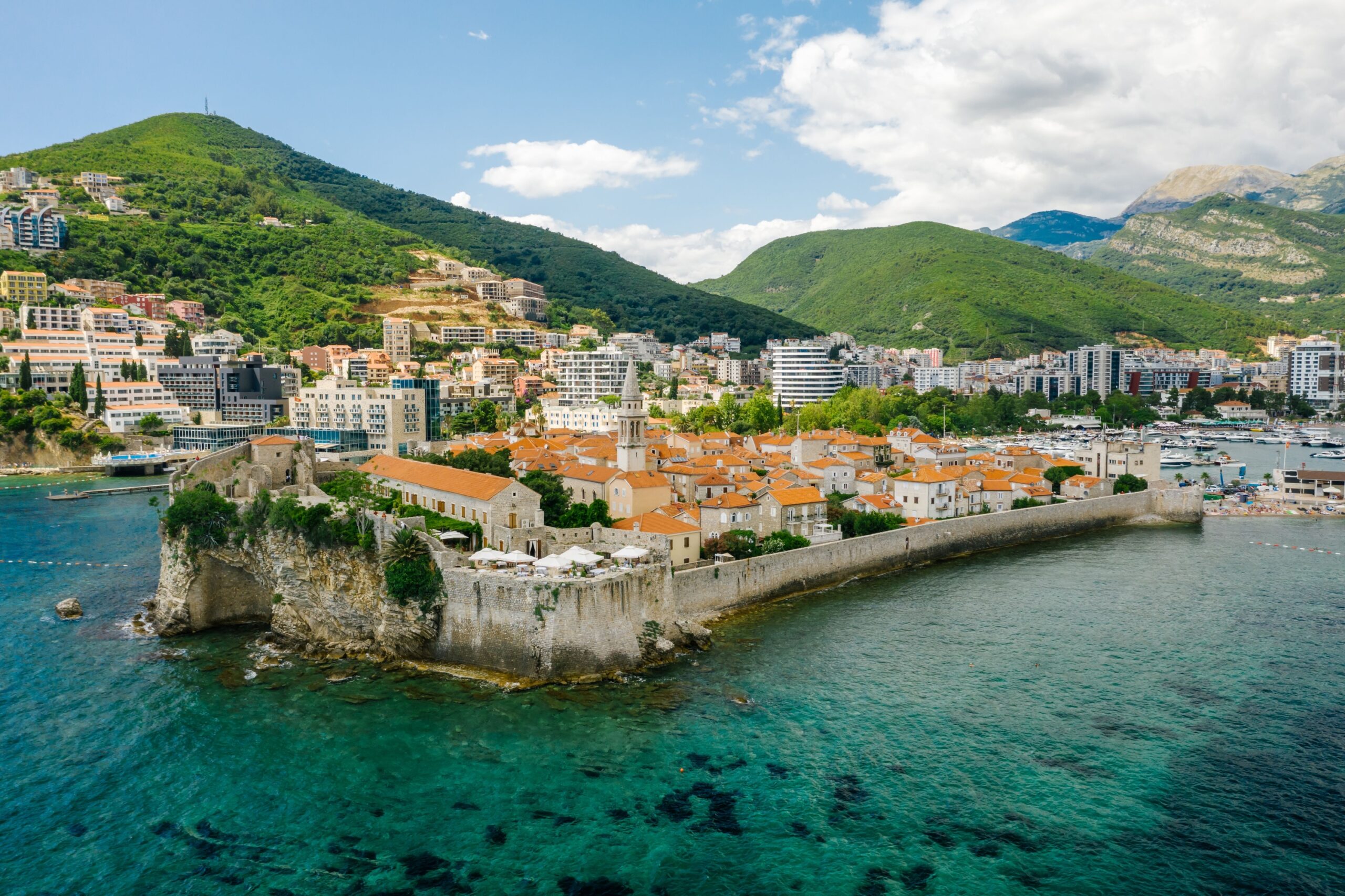
A Town With More Than 2,500 Years of History
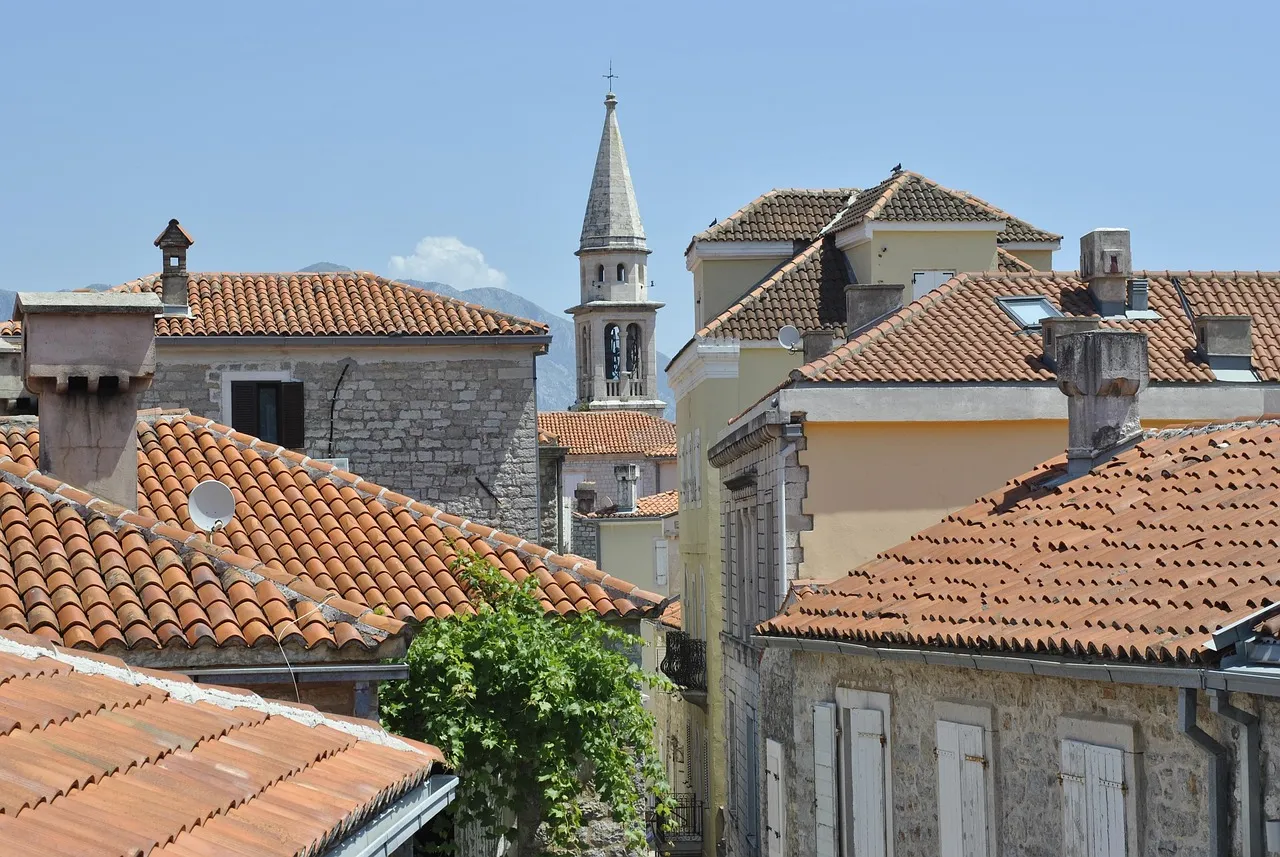
The coastal area around Budva, known as the Budva Riviera, is the center of Montenegrin tourism, renowned for its well-preserved medieval walled city, sandy beaches, and diverse nightlife. Budva is around 2,500 years old, making it one of the oldest settlements on the entire Adriatic coast. That kind of depth doesn’t come from a heritage brochure; you feel it in the texture of the streets and the weight of the walls themselves.
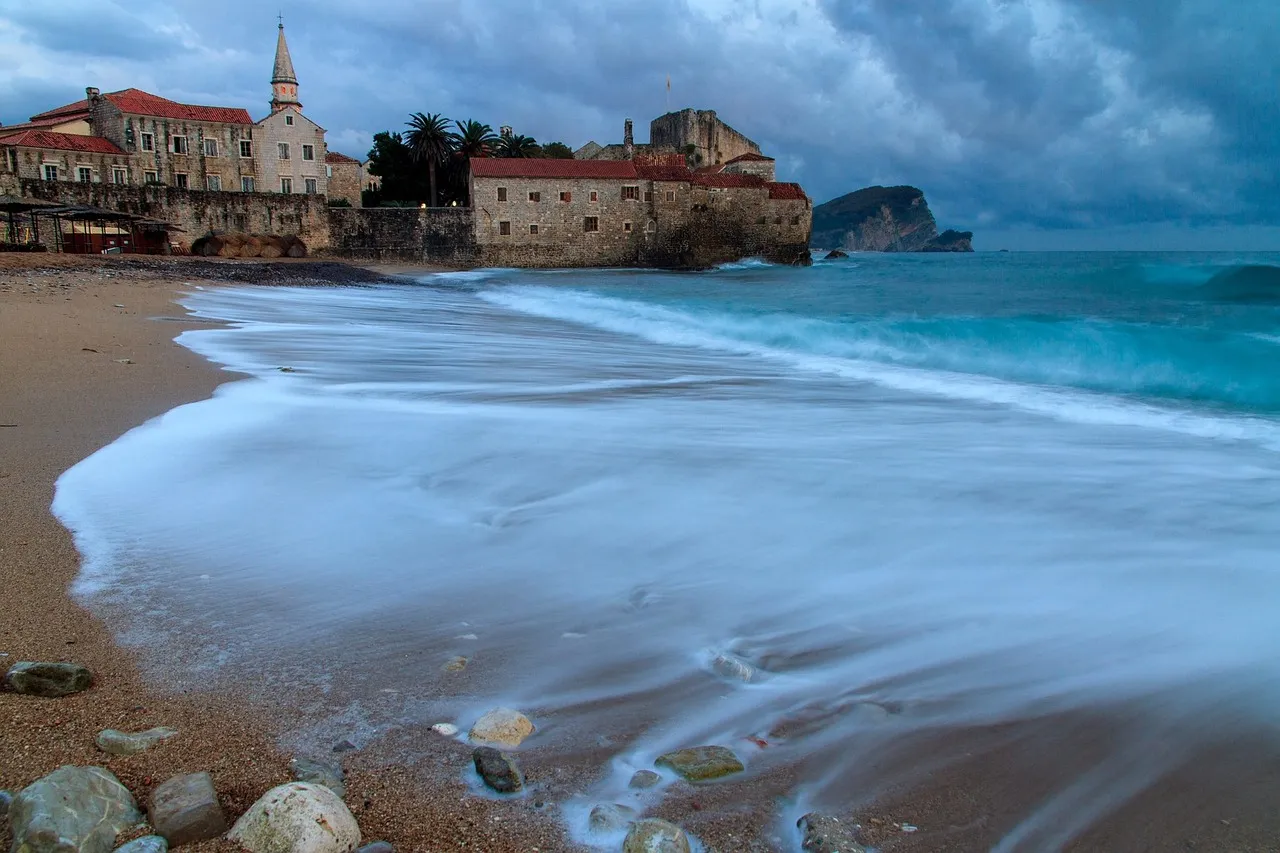
The historic heart of Budva, known as Stari grad, is encircled by mighty walls and is a maze of lanes, medieval churches, and picturesque cafes, where cars are strictly banned. Walking through it without a map is, genuinely, the right approach.
Montenegro’s Tourism Economy Is Built Around This Coast
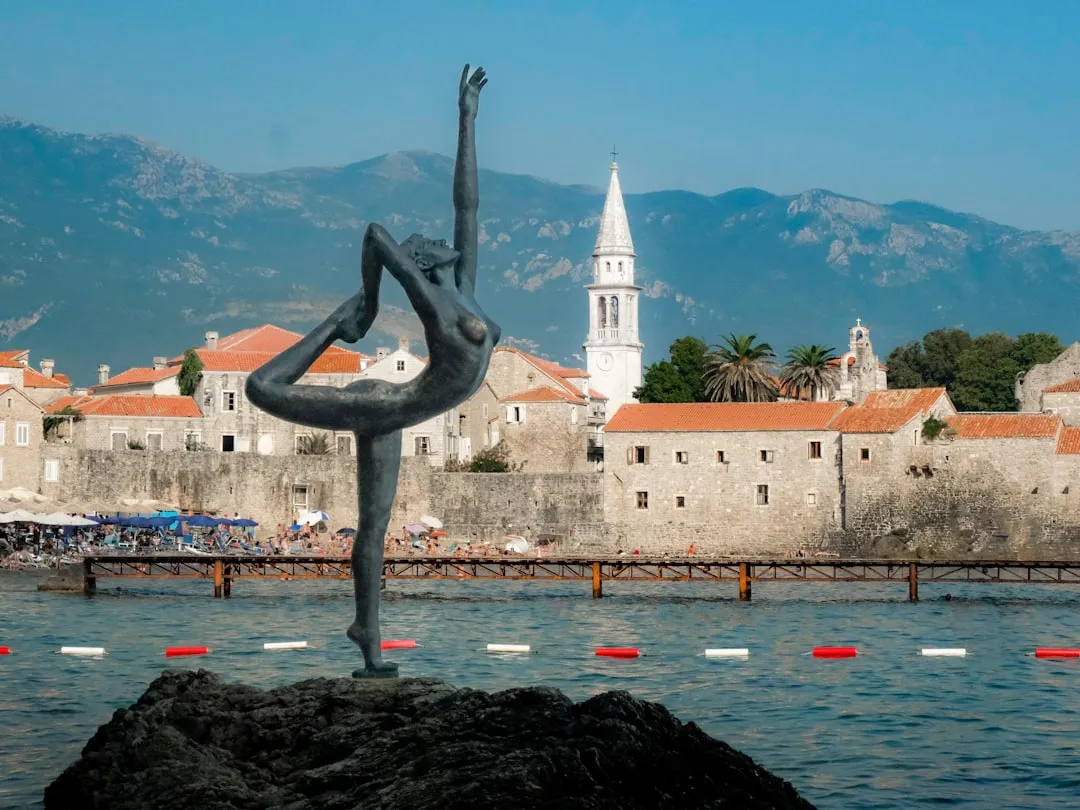
Tourism is the most important sector in the Montenegrin economy, accounting for roughly thirty percent of total GDP. In 2024, the country welcomed 2.61 million visitors, who accounted for 15.59 million overnight stays. That is a remarkable figure for a country with a population of just over 630,000 people.
The bulk of tourism activity remains concentrated along Montenegro’s Adriatic coast, which made up ninety-four percent of total overnight stays. Budva sits at the heart of that concentration, drawing visitors who use it as a base for the wider riviera.
Tourism revenues in 2025 exceeded €1.3 billion, reinforcing a multi-year trajectory in which Montenegro’s tourism income not only recovered from the pandemic shock but surpassed pre-pandemic baselines in both value and structural resilience.
The Old Town: Medieval Walls, Living Culture
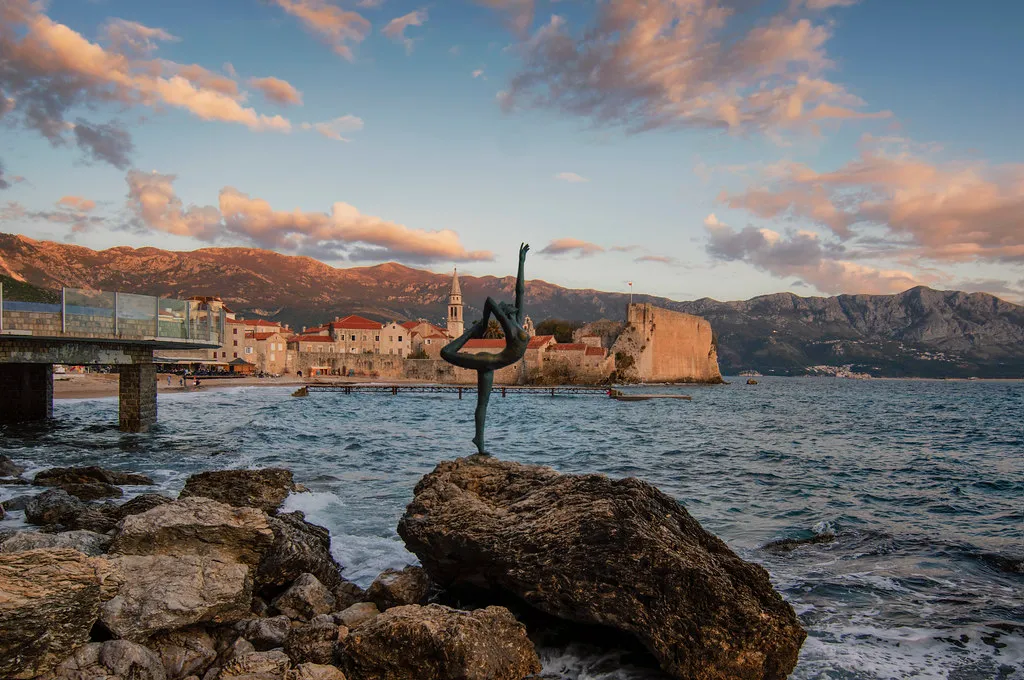
Budva combines a walled medieval old town with beaches, hotels, restaurants, terraces, and a vibrant nightlife. Between sea and mountains, between medieval walls and music-filled venues, Montenegro is now seeking its place among Europe’s major holiday destinations.
The old town is not a museum piece. Residents still live within the walls, cafes spill onto ancient flagstones, and the citadel viewpoint offers one of the more quietly stunning perspectives on the Adriatic anywhere on the coast. The iconic Citadel viewpoint costs around €5 to enter.
Sveti Stefan: The Iconic Image of Montenegro’s Coast
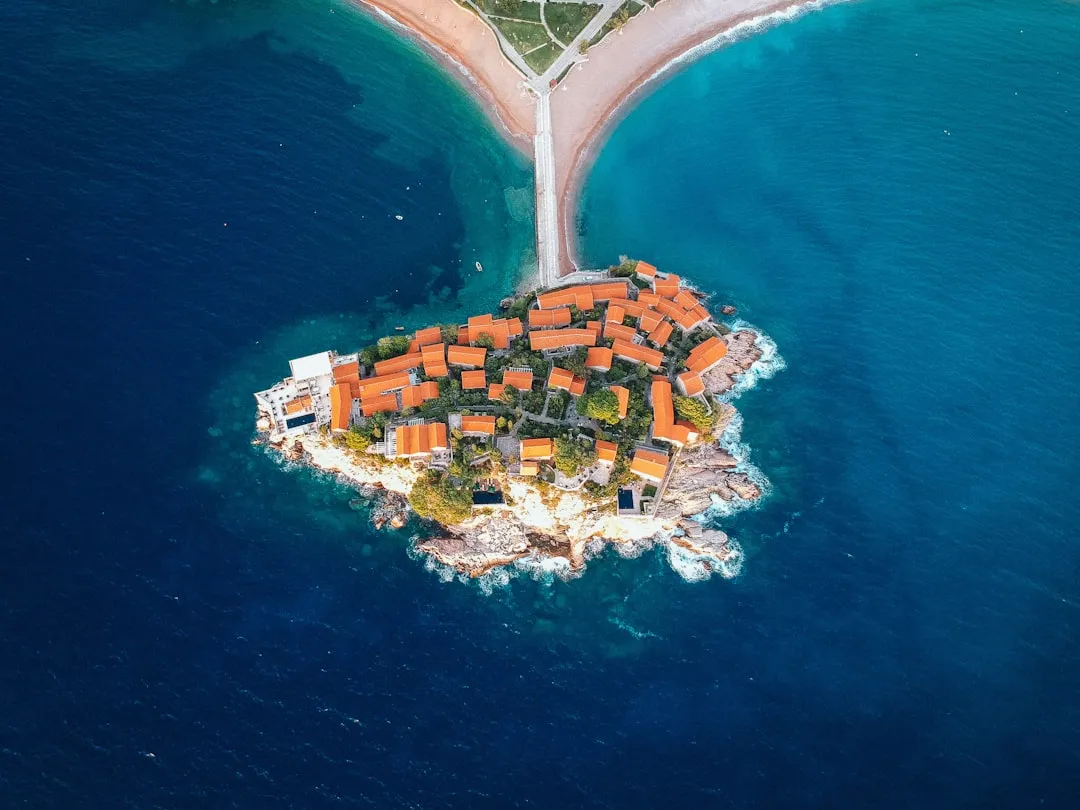
You can’t freely walk around Sveti Stefan island itself, as it functions as a private luxury resort. However, you can still visit the beaches, walk along the causeway, and enjoy some of the best viewpoints in Montenegro. Most travelers visit Sveti Stefan for the iconic photo spots rather than access to the island itself, and it’s still absolutely worth the detour.
Sveti Stefan is located on Montenegro’s Adriatic coast, around nine kilometers from Budva. The view from the coastal road above the island, with the cluster of terracotta-roofed stone buildings rising from the sea on a narrow causeway, is one of those genuinely arresting sights that lives up to its reputation. The luxury hotel resort on the island was set to reopen on July 1, 2026, after lengthy disputes, with part of the adjacent beaches becoming publicly accessible once again.
The Beaches of the Budva Riviera
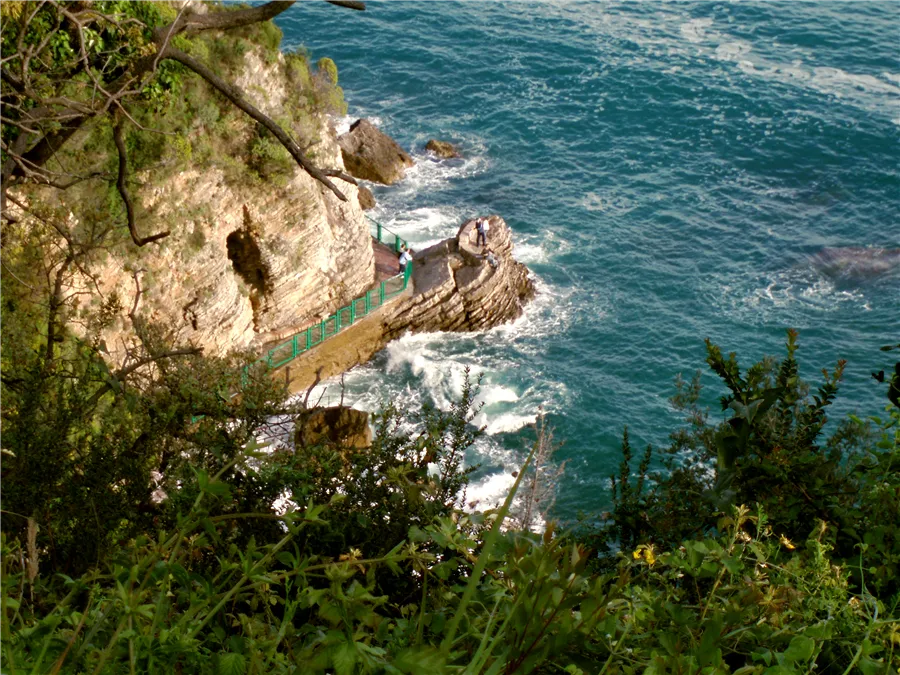
Budva’s coast includes famous beaches such as Mogren I and II, the long Slovenska plaža stretching 1.6 km, and the Blue Flag-certified beach at Bečići. Just a short walk from the center, the highly photogenic Mogren beaches are particularly well-loved, while Bečići is considered ideal for families with children.
The Adriatic here is calm, clear, and warmer than many visitors expect. Pebble beaches mix with sandier stretches as you move along the riviera, and the water quality has consistently earned European environmental certifications. Summer cultural calendars in Budva featured concerts, waterfront performances, gastronomy festivals, and maritime events that helped sustain the evening economy and boost spending beyond accommodation.
A Growing European and International Visitor Mix
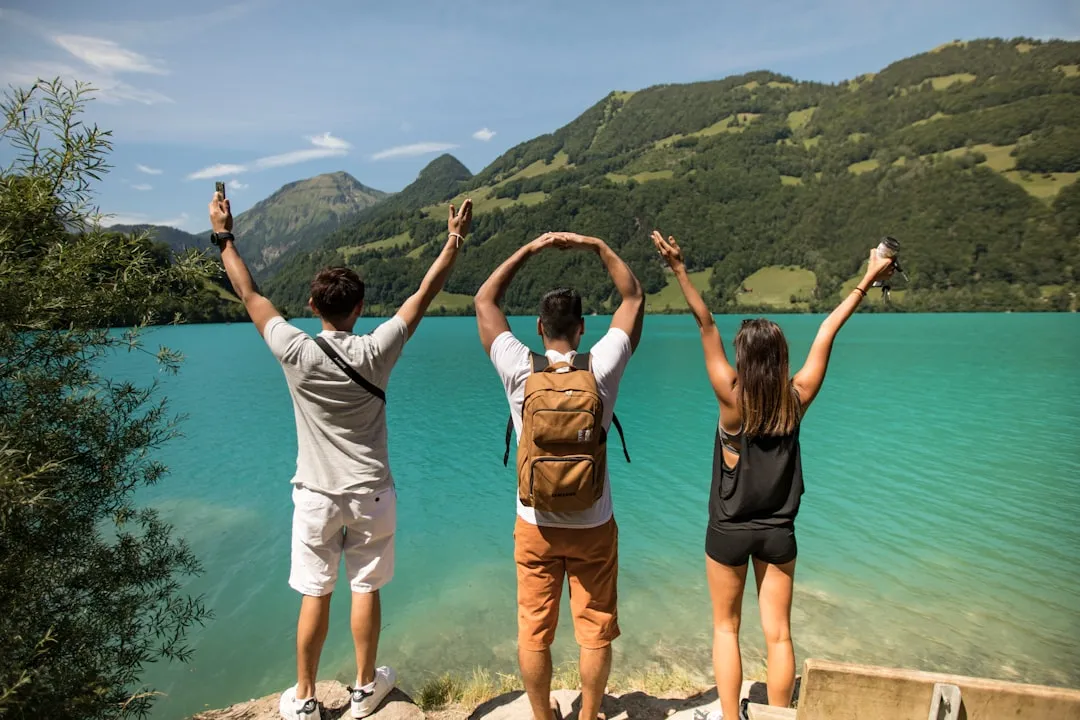
In July, the highest number of visitors came from regional markets, Turkey, the UK, Germany, France, Poland, and Israel. Arrivals from Turkey doubled compared to July 2023, while the UK saw a twenty-five percent increase from the previous year and a fifty-seven percent rise compared to 2019.
The composition of tourists is changing, with strong growth from non-European markets, particularly China and Israel in early 2025. The diversification of visitor origins reflects a destination that is moving from being a regional secret to something with genuine global recognition. Foreign tourists accounted for the majority of overnight stays in collective accommodation, representing seventy-eight percent of all nights.
Festivals and Nightlife: The Summer Pulse of Budva
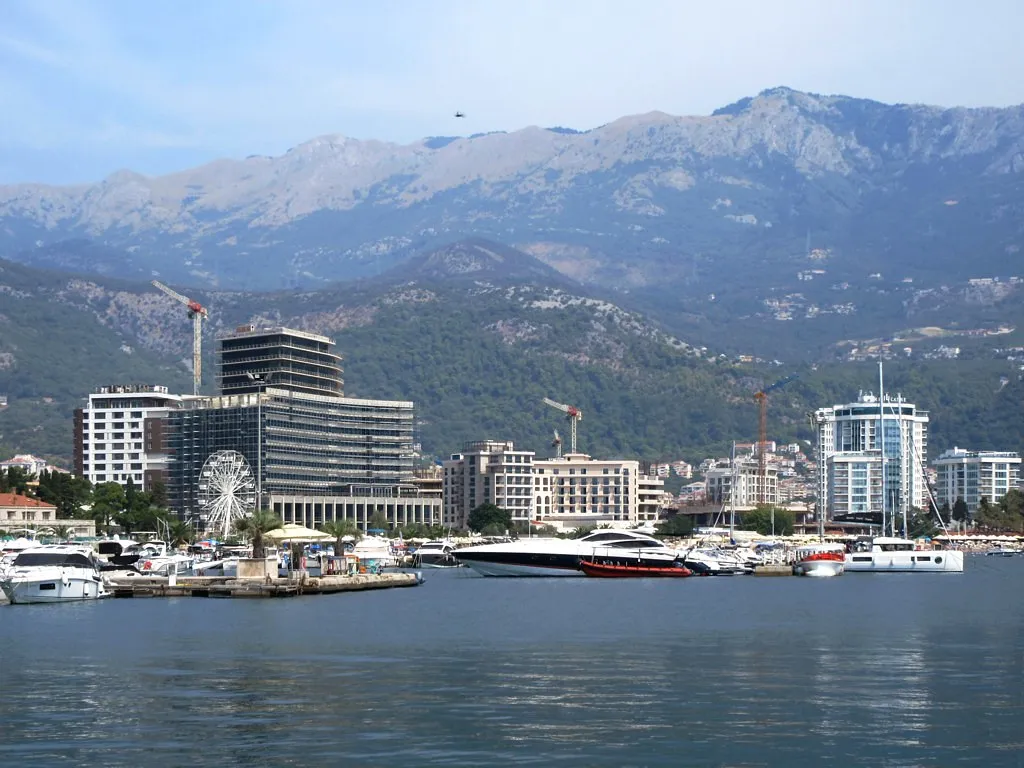
In July and August, Budva becomes the heart of Montenegro’s nightlife, with giant open-air clubs drawing a pan-European crowd. It’s a side of the town that takes visitors by surprise, particularly those who arrive expecting only a quiet medieval enclave.
Music and lifestyle festivals attracted younger and higher-spending visitors, particularly during July and August, while cultural events helped stabilize demand during shoulder months. This dual identity, ancient walls by day and lively seafront by night, is part of what makes the town genuinely hard to categorize.
Infrastructure Challenges That Come With Rapid Growth
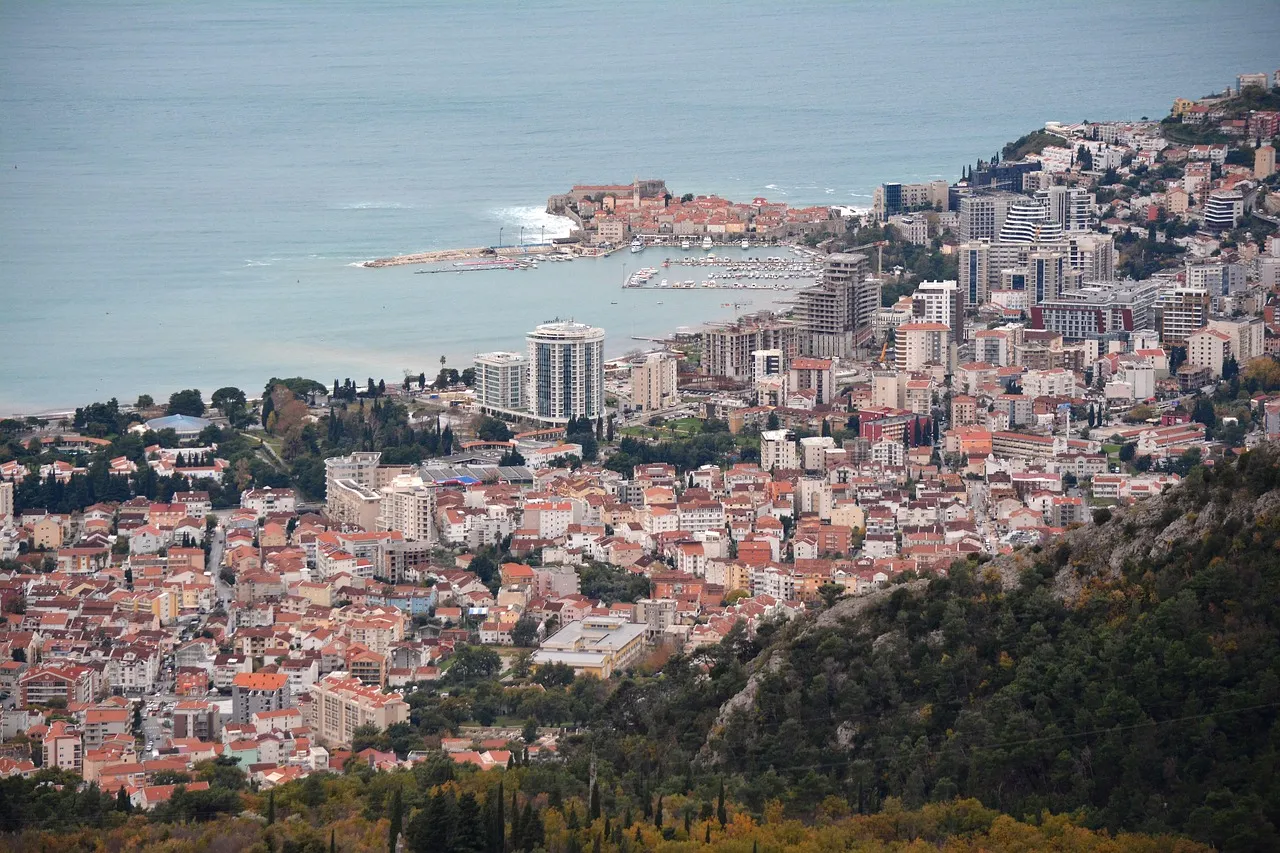
Driving the coastline reveals one of the main problems created by Montenegro’s rapid tourism growth. Road access, parking capacity, and public services have struggled to keep pace with visitor density. At the same time, accommodation capacity in some areas has outpaced actual demand growth, compressing occupancy outside peak periods.
Kotor’s tourism model, just along the bay from Budva, remains constrained by infrastructure capacity and day-visitor dominance. High footfall does not always translate into proportional overnight stays, limiting the ability to capture accommodation revenue despite strong headline visitation. Budva faces a similar tension as it manages volume alongside quality of experience.
The Shift Toward Luxury and Longer-Stay Travel
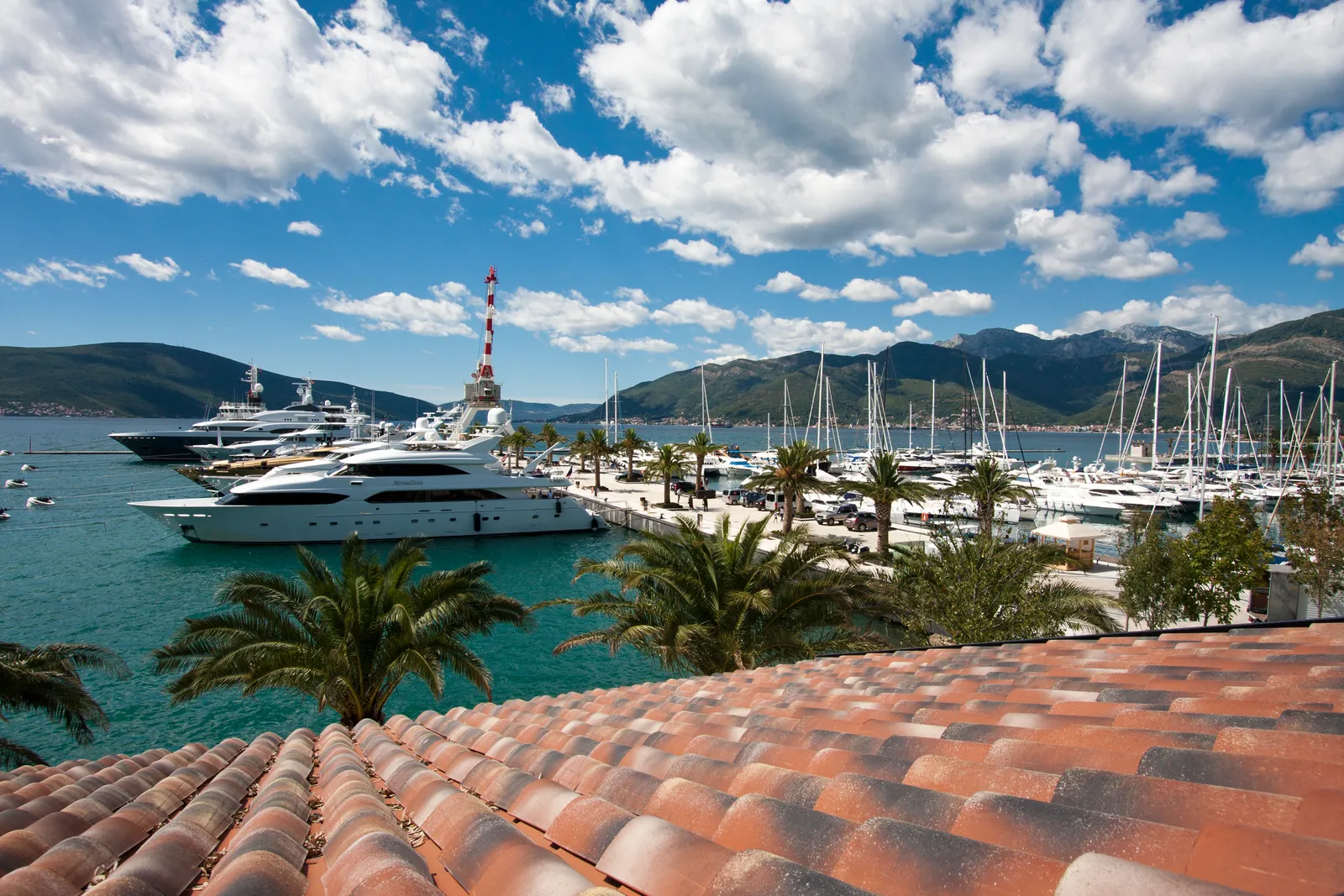
One visible trend is a decline in lower and middle-class tourism paired with a surge in luxury tourism. The opening of high-end properties along the riviera and the development of Tivat’s Porto Montenegro marina have nudged the region’s positioning upward in the market.
In terms of performance, Budva has consistently delivered volume, Tivat delivered value, Kotor delivered visibility, and the southern coast delivered duration. Each part of the Montenegrin coast plays a distinct role, and Budva’s place within that picture is as the most energetic, most accessible, and most varied of the coastal centers. Tourism contributes twenty-five to thirty percent of Montenegro’s GDP, accounting for more than half of total export value through services.
Why Travelers Are Choosing Budva Now
Prices for food, accommodation, and activities are often well below what you’d expect in Western Europe. Eurostat figures showed that Bulgaria’s prices sat forty percent below the EU average in 2024, and candidate countries such as Albania and Serbia track similarly, with Montenegro offering comparable value on the coast.
Between sea and mountains, between medieval walls and music-filled venues, Montenegro is now seeking its place among Europe’s major holiday destinations. And Budva seems determined to be at the forefront. The combination of cultural depth, natural beauty, relative affordability, and an increasingly capable hospitality scene makes a compelling case for any traveler reconsidering where to spend a week on the Adriatic.
A Town Worth Arriving for Early
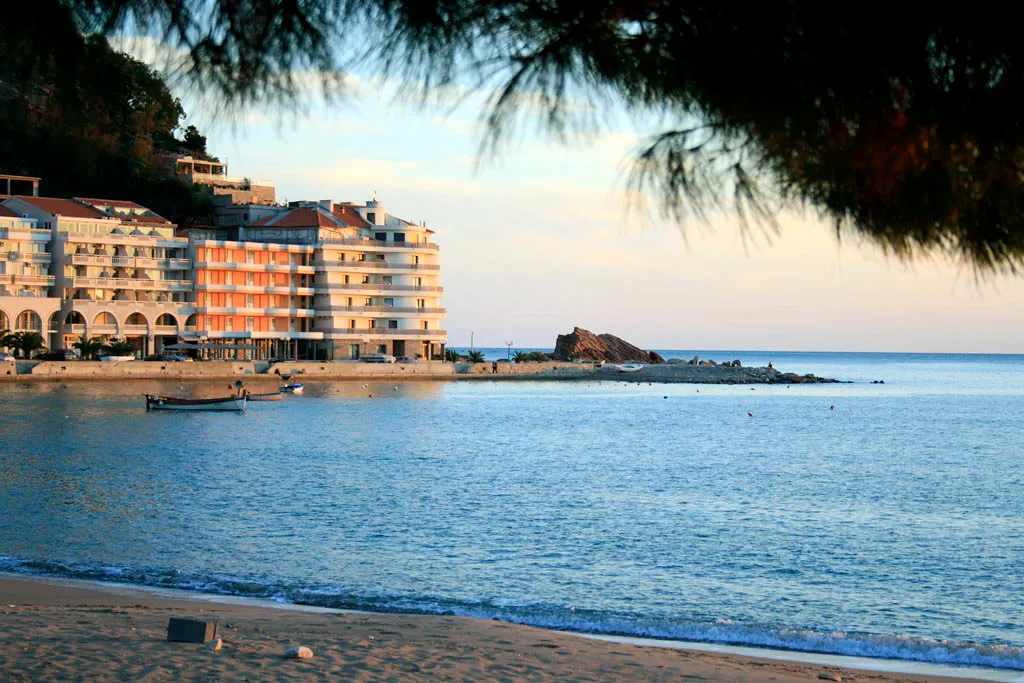
Budva’s rise is real, documented, and still in motion. It hasn’t yet reached the saturation that defines some other Adriatic destinations, which means the window for experiencing it at its most genuine remains open, if perhaps not for much longer.
The sea doesn’t change. The walls don’t change. What does change, season by season, is the number of people who’ve discovered that this particular stretch of the Adriatic has been quietly offering something special all along. Arriving before the full crowd does is simply good travel sense.
AI Disclaimer: This article was created with the assistance of AI tools and reviewed by a human editor.