
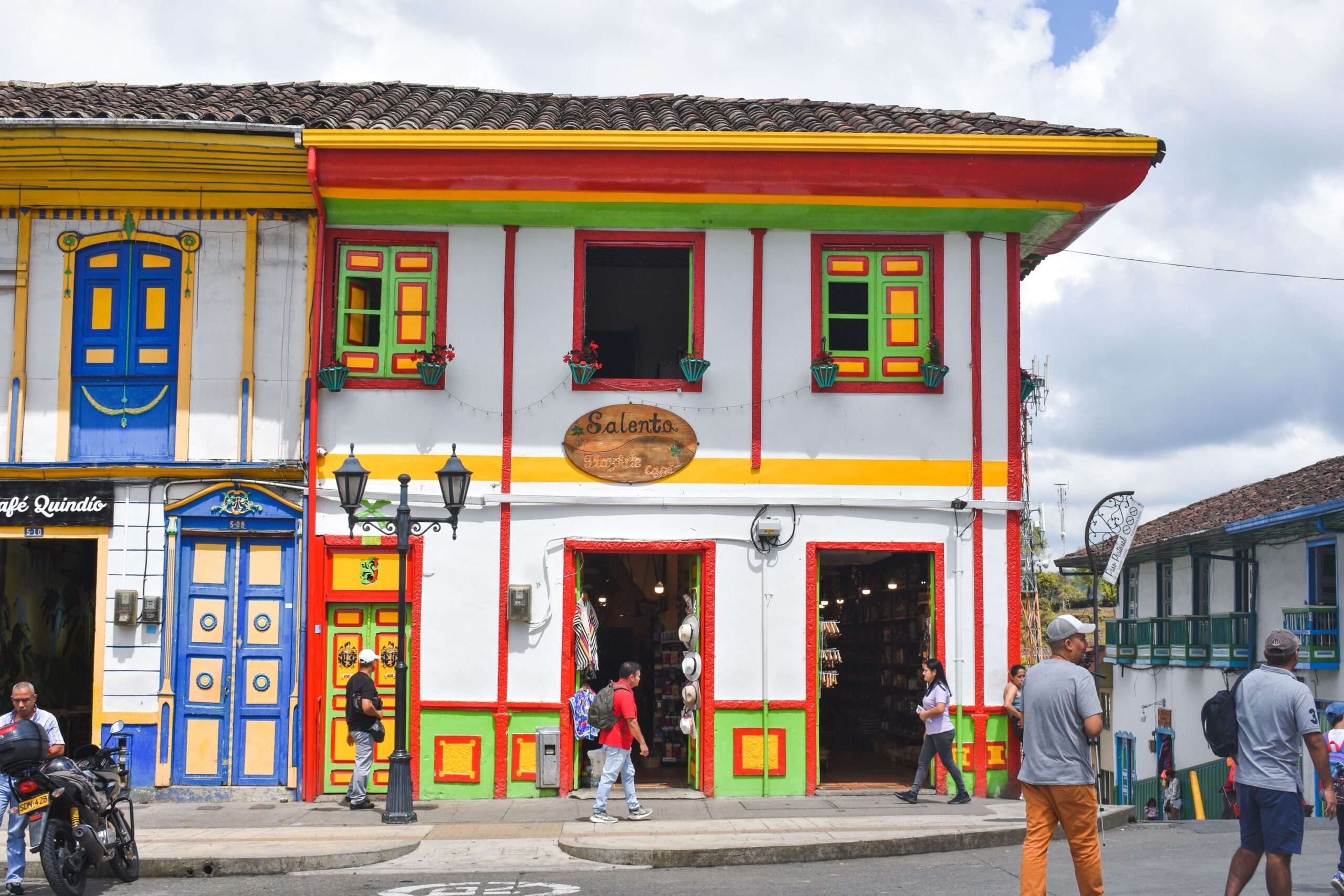

There’s a place in the Colombian Andes where the pace of life slows to something close to deliberate. The streets are narrow and cobblestoned, the buildings painted in deep blues and sunflower yellows, and the coffee comes from farms you can see from your window. Salento, a small colonial town in the department of Quindío, carries the quiet weight of somewhere that has never been in a rush to prove itself.
It doesn’t announce itself loudly. You arrive either by bus or by Jeep, and for a moment the town looks almost too pretty to be real. Then the smell of roasting coffee reaches you, a group of elderly men are playing tejo in the plaza, and you realize the picture is entirely genuine.
A Town Rooted Deep in History
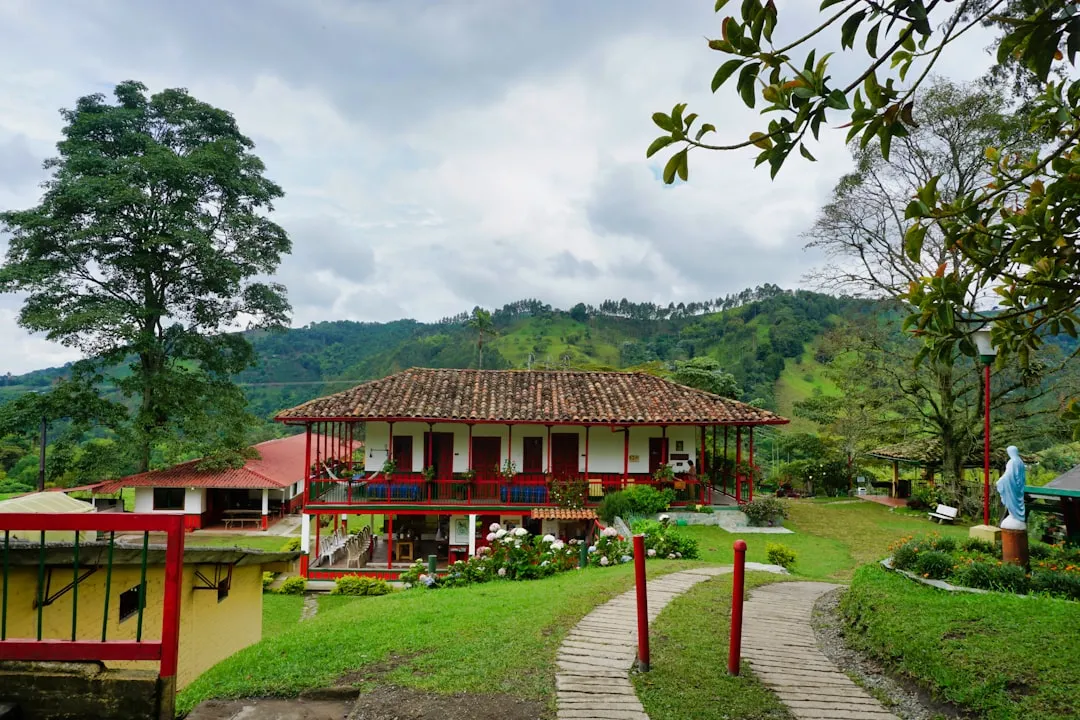
Salento is a historic colonial town high in the mountains of the department of Quindío, situated roughly 250 kilometers south of Medellín. Its elevation and position in the Andes gave it strategic significance long before tourism was a consideration. It once sat on the main route between Bogotá and Popayán further south, and was even visited by Simón Bolívar himself.
Coffee arrived in the region during the mid to late 19th century and quickly became popular with farmers because it made possible a year-round, intensive agricultural use of the land. That relationship between people and plant never really loosened. Coffee cultivation brought both wealth and identity to the region, eventually contributing to the creation of the Caldas department, which later split into the three departments that form the core of the modern Coffee Axis: Risaralda, Quindío, and Caldas.
The Architecture That Stopped the Clock
The urban areas of the coffee region, including Salento, are mainly situated on the relatively flat tops of hills above sloping coffee fields and are characterized by the architecture of the Antioquian colonization with Spanish influence. What makes the streetscape feel genuinely old is that it largely is. Building materials were, and in some areas remain, cob and pleated cane for the walls, with clay tiles for the roofs.
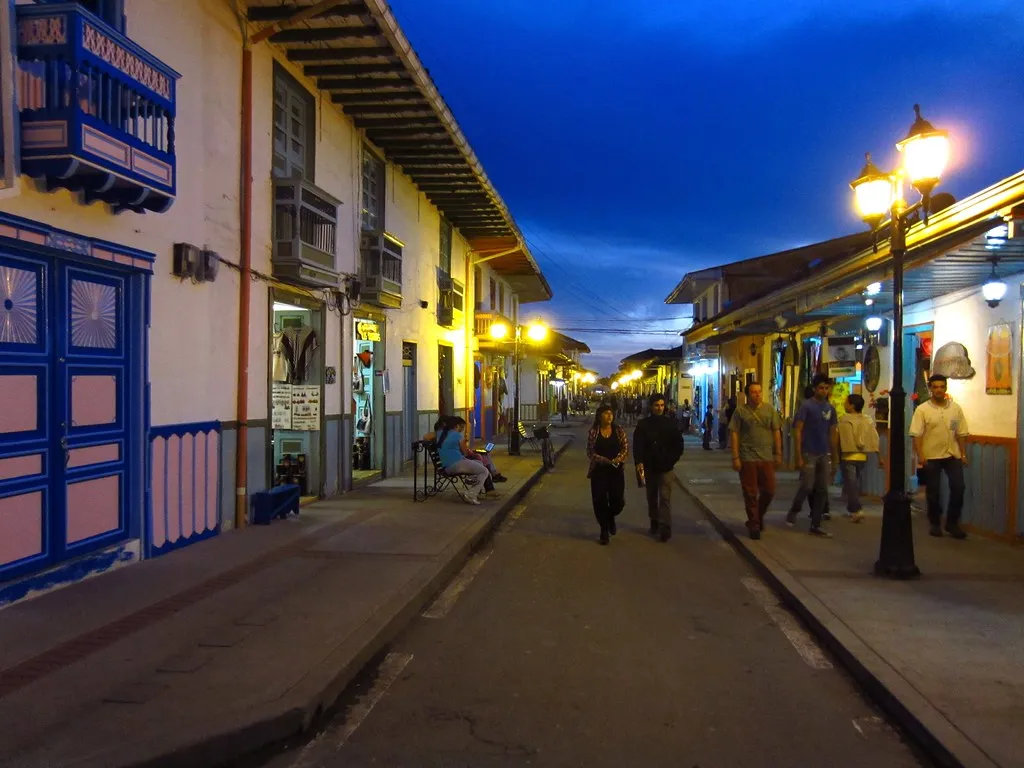
The town is compact enough to walk in fifteen minutes but large enough to have actual texture: a main street, Calle Real, of colonial balconies painted in blues, yellows, and reds; a central plaza where locals play tejo while travelers eat arepas; artisan shops selling locally woven bags and highland honey; and proper, serious, single-origin specialty cafes that pour coffee grown on the slopes visible from the window. It’s one of those rare places where the postcard version and the lived reality are more or less the same.
UNESCO’s Recognition of the Coffee Landscape

The Coffee Cultural Landscape of Colombia was officially recognized by UNESCO as a World Heritage Site in 2011, cited as “an exceptional example of a sustainable and productive cultural landscape that is unique and representative of a tradition that is a strong symbol for coffee growing areas worldwide.” That recognition carries practical meaning for communities in the region. The UNESCO World Heritage status has brought positive changes to communities within the Coffee Axis, opening doors to increased tourism and allowing visitors to immerse themselves in coffee culture while diversifying the rural economy.
The region traditionally known as the Eje Cafetero includes 47 municipalities and 411 villages, and comprises nearly 24,000 farms where 80,000 people dedicate their lives to growing coffee. Salento sits at the heart of this living, breathing cultural landscape. Today, this area has become the second most important tourist destination in the country.
Coffee Farm Culture You Can Actually Experience
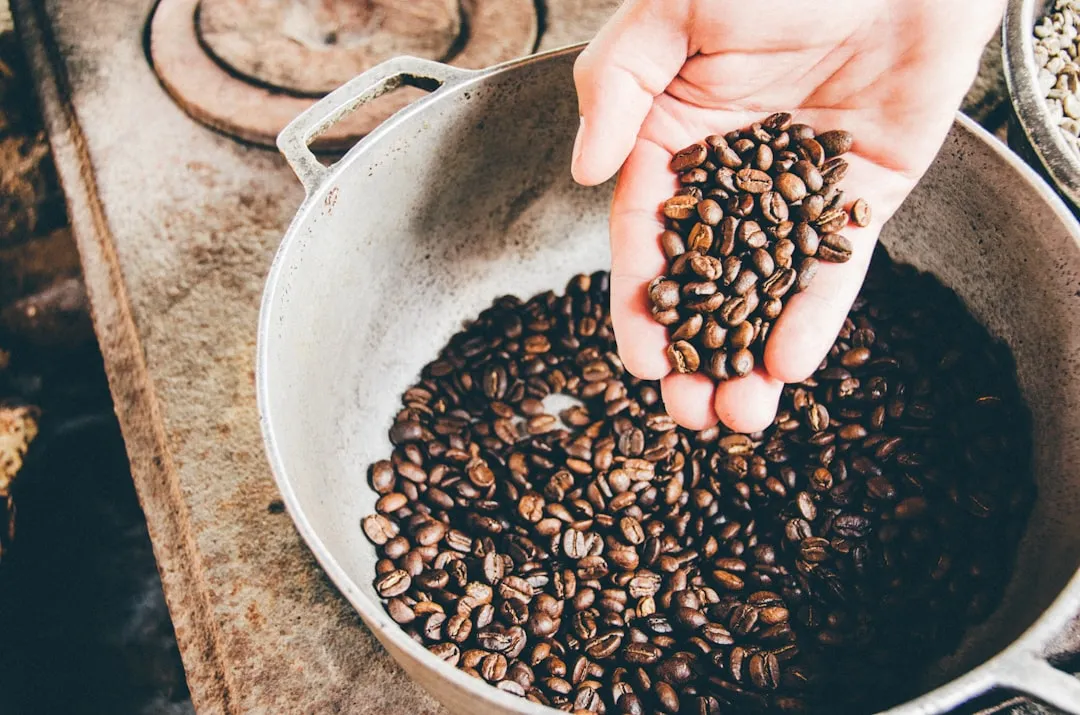
Situated in the heart of Colombia’s coffee region, Salento is surrounded by countless coffee plantations, many of which offer tours to learn about the process of growing, harvesting, and roasting coffee beans. These aren’t staged demonstrations. Many of the farms are multigenerational operations that have been working the same hillsides for a century or more. Visitors can try their hand at picking beans and learn the entire production process, from planting the seed to the final roasting.
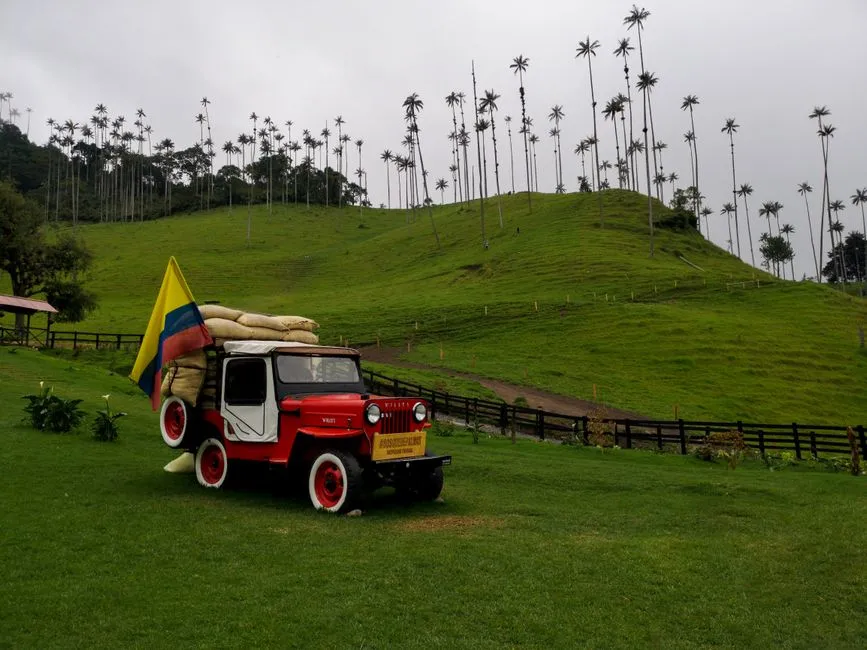
Salento is a hotspot for coffee production, with many coffee tours a short drive away from the central hub of town, many of them easily accessible by the iconic Jeep Willys available from the central plaza. Pricing remains accessible, too. Coffee tours in the area typically cost between ten and twenty-five US dollars per person. For that, you usually get the full journey from soil to cup.
The Willys Jeeps That Define Getting Around

There’s an entire festival dedicated to the iconic Jeep Willys, called the Yipao, which takes place in Quindío every June and is considered one of the best festivals to attend in Colombia. These vintage American military vehicles, repurposed after World War II, have been woven into the daily fabric of the coffee region for decades. They carry locals to farms, tourists to valleys, and fruit to market, often all at once.
Riding one into the hills around Salento is its own kind of experience. A typical Willys jeep ride costs between one and four US dollars. The journey winds through switchbacks draped in green, with cloud-wrapped ridges appearing suddenly around corners. It’s genuinely difficult to take a bad photograph from the back of one of these things.
Valle de Cocora and the World’s Tallest Palms
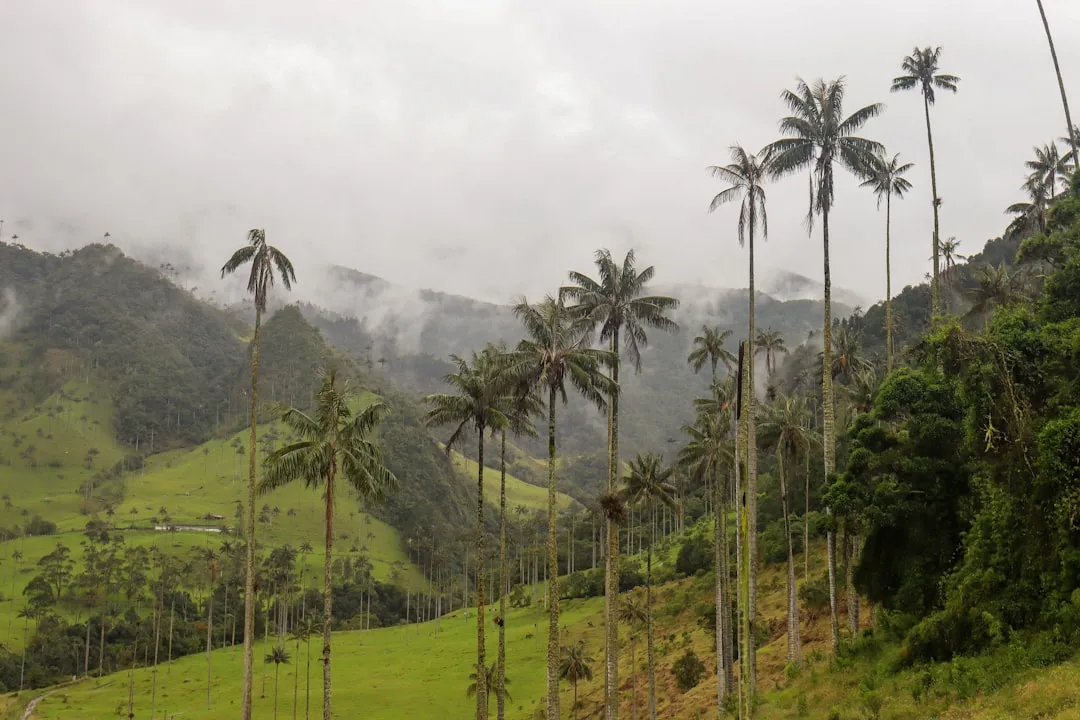
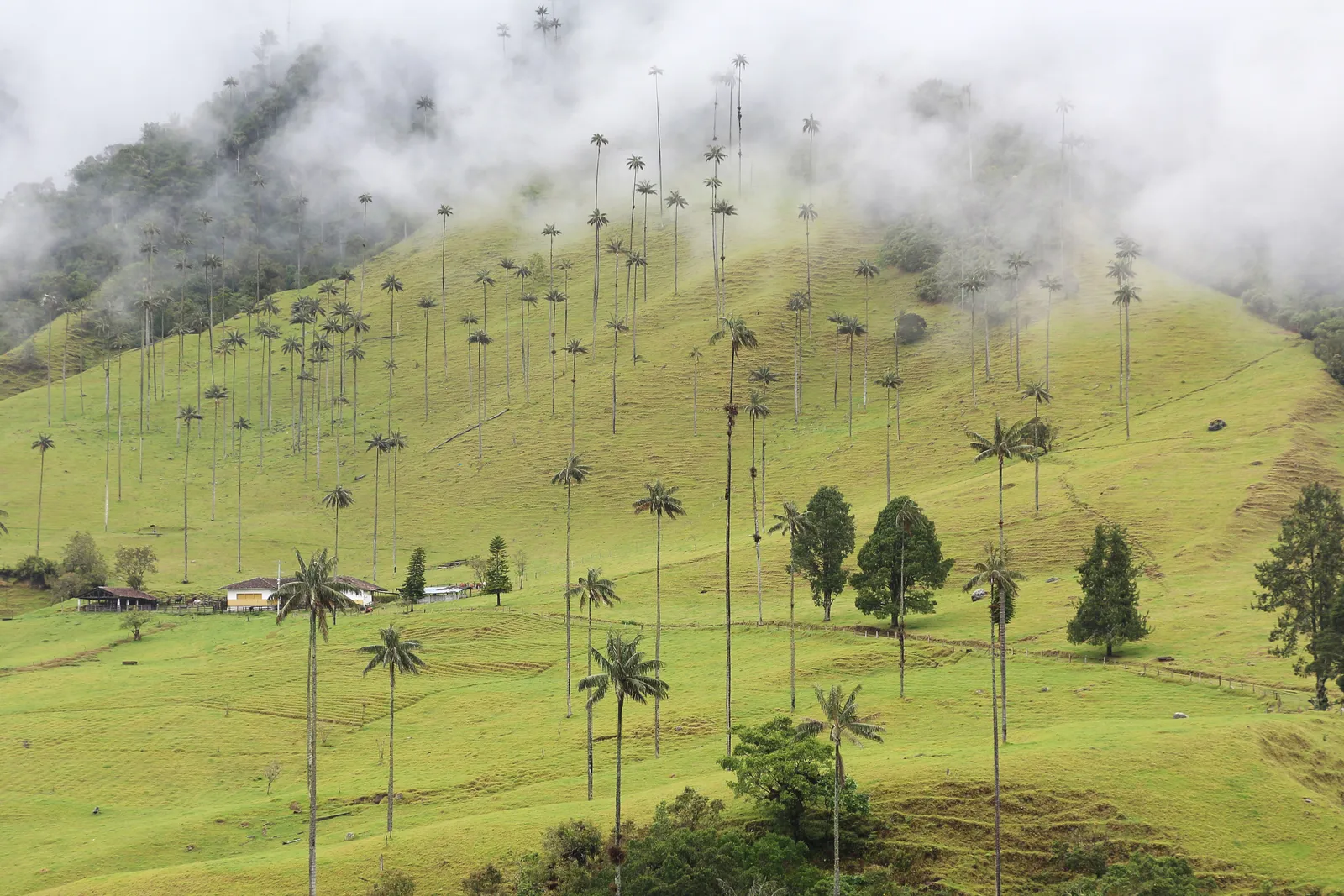
Salento serves as the gateway town to the Cocora Valley, a colorful colonial pueblo just thirty minutes away by Jeep or taxi. The valley itself is something you have to see to fully accept. Here you can marvel at the Quindío wax palm, the tallest palm tree in the world and the national tree of Colombia. It’s a landscape unlike any other on the globe, with these gigantic trees reaching up to 200 feet tall and dotting the valley by the thousands, creating a truly surreal scene.
These colossal trees, scientifically known as Ceroxylon quindiuense, rise dramatically from misty meadows, their slender trunks crowned with fronds that sway gently in the Andean breeze, evoking a prehistoric atmosphere filled with the calls of colorful hummingbirds. Wax palms are a distinct species found only in the Andes, in parts of Colombia and Peru. That exclusivity gives the landscape a feeling that simply cannot be replicated anywhere else on Earth.
Birdlife and the Acaime Sanctuary
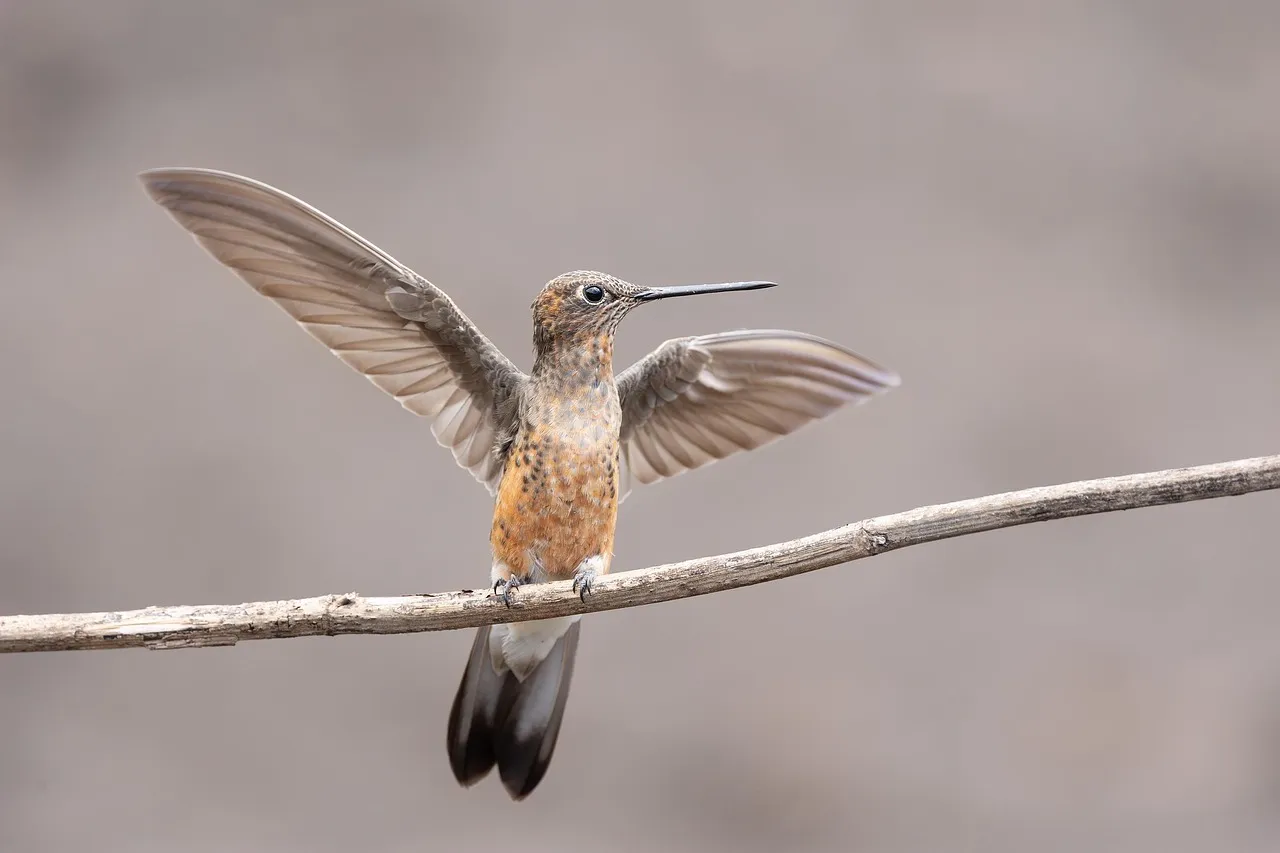
The valley holds what many consider the most visually arresting landscape in the Colombian Andes, and the twelve-kilometer loop trail through this forest, with the Acaime hummingbird sanctuary mid-route, is regarded as one of South America’s best half-day hikes. The sanctuary itself sits at high altitude, fed by a spring, and draws an extraordinary concentration of hummingbird species. The loop takes you through the heart of the valley, through the towering trees, up and down mountains, through verdant rainforests, alongside a roaring river, and across a number of wooden bridges.
Birding around Salento and the Cocora Valley is serious business for naturalists. The cloud forest that flanks the upper reaches of the trail supports an ecology that feels almost impossibly rich. The grass glows an almost neon green, hummingbirds flash past in iridescent streaks, and the valley’s iconic palm trees stand like surreal guardians over one of South America’s most photogenic landscapes.
The People and Their Infectious Pride
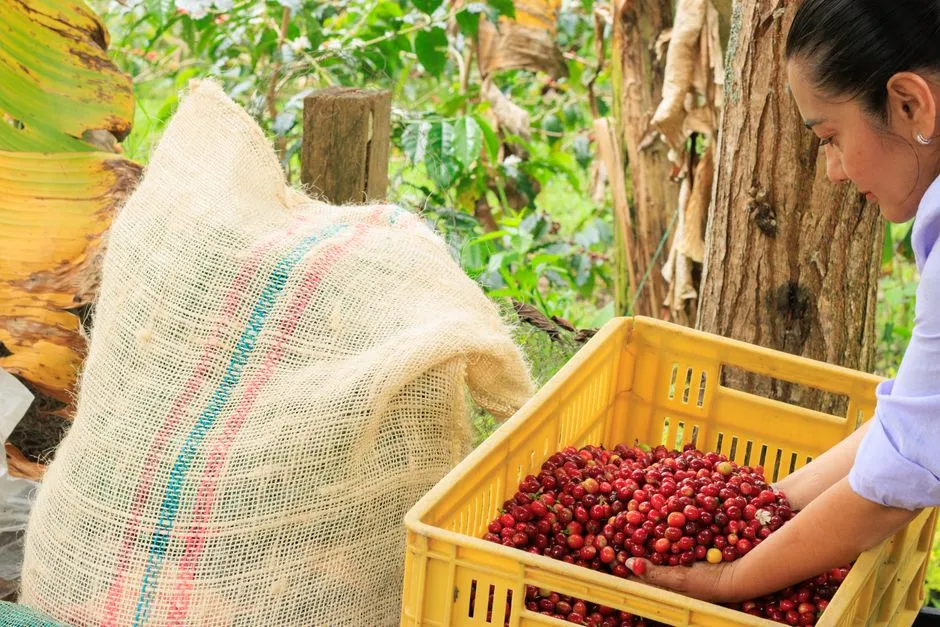
The coffee tradition is the most representative symbol of national culture in Colombia, and in the coffee landscape this culture has led to rich tangible and intangible manifestations in the territory, including a unique legacy in the harmonious integration of the productive process in social organization, housing typology, and local traditions and customs. You feel this in Salento in small, unhurried ways. A farmer explaining the difference between washed and natural processing. A shopkeeper who grew up on a finca offering you a tasting without any sales pressure attached.
Beyond the landscapes and the coffee, it is the people who make a visit to the region so memorable. From passionate coffee farmers to friendly shopkeepers and guesthouse owners, visitors consistently encounter warmth and genuine hospitality. Their pride in their coffee and their culture is infectious. That pride is not performative. It has been built over generations and it shows.
Practical Notes for Getting There
Most travelers begin their Zona Cafetera journey from Pereira, typically reached by flying from Bogotá. From Pereira, Salento is a relatively straightforward onward connection by bus or shared taxi. Accommodation in Salento ranges from roughly fifteen US dollars per night in hostel dorms up to one hundred dollars or more for boutique hotels.
Salento operates on the coffee region’s double-peak climate, with two dry seasons running from December to February and June to August, separated by two wet seasons. The dry seasons are optimal for visiting, with clear mornings for the Cocora hike, better trail conditions, and lower risk of washed-out dirt roads in the valley. During peak season and on weekends, Salento can get busy, so booking accommodation in advance is advisable.
The Quiet Tension of Preservation
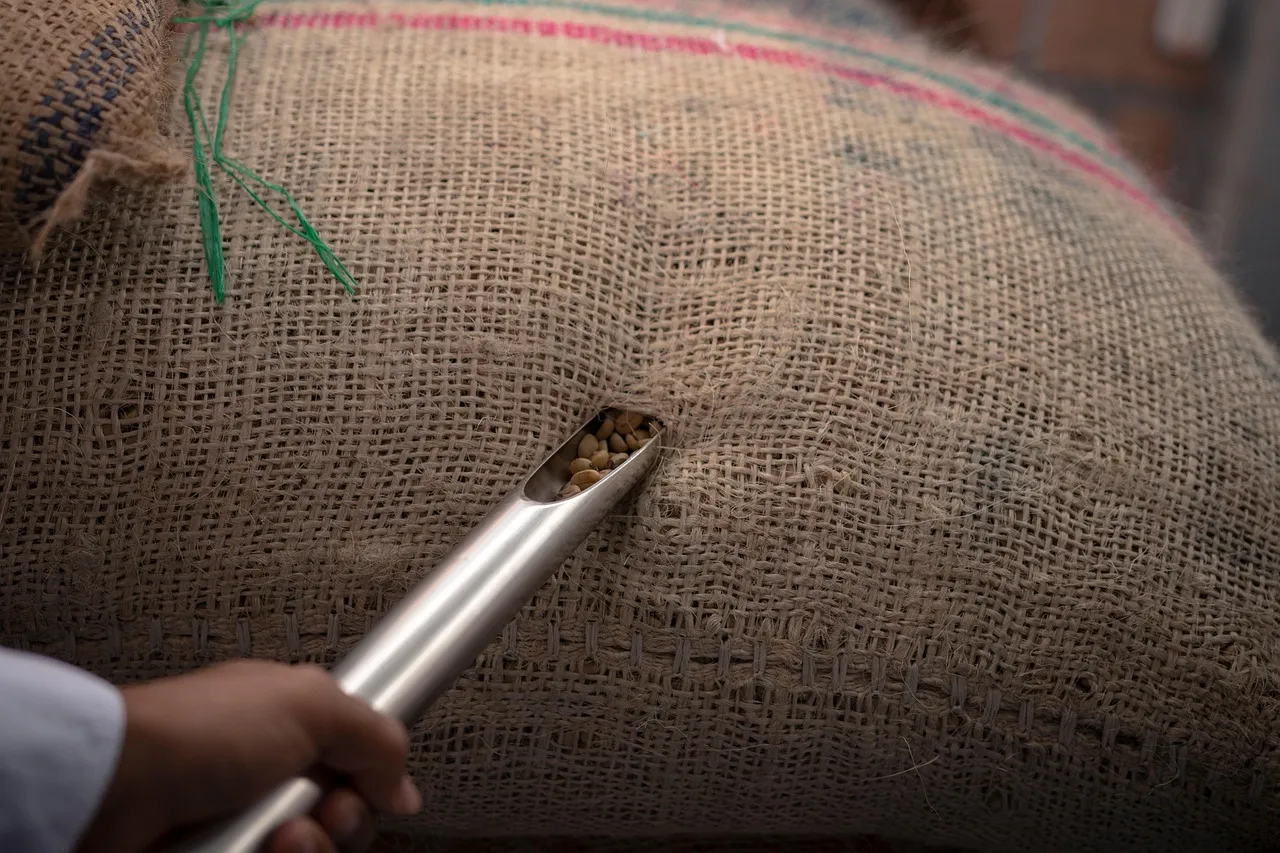
One of the biggest challenges facing the Coffee Axis today is the ever-fluctuating global price of coffee. This uncontrollable factor has been causing an exodus of farmers from the coffee industry in Colombia, which could threaten the collapse of the unique cultural heritage of the region. It’s a tension that sits quietly beneath the picturesque surface of Salento. The town is beloved, but love alone doesn’t sustain a farm economy.
The protection that UNESCO designation has brought to the region’s farmers has significantly improved quality of life, allowing them to continue teaching their cultural traditions to the younger generations without fear of displacement. Still, the most meaningful thing a visitor can do is choose carefully: buy directly from local producers, choose tours run by families who own the land, and drink the coffee with attention. It keeps more value in the valley where it belongs.
A Place That Earns Its Reputation
AI Disclaimer: This article was created with the assistance of AI tools and reviewed by a human editor.