
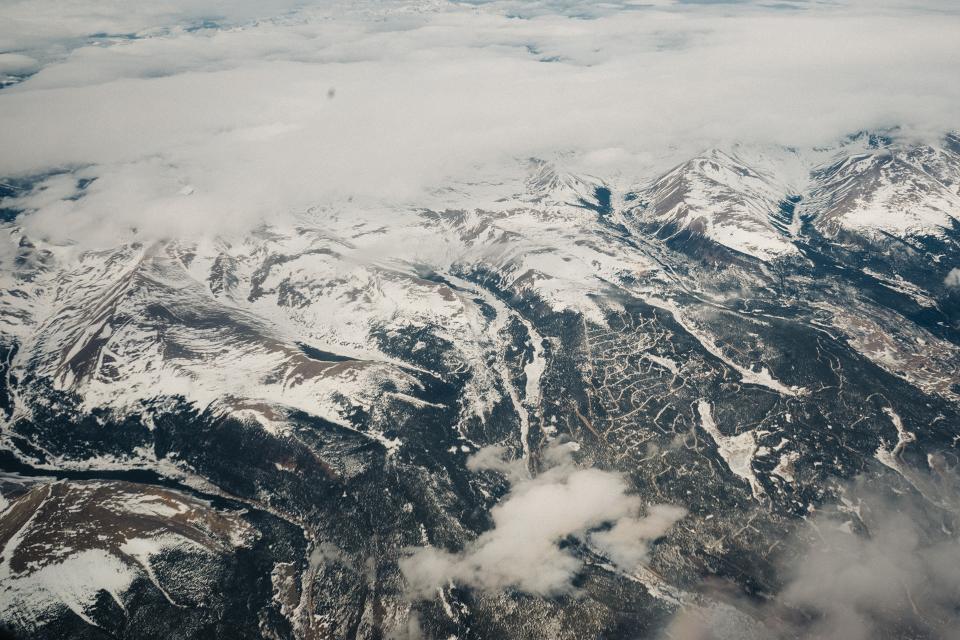
There’s a certain assumption most travelers make about Colorado snow. Ask someone which town buries itself deepest each winter, and they’ll usually guess Aspen, Vail, or maybe Telluride, the names that show up on ski resort marketing and glossy travel spreads.
The reality, backed by decades of climate data, points somewhere quieter, a former mining town tucked into a high mountain valley that most visitors drive past on their way to somewhere else.
Crested Butte: The Numbers Behind Colorado’s Snowiest Town
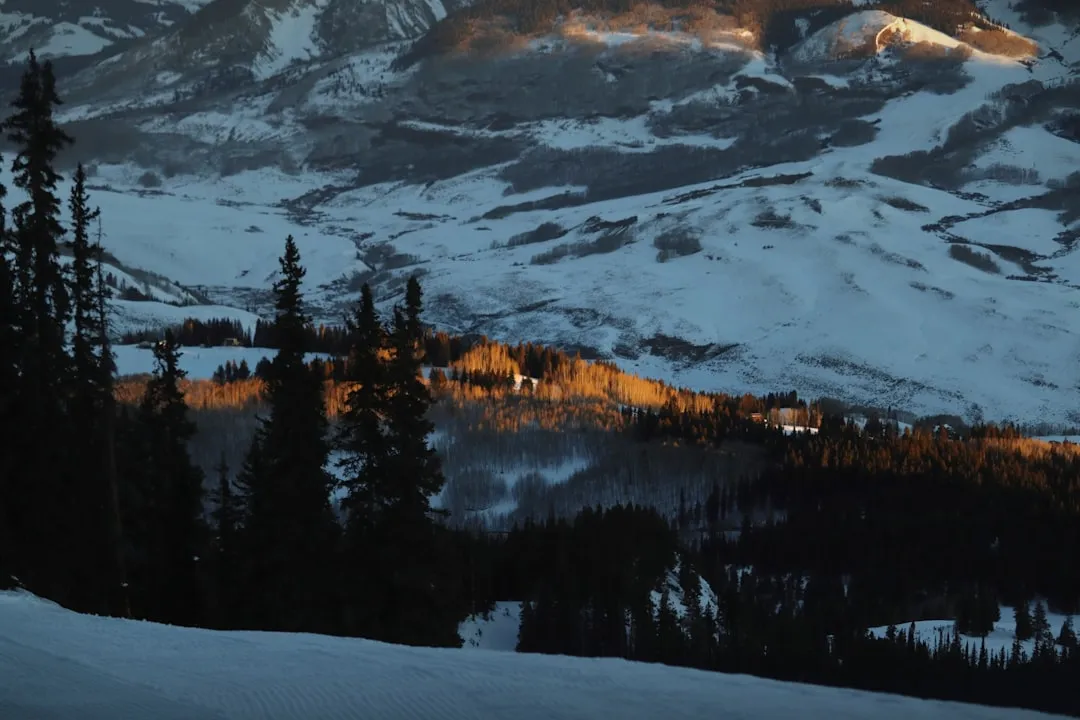
Crested Butte sits at the top of nearly every serious ranking of Colorado’s snowiest places, and the data holds up under scrutiny. Colorado’s snowiest town on average is Crested Butte, and annually, the town gets 216.6 inches of snow during an average of 66.2 snow days.
That works out to more than eighteen feet of snow falling on the town itself every year, not just the surrounding peaks. For a place with a permanent population, year round businesses, and a functioning downtown, that is an extraordinary amount of snow to manage and still keep life running smoothly.
A Valley Shaped By Elevation and Geography
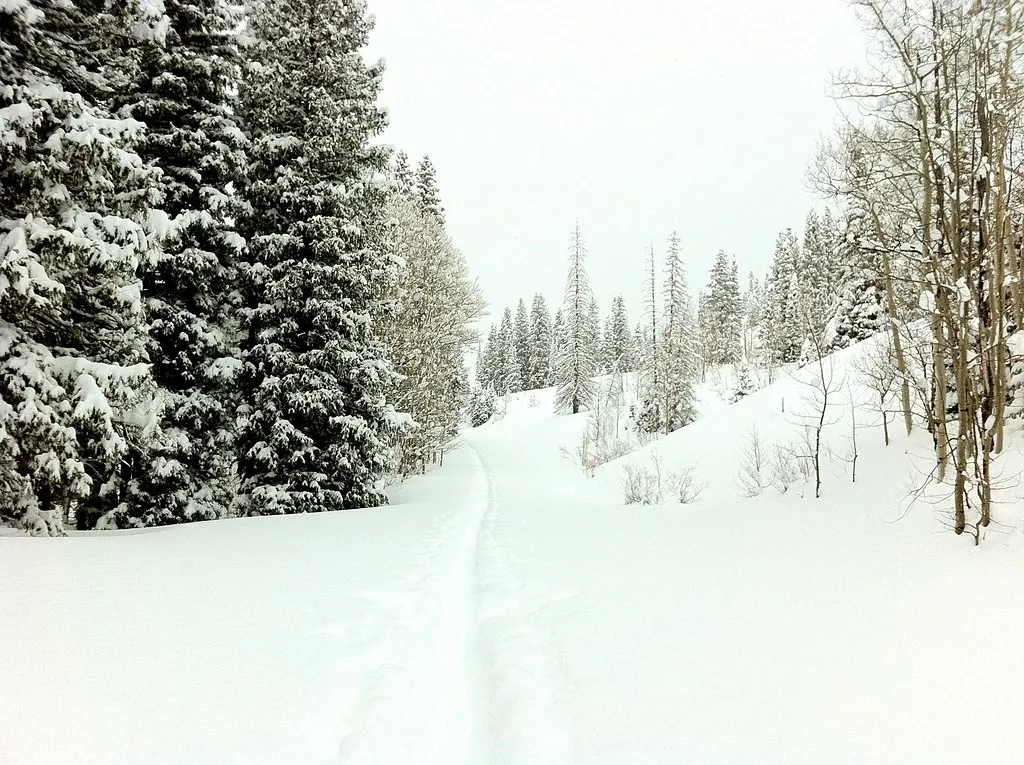
Crested Butte owes much of its snowfall to where it sits, tucked into a high valley in the West Elk Mountains of Gunnison County. Crested Butte’s location at 8,909 feet above sea level makes it a thrilling destination to enjoy both downhill and Nordic skiing. That elevation puts the town well above the snow line for most of the winter, so storms that might fall as rain in lower valleys arrive here as fresh powder.
The surrounding ridgelines also help trap moisture moving through the region, which is part of why the numbers stay so consistently high year after year.
How the Town Compares to the Resort Above It
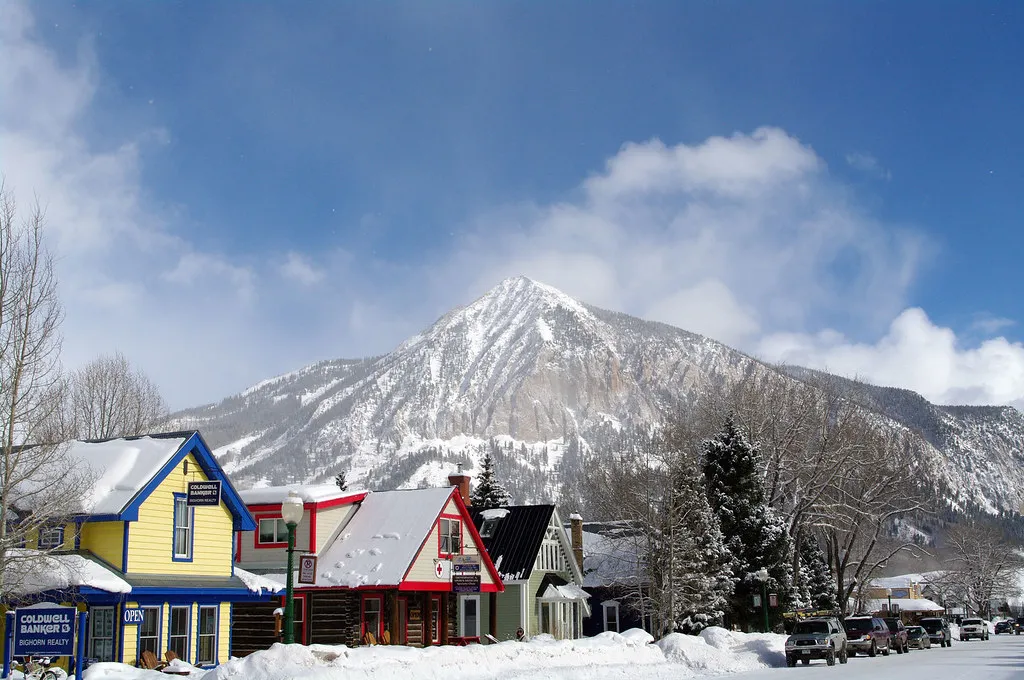
It’s worth separating the town from the mountain resort that shares its name, since the two report different totals. The Crested Butte Mountain Resort receives 253 inches of annual snowfall, just above the town itself, which ranks as the snowiest place in Colorado with 216.6 inches of snow each year. That gap makes sense once you consider elevation; the resort’s upper runs sit well above the valley floor where the town proper is built. Both figures, though, land far above what most American towns see in a typical winter.
December and January Carry the Season
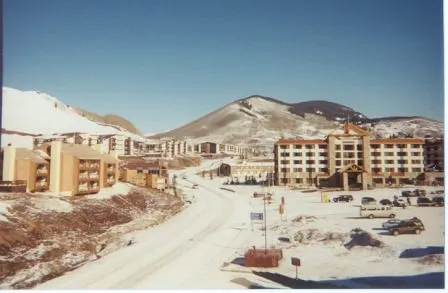
Anyone planning a winter visit should know that not every month in Crested Butte delivers equally. Crested Butte’s snowiest months are December and January, with 41.5 inches and 38.4 inches of average accumulation, respectively.
Locals often describe the shift from November into December as the moment the town truly changes character, when storefronts along Elk Avenue disappear under fresh drifts and cross country trails get groomed for the season. March and April can still bring meaningful totals, but the heart of winter arrives early here compared to some other Colorado resort towns.
Putting Colorado’s Statewide Average in Perspective
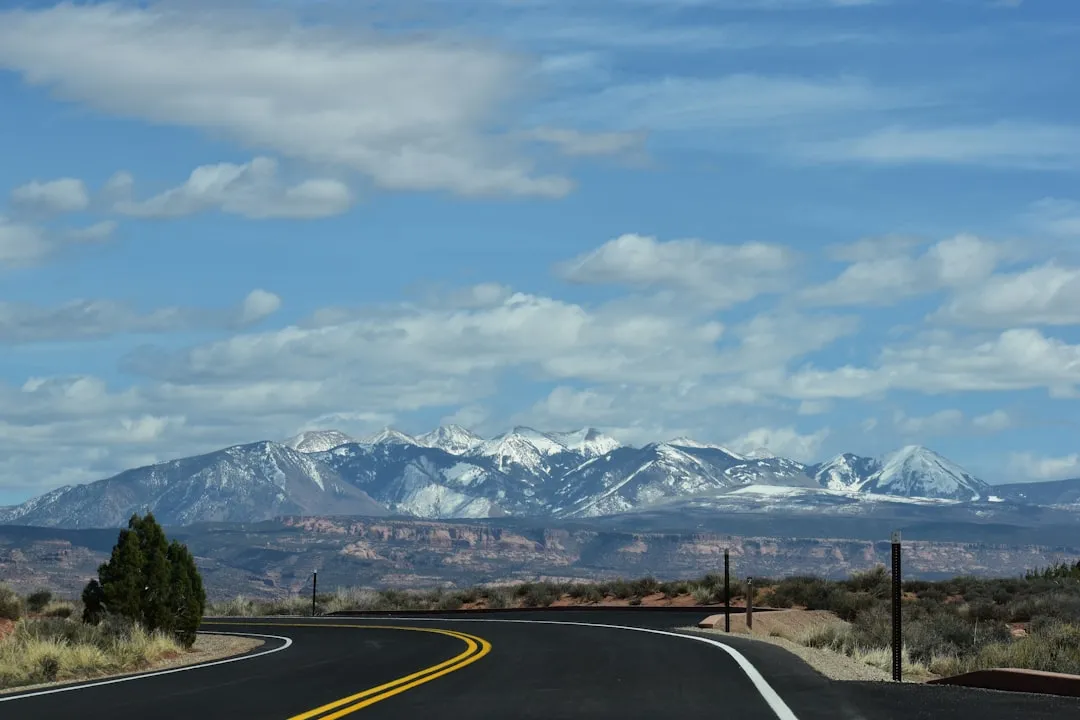
To understand how unusual Crested Butte’s numbers really are, it helps to zoom out to the state as a whole. Colorado’s average snowfall each year is about 67.30 inches for the entire state. That statewide figure includes the dry plains and lower elevation cities that barely see snow most winters, which is exactly why on the Eastern Plains and Front Range Urban Corridor, the average snowfall is drastically lower than the mountains, which receive averages of 150 to 400 inches of snow each year. Crested Butte sits comfortably inside that upper mountain range, more than three times the statewide average.
Company It Keeps Among Colorado’s Snow Belt
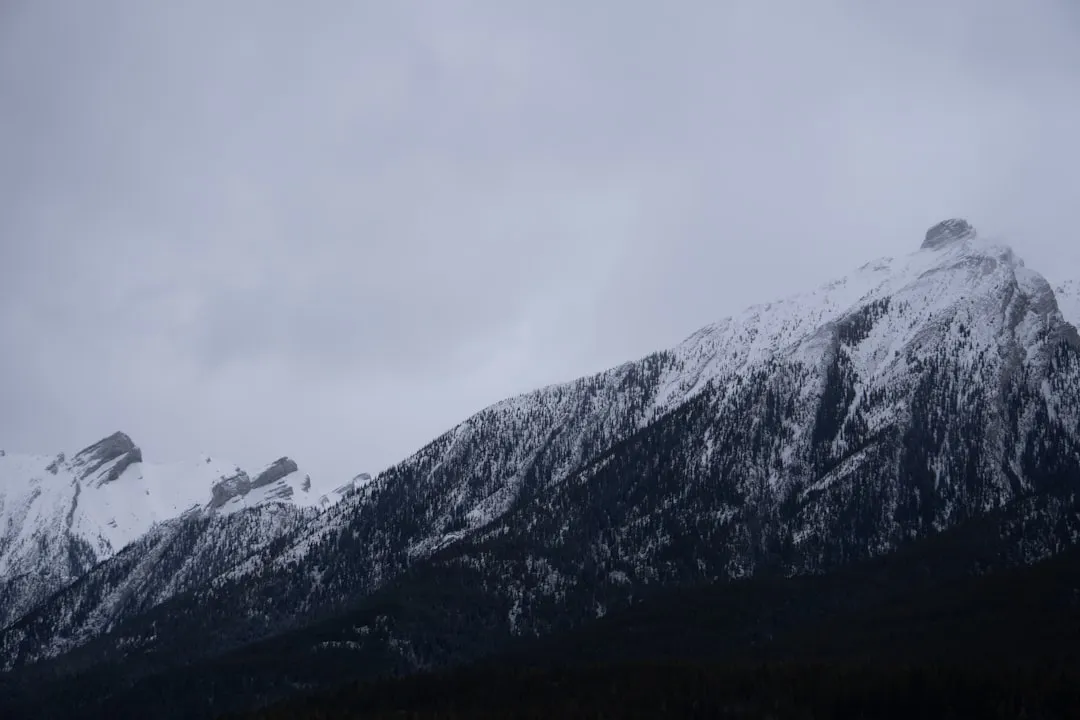
Crested Butte isn’t alone at the top, and comparing it to other well known Colorado snow spots helps place its numbers in context. Wolf Creek Ski Area, located on Wolf Creek Pass near Pagosa Springs, is best known for receiving more average annual snowfall than any other resort in Colorado, at about 430 inches per year.
Other high mountain resorts post big numbers too, from Beaver Creek Resort, which receives approximately 325 inches of snowfall every year to Arapahoe Basin, which receives an average of 314 inches of snow each year. What separates Crested Butte is that its figure describes an actual town center, not a resort base area perched at a higher, colder elevation.
Why Locals Call It Colorado’s Last Great Ski Town
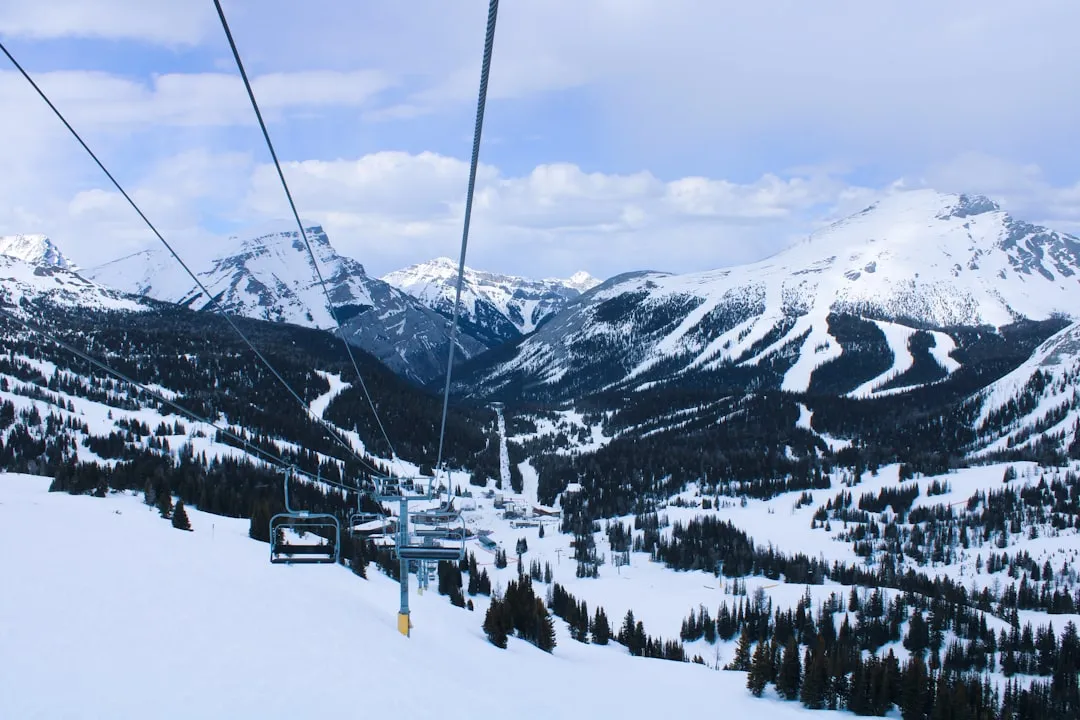
There’s a phrase that shows up again and again in descriptions of Crested Butte, and it captures something real about the place. It’s considered “Colorado’s last great ski town”. Part of that reputation comes from the snow itself, but part of it comes from the town’s layout, a historic Victorian era mining district with false front buildings and a walkable core that hasn’t been rebuilt into a mega resort village.
Heavy, reliable snowfall combined with a town that still feels lived in, rather than purpose built for tourists, is a rare combination in modern American skiing.
Beyond Downhill Skiing: A Winter Playground
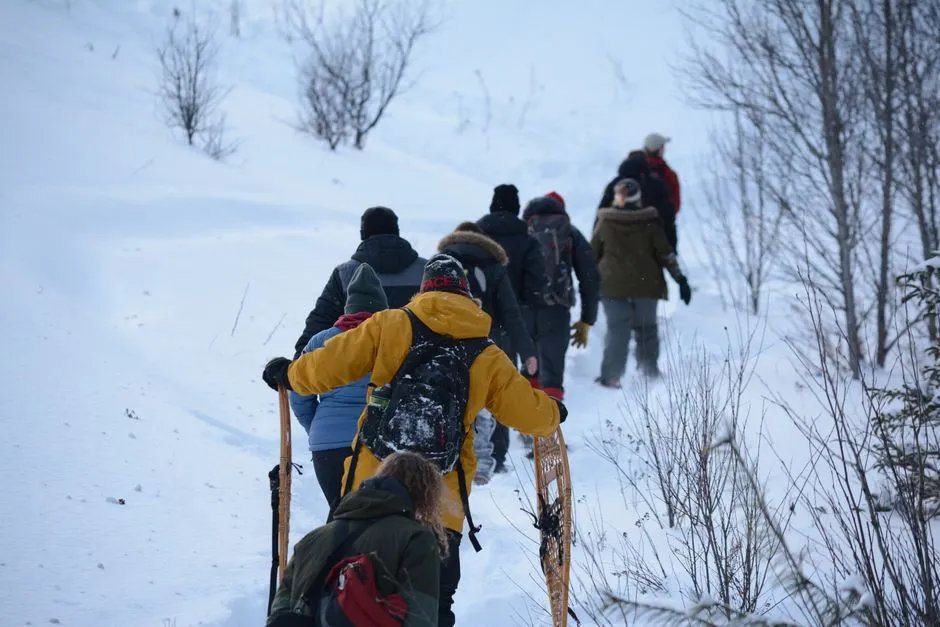
The snow that falls on Crested Butte supports far more than lift served skiing, and that variety is part of what makes the town worth a longer stay. Nordic skiing has deep roots here, thanks to a valley floor that holds snow well into spring and a network of groomed trails connecting the town to the surrounding national forest land. Snowshoeing, backcountry touring, and even winter fat biking have all found a following among both residents and visitors drawn by the reliable base. For travelers who want quiet, snow covered scenery without needing to clip into skis at all, the town itself offers plenty of ways to experience the season.
Timing a Visit Around the Deepest Weeks
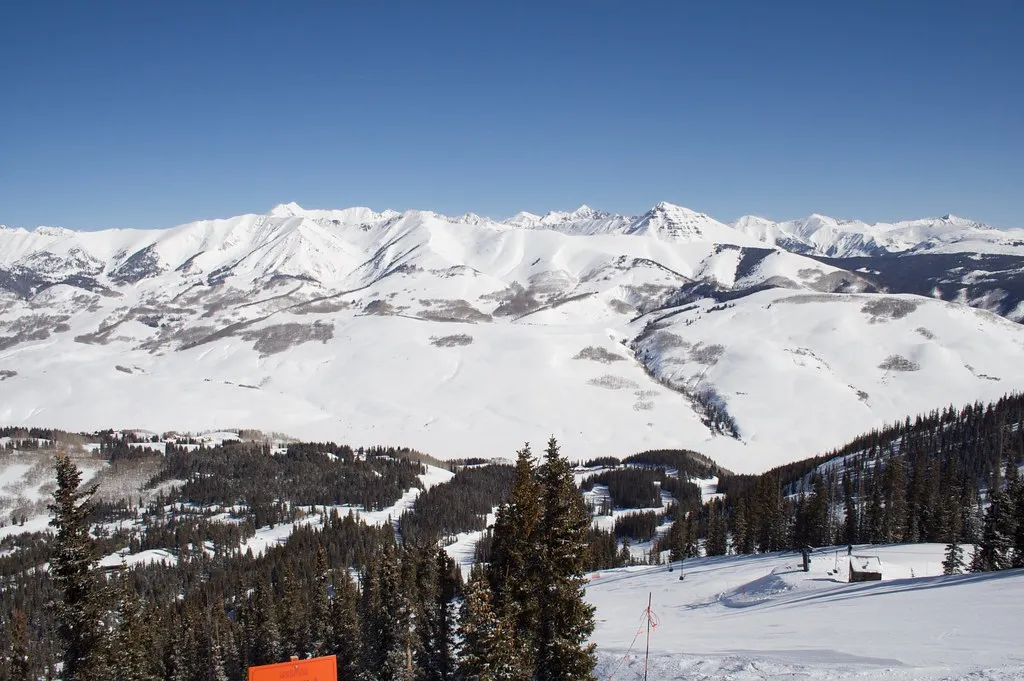
Given how concentrated the snowfall can be in early winter, timing matters for anyone hoping to see Crested Butte at its snowiest. December and January, as the data shows, tend to deliver the heaviest monthly totals, making them the most reliable window for deep snow and full coverage on trails.
Late season visitors shouldn’t be discouraged either, since spring storms can still refresh the base well into March, often coinciding with longer daylight hours and softer afternoon conditions. Checking current conditions before booking is always wise, since snowfall in any single season can vary meaningfully from the long term averages.
A Snowy Legacy Worth Respecting
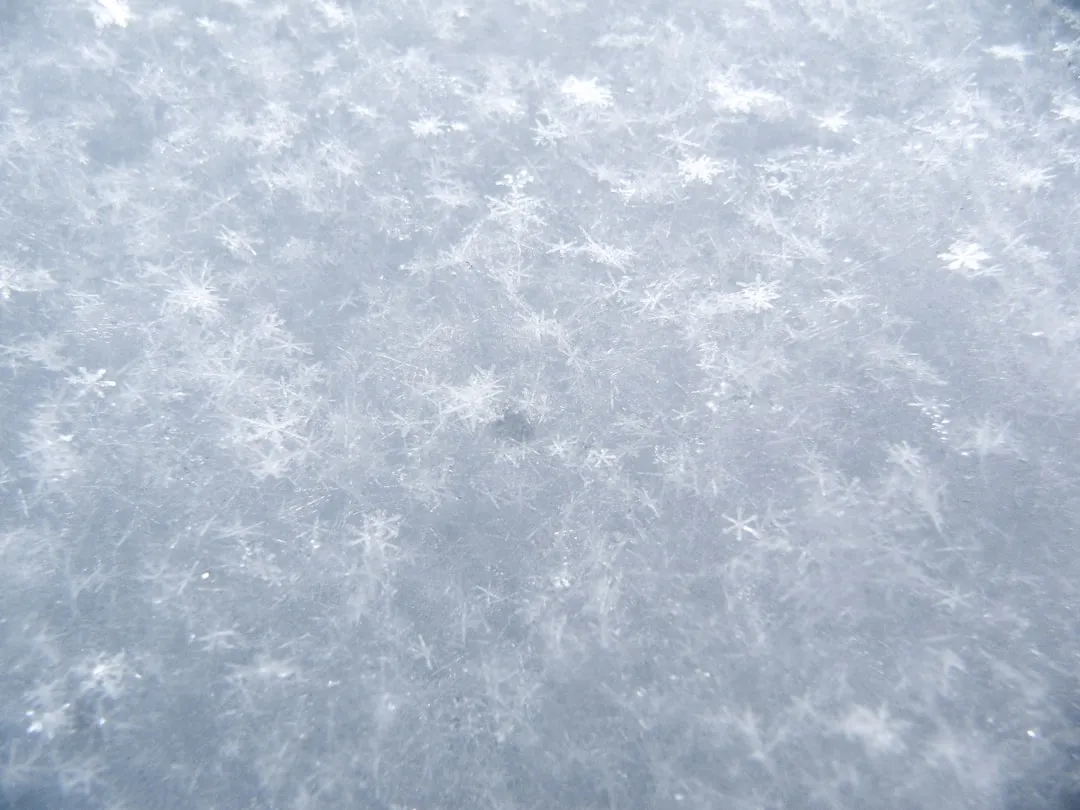
Colorado’s relationship with extreme snow runs deep, and Crested Butte’s numbers fit into a broader state history of remarkable winter weather. On April 14th and 15th, 1921, the mountain town of Silver Lake, Colorado received 75.8 inches of snow in 24 hours, a reminder of just how intense mountain storms in this part of the country can become. Crested Butte’s snow isn’t about single dramatic events so much as sheer consistency, storm after storm building a snowpack that shapes local life, water supply, and the surrounding ecosystem for months at a time. That steady rhythm, more than any single record, is what makes the town’s average snowfall so genuinely remarkable.
Crested Butte’s snow totals aren’t a marketing claim or a seasonal fluke. They’re the product of elevation, geography, and storm patterns that have shaped this valley for generations, and they’re backed by decades of recorded weather data rather than guesswork. For anyone drawn to real mountain winters, the kind that reshape a town’s daily rhythm rather than just its ski slopes, Crested Butte offers a version of Colorado winter that’s as authentic as the numbers behind it.AI Disclaimer: This article was created with the assistance of AI tools and reviewed by a human editor.