
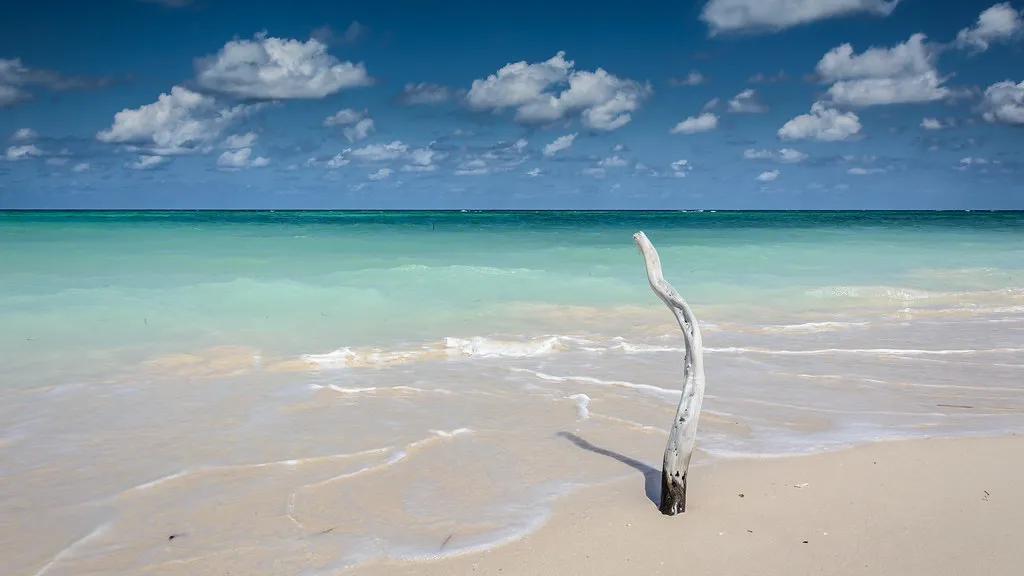

Most Americans assume that traveling to the Caribbean means digging out a passport, renewing it three months in advance, and paying the fees that go with it. That assumption is understandable. It’s also wrong – at least for one island that tends to get overshadowed by its flashier neighbors.
St. Croix, the largest of the three inhabited U.S. Virgin Islands, is an American territory sitting in the eastern Caribbean, and U.S. citizens do not need a passport to travel there. It’s genuine Caribbean, not a theme-park version of it – cobblestone streets, Danish colonial architecture, sea turtles in the water, and an identity shaped by more than seven different flags over the centuries. Yet it rarely tops the travel influencer lists the way St. Thomas or Puerto Rico do.
The Legal Reality: Why No Passport Is Needed
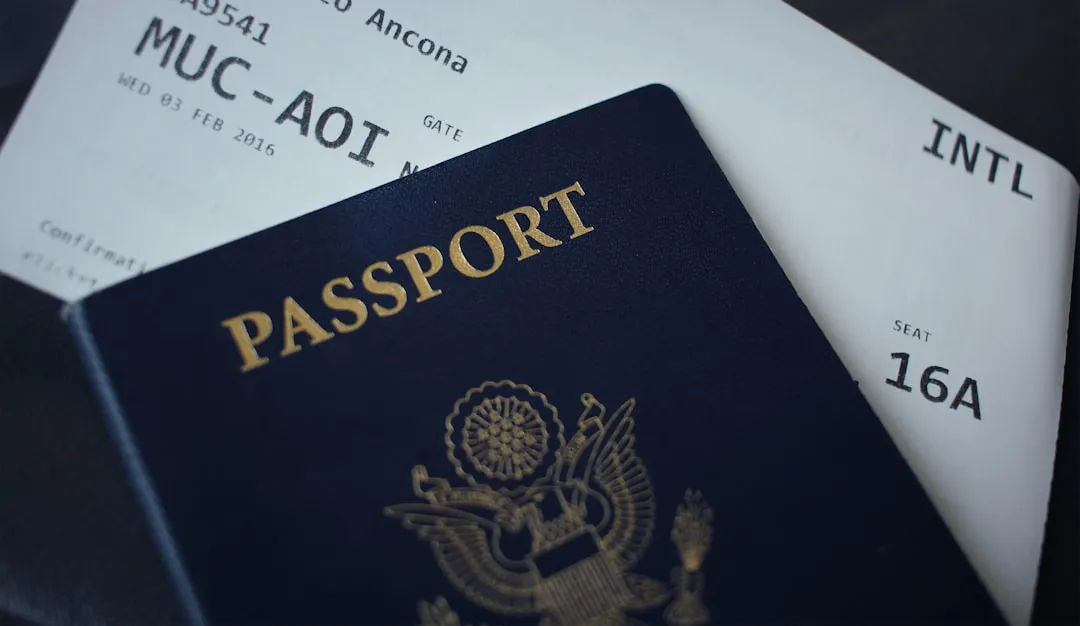
Puerto Rico and the U.S. Virgin Islands are Caribbean destinations that do not require a passport for American citizens when traveling by air or sea – essentially, these U.S. territories are regarded as domestic travel within the United States. That status is grounded in federal law, not a loophole.
While you do not need a passport for these territories, you still need valid identification. Since REAL ID enforcement began on May 7, 2025, all travelers 18 and older need a REAL ID-compliant driver’s license or an acceptable alternative to board domestic flights. Check that your license has the small star marking in the upper corner – that’s the REAL ID indicator. A standard state ID or military ID also works.
Your phone plan works, you use U.S. dollars, and English is widely spoken. In practical terms, it feels like traveling domestically while actually arriving somewhere that looks and feels distinctly Caribbean.
St. Croix: The Largest and Least Crowded of the USVI

Saint Croix is an island in the Caribbean and a constituent district of the United States Virgin Islands, an unincorporated territory of the United States – and it is the largest of the territory’s islands. Despite that distinction, it draws far fewer visitors than St. Thomas and consistently feels quieter and more relaxed.
The island’s nickname is “Twin City,” for its two towns: Frederiksted on the western end and Christiansted on the northeast part of the island. Both are worth spending real time in, not just a quick afternoon. Christiansted especially rewards slow walkers – its yellow fort, waterfront boardwalk, and low-rise Danish buildings feel genuinely alive rather than staged for tourists.
St. Croix enjoys warm, sunny weather year-round, with an average winter temperature of around 77°F and an average summer temperature of around 82°F. That consistency makes it a reliable destination across most of the calendar.
A History That Spans Seven Flags
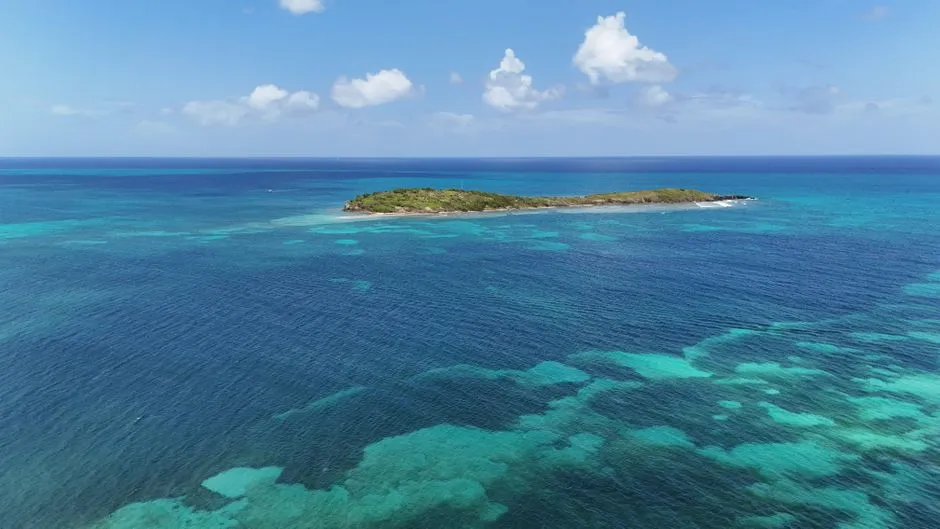
Its modern name, Saint Croix, is derived from the French Sainte-Croix, itself a translation of the Spanish name Isla de la Santa Cruz, meaning “island of the Holy Cross,” given by Christopher Columbus in 1493.
Before Saint Croix became a U.S. territory, it was owned by the Danish West Indies Company, which bought the island from the French West Indies Company. St. Croix is also the only place where Christopher Columbus is known to have stepped onto what is today U.S. soil, and it is home to the easternmost point of the U.S.
In 1917, St. Croix, along with the islands of St. John and St. Thomas, were purchased by the United States from the Danish government for military reasons. St. Croix’s inhabitants were granted U.S. citizenship in 1927. That layered past is woven into the landscape itself – you see it in the architecture, the food, and the way people speak.
A National Heritage Area Designation That Changed Everything

Designated in 2023, St. Croix National Heritage Area is the first NHA located in a U.S. Territory, with the Virgin Islands State Historic Preservation Office acting as the coordinating entity. This is a significant recognition, and one that not enough travelers know about.
The island’s history is made up of multiple cultures contributing to traditions that continue to this day, and the area conserves natural, cultural, historic, and scenic characteristics important to St. Croix and the nation’s heritage.
St. Croix sits where the Caribbean Sea and the Atlantic Ocean meet, and the island is rich in biodiversity. That convergence of two bodies of water creates extraordinary marine conditions, particularly along the famous Cane Bay Wall – a deep-water dive site that draws serious divers from around the world.
Record Tourism Numbers – But St. Croix Stays Quieter

The broader USVI territory has seen a remarkable resurgence in travel interest. In 2024, combined airline arrivals at Cyril E. King Airport in St. Thomas and Henry E. Rohlsen Airport in St. Croix totaled 932,265 passengers – surpassing the previous record by over 100,000 passengers and representing a 16.5% increase compared to 2023.
The Territory also experienced a significant boost in cruise passengers, welcoming nearly 1.77 million – a nearly ten percent increase compared to 2023. Most of that cruise traffic flows through St. Thomas. St. Croix captures a meaningful but smaller share, which is actually part of its appeal.
In addition to visitor numbers, the territory received prestigious industry honors in 2024, including the Caribbean Journal Caribbean Travel Award for Caribbean Culinary Destination for St. Croix and Caribbean Yachting Destination of the Year. Those recognitions point to something real – a food scene and sailing culture that punch well above the island’s profile.
What to Actually Do on St. Croix
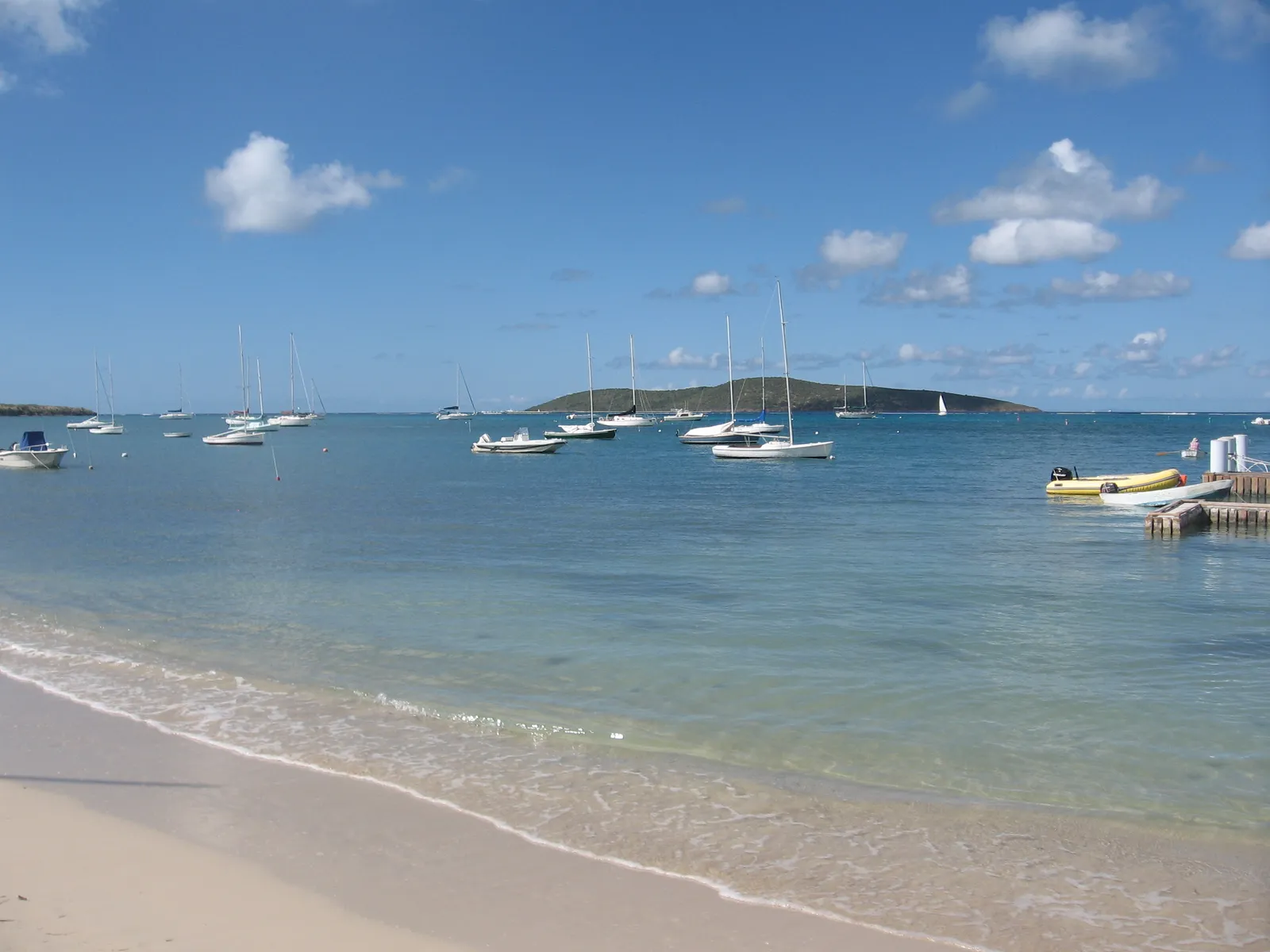
St. Croix is the largest of the U.S. Virgin Islands and offers everything travelers love about the region – beautiful white sand beaches with turquoise waters, stunning views, snorkeling, hiking, and Caribbean charm.
History-focused visitors should walk the cobblestone streets of Christiansted and learn about how the island protected itself from pirates at Frederiksted. One of the most renowned attractions in the entire USVI, Buck Island National Park is located a short distance from the St. Croix shore – it’s snorkeling territory of the first order, with an underwater trail that guides you through brain coral and sea fans.
Point Udall, on the eastern side of St. Croix, is the easternmost point of the United States – a fact that surprises most visitors. Standing there at sunrise, looking out toward the Atlantic, there’s a genuine sense of being at the edge of something.
Getting Around: Drive on the Left

One detail that catches first-time visitors off guard: in St. Croix, you drive on the left side of the road, though a valid U.S. or foreign license is accepted for 90 days. The road system is manageable, but renting a car is genuinely the best way to explore.
If you stay in one of St. Croix’s main cities – Christiansted or Frederiksted – you can get around town by bike or on foot. However, if you want to explore more of the island, renting a car is recommended.
English is the official language in St. Croix and across the Virgin Islands, though you can detect colorful dialects and expressions that may take time to get accustomed to. Spanish is also commonly spoken. That linguistic richness reflects the island’s genuinely diverse cultural roots.
The Practical Documents You’ll Need
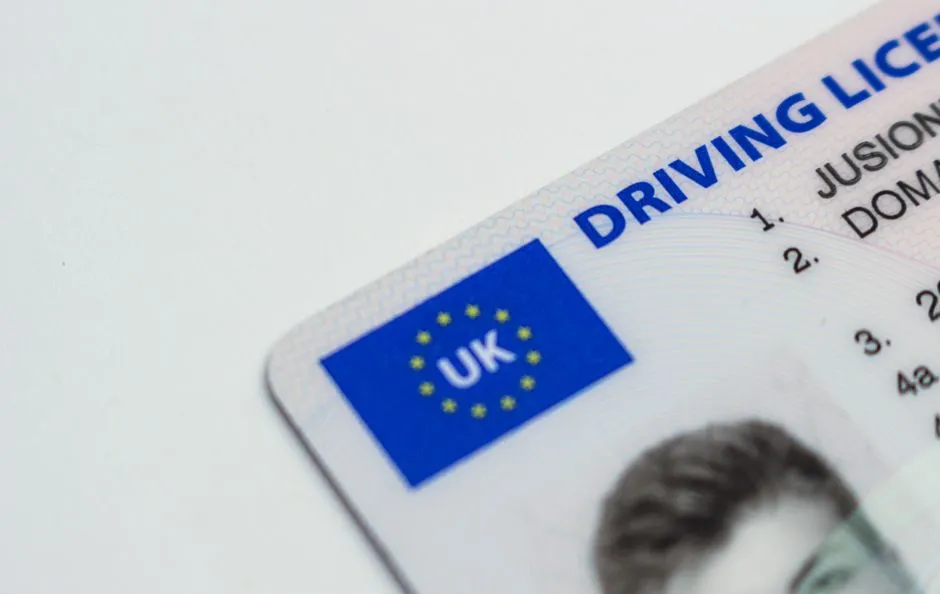
To be clear about what’s required in 2026: while you do not need a passport for U.S. territories, you still need valid identification. Since REAL ID enforcement began on May 7, 2025, all travelers 18 and older need a REAL ID-compliant driver’s license or an acceptable alternative like a passport or passport card to board domestic flights.
If flying to Puerto Rico or the USVI, you need a REAL ID-compliant driver’s license marked with a star, or an alternative acceptable ID such as a passport, passport card, or military ID.
Standard 120-volt current is used in St. Croix and across the U.S. Virgin Islands, so no adapters are required. Most U.S. cell carriers do have signals in the USVI. Logistically, this is one of the easiest Caribbean islands an American can visit.
When to Go and What to Expect

According to locals, the best time to visit is in December and January, when the island comes alive during Christmas celebrations and warmly welcomes tourists. Beyond that, winter and spring offer mild but warm weather that makes outdoor exploration ideal.
The Caribbean and Pacific territories have distinct weather patterns, including hurricane season from June through November, so planning for the dry season ensures better beach days and outdoor activities.
St. Croix is particularly rewarding for history buffs and those who want to experience the Caribbean with genuine European influences, with April and May standing out as especially appealing months. Shoulder season also tends to mean smaller crowds and somewhat lower accommodation rates.
Why St. Croix Stays Under the Radar – and Why That’s a Reason to Go
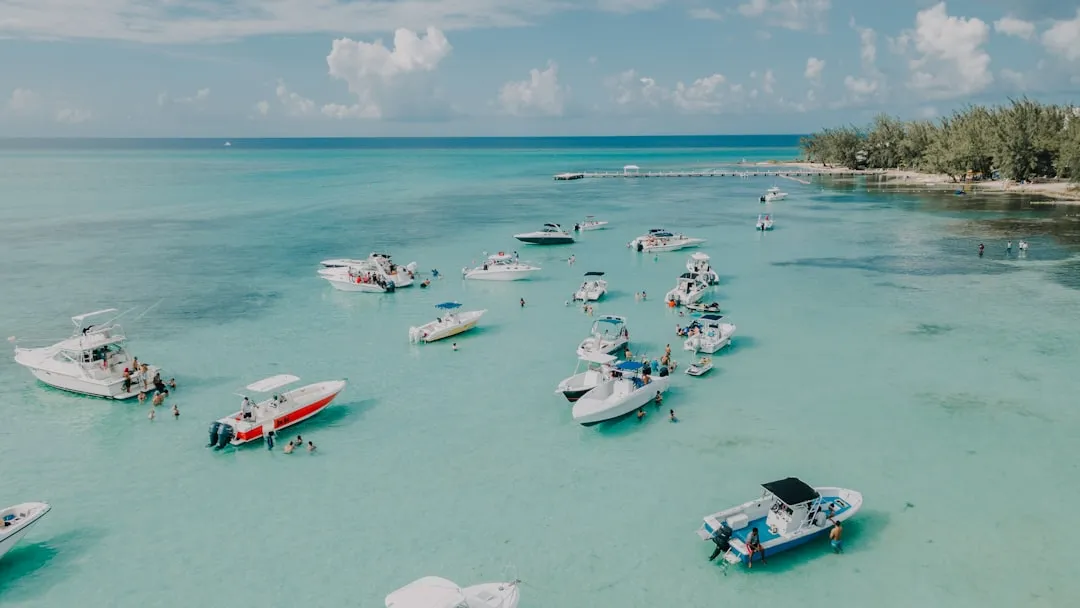
Part of what makes St. Croix feel different is the absence of mega-resort sprawl. The four major industries – including tourism, rum exports, and watch assembly – remain important drivers of the St. Croix economy, and the area actively balances tourism and environmental sustainability. That intentional balance is visible in how the island operates day to day.
Agriculture has seen a slow resurgence on St. Croix, driven by an increase in demand for local produce and agricultural products – which has a direct effect on the food scene. Farm-to-table eating here isn’t a marketing phrase; it’s a practical reflection of what the island actually grows.
Caribbean travel demand continues to surge, with the U.S. Virgin Islands welcoming record visitor numbers in 2024 and 2025. Multi-generational family travel has become one of the hottest trends, and these passport-free destinations offer something for every age group. Yet St. Croix remains the quieter, more contemplative choice within that territory – less crowded than St. Thomas, less remote than St. John.
There’s something valuable about a Caribbean island that doesn’t ask for your passport, doesn’t ask you to perform enthusiasm, and doesn’t position itself as a backdrop. St. Croix simply exists as it is – layered, warm, historically dense, and still genuinely surprising in the way that the best travel destinations tend to be.
AI Disclaimer: This article was created with the assistance of AI tools and reviewed by a human editor.