
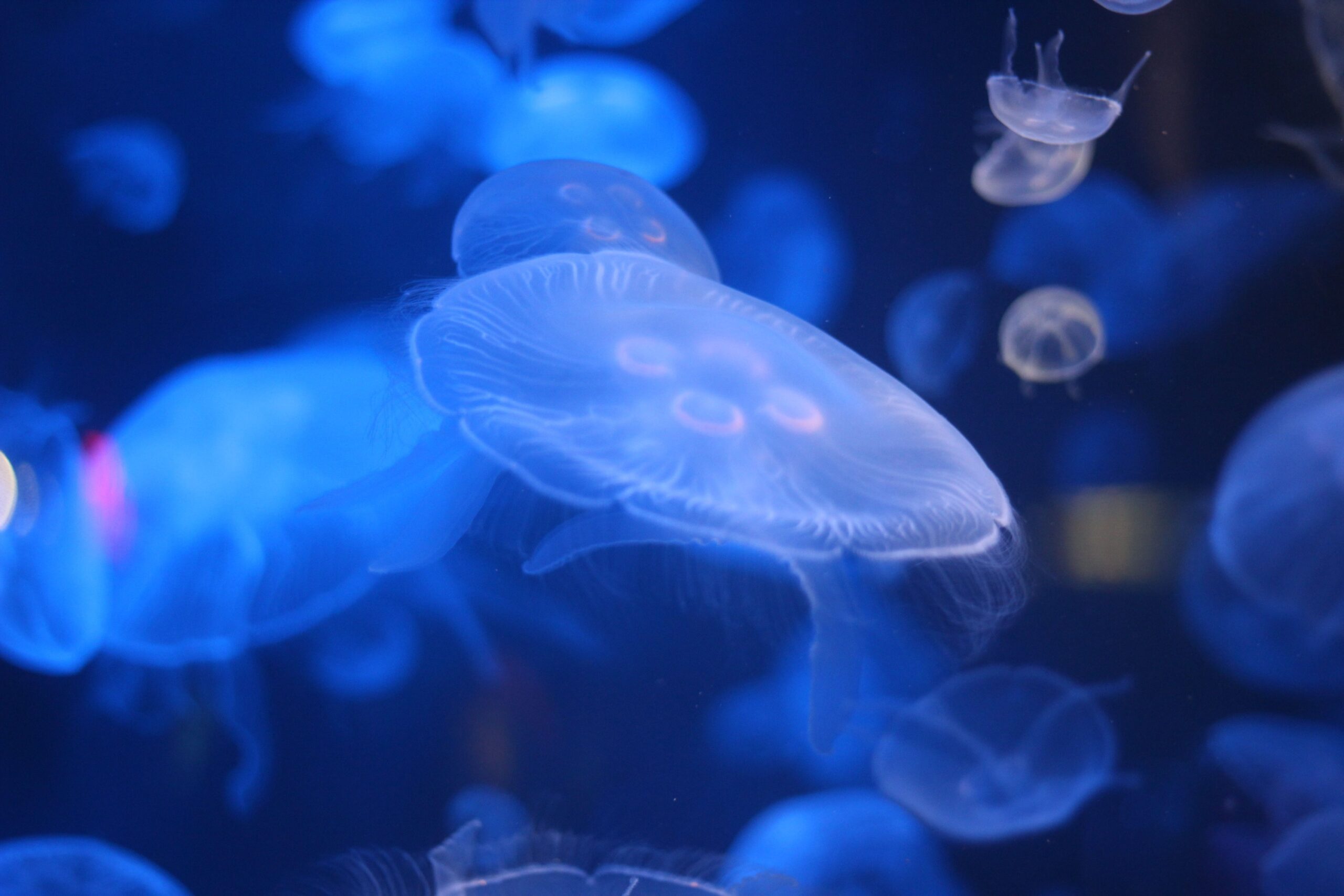

There is something quietly astonishing about walking the shores of a Gulf Coast island after dark and watching the water light up beneath your feet. Each wave, each splash, each curious hand dragged through the surf leaves a trail of electric blue. It looks like something out of science fiction, but it’s entirely real – and it has a precise biological explanation that scientists have spent decades refining.
The Gulf Coast of Florida, particularly around islands and protected bays along the western shoreline, hosts one of the more dramatic natural light shows available to travelers anywhere in the continental United States. Here is what’s happening, why it happens where it does, and what visiting it responsibly actually looks like.
The Island Where the Blue Glow Is Most Talked About
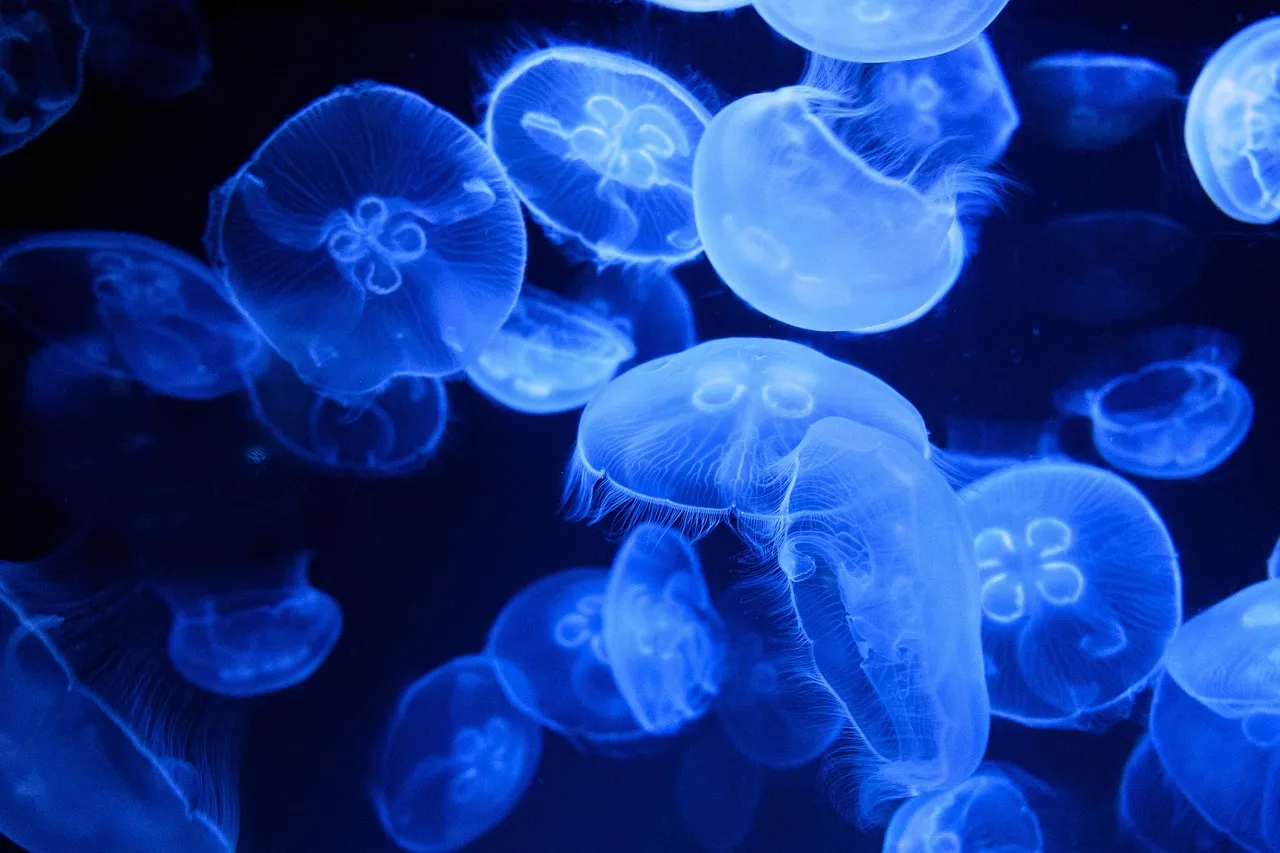
Bioluminescence occurs frequently along the east coast of Florida, but residents and beachgoers along Anna Maria Island, a barrier island on the Gulf Coast, have noticed a notable increase in evenings featuring blooms of bright blue light in the surrounding waters. The island sits along the calm, shallow reaches of the Gulf near Tampa Bay, a geography that turns out to be significant.
The cause of this rise in bioluminescent activity along the western waters of Florida has been a topic of active discussion among researchers and the public alike, with the Sarasota Bay Estuary Program attributing the increases to a specific kind of dinoflagellate called Noctiluca scintillans, more commonly known as the sea sparkle.
Meet the Organism Behind the Glow
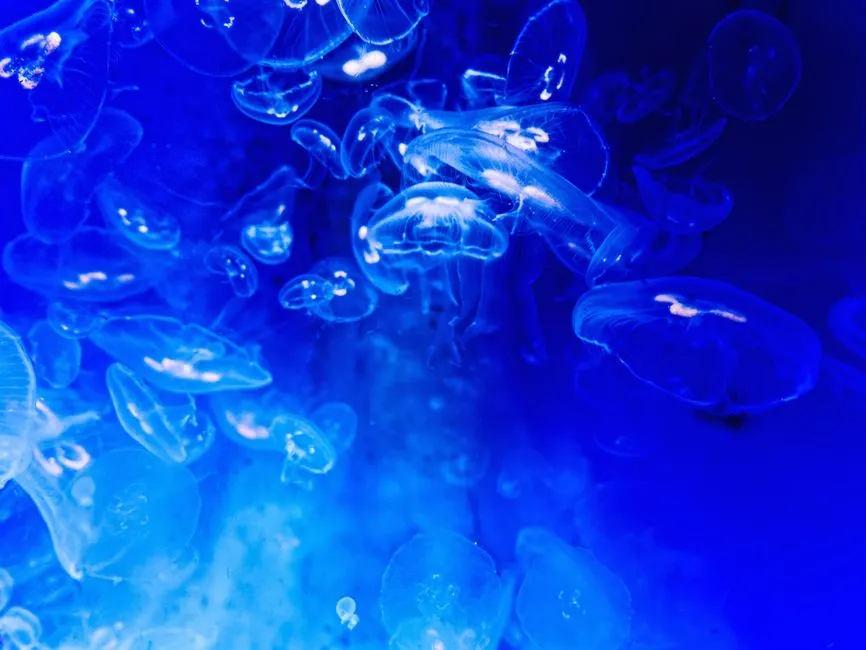
Bioluminescence is a natural phenomenon caused by microscopic marine plankton known as dinoflagellates – single-celled organisms that live in the water and can produce light through a chemical reaction within their cells. The sheer scale of what they produce is difficult to fully appreciate until you see it firsthand.
The glowing blue water is caused by bioluminescent dinoflagellates, specifically Pyrodinium bahamense, single-celled marine plankton that emit light as a defense mechanism. According to AlgaeBase data, there are 3,711 species in the dinoflagellate superclass, among which only 68 have been classified as bioluminescent. That relative rarity makes the Gulf Coast sightings all the more remarkable.
The Chemistry That Produces the Light
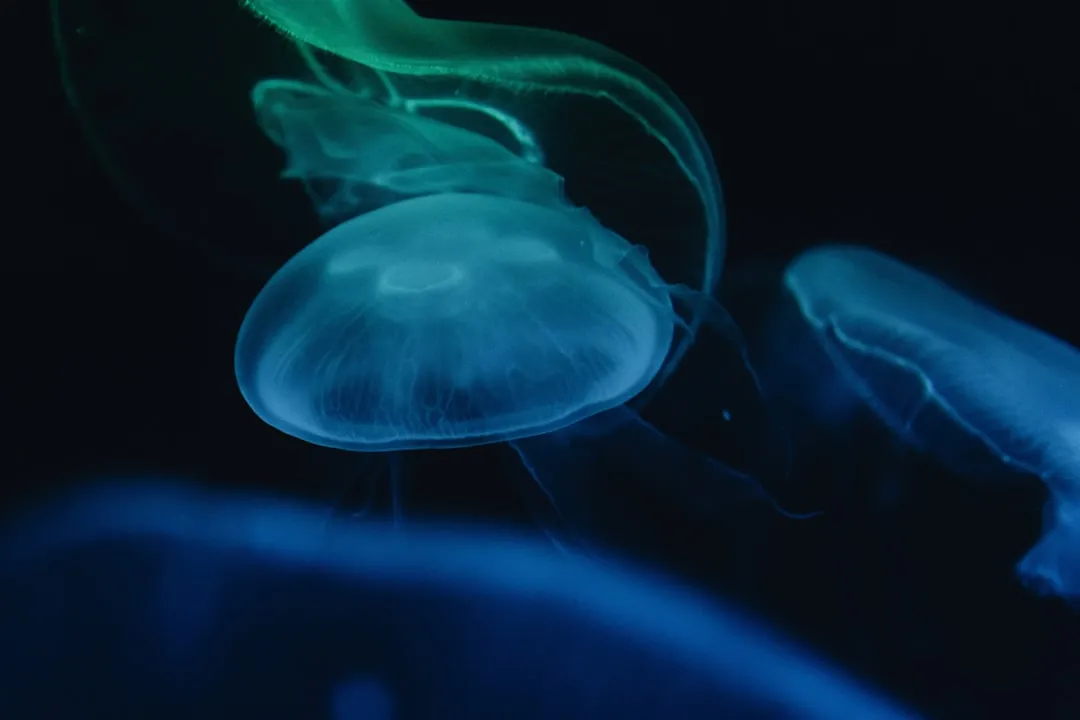
Inside their cells, luciferin – a light-emitting compound – reacts with luciferase, an enzyme, in the presence of oxygen, creating a flash of blue-green light. Bioluminescence occurs as a chemical reaction between luciferin, luciferase, and oxygen in the presence of salt to produce deoxyluciferin, light, and water.
Bioluminescence in dinoflagellates depends on a luciferin-luciferase reaction that promotes light emission in flashes of intense blue light in specialized luminogenic organelles called scintillons. Their light production is triggered by mechanical stimulation and involves a rapid signaling cascade inside these scintillons, where pH changes release luciferin to react with luciferase.
Why the Water Only Glows When Disturbed
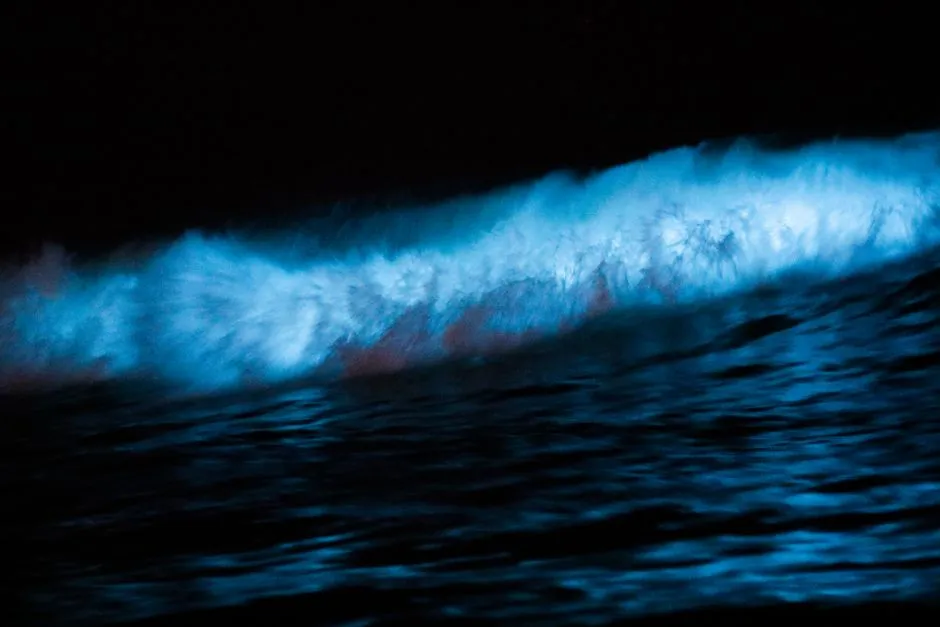
When the water is disturbed by movement – such as a paddle entering the water or a fish swimming past – dinoflagellates emit brief flashes of blue or blue-green light, and the glow appears only in response to motion, fading quickly once the water becomes still. This is why walking into calm, undisturbed water at night produces very little effect, while every splash and wave becomes its own small firework.
The organisms always emit their luminescence in the presence of movement, danger, or perceived threat, and many researchers believe that when phytoplankton sense an attack, they emit this bioluminescence in order to attract larger species of fish that prey on the very species attacking them. It is, in essence, a microscopic alarm system that has evolved over millions of years.
What Scientists Have Pieced Together About the Mechanism
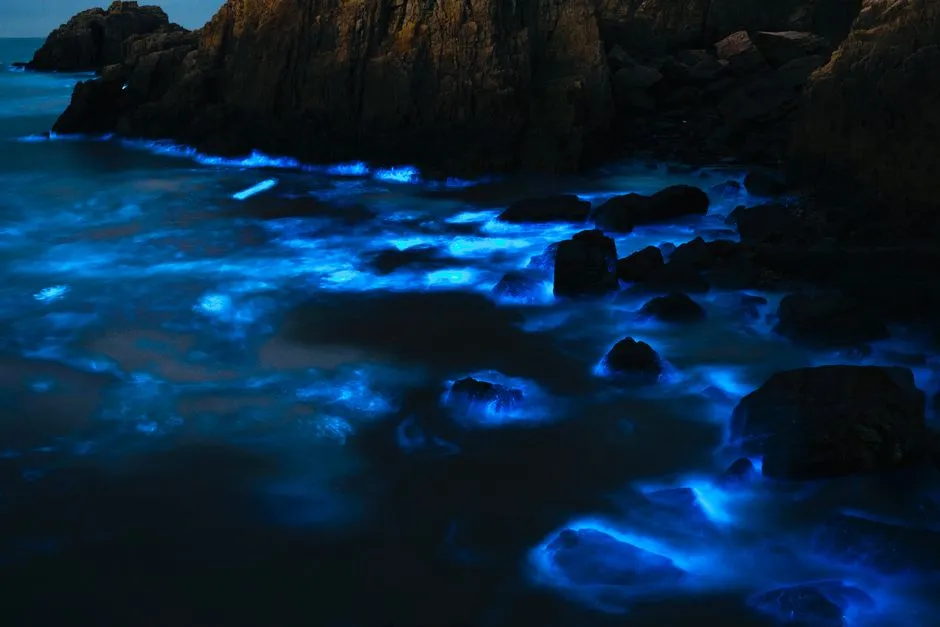
The exact process by which mechanical stimulation causes Pyrodinium bahamense and other bioluminescent dinoflagellates to glow is still not fully understood by science. Researchers are piecing together the unusual chemical reactions that enable dinoflagellates to create spectacular light displays, but the mechanism behind their bioluminescence remains one of nature’s most puzzling chemical mysteries.
An international team of researchers including scientists at the Scripps Institution of Oceanography at UC San Diego and the University of Southampton unlocked key secrets behind the bioluminescence system, finding that two chemicals needed for bioluminescence – luciferin and luciferase – are either lacking or not functioning in populations that do not glow. That research has helped clarify why some populations of the same organism glow brilliantly while others do not at all.
The Role of the Gulf’s Warm, Brackish Waters
This phenomenon occurs when billions of organisms bloom in warm, nutrient-rich waters, turning every splash and ripple into a light show that resembles underwater stars. The Gulf’s shallow coastal areas, protected bays, and estuaries create exactly these conditions during the warmer months.
Bioluminescence is a naturally occurring phenomenon that happens in the brackish waters of the Intracoastal Waterways, where the mix of fresh and salt water creates an environment dinoflagellates find ideal. Rain and cloudy skies can affect the display; heavy storms sometimes flush bays completely, requiring weeks for dinoflagellate populations to recover.
When the Glow Is Brightest
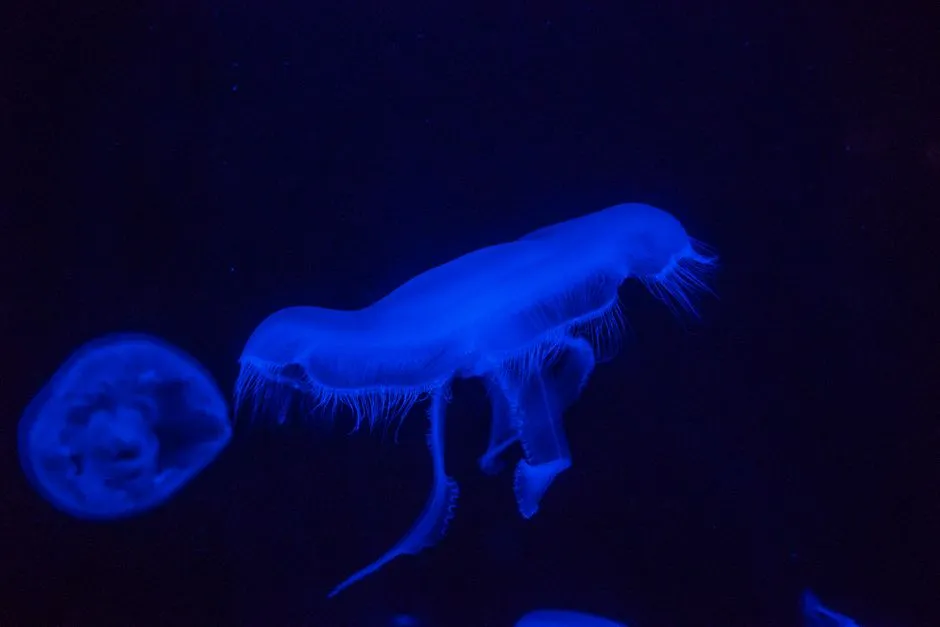
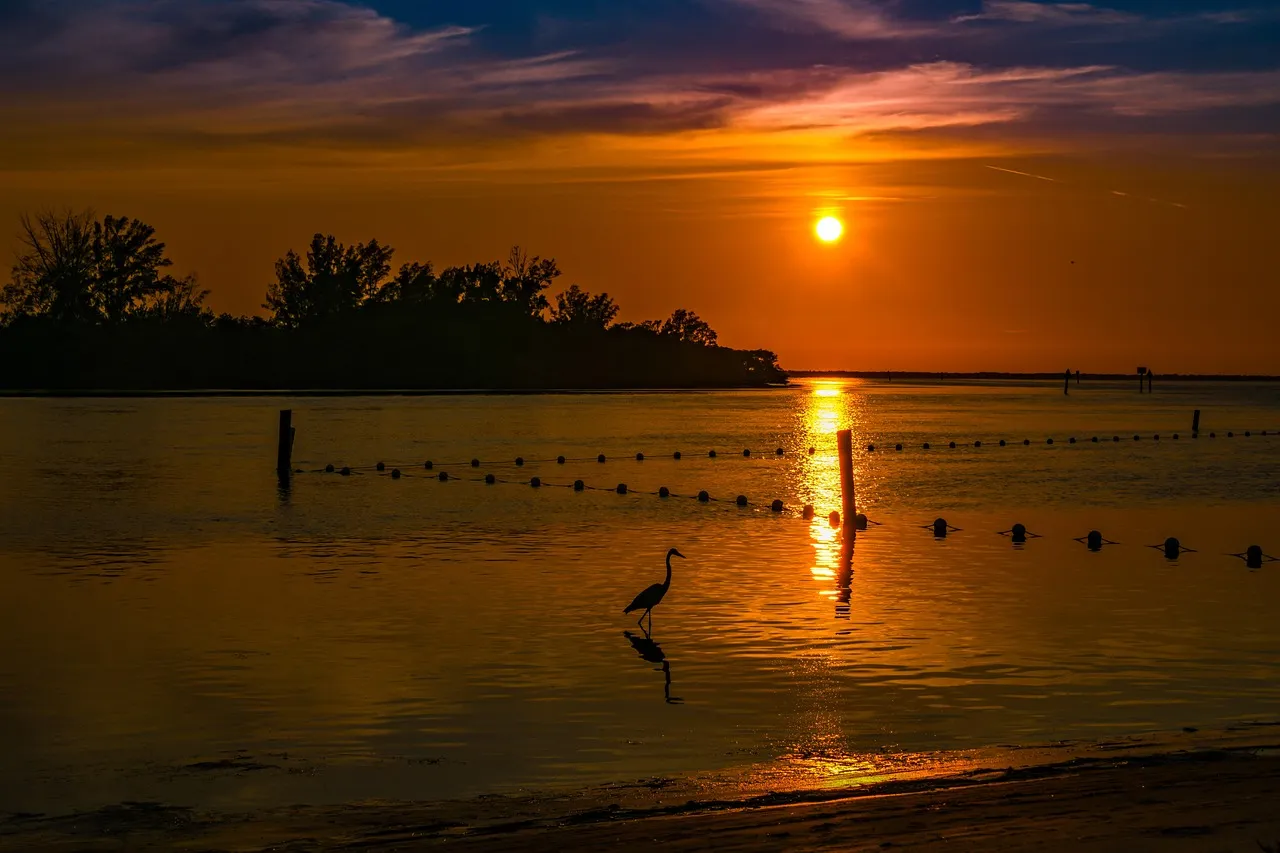
The peak season for bioluminescent waters in Florida runs from May through October, with July and August offering the most spectacular displays. The dinoflagellates are primarily gone in November and December, but the comb jelly season returns in high gear, meaning you have the best luck seeing dinoflagellates during the summer while comb jellies are most likely spotted in fall and winter.
A full moon is roughly 400,000 times brighter than starlight and overwhelms the dinoflagellates’ relatively dim output, while quarter moons reduce visibility by half; new moons provide the ideal conditions. Timing a visit around the new moon dramatically improves what you’ll actually see.
The Gulf Coast Versus Florida’s East Coast
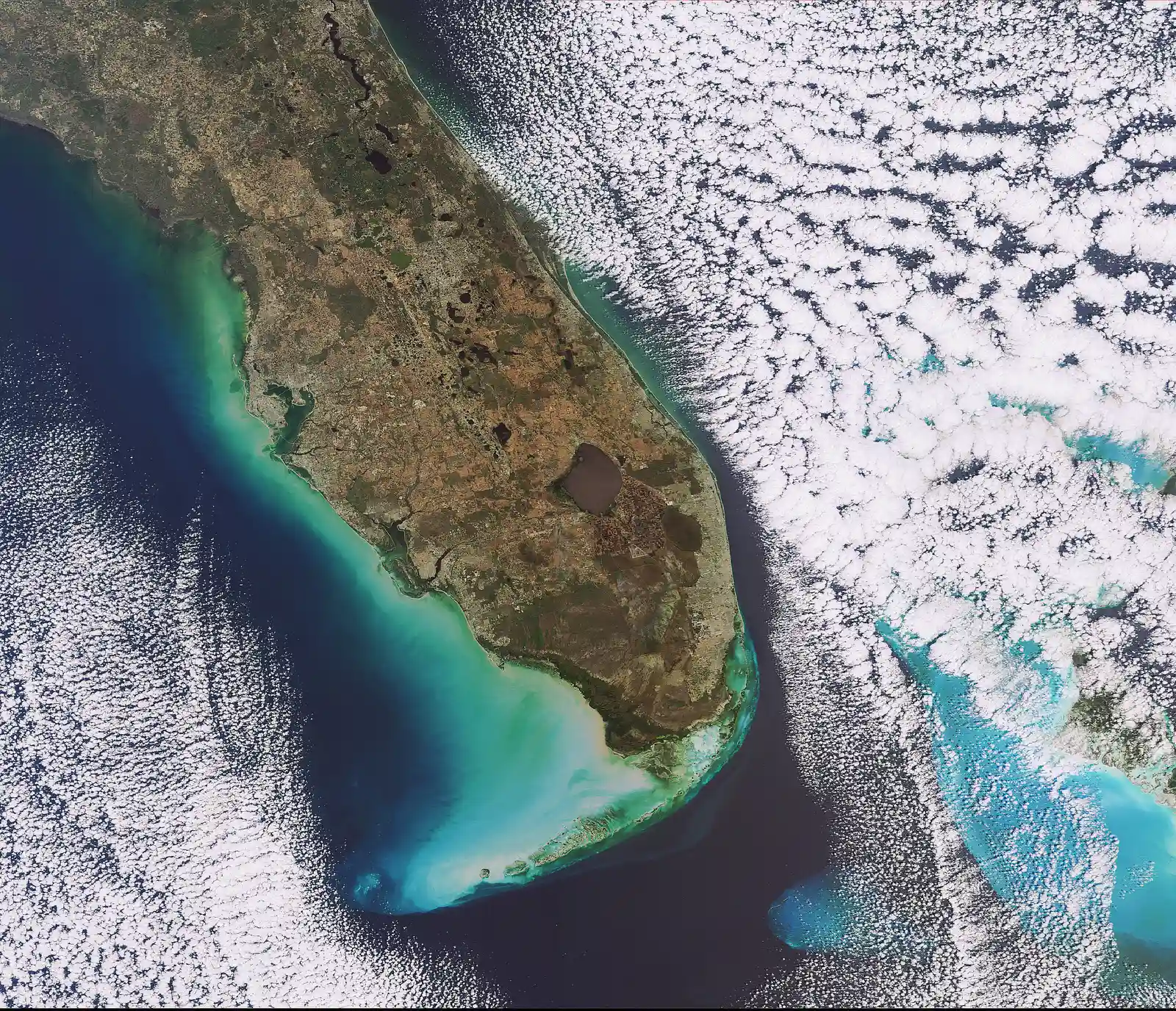
Bioluminescence occurs frequently along the east coast of Florida, where single-celled organisms called dinoflagellates make the waters shimmer and shine. The Gulf side has historically seen it less reliably, which makes the increasing sightings around Anna Maria Island and the surrounding waters scientifically interesting.
While certain dinoflagellate species like the sea sparkle are harmless, others that create similar showings of bioluminescence can be responsible for increases in dangerous algal blooms, and researchers continue analyzing the waters to more accurately determine the cause of the recent increases. This distinction matters for both ecology and responsible tourism planning.
The Wildlife That Shares the Glow
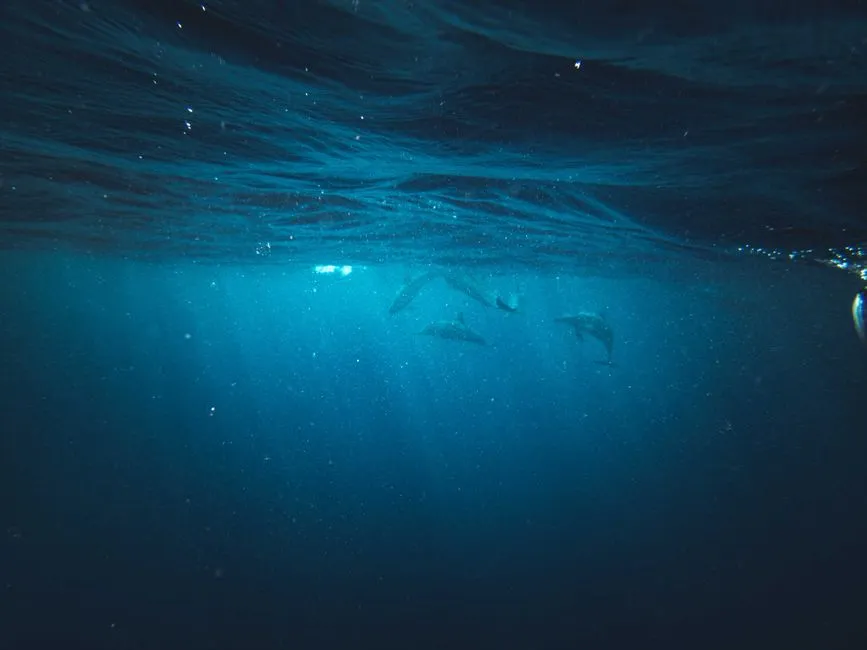
Every stroke of the paddle, every move made by mullet, manatees, and dolphins below the surface becomes a mesmerizing spectacle that can only be experienced in a few places in the world. Watching a dolphin trace a glowing path through dark water is the kind of moment that is genuinely hard to describe to someone who has not seen it.
Haulover Canal, within the broader Florida coast system, tends to be one of the best places to observe bioluminescence because it is made up of thousands of acres of wildlife habitat; the area is exceptionally dark without light pollution, and the natural bioluminescence creates a vivid glow while dolphins are commonly seen splashing and hunting through the lit-up waters.
How to Experience It Responsibly
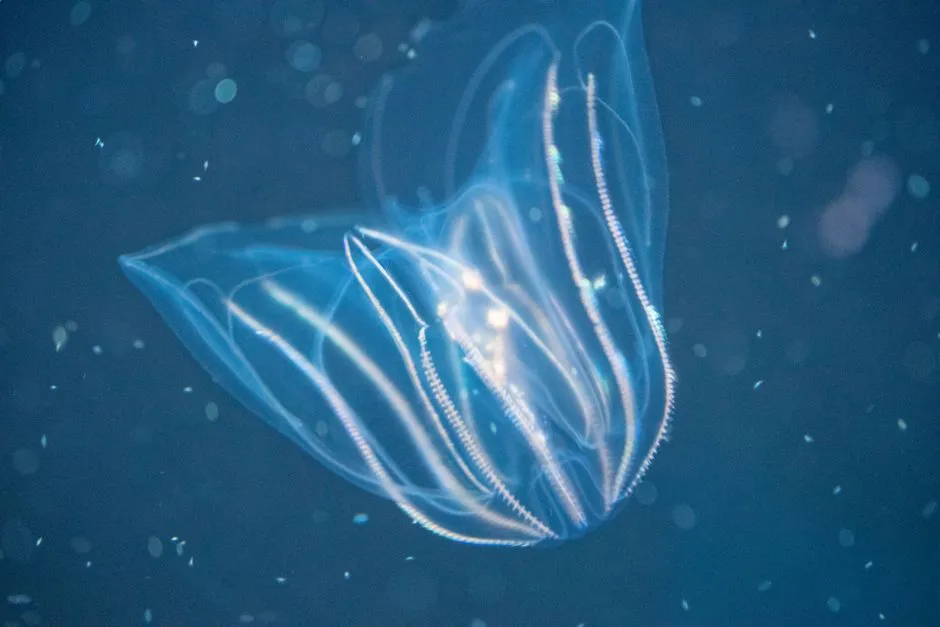
The bioluminescence lights up only when the water is disturbed, which is why kayak tours are considered the best way to see it. Both dinoflagellates and comb jellies are completely harmless to humans, so swimming or dragging your hand through the glowing water poses no health risk to you.
Other factors that may affect the glow include rain and storms, as rainwater can dilute the effects of the bioluminescence. Choosing a clear night, away from artificial light, during the new moon phase gives the most immersive experience – and leaves the ecosystem exactly as you found it.
A Natural Phenomenon Worth Protecting
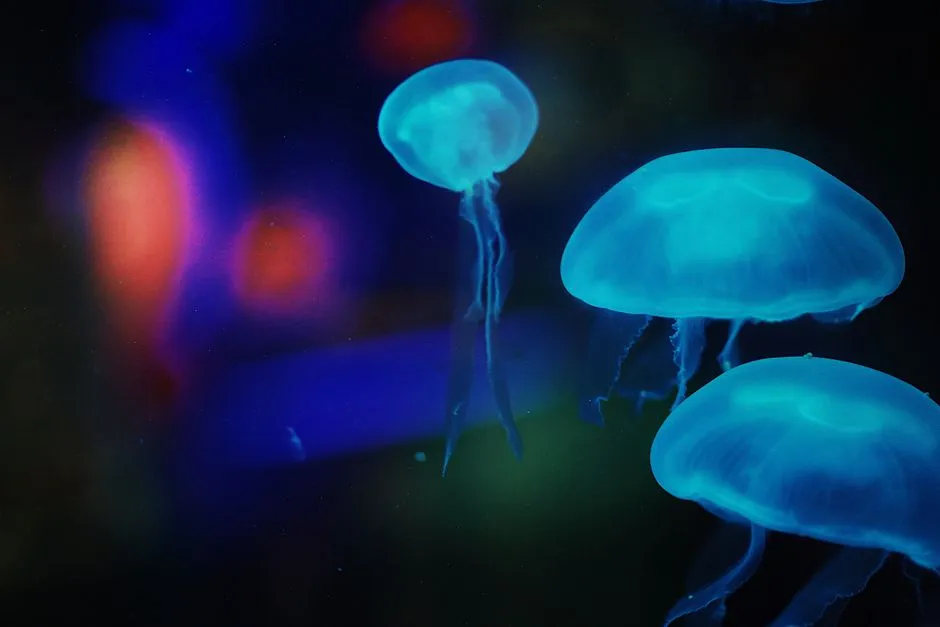
Bioluminescent bays sit at the intersection of multiple environmental stressors, and coastal development brings light pollution, chemical runoff, and habitat destruction – all of which can reduce or eliminate the conditions that allow these organisms to thrive. Over the years, environmental conditions have changed along parts of the Gulf Coast, and sightings have become increasingly uncommon in certain areas.
Being responsible and respectful when exploring these natural wonders, and leaving no trace behind, is essential to ensuring that the phenomenon remains accessible not just to today’s visitors, but to future generations who deserve to see the Gulf light up at night just as unexpectedly and as beautifully as it does right now.
The Bigger Picture of What This Glow Tells Us
The bioluminescence along Gulf Coast islands is not just a visual spectacle – it is a biological signal. Dense, healthy blooms of glowing dinoflagellates indicate warm, nutrient-rich waters and a functioning marine food web. When the glow appears strong and widespread, it reflects conditions that support a remarkable range of life below the surface.
Bioluminescence is a functional property used by many marine organisms for multilateral communications far beyond simple predator defense. Understanding why it happens, where it concentrates, and how it changes season to season gives researchers and ecologists a living window into the health of coastal waters. The blue glow, in this sense, is the ocean telling its own story – in a language scientists are still learning to fully read.
AI Disclaimer: This article was created with the assistance of AI tools and reviewed by a human editor.