
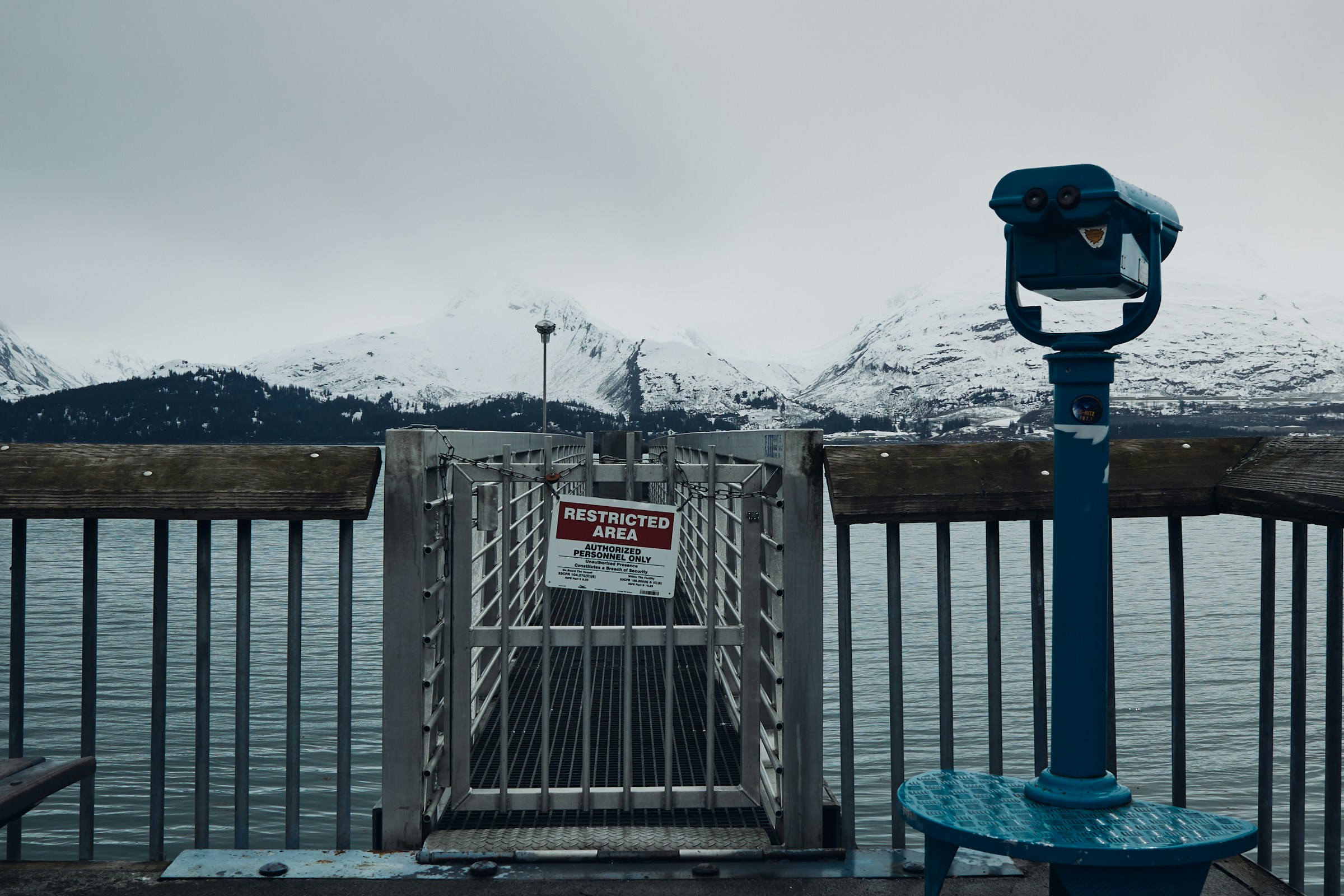
Most travelers who visit Alaska think of Juneau or Ketchikan. They book the big cruises, hit the popular ports, and come home with gorgeous photos. Valdez, tucked at the head of a fjord in Prince William Sound, rarely makes that shortlist. That’s a quiet oversight worth correcting.
The canyon opens, the mountains part, and suddenly Valdez appears below: a compact grid of streets nestled on the shore of Port Valdez, an arm of Prince William Sound so deeply carved by glaciers that it looks more like a Norwegian fjord than an Alaskan harbor. For a town of fewer than 4,000 people, the natural spectacle on offer here is genuinely hard to overstate.
A Small Town Framed by 5,000-Foot Peaks
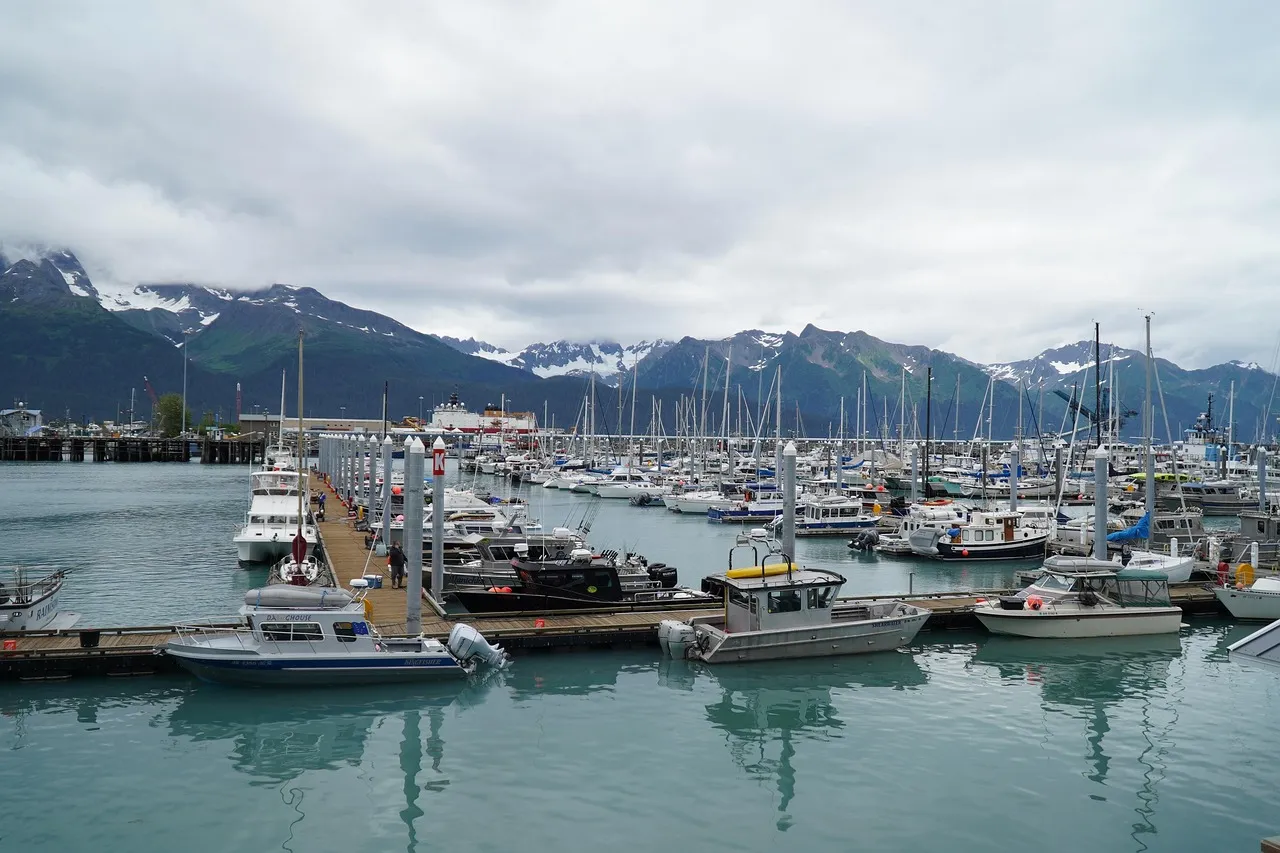
Valdez sits deep in a fjord encircled by 5,000-foot peaks, at the head of Prince William Sound and terminus of the Trans-Alaska Pipeline. The scale of the surrounding Chugach Mountains is something that photographs only partially capture. You truly feel it when you step outside in the morning and realize the peaks are essentially vertical walls rising directly from the water.
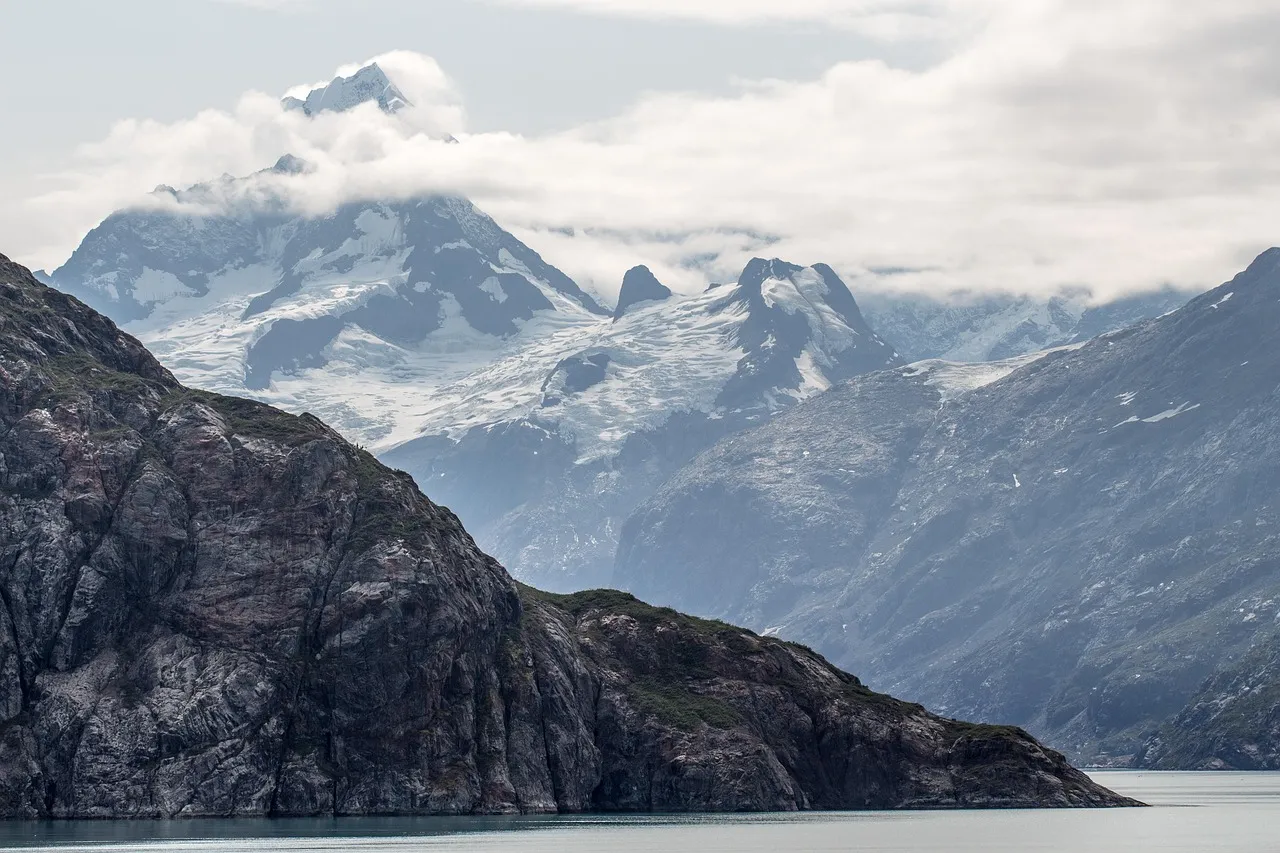
This town is defined by vertical drama, where the Chugach Mountains rise straight from the sea and the air is thick with mist. On the northeastern edge of Alaska’s Prince William Sound, Valdez is wrapped in a nest of the Chugach mountains, and is surrounded by the coastal Chugach Mountain Range which has some of the highest density of glaciers in Alaska. Very few places in the lower 48 or anywhere in the country come close to matching this kind of immediate, surrounding grandeur.
The Drive In Is an Experience All Its Own
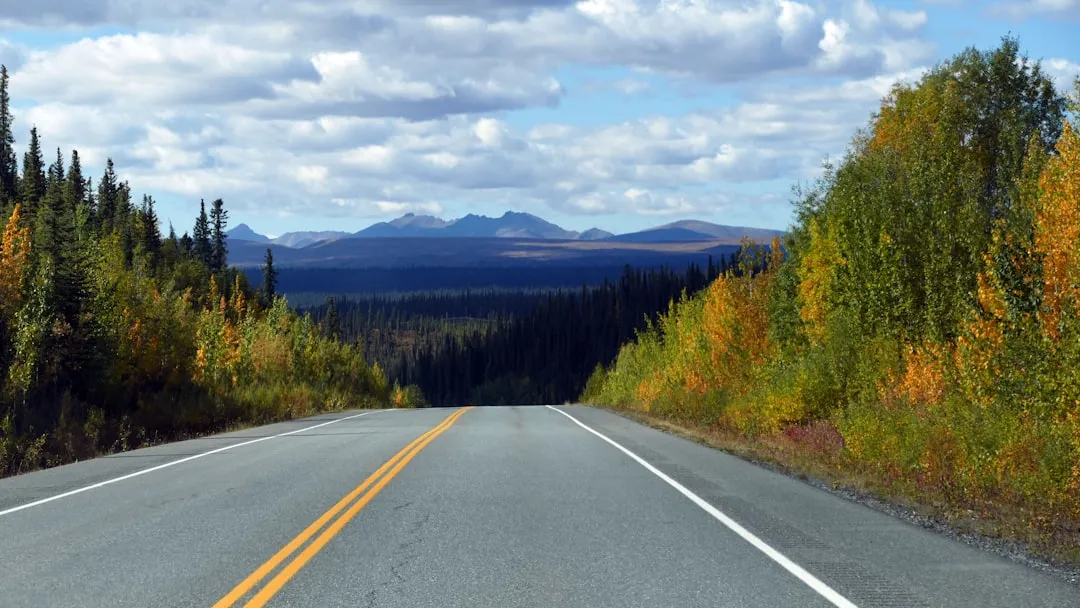
The approach to Valdez is one of the great drives in Alaska. Coming from Anchorage on the Richardson Highway, you cross Thompson Pass at 2,678 feet, one of the snowiest places in Alaska where annual snowfall regularly exceeds 300 inches, then plunge through Keystone Canyon, a narrow rock gorge where Bridal Veil Falls and Horsetail Falls cascade hundreds of feet down sheer cliff faces just feet from the roadside.
Widely considered the most beautiful drive in Alaska, the trip to Valdez starts at the confluence of the Glenn and Richardson highways. On the road to Valdez, you can see nine of the sixteen tallest peaks in the US. That alone is a fact worth sitting with for a moment. You’re passing by the country’s highest peaks on a two-lane highway, often without another car in sight.
The Snowiest Town in the United States
Valdez, a coastal community located east of Anchorage in southern Alaska, is the snowiest town in the United States. Valdez receives approximately 316 inches of snowfall every year, which means more than 25 feet of snow every winter. That figure is almost architectural in scale. For context, most mid-latitude US cities receive under 30 inches annually.
Thompson Pass, located just outside Valdez, sees over 500 inches of snow each year. Three to four feet of snow can easily fall in Valdez overnight, and almost every year a few boats sink in the harbor due to the weight of the snowfall. Winter here is not a season so much as a total transformation of the environment, one that draws powder-hungry skiers and snowmobilers from around the world.
Columbia Glacier: The Crown Jewel of Prince William Sound
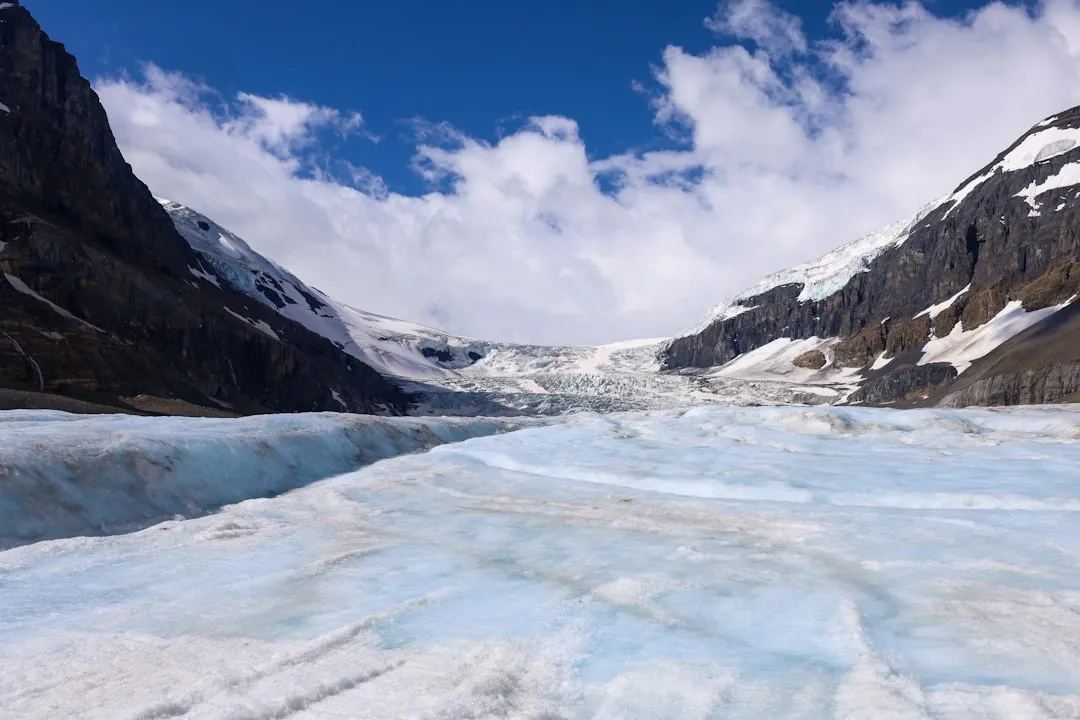
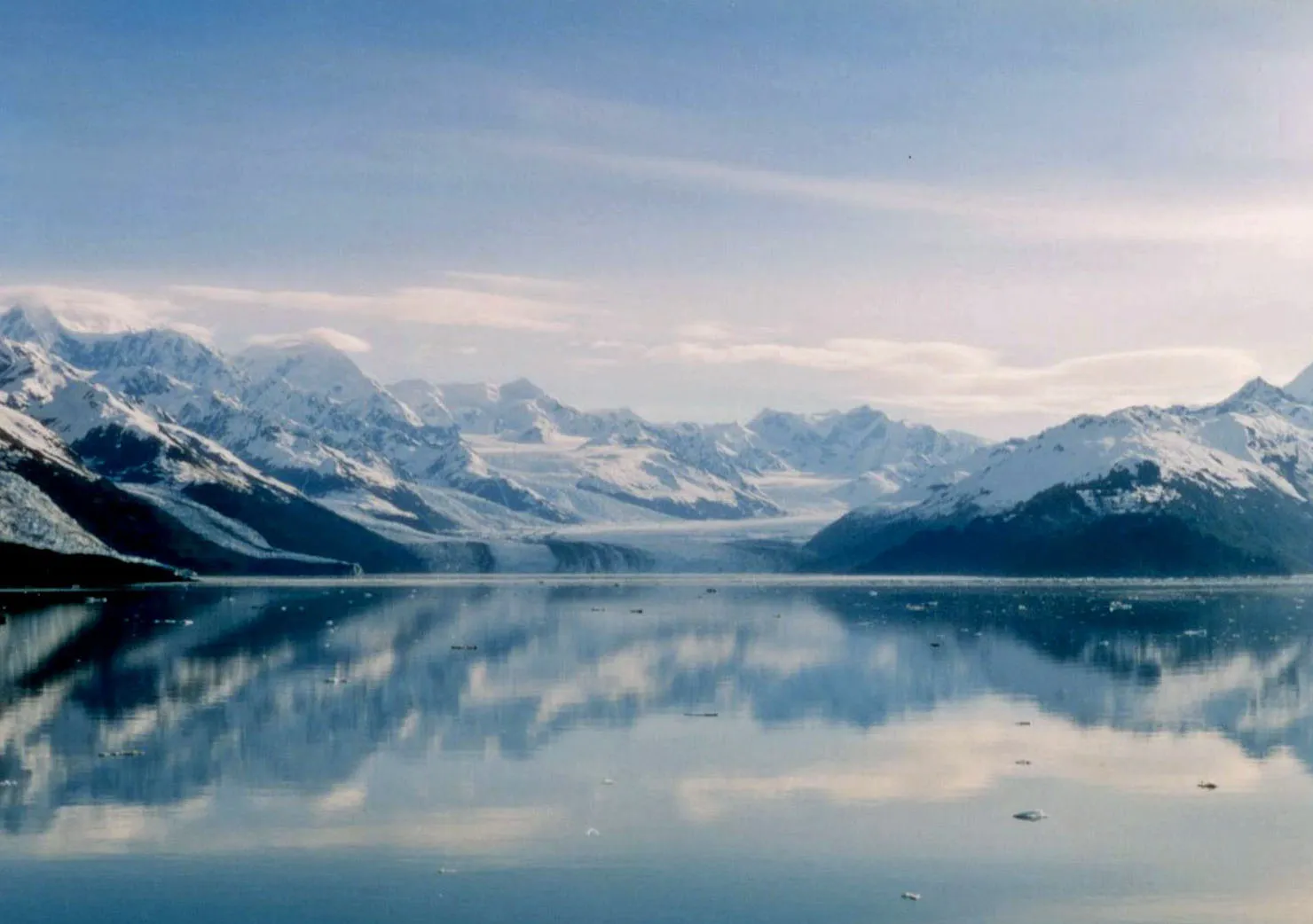
Columbia Glacier is the second largest tidewater glacier in North America and the largest in Prince William Sound. Pouring from an elevation of 10,000 feet, the Columbia Glacier is one of the largest tidewater glaciers in southcentral Alaska and one of the most active glaciers in the world. This makes for exceptional glacier viewing, with guests routinely able to photograph huge chunks of ice breaking away and crashing dramatically into the otherwise still water.
Visitors can navigate through chunks of glacial ice on a wildlife cruise, kayak day trip, or helicopter tour and experience the Columbia Glacier spilling from the Chugach Mountains. There are no roads or hiking trails to Columbia Glacier, though the glacier and bay are still accessible from Valdez via local tour operators or a local boat charter. That remoteness is part of what makes it feel so unspoiled.
Marine Wildlife Around Every Bend
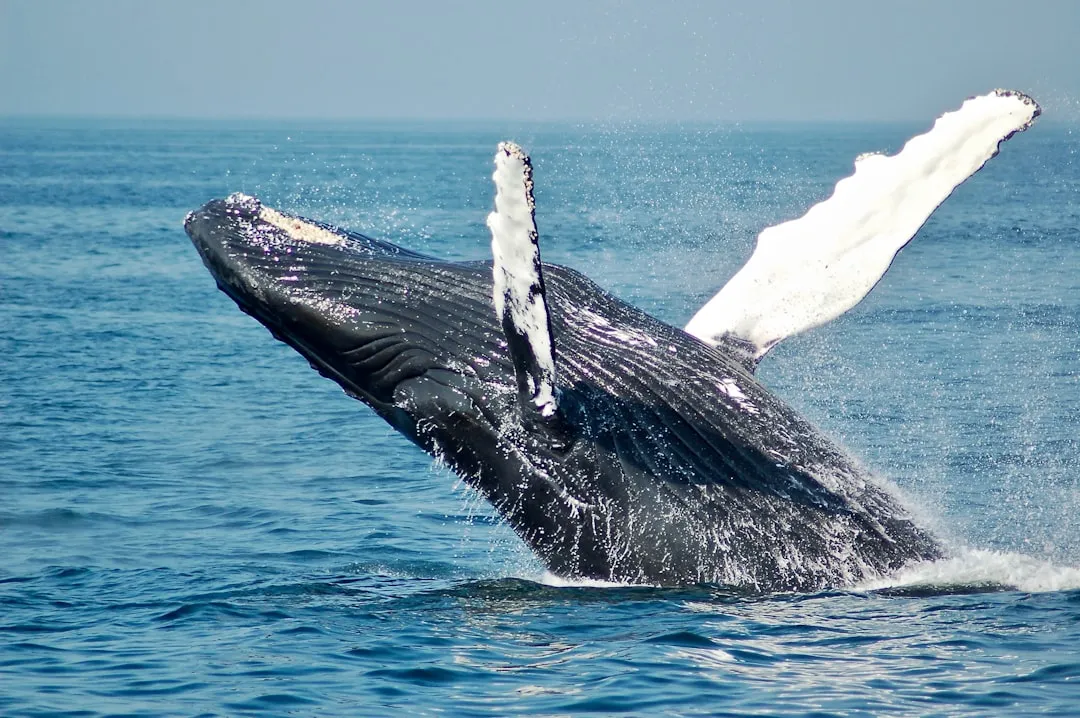
The sound is teeming with wildlife, including humpback whales, orcas, harbor seals, and various seabird species like puffins. Out on the water, wildlife encounters aren’t a matter of luck so much as patience. On a six-hour glacier and wildlife cruise, visitors have spotted sea otters, orca whales, humpback whales, Steller sea lions, and several glaciers in a single outing.
There is a chance to spot wildlife on a Columbia Glacier cruise including sea otters, porpoises, seals, eagles, puffins, and even whales. The richness of the ecosystem in Prince William Sound is a direct result of its cold, nutrient-dense waters and relative quietude compared to more heavily visited Alaskan waterways. Few places in the country let you share the water with orcas and puffins on the same afternoon.
Keystone Canyon: Waterfalls Right Off the Highway
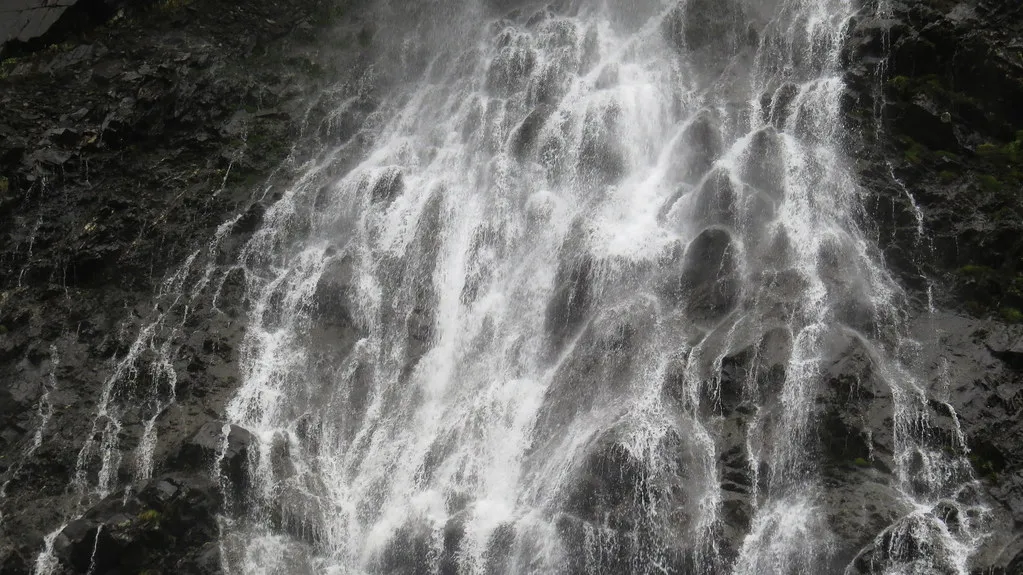
Waterfalls like Bridal Veil and Horsetail tumble down sheer rock faces in Keystone Canyon, especially vibrant in the spring melt. These scenic waterfalls are located right at Keystone Canyon, and the area offers some of the best hikes in Valdez. The easy access makes this particularly remarkable: you don’t need to plan a full expedition to stand at the base of a roaring waterfall with glacier-carved cliff walls rising on either side of you.
The canyon itself is a short detour from the Richardson Highway, and the falls are visible from the road. Hiking trails branch off for those who want to get closer. Every corner of Valdez is steeped in natural intensity, from the green summer hillsides to the brilliant white of winter’s grasp.
Heli-Skiing and Adventure Tourism

Valdez is known for its port, oil pipeline, commercial fishing, renowned heli-skiing adventures, and thriving tourism industry. The extreme terrain around the Chugach Mountains has made Valdez something of a legend in the ski and snowboard world. The untracked powder found on the steep mountain faces here draws elite and recreational riders alike during the winter months.
Valdez also offers incredible aerial adventures: you can take a helicopter trip to view the town from the air and even request to land on a glacier. If you’re afraid of heights, you can go kayaking and explore the several ice caves and gushing waterfalls. You can even go snowmobiling and ice climbing before settling in to watch the aurora. The variety of adventure options across all seasons is genuinely hard to match in a single town this size.
A Town That Rebuilt Itself from the Ground Up
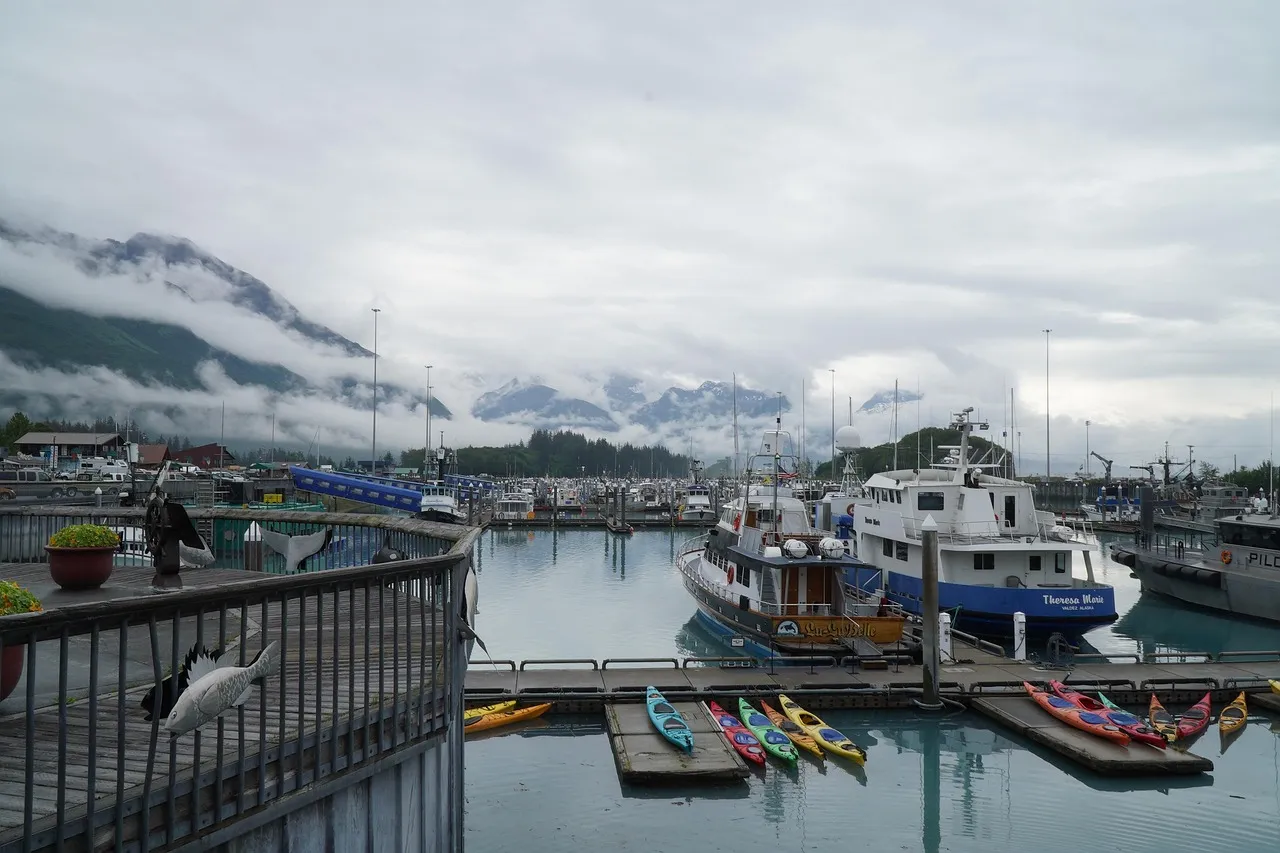
Located at the head of a deep fjord in Prince William Sound with a population of approximately 4,000 residents, this historic town was nearly destroyed by the 1964 Good Friday earthquake and tsunami, but its community members rebuilt it from the ground up. That resilience is now woven into the identity of Valdez. The Valdez Museum preserves this history carefully, and it gives the place a depth that purely scenic destinations sometimes lack.
The combination of maritime access, extreme mountain terrain, and documented history from Gold Rush to earthquake to pipeline gives Valdez a narrative depth that enriches every outdoor experience. It is a port of entry and the southern terminal for the Trans-Alaska Pipeline from Prudhoe Bay. These layers of history sit quietly beneath the surface of a town that today feels peaceful and remarkably welcoming.
Mild Summers Perfect for Outdoor Exploration
Summers in Valdez are generally mild, with average high temperatures in the 60s°F during the warmest months of July and August. While it doesn’t get hot, the cool summer temperatures are perfect for outdoor activities like hiking, kayaking, and wildlife viewing. The extended daylight hours of the Alaskan summer mean you have far more usable outdoor time than almost anywhere else in the country.
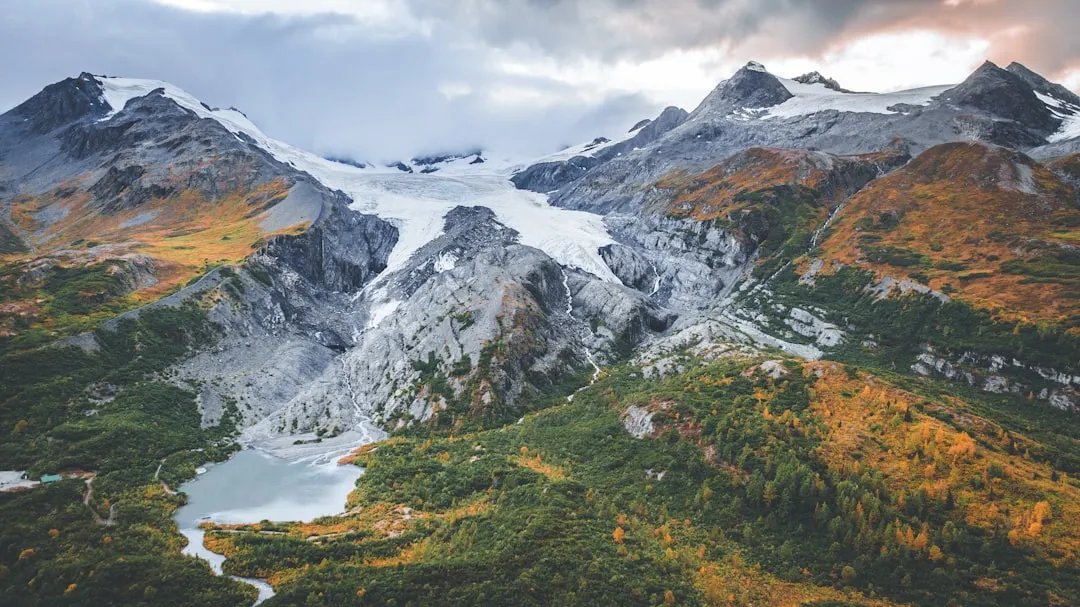
Just outside of town, the Valdez Glacier flows into a serene lake surrounded by rock and ice. Trails wind around its edge, allowing for immersive views of the glacier’s crevassed surface and the reflective waters below. Recreational activities include kayaking, skiing, snowmobiling, and hiking. The variety across seasons is one of Valdez’s most quietly compelling arguments for a visit.
How to Get There and When to Go
Valdez is Prince William Sound’s most accessible port. While Whittier provides a tunnel-dependent gateway to the western Sound, Valdez sits at the eastern end with open road access year-round via the Richardson Highway. This makes it the natural base for exploring a marine environment that many consider the most beautiful in Alaska: a complex maze of fjords, islands, glaciers, and protected waters teeming with marine life.
Summer, roughly June through August, offers the best conditions for glacier cruises and wildlife tours. Winter draws a very different crowd: snowboarders, heli-skiers, and aurora chasers. There are approximately just under 4,000 people who call Valdez home. A good portion leave during the winter months, and many businesses and services close up shop until the snow melts. Timing your trip around that reality, especially if you need full services, makes a meaningful difference to the experience.
The Quiet Case for Going
AI Disclaimer: This article was created with the assistance of AI tools and reviewed by a human editor.