
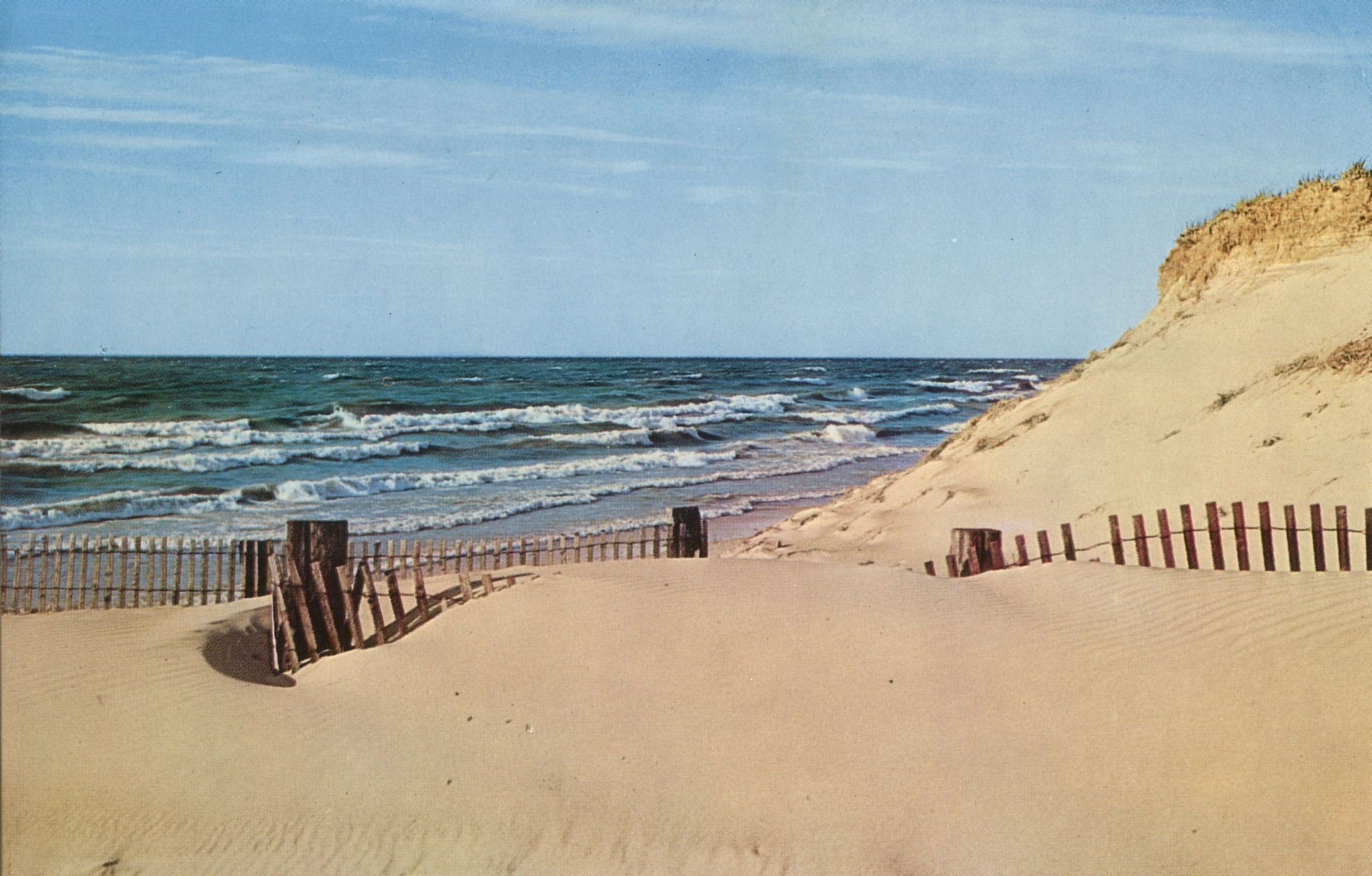

Most people driving through northwestern Indiana on a summer weekend assume the best beaches belong to Michigan or Chicago’s lakefront. They’re wrong. Tucked quietly inside one of the Midwest’s most ecologically remarkable national parks is a stretch of golden shoreline that stops first-time visitors cold. The water stretches to the horizon like something coastal. The sand is fine and pale. The dunes rise behind you like natural walls, keeping the noise of the world at bay.
This is Kemil Beach, a genuinely lesser-known gem within Indiana Dunes National Park, and it earns every ounce of its quiet reputation. Once you know it exists, it’s hard to settle for anything noisier.
A National Park That Still Surprises People
Indiana Dunes was authorized by Congress in 1966 as the Indiana Dunes National Lakeshore and was redesignated as the nation’s 61st national park on February 15, 2019. That upgrade brought well-deserved national attention, yet somehow many travelers still overlook it.
With more than 2.65 million recreation visits, Indiana Dunes National Park ranked as the 70th most visited of 1,824 federal units reporting numeric totals and the 36th most visited of 398 National Park Service units with reported data, putting it in the top five percent nationwide and the top ten percent within the NPS. Those numbers, released in mid-2026 as part of a federal report under the EXPLORE Act, tell a clear story: this park is no longer a local secret.
Together, the national park and state park cover over 17,000 acres of protected land, where visitors can explore not just beaches and dunes, but also prairies, oak savannas, wetlands, and forests. With nearly 2,000 plant and animal species, the Indiana Dunes area is one of the most biodiverse areas in the United States.
Where Exactly Is Kemil Beach?
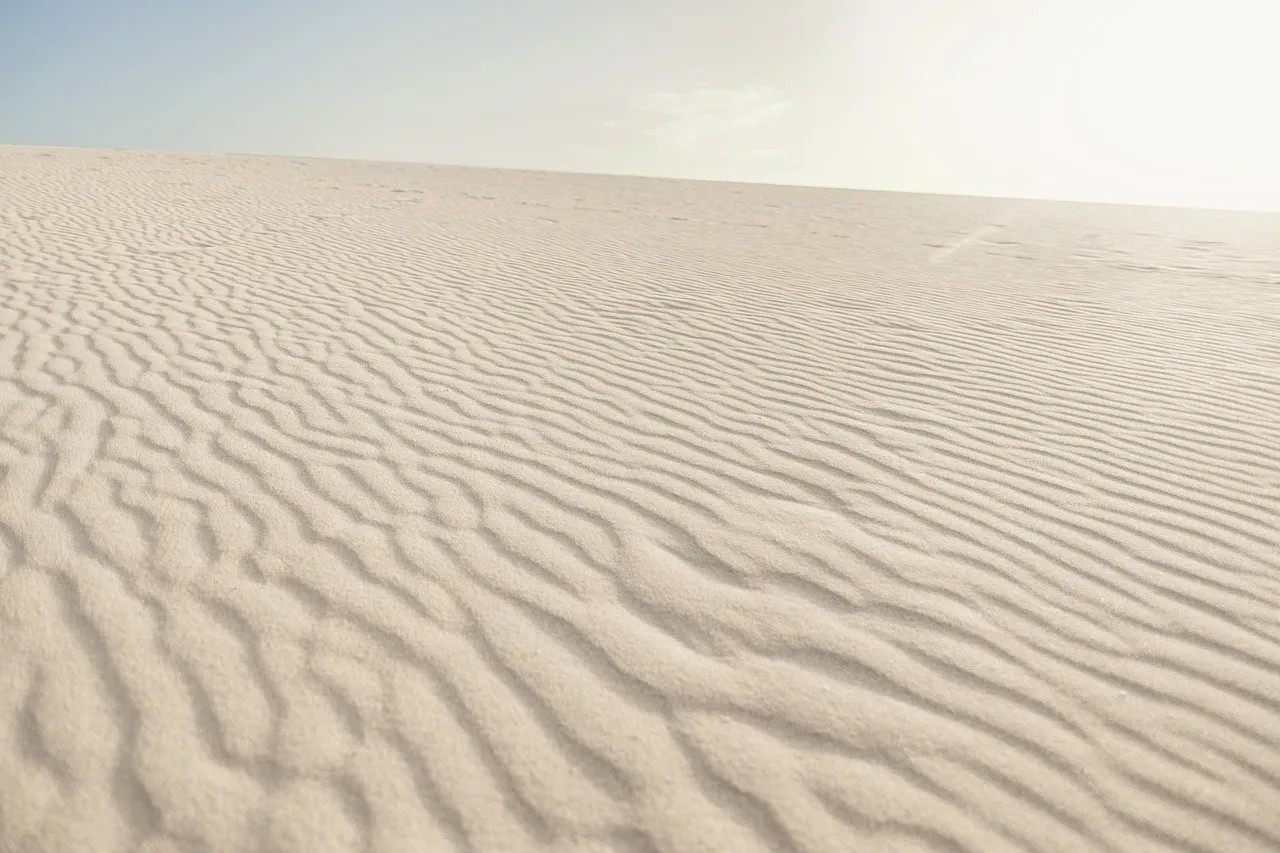
Nestled within Indiana Dunes National Park in Beverly Shores, Kemil Beach is a stretch of golden sand along Lake Michigan’s southern shore that offers an escape that feels worlds away from the familiar Hoosier State landscape.
Located in Beverly Shores, visitors follow East State Park Road until it intersects with Kemil Road, then head north until reaching the modest parking area. It’s a straightforward drive, but the approach through tree-lined roads already signals that you’re arriving somewhere quieter than the park’s main hubs.
The Kemil Beach parking lot is located on East State Park Road (300E), one mile north of U.S. Highway 12 and three miles east of State Road 49. Set your navigation to Beverly Shores and you’ll find your bearings easily once you’re in the area.
The Look and Feel of the Shoreline

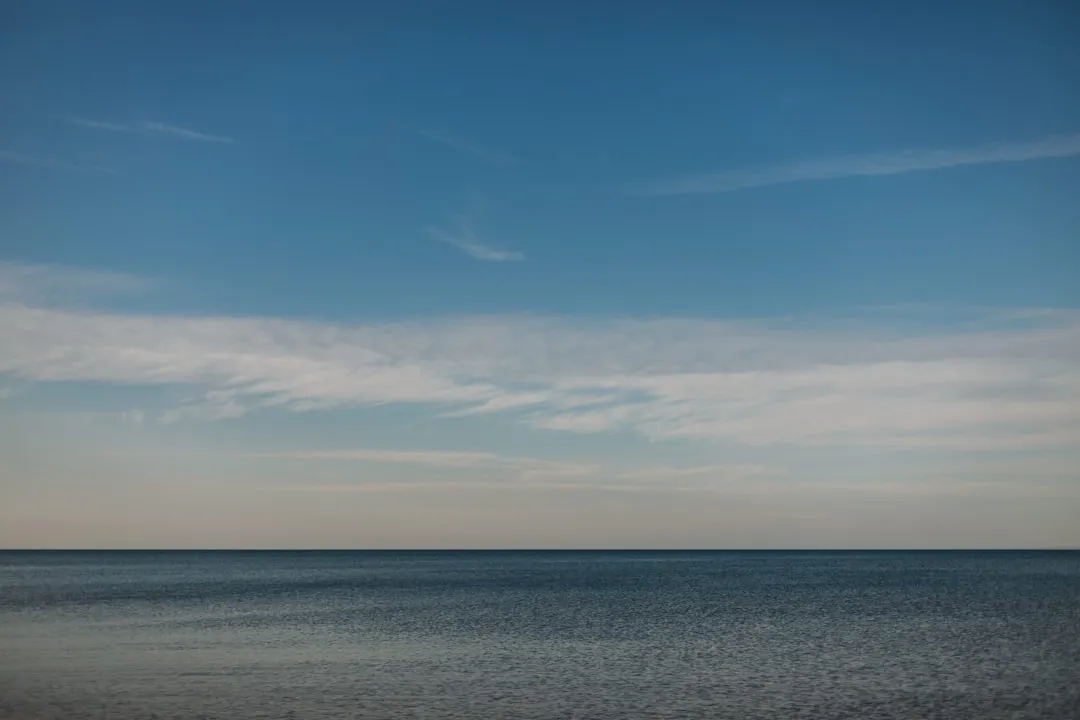
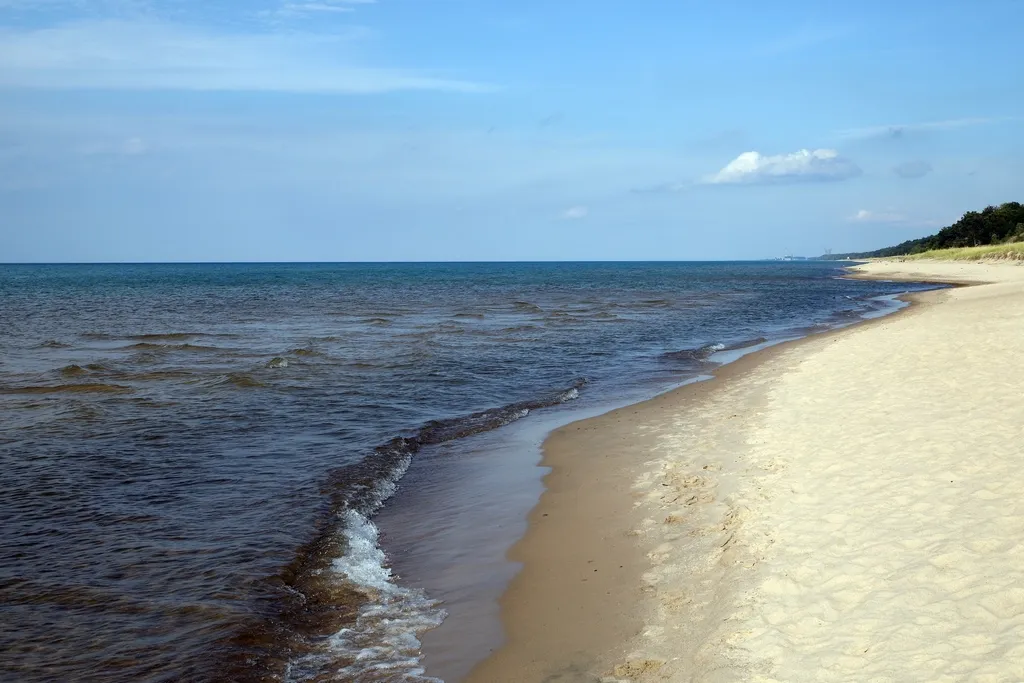
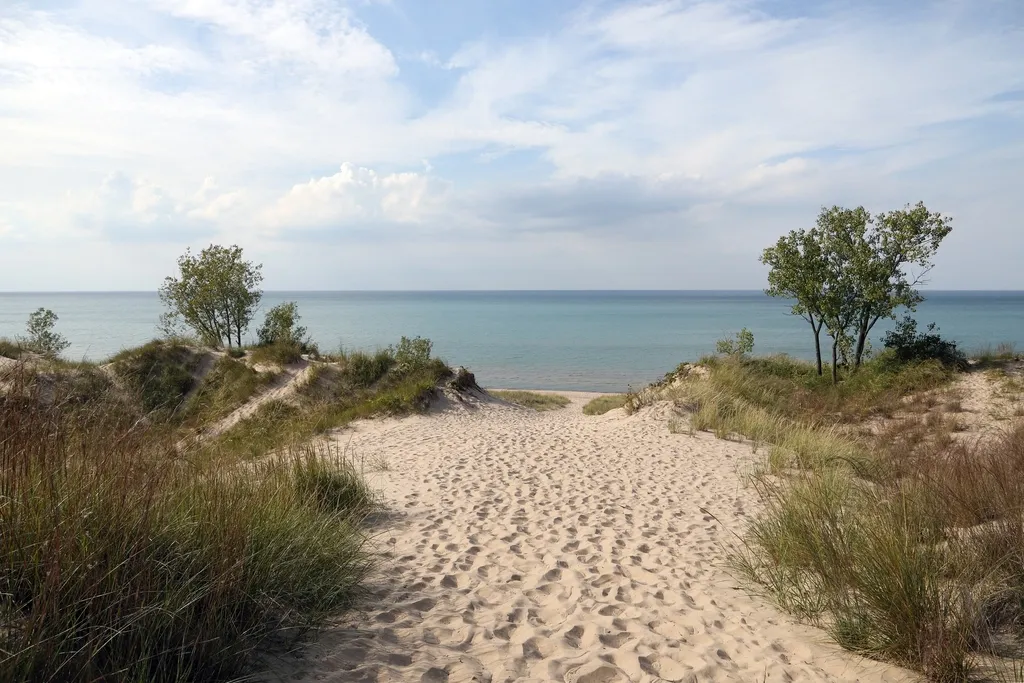
The vast expanse of water stretching to the horizon creates an optical illusion that you’re standing at the edge of an ocean rather than a lake. The shoreline unfolds in a gentle curve, adorned with fine sand that feels luxurious underfoot.
The beach is clean, wide, and long. The sand from the waterline extends back to a grassy area before rising into the wooded dunes. That layered geography, water giving way to sand giving way to grasses and then forest, is part of what makes this stretch feel complete in a way that urban beaches rarely do.
The dunes surrounding Kemil Beach are part of a succession ecosystem, where the landscape gradually transforms from bare sand to mature forest over time. Walking from the waterline inward is, in a very real sense, walking through geological time.
Why It Stays Quieter Than the Other Beaches
What distinguishes Kemil Beach from its more frequented neighbors is its blissful sense of seclusion. While the main beaches at Indiana Dunes State Park often buzz with activity, Kemil maintains a tranquil atmosphere that feels like a well-guarded secret. The modest parking area naturally limits visitor numbers, a thoughtful design feature that preserves the beach’s peaceful character.
Kemil Beach is one of Indiana’s lesser-known gems, a peaceful spot tucked between dunes and forests, and it’s a favorite among locals for a reason: it’s beautiful, calm, and offers a more off-the-beaten-path kind of vibe.
At the main entrance to Kemil Beach, you’ll find the greatest number of beachgoers, but a short walk down the beach leaves the crowd behind and affords plenty of privacy for comfortable sunning. A little legwork goes a long way here.
A Trail Network That Rewards Curious Visitors
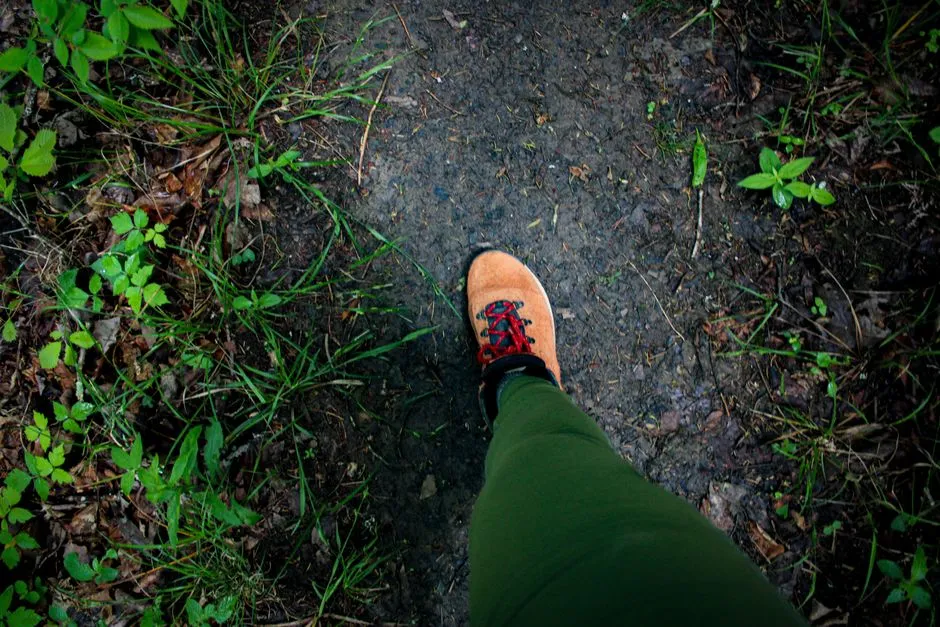
At Kemil, visitors can relax on the beach, enjoy the night sky, or hike and bird watch along the Dunes Ridge Trail. The trail access makes this spot more than a one-note beach day. It functions as a gateway into the broader park ecosystem.
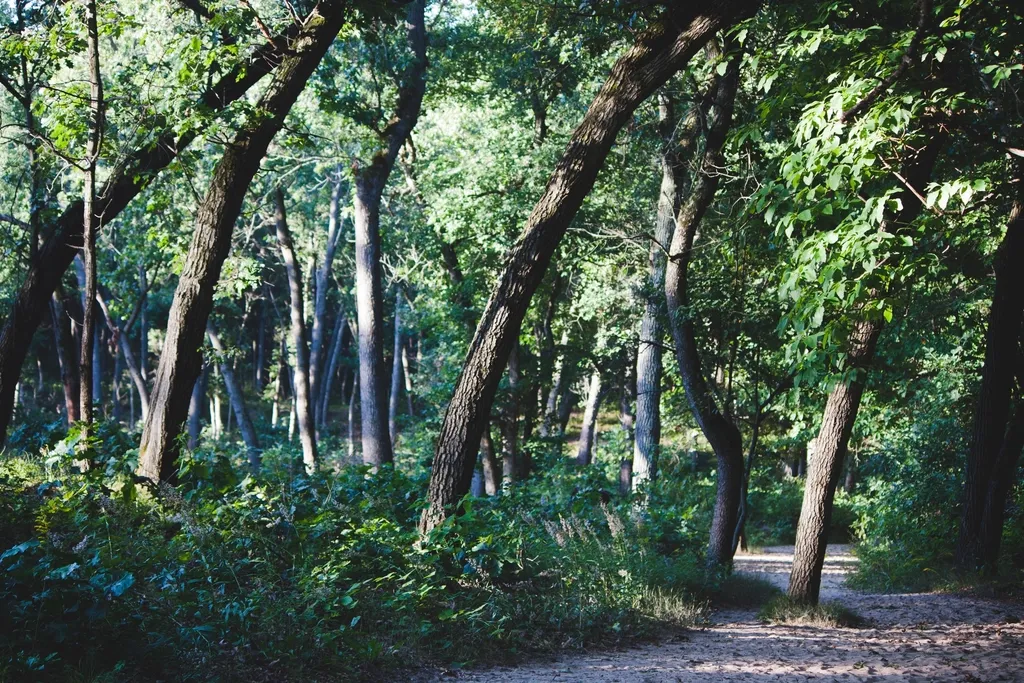
Kemil Beach shares a parking lot with the Dune Ridge Trail, which means you can split a visit between open water and forested ridge walking without moving the car. From the parking lot, visitors can access trails leading up the dunes to secluded sandy refuges for laying out with some privacy or for picnics, or they can walk to the beach down a nice sidewalk.
Kemil Beach also gives access to Trail 10 of Indiana State Park, a convenient bonus for visitors who want to stitch together a longer hike through the surrounding landscape without paying a separate entrance fee at the state park gates.
The Remarkable Biodiversity Just Behind the Sand
The botanical wealth of the dunes is staggering, boasting more than 1,400 species of vascular plants. This high concentration ranks the park eighth among all units of the National Park System in terms of plant diversity. For a park this compact, that number is extraordinary.
The dunes create microclimates: sun-baked southern slopes support prairie plants, while cool northern ravines harbor species typically found hundreds of miles north. It’s a living laboratory where arctic bearberry grows within sight of prickly pear cactus.
The dunes region is home to many species and ecological communities, including 46 species of mammals, 18 species of amphibians, 23 species of reptiles, 71 species of fish, 60 species of butterflies, and 60 species of dragonflies and damselflies. Most visitors have no idea the ecological richness hiding just behind the dune line.
Birdwatching That Rivals Dedicated Reserves
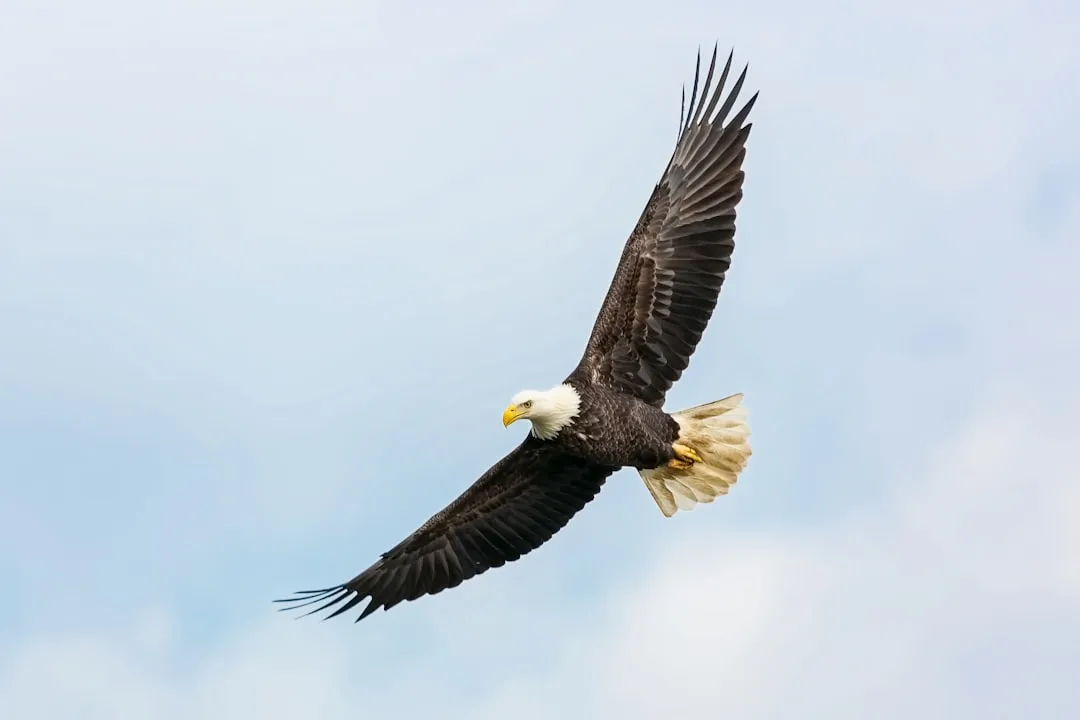
Positioned along the Mississippi Flyway, the park serves as a vital resting and nesting ground for migrating birds. Over 370 species of birds have been recorded here. During peak migration seasons, the skies and wetlands are alive with hawks, turkey vultures, sandhill cranes, warblers, and the majestic bald eagle.
Birders know Indiana Dunes as one of the Midwest’s premier destinations. The park lies along the Lake Michigan flyway, and over 350 bird species have been documented here. Spring migration brings waves of warblers, and fall sees impressive raptor movements.
Kemil’s position near the Great Marsh and wooded ridgelines means that even a casual visitor wandering between the parking area and the waterline might spot something worth a second look. Bring binoculars even if birding isn’t your usual hobby.
Stargazing After Sunset
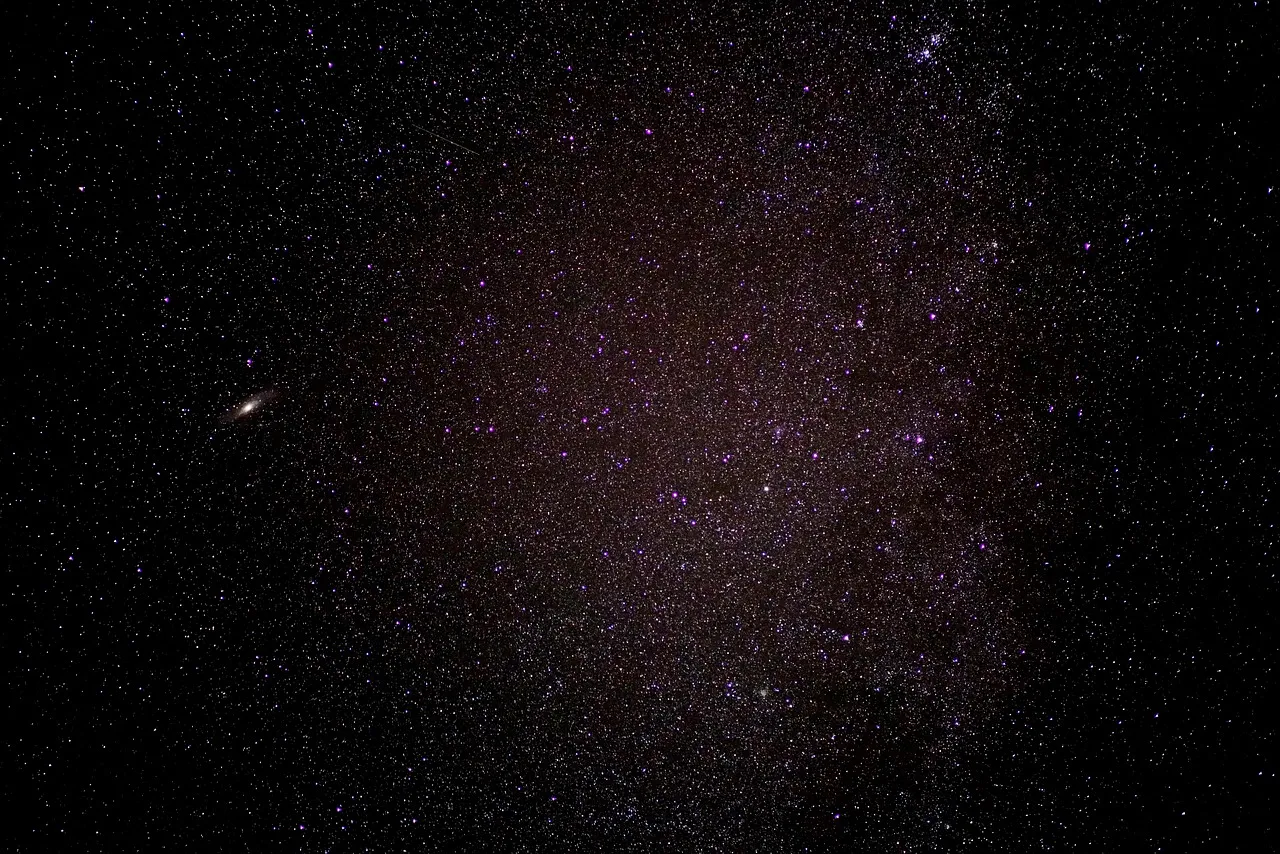
Kemil Beach is one of the darkest locations in the region and is ideal for stargazing. That’s a remarkable distinction for a beach less than an hour from Chicago’s glow. The combination of limited development in Beverly Shores and the park’s protected status keeps light pollution low.
The National Park Service has hosted organized stargazing events at Kemil’s parking lot in partnership with the Michiana Astronomical Society, inviting visitors to learn about celestial objects of the season and the benefits of natural night darkness and dark-sky-friendly lighting.
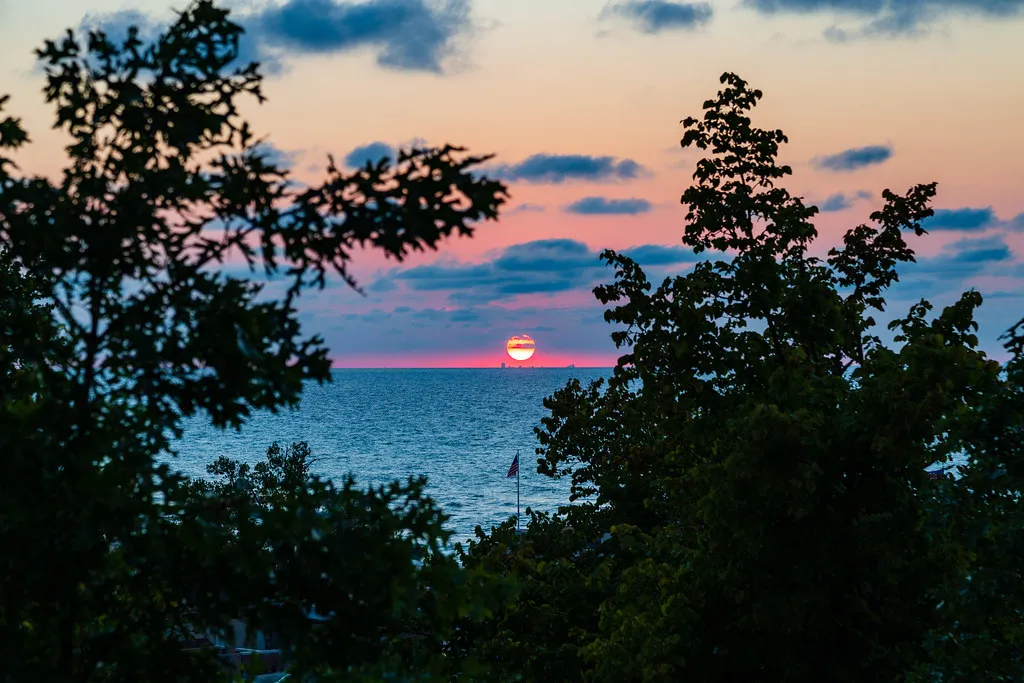
Arriving for a late-afternoon swim and staying through dusk is genuinely one of the best ways to experience Kemil. The transition from golden-hour lake reflections to a star-filled sky unfolds quickly and without ceremony. No crowds, no light pollution, just open sky over open water.
Practical Things Worth Knowing Before You Go
There is a $25 entrance fee for your vehicle, and it’s valid for seven days. That fee covers access across Indiana Dunes National Park, so a week-long pass makes genuine financial sense if you plan to explore more than one beach or trail system during your stay.
Amenities include restrooms and portable water. Kemil Beach does not have lifeguards, so swimming is at your own risk. Visitors should not swim in Lake Michigan when rip current warnings are posted or in large crashing waves, which can cause rip currents. The lake deserves respect regardless of how calm it looks from the shore.
Pets are permitted on a leash of six feet or shorter, and the limited parking is both a blessing and a challenge, as it keeps crowds manageable but means arriving early on summer weekends is strongly advisable. Weekday visits, especially mid-morning on a Tuesday or Wednesday, offer the most serene experience.
The Historic Bonus You Might Not Expect
The beach sits a short walk away from the five historic homes from the 1933 Century of Progress World’s Fair. These structures were transported to Beverly Shores after the Chicago exposition closed and remain standing today as designated landmarks, adding a layer of architectural history to what is otherwise a purely natural setting.
Indiana Dunes National Park also played a historic role in the birth of modern ecological science. In the late 1800s, Henry Chandler Cowles, a University of Chicago botanist, studied plant succession in the dunes, which helped establish the field of ecology and inspired early conservation efforts to protect the landscape. The science of ecology, in a meaningful sense, has roots in this shoreline.
Knowing that gives a visit to Kemil a different texture. You’re not just walking a beach. You’re standing in a place that helped teach the world how to look at nature.
Responsible Travel at Kemil Beach
Among the plant species at Indiana Dunes are several federally threatened and endangered plants, including the rare Pitcher’s thistle, which thrives in the volatile open sands. Staying on marked paths and keeping off fragile dune faces is genuinely important here, not just a courtesy rule.
Plants and animals inside Indiana Dunes National Park are protected. Visitors are asked to admire, but not disturb, anything they may find. That principle extends to smooth stones on the beach, dune grasses, and any wildlife encountered along the ridge trail.
The park’s relative quietness at Kemil is a gift worth preserving. Packing out everything you bring in, choosing reusable containers, and keeping group sizes reasonable are small habits that collectively determine whether a place like this stays worth visiting for the next generation.
The Takeaway
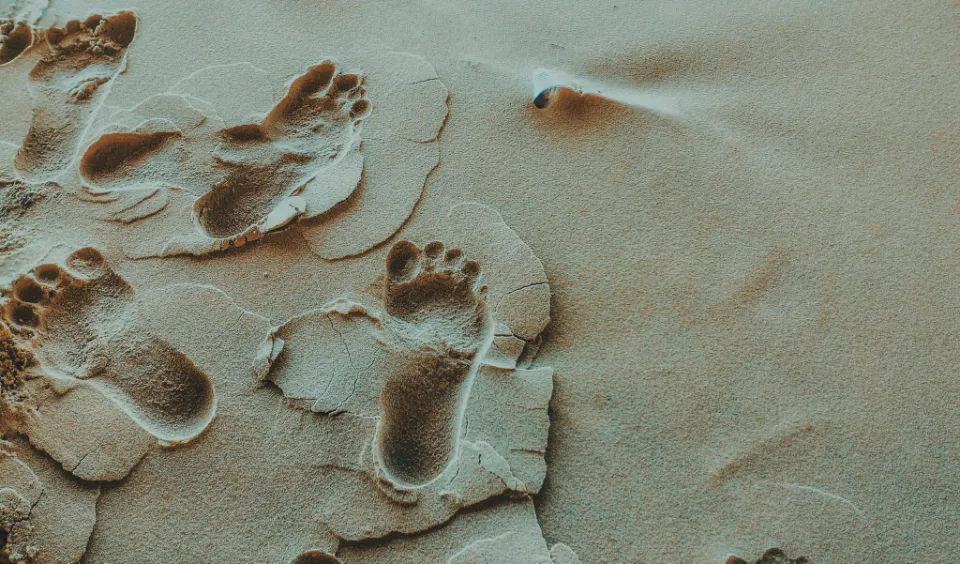
Kemil Beach isn’t famous, and that’s precisely the point. It sits within one of the most biologically rich national parks in the country, offers open lake views that genuinely stun first-time visitors, connects to meaningful trail systems, and stays calm enough on most days to feel like a private discovery. Chicago is about an hour away. The contrast couldn’t be sharper.
Indiana’s Lake Michigan shoreline, all 45 miles of it, keeps earning recognition from travelers willing to look past the obvious. With golden sand dunes, charming lakefront communities, and postcard-worthy sunsets, Indiana’s slice of Lake Michigan is wildly underrated.
Some of the best beach days don’t require a flight or a map full of pins. Sometimes they require nothing more than a quiet Tuesday, an early start, and the willingness to drive past the obvious exit and keep going just a little further north.
AI Disclaimer: This article was created with the assistance of AI tools and reviewed by a human editor.