

Twelve miles offshore from the small waterman’s port of Crisfield, Maryland, there is a place that doesn’t quite follow the rules of modern life. No bridge reaches it. No rush hour touches it. The ferry ride across the Tangier Sound is the only way in, and for most visitors, the slow chug of the boat is the first sign that something genuinely different is waiting on the other side.
Smith Island is Maryland’s only inhabited island without a road connection to the mainland, and it has been home to fishing families for more than four centuries. What you find there isn’t a carefully curated heritage experience. It’s just real life, lived slowly and with deep roots in the water.
A Place Apart Since the 1600s
Smith Island has a history that dates back to the 17th century, when settlers from Cornwall, England, established a small fishing and farming community. English and Welsh settlers arrived on this nine-square-mile Chesapeake Bay island in the 1600s, yet more than 350 years later, Smith Island remains a place apart.
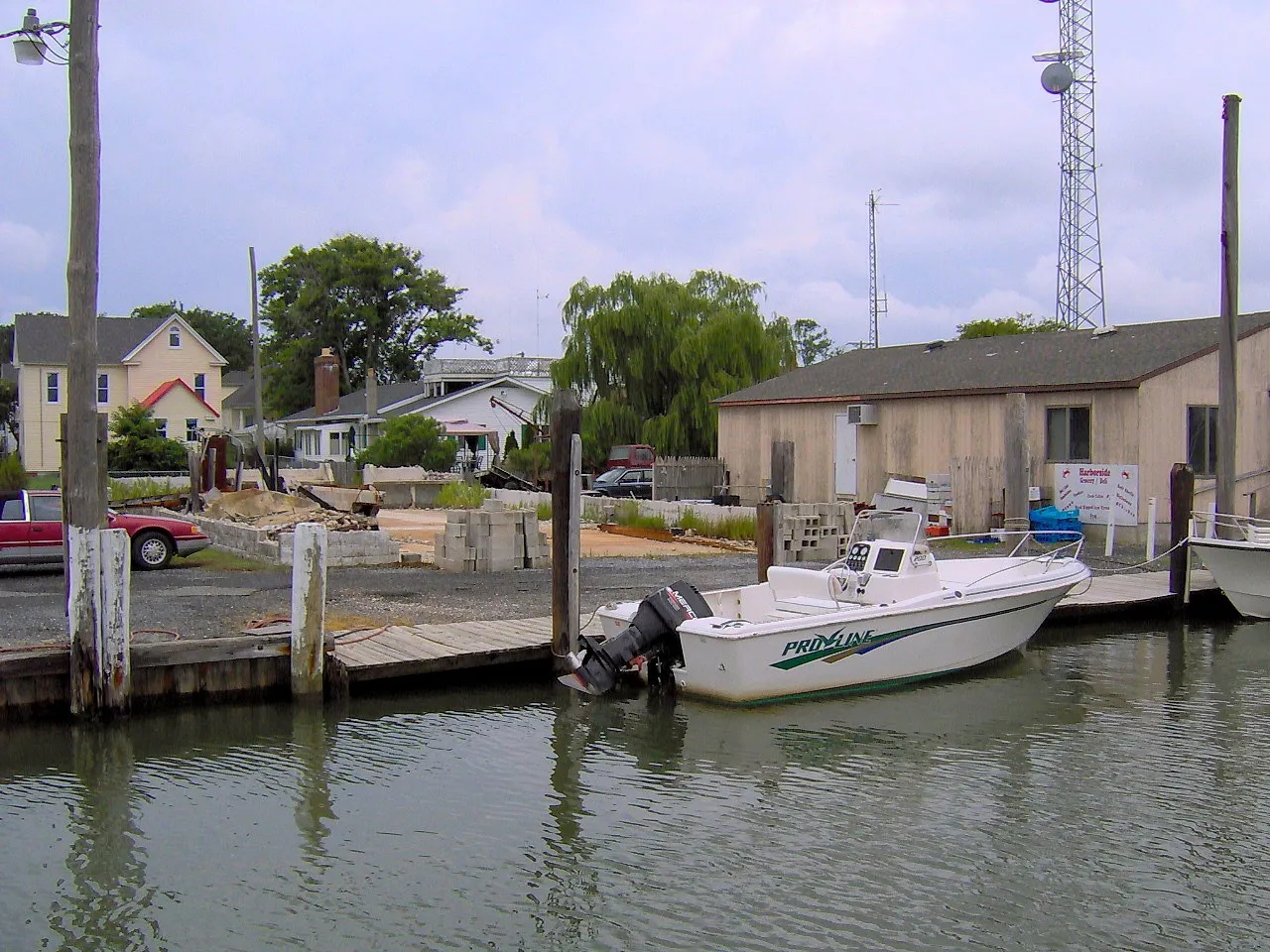
The island’s small towns, Ewell, Tylerton, and Rhodes Point, were established as fishing and crabbing communities, relying on the bounty of the Bay for sustenance and livelihood. The island’s waterways served as “streets,” with regular ferries to the mainland, workboats, docks, and watermen’s shanties teeming around the busy maritime hubs.
Three Villages, One Island Soul
Smith Island is a collection of three distinct island communities – Tylerton, Rhodes Point, and Ewell – on the Chesapeake Bay, on the border of Maryland and Virginia territorial waters. Each of the three villages has its own rhythm and personality, though all share the same deep connection to the water.
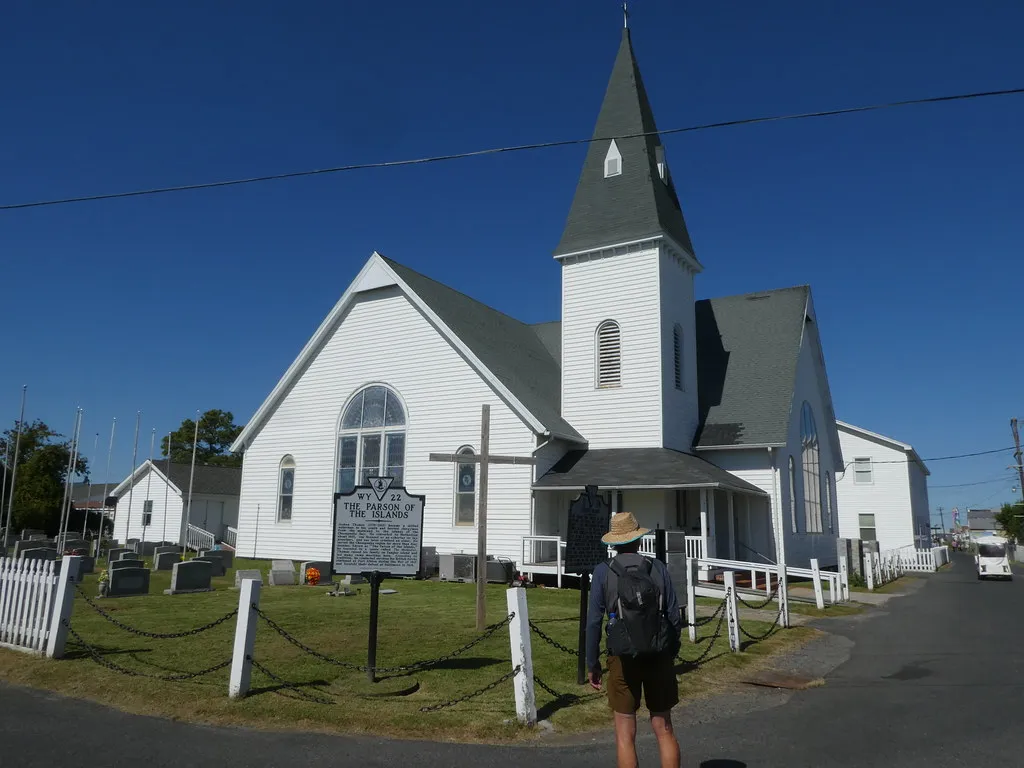
The towns of Ewell, Rhodes Point, and Tylerton were closely knit communities where watermen’s families worked, played, and worshiped alongside each other, with Methodism remaining a central element of island life. A busy, albeit tiny, post office is the hub of each village, and today a Methodist church is the focal point of each community as well.
A Dialect Unchanged for Centuries

The island’s isolation has helped preserve its distinct dialect and ways. Just about 150 people live on the island year-round, down from a high of 800 in the early 1900s, and most are descendants of those early settlers, retaining an accent and dialect reminiscent of Cornwall, England.
Authentic Smith Island experiences include touring with a local waterman, progging the area for arrowheads as evidence of Native American occupation for over 12,000 years, or just talking with an islander to hear the distinct dialect and phrases unchanged since the European settlers arrived in the 17th century. It’s the kind of living linguistic fossil that linguists find fascinating and visitors find quietly astonishing.
The Watermen Who Define the Island
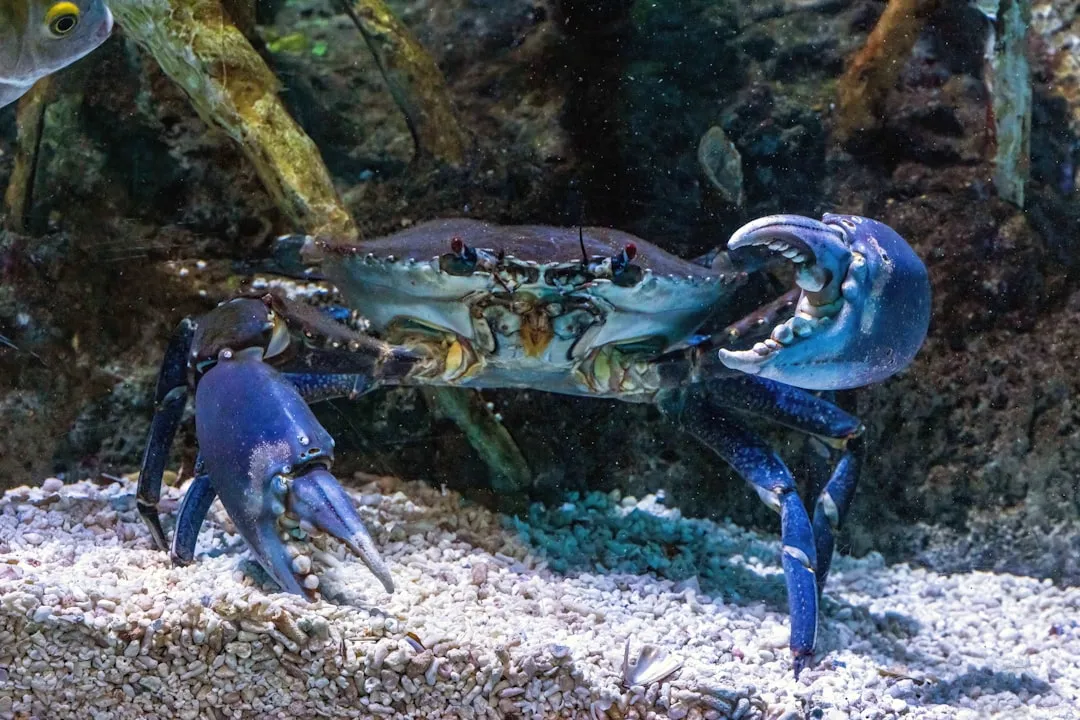
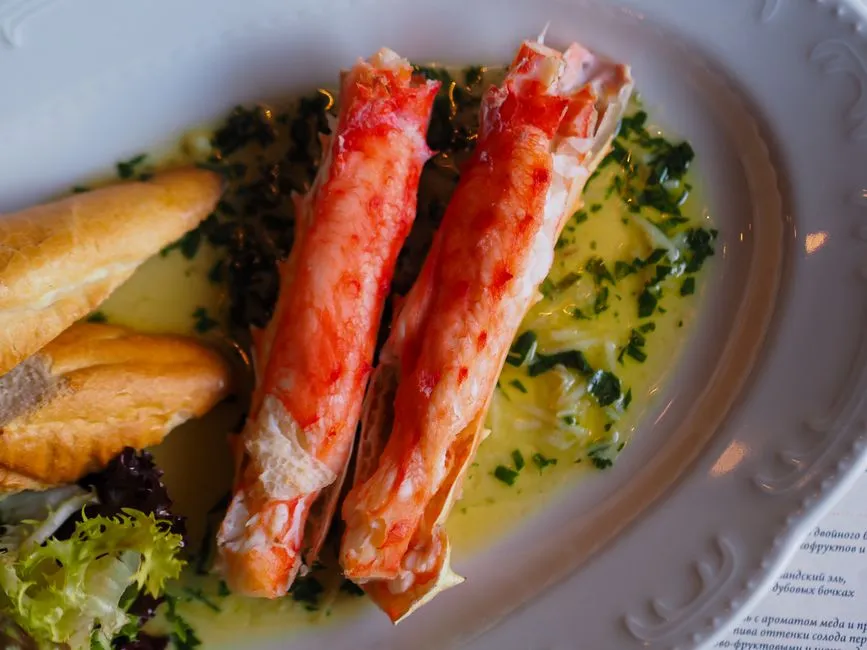
For centuries, Smith Island has been known for its thriving crab industry, with its watermen navigating the waters of Tangier Sound in search of the prized Maryland Blue Crab, and most of America’s soft-shell crabs are caught within 50 miles of Smith Island.
The island’s economy reflected the islanders’ deep connection to the Bay, with fishing gear and custom-built boats designed for the winter harvest of oysters and the summertime softshell crab and blue crab fisheries. Today, Smith Island retains its unique and, for many visitors, refreshingly traditional community values and its core ethic of hard work and service to others.
The Smith Island Cultural Center
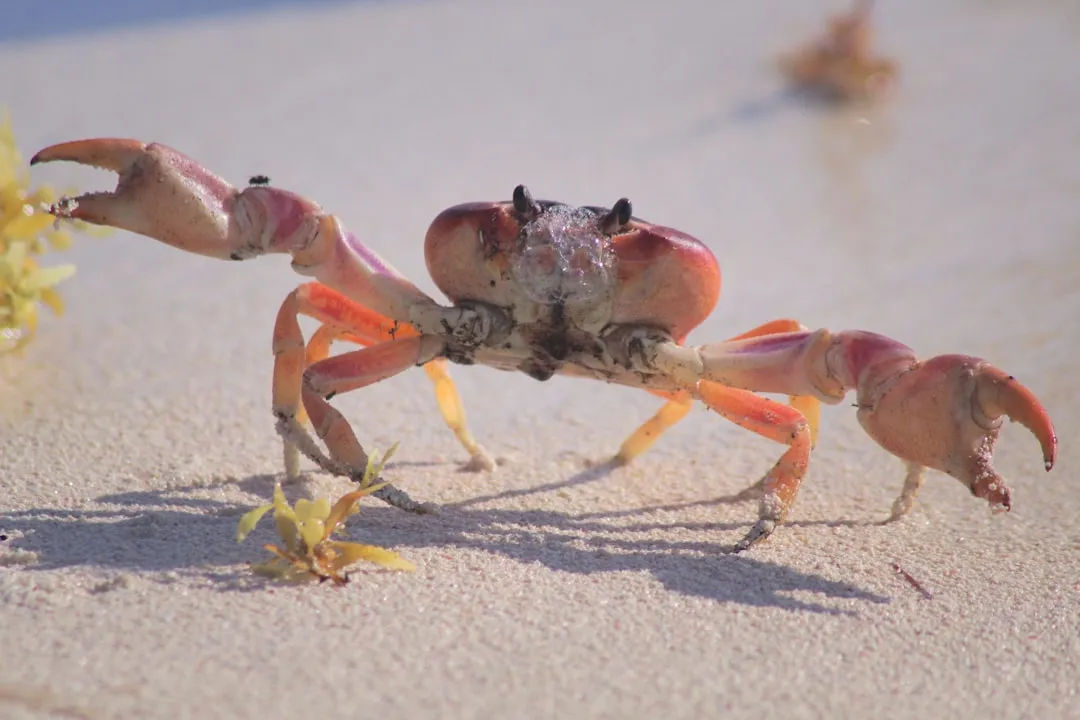
A visit to the Smith Island Cultural Center is a must, as this museum celebrates Smith Island’s extraordinary natural environment and maritime culture with exhibits about watermen’s work and families, traditional regional watercraft, and an examination of the island’s unique lifestyle, past and present.
This cozy little museum tells the raw and real story of the island’s over 400-year-old history, packed with fascinating stories about the island’s past, from its early settlers to its deep-rooted watermen culture, and you’ll learn about the islanders’ fishing and crabbing traditions and hear stories of resilience. For just three dollars, you get to learn an extraordinary amount about this singular place.
The Famous Smith Island Cake

A multi-layered confection with equal parts cake and icing, a traditional Smith Island Cake has at least eight layers cemented together with fudgy frosting, and this zebra-striped delicacy was declared the official State Dessert of Maryland in 2008.
The most widely accepted theory is that the cake evolved as a practical and delicious way to sustain the watermen, primarily oyster and crab fishermen, during their long journeys on the bay. The frosting ensconcing the cakes makes the dessert sturdy and keeps individual slices from drying out, perfect for long stints on the water, especially during the winter oyster season. It’s one of those rare foods that tells you exactly where it came from and exactly what the people who made it needed.
Wildlife, Marshes, and the Natural World
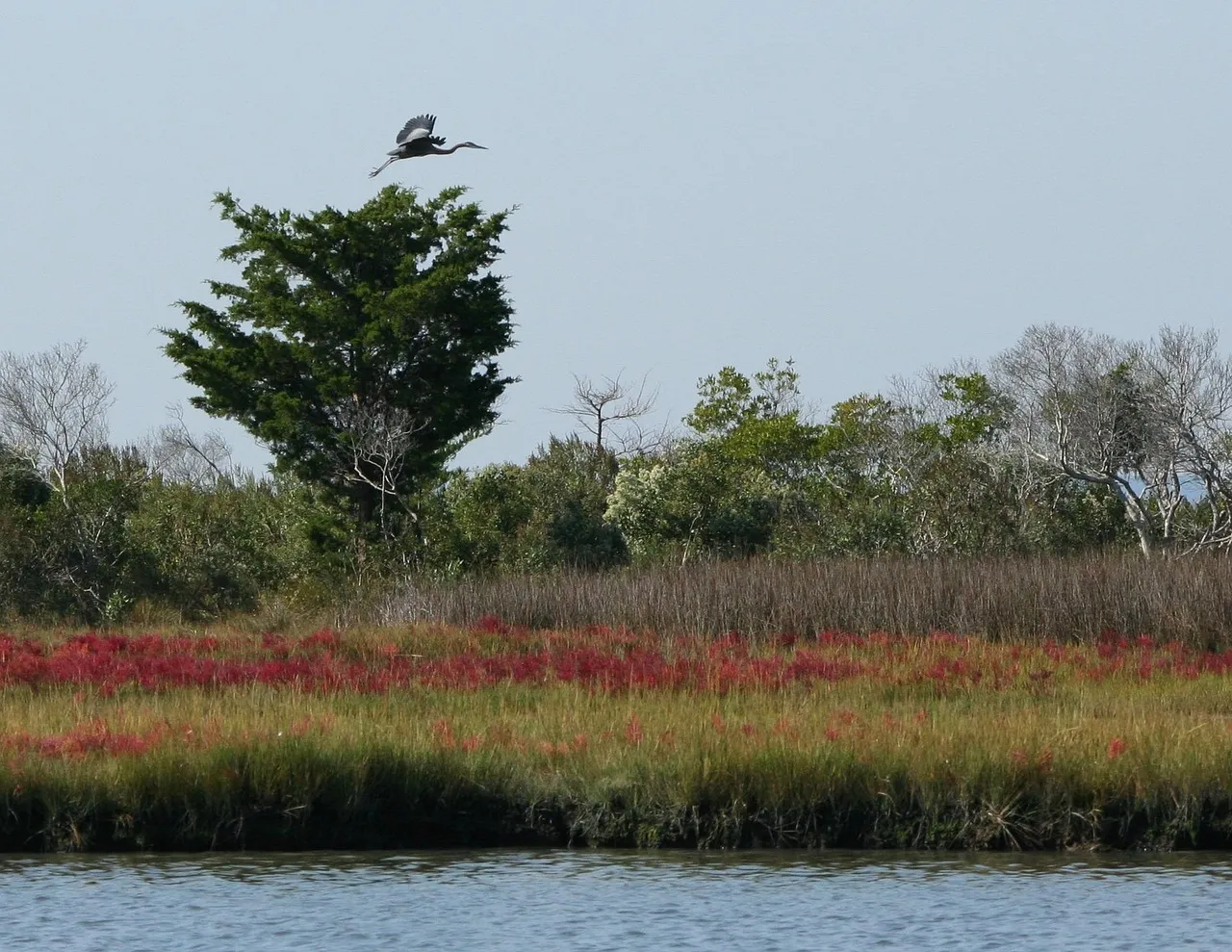
The expansive marshlands of Smith Island serve as critical habitats for various species, including migratory birds, fish, and crabs, and the marshes also act as a natural filtration system, helping to improve water quality in the Chesapeake Bay.
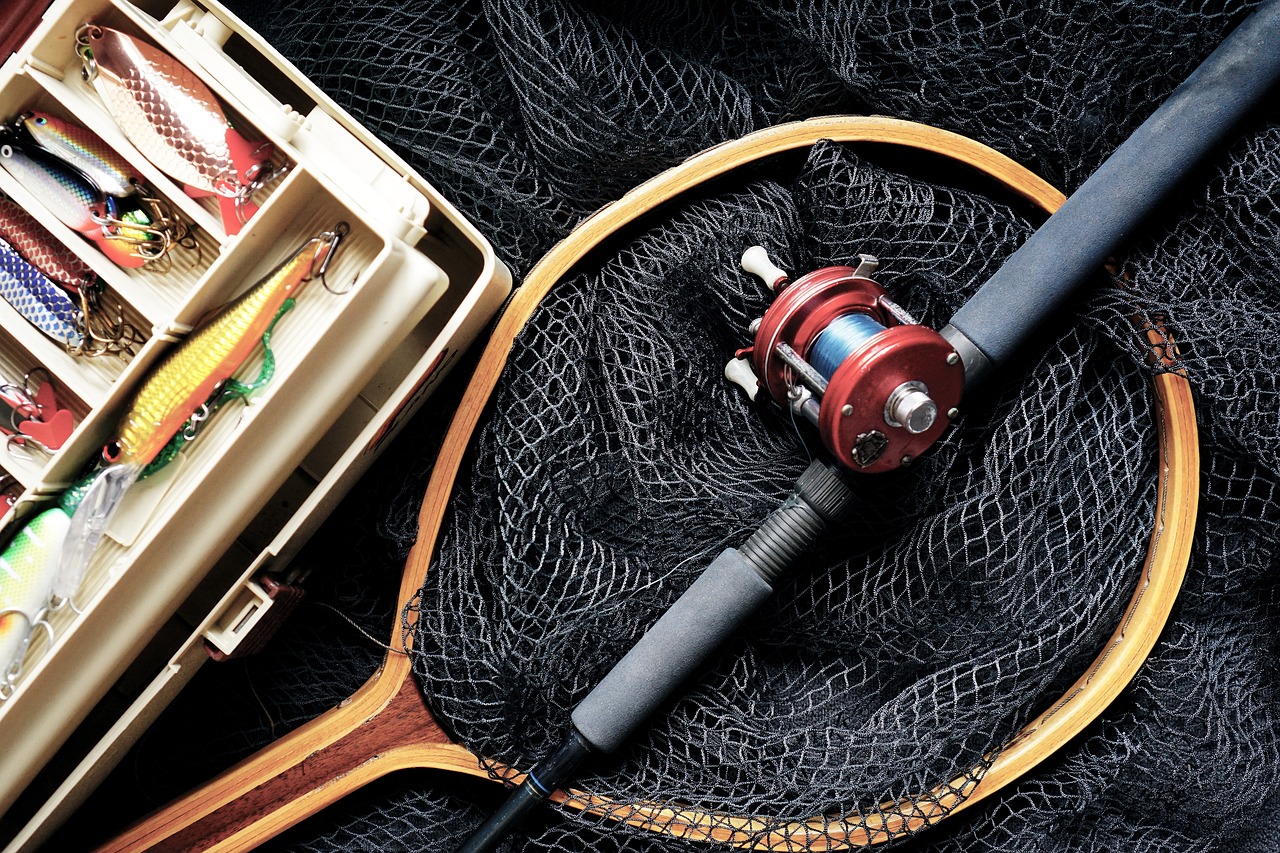
Opportunities abound for crabbing, fishing, birding, including viewing nesting pelicans, and scenic photography. Some of the best fishing on the East Coast is found around the island, with rockfish, speckled trout, cobia, redfish, croaker, and flounder all present in these waters. Getting out on the water, even just on a kayak, gives you a different read on why generations of families chose to anchor their lives here.
Getting There and Getting Around

Smith Island is Maryland’s only inhabited island with no bridge connection to the mainland, supporting a unique way of life, slow and steady amid natural beauty, without many modern conveniences most take for granted. You park your car in Crisfield, Maryland, and take a relaxing forty-minute ferry ride to Smith Island.
From the cultural center, you can take a stroll along Smith Island Road with binoculars in hand to bird-watch in the marshes, and golf carts can be rented in Ewell for a jaunt around the neighborhoods, or you can bring your own bicycle or rent one in Ewell for a slower-paced tour. Traveling from Baltimore or Washington D.C., the journey to Smith Island involves a scenic trip that highlights the geography and charm of Maryland’s Chesapeake Bay region, and since the drive is less than three hours from the Baltimore and DC area, it makes a perfect weekend getaway.
Community Bonds and Island Traditions
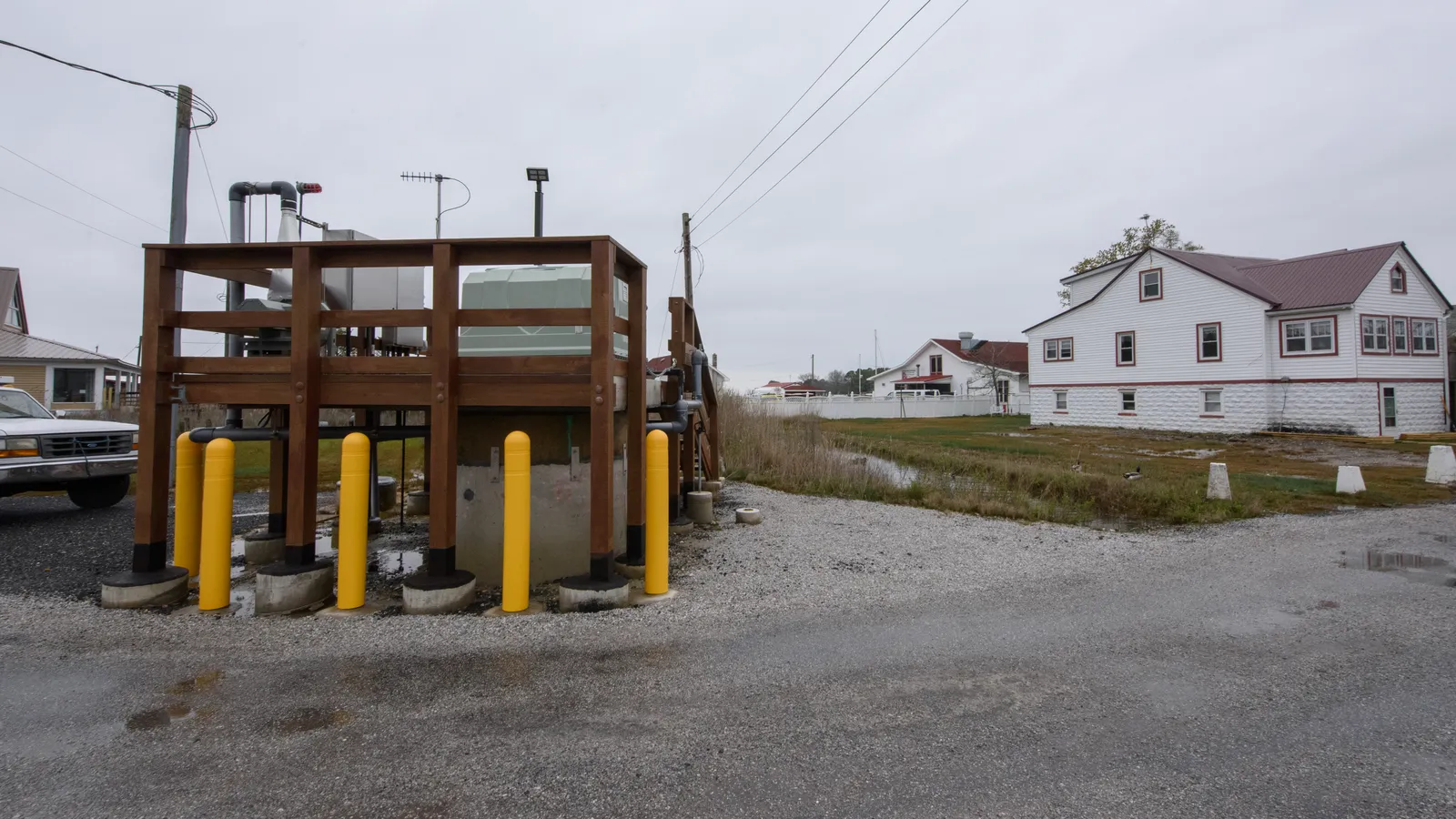
Smith Islanders come together for festivities throughout the year, including the Smith Island Crab Skins Baseball Game, the annual Smith Island Cake auction, and the summer Blessing of the Fleet ceremony. These aren’t tourist events. They are the actual fabric of the community, and visitors who show up with genuine curiosity are usually welcomed into them.
There’s a feeling on this small island that everyone is kinfolk in one way or another, and they contribute to not only keeping the island functioning but also holding the line for each other as they have done for centuries, with their isolation a point of pride. There is an elementary school on the island, though middle and high school students take a daily boat to Crisfield to attend school.
A Beloved Place Facing a Genuine Threat
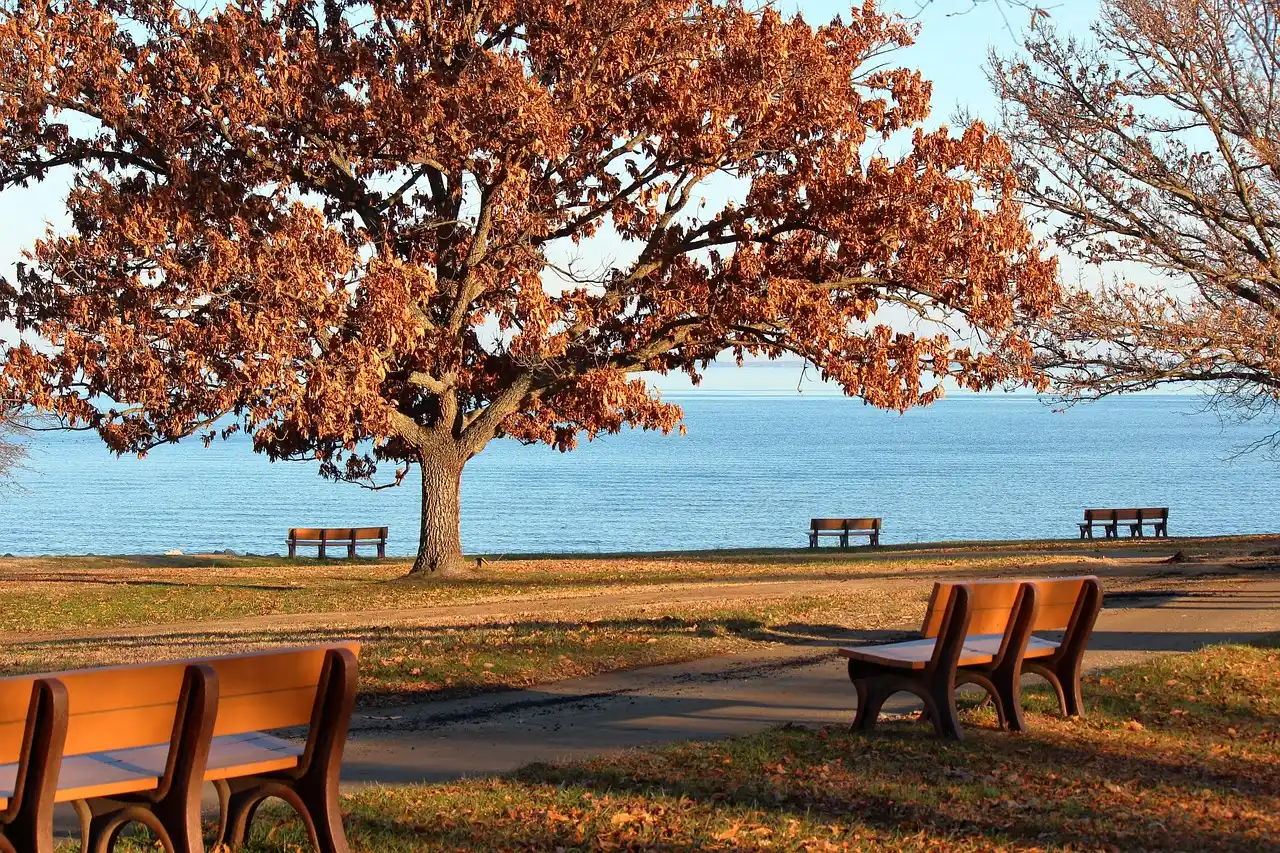
Smith Island in the Chesapeake Bay is slowly disappearing as sea levels rise and erosion hits the shoreline. The island is now losing up to twelve feet of shoreline each year because of rising sea levels and erosion, according to the U.S. Army Corps of Engineers’ Smith Island Environmental Restoration report.
Like most of the Chesapeake Bay area, the island is experiencing more frequent flooding due to a combination of rising sea level and tectonic subsidence. Since 2015, federal, state, and local entities have invested 18.3 million dollars in three separate projects on and around Smith Island, adding about two miles of reconstructed shoreline, several acres of newly planted salt marshes, and hundreds of feet of jetties. The islanders have not quietly accepted decline. Residents mobilized to form a non-profit advocacy group called “Smith Island United” and successfully petitioned for structural improvements to control erosion, which they see as the real threat to the community’s survival.
Why Smith Island Still Matters
There are places that feel preserved and places that feel lived in. Smith Island manages to be both at once, which is rare. Over the years, Smith Island’s resilient inhabitants have preserved their unique culture, known for their distinct dialect, fishing methods, and tradition of cake-making, and today it remains a testament to the enduring spirit of coastal communities and their connection to the Bay.
Smith Island is one of Maryland’s most unique cultural and ecological places, and it is also at the front lines of the climate crisis, facing immense threats from sea level rise, flooding, and erosion. That tension – between something deeply worth preserving and the forces working against its survival – gives a visit here an emotional weight that no polished destination can replicate.
Come for the crabs, the cake, and the quiet. Stay long enough to understand why the people who live here simply refuse to leave.
AI Disclaimer: This article was created with the assistance of AI tools and reviewed by a human editor.