
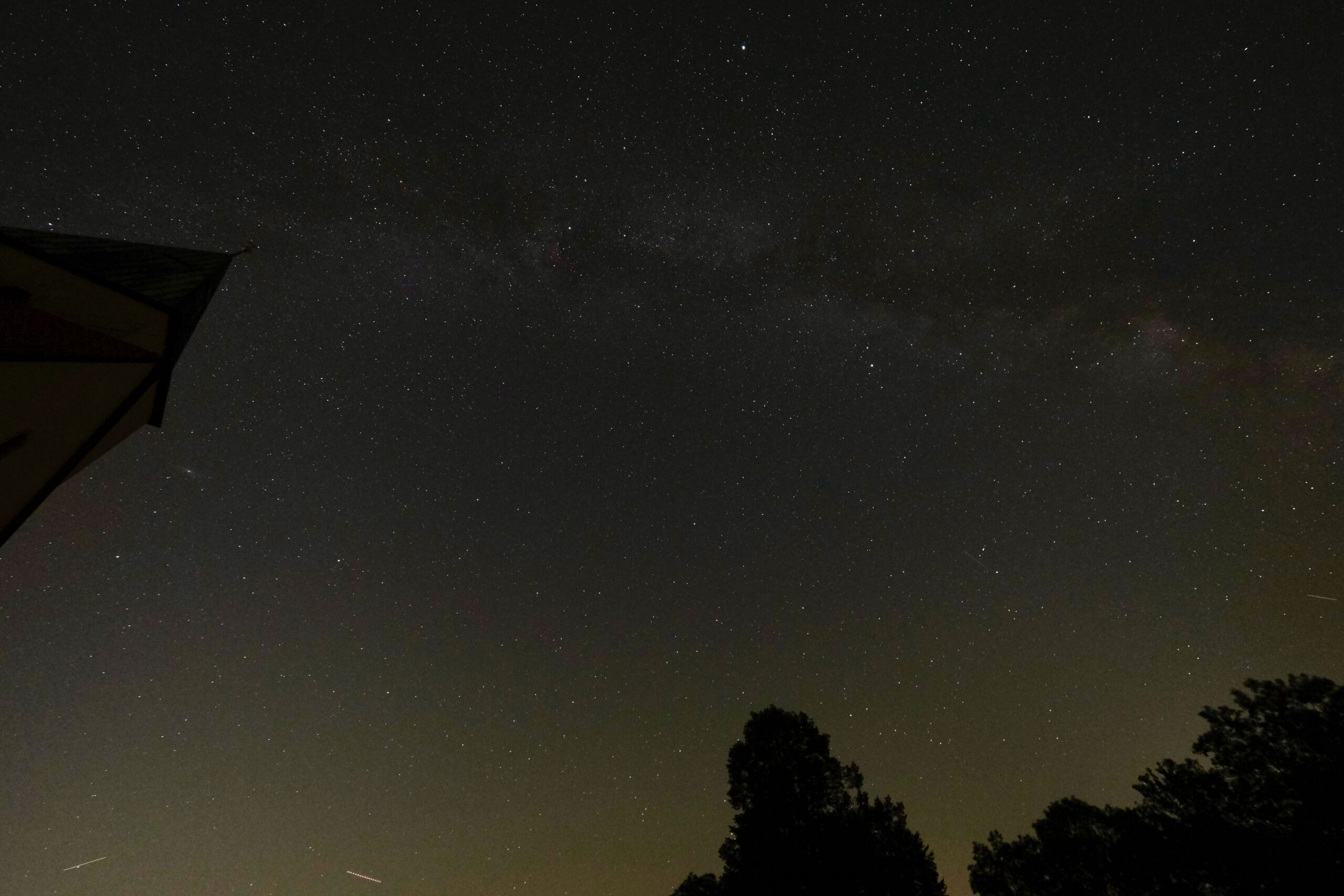
Most people driving through the remote southwestern corner of New Mexico are just passing through. The roads are long, the towns are small, and there isn’t much to tell you to slow down. Unless, that is, you happen to look up at night.
Near the tiny community of Alma, tucked inside the Gila National Forest, sits one of the most extraordinary stargazing destinations in the entire United States. It’s not well known. It doesn’t show up on most travel itineraries. That’s precisely what makes it worth knowing about.
A Designation Unlike Any Other in North America
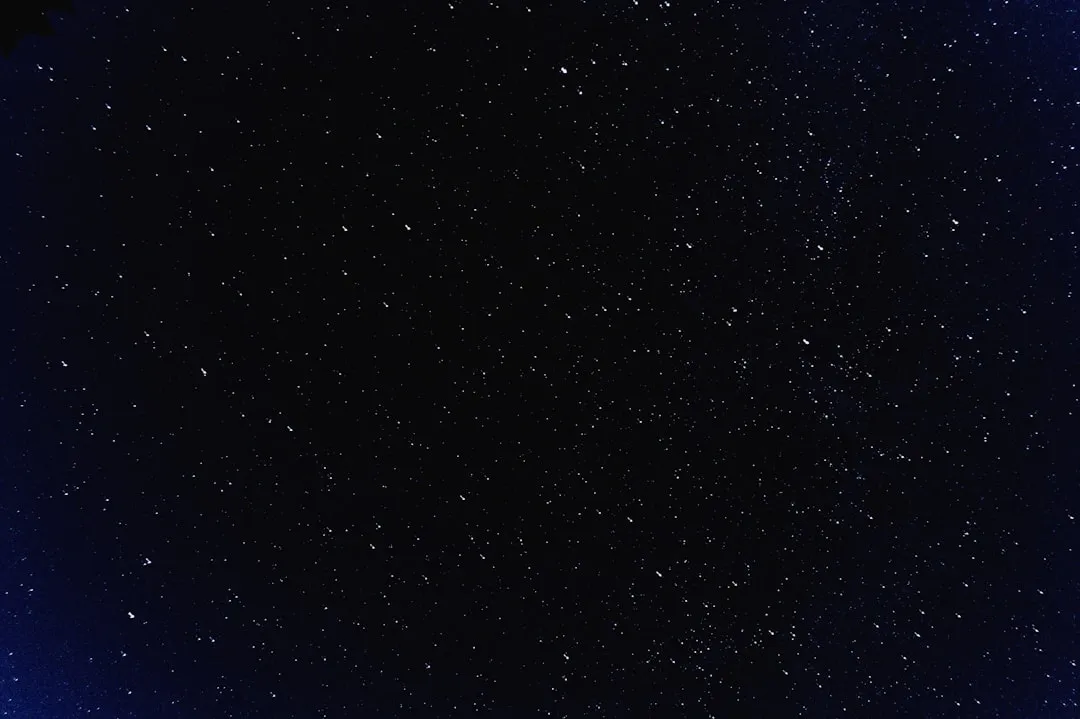
The Cosmic Campground International Dark Sky Sanctuary, located on the Gila National Forest, was selected by the International Dark Sky Association to be the first International Dark Sky Sanctuary in the Northern Hemisphere – designated for being in one of the few locations in the lower 48 U.S. states with a genuinely natural dark night sky.
It is also one of only 14 certified IDA Sanctuaries in the world. International Dark Sky Sanctuaries are lands recognized for possessing an exceptional or distinguished quality of starry nights. That’s a remarkably short list for a planet with over seven billion people on it.
Where Exactly Is Alma, New Mexico?
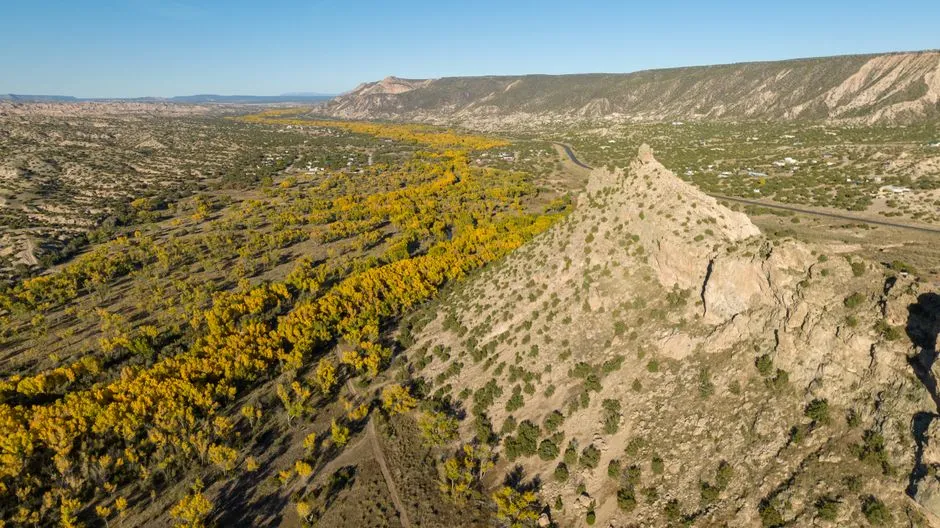
The Cosmic Campground is a 3.5-acre site in the Gila National Forest of western New Mexico, situated between the Gila Wilderness and the Blue Range Primitive Area, on land managed by the United States Forest Service.
The campground is located 8 miles north of Alma, New Mexico, off US Highway 180, between mileposts 37 and 38. Alma itself is a small, quiet community in Catron County, one of the least densely populated counties in the contiguous United States. That remoteness is the whole point.
No Artificial Light for Miles in Any Direction
The campground is located in an exceptionally dark part of the lower 48 U.S. states, with the nearest significant source of artificial light more than 65 kilometers away, across the state line in Arizona.
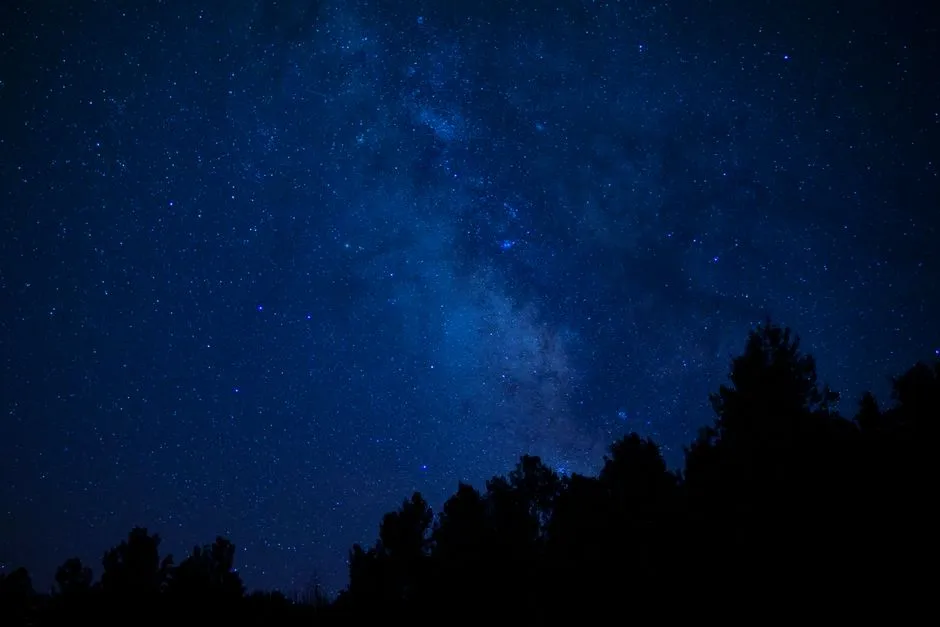
Complete darkness finds the Milky Way crowning the mountains of the Gila Wilderness, as well as the faint glow of distant galaxies and zodiacal light. There are no streetlights here, no distant city glow on the horizon. When the sky goes dark, it really goes dark.
The Setup: 360-Degree Sky, Telescope Pads Included
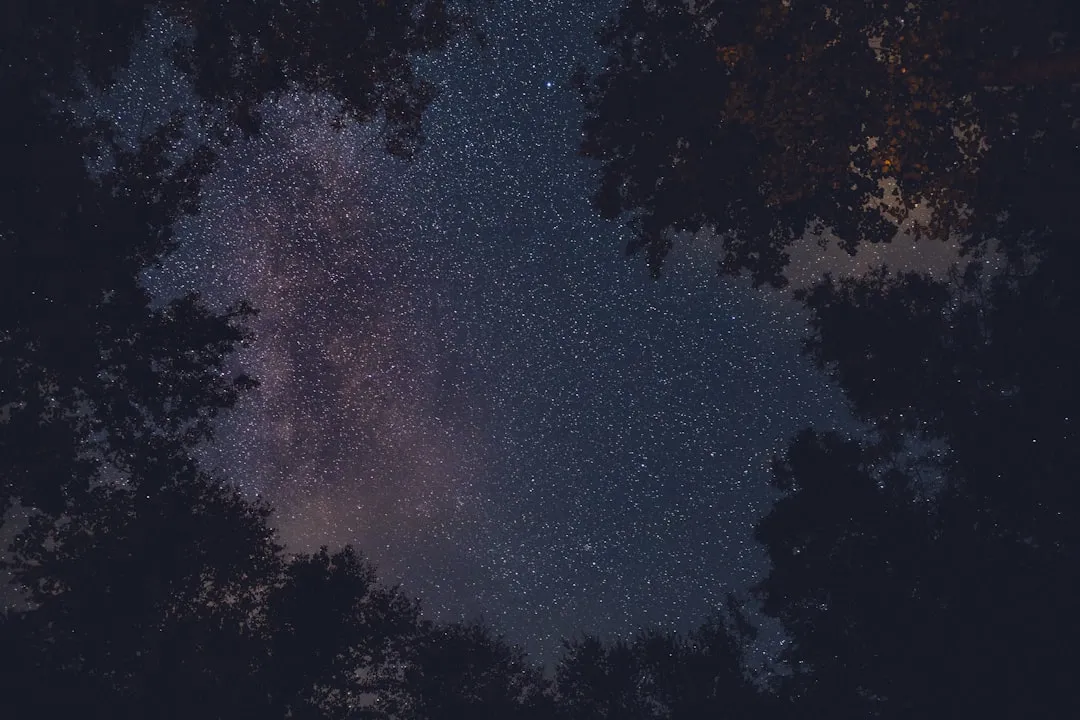
The Cosmic Campground offers a 360-degree, unobstructed view of the night sky for exceptional stargazing opportunities. Most stargazing sites in the country are hemmed in by trees, mountains, or structures on at least one side. Here, the entire dome of the sky is yours to explore.
Four concrete telescope pads provide stable platforms for serious astronomy equipment. The campground itself is a relatively primitive facility with eight sites, each with a picnic table, in-ground fire pit and grill, and allocated parking stops. It’s designed with both the casual visitor and the dedicated amateur astronomer in mind.
The Best Time to Visit
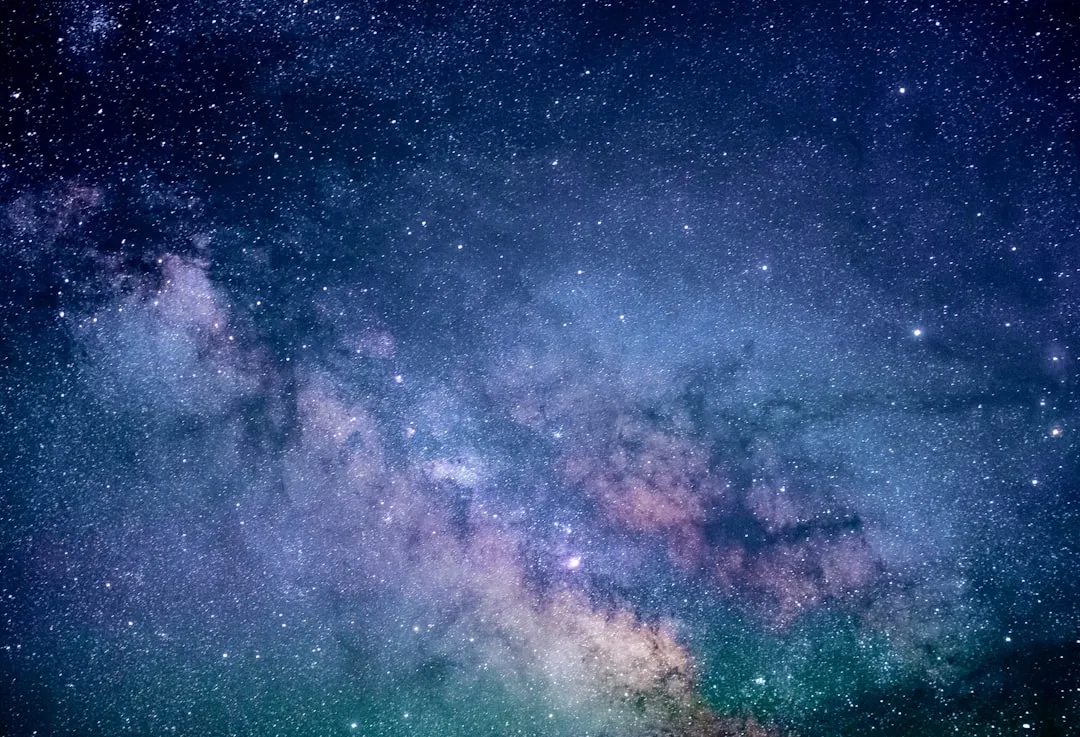
Late May through late October are the best times to see the Milky Way and capture premium astrophotography. During these months, the galactic core rises high enough in the sky to photograph in full detail. New moon weekends are when serious observers tend to gather.
Avoiding full moons makes a meaningful difference. On a new moon night, the Milky Way’s band can appear like a celestial highway across the sky. It helps to give your eyes at least 30 minutes to fully adjust to the darkness before evaluating what you’re seeing.
New Mexico’s Broader Dark Sky Legacy
New Mexico, known for its wide-open landscapes and clear skies, boasts nine certified Dark Sky Places recognized by DarkSky International. That’s a remarkable concentration for a single state and reflects decades of intentional conservation effort.
New Mexico has been an environmental leader on this issue, passing the Night Sky Protection Act, enforcing municipal dark-sky ordinances that require shielded fixtures, and pursuing Dark Sky Place designations, which carry an obligation to conservation. The Cosmic Campground near Alma is the crown jewel of that legacy.
Clayton, New Mexico: Another Hidden Gem Worth Knowing
Designated as New Mexico’s first dark sky park in 2010, Clayton Lake State Park is a Gold-level International Dark Sky Park and has its own 14-inch Mead telescope. Located in Union County, New Mexico, it’s a place of rolling grasslands, volcanic rocks, and sandstone bluffs on the edge of the American Great Plains.
Clayton Lake State Park is rated Bortle Class 1 – the darkest classification on the scale used by astronomers to measure sky quality. Star-gazing events are hosted every month of the year during the week of the new moon for the general public. The town of Clayton itself has worked to align its lighting standards with dark-sky guidelines.
A Sky Steeped in Indigenous Meaning
For Indigenous people who lived on this land long before its colonization and who reside in New Mexico today, the connection to the night skies has always been both spiritual and sacred. For Native people today, the night skies are still used as guidance in daily living and religious ceremonies.
Visiting these skies carries real cultural weight. The Gila region and broader New Mexico landscape hold deep meaning for many communities whose relationship with the cosmos long predates any telescope or campground. Approaching this place with respect – and quiet – matters.
What to Bring and How to Prepare
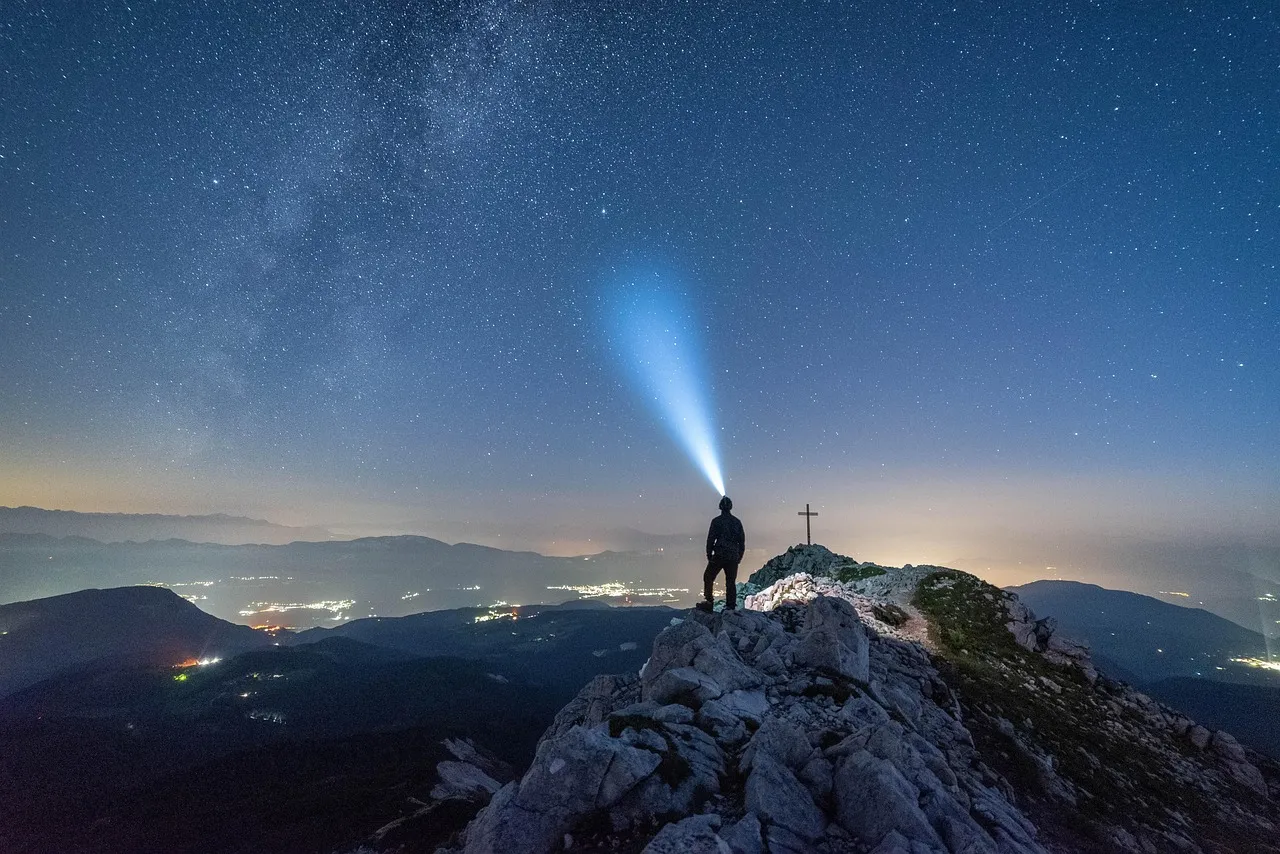
The site sits at roughly 5,500 feet elevation and can get quite cool at night, so bringing appropriate clothing for cool-weather stargazing is essential. There is no running water at the Cosmic Campground, so packing in sufficient supplies before you arrive is non-negotiable.
Night vision is necessary to enjoy the night sky properly. Looking at white light from a flashlight or cell phone will prevent your eyes from adjusting for 20 to 30 minutes. Red-filtered flashlights are the standard tool here and help everyone at the site preserve their view.
Astrophotography and Community Events
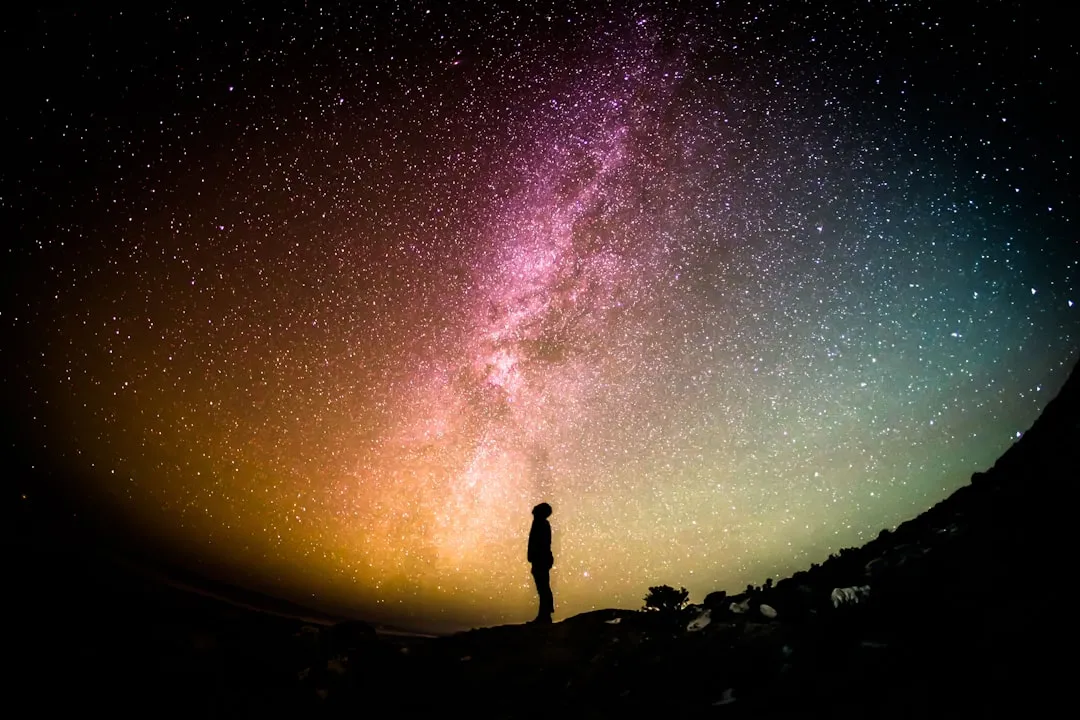
In June 2024, around 75 people gathered at the Cosmic Campground to celebrate its connection to the Gila Wilderness at a star party. These community events have become a tradition, drawing amateur astronomers and first-timers alike from across the region and beyond.
As of 2024, New Mexico DarkSky has taken on the reporting responsibility for the DarkSky Sanctuary status for the Cosmic Campground, ensuring continued stewardship of the site’s certified designation. The active volunteer community here takes its responsibility seriously, and it shows in how the site is maintained.
The Quiet Draw of an Unlit Sky
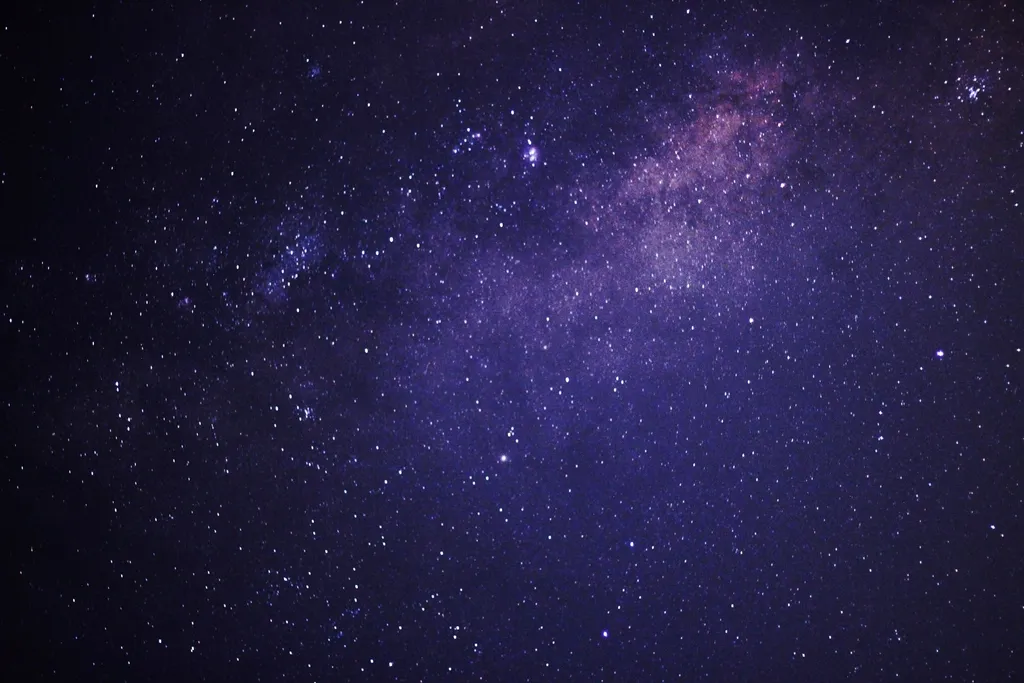
There’s a reason people drive hours through empty roads to reach a 3.5-acre patch of land in Catron County. New Mexico’s night skies are a treasure for stargazers, offering a celestial canvas few places on Earth can match.
The town of Alma won’t appear in most guidebooks. Because of where it’s located, there is little man-made light pollution, and the night skies here are some of the darkest in North America. Sometimes the most extraordinary things are exactly where no one is looking.
AI Disclaimer: This article was created with the assistance of AI tools and reviewed by a human editor.