
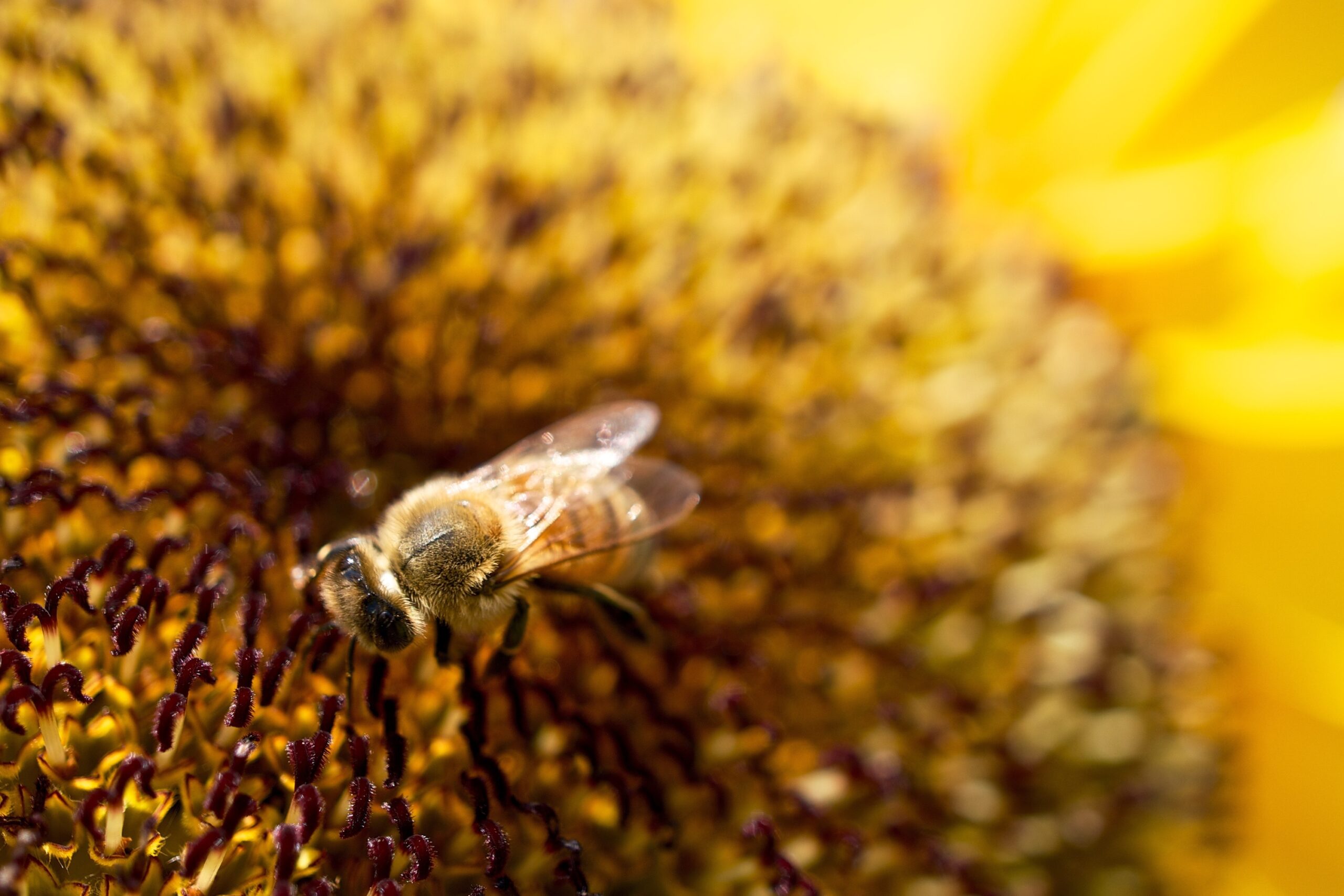

There’s something quietly remarkable about driving down a rural road and knowing that the farms you’re about to visit have been tending bees for generations. A honey trail isn’t a theme park itinerary. It’s more like a slow afternoon in the countryside, guided by the smell of beeswax and the kind of warmth that only comes from meeting someone genuinely proud of what they make.
The idea of linking family-run apiaries into a single self-guided route has been growing steadily across North America and Europe, and the momentum is real. The agritourism industry continues to demonstrate remarkable resilience and growth, fueled by rising global interest in sustainable and experiential travel. Connecting six apiaries into one afternoon gives travelers something most tourism can’t replicate: repeated, deepening contact with a single subject, told by six different families, in six different voices.
Why the Honey Trail Format Works So Well
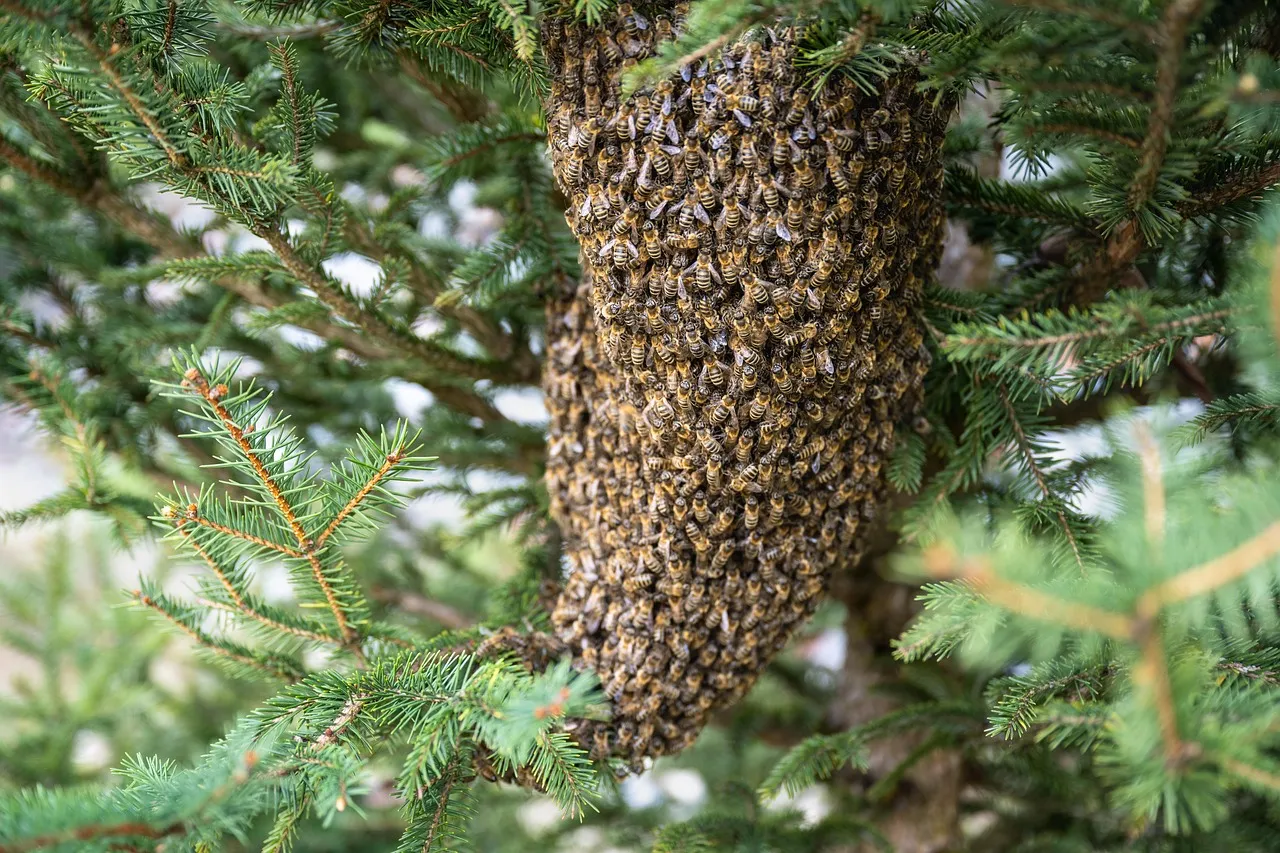
A single apiary visit is educational. Six in one afternoon becomes something else entirely. Each stop shifts your perspective slightly, and by the time you reach the last farm, you realize you’ve been learning the same subject from a dozen different angles.
An apiary is defined as a farm that raises bees for honey production, often offering educational experiences and honey-related products for sale. String several of those experiences together in a logical geographic route, and the format starts to resemble something closer to a wine trail than a school field trip.
This trend is driven by the increasing demand for authentic travel experiences, a growing awareness of local food systems, and the desire for sustainable tourism options. A honey trail meets all three at once, which is part of why the concept has spread as naturally as it has.
The Booming Market Behind the Beehive Door
What’s driving so many family farms to open their gates to visitors isn’t just enthusiasm for bees. There’s a real and growing economic case for it. The global agritourism market size reached USD 81.2 billion in 2025 and is expected to reach USD 209.3 billion by 2034.
The apiculture market was valued at USD 12.41 billion in 2025 and is projected to grow from USD 13.11 billion in 2026 to USD 21.10 billion by 2034, at a compound annual growth rate of 6.13% during the forecast period. That’s not a niche industry quietly buzzing along. It’s a serious global market.
In recent years, consumers have become more aware of the health benefits of honey and honey products, while the surging awareness of the reduction in pollinators and the degradation of their habitats has prompted efforts to bolster bee populations. Family apiaries sitting at that intersection of consumer awareness and ecological urgency are genuinely well positioned.
Stop One: The Welcome Hive and What It Teaches You First
The opening stop on a well-designed honey trail sets the tone for everything that follows. Most experienced apiary hosts keep the first visit accessible and sensory-rich, letting the bees do most of the talking before any deep explanation begins.
A typical guided apiary experience begins in a beautiful outdoor setting with a brief introduction to the honey bee, the art of beekeeping, and the tools of the trade. That grounding matters. Visitors who feel oriented early tend to ask sharper questions at every stop that follows.
Following the incredible journey honeybees make as nectar is collected from flowers and returned to the hive, visitors learn how beekeepers care for the beehives and how honey is harvested, extracted, and processed. It sounds straightforward. Seeing it in person is a different matter altogether.
Stop Two: Inside a Working Hive, Frame by Frame
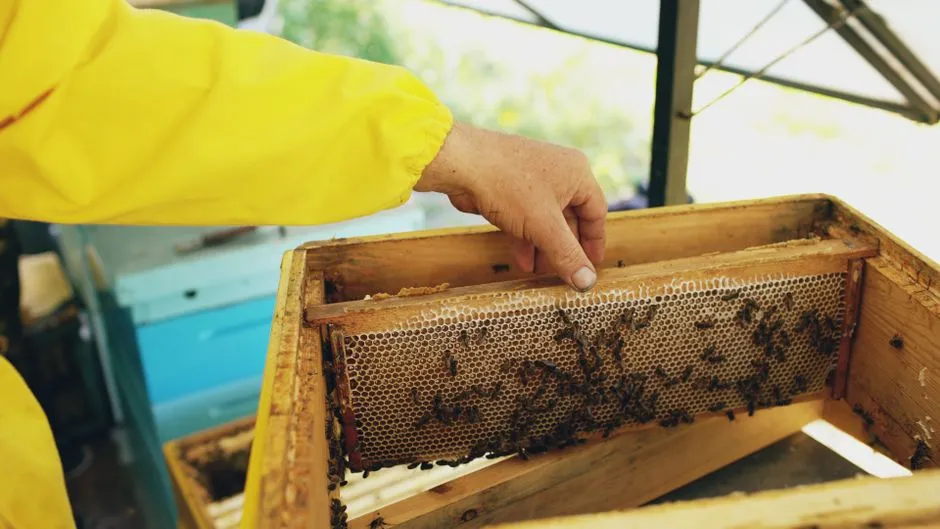
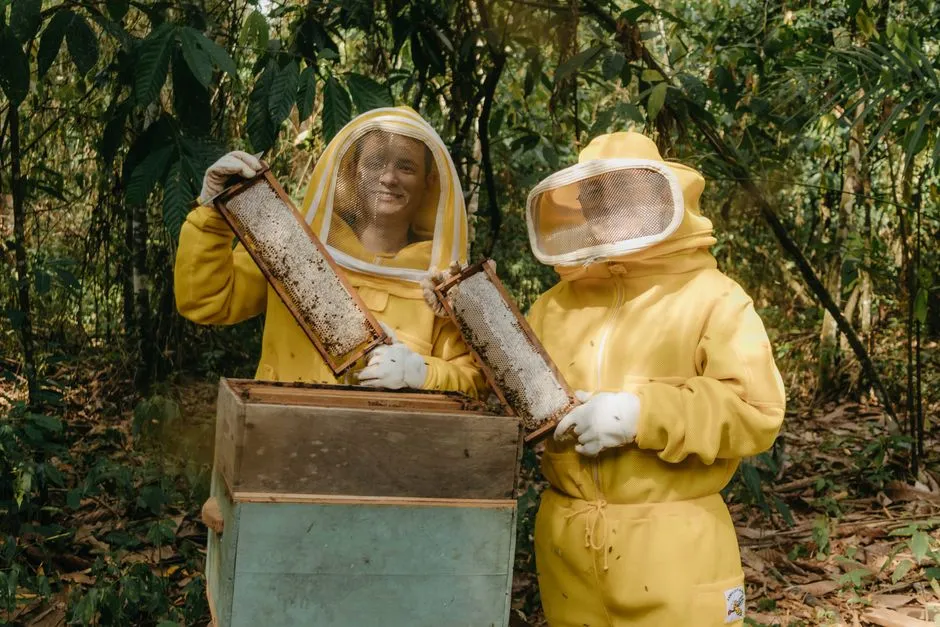
The second stop is often where the real conversion happens – from curious visitor to genuine enthusiast. Getting suited up and stepping into a live apiary is the kind of experience that tends to stay with people.
You walk into a working apiary surrounded by active colonies, with foragers returning loaded with pollen from surrounding wildflowers. A guide pulls a live frame and walks you through everything happening in real time: open eggs, capped brood, stored pollen, and ripening honey.
During this kind of hands-on experience, visitors suit up, open live hives, and see bees at work inside their colony, learning how the beekeeper keeps the colony healthy through the seasons and watching honey being pulled straight from the hive. That directness is what no jar on a supermarket shelf can ever convey.
Stop Three: The Taste Difference Terrain Makes
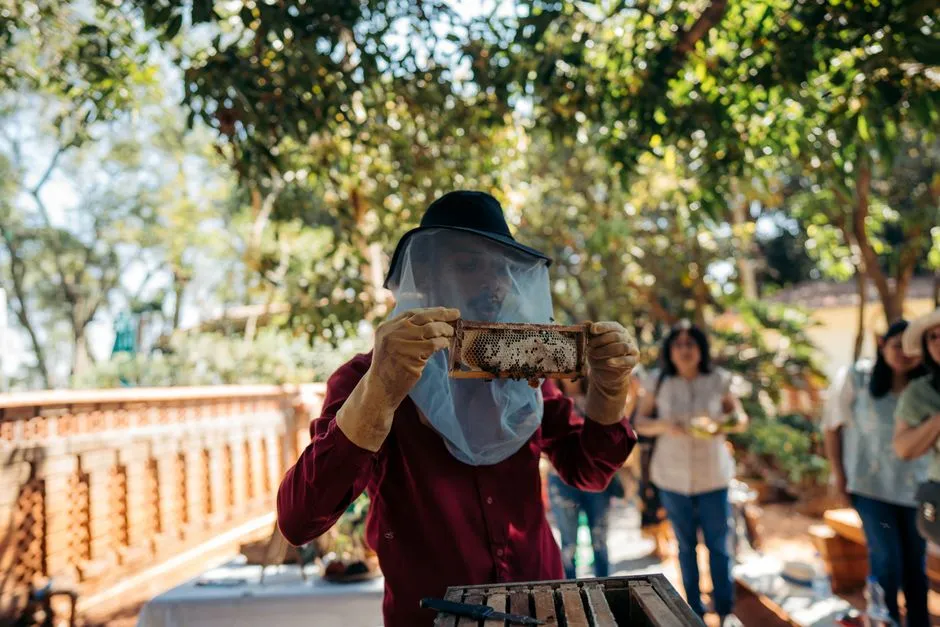
Honey, like wine, carries the landscape it came from. The third stop on a well-routed trail is a good moment to slow down and let that idea land properly through tasting.
Visitors can explore actual hives with a beekeeper, learn where the queen resides and how the hive is organized, and then enjoy a tasting of multiple unique raw honeys. The flavor differences between hives on the same trail can genuinely surprise people who assumed honey was simply honey.
Visitors can also discover other products made from honey or beeswax, from candles and body care creams to mead and vinegar. Each farm tends to have its own range, shaped partly by the surrounding forage landscape and partly by the family’s own traditions.
Stop Four: The Educational Farm Where Kids Lead the Way
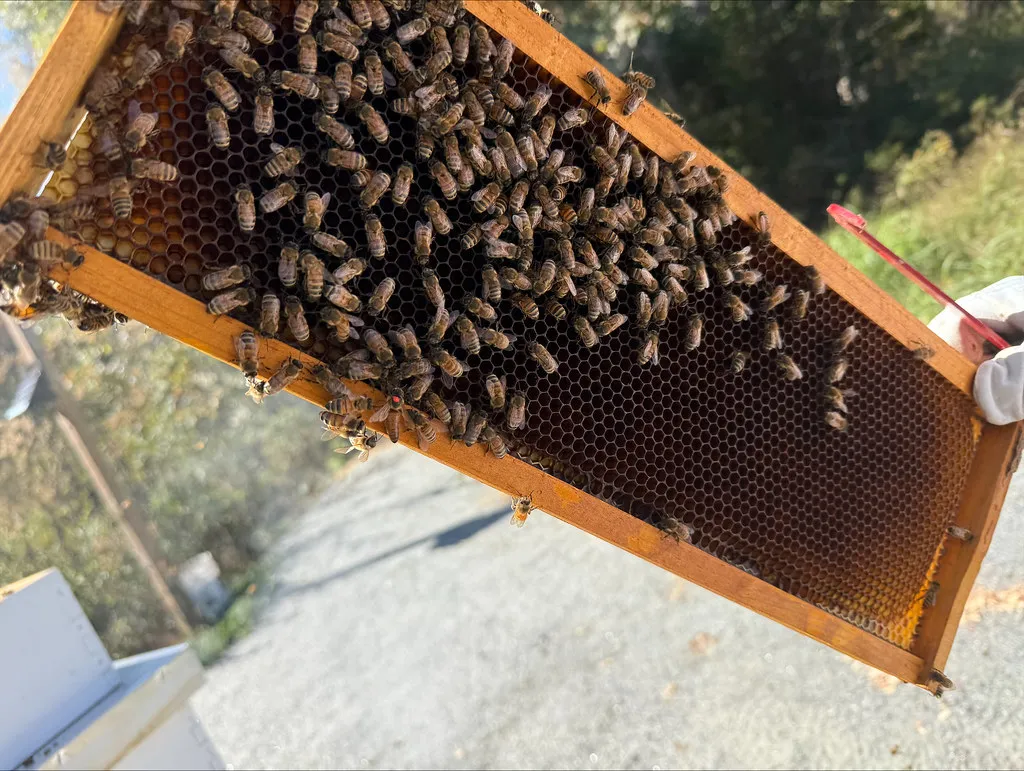
A thoughtfully designed honey trail makes room for families, and the fourth stop is often the one with the most hands-on programming aimed at younger visitors. Children tend to lose their fear of bees faster than adults once they’re inside a hive with a calm guide beside them.
Immersive tour experiences at working apiaries are hands-on, educational, and fun for all ages, allowing visitors to interact with nature, learn about the importance of pollinators, sample fresh honey, and explore the fascinating world of beekeeping up close.
Local farms are increasingly transforming into tourist-friendly destinations, offering hands-on activities like cheese-making, berry picking, and beekeeping demonstrations. The honey trail format makes it easy to include one stop that skews deliberately toward younger guests without slowing down the adults.
Stop Five: The Beeswax Workshop and the Broader Hive Economy
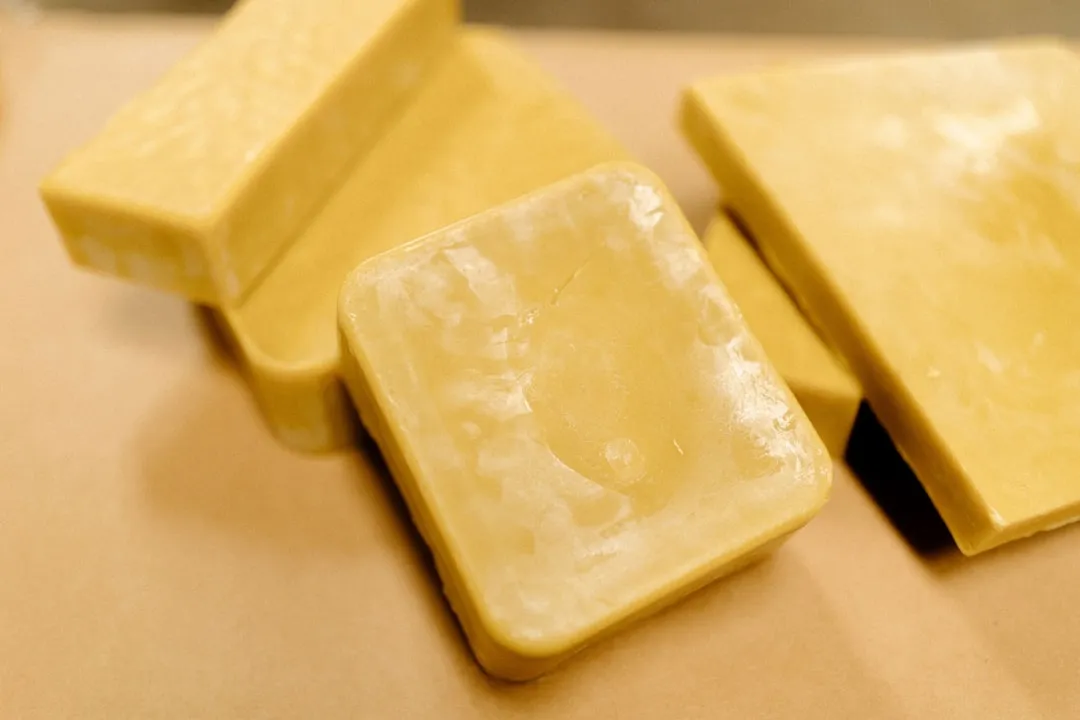
By the fifth stop, most visitors have seen the hive, tasted the honey, and started thinking about bees in a way they hadn’t before. This is the moment for a farm to introduce what else the hive provides beyond honey itself.
Specific activities on beeswax and around a glass hive have been developed to give visitors a direct, hands-on understanding of the full range of what a bee colony produces. Rolling candles, pressing beeswax into molds, or mixing a simple lip balm turns the abstract into something tangible.
Learning how all bee species provide vital pollinator services that help maintain the biodiversity of ecosystems worldwide forms a natural part of this conversation. The best farm hosts weave that ecological context into the craft activity without it feeling like a lecture.
Stop Six: The Final Apiary and the Question of Buying Local
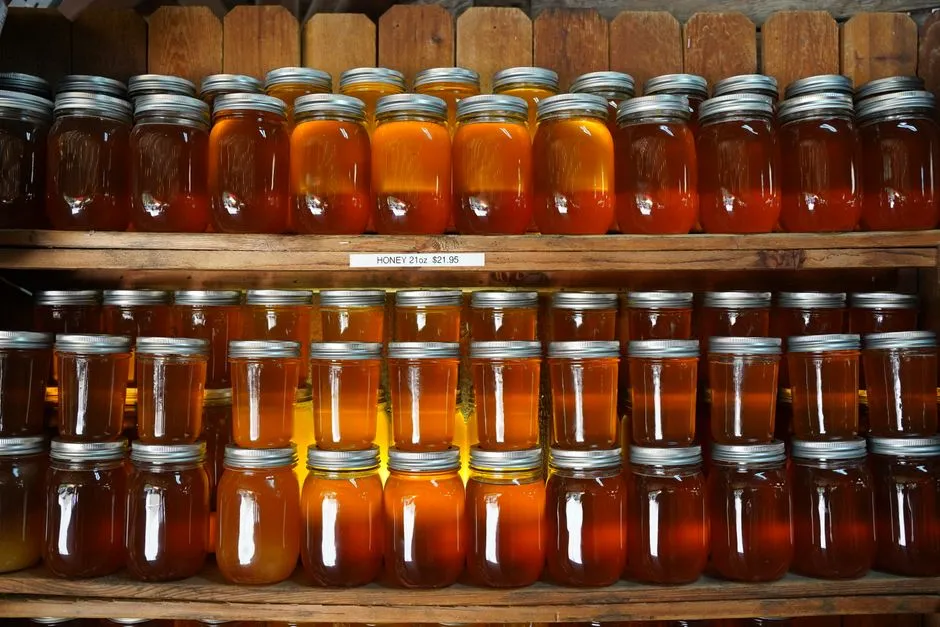
The last stop on the trail tends to carry a particular weight. Visitors have spent an afternoon with bees, and now they’re standing in a farm shop with a real understanding of what went into every jar on the shelf. Buying becomes a different kind of decision.
Some regional honey producers offer a wide market range, with establishments sometimes stocking as many as twenty different local varieties while running multiple apiaries simultaneously. A trail that ends at a stop like this gives visitors an unusually rich selection to choose from, informed by everything they’ve learned.
A well-stocked farm shop offers honey production from the farm itself along with honey-based products including nougat, shortbread, soaps, and sweets, all made with honey from the farm and processed by local artisans. That final purchase feels less like a souvenir and more like a continuation of the experience.
What Makes a Honey Trail Truly Memorable
Not every cluster of neighboring farms automatically makes a great trail. The best ones share a thoughtful sequence, a sense of progression, and a genuine desire on each farm’s part to welcome strangers into something they love.
According to Eurostat, the EU’s official statistics agency, the number of nights spent in tourist accommodation including rural and farm-oriented stays reached 826 million in the period reported, a 5.1% increase compared to the same period the prior year. The appetite for this kind of experience is real and growing across all age groups.
Millennials and Gen Z are increasingly turning away from conventional forms of tourism, favoring distinctive, experience-rich journeys that offer authenticity and personal growth, and this shift is playing a key role in expanding the global agritourism market. A honey trail, done well, delivers exactly that.
Planning Your Own Honey Trail Afternoon
The logistics of a six-apiary afternoon are more relaxed than they might sound. Most apiary visits run between one and two hours, which means a comfortable start mid-morning can easily take you through all six stops before the sun gets low.
Working farms are busy, and opening hours and operating seasons may change on short notice, so double-checking hours, farm rules, and directions in advance is always worth the effort. Booking ahead matters especially during peak summer months when hive tours tend to fill quickly.
Protective suits are typically provided, all ages are usually welcome, and group sizes are often limited to ensure a safe and personal experience. Wear comfortable clothes and closed shoes. The bees are unlikely to bother you, but the landscape definitely will reward sensible footwear.
The Bigger Picture: Why Supporting Family Apiaries Matters
The rising consumer preference for organic and natural food products is a significant driver for the beekeeping market, and with more people becoming health-conscious, organic honey is increasingly viewed as a healthier alternative compared to regular sugar and processed sweeteners.
The surging awareness of the reduction in pollinators and the degradation of their habitats has prompted efforts to bolster bee populations, as they are vital for pollination. Every family apiary that stays viable keeps more habitat in play, more forage plants in the ground, and more bees doing the work that food systems depend on.
Spending an afternoon on a honey trail is, in a quiet but real way, a vote for all of that. The honey is wonderful. The education is lasting. The families behind those gates are doing something worth knowing about.
The Takeaway
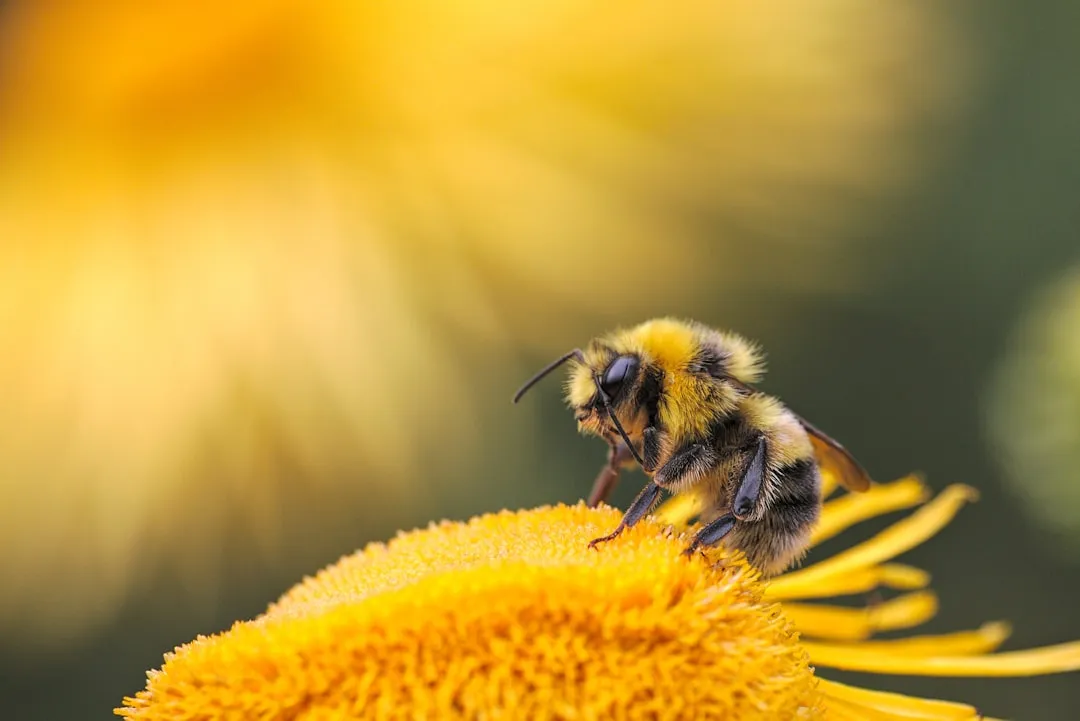
A honey trail connecting six family apiaries in one afternoon sounds modest on paper. In practice, it’s one of those rare travel experiences that leaves you knowing more about the world than when you started, and caring more too.
The agritourism sector’s growth is being led, in part, by exactly this kind of purposeful, small-scale, human encounter. Rising consumer interest in sustainable travel, increasing demand for authentic rural experiences, the growing popularity of farm-to-table dining, and consumer desire for wellness-focused vacations are among the factors positively shaping agritourism worldwide.
Six farms. One afternoon. An understanding of bees that no documentary quite matches. That’s a good use of a day by any reasonable measure.
AI Disclaimer: This article was created with the assistance of AI tools and reviewed by a human editor.