
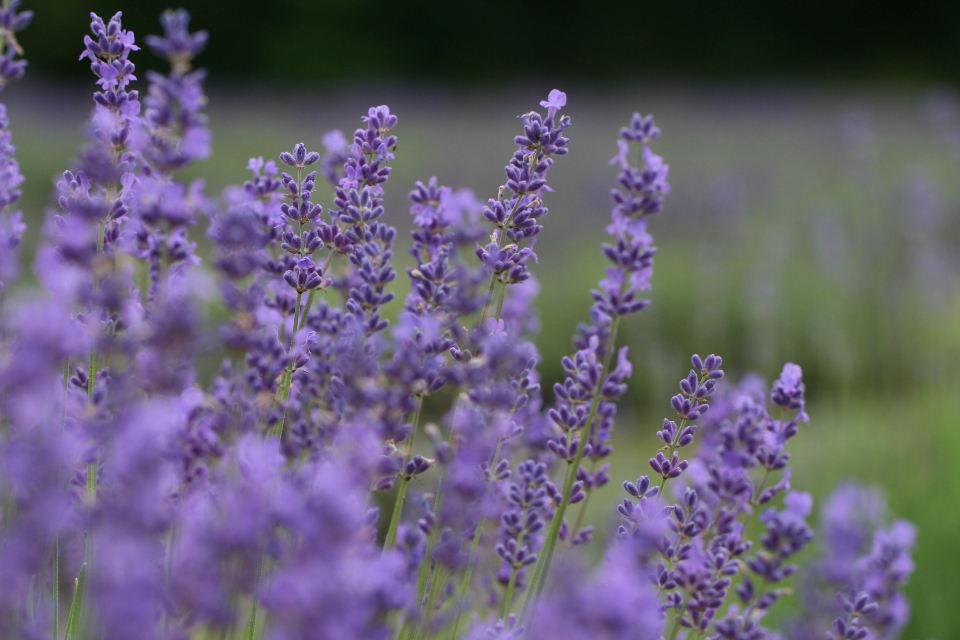

There’s a particular kind of anticipation that builds in the weeks before a lavender farm reaches its peak. Fields that look unremarkable in May – quiet rows of grey-green stems – will, within a matter of days, become something almost impossibly saturated in colour. Farmers watch the weather obsessively. Visitors plan months ahead. Then it’s over almost before you’ve processed it.
That narrow window is not a marketing hook. It’s simply how lavender works. Lavender season is one of the shortest and most anticipated seasons on the farm, and at some operations, the bloom and harvest season lasts only three to five weeks, depending entirely on the weather. What happens inside those weeks is worth understanding in full.
A Plant That Runs on Its Own Calendar
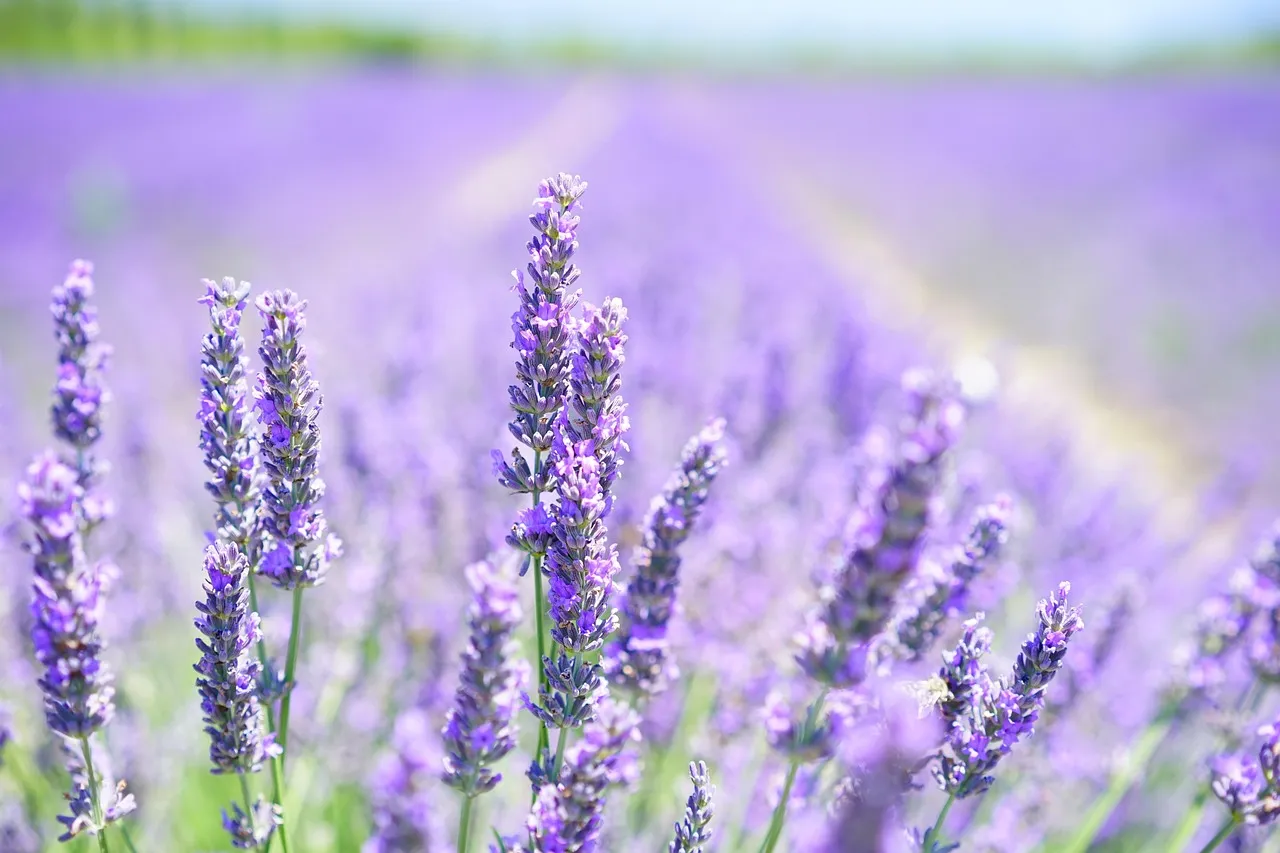
Lavender doesn’t bloom on a human schedule. The flowering time of lavender depends mainly on the species, with early-flowering and late-flowering varieties behaving quite differently from one another. Whether you’re standing in a field in France, Washington State, or rural Ontario, the plant is ultimately answering to temperature, sunlight, and soil – not the weekend you booked off.
Lavender flowers follow a structured blooming cycle, beginning with bud formation and progressing through full bloom before eventually fading, with flowers typically starting to appear in late May to early June and lasting three to four weeks in ideal conditions. That’s not a long run. For the farmer, it’s both the most beautiful and most stressful period of the entire year.
Why the Three-Week Window Exists
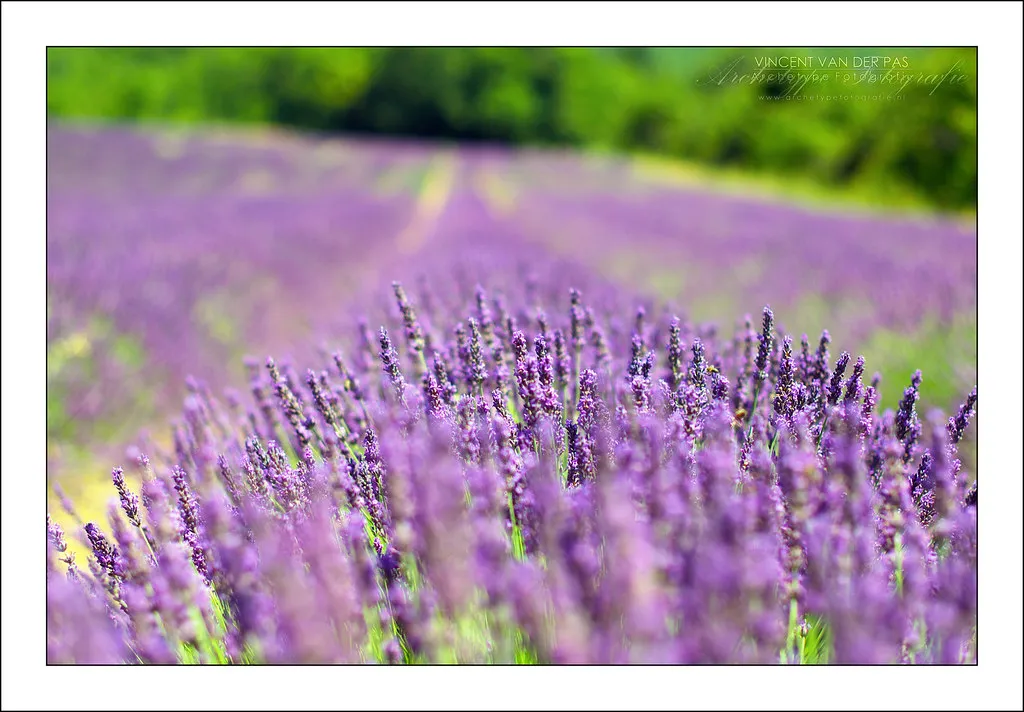
Most lavender varieties will bloom for three to four weeks, but some varieties, especially those grown in optimal conditions, can have a blooming period that extends longer. The tightness of that window comes down to the plant’s biology – lavender evolved in the dry, rocky hillsides of the Mediterranean, and its flowering cycle is calibrated to those hot, brief summers.
Most lavender species and cultivars do not bloom until late June or early July, and the flowering time depends not only on the species and variety, but also on the weather, soil conditions, and care. A cold, wet June can push everything back by ten days. An unusually warm spring can pull it forward. The farm’s calendar is always provisional.
English Lavender Sets the Tone
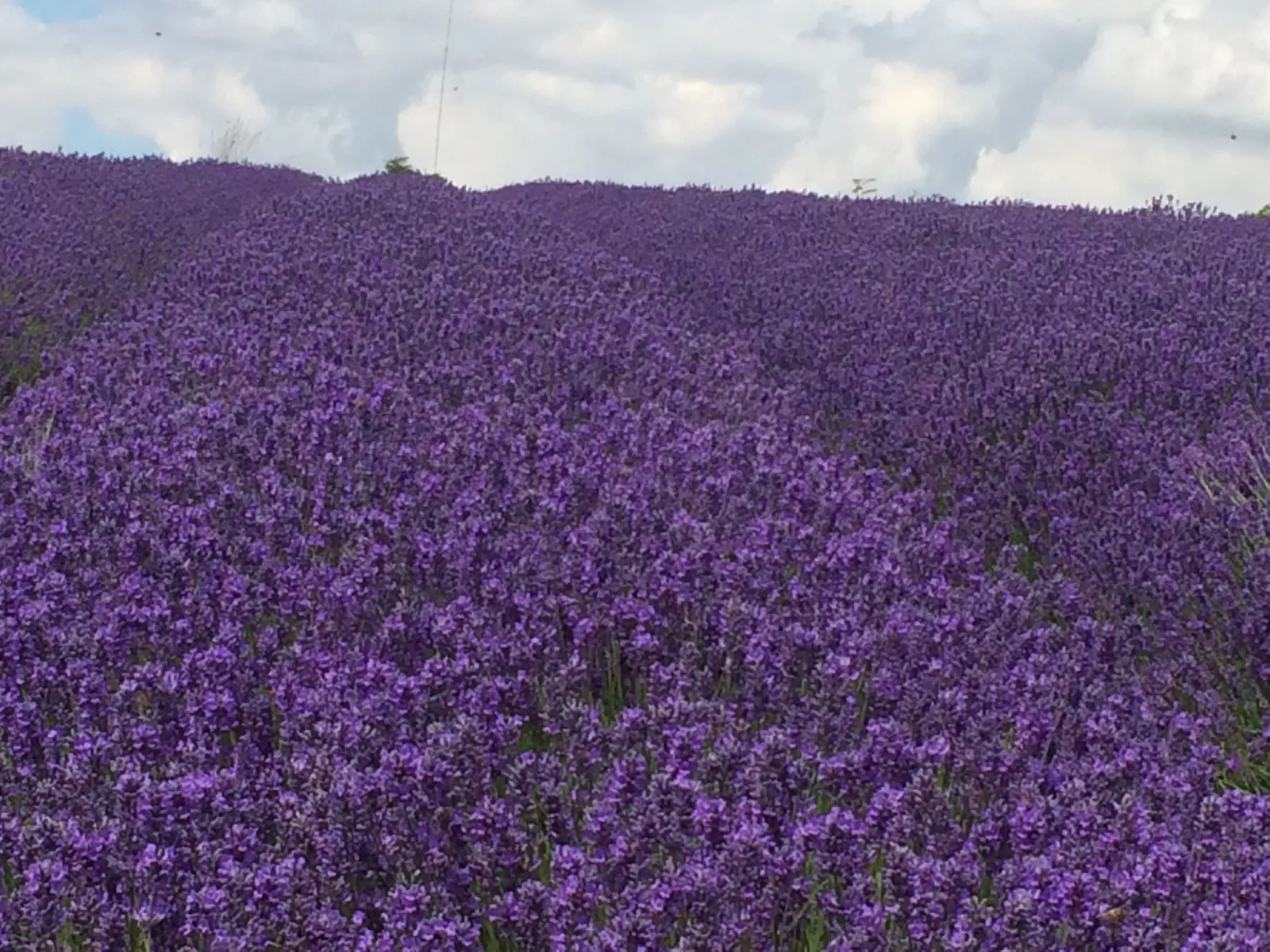
English lavender (Lavandula angustifolia) usually blooms in mid-June and will produce flowers for around four weeks. It’s the variety most people picture: dense, upright stems topped with tight clusters of fragrant purple florets. It’s also the first to bloom on most farms, which makes it the opening chapter of a very short story.
The season begins with delicate English lavender blooming in mid-June, showcasing a breathtaking palette of white, pale blue, pink, soft lilac, and deep purple. On farms that grow multiple varieties, this first flush acts almost like a curtain rising on a performance. English lavenders bloom first, with almost one hundred cultivars in the species, and the earliest-blooming varieties typically start to show colour in mid-June.
The Relay Race of Varieties
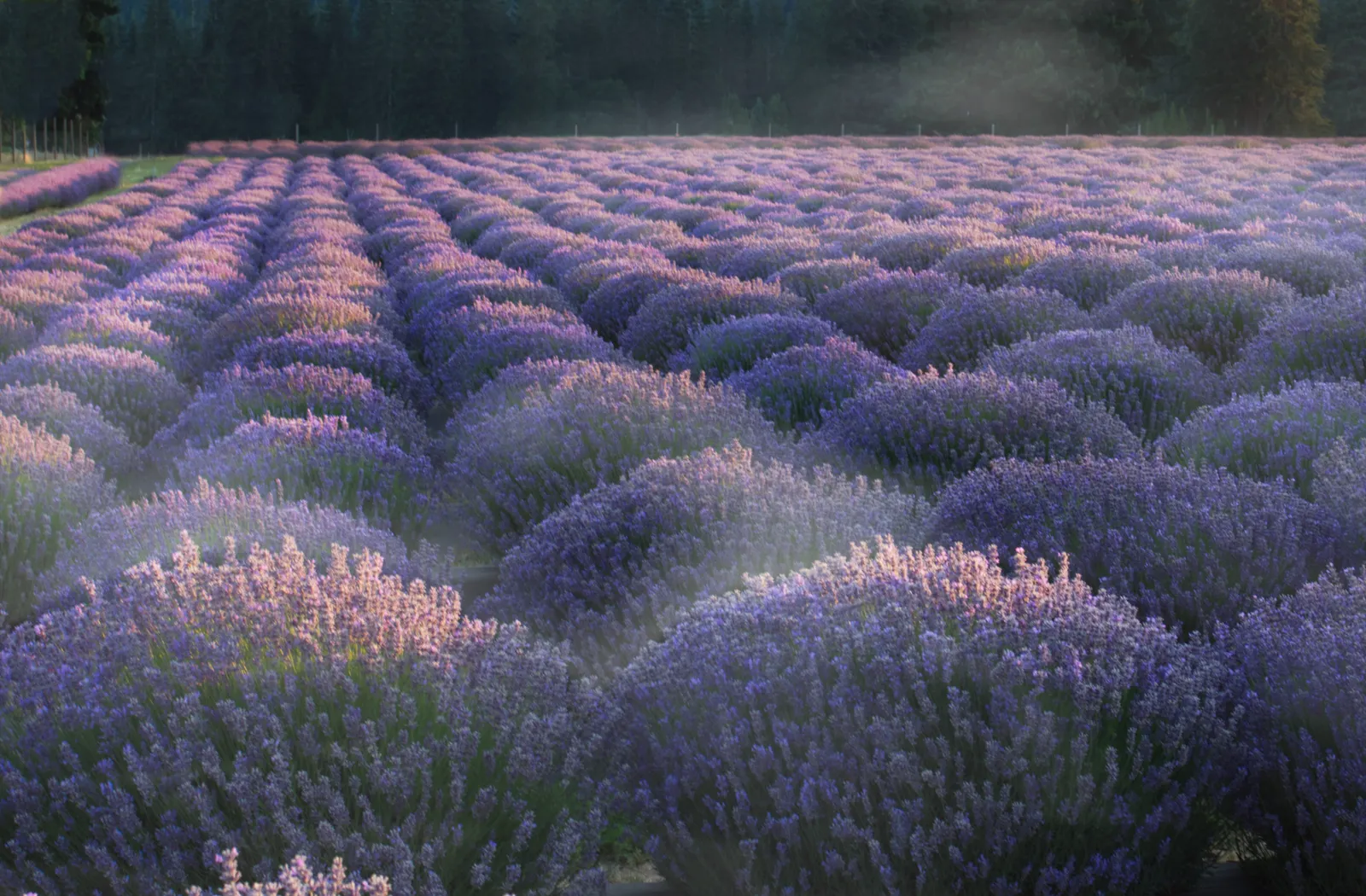
One of the quieter wonders of a well-planted lavender farm is that different cultivars don’t bloom simultaneously – they hand off to each other in sequence. Once English lavender blooms are exhausted, Intermedia or hybrid lavender buds appear, usually around the Fourth of July, taking two to three more weeks to fully blossom. The purple never really disappears; it just migrates from one row to the next.
During the English lavender bloom period, Lavandin – or French lavender – begins to bloom, typically starting in mid-July and continuing until late August in most years. This relay structure is one reason why farms with diverse plantings can extend the total season considerably beyond three weeks for any single variety, even if each cultivar’s moment remains brief.
What Peak Bloom Actually Looks Like
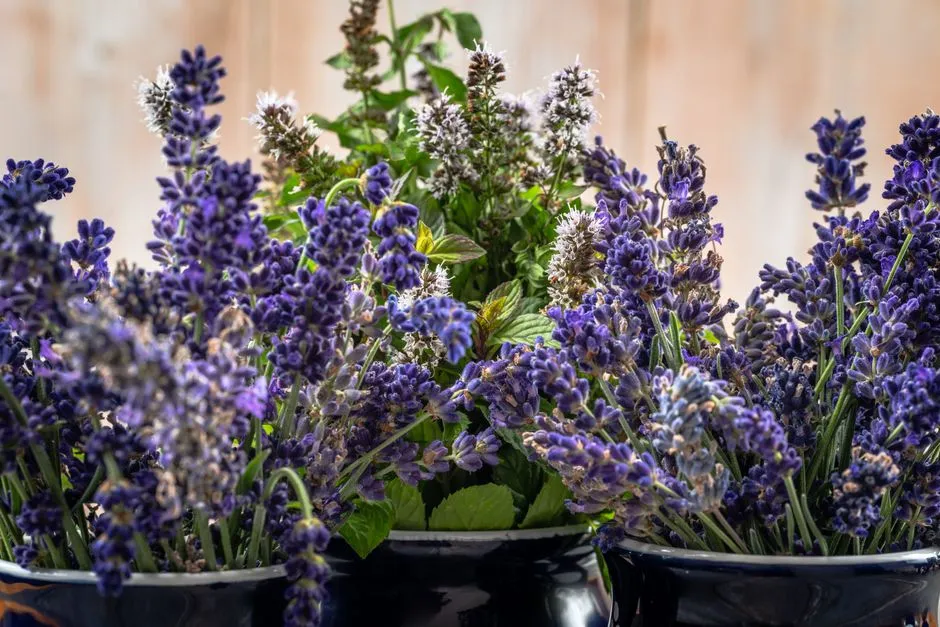
Peak bloom is when the fields shift from promising to genuinely spectacular. Early and mid-July marks the peak of the English lavender season, when these beloved plants reach their absolute best. The light catches the flowers differently depending on the time of day – early morning offers a soft, cool purple, while afternoon sun deepens everything toward violet.
For the most spectacular display, early July is when French lavender fields reach their peak, covering the landscape in purple – and this represents the moment when the fields are at their most breathtaking. Farmers and photographers alike understand that this peak can be as brief as a single week before the plants begin their natural fade. Timing matters in a way that few other agricultural experiences match.
Climate Is Everything
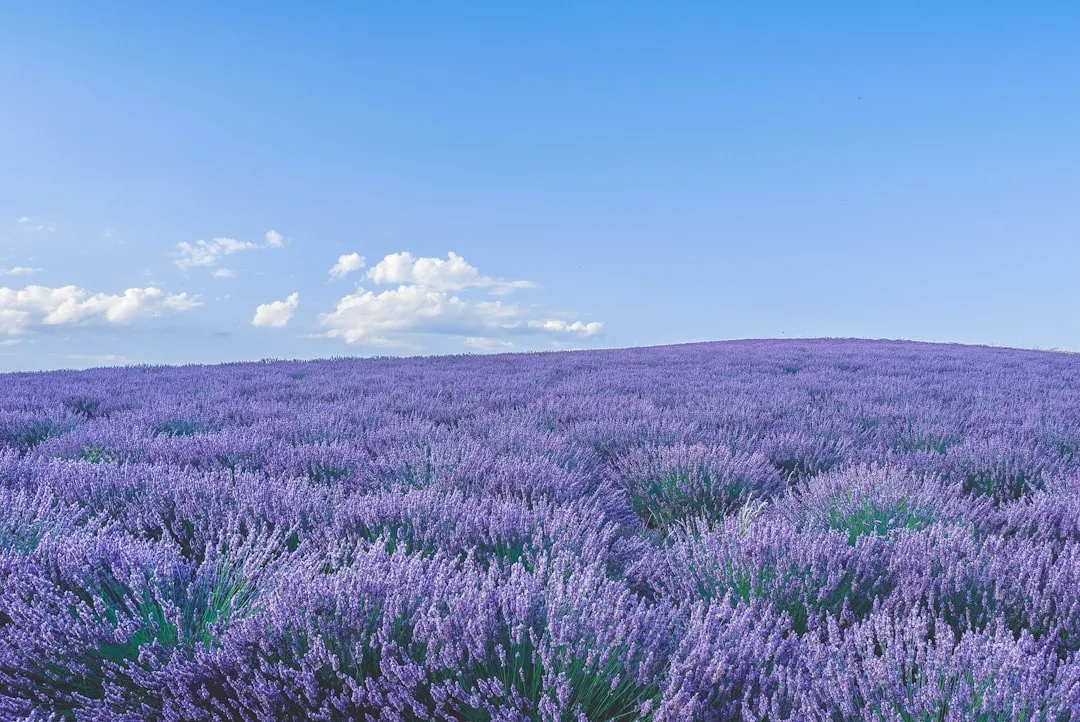
No two regions produce lavender in quite the same way, because lavender’s performance is so deeply tied to local conditions. Sequim, Washington, for example, sits in the Olympic rain shadow, leaving the valley with dry summers, cool nights, and well-drained mineral soil – precisely what lavender needs to thrive. Seattle receives around thirty-eight inches of rain annually, while Sequim receives only sixteen. That difference is what makes lavender farming viable there at commercial scale.
In Mediterranean regions where it’s warm most of the year, lavenders might begin their show as early as spring, while in cooler northern climates, you may have to wait until mid-summer to see those purple flowers. The plant is endlessly adaptable within its preferred conditions, but it won’t be rushed. In Sonoma County, for instance, lavender bloom season runs from mid-May to early August, usually peaking in mid- to late June.
The Harvest Interrupts the View
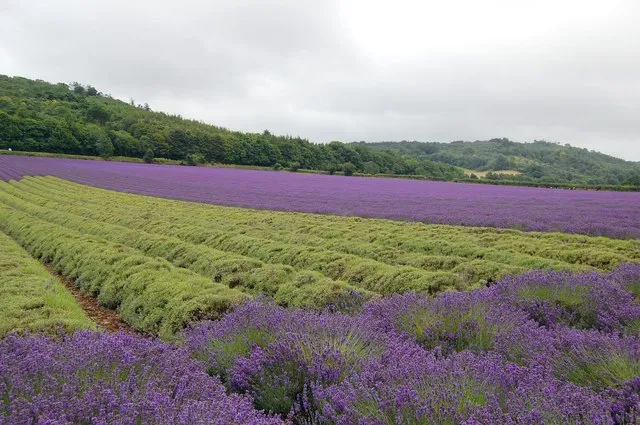
Here’s something visitors don’t always anticipate: the best moment to see the fields is also when the farm is most actively harvesting. Each bloom lasts about three to four weeks, though farms typically begin harvesting after the first week to preserve the highest quality for dried bundles. That means rows can go from full and glowing to cut and stubbled almost overnight.
Harvest isn’t random – it’s calculated. Farms continually harvest throughout the peak bloom time, individually harvesting mature flowers while allowing young shoots to mature, which allows the farm to prolong the bloom time through August and into September before final cutback. The fields aren’t static even at peak. A single farm can look completely different from one end of a row to the other.
The Agritourism Pull of a Purple Field
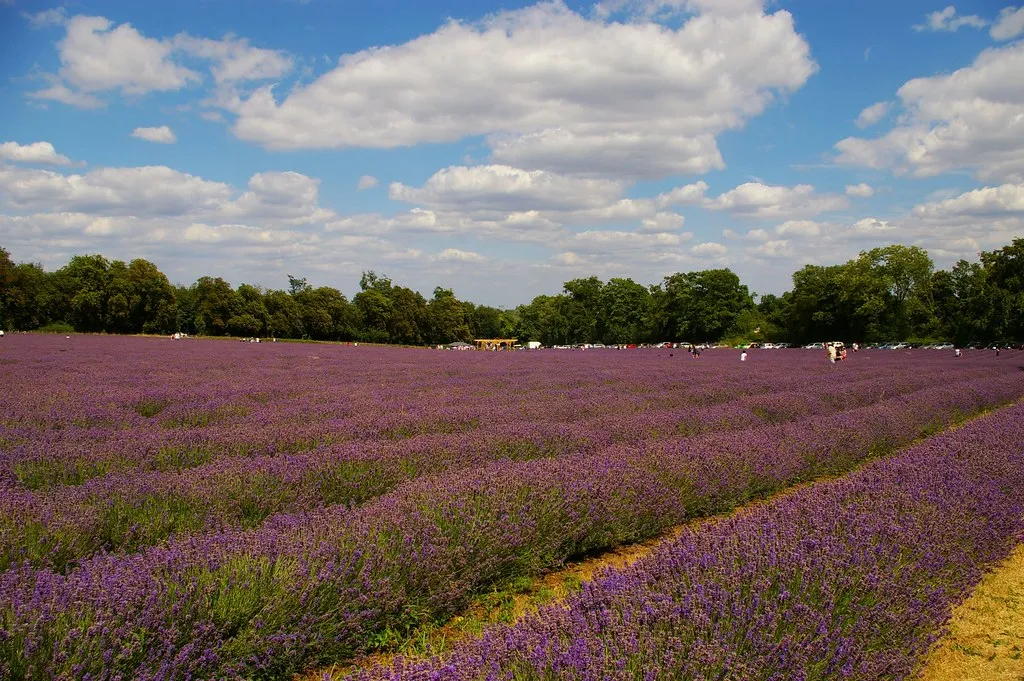
Lavender farms have become a genuinely significant draw for rural tourism, and the numbers reflect it. Agritourism has become increasingly popular across North America, and lavender farms in particular have gained significant attention as agritourism destinations. The appeal is both sensory and photogenic – people come to smell and see something they can’t experience anywhere else.
Lavender farms face a central challenge in agritourism: a limited blooming season that poses real difficulties for maintaining a consistent flow of visitors throughout the year, requiring careful planning and marketing to maximize visitor numbers during peak bloom and find ways to draw people during quieter periods. The three-week window is both the farm’s greatest asset and its most pressing logistical pressure.
What Happens After the Purple Fades
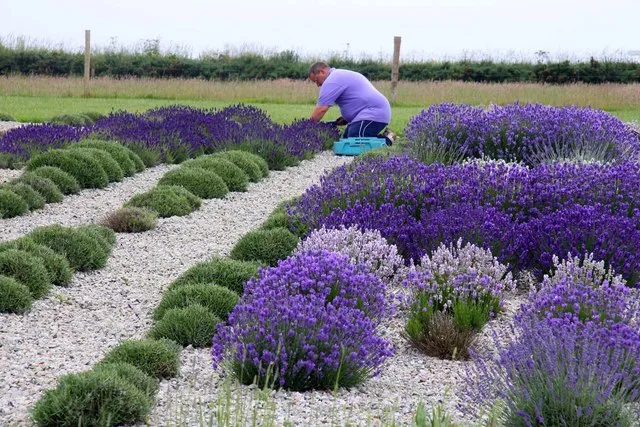
Once harvest wraps up, the fields enter a long, quiet phase. Lavender is a slow-growing perennial that may bloom in its first year but takes three or more years to fully mature, with most varieties requiring roughly three years to become fully mature plants. This slow maturation means that every bloom season represents years of patient tending finally paying off, at least for a few weeks.
Some types of lavender, like “Phenomenal” and “Provence,” can produce a second bloom in late summer or early fall. Regular pruning after the first bloom can sometimes encourage a second set of blooms in certain varieties. This isn’t guaranteed, and it’s rarely as spectacular as the main event – but it offers a quieter, second chance for those who missed the peak.
Planning a Visit Around the Purple
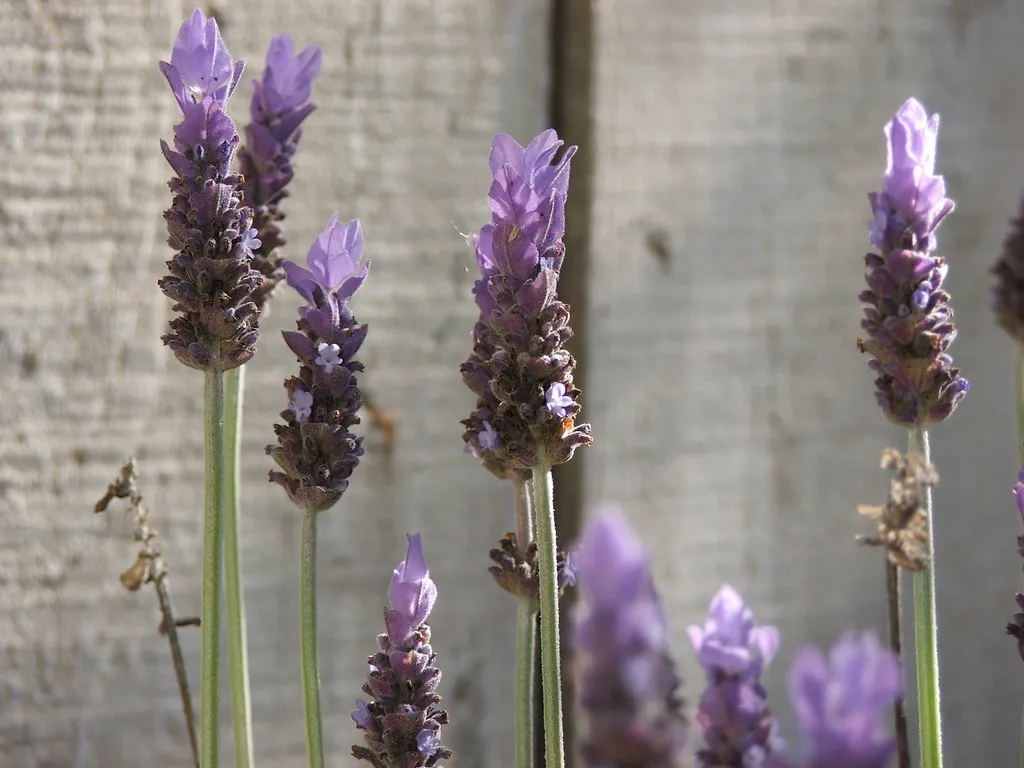
Visiting a lavender farm at the right moment requires flexibility and some homework. Historically, peak bloom at farms in prime lavender-growing regions occurs during the second and third weeks of July, which at Sequim often coincides with the annual Sequim Lavender Festival. Festivals like this one are timed precisely because they represent the statistical center of the bloom window, not a guarantee.
Different varieties peak at different times, and when you visit depends on what kind of trip you want – quiet first flush, festival energy, or the deepest purples of late season. Many farms now publish weekly or even daily bloom updates online during the season, which is the single most reliable way to time your visit. Lavender season isn’t measured in months – it’s measured in weeks. The farms know this, and the best ones communicate it clearly.
The Quiet Truth About Brevity
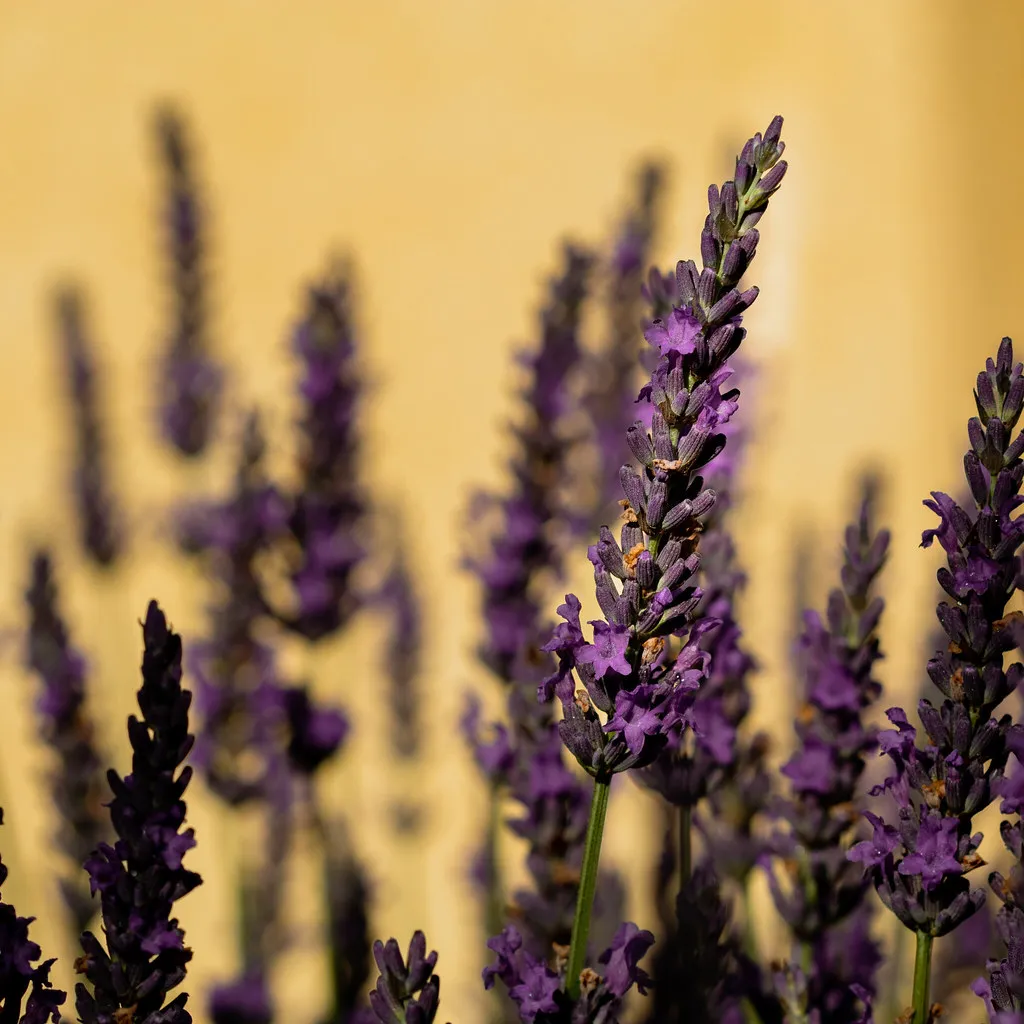
There’s something clarifying about an experience that comes with a natural expiration date. A lavender farm in full bloom doesn’t ask you to hurry – but it does require that you show up. The purple arrives on its own terms, peaks without fanfare, and recedes back into green and grey before most people have fully decided whether to make the trip.
That compressed window is actually what gives a lavender farm its emotional weight. Once the lavender plant reaches maturity, it will continue to produce blooms annually, though the lifespan of a lavender flower is relatively short, lasting only a few weeks. Year after year, the same fields go through the same brief transformation. What changes is whether you were there to see it.
AI Disclaimer: This article was created with the assistance of AI tools and reviewed by a human editor.