


Some of the best road trip memories don’t involve any screens, apps, or elaborate gear. They come from a simple, shared activity that costs absolutely nothing – scanning the highway for out-of-state plates and shouting your find before anyone else does. The license plate game is one of those rare traditions that crossed cleanly from the mid-20th century into the digital present without losing a step.
It requires no charging cables, no batteries, and no instructions longer than a single sentence. For families who’ve been playing it for three or four generations, it feels less like a game and more like a ritual. Here’s a closer look at why it still holds up, and why it always did.
The Simple Genius of the Rules
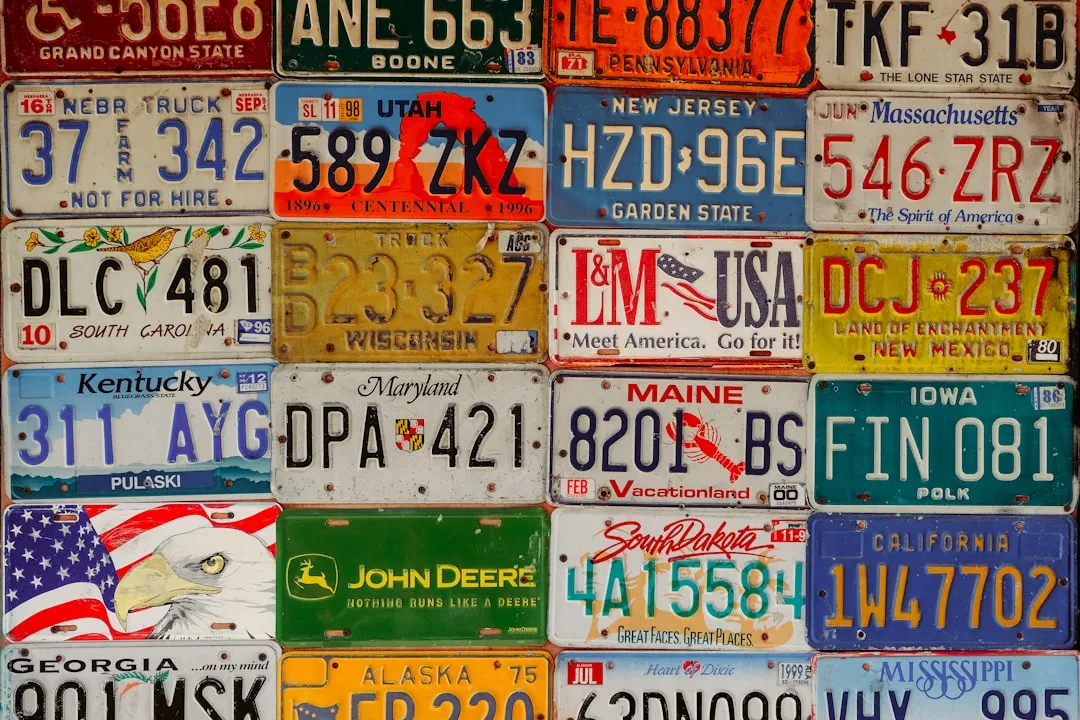
Players peer out the window at passing cars and their license plates, trying to spot plates from each of the 50 states – either in alphabetical order or simply seeing who can count the most from different states. That’s essentially the whole rulebook. The elegance is in its flexibility: you can play cooperatively as a family, or competitively, or somewhere in between. No referee needed, no timer, no penalty cards.
The game encourages kids to pay attention to their surroundings, practice their observation skills, and learn about different states and their capitals. For parents, that’s a quiet win disguised as entertainment. Geography lessons have a way of landing better when there’s a competitive edge attached.
A Game Born for the Open Road

Road trips have long been a defining part of American travel culture, with an estimated 1.95 billion road trips taken in 2024. That staggering number means there are tens of millions of families on highways at any given moment during peak travel season – and that kind of traffic is exactly what makes the license plate game tick. More cars from more places means a richer, more challenging hunt.
Road trips were the most popular form of travel in 2024, at 40% of all trips taken. The game didn’t create this culture, but it certainly grew up inside it. It belongs to the road the way a rest stop belongs to the interstate.
Why Parking Lots Are Secretly Your Best Hunting Ground
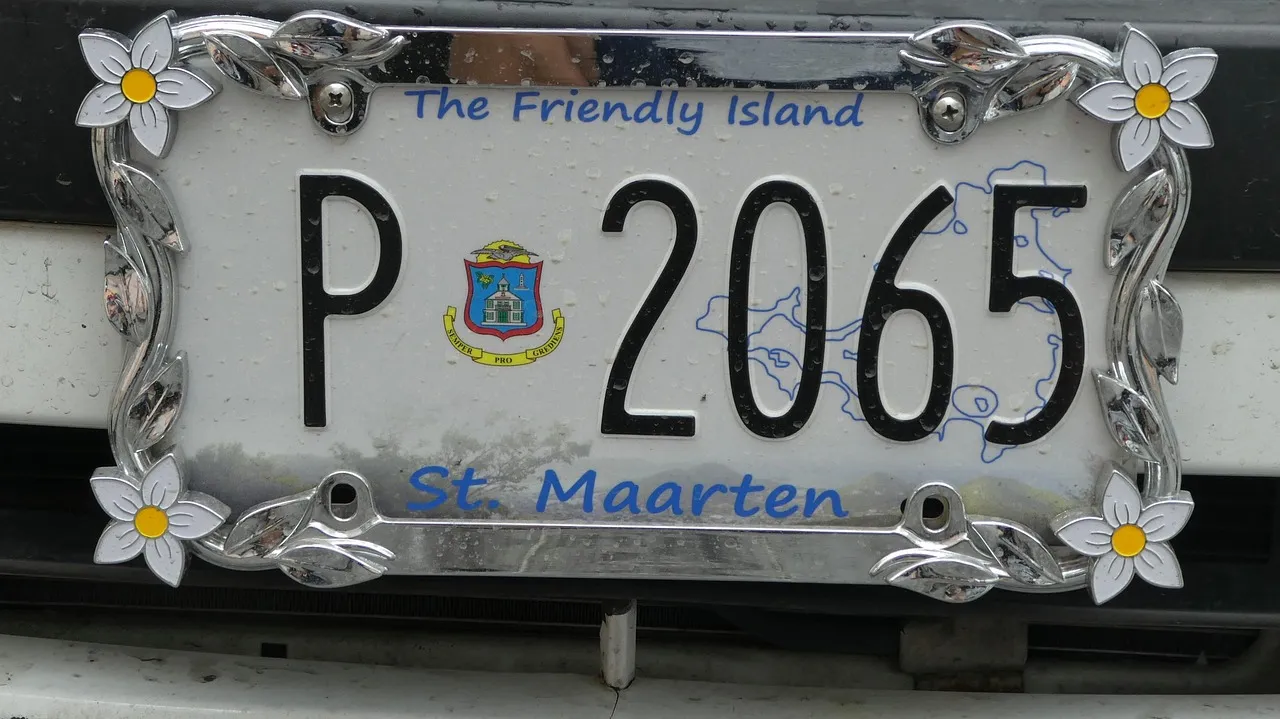
Parking lots at any of your stops – hotels, lunch spots, tourist destinations – are great places to find plates, since kids can see and read them far more easily than when cars are zooming by. This is a genuine strategic advantage that experienced players already know. National parks and major attractions tend to draw visitors from all over the country, making them license plate goldmines.
On one family’s road trip to Texas, they spotted 35 different state license plates. Busy travel corridors and popular destinations make a real difference in how far you can push your total. Planning a stop at a national monument or a major theme park? Arrive with your checklist ready.
The Unexpected Geography Lesson Inside the Game
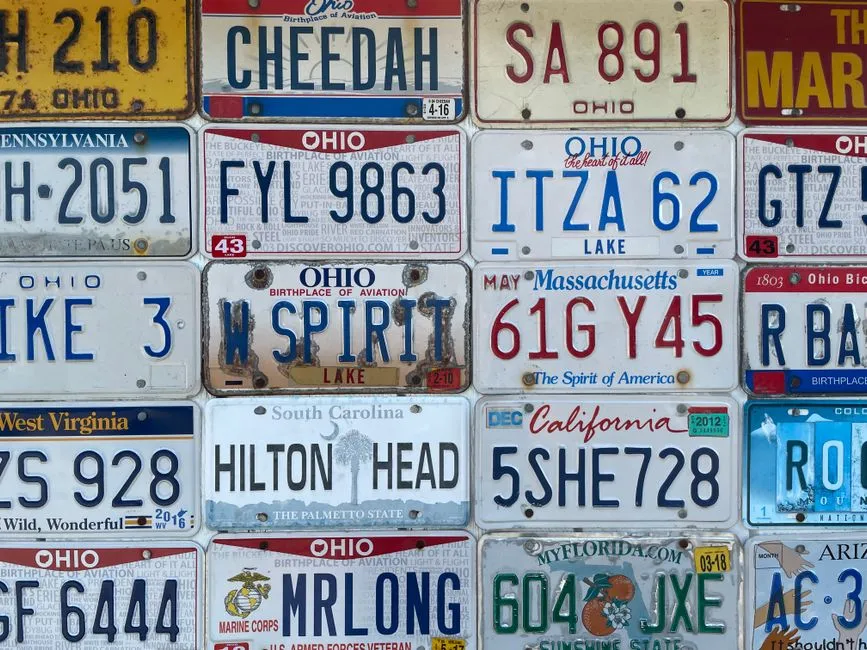
The license plate game not only passes the time in the car but helps kids learn the names of the states, their capitals, and U.S. geography. That kind of incidental learning tends to stick in ways that classroom drills often don’t. When a child has personally spotted a Hawaii plate on an Arizona freeway, that state gets filed under “real” rather than “textbook.”
Kids who play regularly with focused attention can come away knowing where every state in the country is located – a genuinely impressive outcome from a game that requires zero effort to set up. Calling out state license plates sparks conversations and “did you know” questions from all members of the family as they share interesting things they may have read, seen, or heard about each state.
The Multi-Generational Thread That Runs Through It
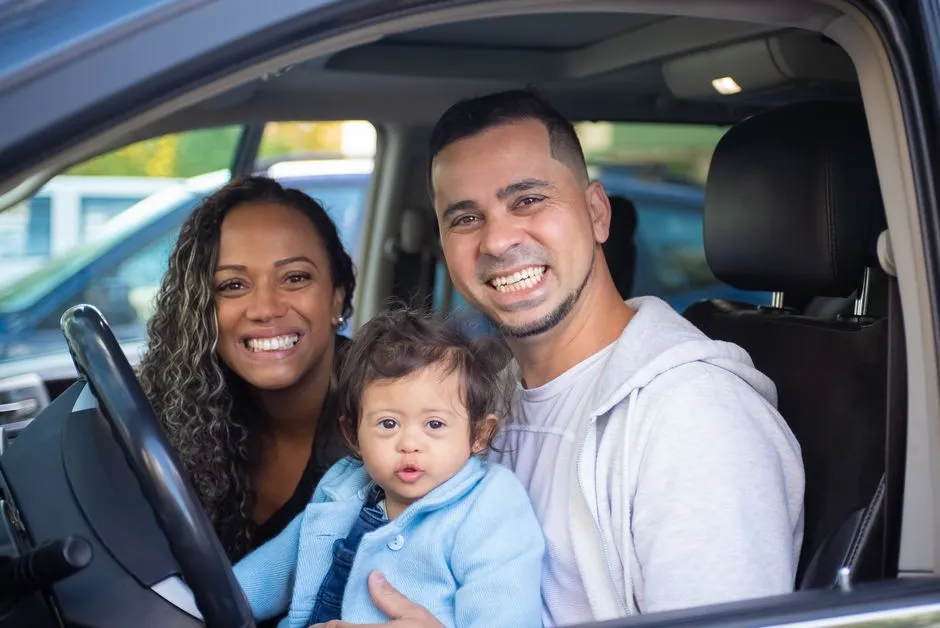
Families who traveled cross country each summer played a lot of games to pass the time, and the license plate game became a favorite that then got passed directly to the next generation. That’s exactly how this game has survived for so long – not through marketing, but through direct transmission from parent to child in a moving vehicle. It’s oral tradition on four wheels.
Family travel trends indicate a significant rise in multi-generational trips, reflecting a growing desire for shared experiences among family members. In that context, games that work across age groups – where a seven-year-old and a grandparent can genuinely compete – carry real social value. The license plate game is one of the very few activities that fits everyone in the car.
Families Are Still Choosing the Road
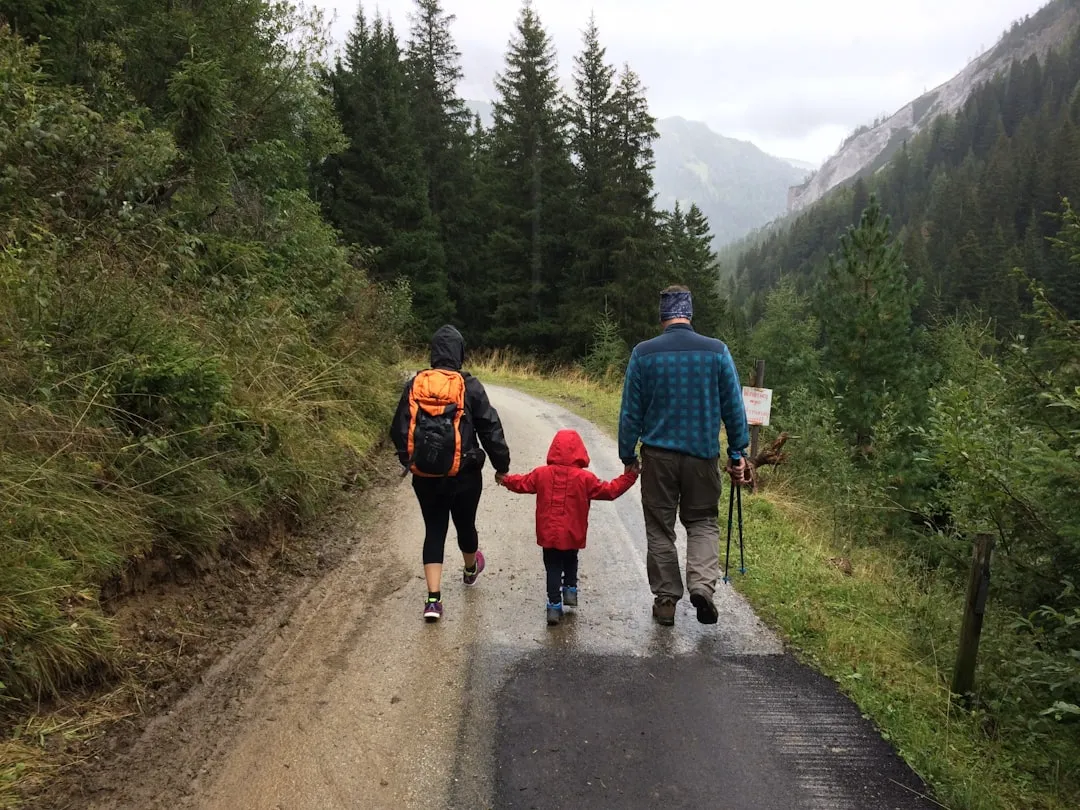
Families and groups are the most common road trip participants, comprising roughly three quarters of all travelers. That means the audience for this game remains enormous and is, if anything, growing. In November 2024, a record 80 million Americans traveled for Thanksgiving, with the vast majority driving – the highest road travel volume ever recorded.
About half of Americans have taken a road trip or camped in the last year, which speaks to the enduring pull of car-based travel across income levels and demographics. You don’t need a fancy itinerary for the license plate game to work. You just need a highway and something to write with.
The Printed Checklist: A Low-Tech Tool That Still Works

A simple printed sheet showing all 51 jurisdictions – the 50 United States and the District of Columbia – lets players check off which states they find and track how many different plates they spot on their journey. Printable versions have become widely available online, and families often laminate them for repeated use across multiple trips. The low-tech format is part of the appeal. There’s something satisfying about physically checking a box.
For older kids, writing down the letters and numbers from each plate is also good penmanship practice – and some of the vanity plates are genuinely amusing along the way. A clipboard in the back seat suddenly becomes the most contested item in the car. That’s the game working exactly as intended.
The Digital Upgrade: Apps That Brought the Game Into 2025

Modern app versions of the game let players track their progress, collect plates from the United States, Mexico, and Canada, use interactive maps, earn points, and discover rare plates – all while the classic competitive spirit of the original stays intact. The core mechanic hasn’t changed. You still have to look out the window.
With multiplayer features, players can now track points and compete on leaderboards, and premium options allow families to create real-time games, share an invite link, and compete on their own devices. For families with older kids who might otherwise drift toward passive screen time, the app version threads a useful needle – it’s still interactive, still communal, and still rooted in the actual landscape outside the car.
What Makes It Last: The Psychology Behind the Hunt

There’s a reason scavenger hunts hold children’s attention so effectively – the brain responds strongly to variable rewards. You don’t know when the next new plate will appear, and that unpredictability keeps the scan active. The license plate game is, at its core, a real-world scavenger hunt with no artificial ceiling.
The game can be played by people of all ages and is a great way to create memories with your family, which is perhaps the most understated thing you can say about it. The memories aren’t manufactured by the game itself – they come from the conversation, the sibling rivalry, the collective groan when someone spots Alaska from the back seat and nobody else saw it in time.
Rare Plates: The Holy Grail of Every Road Trip

Ask anyone who has played seriously, and they’ll tell you the same thing: Hawaii and Alaska are the ones everyone wants. Both states obviously have far fewer vehicles on the continental road network, making a plate from either one a genuine event. Some app versions of the game even record rare license plates found, including government, diplomat, and Native American tribal plates, adding layers of depth for players who want to go beyond the standard 50-state checklist.
Bonus points for finding license plates from different countries adds another dimension entirely, especially on routes near the Canadian or Mexican borders. Border towns and international crossings can yield a handful of foreign plates that feel like a small trophy each time they appear.
The Takeaway

What the license plate game really offers isn’t distraction. It’s direction – a reason to look outward, to notice the world moving past the window, and to feel genuinely invested in a stretch of highway that might otherwise blur into nothing. No matter how you play or what modifications you make for your family, everyone tends to learn a little something, as spotting state plates sparks conversations and curiosity from all ages.
In an era of unprecedented road trip volume and renewed enthusiasm for family travel, this old game holds its ground without apology. It’s free, it scales to any age, it teaches without announcing itself, and it turns a six-hour drive into something worth remembering. That’s a rare combination, and it probably explains why it’s still being passed down.
AI Disclaimer: This article was created with the assistance of AI tools and reviewed by a human editor.