

There’s a small town tucked into the western edge of the Flathead Indian Reservation in Sanders County, Montana, that’s been quietly drawing people in for well over a century. It doesn’t make the cover of glossy travel magazines, and you won’t find it competing for Instagram attention with Glacier National Park or the resort towns orbiting Yellowstone. What it does have, though, is something increasingly rare: mineral hot springs you can slip into without paying a gatekeeper, a genuine community character, and a surrounding landscape that feels genuinely unhurried.
The town’s motto is “Limp In, Leap Out” – a nod to the perceived therapeutic value of its waters. That kind of self-aware small-town humor tells you a lot about the place before you even arrive.
A Town Named for What It Has
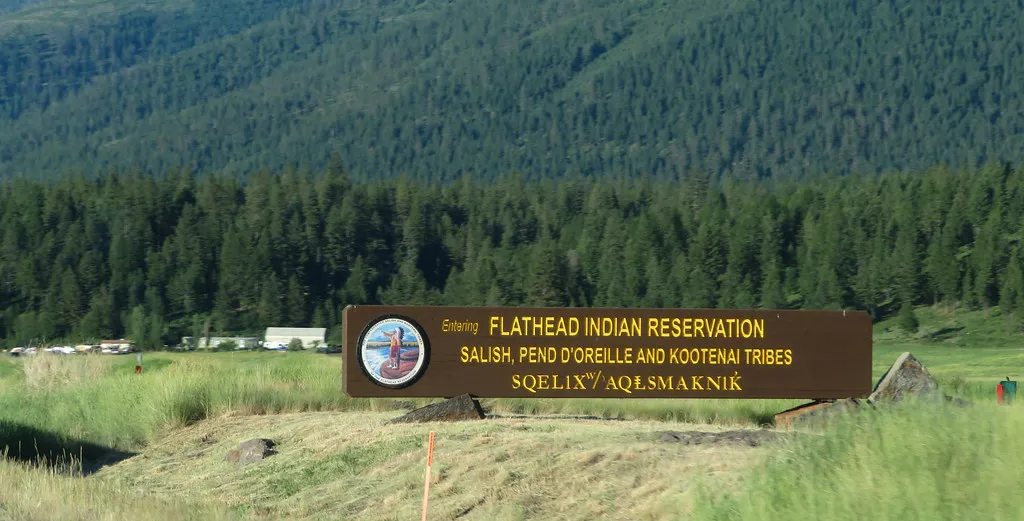
Hot Springs is a town on the Flathead Indian Reservation in Sanders County, Montana. Its population was 557 at the 2020 census, and it was founded as the settlements of Pineville and Camas in the 1890s, with the town incorporated in 1929.
Previously it was known as both Camas and Camas Hot Springs, named for the camas plant that grows abundantly in the region as part of the camas prairie habitat. The name change to Hot Springs was straightforward: the springs were, and remain, the whole point.
Years ago, the Pend d’Oreille Indians called the hot springs “big medicine” and relied on the healing powers of the springs. Today, Hot Springs draws visitors from around the world to its quaint community and healing waters. The phrase “big medicine” has never really lost its accuracy.
The Indigenous Roots of the Springs
The Flathead Indian Reservation is home to an estimated sixty-five percent of the total Confederated Salish and Kootenai population, with the reservation located in northwestern Montana, between Missoula and Kalispell, spanning 1.3 million acres across four counties.
To the west, the reservation encompasses the communities of Dixon, Hot Springs, Elmo, and the Mission Mountains Wilderness Area – the first wilderness area in the nation to be designated by a tribe. Hot Springs sits within a landscape shaped by millennia of Indigenous stewardship, and that history is not incidental to the experience of visiting.
With the Camas aquifer sending 110-degree mineral-rich water through the ground, hot springs resorts had been popping up within blocks of one another in the Little Bitterroot River Valley after white settlers began inhabiting the land in 1910. The water itself comes from a deep, ancient source that predates every structure built above it.
The Springs That Made the Town Famous
There are four places in town to soak in the famous hot mineral waters, each with its own character and amenities, and all outdoor soaking pools are open year-round.
In the northwestern part of the state, several hot springs can be found in or near the town of Hot Springs, MT, among them the historic Symes Hot Springs, Camas Big Medicine Hot Springs, Alameda Hot Springs, Wild Horse Hot Springs, and Quinn’s Hot Springs Resort. That’s a remarkable concentration of geothermal options for a town of fewer than 600 people.
Visitors can enjoy a rustic daytime soak at Rose’s Plunge or Big Medicine Hot Springs, with outdoor pools open from 9 a.m. to sundown for a minimal daily fee. Rose’s is located at the Camas Recreation Center and Big Medicine is located on North Road about a half mile east of Spring Street. These community-accessible pools are the kind of low-key amenity that quietly defines this town’s character.
The Historic Symes Hotel
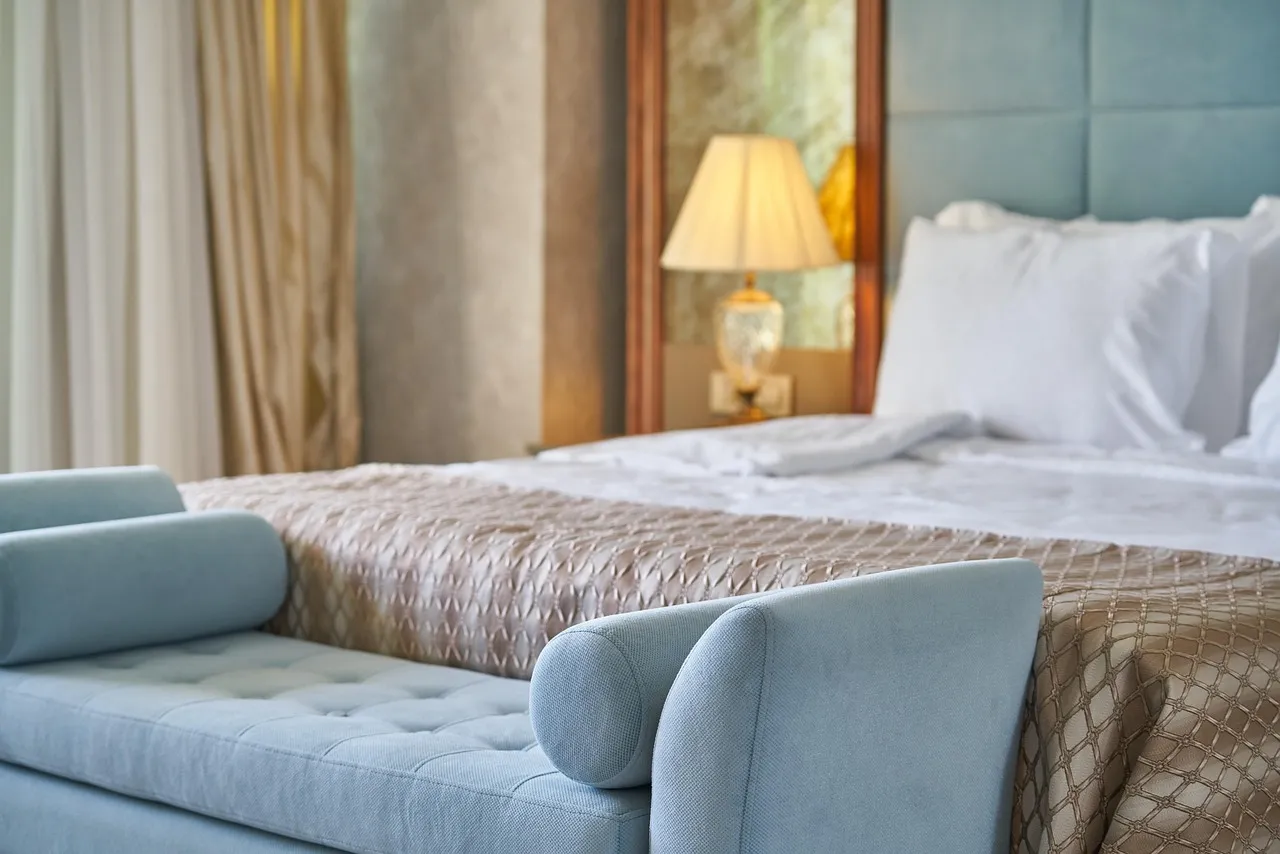
About an hour and a half north of Missoula in the town of Hot Springs is the historic Symes Hot Springs Hotel, known for its healing waters, retro vibes, and hometown hospitality.
The Depression-era Symes Hot Springs Hotel, which businessman Fred Symes built in 1929 and today offers hotel rooms, a restaurant, and a wedding venue, was originally advertised as a medical springs. Nearly a century later, the bones of that original vision are still standing.
The Symes Hotel hot springs flow into three pools with temperatures around 107, 101, and 95 degrees. The Symes Bathhouse Grill and Cantina serves three meals daily along with an espresso bar, and an onsite spa offers massage services. There is live music Friday and Saturday nights courtesy of the Hot Springs Artists Society, with occasional special concerts on Sundays.
Alameda’s: A 1930s Spa Motel That Still Works
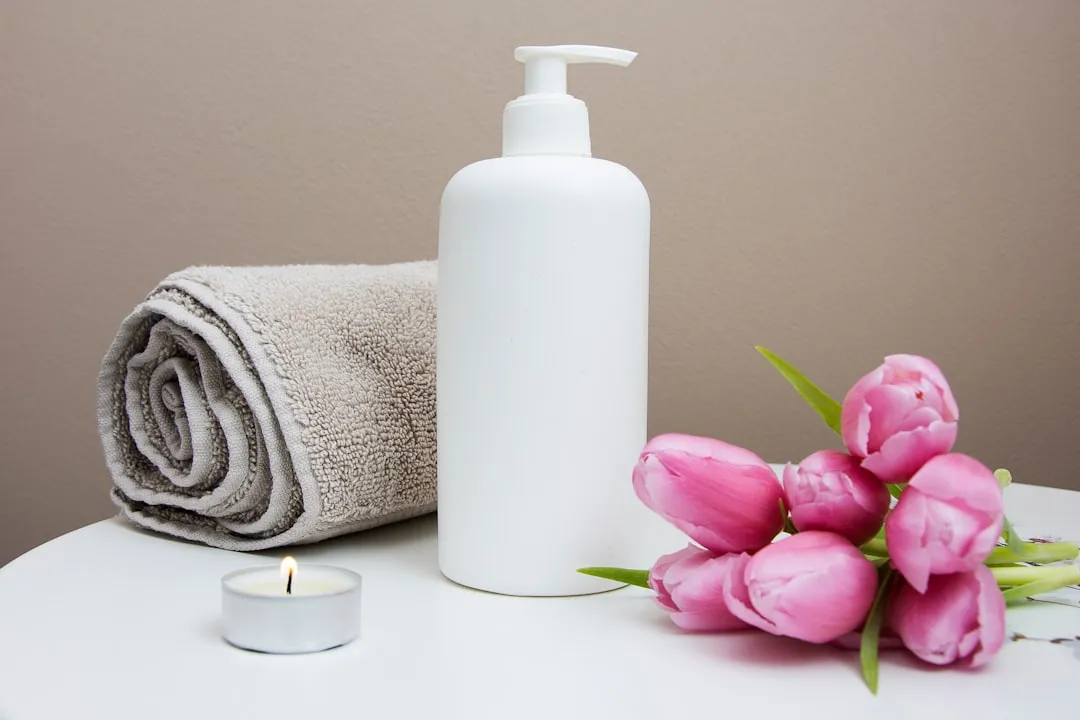
After launching in the 1930s, the spa motel that pipes mineral-rich geothermal water into private pools has endured both the booms and the busts in Hot Springs, a tiny community on the Flathead Indian Reservation where the population never exceeded more than 800 people.
Hotel accommodations include the NHRP-listed Symes Hotel, and Alameda’s, a “vintage 1930s spa motel,” that offers private baths in lithium-rich mineral waters sourced from wells on the Alameda’s property. The lithium content is worth noting – mineral-rich water varies significantly by source, and Alameda’s draw is notably distinct.
Alameda’s offers a 1930s spa motel that features suites with hot mineral baths, living rooms, bedrooms and kitchens, along with a communal southern-facing sun porch. For travelers who want something quieter and more self-contained than a resort, this setup is genuinely practical.
A Wellness Culture That Has Lasted Over a Century

After the first well was drilled in 1911, stronger flows were discovered in 1913, and by 1915, forty wells had been drilled, according to a USGS report. Hotels began sprouting across the region in Sanders County, with businesses advertising daily, weekly, and monthly rates.
Today, with the growing focus in healthcare on natural remedies and prevention, an explosion of evidence-based wellness linking bathing to benefits from improved circulation to pain relief and stress reduction has helped lead to a resurgence of thermal mineral pools and spa resorts. The global thermal springs tourism market hit $57 billion in 2024 and is projected to more than double to reach $130 billion by 2030.
Hot Springs, Montana was ahead of this curve by roughly a hundred years. These trends are especially observed among younger generations, who look to connect with each other, understand Indigenous history, and pursue new and inexpensive ways to heal. The town’s combination of accessibility and authenticity is a natural fit for that shift.
The Music, the Culture, and the Artists Society
Another big attraction is the “Hot Springs Artists Society,” which does many things but is most noted for bringing musical groups to a local hotel at least twice per week, on Fridays and Saturdays. The music genres are generally blues, folk, country, or some combination of all three from local and visiting artists.
Occasionally there are special concerts that may include a Sunday performance, and in summer, the stage moves outdoors. The pass-the-hat venue format, where audiences contribute what they can after performances, keeps the experience accessible to everyone.
The town of Hot Springs offers live music on most weekends in local restaurants and bars, and hosts an annual Blues Festival at the Symes Hotel in July, along with a Homesteaders Street Party in June. These are community events, not branded tourism productions – and that distinction matters.
Wildlife and Wild Country on the Reservation
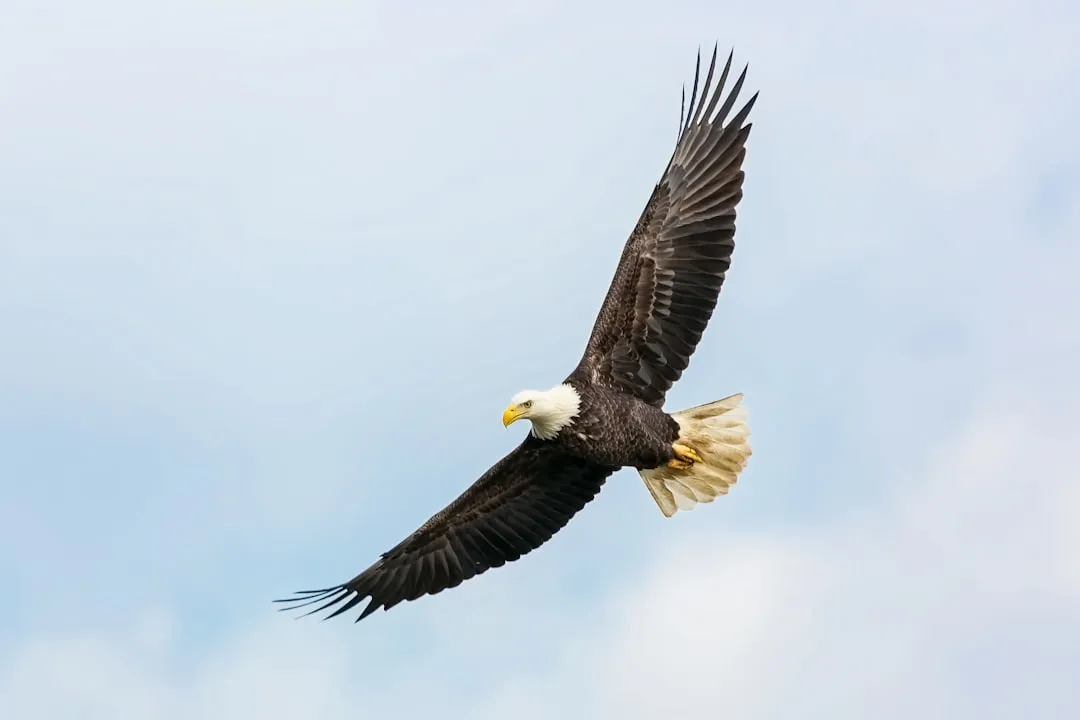
Less than 20 minutes from the National Bison Range, visitors find Ninepipe National Wildlife Refuge, established in 1921 as a protected area and breeding ground for birds indigenous to the area. On more than 4,000 acres, this stunning land is home to a wide range of birds, plants, and wildlife.
Visitors frequently spot Canada geese, great blue heron rookeries, bald eagles and osprey nests, Forster’s and Caspian tern colonies, and much more. Under a cooperative agreement with the Confederated Salish and Kootenai Tribes, the general recreation fee is waived for non-consumptive use of Ninepipe National Wildlife Refuge by non-members of the Tribes.
The Bison Range is a historical wildlife conservation area home to roughly 350 bison, and the Bison Range is a self-directed driving tour with two scenic drives. The primary drive is Red Sleep Drive, a two-hour, 19-mile loop that goes up and over Red Sleep Mountain, and the Bison Range is about 40 miles from Hot Springs.
Getting There and Getting Around

The Hot Springs Airport is a county-owned public-use airport located two nautical miles east of the central business district of Hot Springs. The nearest commercial airports are Glacier Park International Airport, 73 miles north, or Missoula Montana Airport, 71 miles south.
Sanders County Transportation operates shuttle vans and buses to and from several cities and towns in Sanders, Flathead, and Missoula Counties. For those who’d rather not rent a car, there are options – though having your own vehicle opens up the wider reservation landscape considerably.
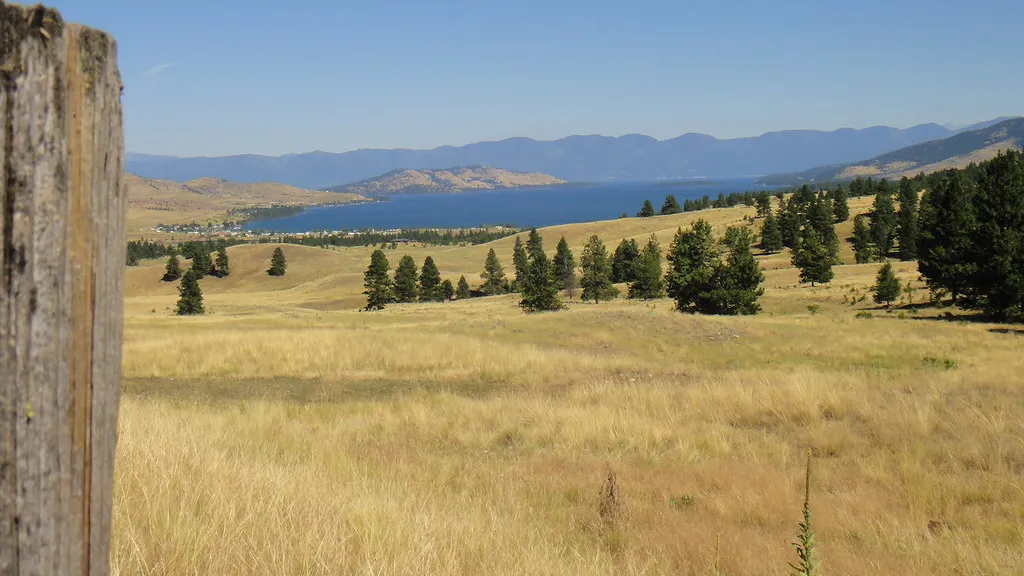
Flathead Lake, one of the most remarkable bodies of water in the American West, is also within reach. Flathead Lake is the largest freshwater lake west of the Mississippi River, known for its clean and clear water, and sits about 47 miles from Hot Springs, offering swimming, boating, beautiful views, and other tourism opportunities.
Visiting Responsibly on Tribal Land
Tribal land is private land, but the Confederated Salish and Kootenai Tribes have open areas for the general public to recreate. Visitors should inform themselves about which areas are closed to the general public and respect the open areas by following the rules outlined on recreation permits. Outdoor recreation without a permit is not allowed in restricted areas.
The Confederated Salish and Kootenai Tribes’ environment and natural resource departments, along with their visitor education programs, work to inform the public of the tribes’ history and cultures, about the land they are stewards of, and ways tribal members and non-members alike can respect the space while enjoying Montana’s beauty responsibly and peacefully.
Visiting Hot Springs is not simply a matter of showing up and soaking. Today, the Confederated Salish and Kootenai Tribes continue the fight to preserve the land they’ve always called home, and their government is recognized nationally as leaders of an innovative, self-governed community. Engaging with that context, not just the geothermal amenities, is what makes a visit genuinely worthwhile.
Why Fewer Crowds Actually Change the Experience
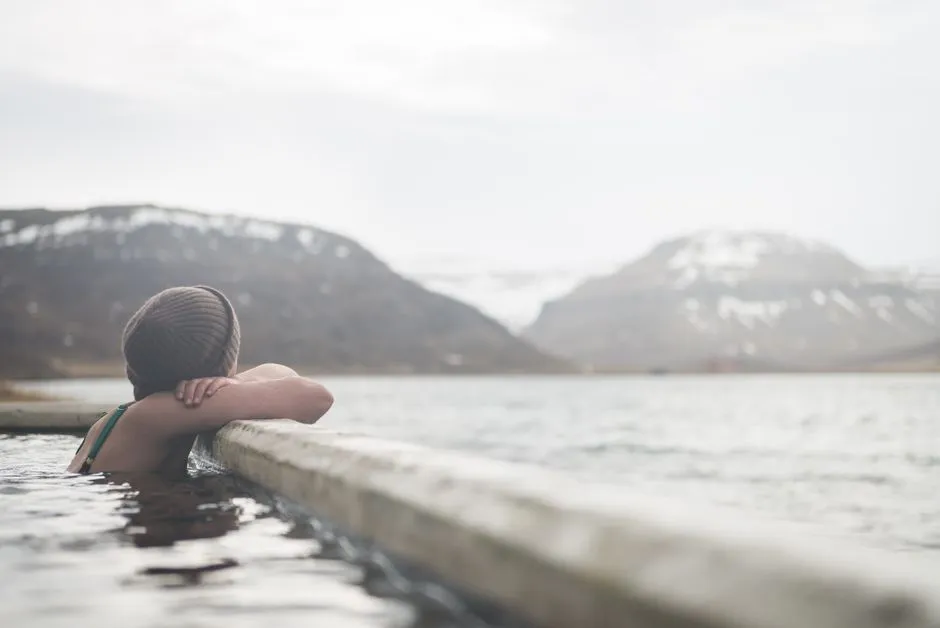
One of the quieter appeals of Hot Springs, Montana is simply the absence of the machinery that tends to follow high-profile destinations. There are no ticket queues, no timed entry windows, no parking apps. Thousands of people seeking rest and relaxation travel to Hot Springs to bathe in the fine mineral waters located on four different sites around town – but those thousands are spread across a year, not compressed into a single summer weekend.
A public auction was established for bidders to purchase lots to develop the town, and white settlers predicted Camas Hot Springs would be “one of the best health resorts in the West” – with officials claiming that hundreds of people visited the hot springs every year and that many invalids had been permanently cured in a very short time. The old boosterism faded. The springs didn’t.
What remains is something travelers rarely get to encounter anymore: a place that functions on its own terms. The water is still 110 degrees in the ground. The music still moves outside in summer. The town still fits on less than half a square mile. That’s not a limitation – that’s the whole point.
AI Disclaimer: This article was created with the assistance of AI tools and reviewed by a human editor.