
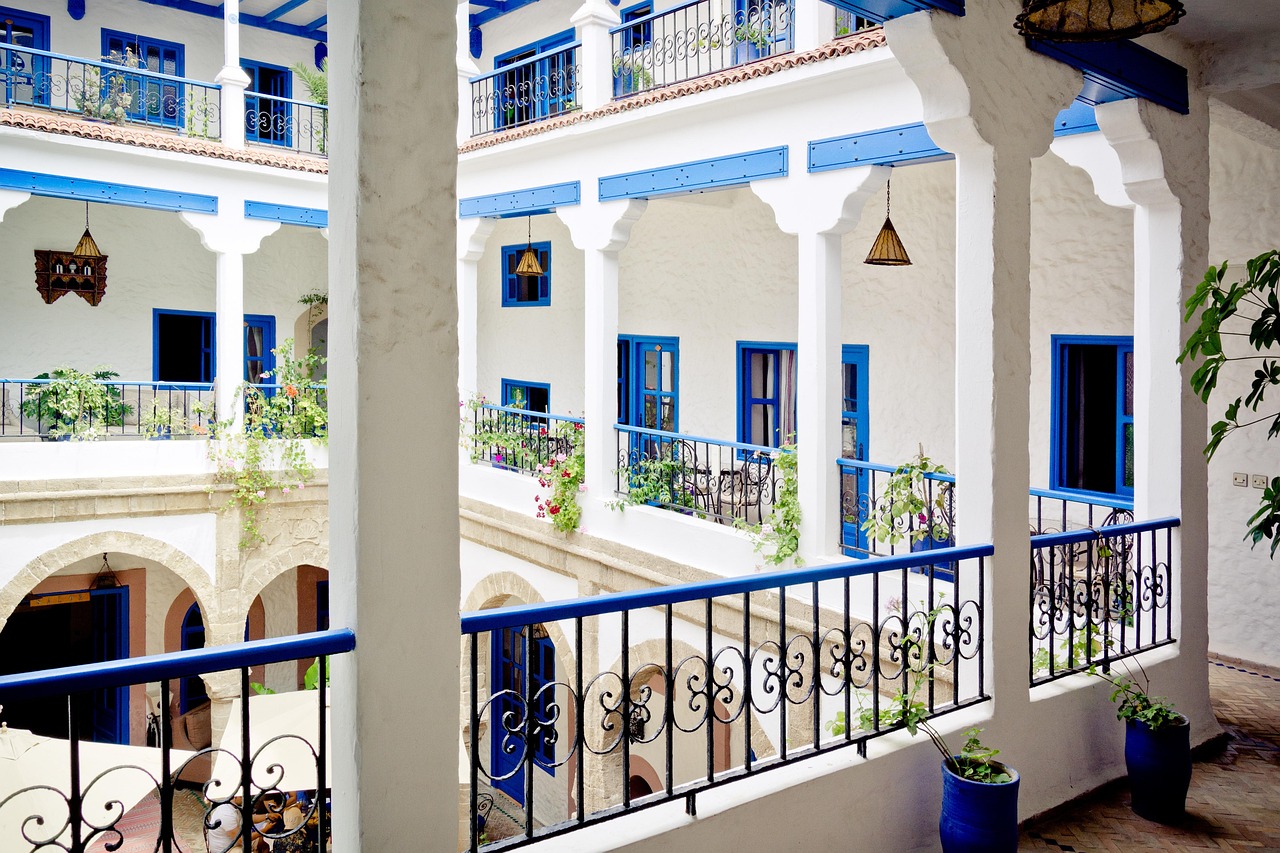
Morocco gets a lot of attention for its imperial cities. Marrakech, Fez, and Casablanca draw the headlines, and rightly so. Yet tucked along the Atlantic just south of Tangier sits a small fortified town that many visitors simply roll past on the train, never quite stopping long enough to understand what they’ve missed. That town is Asilah, and it rewards patience in a way that few places on this stretch of coastline can match.
Asilah sits on the Atlantic coast just 31 kilometres south of Tangier, a small fortified town where 15th-century Portuguese ramparts frame a medina covered in ever-changing street murals. With around 36,000 residents, it runs at a pace that feels closer to a Mediterranean fishing village than a typical Moroccan city. It’s the kind of place where an afternoon walk turns into an evening without you quite noticing.
A Town Shaped by Many Hands
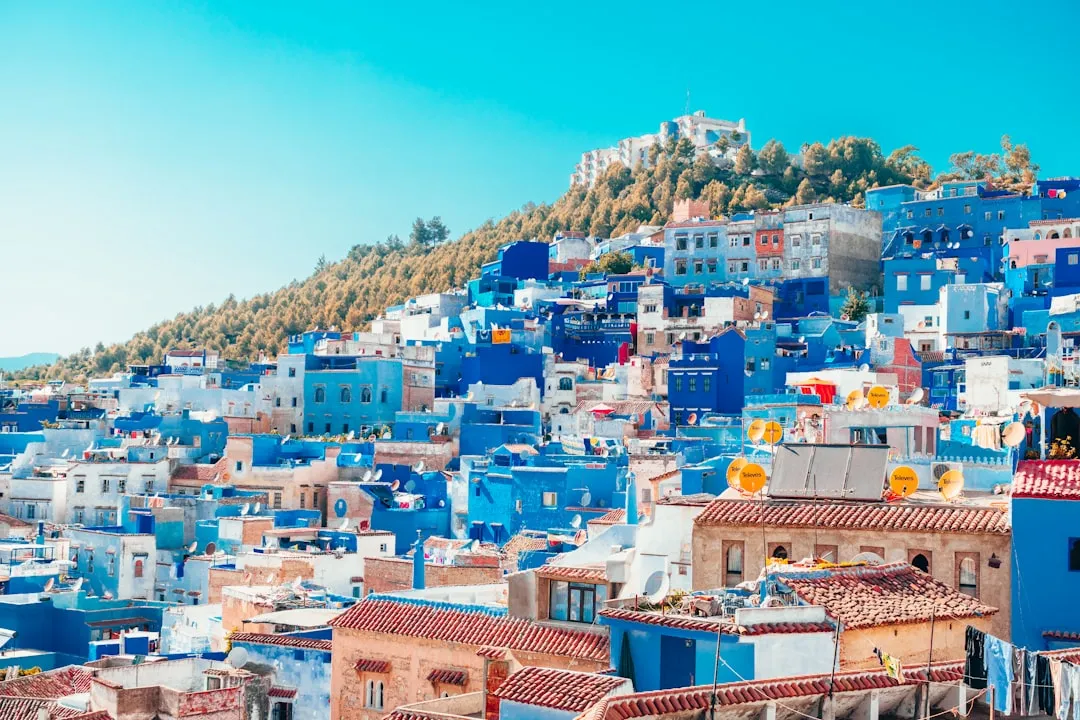
Asilah’s story begins around 1500 BC, when Phoenician traders established a coastal settlement known as Zilis along this stretch of the Atlantic. Their heirs were later taken over by the Carthaginians and, above all, by the Romans in the time of Emperor Augustus, within a network of coastal and commercial towns in the province of Mauritania Tingitana, which also included Lixus, Tingis, and Sala.
A key moment in its history was in 1471, when the Portuguese sent a large naval fleet to occupy Asilah, building the current walled enclosure that still stands on the seashore today. The town has since served as a strategic port for Phoenicians, Romans, Portuguese, and Spanish over the course of roughly 3,500 years. That layering of cultures is visible in almost every corner.
The Medina That Locals Are Proud Of
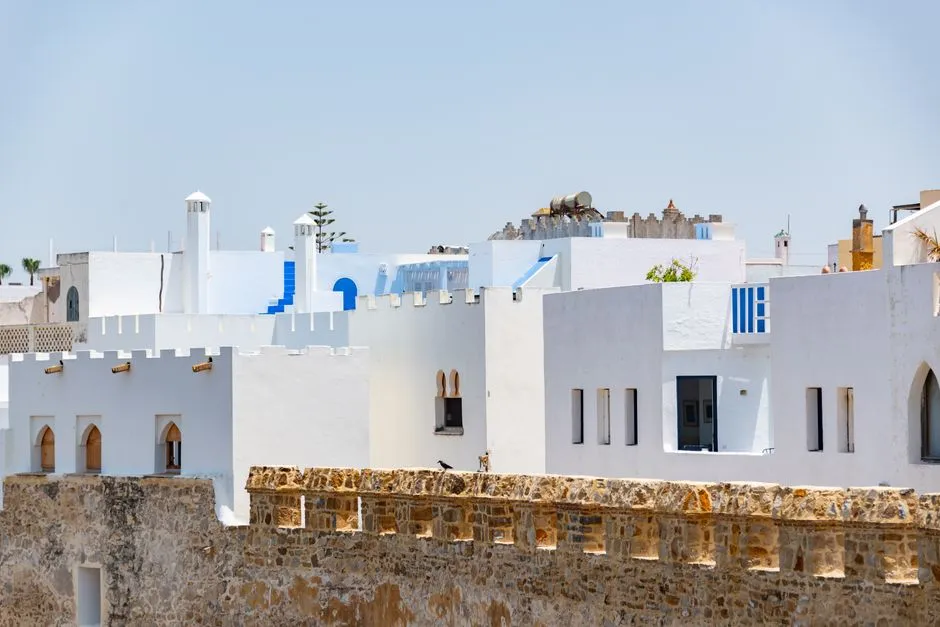
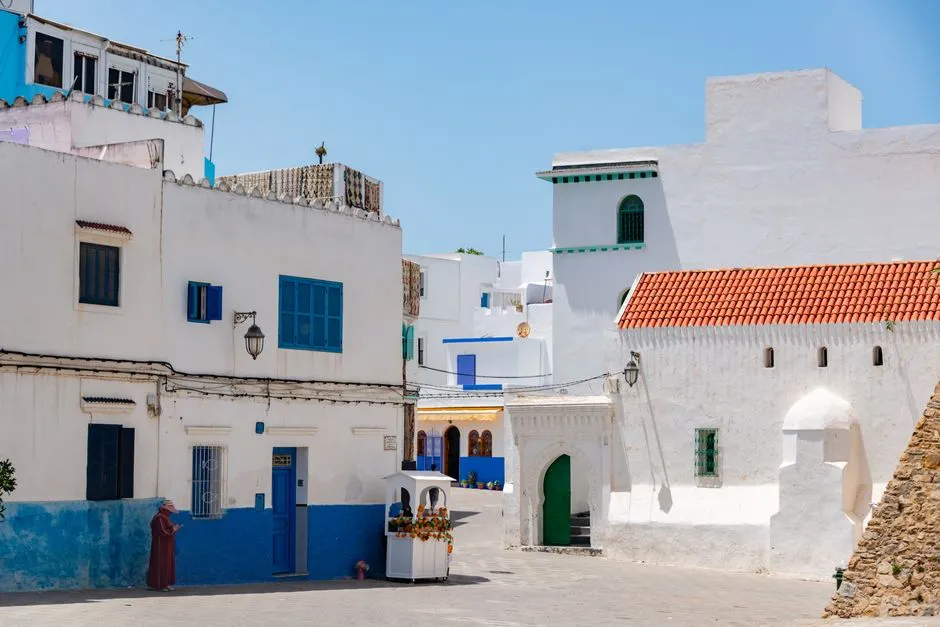
They say that Asilah has the cleanest and most well-cared for medina in Morocco, and it’s true that the inhabitants of this ancient town take great care over every street and neo-Arabic building as if they were a prized treasure. Almost all the houses are white, but many add a dash of colour with borders, doors, and windows in indigo or green.
The narrow lanes of the medina are flanked by whitewashed houses with accents of vivid blue, intricately carved doors, and charming wrought iron windows. Notable spots include the beautifully square-minareted Al-Hamra Mosque and Place Hassan II with its charming fountain. The medina feels genuinely lived-in rather than packaged for visitors.
Ramparts That Have Stood for Five Centuries
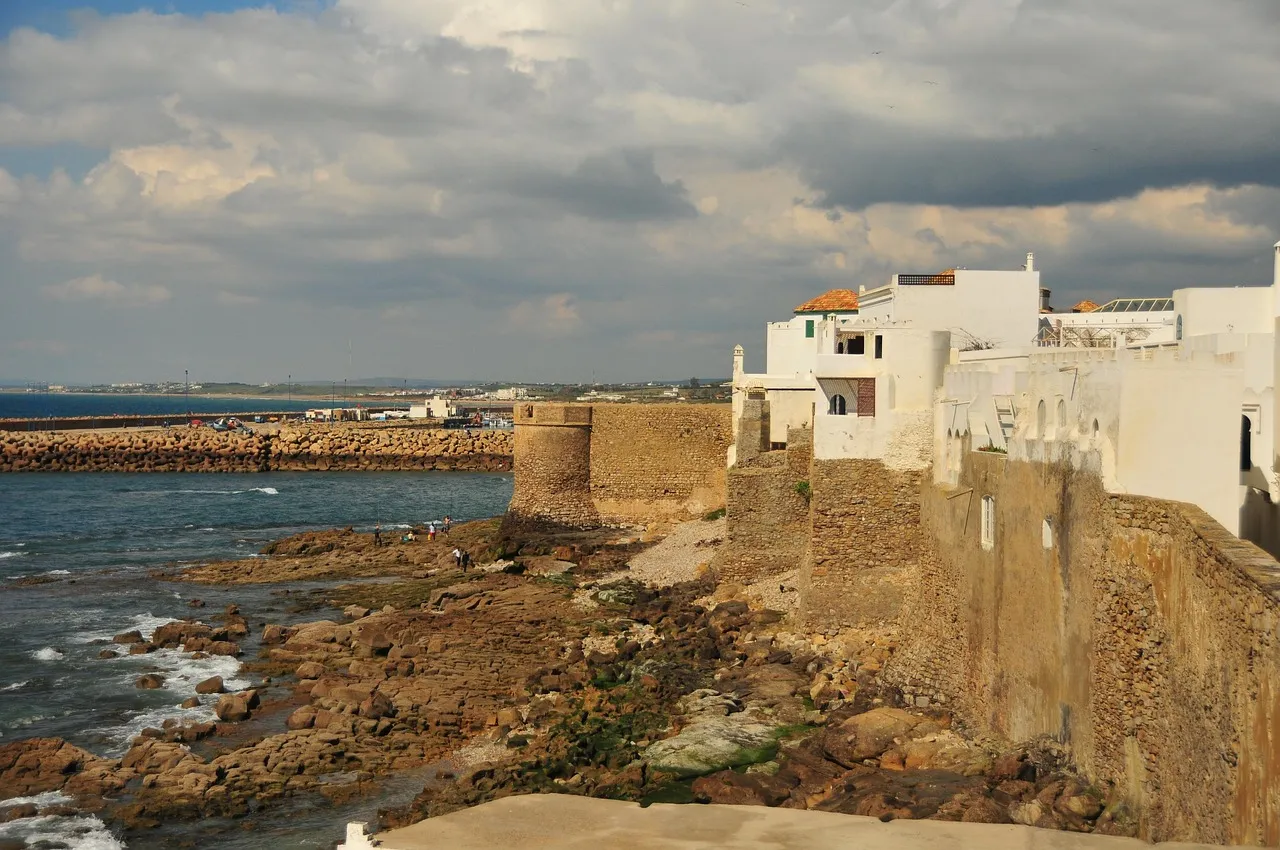
The historic centre of Asilah lies behind beautiful ochre walls that have defied the Atlantic Ocean for five centuries. The town’s historic walls, built by Alfonso V of Portugal in the 15th century, enclose the medina and have three main entrance gates: Bab Homar, Bab Kasbah, and Bab el Bahar, which translates as the Sea Gate.
Walking through narrow streets and going towards the walled area next to the coast, you reach the most popular enclave for visitors in Asilah, the southeastern bastion of the wall. From there you have beautiful views of the coastal facade of the town, in which the white colour of the houses is combined with the ochre colour of the stones that make up the wall. It’s one of those views that earns its reputation honestly.
A Living Gallery on Every Wall
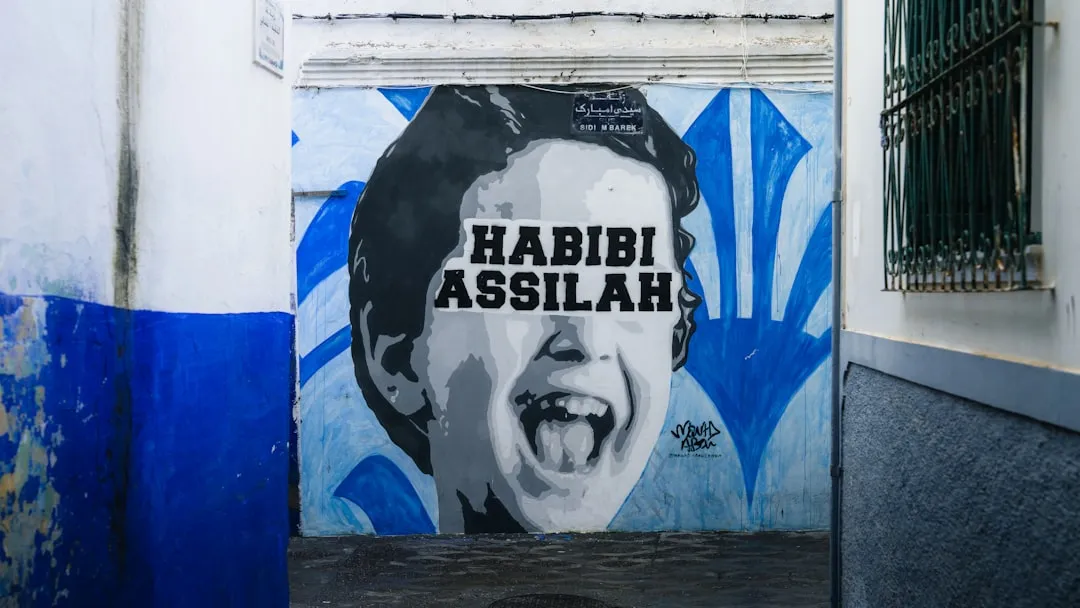
It all started when two friends, Mohammed Melehi and Mohamed Benaïssa, decided to invite some artists to paint the ruined walls of Asilah in 1978. Now it is one of the renowned arts and culture events in the world. Since its creation in 1978, the festival has helped transform Asilah from a small coastal town into a dynamic cultural hub where ancient walls become canvases, ideas flow freely, and community spirit thrives.
Thousands of spectators come to see international artists re-paint the murals every year on the whitewashed houses in the medina. Walls are used as a canvas for the imagination of the artists, which produces a mix of fantasy and geometric designs blending perfectly in a Moroccan urban architecture. New art gets painted regularly; old pieces fade or get replaced. That’s part of the charm: Asilah is a living gallery.
The Moussem Cultural Festival
The Cultural Moussem of Asilah festival is one of North Africa’s most famous cultural gatherings, which has brought the town to the forefront of the Moroccan cultural scene. Usually held in July, with the 2026 edition running from July 5 to 27, it features live mural painting where international and Moroccan artists create artworks directly on the medina’s walls, alongside street performances, cultural workshops, music, and exhibitions.
While Morocco has many festivals, the Asilah Cultural Festival stands out because of its international focus and inclusive atmosphere. It bridges Moroccan tradition with contemporary global art, offering a rare cultural fusion. The festival invites not just visitors but artists to collaborate and share their work, making it a living creative laboratory. Many of the events are free of charge.
Beaches That Stay Genuinely Uncrowded
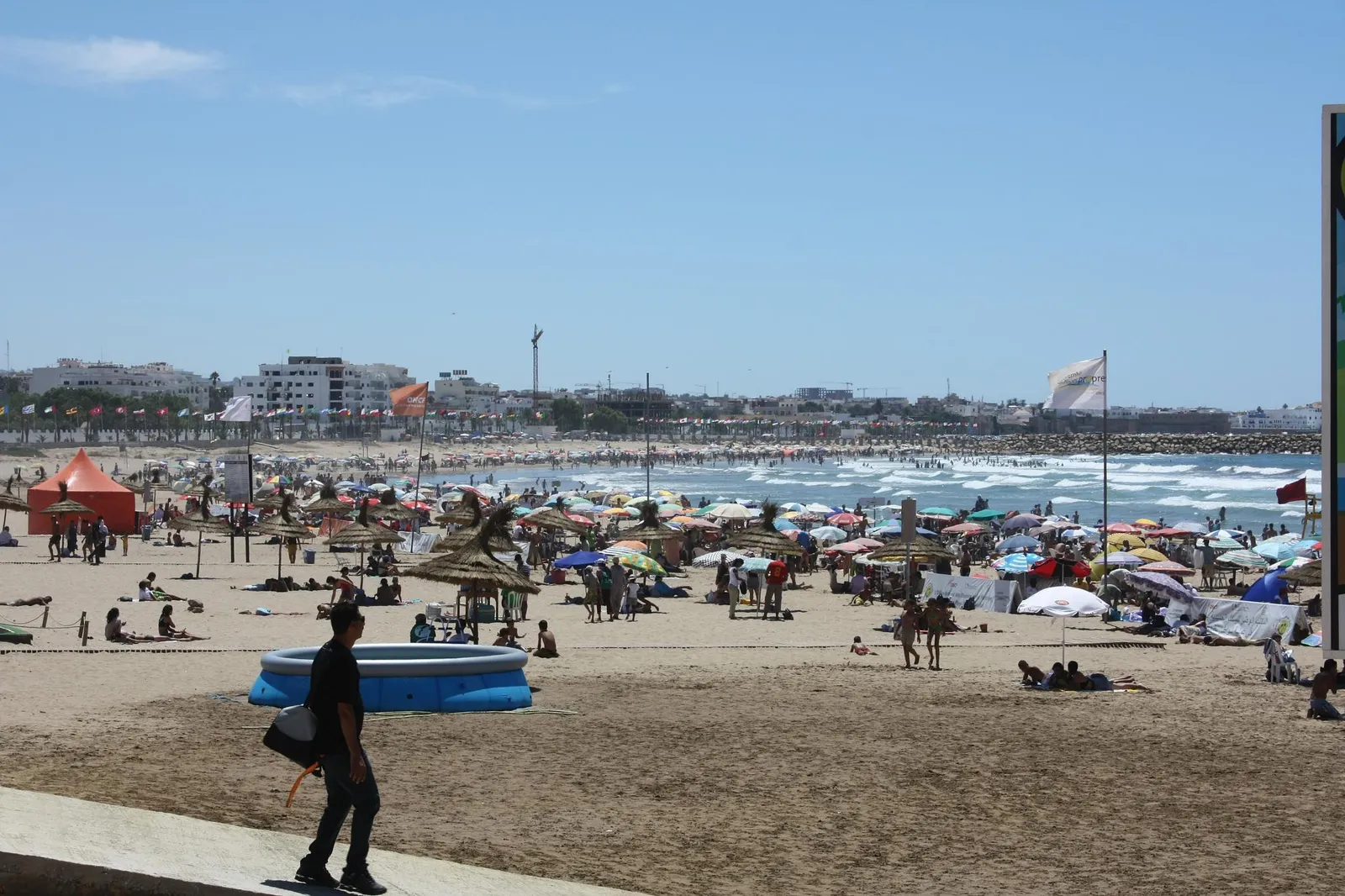
What sets Asilah apart is a combination you rarely find in one place: serious historical weight, a living art scene, and beaches that stay uncrowded even in peak season. The town’s biggest draws include its long sandy beaches and the lively cultural festivals that take place here in summer.
Local experiences worth having include a seafood lunch by the port, mint tea on a rooftop, a mural-spotting stroll, and a quick horseback ride on Paradise Beach. The shoreline around Asilah carries a quiet, unhurried quality that’s increasingly rare on Morocco’s Atlantic coast. Afternoons here tend to move at their own pace, which is precisely the point.
Fresh Seafood Straight from the Port

Asilah’s working port brings in daily catches of Atlantic fish, sardines, and seafood. The port-side restaurants serve some of the freshest grilled fish on Morocco’s Atlantic coast, and a plate of sardines with bread and preserved lemon costs very little by any measure. For dinner, the restaurants around the medina’s main square serve Moroccan fish tagines, seafood pastilla, and the local specialty of grilled sea bream at prices significantly lower than Marrakech or Essaouira equivalents.
Food is an integral part of the festival experience and everyday life here, with numerous stalls and restaurants offering Moroccan delicacies such as tagine, couscous, fresh seafood, and mint tea. Eating in Asilah feels less like tourism and more like sitting down with the town itself.
Architecture Shaped by Three Cultures
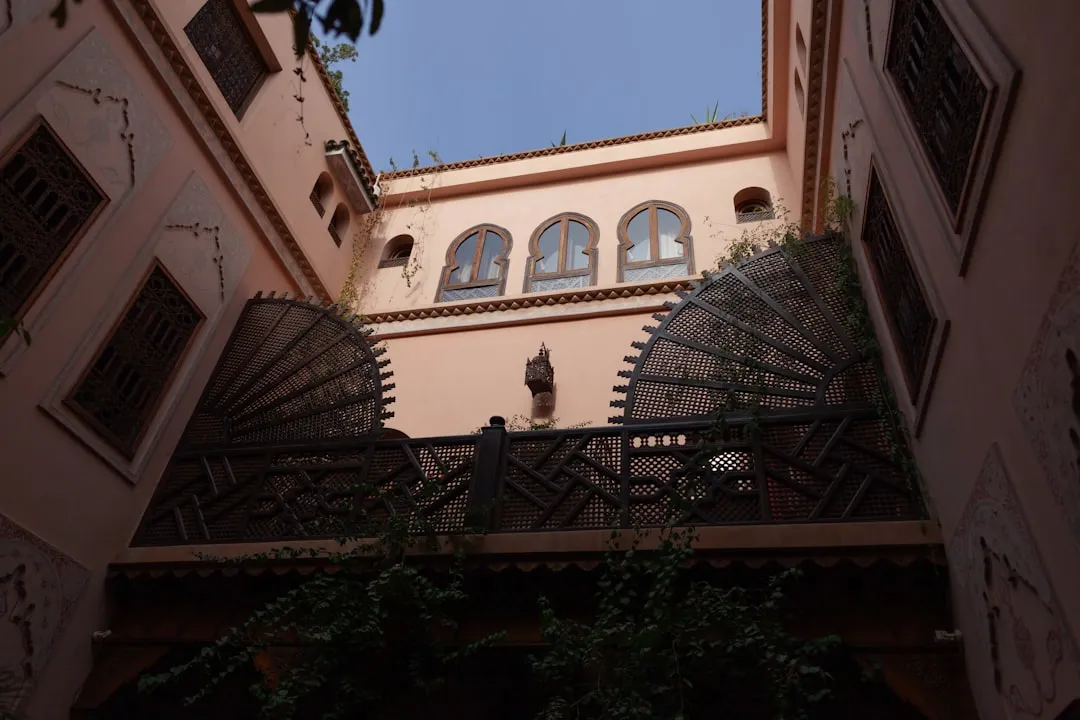
The architecture reflects an eclectic mix: the beautiful projecting oriel windows known as mashrabiya speak of the city’s Maghreb roots, while blue and green shutters attest to the fact that until 1956 Asilah was part of the Spanish Protectorate in Morocco. The town’s white houses and modest mosques reflect a serene Andalusian style, while the sounds of the sea and the salt air evoke a coastal charm similar to Cádiz.
A colourful souk is held next to the walls every Thursday that sells local products and looks like something straight off a postcard. The weekly market is one of those small, dependable rituals that remind you the town has a life well beyond its tourism calendar. It’s worth timing your visit around it if you can.
How to Get There and When to Go
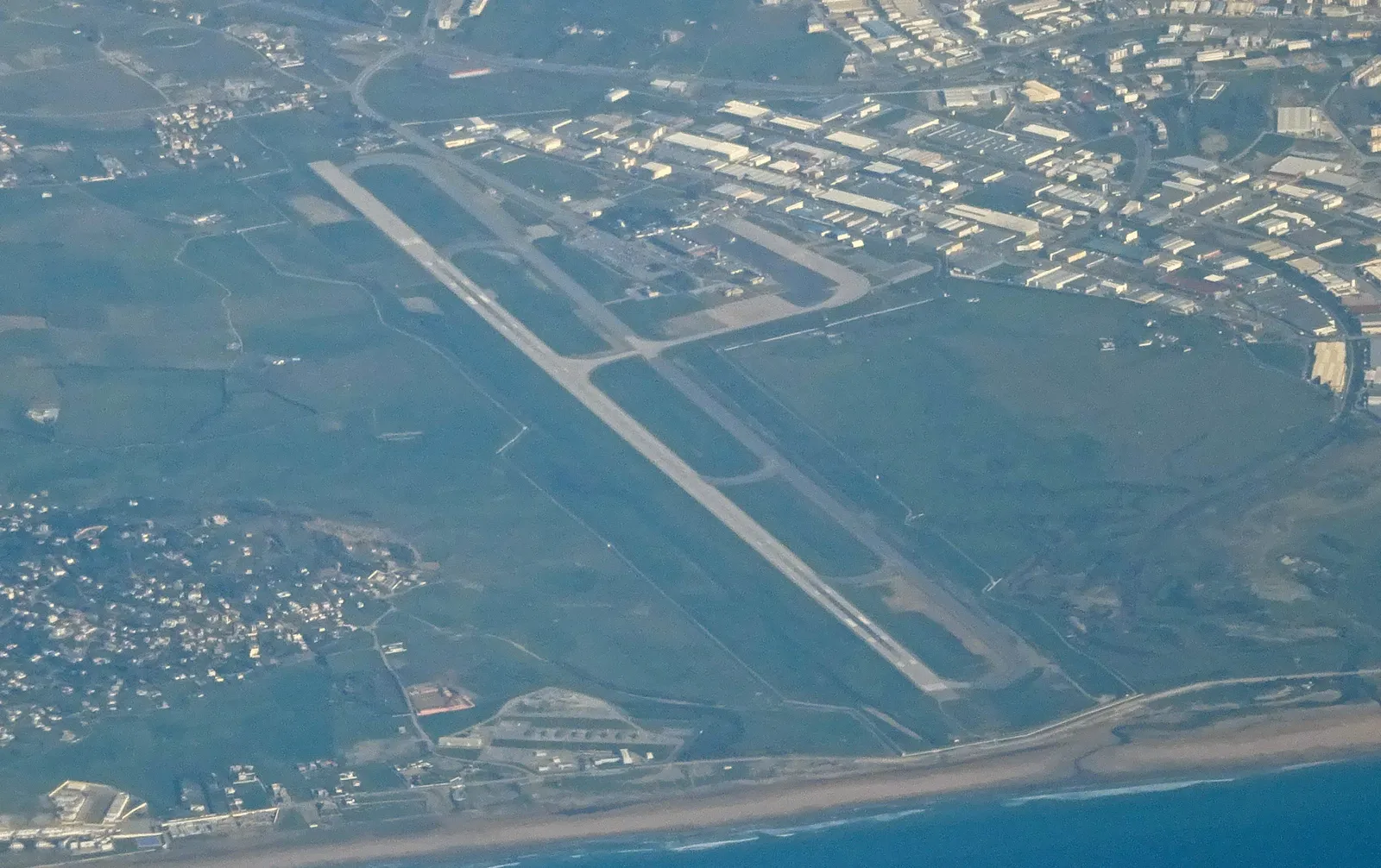
The city is well connected to the rest of northern Morocco via the A5 highway. The closest airport to Asilah is Tangier Ibn Battuta, located about 40 km away, which makes it a practical entry point for those wishing to travel directly to this part of the Atlantic coast. Located near Tangier, it works well as either a short stay or a coastal extension to a northern Morocco itinerary.
Typically quiet during winter, the village comes to life and blooms in July and August when the festivities take place. That said, visiting in the shoulder months of April, May, or October means mild temperatures and a noticeably calmer atmosphere. The medina is always worth walking, regardless of the season.
Why It Still Feels Authentic
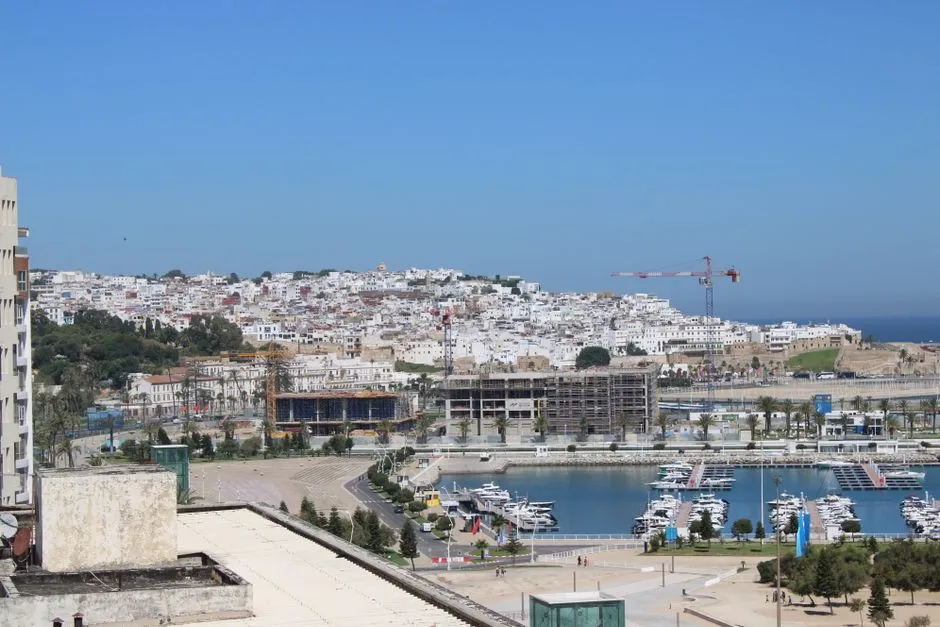
While tourism plays a role in the local economy, Asilah has been said to offer a good introduction to the culture of Morocco. Asilah is a small city of fewer than 50,000 inhabitants and is part of the Tangier-Tetouan-Al Hoceima region. It is located in the northern part of the country and is bathed by the Atlantic Ocean, a key element in the configuration of its urbanism and culture.
This isn’t a place that’s been overly developed for tourism. It’s still a real Moroccan town that happens to be incredibly beautiful and welcoming to visitors. Unlike bigger Moroccan cities like Marrakech or Fez where calls of “where are you from” echo through public spaces and motorcycles vie with pedestrians in already crowded medinas, Asilah is a different story. The difference in atmosphere is felt almost immediately upon arrival.
The Takeaway
Asilah isn’t trying to compete with Morocco’s more famous cities, and that restraint is perhaps its greatest quality. It has accumulated 3,500 years of history, a genuine art tradition, uncrowded beaches, and port-fresh seafood, all within a compact, walkable town that rewards slow travel over rushed itineraries.
For travellers who find the major Moroccan cities thrilling but occasionally exhausting, Asilah offers something rarer: a place where the culture is deep, the pace is human, and the ocean is always within earshot. Sometimes the quieter alternative turns out to be the more memorable one.
AI Disclaimer: This article was created with the assistance of AI tools and reviewed by a human editor.