
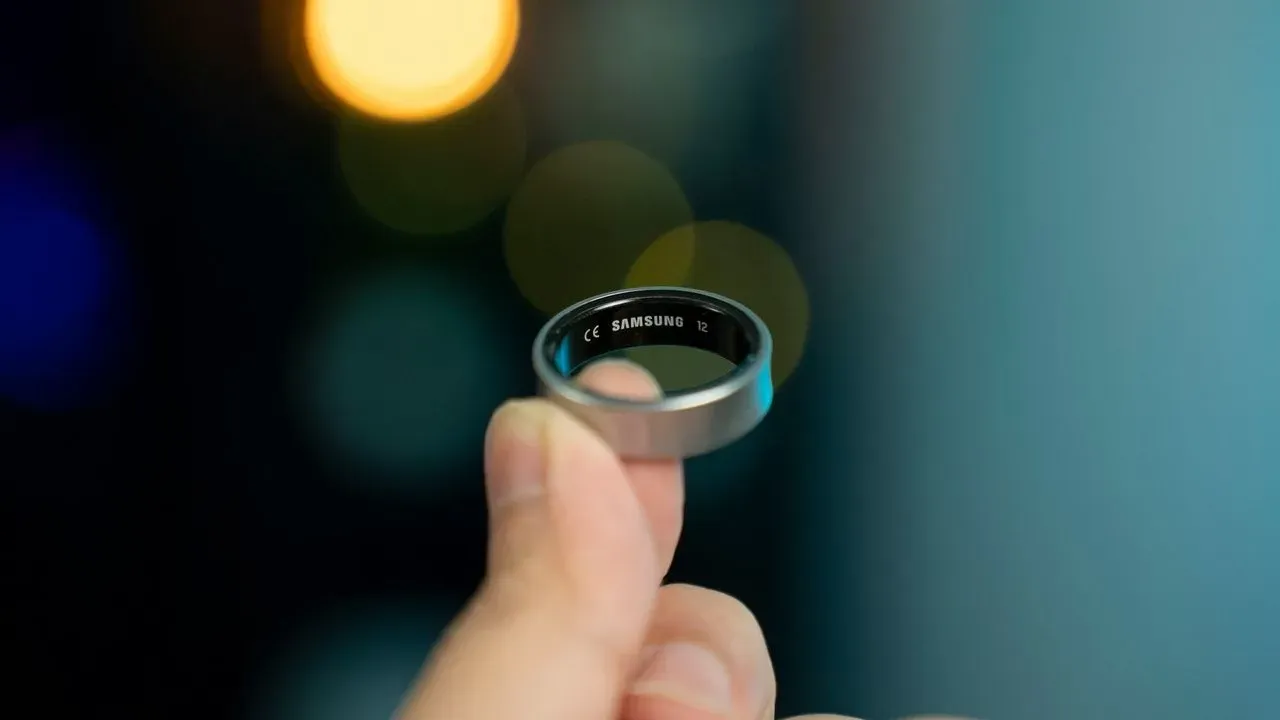

For frequent travelers, maintaining consistent health routines often means adapting to changing conditions such as cabin pressure, time zone shifts, and extended periods away from familiar medical resources. A new entrant in the wearable technology space now positions itself as a direct competitor by promising blood pressure tracking through a smart ring that requires no traditional cuff. This development arrives at a moment when many professionals and leisure travelers seek discreet tools to support wellness during long journeys.
Health Monitoring Challenges on the Road
Long-haul flights and rapid altitude changes can influence cardiovascular readings in ways that vary from person to person. Travelers managing existing conditions or simply staying proactive often rely on portable monitors, yet these devices add bulk to already limited carry-on space. The absence of a cuff in the new ring design addresses one practical barrier by allowing measurements during routine activities rather than requiring dedicated setup time.
Stakeholders in the travel and wellness sectors have noted growing interest in compact health technologies that integrate into daily wear. Business travelers, in particular, report difficulty maintaining regular check routines when schedules involve multiple connections or remote destinations. A ring format offers the possibility of continuous data collection without interrupting work or rest periods.
Market Entry of a Cuff-Free Competitor
The wearable health technology field continues to expand as companies introduce specialized sensors aimed at everyday users. This latest smart ring distinguishes itself by focusing on blood pressure as its primary claimed function, entering a space previously dominated by wrist-based or chest-strap options. The approach reflects broader industry movement toward smaller form factors that prioritize convenience over additional hardware.
Developers behind the device emphasize its potential for use in varied environments, from airport lounges to hotel rooms. While independent validation remains an important next step for any new health claim, the announcement highlights a clear intent to serve users who value minimal equipment during extended travel. Industry observers expect further refinements as competition intensifies in this segment.
Considerations for Responsible Adoption
Travelers evaluating new devices benefit from understanding both capabilities and limitations before relying on readings for decision-making. Factors such as fit, battery life, and data accuracy under motion deserve attention, especially when altitude or fatigue may already affect baseline measurements. Consulting a healthcare provider remains advisable for interpreting trends observed during trips.
Early adopters in the travel community may appreciate the ring’s discreet profile, which aligns with preferences for low-profile tools that do not draw attention in professional or cultural settings. As with any emerging technology, gradual integration into personal routines allows users to assess real-world performance across different climates and activity levels.
Looking Ahead for Travelers and Wellness Tools
The introduction of this smart ring underscores ongoing efforts to make health tracking more accessible during periods of mobility. For those who regularly navigate international routes or remote locations, such innovations could reduce reliance on larger medical kits while supporting informed self-care. Continued development in this area may yield additional options tailored to the specific demands of life on the move.
Ultimately, the value of any new device rests on how effectively it fits into individual travel patterns and complements professional medical guidance. As more competitors enter the space, travelers gain opportunities to compare features that best match their routes and health priorities.
AI Disclaimer: This article was created with the assistance of AI tools and reviewed by a human editor.