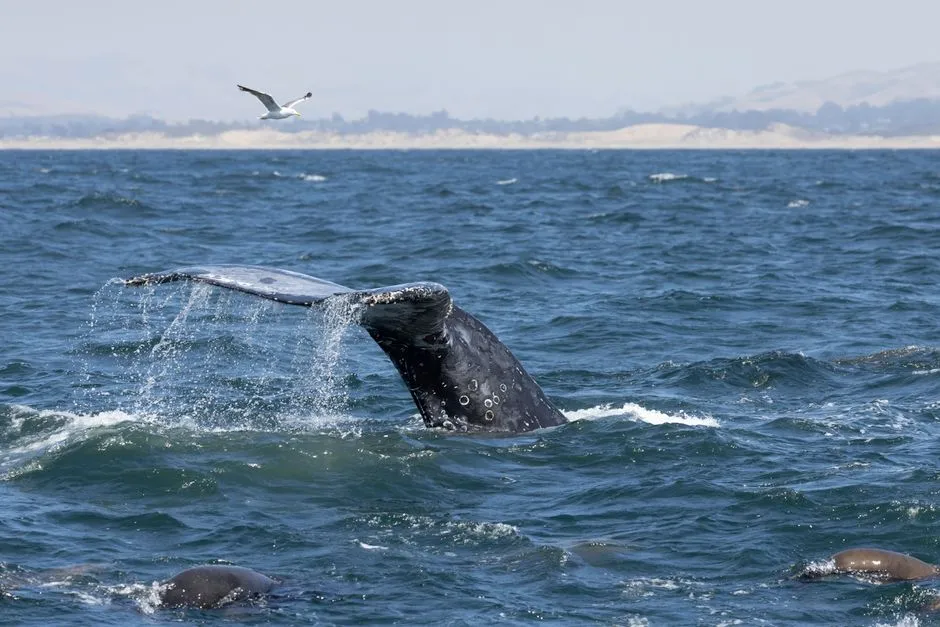
This Oregon Beach Town Has Some of the Best Whale-Watching in the Country, According to Marine Data
Image credits: Unsplash
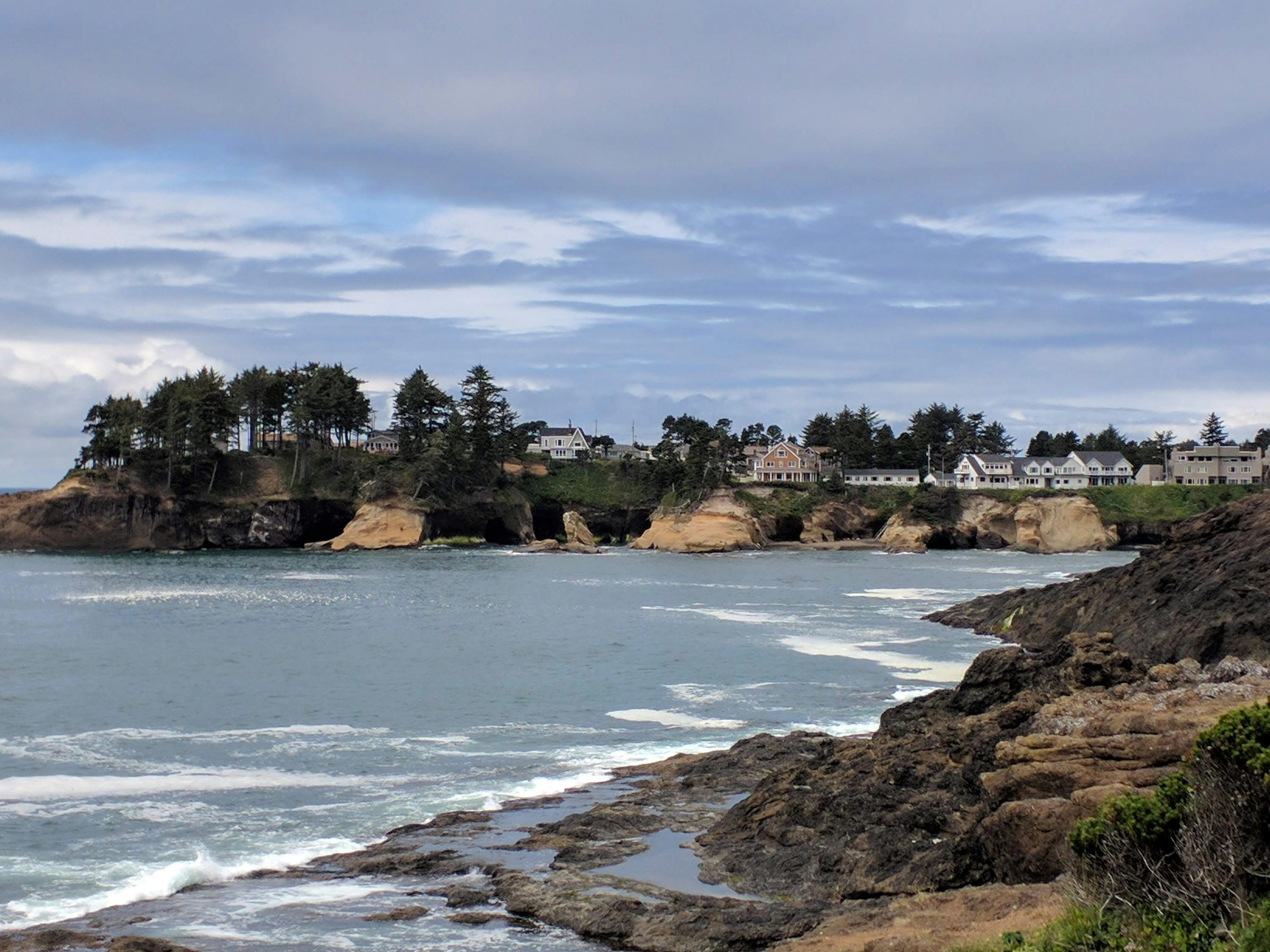
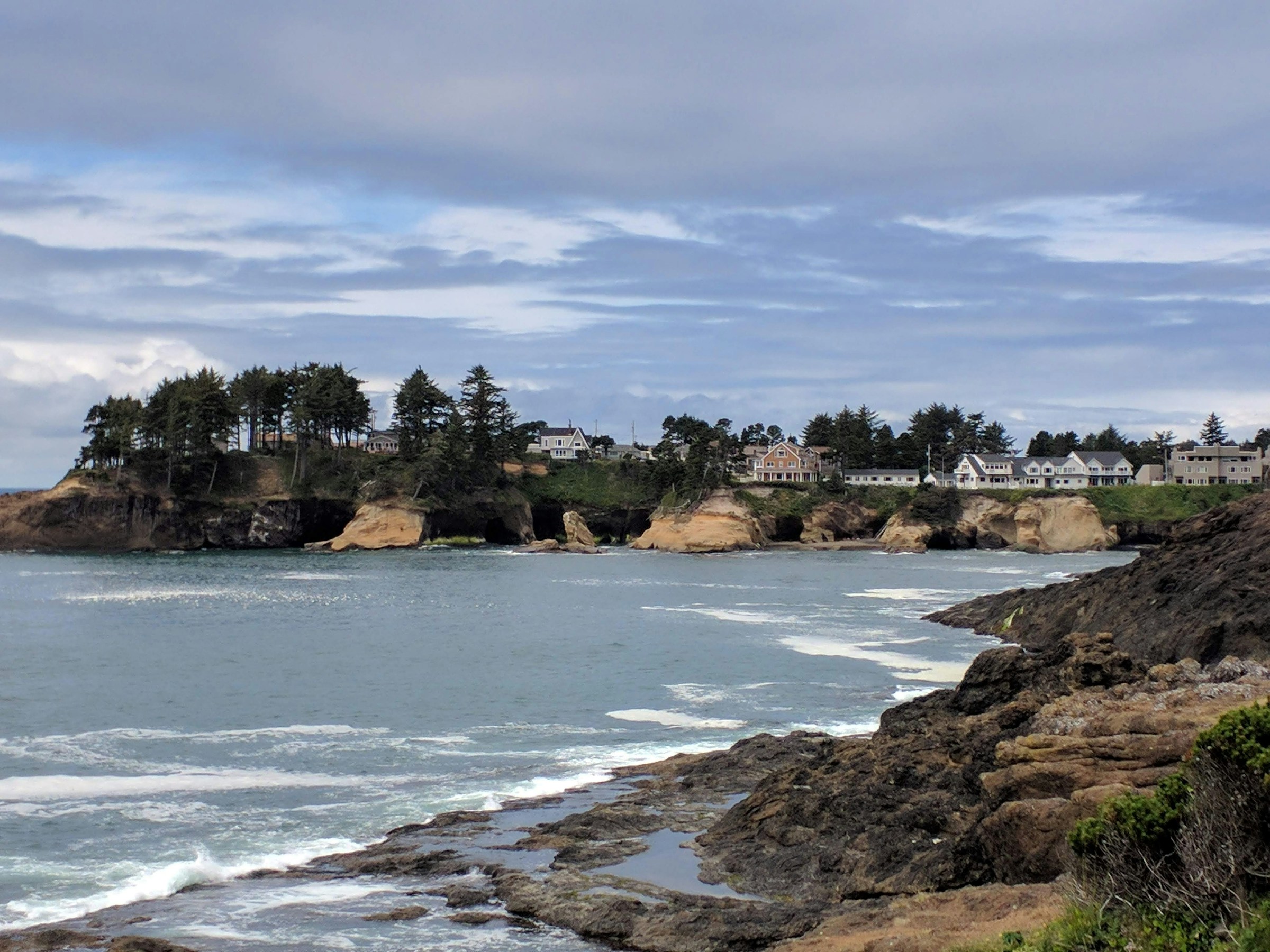
Most coastal towns claim a connection to the ocean. Depoe Bay, Oregon, actually earns it. Sitting along the central Oregon coast, this compact, windswept little community has built an identity almost entirely around one of the Pacific’s most impressive annual spectacles – the gray whale migration – and the marine data backs that reputation up completely.
The town itself is easy to underestimate. Depoe Bay is tiny, sitting along what is recognized as the world’s smallest natural navigable harbor, just about six acres in size, with fishing boats squeezing through a channel that looks almost impossible to navigate until you actually see them do it. That intimacy with the water, though, is precisely what makes the whale-watching here feel so immediate and so real.
A Town That Has Earned Its Reputation
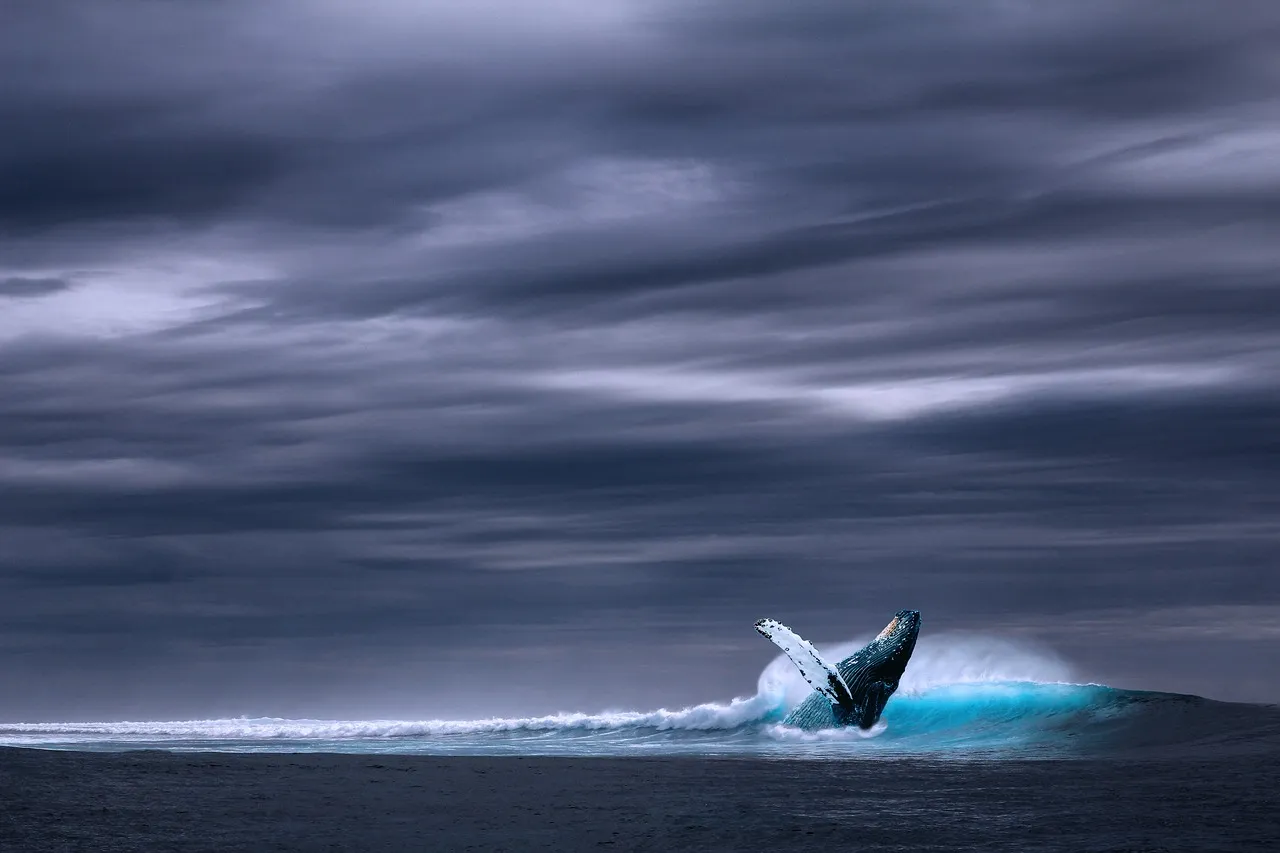
A Town That Has Earned Its Reputation (Image Credits: Unsplash)
Known as the “whale watching capital of the Oregon Coast,” Depoe Bay draws whales to its horizon like clockwork every March through December, and the town anticipates those migrations with a Whale Watch Center, shore observation decks, and charter boats for an up-close view. That designation isn’t just local marketing. It reflects consistent, documented marine activity that sets Depoe Bay apart from most places along the Pacific coastline. Depoe Bay is widely renowned as Oregon’s premier whale-watching destination and the Whale Watching Center there operates year-round, attracting thousands of visitors.
The Scale of the Migration Is Staggering
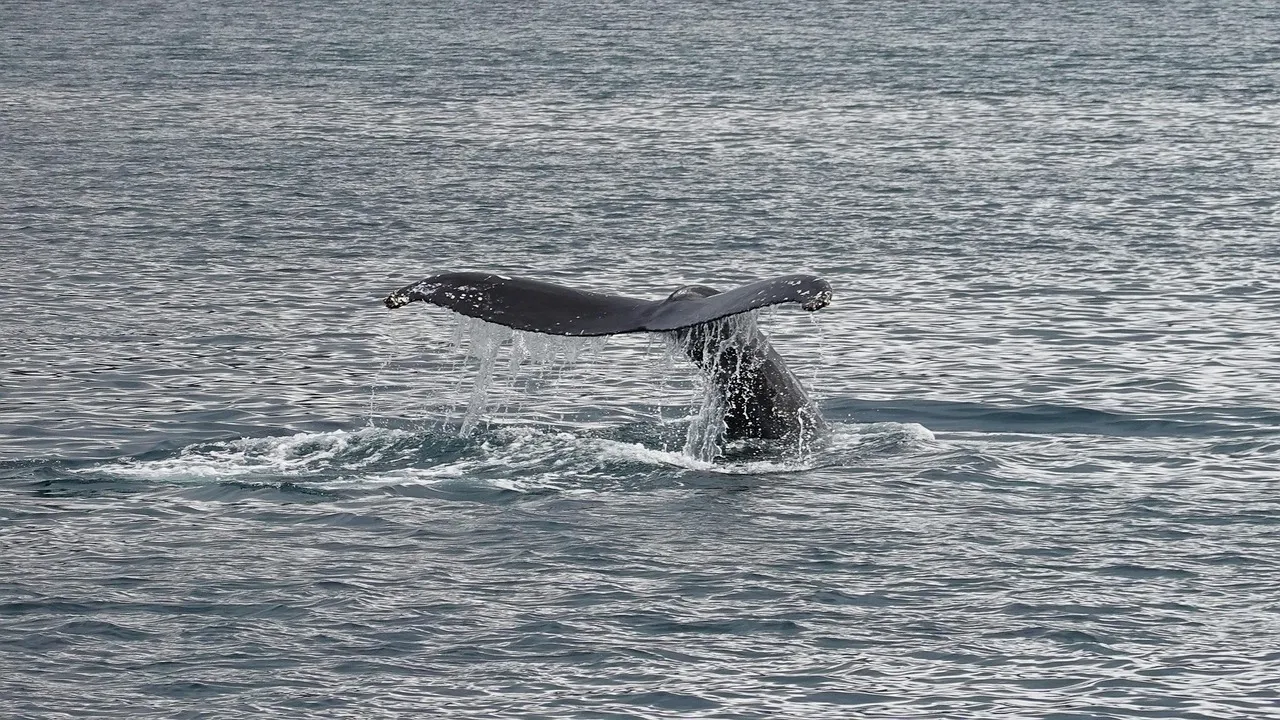
The Scale of the Migration Is Staggering (Image Credits: Unsplash)
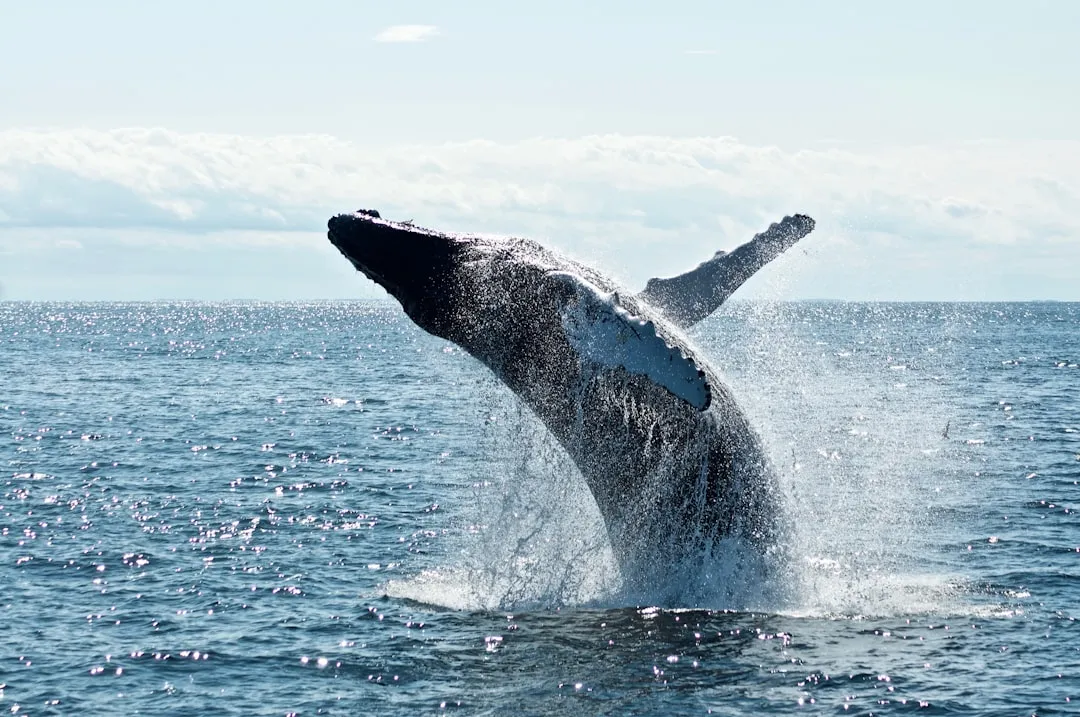
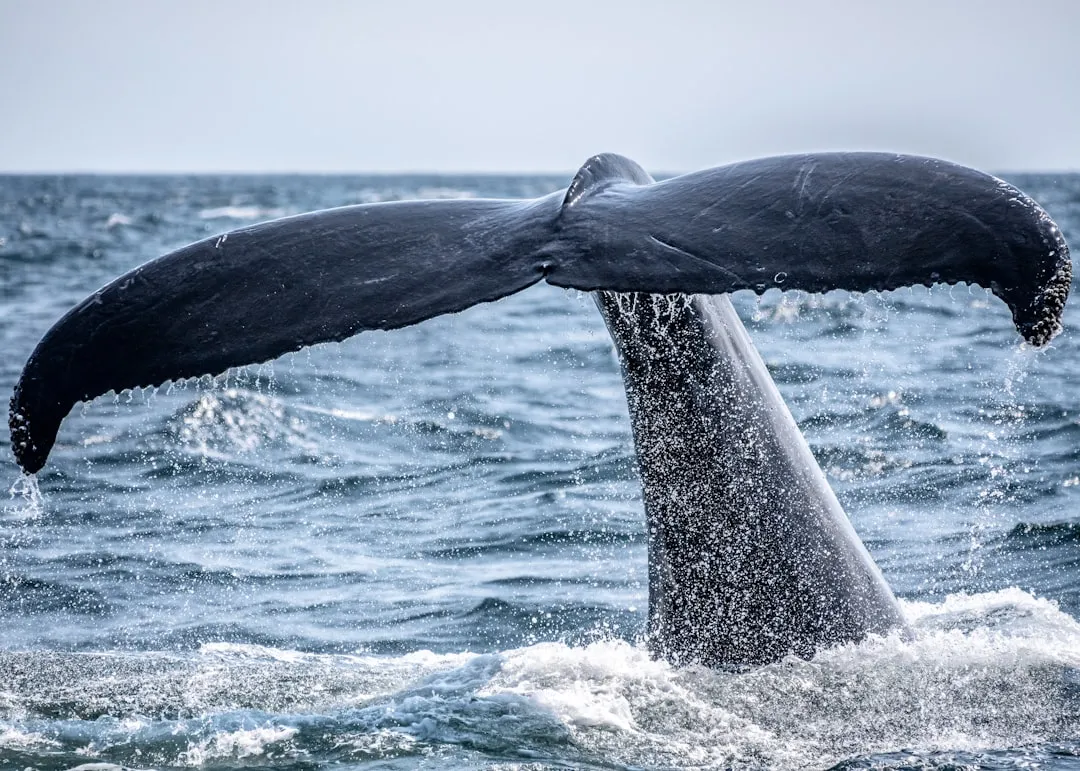
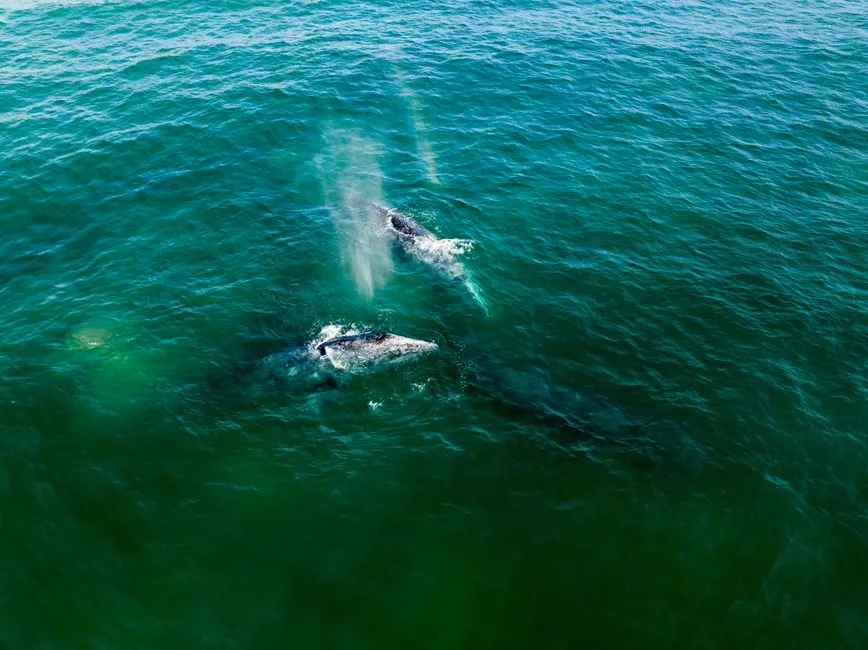
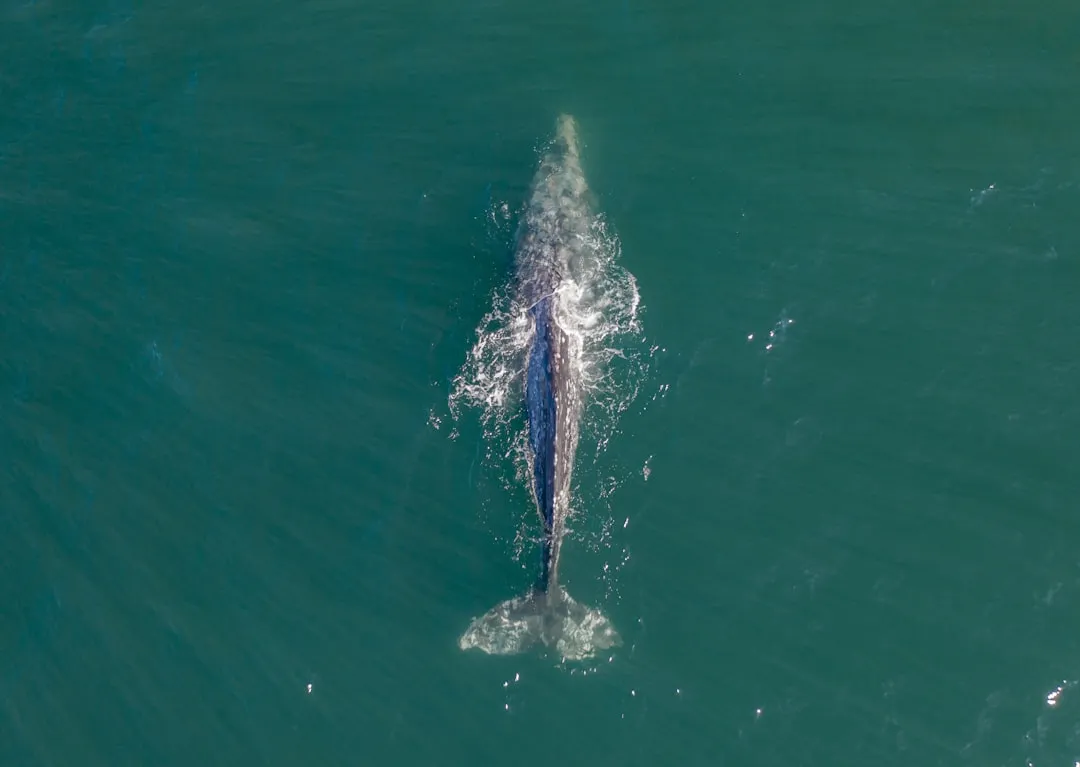
Gray whales are the most commonly sighted whales on the Oregon coast, and their seasonal migration patterns bring more than 20,000 of them past the coast each year. To put that in perspective, that’s a natural procession of some of the ocean’s largest animals passing within easy sight of shore twice a year. Oregon’s whale-watching season peaks twice a year, during winter from mid-December through mid-January and spring from late February through May, when as many as 20,000 gray whales migrate from their summer feeding grounds in the Bering Sea to the shallow lagoons of Baja California, Mexico. Few stretches of coastline in North America offer that kind of reliable, large-scale wildlife access.
Resident Whales Make Depoe Bay Uniquely Special
Resident Whales Make Depoe Bay Uniquely Special (Image Credits: Pixabay)
What truly separates Depoe Bay from other whale-watching destinations isn’t just the migration, it’s what happens in between. Depoe Bay harbors a small population of roughly 200 gray whales who don’t migrate at all, and these whales have chosen to make their home in the shallow waters off the bay, remaining all year. About 200 gray whales remain in Oregon’s coastal waters every summer, and during this time it’s possible to see them feeding closer to shore, with the central coast serving as a hotspot for whales from May through October. For visitors who travel outside the migration peaks, this resident population means sightings are still very much on the table.
The Numbers at the Whale Watching Center
The Numbers at the Whale Watching Center (Image Credits: Pixabay)
Perched on a seawall with expansive ocean views and a large viewing deck, the Whale Watching Center in Depoe Bay is designed specifically for spotting whales, with park staff and volunteers ready to help visitors identify them and other marine life. The sighting numbers recorded at this center during peak periods are genuinely impressive. The height of the winter migration off Oregon is usually between Christmas and New Year’s Day, and the Whale Watch Center in Depoe Bay reports sightings of as many as 50 whales per day moving south to their breeding grounds during Whale Watch Week. That kind of daily count is extraordinary by any wildlife-watching standard.
Sighting Rates That Marine Tours Stand Behind
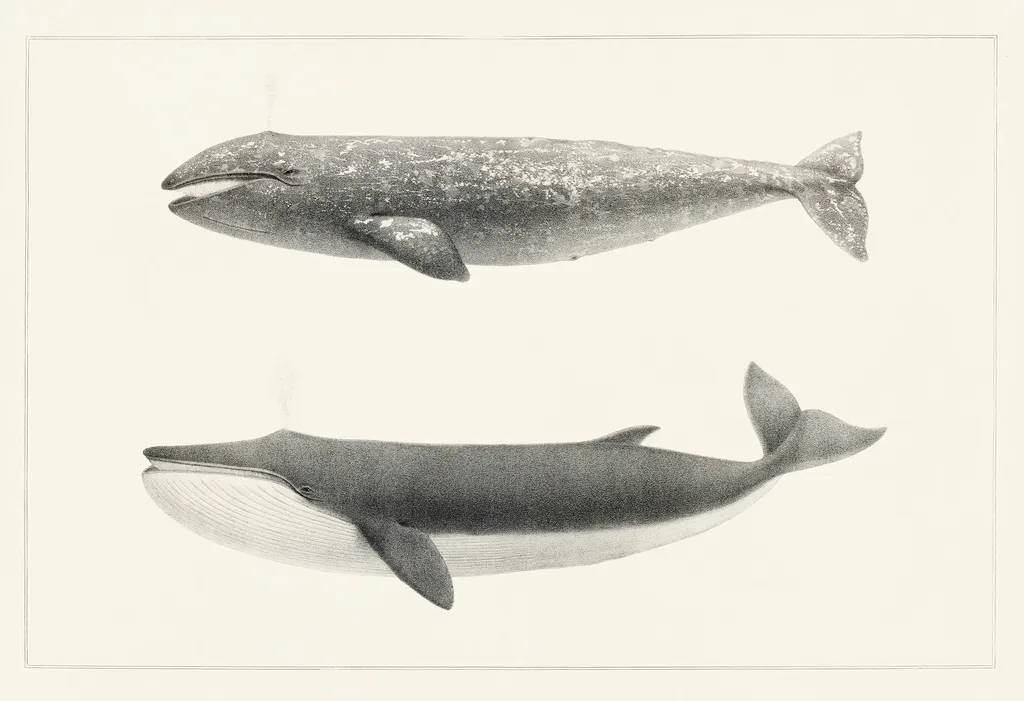
Sighting Rates That Marine Tours Stand Behind (Image Credits: Rawpixel)
Charter operators in Depoe Bay don’t hedge much when it comes to sighting rates, because the data from years of operation supports their confidence. The grays pass Depoe Bay in large numbers throughout the migration period, and local operators report sightings on roughly 98 percent of cruises during peak migration months. From June to mid-November, more than 200 resident whales come near shore to feed, and Depoe Bay is a hotspot for whales hunting for food during that window, with watchers typically seeing anywhere from five to fifteen whales at a time. Those are figures that few other whale-watching locations anywhere in the country can reliably match.
The Gray Whale’s Epic Journey Along Oregon’s Shore
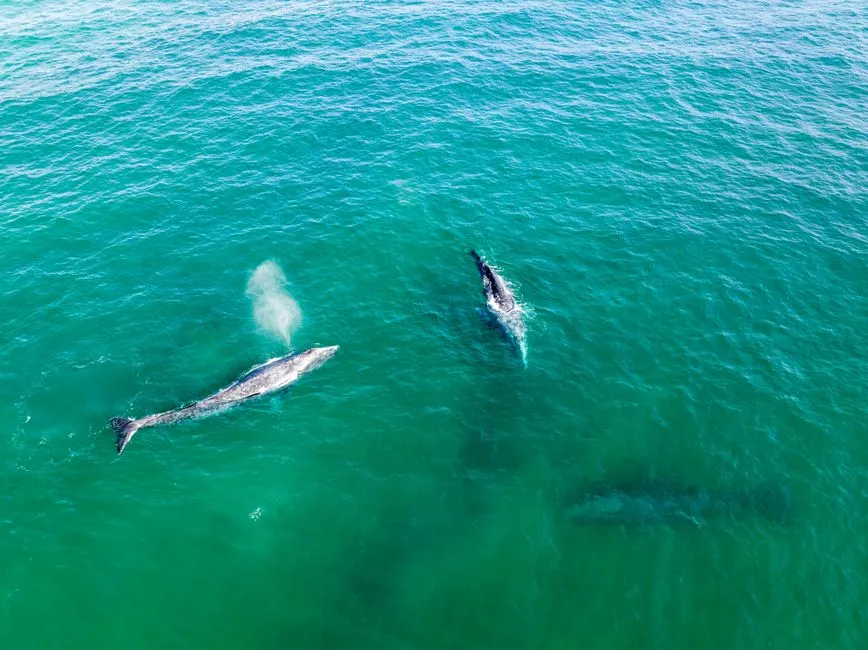
The Gray Whale’s Epic Journey Along Oregon’s Shore (Image Credits: Pexels)
Understanding why Depoe Bay sits at this crossroads of whale activity starts with understanding the gray whale’s migration route itself. Gray whales make one of the longest annual migrations of any mammal on Earth, traveling about 10,000 miles round-trip and in some cases upwards of 14,000 miles. Most of the eastern North Pacific gray whales spend the summer feeding in the northern Bering and Chukchi seas, and in the fall they migrate south along the coast of North America to spend the winter in their wintering and calving areas off Baja California, Mexico. Oregon sits directly in the middle of this corridor, and the central coast around Depoe Bay is where the whales pass closest to shore.
What the Population Data Shows
What the Population Data Shows (Image Credits: Pexels)
NOAA has been tracking gray whale populations with systematic counts since 1967, providing a long record of migration data tied directly to the Oregon coast. Researchers estimated around 19,260 gray whales along the West Coast in 2024, a surprising roughly one-third increase from the count taken during the same period the previous year. More recently, conditions have been more variable. NOAA estimated a low of about 11,700 to 14,200 whales in the 2024 to 2025 migration, followed by an apparent increase to between about 15,930 and 20,530 whales in 2025 to 2026, though NOAA cautions that recent swings may not simply reflect births and deaths, as changing migration patterns and survey factors may also influence how many whales are counted. Watching these numbers is part of what makes this coast a living window into ocean health.
Summer Feeding Season: The Closest Encounters
Summer Feeding Season: The Closest Encounters (Image Credits: Unsplash)
If the migration draws the crowds, the summer feeding season is where the most intimate encounters happen. Whale watching during summer and fall off Depoe Bay is spectacular, as some gray whales skip the full trip to Alaska and spend from late June through October right off the bay, often less than half a mile from shore, feeding over the reef areas. Depoe Bay’s unique geography and nutrient-rich waters create an ideal habitat for gray whales, which are drawn to the area for its plentiful food supply, particularly mysids, small shrimp-like crustaceans found in the kelp forests just offshore. The whales aren’t passing through here by accident. They’re feeding, and that means they linger.
Oregon State Parks’ Whale Watch Week Program
Oregon State Parks’ Whale Watch Week Program (By Merrill Gosho, NOAA, Public domain)
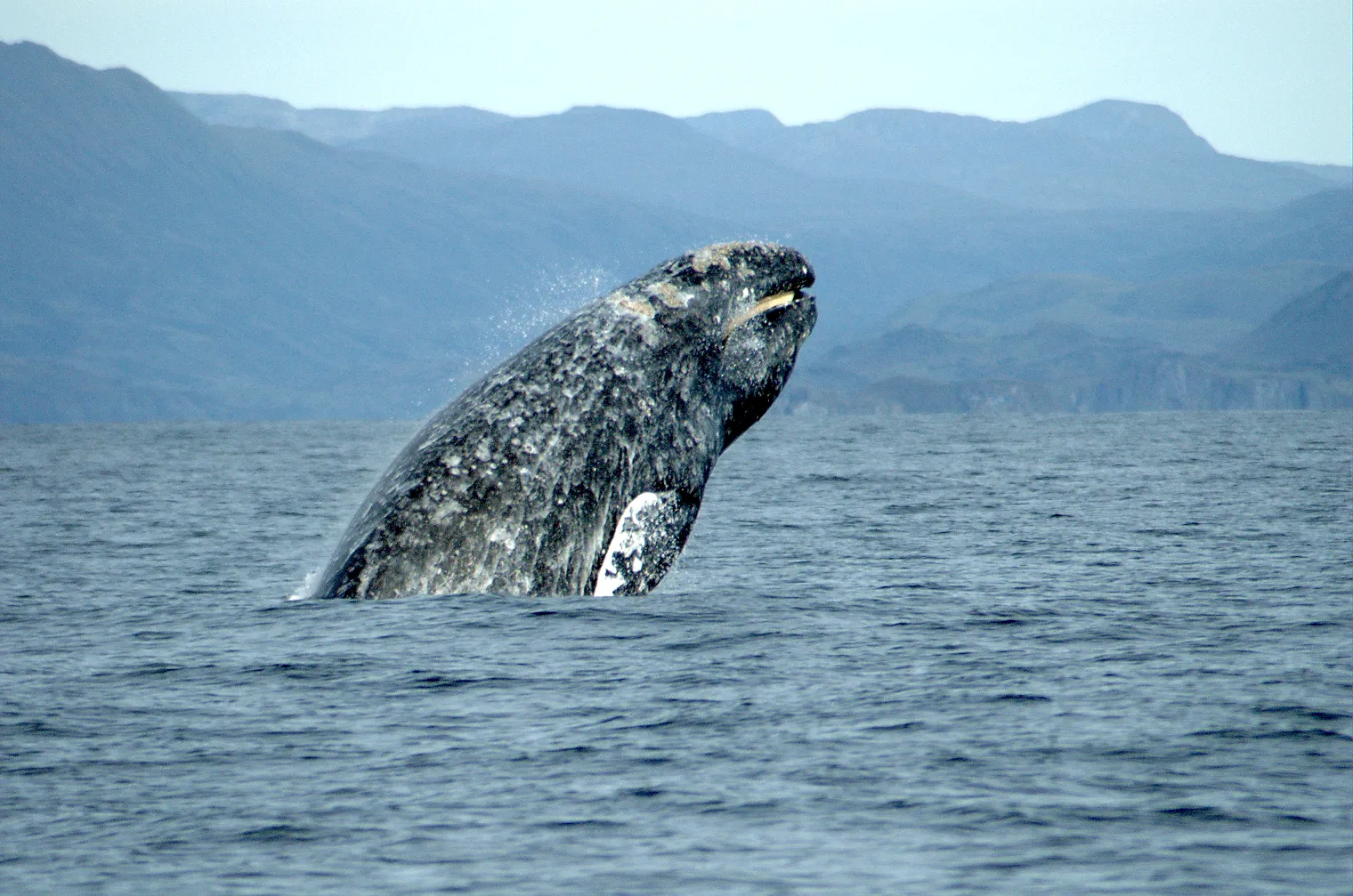
Oregon State Parks celebrates the gray whale migration twice per year during Whale Watch Weeks in late December and late March, placing volunteers at 15 whale-watching sites in both winter and spring to help visitors see and learn about migrating and resident gray whales. This organized, educational approach gives the experience a depth that goes beyond simply spotting a spout on the horizon. Oregon Parks and Recreation hosts these biannual Whale Watching Weeks by stationing trained volunteers at roughly 20 sites along the coast during peak migration times, with volunteers answering visitor questions and providing information that enhances the whale-watching experience. It’s a program that has run for decades and reflects just how consistently the whales show up.
Conservation Context: Watching Responsibly
Conservation Context: Watching Responsibly (Image Credits: Pexels)
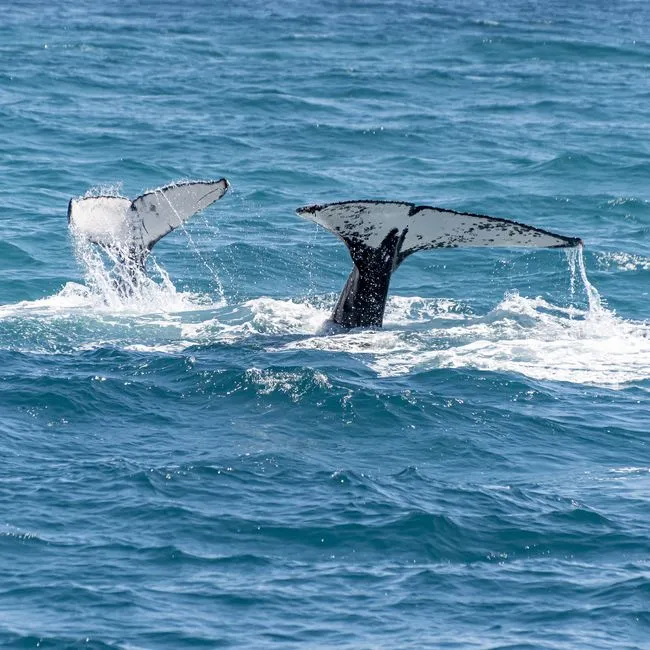
Whale-watching in Depoe Bay is best understood alongside the conservation picture. Ocean conservation groups consider the migration one of “Earth’s greatest wildlife spectacles,” but the season also comes with renewed concerns about whales and humans sharing the same coastal waters, after a young humpback whale died when it became tangled in crab pot gear near Yachats, underscoring the challenge of coexistence as whales migrate as close as a mile from shore. NOAA also notes that calf production has remained low since 2019, which raises concern about the population’s long-term resilience. Responsible tour operators in Depoe Bay take these concerns seriously. Trips with outfits like Whale Research EcoExcursions are captained by marine biologists and expert marine naturalists, with a focus on providing a safe, comfortable, and educational experience on the water.
The Takeaway
The Takeaway (Image Credits: Pexels)
Depoe Bay isn’t just a pleasant stop on a coastal road trip. The marine data, the migration counts, the resident whale population, the near-perfect sighting rates, and the decades-long scientific record all point to the same conclusion: this small Oregon town sits at one of the most remarkable whale-watching intersections on the Pacific Coast. Beyond the whales themselves, Depoe Bay’s harbor holds the distinction of being the smallest natural navigable harbor in the world, and during storms its distinctive coastal geology produces a “spouting horn” phenomenon where the sea itself shoots a massive spray of water into the air above Main Street. There are places in the world where wildlife and landscape feel genuinely aligned, where showing up at the right time almost guarantees something real and unforgettable. Depoe Bay is one of them.
AI Disclaimer: This article was created with the assistance of AI tools and reviewed by a human editor.