
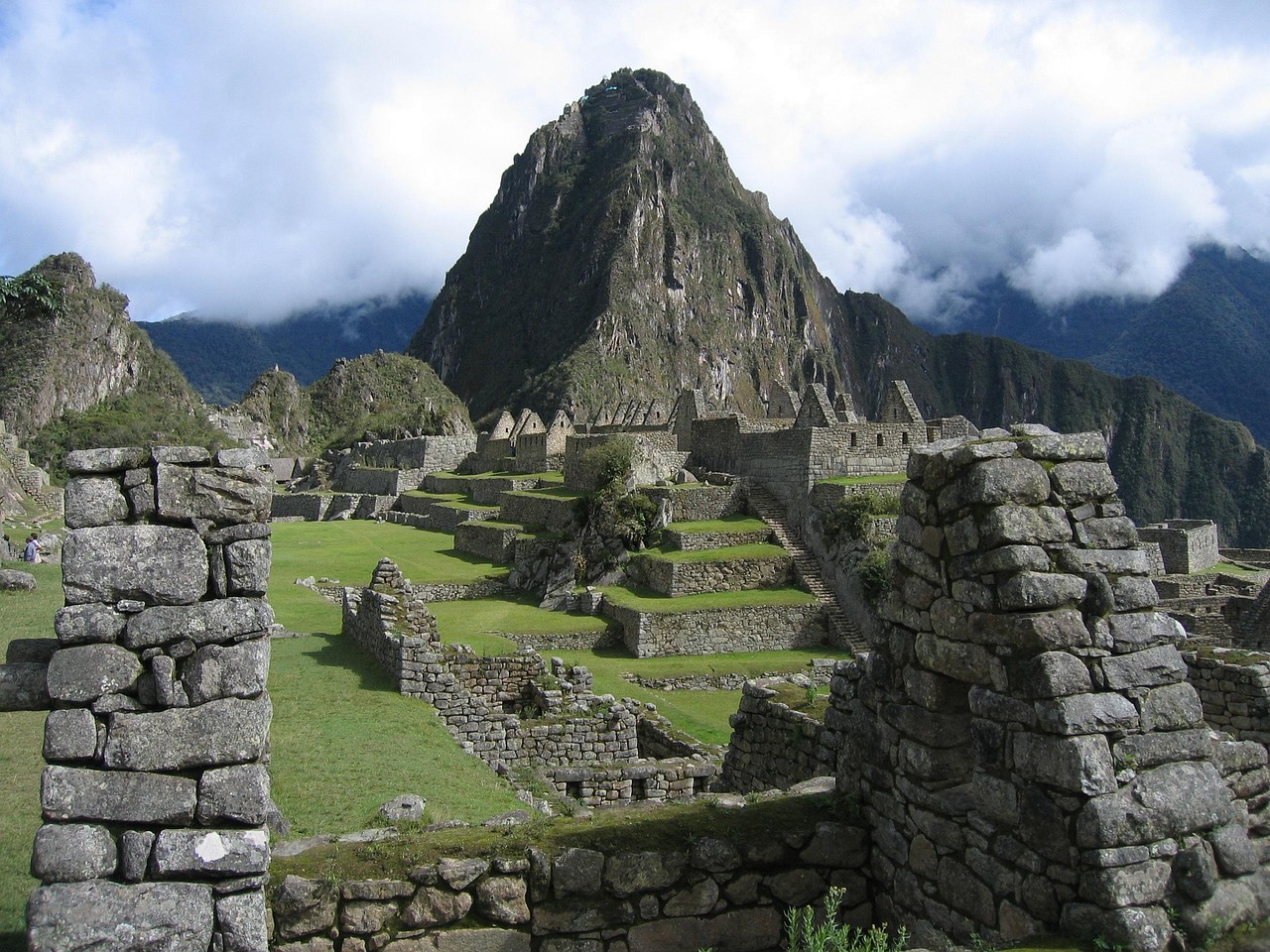

A Site That Rivals Machu Picchu in Scale
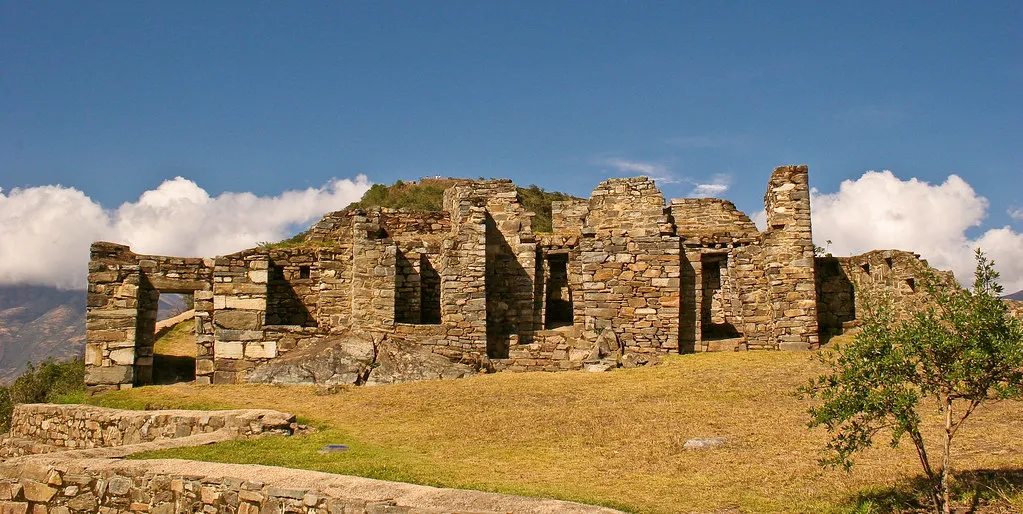
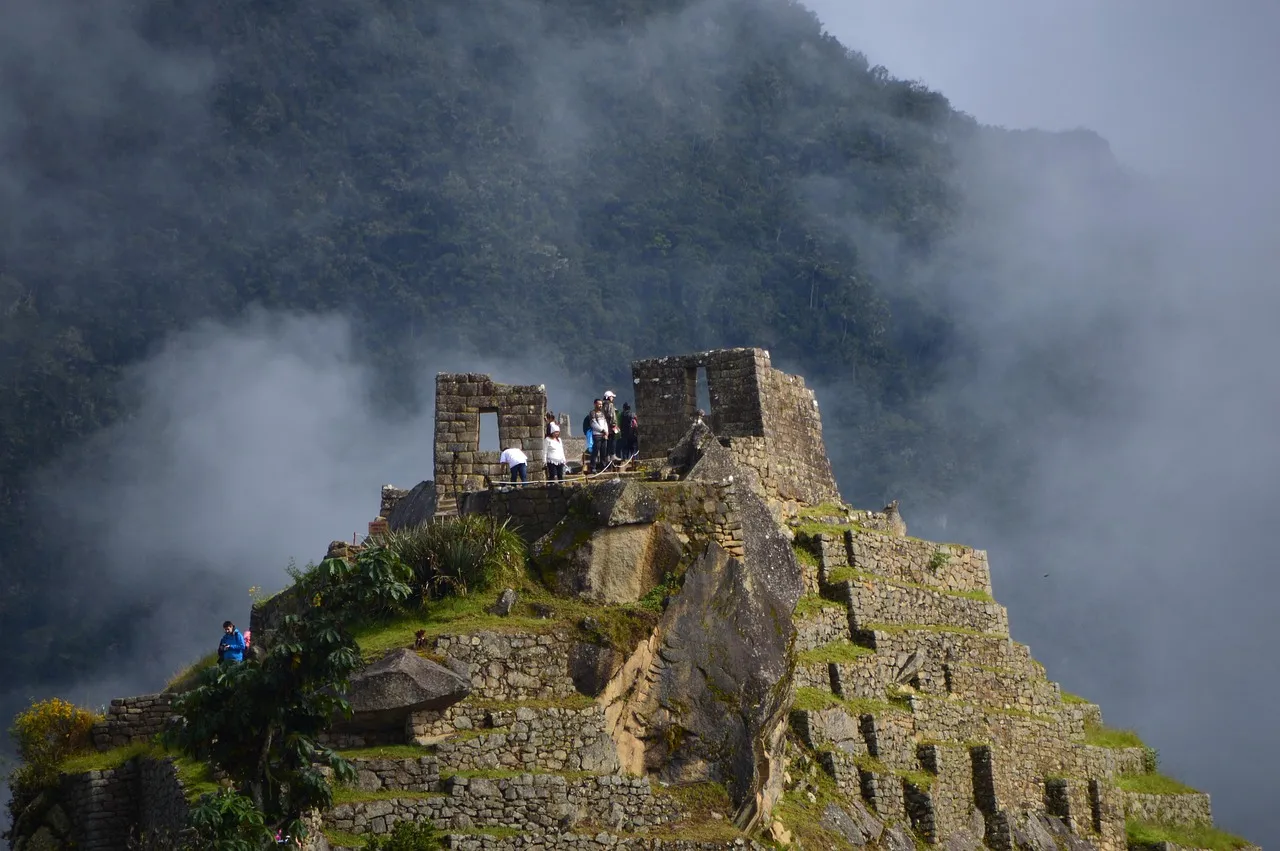
Often described as Machu Picchu’s “sister city,” Choquequirao is an enormous Inca archaeological complex perched high above the Apurímac Canyon at around 3,050 meters above sea level. The complex includes plazas, terraces, ceremonial structures, temples, residential areas, and agricultural sectors spread across the mountainside.
The site occupies seven square miles, three times the size of Machu Picchu, of which only about 30 percent has been cleared of vegetation. That alone gives you a sense of its remarkable scale. Much of the site remains buried beneath the cloud forest, still waiting to be uncovered.
The Solitude That Makes It Special
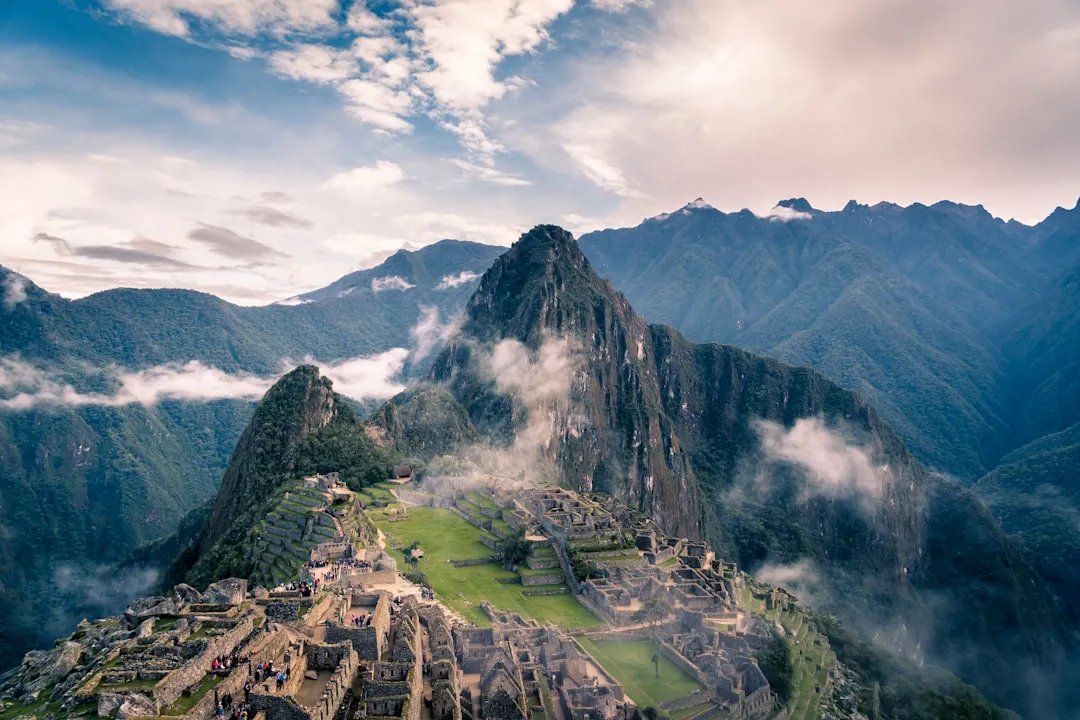
Machu Picchu gets more than 3,000 visitors per day, while Choquequirao sees only 15 to 20, which many consider makes it more attractive, since visitors can feel they have the stunning landscapes and mountains all to themselves as they make their way through the site.
Only accessible on foot, the awe-inspiring site is incredibly well preserved and largely unvisited by the crowds that flock to nearby Machu Picchu. There are no flag-waving tour groups here, no one asking you to step aside for a photograph. Imagine standing among expansive Inca terraces, ceremonial plazas, and stone temples and hearing absolutely nothing but the wind and the occasional condor overhead.
The Trek to Get There
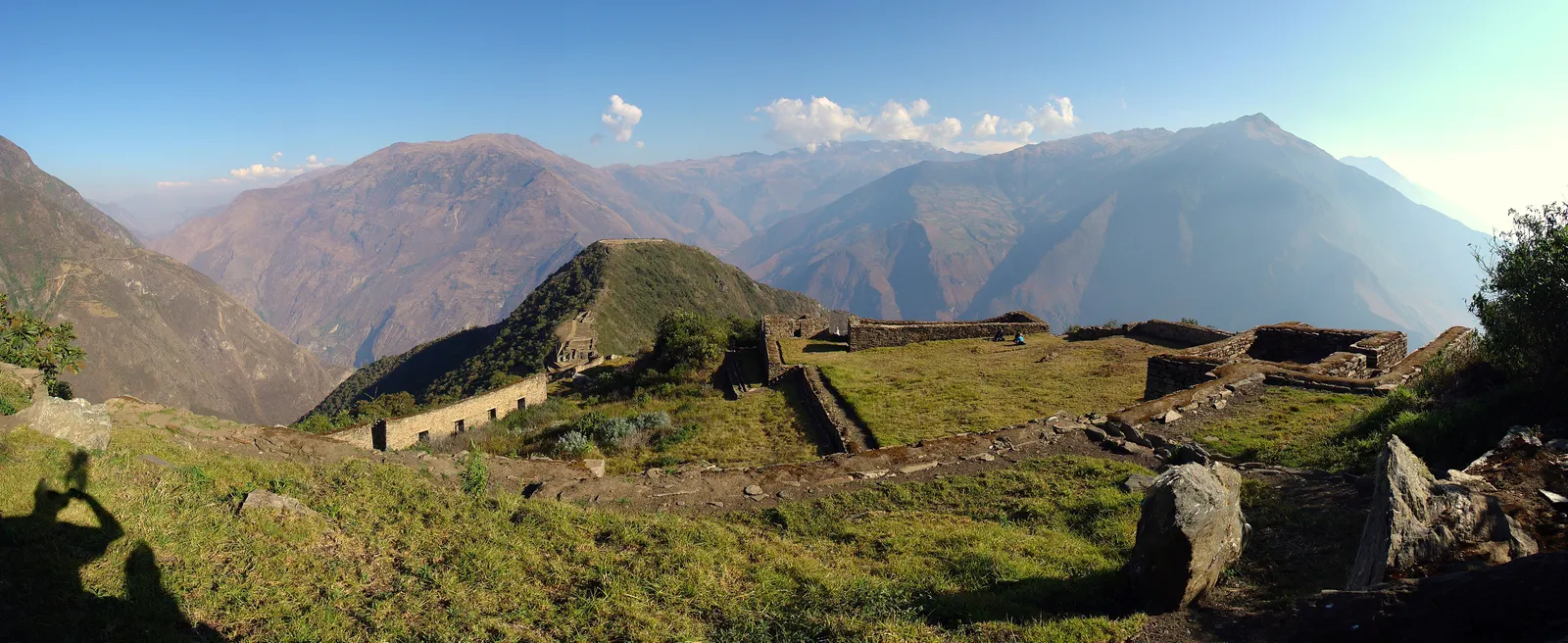
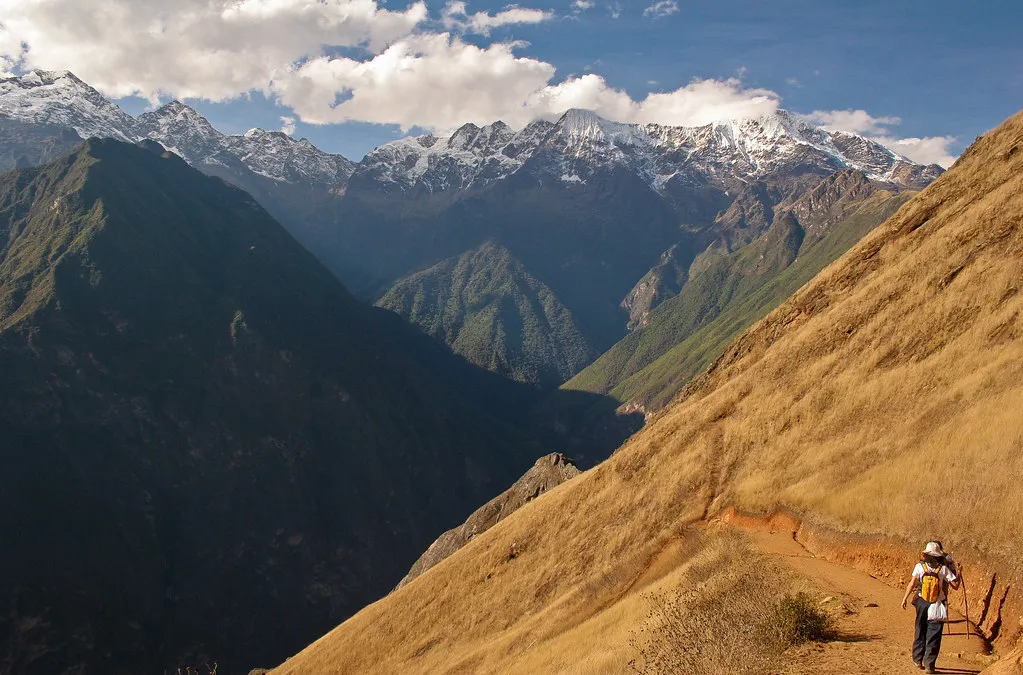
The Choquequirao trek is a 42-kilometer out-and-back trail with over 3,000 meters of descent and 3,000 meters of ascent over three to five days. The Grade 5 hike is located around four and a half hours from Cusco, Peru.
Choquequirao is considered one of the most physically demanding treks in Peru, not because it is technical, but because it is long, steep, and relentless in the best possible way. The hike from Cachora to Choquequirao takes two days, averaging around seven hours of trekking per day. That physical commitment is, in many ways, exactly the point.
The Architecture and Its Stunning Details
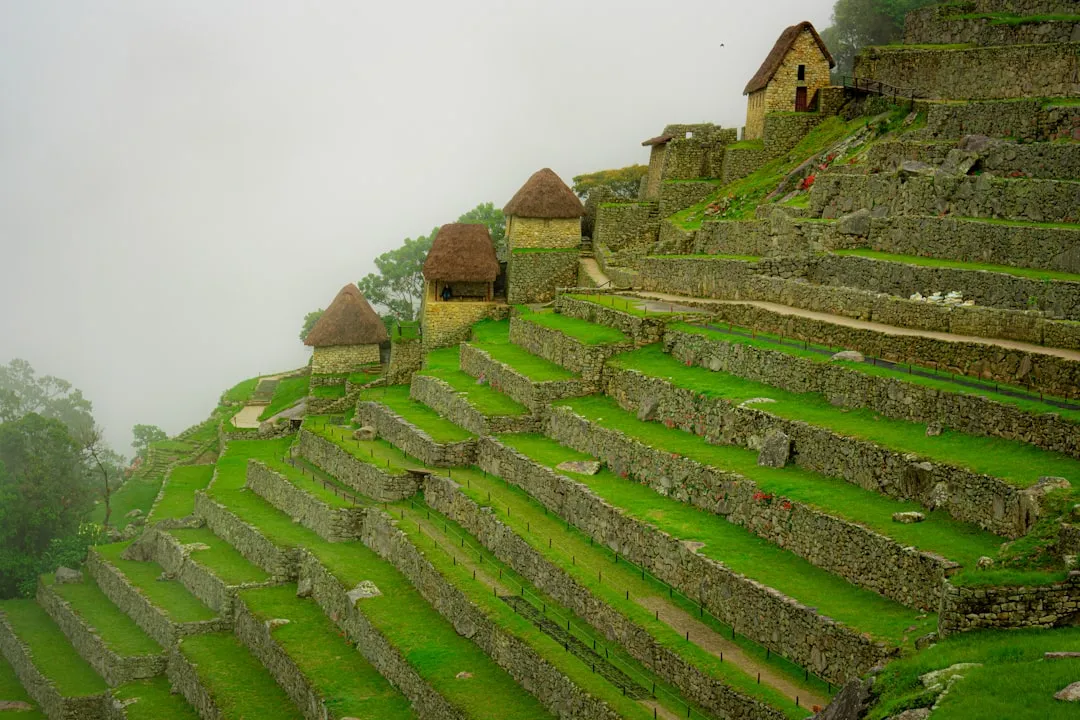
One of the most fascinating features is the series of terraces decorated with white stone figures, including llamas. This kind of decorative stonework is rare among Inca sites and makes Choquequirao genuinely distinct, not simply a copy of the more famous ruins to the east.
Choquequirao was erected in the latter part of the 15th century, most likely under the reign of Tupac Inca Yupanqui. Like Machu Picchu, it was probably designed as a pleasure retreat and administrative centre for the Sapa Inca, but after the empire’s collapse in the late 1500s, it lay abandoned and unknown for centuries. Its architecture and terraced landscape bear close resemblance to Machu Picchu.
The Wildlife Along the Way
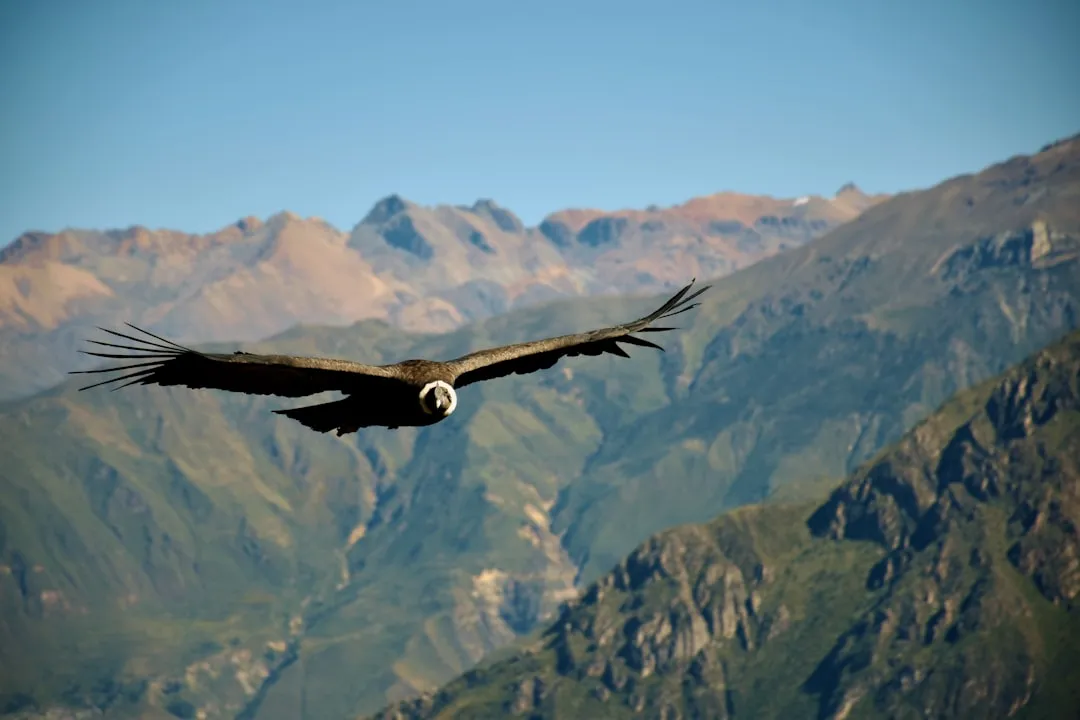
Choquequirao is home to rich biodiversity, with notable wildlife including the Andean condor, foxes, vizcachas, pumas, hummingbirds, spectacled bears, and the cock-of-the-rock. The surrounding cloud forest also hosts a wide variety of tropical orchids and plant species, similar in diversity to Machu Picchu.
This isolation has favored both archaeological preservation and the biodiversity of the Choquequirao Regional Conservation Area, where emblematic species like the Andean condor, spectacled bear, and puma still find protected habitats. Spotting a condor riding thermals above the Apurímac Canyon is not a special occasion at Choquequirao. It is simply part of a regular afternoon.
How Much of It Remains Unexcavated
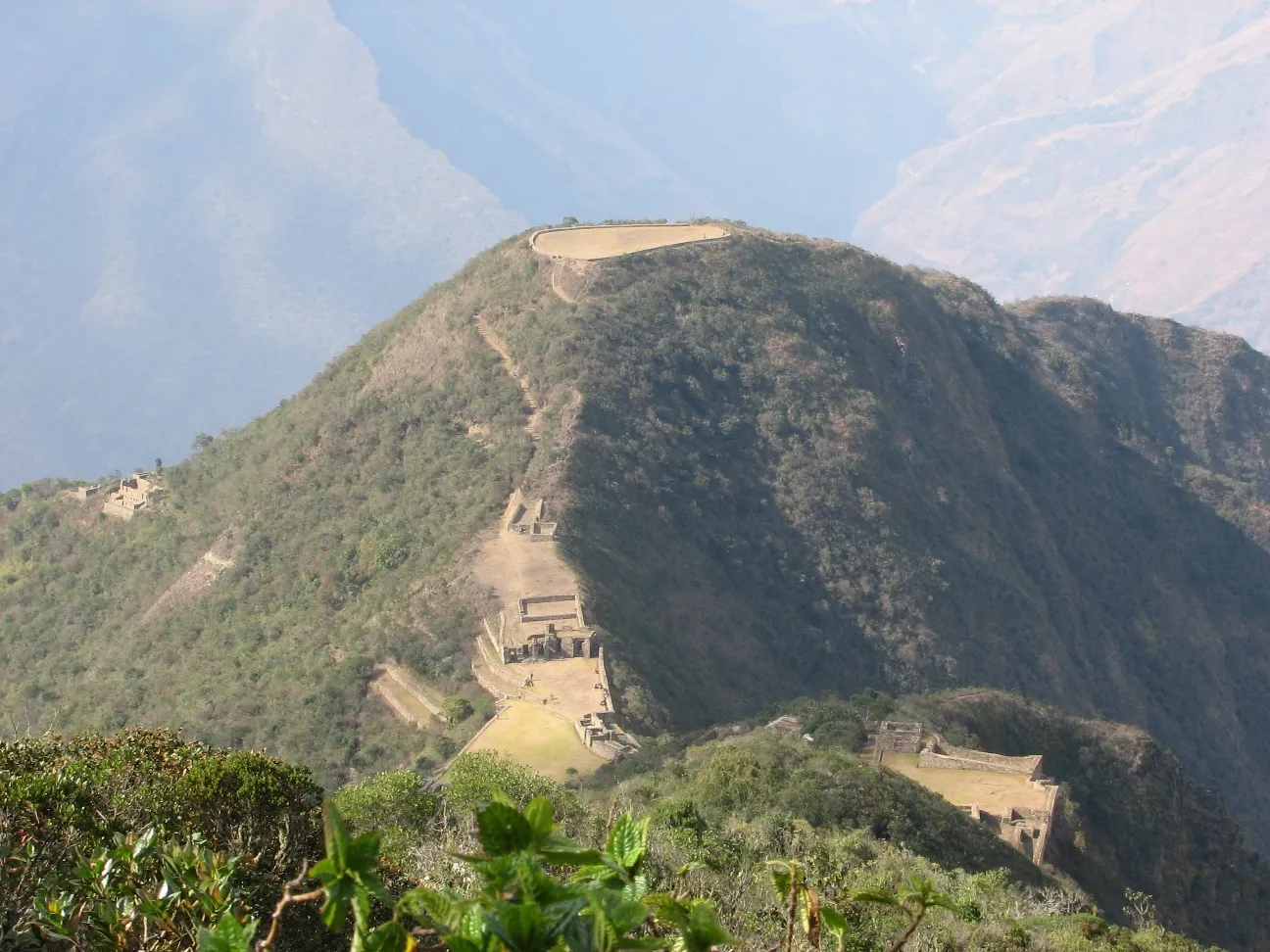
It is much more extensive than it first appears, since only a part has been excavated, so it is less visited, which gives it a quieter and more remote atmosphere. Choquequirao is not yet completely excavated, and many structures have not yet been stabilized.
The site is suspected to be larger than Machu Picchu and is still being excavated. Walking through it today means walking through an active process of rediscovery. There is something genuinely rare about standing at an Inca site where the story is still being told.
Getting There from Cusco
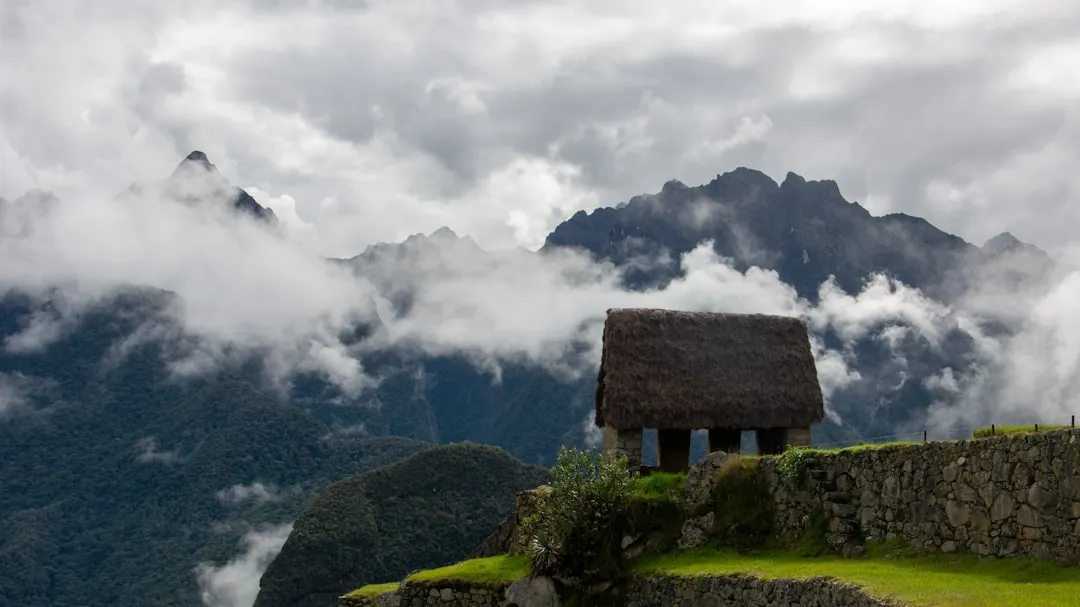
Choquequirao is situated on a levelled hill saddle some 60 miles as the crow, or condor, flies from Cusco. The starting point for most treks is the small town of Cachora in the Apurímac region, which is reached by road from Cusco before trekkers descend steeply into the canyon below.
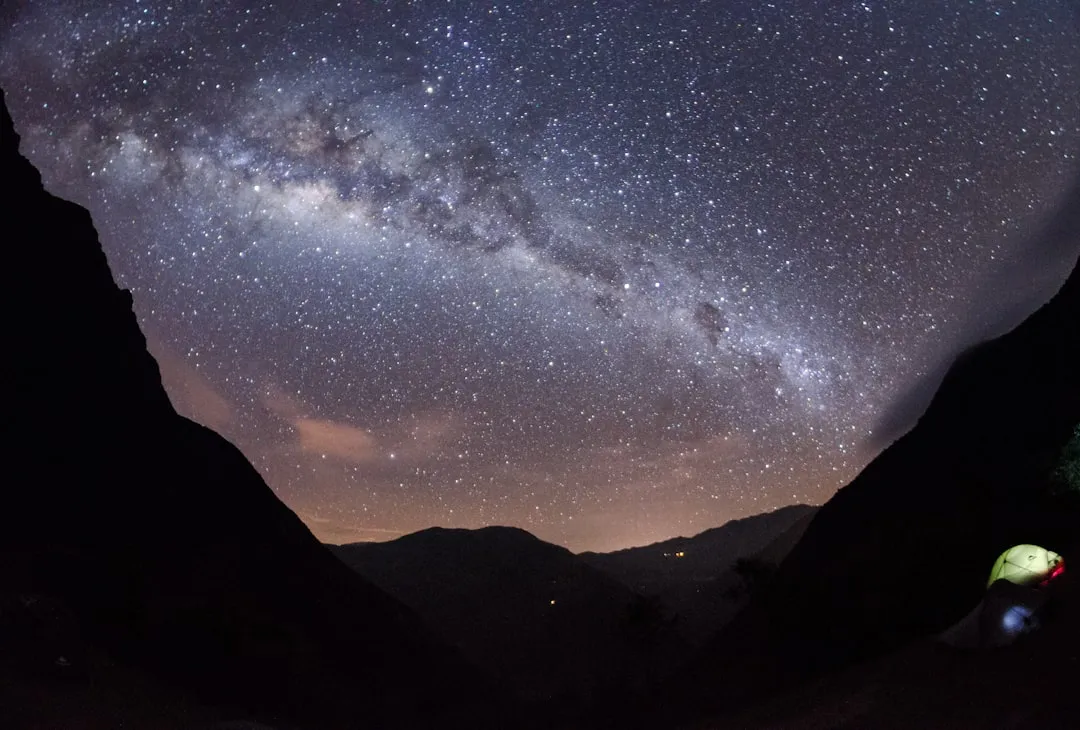
The most common way to reach Choquequirao is through a four-day, three-night trekking route. It is also possible to trek all the way from Choquequirao to Machu Picchu over a remote seven-day adventure. For those with the time and the legs, that extended route is considered one of the great Andean journeys.
The Cable Car Project Changing Everything
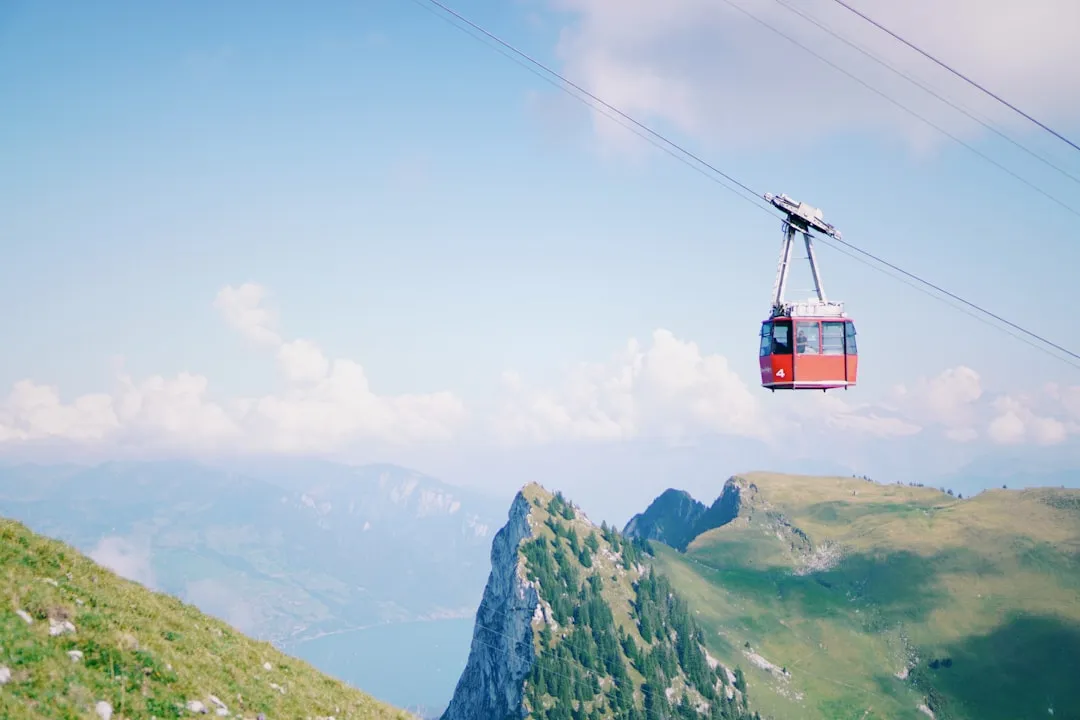
The Inca world as we know it is about to change if plans to construct a cable car to Choquequirao get off the ground. The Peruvian government has revived plans to build an aerial tramway to the ruins. The project is currently in the structuring phase and will be developed under a co-financed Public-Private Partnership modality, with an estimated investment of approximately US$265 million.
Currently, to access Choquequirao you have to make a trek with camping for two to four days; the cable car promises to reduce this time to just 20 minutes. Projections suggest this investment would create conditions for over a million tourists to visit the Archaeological Park annually, a considerable jump from the current roughly 8,000 visitors per year.
A Debate Worth Having
Infrastructure construction, massive traffic, and noise can alter sensitive habitats, affecting species like the Andean bear and condor. Without planning that includes local communities, the new tourism model could concentrate benefits in large operators, leaving aside guides, muleteers, and families who today live from the traditional trek.
A study on tourism effects on the Choquequirao ecosystem by UNSAAC in 2023 concluded that, although the current trekking impact is low, a significant visitor increase could alter the distribution of sensitive species. Turning it into a mass tourist site risks destroying its sacred essence and permanently damaging its infrastructure, as increased visitor numbers also mean more waste, trail erosion, noise, and a loss of the tranquil atmosphere that makes Choquequirao truly unique. These are conversations the travel community, local guides, and the Peruvian government are actively navigating right now.
Why Visit Now, Before It Changes
Located 3,000 meters above sea level on a flattened hilltop, getting to Choquequirao is the adventure Machu Picchu used to be. The window to experience it in its current, quiet form is genuinely uncertain. The bidding process for the cable car project is expected to take place during the last quarter of 2025.
For travelers who want to go beyond the obvious and popular choice and experience Peru at its wildest, Choquequirao is an incredible alternative. The main highlights of this hike are not only the Choquequirao ruins themselves, but also the stunning landscape of majestic mountains, serene valleys, and canyons, where you are bound to see condors and typical flora like orchids. Few destinations in South America deliver that combination so completely.
The Takeaway
Choquequirao is not a consolation prize for travelers who couldn’t get a Machu Picchu permit. It is a serious destination in its own right, a place of real archaeological weight, staggering natural beauty, and rare silence. The fact that it demands effort to reach is inseparable from what it offers when you arrive.
The cable car debate will continue, and however that story unfolds, it will reshape the experience in ways that are difficult to fully predict. This place is not just a tourist destination; it is a sacred sanctuary hidden among towering mountains and deep canyons, where condors still soar freely over the skies of Apurímac and Cusco. That quality, above all else, is worth protecting.
AI Disclaimer: This article was created with the assistance of AI tools and reviewed by a human editor.