
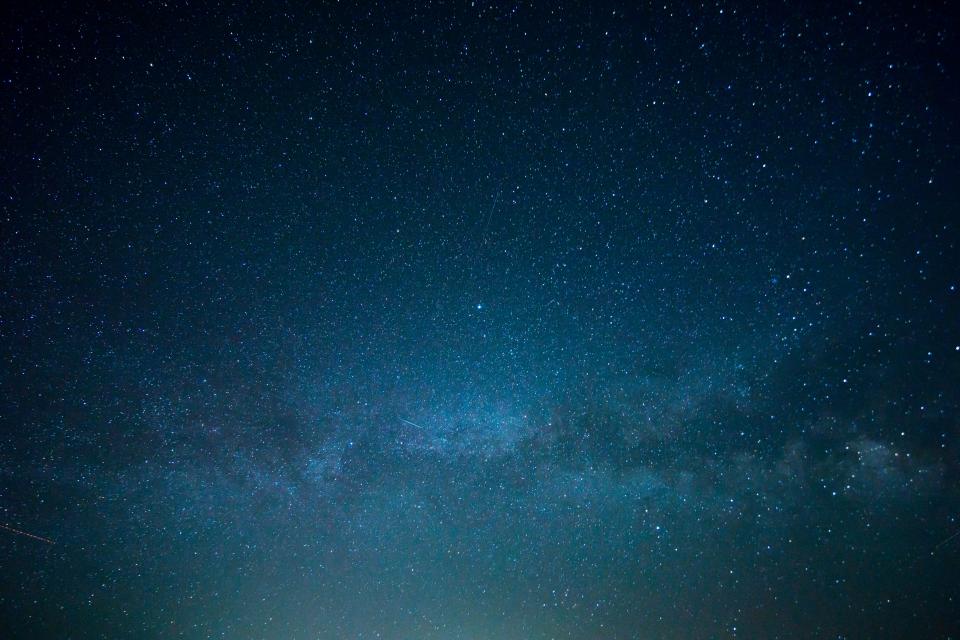

Elkhart, Kansas doesn’t appear on most travel shortlists. It sits in the far southwestern corner of the state, surrounded by a near-endless expanse of shortgrass prairie, where the nearest major city is hours away and the loudest sound at night is the wind moving through the grass. For most of the year, it’s the kind of place you pass through rather than stop for.
That’s starting to change. The land surrounding Elkhart – the Cimarron National Grassland – has quietly built a reputation among astronomers, night-sky photographers, and travelers seeking genuine darkness. What the town lacks in density, it more than makes up for in the sheer quality of its night sky.
A Town at the Edge of the Great Plains
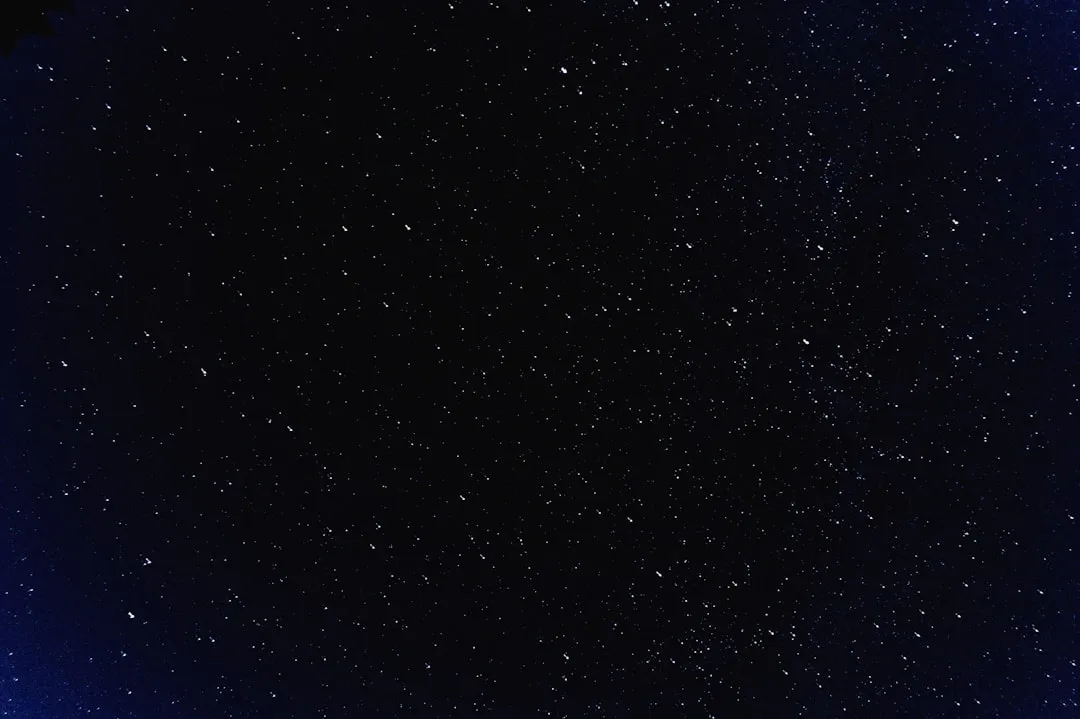
Cimarron National Grassland is located in Morton County in the far southwestern corner of Kansas. The town of Elkhart serves as the closest gateway community, a small and unhurried place that hasn’t been dramatically reshaped by tourism. The Cimarron National Grasslands covers nearly 110,000 acres of flat, impressive terrain with low vegetative growth.
The elevation sits above 3,000 feet, the air is dry, and there are virtually no competing light sources for miles in any direction. That combination, rare in the continental United States, is precisely what draws people who take their night skies seriously.
The Largest Area of Public Land in Kansas
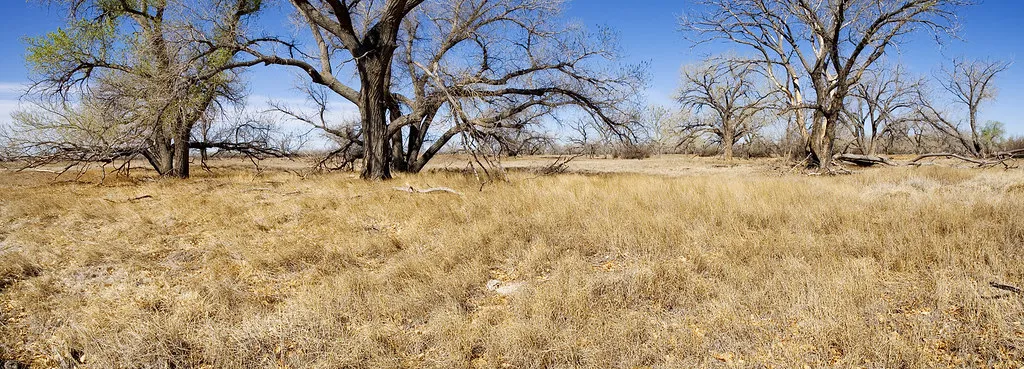
The 108,175-acre Cimarron National Grassland in southwestern Kansas is one of twenty National Grasslands and is the largest area of public land in Kansas, as well as the only parcel managed by the Forest Service. That scale matters for stargazers. A truly dark sky requires not just a single clearing, but an uninterrupted buffer of undeveloped land stretching out in every direction.
Cimarron sits on the shortgrass prairie of Cimarron National Grassland, one of Kansas’s few remaining expanses of native grassland. The grassland’s sheer size creates a natural barrier against light pollution that smaller preserves simply cannot replicate.
What Makes the Night Sky Here So Exceptional
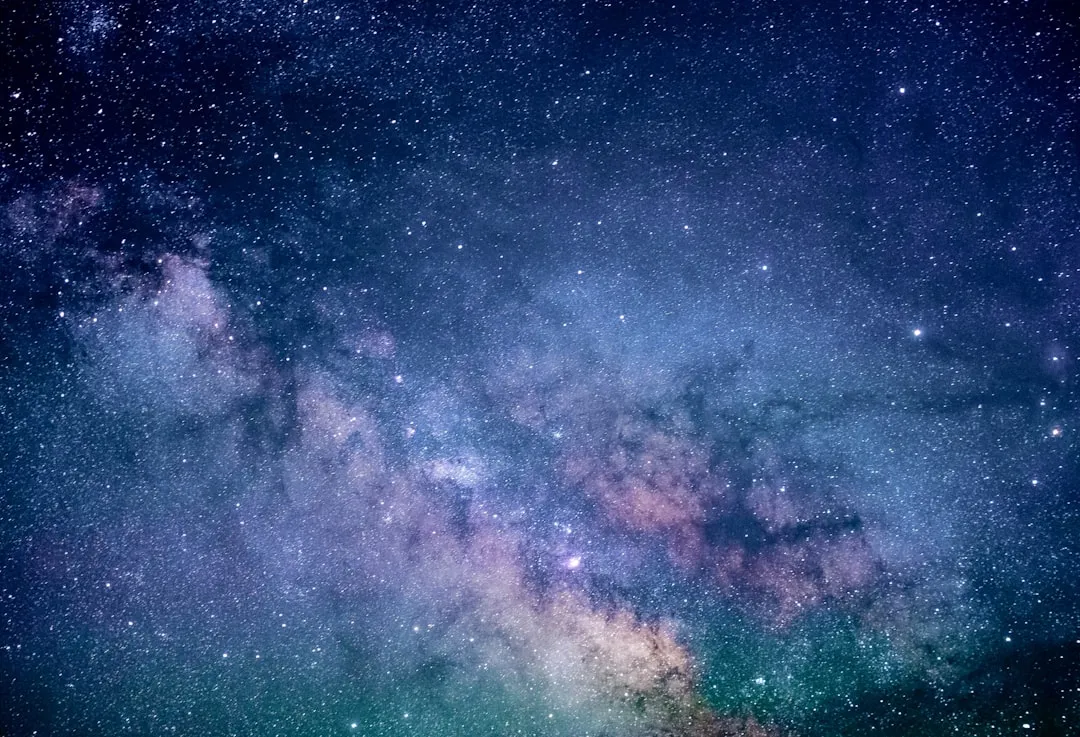
In the far southwest corner of Kansas, Cimarron National Grassland offers one of the darkest skies in the state. The open prairie stretches for miles, giving a full view of the horizon, and you’ll find almost no artificial light, which makes it perfect for meteor showers or Milky Way photography. The flatness of the terrain is actually an asset here – nothing interrupts the view from the ground all the way to the horizon.
The silence and vastness make the experience peaceful and immersive. On a moonless night, the Milky Way appears as a tangible band of light across the sky, not a faint suggestion of one. Photographers regularly make the trek here specifically because of conditions that are difficult to find this close to the American heartland.
A Living Prairie Ecosystem After Dark
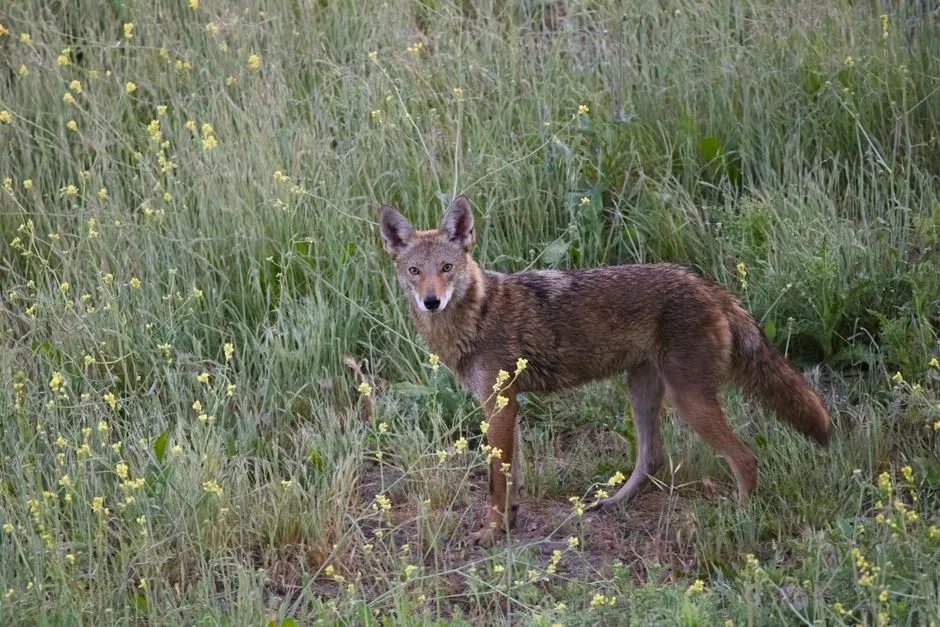
The Cimarron National Grassland is a unique ecosystem where ancient prairie meets modern conservation, representing one of the few remaining examples of the shortgrass prairie that once covered millions of acres. The landscape feels genuinely ancient, and at night, with no artificial lights to anchor you to the present, that sense of time deepens considerably.
Bird species like bobwhite, coyotes, deer, and other wildlife can be observed across the grassland. The grassland’s ecological integrity is part of what makes it worth protecting – and what gives a nighttime visit a richness beyond simple stargazing.
The Dark-Sky Experience: What Visitors Describe
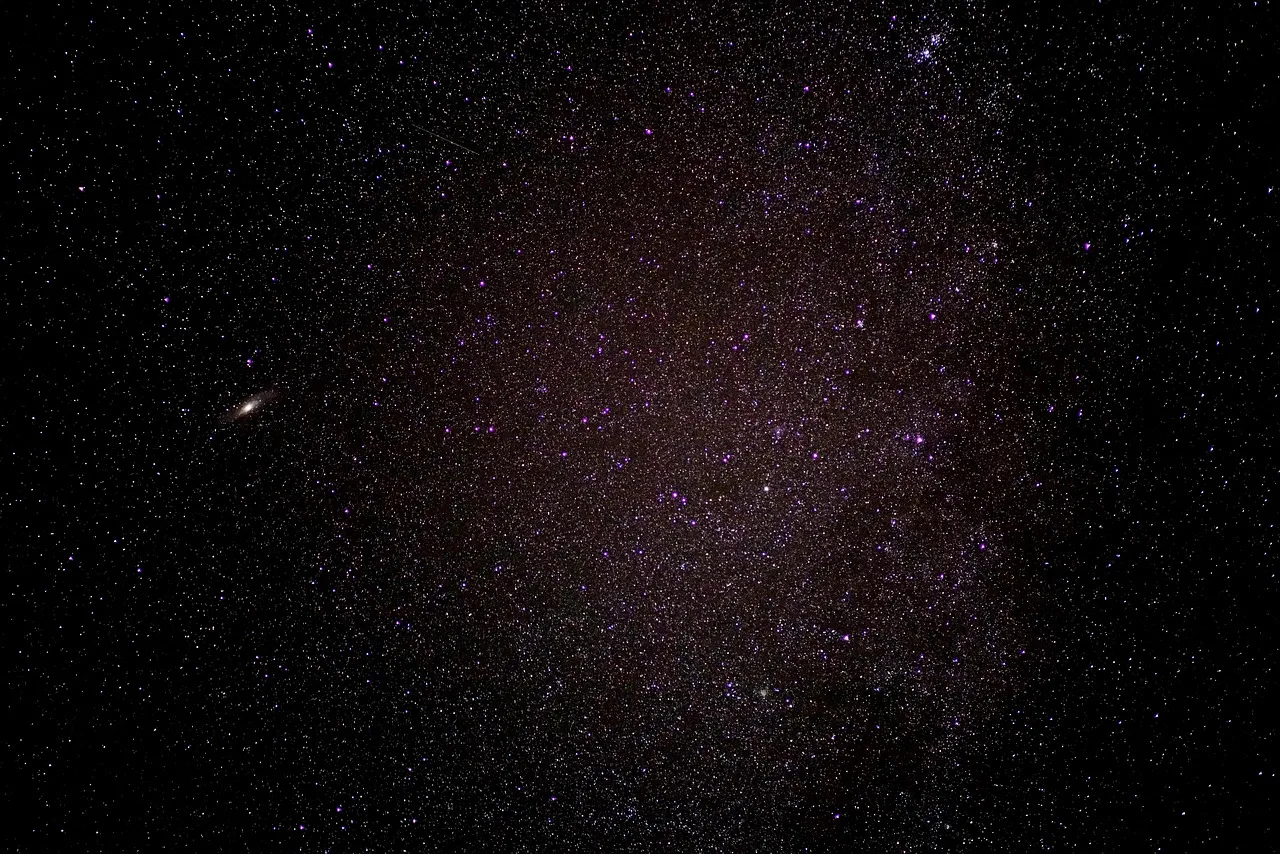
Visitors in late June find sunflowers in bloom across the prairie and stars unobscured by moonlight, with a campground so quiet that the solitude is striking. That quality of stillness is something travelers return to describe again and again. The wildlife is impressive and the night sky magical.
Right at the tip of Kansas’s southwest corner, the Cimarron National Grasslands stands out as a great place for stargazing, with a particular atmosphere all its own. The remoteness, which some travelers initially find daunting, becomes the entire point once night falls.
Why Kansas Is Quietly Becoming a Stargazing Destination
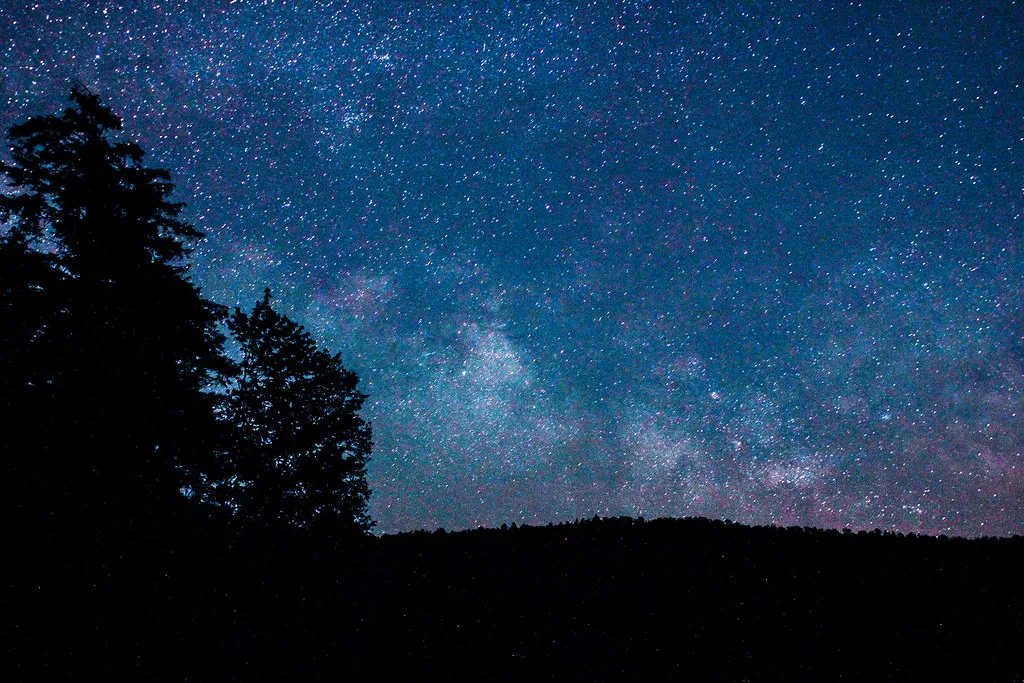
Kansas is becoming a top destination for celestial tourism. From stargazing and meteor showers to lunar eclipses and even the occasional northern lights, Kansas offers some of the best night-sky views in the country – if you know where to look. Most travelers still think of the state as flyover country, which only works in favor of those who do make the trip.
Kansas has wide-open spaces and low light pollution, making it ideal for stargazing, and some parks and natural areas offer especially dark skies, easy access, and great views of constellations and the Milky Way. The Cimarron area consistently ranks among the top locations in state stargazing guides for its combination of darkness and accessibility.
What the IDA Dark Sky Designation Actually Means
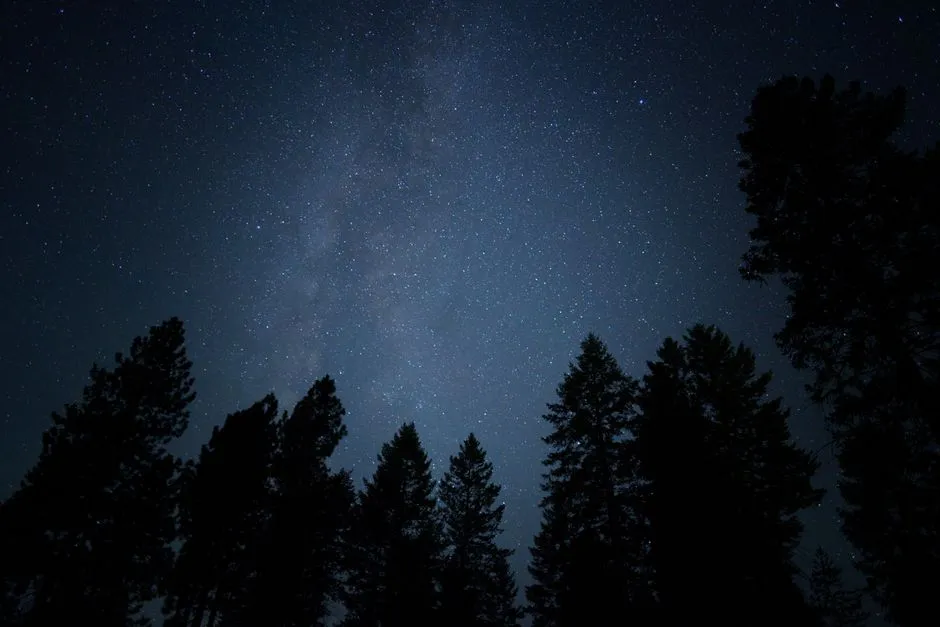
An IDA International Dark Sky Place is a certification awarded by the International Dark-Sky Association to a public or private land area that has exceptional quality of starry nights and a nocturnal environment specifically protected for its scientific, natural, or cultural value. The designation requires strict outdoor lighting policies, public education, and community support to preserve and protect the area from light pollution.
The International Dark Sky Places Program was started in 2001 by the International Dark-Sky Association to encourage parks and communities around the world to preserve and protect dark skies through responsible lighting policies and education. As of early 2025, there are over 200 certified Dark Sky Places worldwide. That number sounds large, but relative to the total land area of the planet, certified sites remain genuinely rare.
Practical Information for Visiting
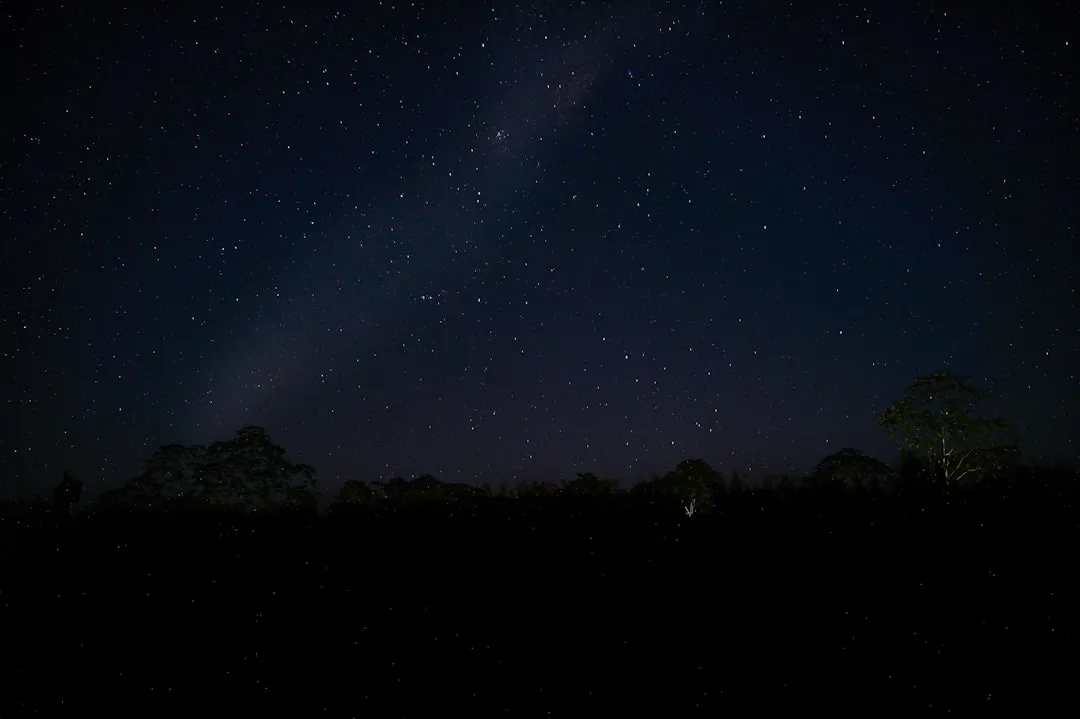
Camping is allowed in designated areas within the Cimarron National Grassland, and the flat terrain makes it easy to set up gear – though visitors should check weather conditions before visiting since winds can be strong. The best strategy is to arrive before sunset, allowing your eyes to adjust to the dark gradually as the sky transitions.
Summer and early fall bring the clearest skies and warm nights. Early fall can also be a good time to visit dark-sky areas like the Cimarron National Grassland if you prefer cooler air and fewer insects. Meteor showers in the late summer and early fall months align well with the darkest conditions the grassland has to offer.
An Unexpected Bonus: Elkhart’s Daytime Worth
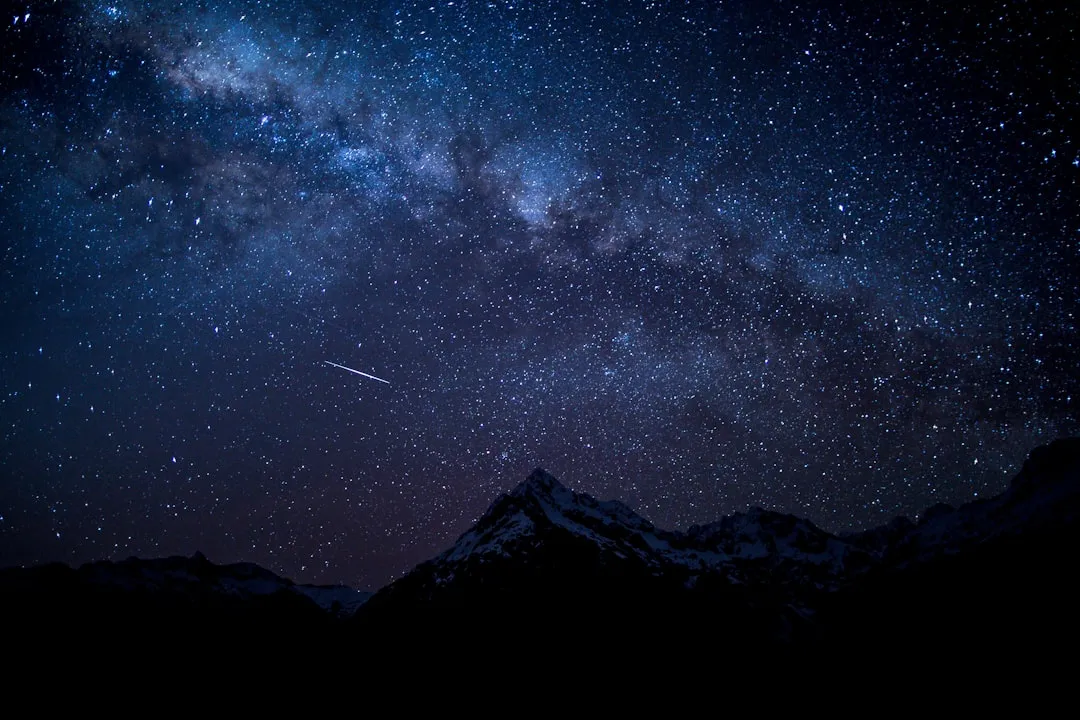
The area around Elkhart rewards travelers who spend a full day before their evening under the stars. The grassland’s ancient Point of Rocks offers spectacular views, and the underground Cimarron River affords lush greenery above a dry riverbed. It’s a genuinely striking landscape that reads differently depending on the hour and season.
The Cimarron National Grassland is a wonderful place for watching meteors, and the best thing about the grassland is the lack of towns to the north, where meteors should originate from. That directional clarity matters more than most travelers expect. Having an unobstructed northern horizon is a real advantage during the major summer and fall meteor showers.
Responsible Travel and the Ethics of Dark-Sky Tourism
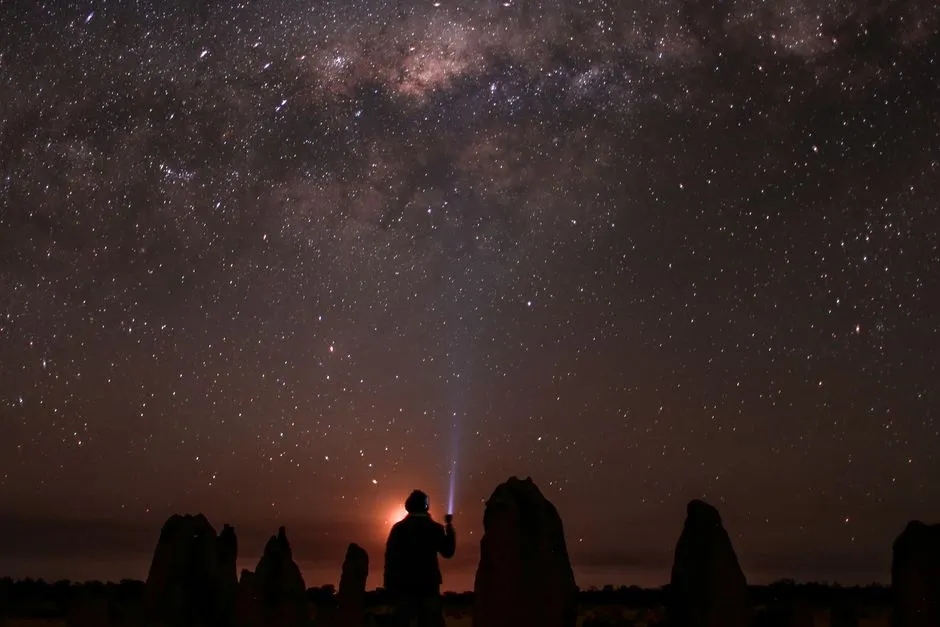
Visiting a place like Cimarron National Grassland comes with a quiet responsibility. International Dark Sky Parks are publicly or privately owned spaces protected for natural conservation that implement good outdoor lighting and provide dark sky programs for visitors. That means the protection of the night sky is an active, ongoing commitment, not just a designation on a sign at the park entrance.
Travelers can help preserve what makes this place exceptional by using red-filtered lights instead of white torches, keeping campfires contained, and leaving the grassland exactly as they found it. Dark sky certification demonstrates a commitment by parks to improve night skies through the use of more energy efficient, sustainable lighting. The role of visitors is simply to honor that work.
The Takeaway
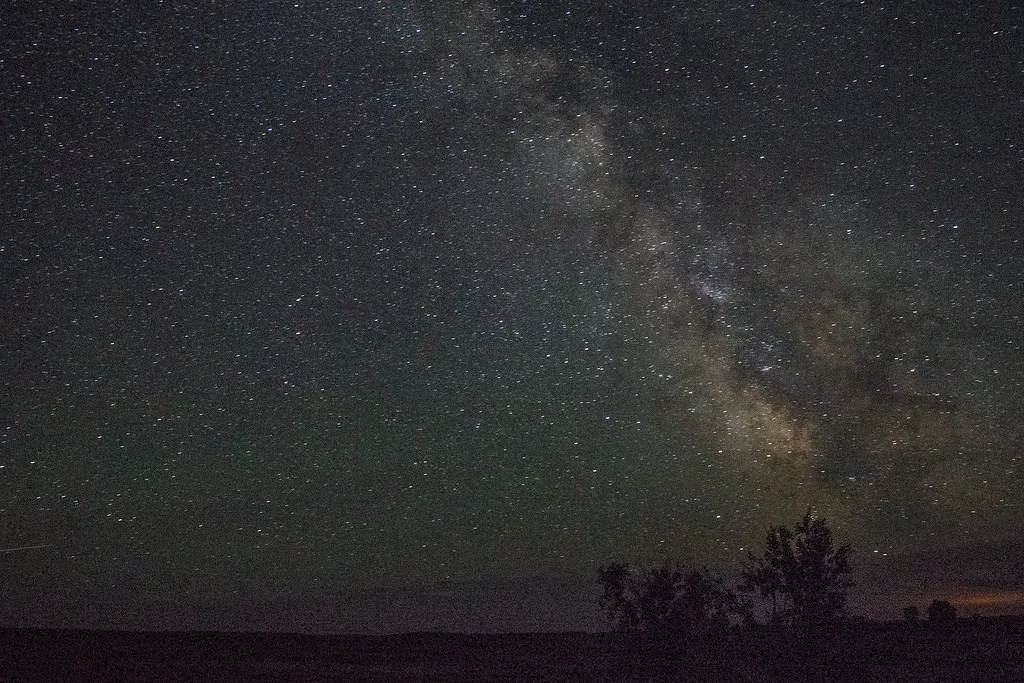
There’s something grounding about standing in the middle of a Kansas shortgrass prairie at ten in the evening with the Milky Way spread overhead and nothing but silence around you. Elkhart and the Cimarron National Grassland don’t try to be more than they are. For many, celestial tourism is more than just stargazing – it’s a chance to slow down and reconnect. Out where the prairie meets the sky, time seems to stretch a little longer, and the world feels a bit bigger.
The best dark skies in the country aren’t always found in the places people expect. Sometimes they’re waiting in a quiet corner of Kansas, over a prairie that has looked essentially the same for thousands of years, just waiting for someone to look up.
AI Disclaimer: This article was created with the assistance of AI tools and reviewed by a human editor.