

There’s a place in the heart of Cajun Country where the pace of life still matches the slow drift of water through Spanish moss. Most visitors to Louisiana head straight for New Orleans, but those who take the quieter road often find something more lasting. Breaux Bridge, a small city on the banks of Bayou Teche in St. Martin Parish, has a way of making the present feel pleasantly distant.
Located in the heart of Cajun Country, Breaux Bridge offers visitors a glimpse into the rich cultural tapestry that makes southern Louisiana one of the most unique regions in North America. It’s the kind of town that doesn’t announce itself loudly. It simply exists, deeply and honestly.
A Town Born From a Bridge and a Family’s Vision
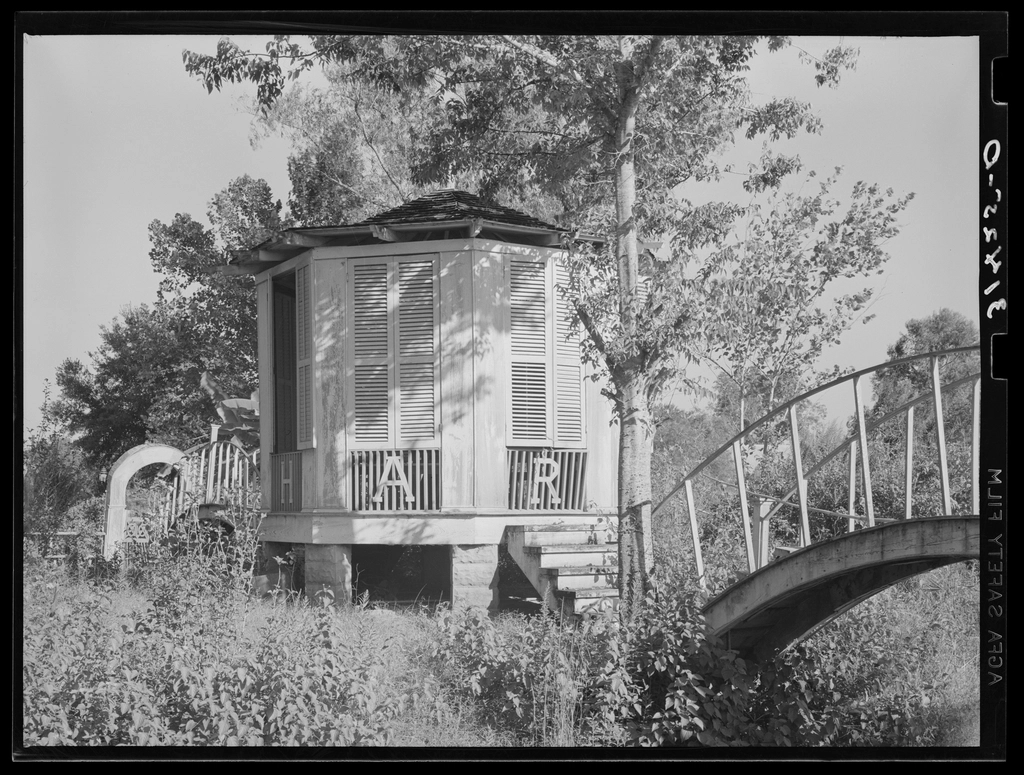
Back in 1771, Acadian pioneer Firmin Breaux began buying the land from which the present-day city of Breaux Bridge would evolve, and in 1799, Breaux built a footbridge across Bayou Teche to help ease the passage for his family and neighbors. In 1817, Firmin’s son Agricole built the first vehicular bridge, allowing for the passage of wagons and increased commerce in the area, and this bridge distinguished Breaux Bridge as the only city on Bayou Teche to evolve from both sides simultaneously.
The town received its official founding in 1829 when Scholastique Picou Breaux, Agricole’s 33-year-old widow, drew up plans for the city and began developing her property by selling lots to other Acadian settlers. That a young widow effectively built an entire town from her own initiative is a thread of resilience woven deep into Breaux Bridge’s identity.
Where the Atchafalaya Basin Frames the Horizon
![Where the Atchafalaya Basin Frames the Horizon (via [1], Public domain)](https://nvmwebsites-budwg5g9avh3epea.z03.azurefd.net/tripjaunt/3d32b78dcea58d7430b423b02cf1cbb8.webp)
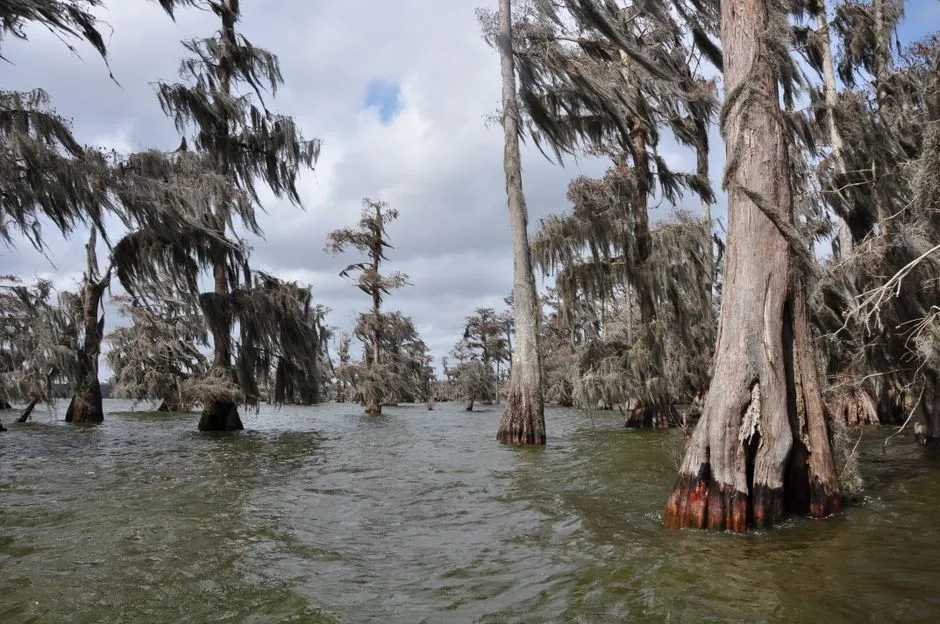
Breaux Bridge belongs to St. Martin Parish and is nestled on either side of Bayou Teche. The town is encircled by rivers and waterways, including the Atchafalaya Basin, North America’s largest river basin. That geographic reality shapes everything here, from the food on local menus to the wildlife visible from a morning walk.
Breaux Bridge is a breathtaking stop along the tourism route known as the Bayou Teche Scenic Byway, along which travelers can experience views and witness the bountiful nature – from cypress trees and water lilies to alligators and water birds – that exists within St. Martin Parish. The name “Teche” is a Chitimacha Indian word meaning “snake,” related to the bayou’s twists and turns resembling a snake’s movement.
The Crawfish Capital of the World – and Proud of It
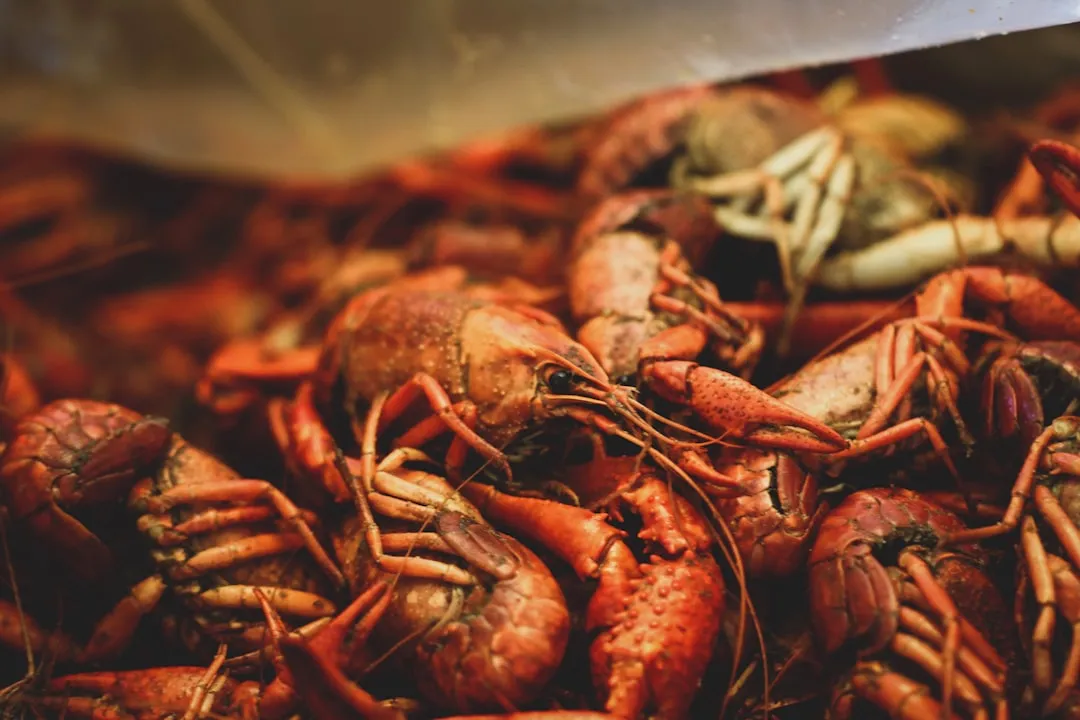
Restaurants of Breaux Bridge were the first to offer crawfish openly on their menus, and it was here that the now world-famous crawfish étouffée was created. Breaux Bridge became so well known for its crawfish farming and cooking that, in honor of its centennial celebration in 1959, the Louisiana legislature officially designated it “la capitale Mondiale de l’écrevisse,” or “the Crawfish Capital of the World.”
The city has preserved the Cajun culture of its earliest settlers – French-speaking Acadians who arrived in the 18th century – and that heritage still lingers throughout the historic downtown, where 19th- and early 20th-century architecture now houses antique shops, boutiques, art galleries, and excellent restaurants. Home to just under 7,600 residents, Breaux Bridge sits between Lafayette, about 11 miles away, and Baton Rouge, nearly 49 miles east.
The Saturday Zydeco Breakfast That Became a Louisiana Institution
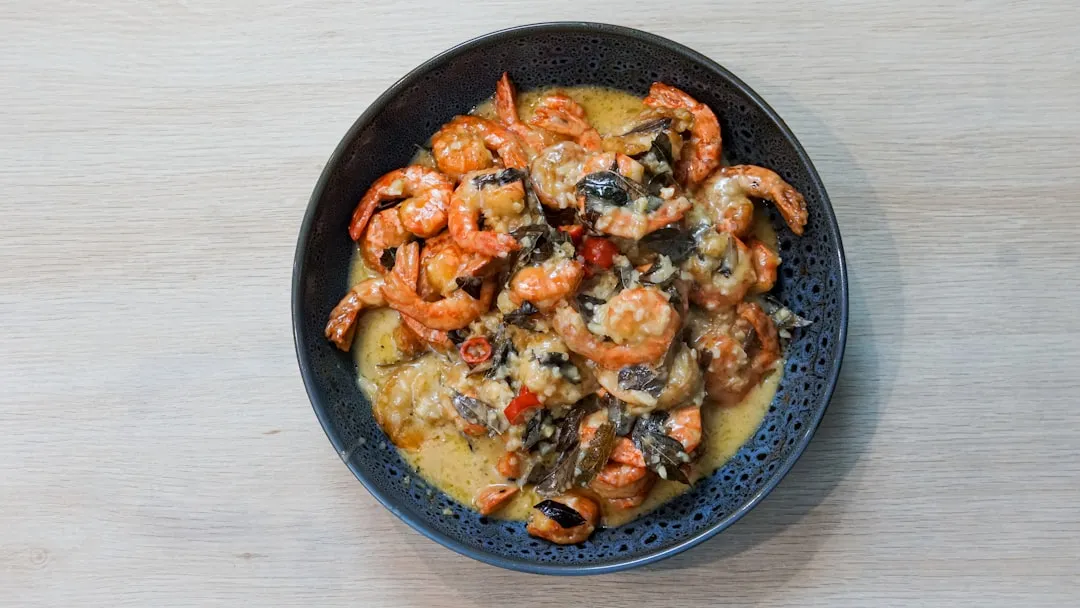
In 2017, the world-famous Zydeco Breakfast found its new home at Buck and Johnny’s, a former Domingue’s Motors building converted into a restaurant with Italian-Cajun fusion cuisine. The car showroom is now the dance floor, and the service station portion is a bar known as the Filling Station. As the uptempo live music plays and customers alternate between eating and dancing, plates of étouffée pour out of the kitchen.
After working up an appetite, you can reward yourself with local favorites like boudin-stuffed omelets, grilled boudin, or crawfish étouffée grits. In addition to the Saturday morning Zydeco Breakfast, Buck and Johnny’s also features music and dancing lessons several nights a week. Few places on earth blend a morning meal with this much movement and joy.
Cajun Music as Living Heritage
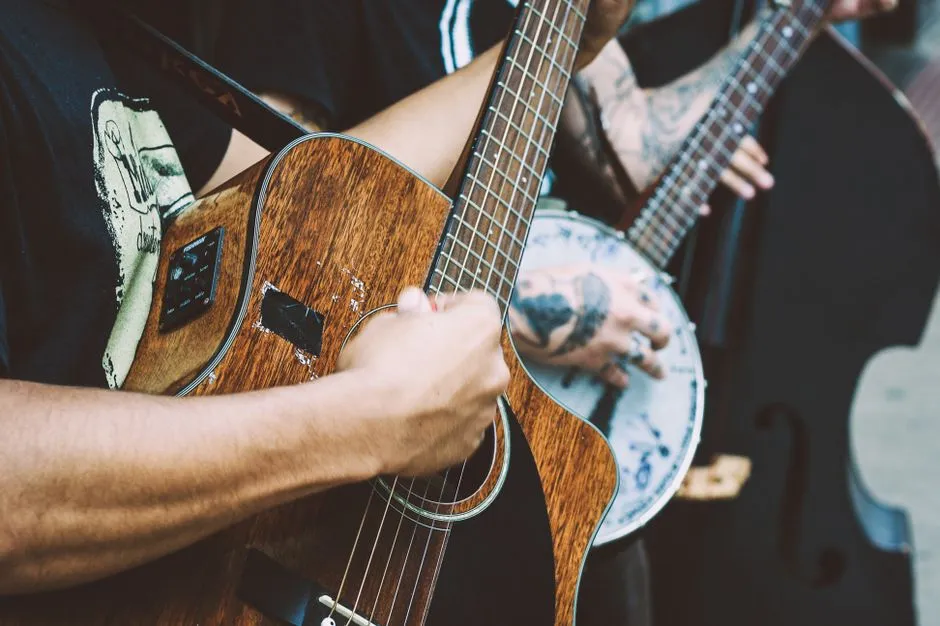
Cajun music has its roots in the 18th-century migration of the Acadians – French settlers who were forced out of Nova Scotia by the British during the Great Expulsion. They eventually made their way to Louisiana, where they adapted to the bayou’s landscape and created a thriving community. Music played a vital role in preserving their cultural identity, serving as a source of joy and connection in a new and unfamiliar land.
Breaux Bridge’s Cajun music heritage is rich and, like other forms of folk music, passed down from one generation to the next. Cajuns are known for their joie de vivre, and find profound enjoyment in the slow life: meals taken at a leisurely pace with Cajun and zydeco music frequently in the background, long days cooking down many dozen ears of corn into a century-old corn maque choux recipe, and laughter wafting from the front porch.
Lake Martin: A Cypress Swamp Unlike Any Other
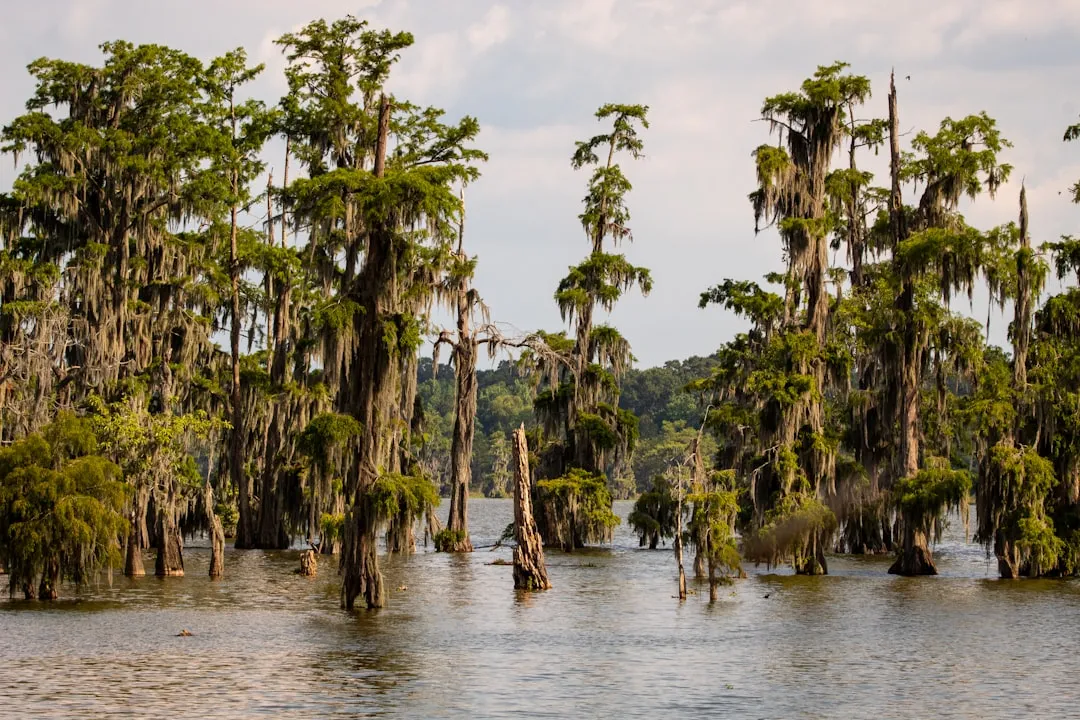
The Cypress Island Nature Preserve, which surrounds Lake Martin in Breaux Bridge, is one of Louisiana’s prime birding destinations. Attracting visitors from across the state and around the world, the preserve has documented over 250 species of migratory and resident birds and includes a protected rookery that is home to one of Louisiana’s largest nesting colonies of waterbirds.
Towering cypress trees, including more than 300 specimens upwards of three centuries old, trail grey-green veils of Spanish moss to meet the mirror-like surface of the lake. Water tupelo trees and live oaks cluster into gothic silhouettes, creating scenes so beautiful that it’s hard to put your camera down. The photo opportunities are endless, particularly at sunset and sunrise, when the lake and surrounding swampland are bathed in shades of pink, orange, and gold.
Alligators, Spoonbills, and 10,000 Acres of Protected Wild
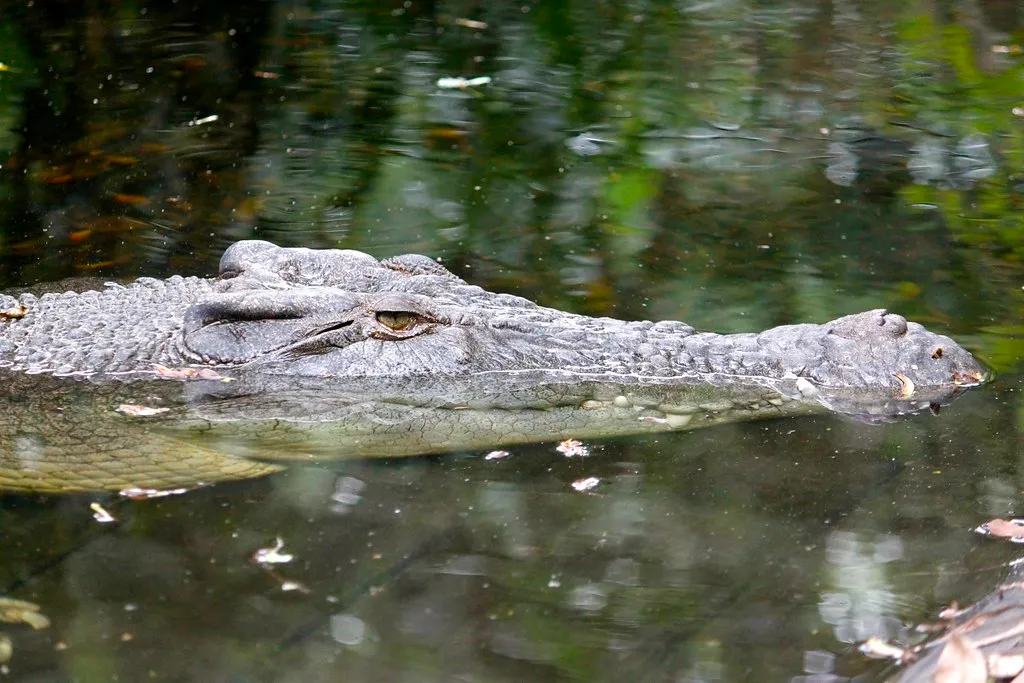
The diversity of wildlife present on the nearly 10,000 acres of protected land includes a population of over 1,000 alligators. Overseen by the Nature Conservancy of Louisiana, the large but accessible nature preserve presents a rich and varied paradise to birdwatching enthusiasts who flock to visit from March through June, when resident and migratory populations are most active.
Thanks to its balmy southern climate and proximity to the open waters of the Gulf of Mexico, Louisiana serves as an important stopover habitat on the Mississippi Flyway, with more than 325 migratory bird species making the journey from their breeding grounds in the northern U.S. and Canada to wintering areas in Latin America. Unlike the deeper swamps of the Atchafalaya Basin, Lake Martin can be easily reached by car and much of the surrounding area can be explored on foot or in a canoe or kayak.
The Annual Crawfish Festival: Three Days of Cajun Celebration
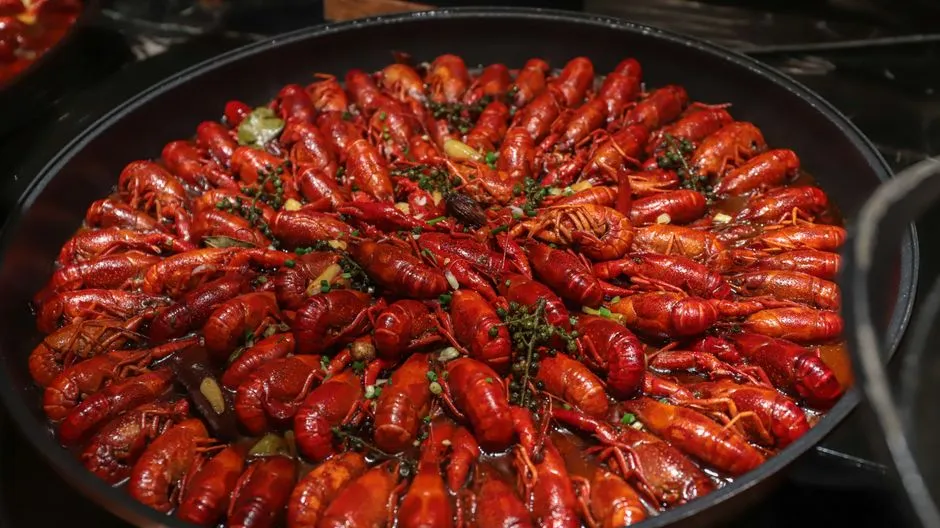
Every visitor to Breaux Bridge should consider timing their trip to coincide with the legendary Breaux Bridge Crawfish Festival, held annually in early May. This celebration represents the crown jewel of the town’s cultural calendar and attracts visitors from across America. The festival transforms the downtown area into a massive celebration of Cajun culture, featuring live music on multiple stages, crawfish-eating contests, traditional dance competitions, and countless vendors.
That identity is celebrated each year during the Breaux Bridge Crawfish Festival, held annually since 1960, where Cajun culture comes alive through music, food, and local traditions. The festival committee organizes crawfish races, where participants cheer on their chosen crawfish as they scuttle toward victory. Local musicians perform traditional Cajun and zydeco music, encouraging visitors to join in the dancing.
A Downtown That Moves at Its Own Pace
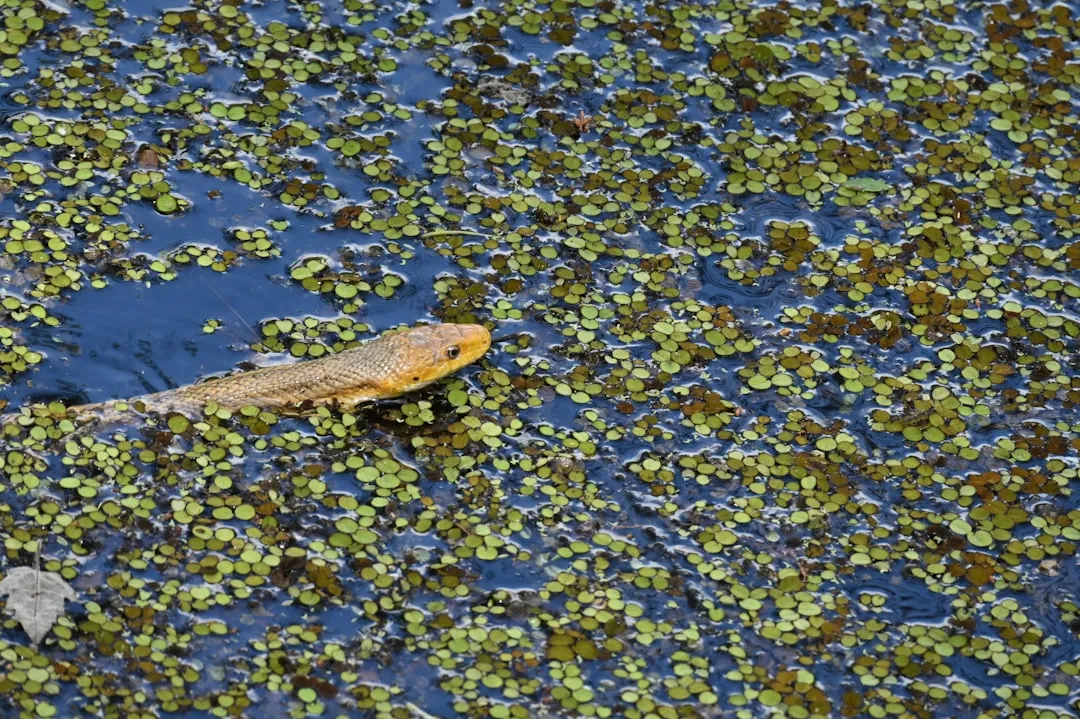
Visitors can make their way to Parc des Pont de Pont Breaux, which means Park of the Bridges of Breaux Bridge, and check out the impressive 20-foot granite snake sculpture, which tells the legend of Bayou Teche as passed down by the Chitimacha tribe of Louisiana. The sculpture also celebrates the bayou’s importance to the broader Acadiana region.
Nearby, the 1855 Bridge – the town’s first footbridge – has been repurposed as a culture stage and fishing pier. Today, Breaux Bridge is a close-knit community of friendly people with a bustling downtown historic district filled with unique shopping and dining. The Cajun culture in Breaux Bridge is as much a draw for tourists as the food and the music, with many out-of-towners noting that Breaux Bridge is a town where time stands still, with modern amenities but with a history and a culture that thrives.
Getting There and Traveling Thoughtfully
Visitors to St. Martin Parish have a few Louisiana airports to choose from. For ease of access, fly into Lafayette Regional Airport, located just 15 minutes from Breaux Bridge. Travelers can also opt to start their journey by landing at Baton Rouge Metropolitan Airport, which is less than a one-hour drive to the parish.
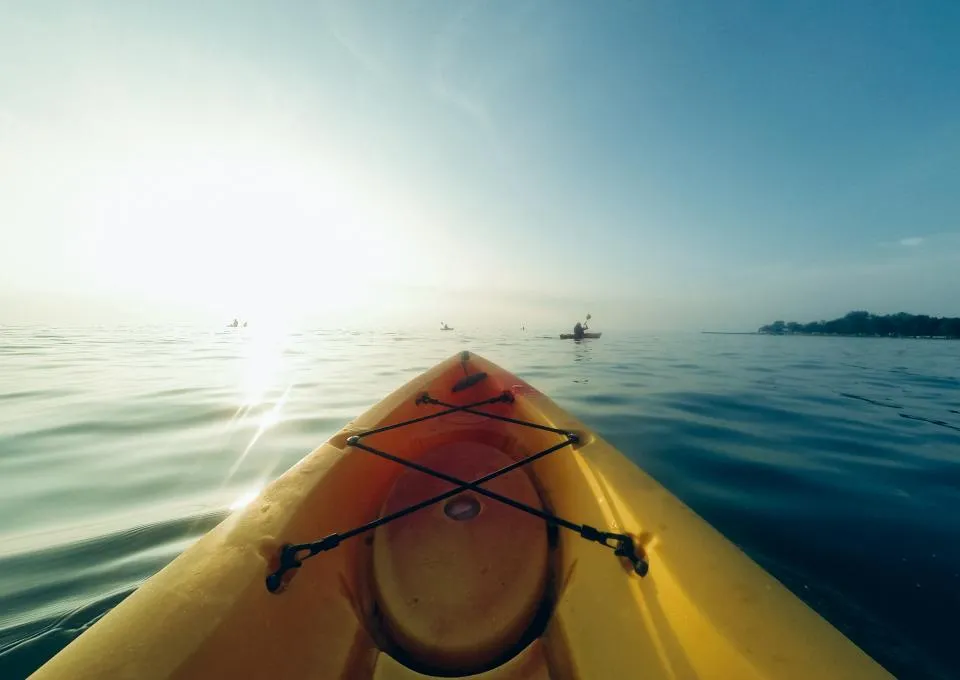
Find solace in the picturesque beauty of Lake Martin, where kayaking, bird-watching, and wildlife spotting create unforgettable experiences. When visiting, move at the town’s pace rather than fighting it. The bayou doesn’t rush, and neither should you. Give local restaurants your business, support the artisans in the downtown galleries, and treat the wetlands with the care they deserve. This ecosystem is fragile, and the culture that grew up around it even more so.
A Place That Reminds You What Slowness Feels Like
Breaux Bridge doesn’t try to be anything other than what it is. The crawfish are boiled the same way they’ve been boiled for generations. The zydeco accordion still pushes dancers across worn wood floors on Saturday mornings. That such a small town has earned a worldwide name for itself is a testament to the extraordinary character of Breaux Bridge, Louisiana.
Some places wear their history like a costume. Breaux Bridge simply lives it – in the food, in the music, in the slow green pull of Bayou Teche moving through town. Louisiana travel works best when it feels slightly overheard: bayou whistles, frying spice, porch laughter, and water moving somewhere just out of sight. In Breaux Bridge, that description isn’t a metaphor. It’s a Tuesday afternoon.
AI Disclaimer: This article was created with the assistance of AI tools and reviewed by a human editor.