


Nevada is famously dry. More than three quarters of the state is classified as desert or semi-arid land, which makes it easy to overlook the fact that Nevada holds one of the most extraordinarily clear bodies of water on the entire continent. Most visitors who drive toward the Sierra Nevada are focused on the casinos of Reno or the trails of the Great Basin. The lake waiting for them on the other side tends to catch people completely off guard.
Straddling the California-Nevada border in the Sierra Nevada, Lake Tahoe covers about 191 square miles, carries 72 miles of shoreline, and reaches a maximum depth of 1,645 feet. The Nevada side of this extraordinary lake, particularly the stretch anchored by Sand Harbor State Park, offers something rare: world-class water clarity in a setting that still rewards the patient traveler willing to go beyond the obvious.
A Lake Measured in Centuries, Not Just Miles
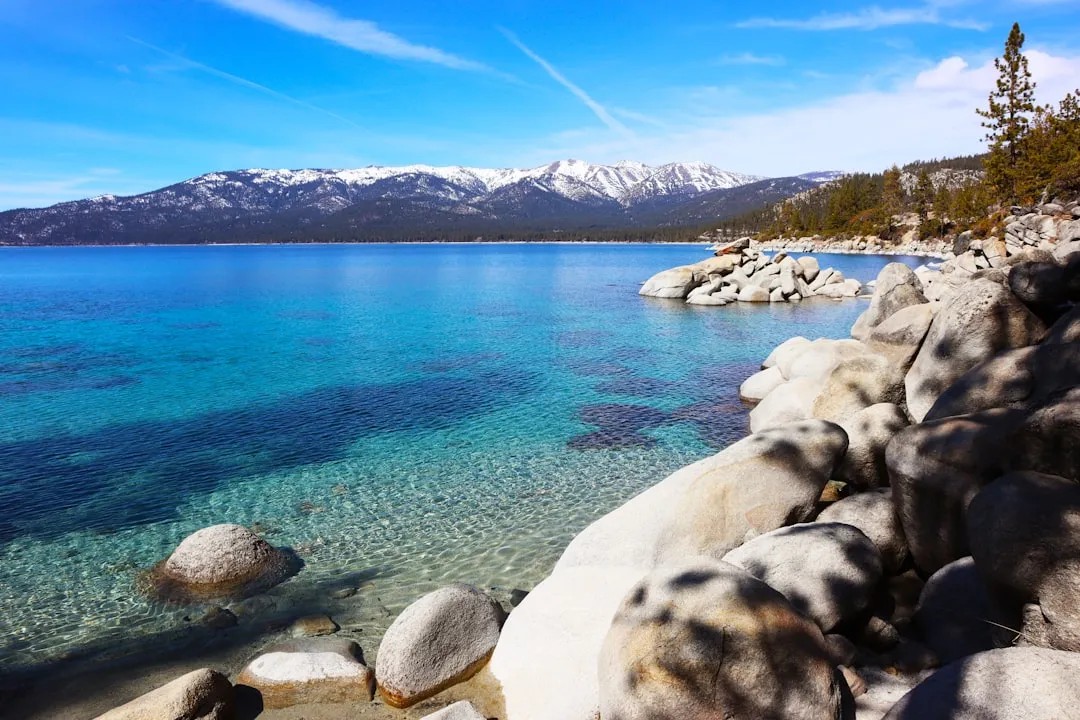
Lake Tahoe is not just geographically large. It is also ancient in the way that only true geological features can be. The Washoe Tribe of Native Americans was the first inhabitants of the Tahoe Basin, and General John C. Fremont became the first European explorer to document Lake Tahoe in 1844. For the Washoe people, the lake was not simply a landmark. It was a sacred center of their world, a place for seasonal gathering, fishing, and spiritual life that spanned thousands of years before any road was paved in its direction.
Lake Tahoe, located in the Sierra Nevada, covers 192 square miles and has a maximum depth of 1,646 feet. That depth is not incidental. It is one of the key reasons the lake holds such extraordinary clarity, since deep, cold water naturally suppresses the algae and suspended particles that cloud shallower lakes across the region.
What “Clear” Actually Means at This Scale
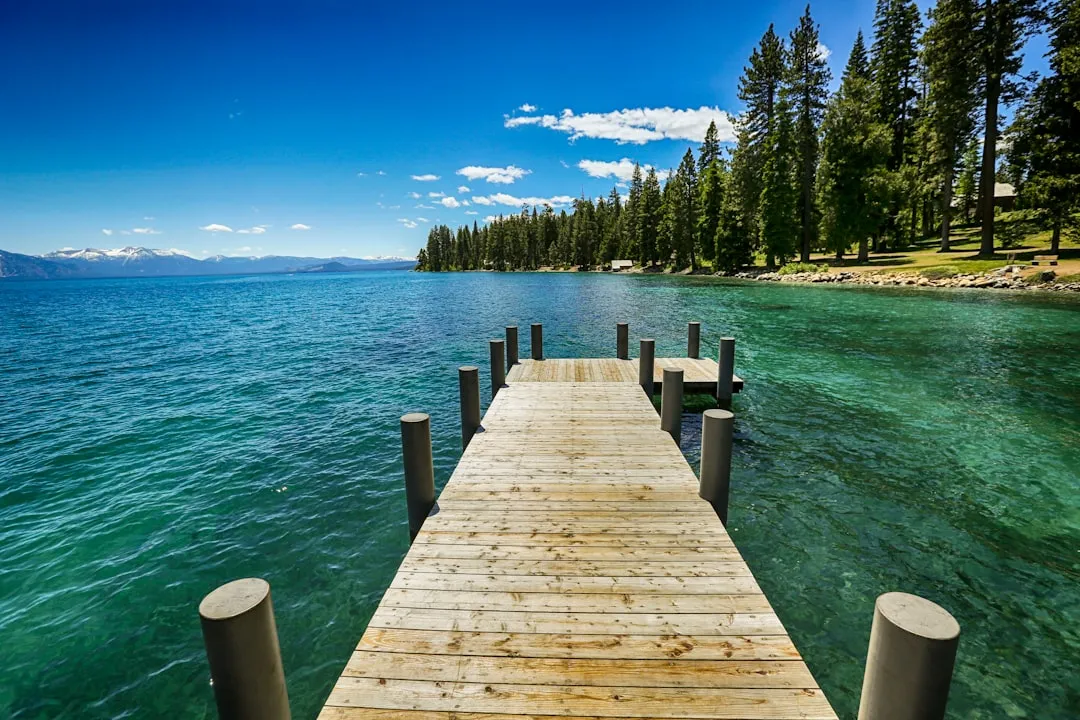
Clarity in a lake is not a casual description. Scientists measure it precisely using what’s called a Secchi disk: a 10-inch white disk lowered into the water until it disappears from view, with the depth recorded as the clarity measurement. It’s a surprisingly elegant tool for capturing something as elusive as transparency.
The annual average Secchi depth at Lake Tahoe was 69.2 feet in 2025, about 7 feet clearer than the prior year’s average of 62.3 feet, though scientists note this is not yet statistically different from recent years, due to a continuing trend of relatively low clarity during summer. For context, most lakes across the American West register single-digit Secchi depths. Seeing past 60 feet of water is genuinely exceptional.
Sand Harbor: The Nevada Shore at Its Most Striking
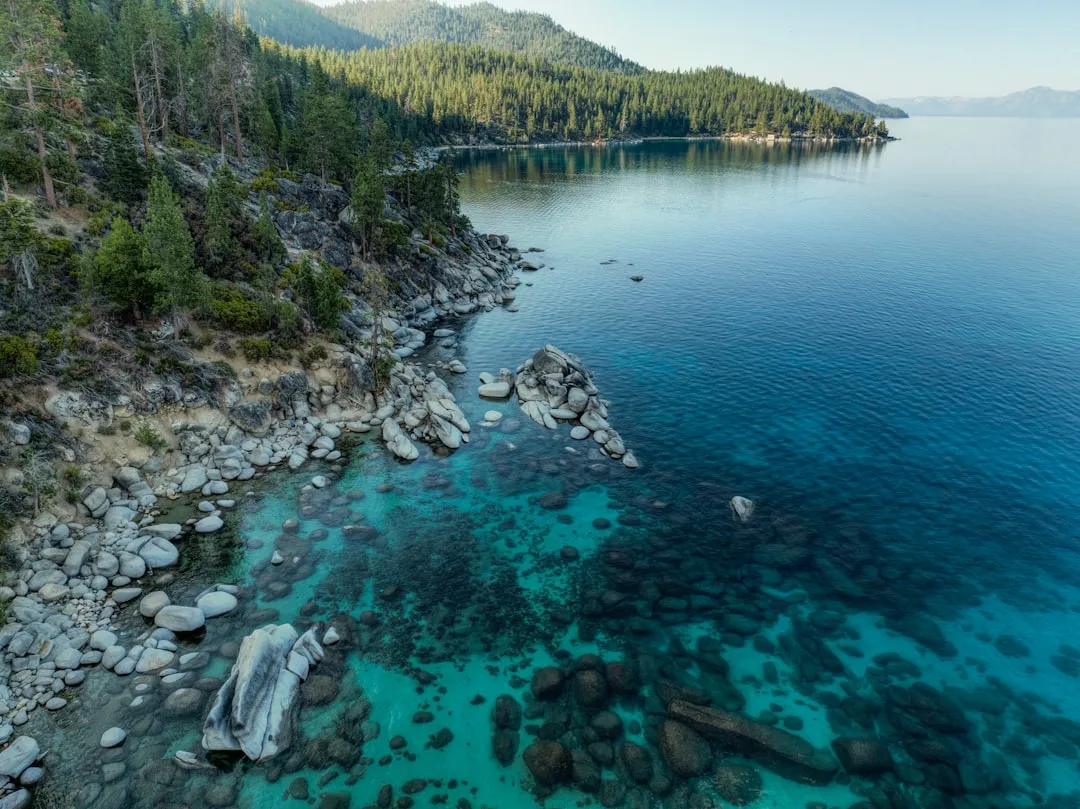
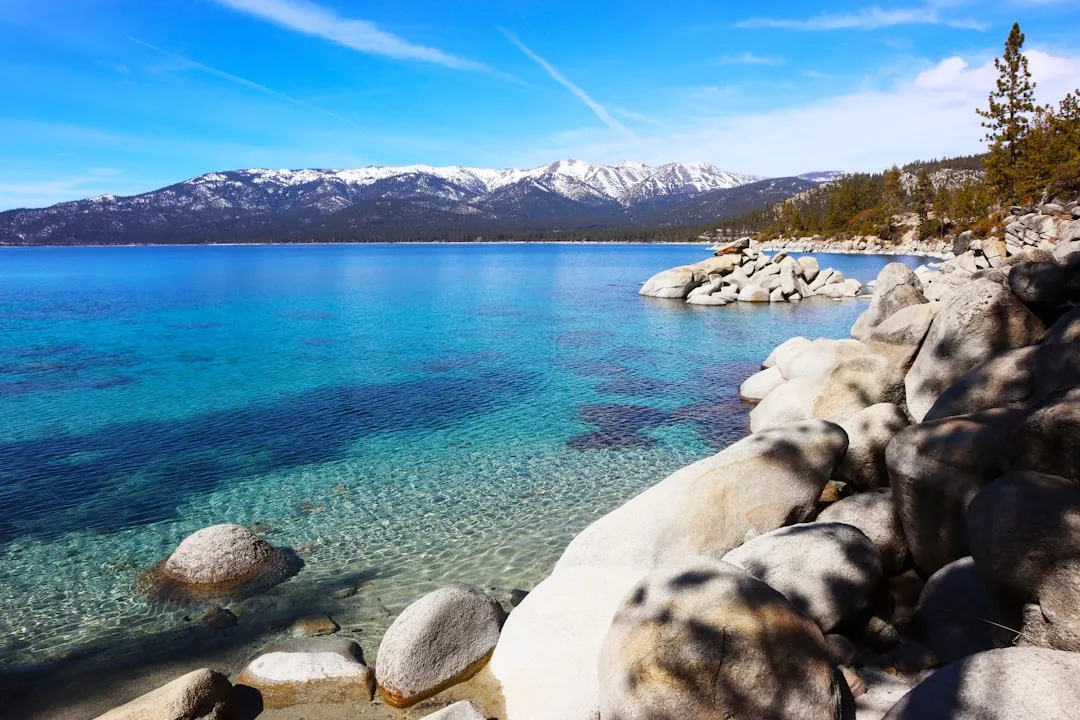
At Sand Harbor, the water is so transparent that boats appear to float in mid-air, suspended over a sandy bottom visible in perfect detail, while giant granite boulders dot the shoreline, creating natural sculptures that frame the turquoise water beautifully. It sounds like marketing language until you see it in person. Then it simply looks like physics doing something extraordinary.
Sand Harbor is one of the most popular and spectacular parks in the Tahoe Basin, featuring a main beach that stretches 2,500 feet and is popular for swimming, sunbathing, and a wide variety of beach activities. Nevada State Parks has implemented a day-use reservation system at Sand Harbor, required daily from April 15 through October 15, from park opening at 8:00 a.m. until 10:30 a.m. Planning ahead is simply part of visiting responsibly.
The Science Behind the Blue
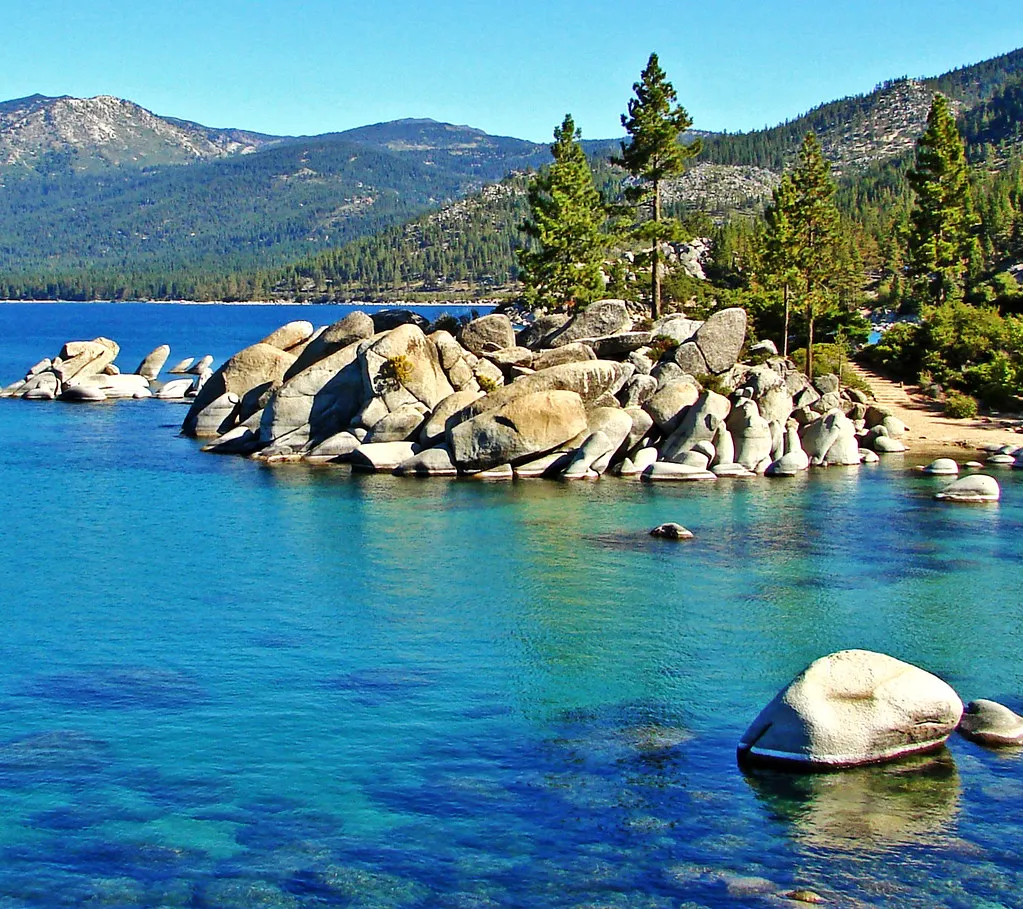
Lake Tahoe is an oligotrophic lake, meaning it has low nutrient levels and is relatively unproductive in terms of plant and animal life. This is because the lake is fed primarily by snowmelt and precipitation, which are naturally low in nutrients. The absence of excess nutrients means there is little plant growth in the lake to cloud the water, which helps maintain its clarity.
Granite bedrock, cold alpine conditions, and decades of watershed protection all contribute to the lake’s vivid blue transparency. The surrounding terrain essentially acts as a slow, natural filter. Rain and snowmelt pass through granite and forested soils before reaching the lake, arriving with far less sediment and far fewer dissolved particles than water draining from softer or more developed landscapes.
A Historic Benchmark Worth Knowing
A historic clarity reading near 108 feet dates to 1873, though that observer used a white dinner plate rather than the standardized Secchi disks scientists rely on today. Whatever the instrument, the reading reveals something important about the lake’s baseline condition before mass development reached the basin.
Under the Lake Tahoe Environmental Improvement Program, the states of California and Nevada, along with more than 80 public and private organizations, are actively working to restore lake clarity to its historic 97.4 feet, which was the average recorded between 1967 and 1971. The target is not arbitrary. It reflects what this lake looked like within living memory, before roads, parking lots, and urban runoff changed the equation.
The Restoration Effort Already Underway
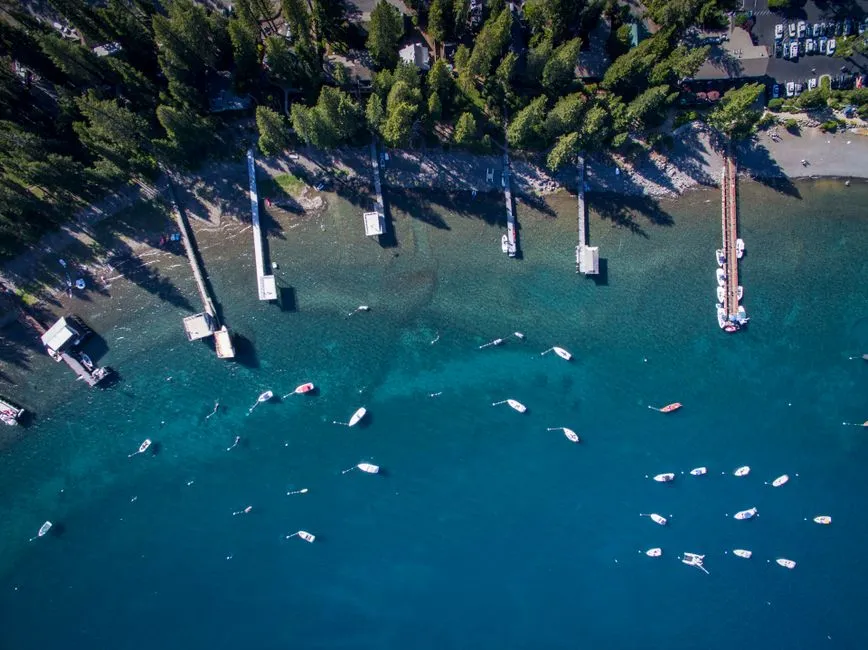
Under the Lake Tahoe Environmental Improvement Program, more than 80 public and private organizations are working to restore the lake’s historic clarity, and projects to treat stormwater and restore wetlands are already capturing more than 500,000 pounds of fine sediment particles every year. That number is worth sitting with for a moment. Half a million pounds of sediment each year, intercepted before it reaches the water.
In August 2025, a bi-state effort to reduce pollution and restore Lake Tahoe’s water clarity prevented a record amount of fine-grained sediment and other pollutants from reaching the lake. These are not abstract goals on a policy paper. They’re measurable outcomes from coordinated, long-term action across state lines, which is genuinely rare in American conservation.
A Rich Ecosystem Beneath the Surface
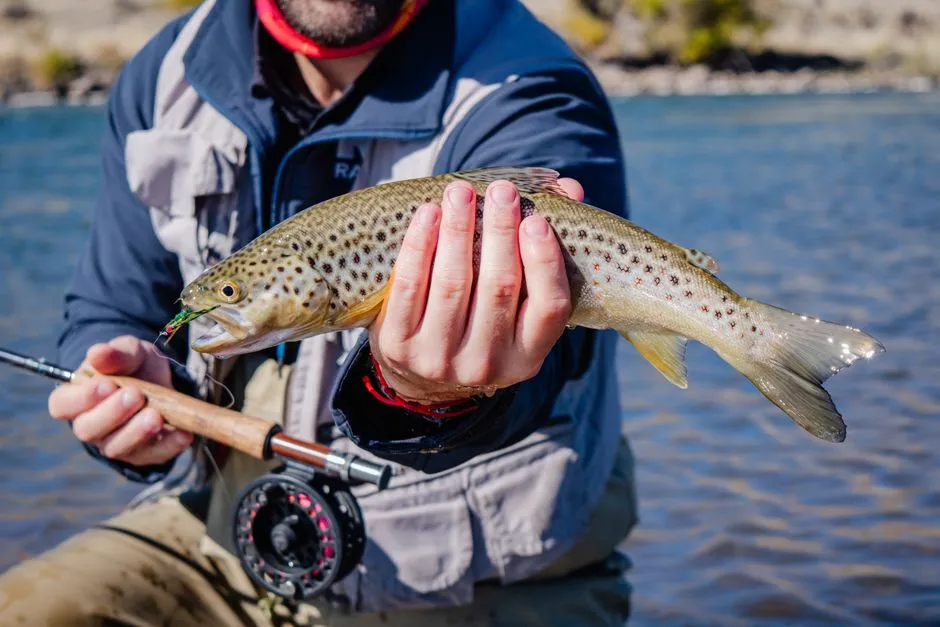
Lake Tahoe covers 192 square miles and is home to several introduced sport fish including lake trout (mackinaw), rainbow trout, brown trout, and kokanee salmon. The Nevada side offers accessible fishing along a shoreline that still feels relatively unhurried compared to the California shore during peak summer months.
The lake serves as critical habitat for numerous species, both terrestrial and aquatic, from the unique migratory patterns of various bird species to the rich biodiversity at the lake’s bottom, illustrating a vibrant ecosystem worth protecting. Lake Tahoe Nevada State Parks are abundant and diverse in natural resources, from high alpine mountain peaks to lush meadows, majestic forest stands, ribbons of aspen groves, and the prominent granitic rock outcrops and sandy beaches of the lake’s spectacular shoreline.
Getting to the Nevada Shore
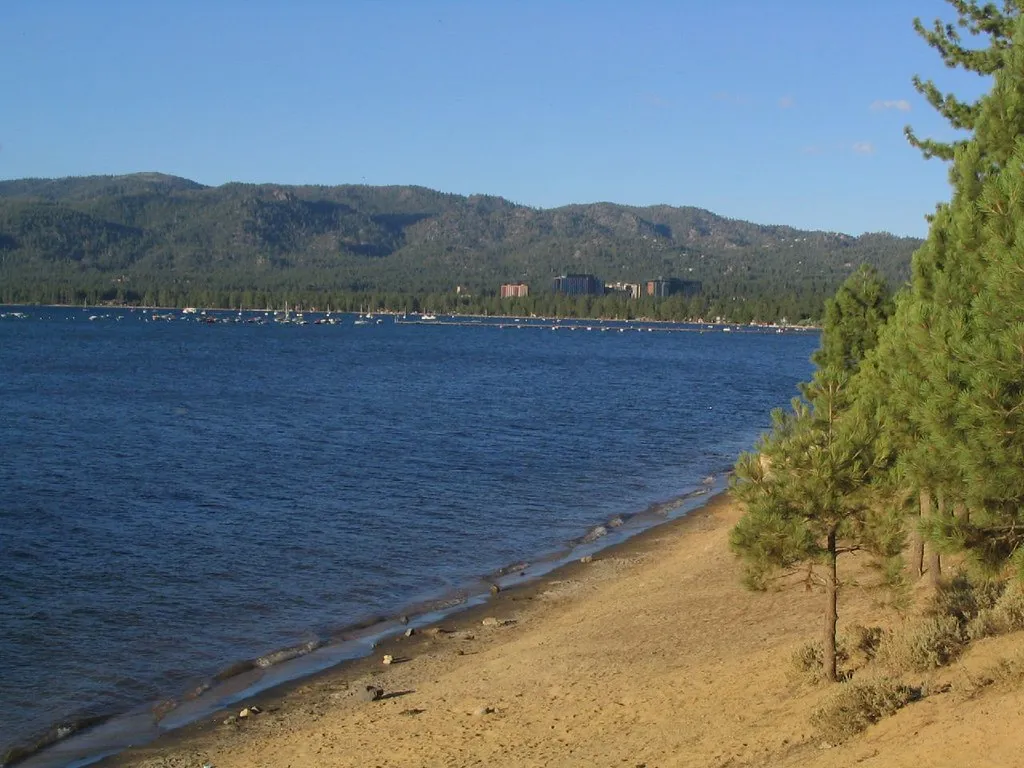
Lake Tahoe sits on the far west side of Nevada, with its eastern shoreline in the state. It’s less than an hour’s drive south of Reno and about two hours northeast of Sacramento, making it a reasonable day or weekend destination from either city. The drive itself is part of the experience. Nevada’s open highway gives way to pine forest gradually, and the first view of the lake from elevation is reliably arresting.
The Nevada side offers quieter coves scattered throughout its shoreline, which often deliver a more peaceful paddling experience for visitors willing to explore beyond the most obvious access points. That reward for a small amount of extra effort is one of the things that makes the Nevada shore worth prioritizing for visitors who prefer presence over crowds.
The Washoe Connection and Cultural Context
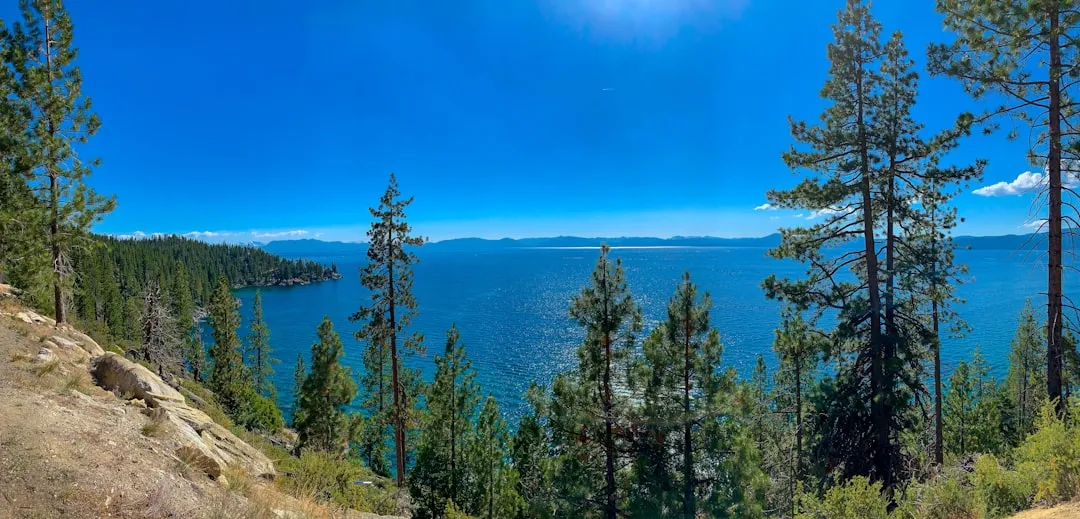
The Washoe people called the lake “Da ow a ga,” meaning edge of the lake. Their presence in the Tahoe Basin stretches back thousands of years, and they maintained a deep relationship with the water, forests, and seasonal rhythms of the region long before the first European account was written. Visiting with awareness of that history adds genuine depth to the experience.
Respectful visitors today can engage with Washoe cultural heritage through local interpretive programs and tribal-led initiatives in the region. The lake’s story doesn’t begin in 1844. Lake Tahoe borders Nevada and California, with about one third of the lake in Nevada, and that Nevada third carries cultural weight as well as ecological significance that is easy to overlook in the rush to reach the beach.
Responsible Visitation at Sand Harbor

Sustainable practices at Lake Tahoe are not just beneficial but necessary for maintaining the delicate balance between recreation and natural conservation. When implemented effectively, they protect the ecosystems while allowing visitors to enjoy the natural beauty, ensuring future generations can continue to experience this extraordinary environment.
Camping and overnight visits are prohibited at Sand Harbor State Park. The day-use entrance fee is $10 for Nevada-registered vehicles and $15 for non-Nevada vehicles. Packing out what you bring in, staying on marked paths around protected vegetation, and keeping clear of nesting wildlife during spring and early summer are all simple practices that collectively determine whether this place stays extraordinary for the next visitor, and the one after that.
The Long View on Lake Tahoe’s Clarity
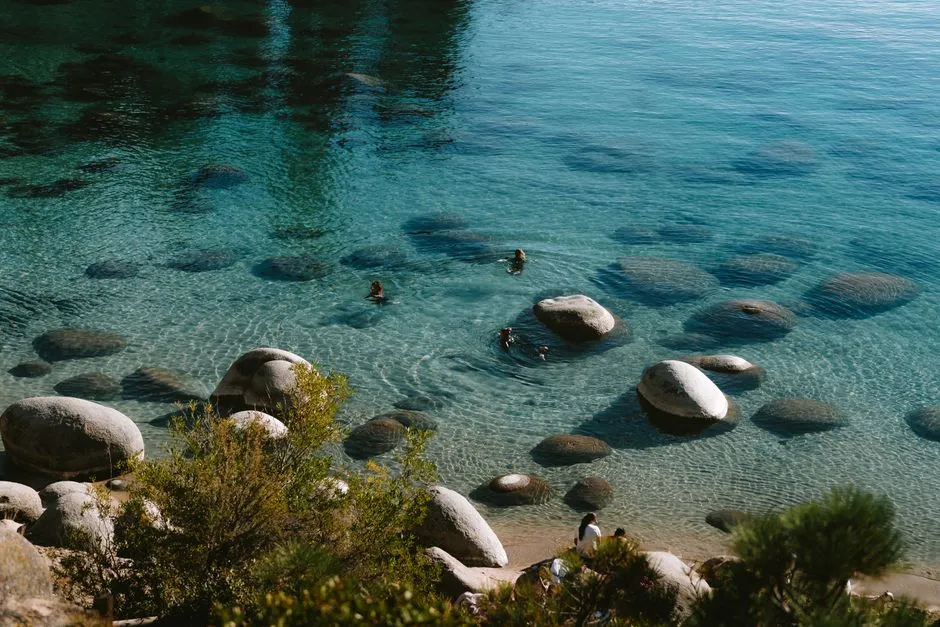
UC Davis has been measuring clarity and other health indicators at Lake Tahoe since 1968. Clarity is just one measure of the health of the watershed, but early measurements of clarity loss became central to efforts to protect the lake from pollution and unplanned development. Almost six decades of consistent data is unusual in environmental science. It gives researchers, policymakers, and visitors a rare long-range picture of how a great lake responds to human pressure and recovery efforts.
The 2025 annual average Secchi depth measured 69.2 feet, up from 62.3 feet in 2024, but scientists caution that one year’s gain does not amount to a recovery, especially with summer clarity still a concern. That measured honesty from the scientific community is actually reassuring. It means the monitoring is serious, the standards are high, and the work is far from finished.
A Final Thought on Stillness and Blue Water
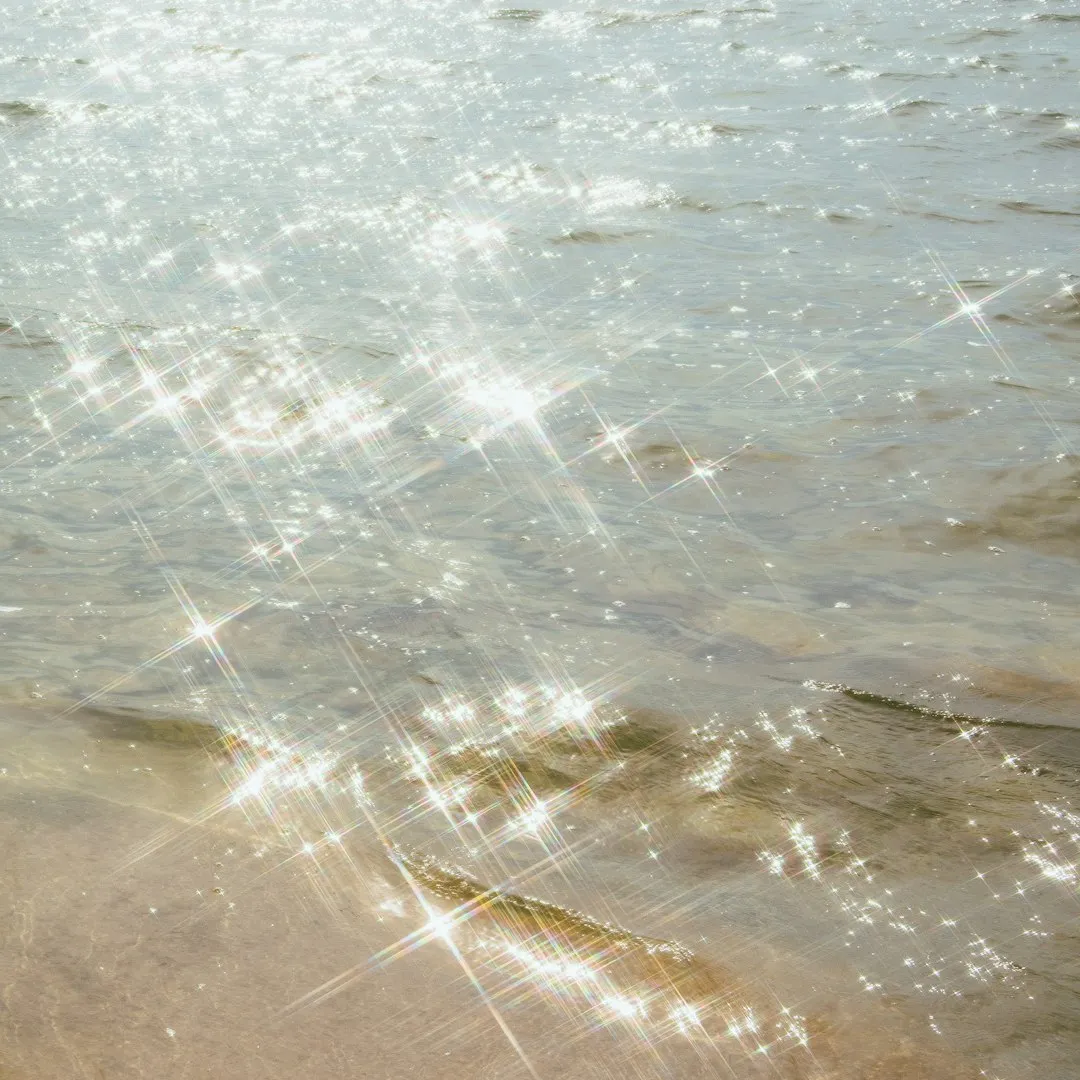
There’s a particular quality to a lake with genuinely clear water. You become aware of depth in a way that opaque lakes never allow. At Sand Harbor, sitting on a sun-warmed granite boulder in early morning before the first boats arrive, you can look straight down into water that registers as almost impossibly blue and track the sandy bottom far below. It’s not a trick of light. It’s earned transparency.
Annual clarity readings help researchers track the lake’s overall ecological health, making Tahoe one of the most thoroughly studied lakes in the world while also confirming its status as one of the clearest. That combination of scientific attention and raw natural beauty is what distinguishes this stretch of Nevada from almost anywhere else in the American West. The water earns its reputation. The work being done to preserve it deserves the same recognition.
AI Disclaimer: This article was created with the assistance of AI tools and reviewed by a human editor.