
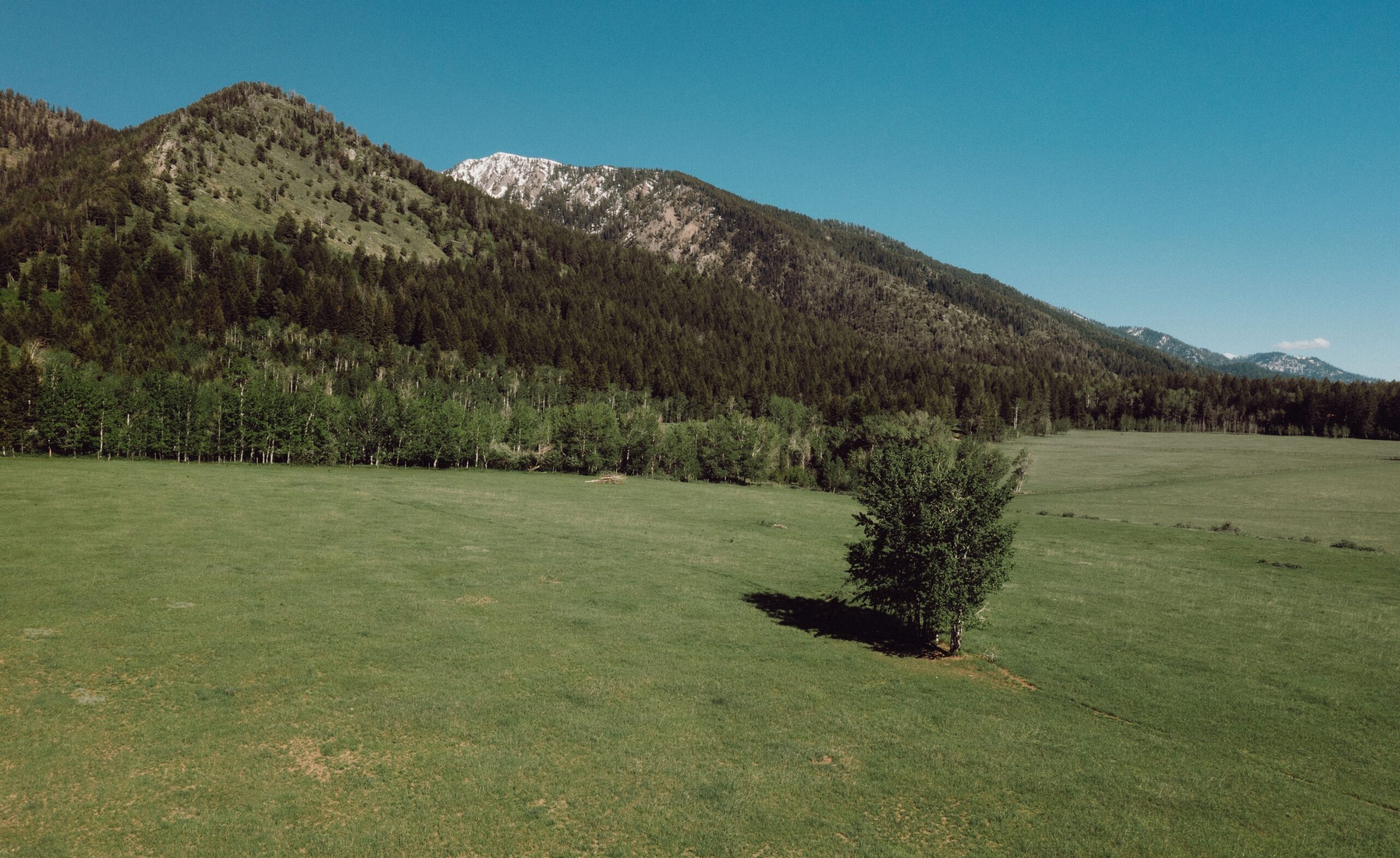

Most people driving Highway 89 south out of Jackson have their eyes on the rearview mirror, watching the Tetons shrink as they head toward Salt Lake City. They’re moving through Star Valley, Wyoming, without knowing it. Tucked between the Salt River Range to the east and the Webster Mountains of Idaho to the west, this long green corridor has been feeding, sheltering, and quietly delighting the people lucky enough to stop.
There’s a reason it stays under the radar. The valley doesn’t announce itself with resort infrastructure or flashy marketing. It just sits there, green and generous, doing what it has always done.
A Valley That Most Visitors Drive Right Through
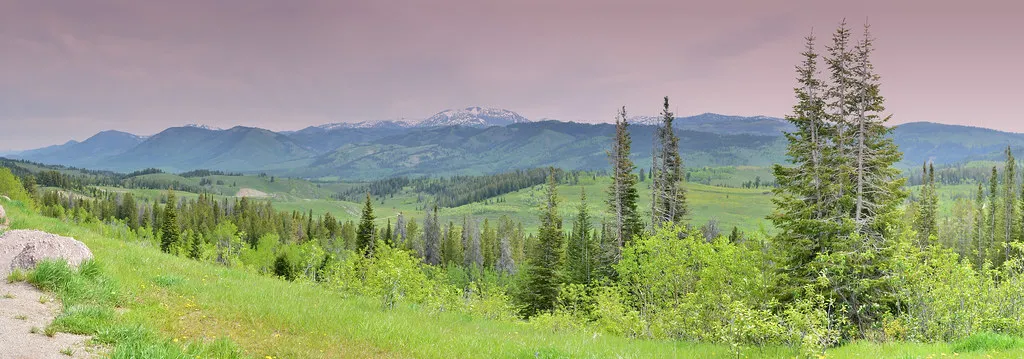
Star Valley is a 65-mile corridor that runs through southwestern Wyoming between the towering Salt Mountain Range to the east and Idaho’s slightly more subdued Webster Mountains to the west. Highway 89 cuts through the valley and acts as the main thoroughfare connecting Salt Lake City to Grand Teton and Yellowstone National Parks. For the vast majority of travelers, it’s a corridor, not a destination.
While world-class snowmobiling and fishing have been a draw to Star Valley for decades, the summer crowds have mostly bypassed Star Valley for Jackson Hole and the Tetons. That distinction is increasingly meaningful as the parks to the north grow harder to navigate. The silence here is not an accident. It’s a product of geography and the gravitational pull of more famous places nearby.
The Grand Tetons Are Busier Than Ever
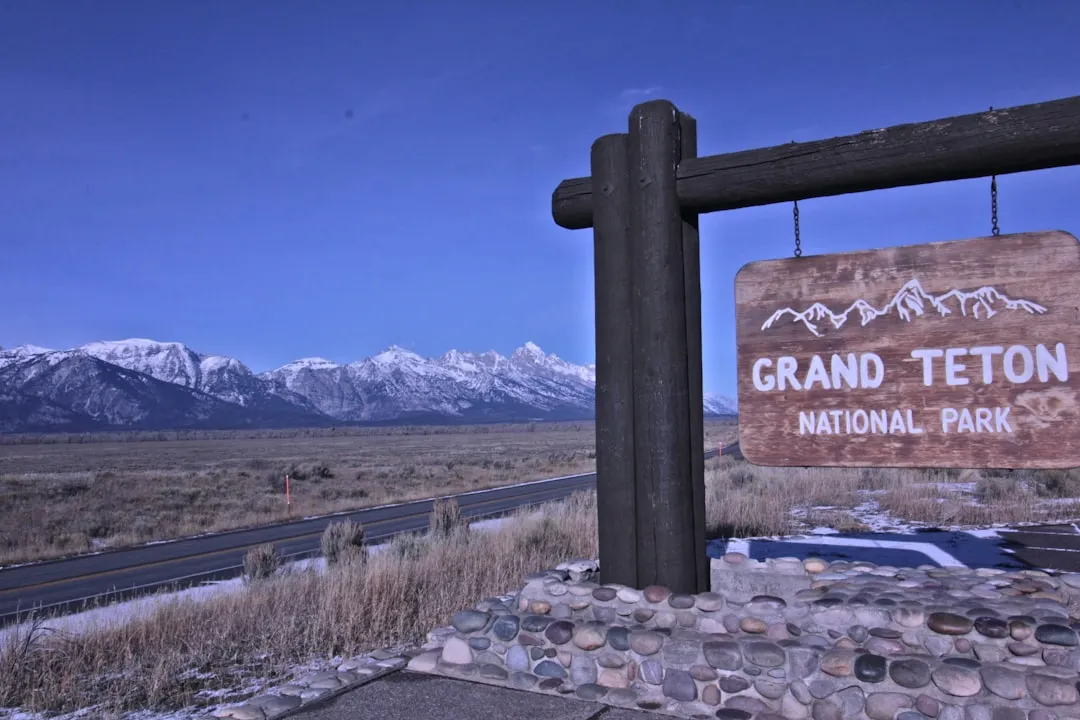
The number of visitors to Grand Teton National Park amounted to approximately 3.6 million in 2024, representing an increase over the previous year’s figure of 3.4 million. The trajectory has been consistently upward for several years. About 3.8 million people visited the park in 2025, up from 3.6 million in 2024 and 3.4 million in 2023.
The National Park Service released a report showing that visitors to Grand Teton spent almost $808 million in 2024. Visitor spending increased more than Grand Teton National Park visitation between 2023 and 2024, at 9.4% and 6.2% respectively. The economic pressure that kind of growth creates on the surrounding communities is real, and local officials are starting to push back.
The report came as Town of Jackson and Teton County officials grew leery of increasing lodging capacity; the Jackson Town Council unanimously rejected a developer’s plan to build a 66,000-square-foot hotel, the first time in recent memory that the council had denied a project at its sketch plan phase. Star Valley, by contrast, has none of those growing pains.
The Geography That Defines the Valley
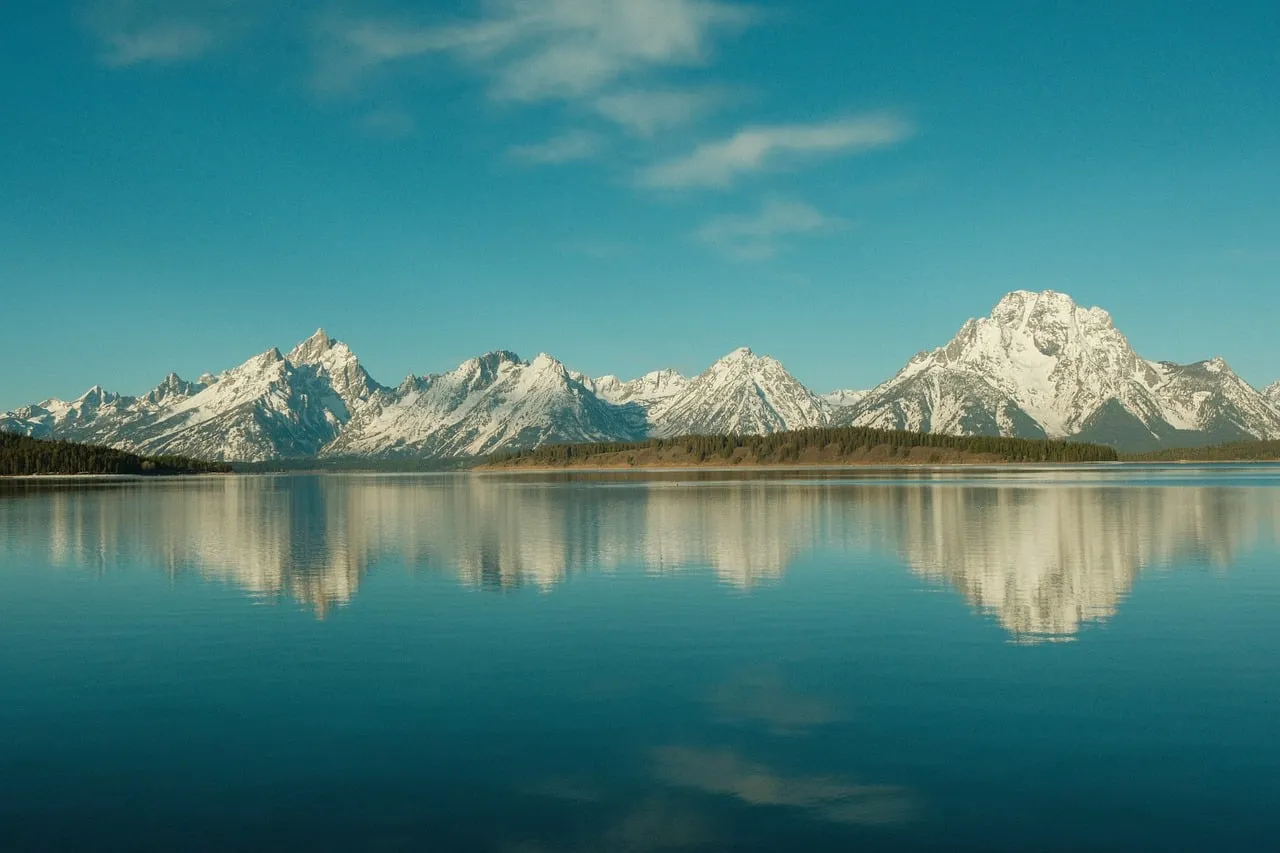
Nestled along the Bridger-Teton National Forest on the western side of the state, Star Valley is a quaint area that offers a unique combination of small-town charm and breathtaking scenery, comprising several Wyoming towns including Afton, Thayne, Star Valley Ranch, and Alpine, all located within a roughly 45-mile-long valley on the Wyoming-Idaho border.
The Salt River meanders sixty-five miles northward from Salt River Pass to meet up with the Greys and Snake Rivers at the Palisades Reservoir near Alpine. This convergence of rivers shapes nearly everything about the valley’s ecology and recreational appeal. The low-lying pastureland gives way to dense forest quickly, and the transition feels abrupt in the best way.
Hiking Trails That Go On for Miles
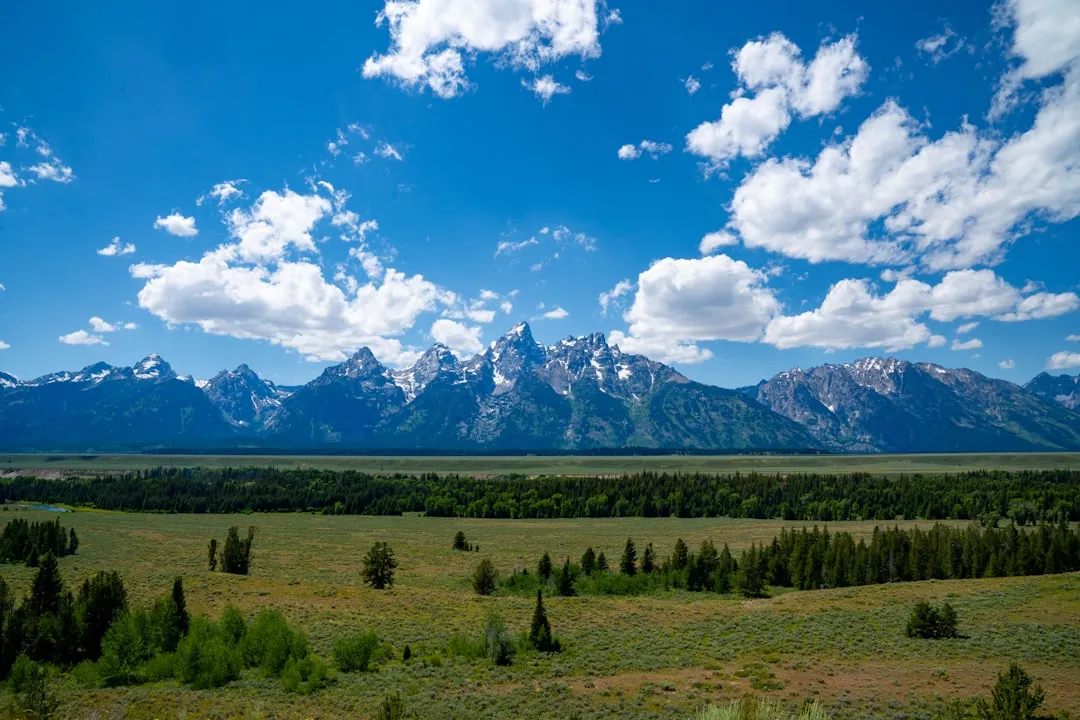
Often overshadowed by the popularity of Teton and Yellowstone National Parks and the Jackson Hole area to its north, the mountain ranges and river systems surrounding Star Valley allow for an abundance of recreational opportunities; the eastern range of the Star Valley, the Wyoming Range, is home to the headwaters of the Greys River and is surrounded by the Bridger-Teton National Forest, dominated by wild mountain scenery and offering excellent fishing, wildlife viewing, hiking, camping, and river running.
Over 400 miles of hiking trails cover the Wyoming Range, and backpackers will enjoy the 70-mile Wyoming Range National Recreation Trail, which runs along its crest; during the winter, many of the trails become accessible via Nordic skis, snowshoes, and snowmobile. That kind of mileage, with no timed entry system or reservation requirement, is quietly remarkable.
The Greys River: A Fisherman’s Quiet Secret
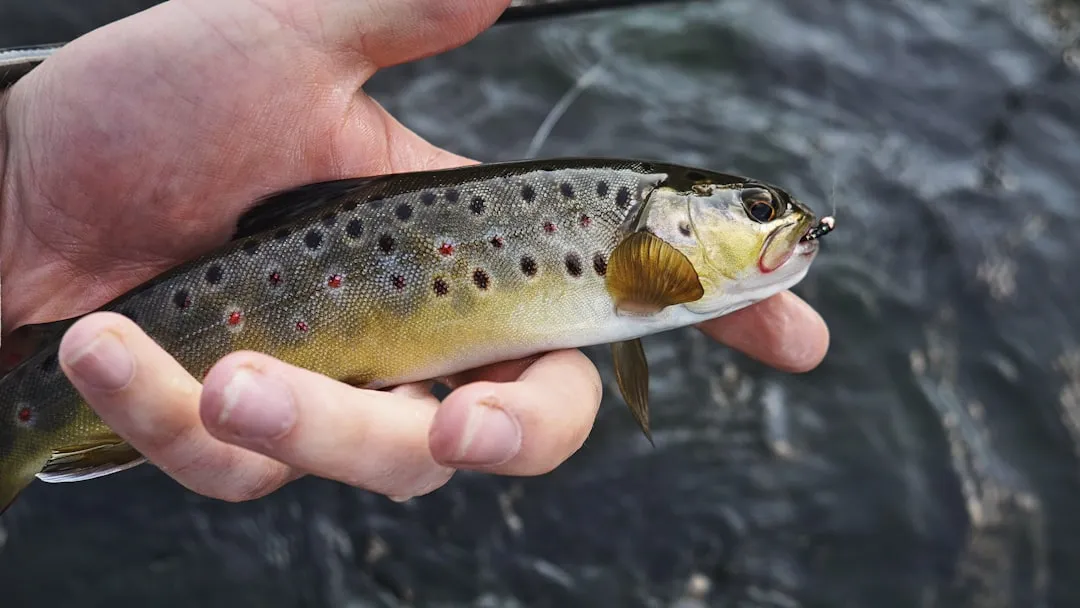
The waters within the Bridger-Teton National Forest are alive with trout – cutthroat, rainbow, and brown – and the Greys River’s clear runs mix challenge with beauty, surrounded by pines and peaks. The Greys River corridor is one of the most rewarding stretches of water in the region for anglers who want genuine solitude.
It is almost entirely public land belonging to the Bridger-Teton National Forest. Farther downstream, the confluence with Little Greys tributary is full of small cutthroats, except during the spawn in June when larger trout run up from the main river. Timing a visit around the early summer spawn is something locals know well. Visitors are still figuring that out.
Twenty-five species of fish, including seven different species of trout – lake, golden, brook, rainbow, brown, cutthroat, and grayling – live in the streams, alpine lakes, rivers, and waters throughout the Bridger-Teton National Forest. That kind of biodiversity, accessible without a shuttle or entry permit, is the valley’s quiet superpower.
Winter in Star Valley: Snow on a Different Scale
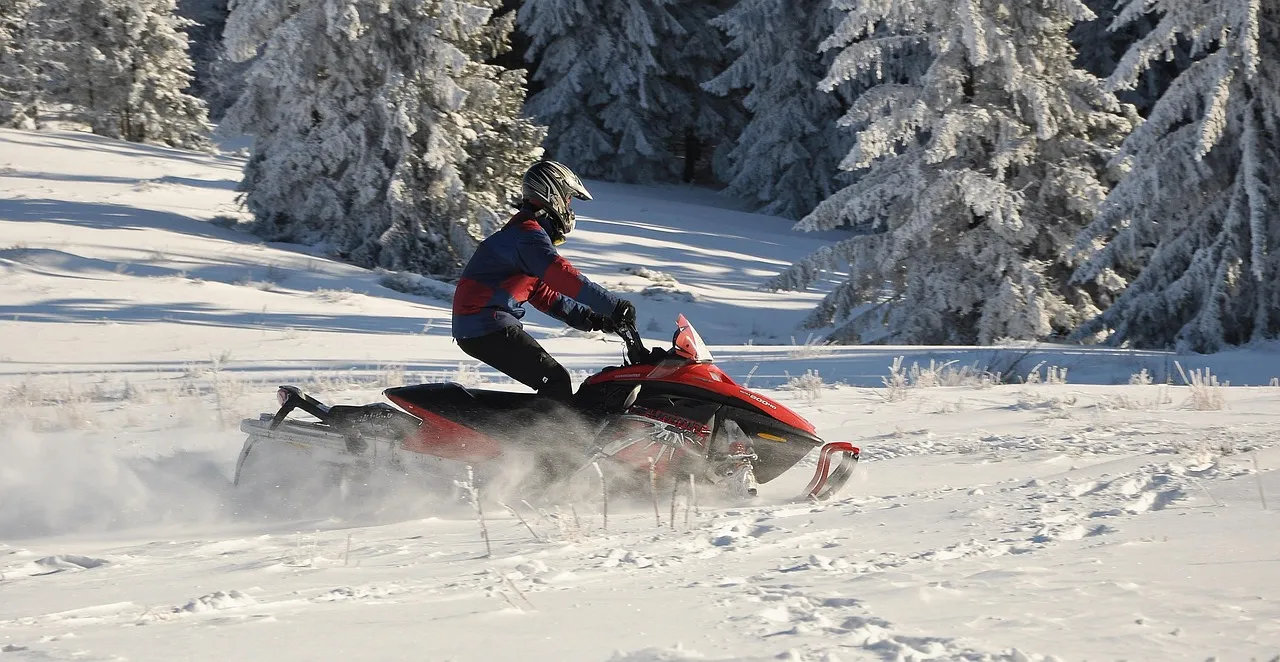
With average snow depths of three to twelve feet starting near the valley floor, Star Valley has a history as a top destination for sledders, with over 300 miles of regularly groomed trails and hundreds of acres of open sledding allowing visitors to build their own adventure from beginner runs to deep backcountry steeps. This is a winter playground that most of America has never heard of.
The snowmobile culture here runs deep. Families have been coming for generations, and the infrastructure – rentals, guided tours, and well-maintained trail networks – is genuinely well developed. Star Valley can be a year-round destination, depending on what you’re looking for. Winter simply happens to be when the valley shows one of its most dramatic faces.
Afton’s Elkhorn Arch: Earned Landmark, Not Manufactured Charm
The small town of Afton, Wyoming, tucked away in the Star Valley near the Wyoming-Idaho border, boasts an enormous arch made entirely of elk antlers that spans all four lanes of U.S. Route 89 as the highway passes through downtown Afton; the arch is 18 feet tall and 75 feet wide. It’s the kind of landmark that a town doesn’t plan – it happens through community initiative and a particular relationship with the land.
First conceived by the Afton Chamber of Commerce in 1956, the Elkhorn Arch was completed in July 1958, composed of 3,011 intertwined elk antlers and weighing over 15 tons, all constructed at an estimated cost of $2,500. No elk were harmed in the arch’s construction; elk shed their antlers each spring and the naturally discarded antlers were collected with a permit from the Wyoming Game and Fish Commission, with most gathered from the National Elk Refuge near Jackson.
A Dairy Heritage Rooted in the Land
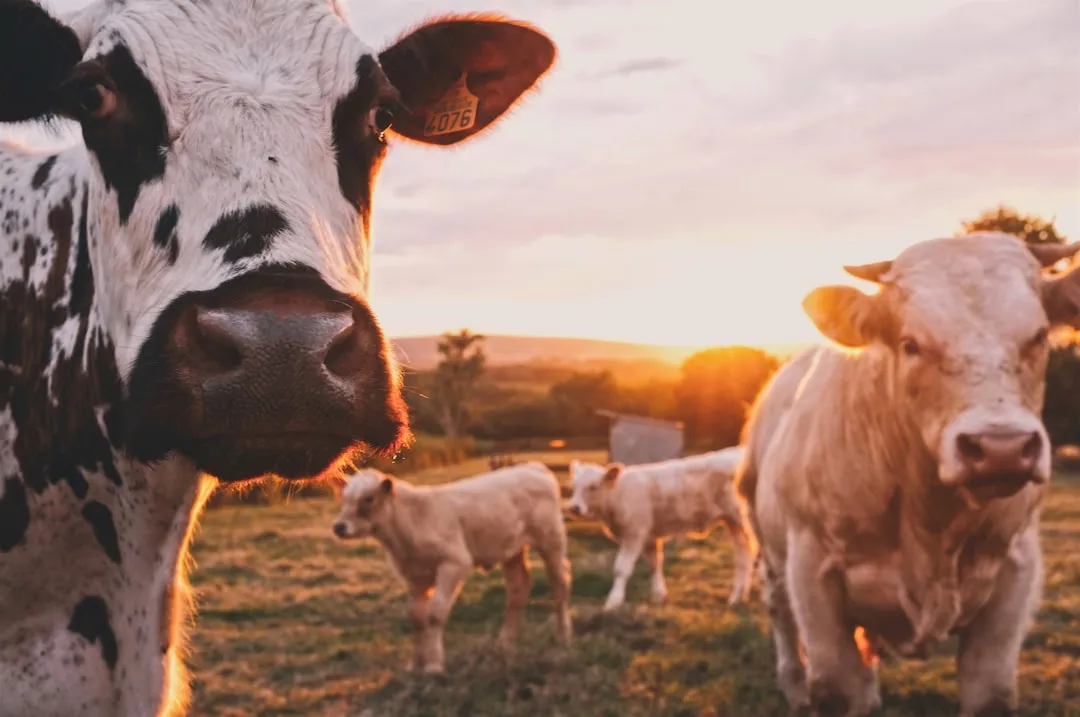
The Star Valley Creamery Company, in Afton, started making cheese in 1932. That tradition shaped the valley’s identity for generations. The Swiss cheese-making culture that took root here reflected the immigrant communities and the abundance of mountain pasture – a combination that turned out to be exceptionally well-suited to dairy farming.
Though the dairy farms are nearly all gone, there are still plenty of beef cattle in the valley. The pastoral feel of the valley floor, with its open meadows and grazing land, is a direct inheritance from that agricultural past. It’s part of what makes Star Valley look so strikingly different from the dramatic alpine drama just up the road in Jackson Hole.
Public Land in Abundance: The Bridger-Teton Factor
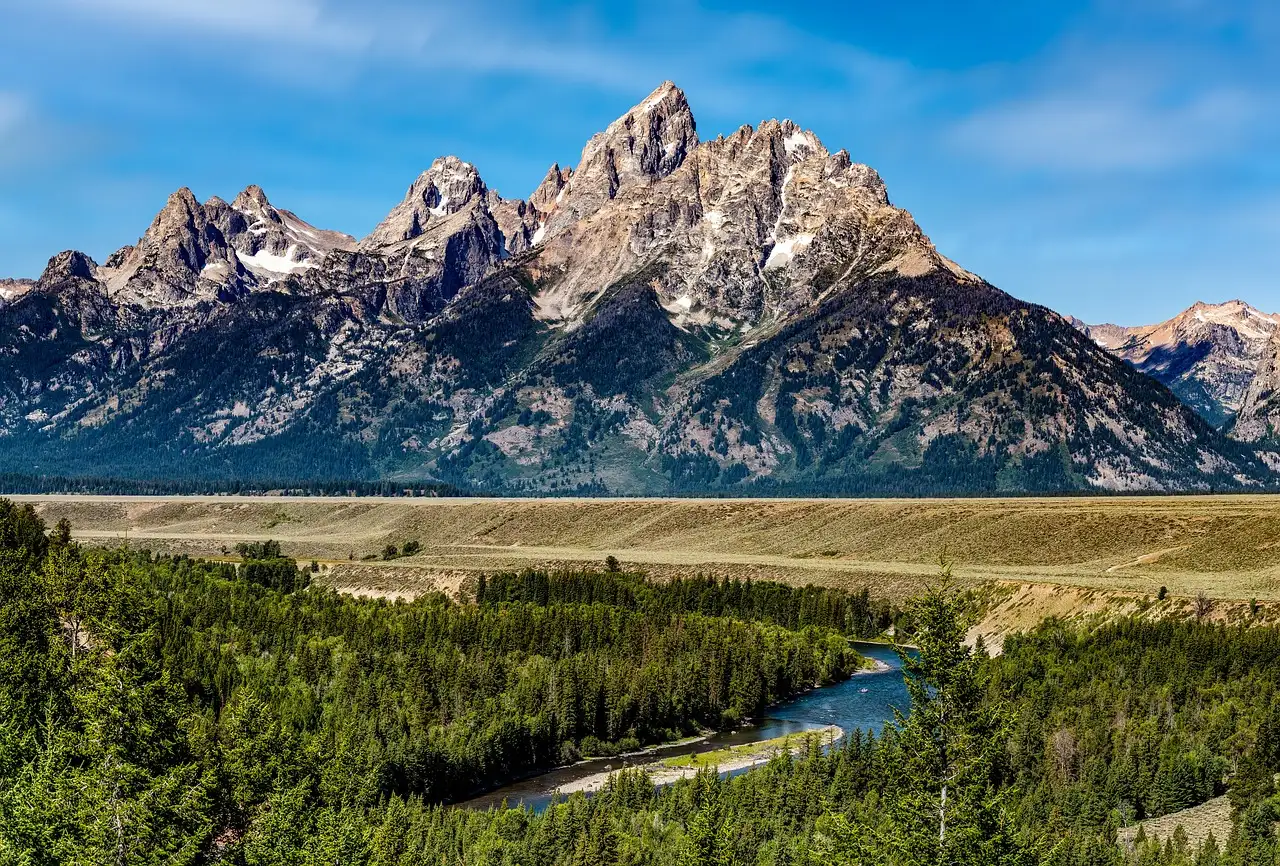
Located in western Wyoming, the Bridger-Teton National Forest offers more than 3.4 million acres of public land for outdoor recreation, and with its pristine watersheds, abundant wildlife, and immense wildlands, it comprises a large part of the Greater Yellowstone Ecosystem – the largest intact ecosystem in the lower 48 United States.
Offering nearly 1.2 million acres of designated wilderness, over 3,000 miles of road and trail, and thousands of miles of unspoiled rivers and streams, the Bridger-Teton offers something for everyone. Star Valley sits right along this forest’s western edge, which means the transition from small-town main street to genuine wilderness is measured in minutes, not hours. That kind of access is hard to overstate.
Wildlife and the Quiet Season Between Visitors
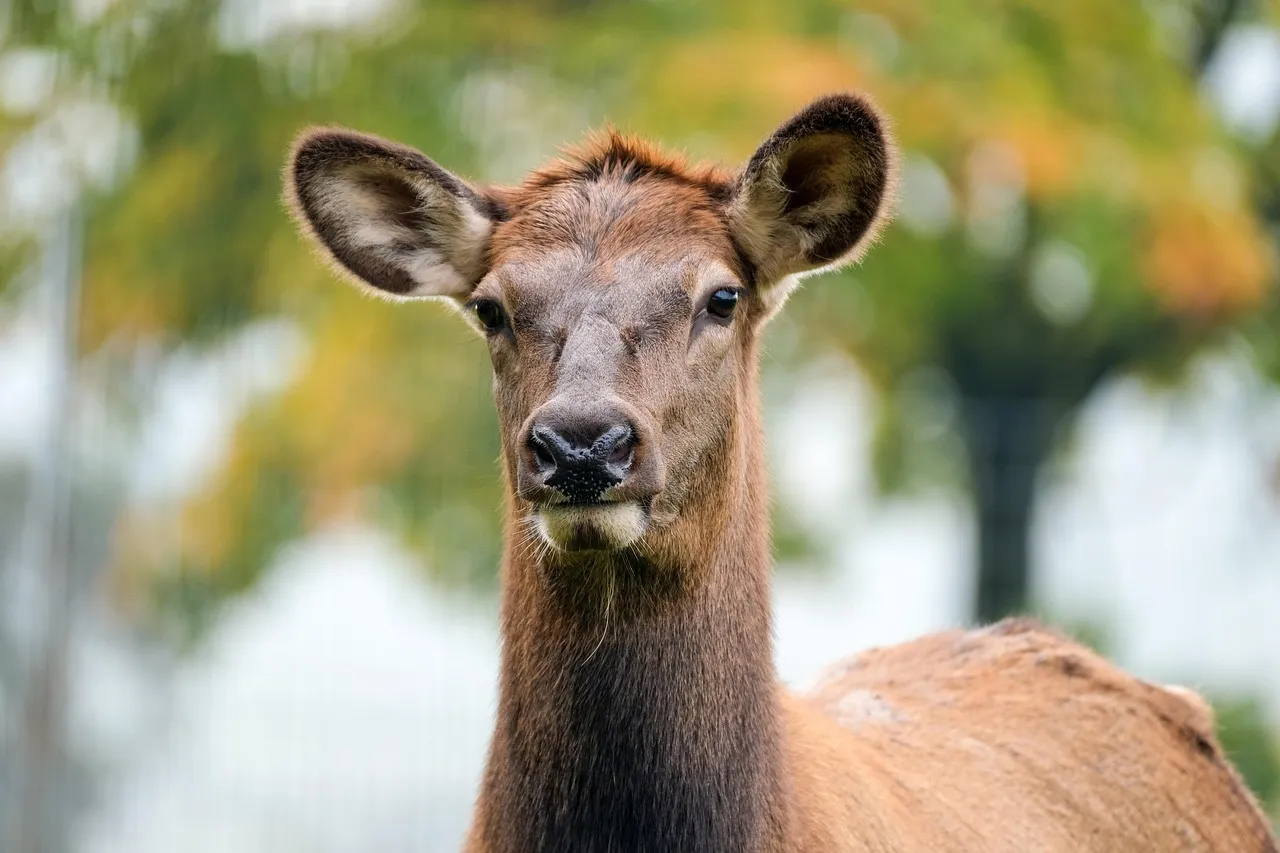
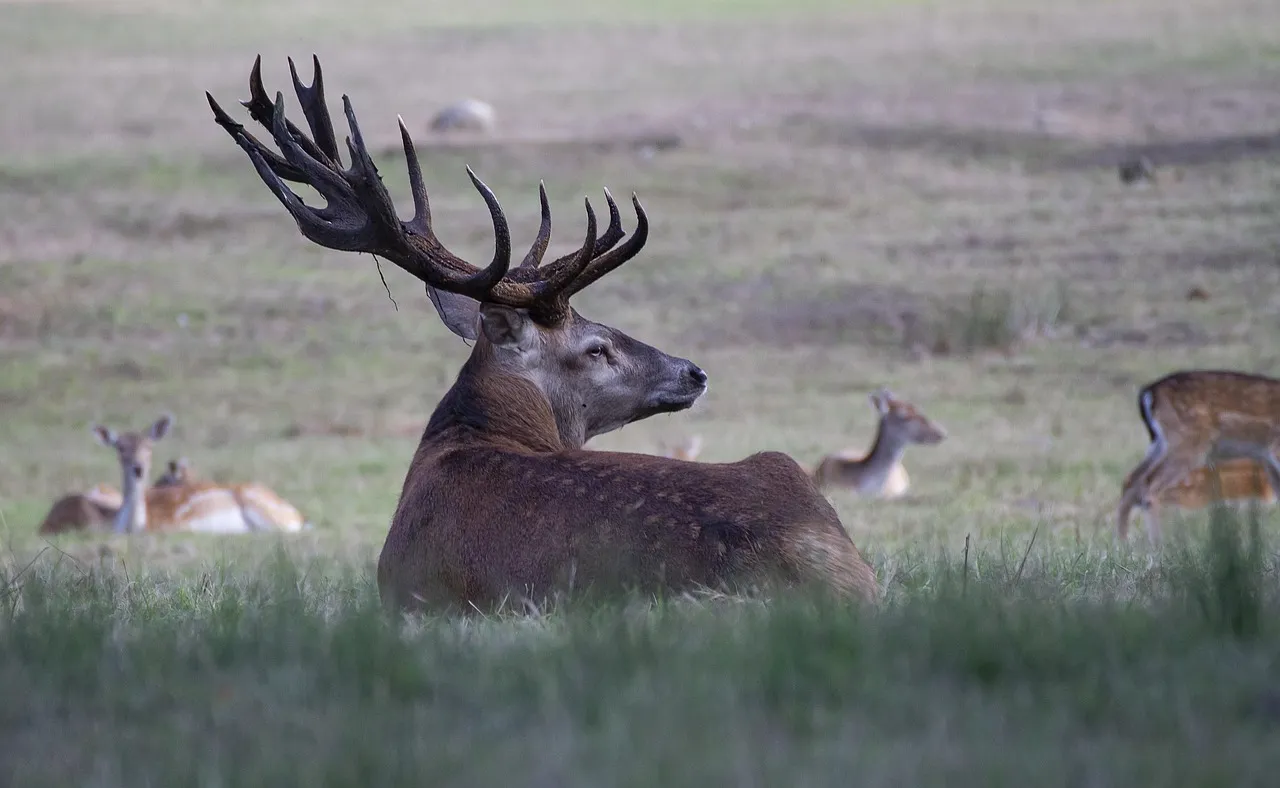
Hunting on the Bridger-Teton National Forest is a thrilling way to experience its vast wildlands and abundant wildlife, with elk to mule deer offering prime opportunities for hunters of all levels. Beyond hunting season, the wildlife viewing in Star Valley is consistently rewarding. Moose, mule deer, pronghorn, and a range of raptors move through the valley with regularity.
Spring and summer bring strong fishing bites, while fall offers crisp air and colorful banks. The valley’s seasonal rhythm is one of its underappreciated assets. Each season brings something distinct, and none of them arrive with the parking congestion or timed entry windows that now define the national park experience just to the north.
The Takeaway
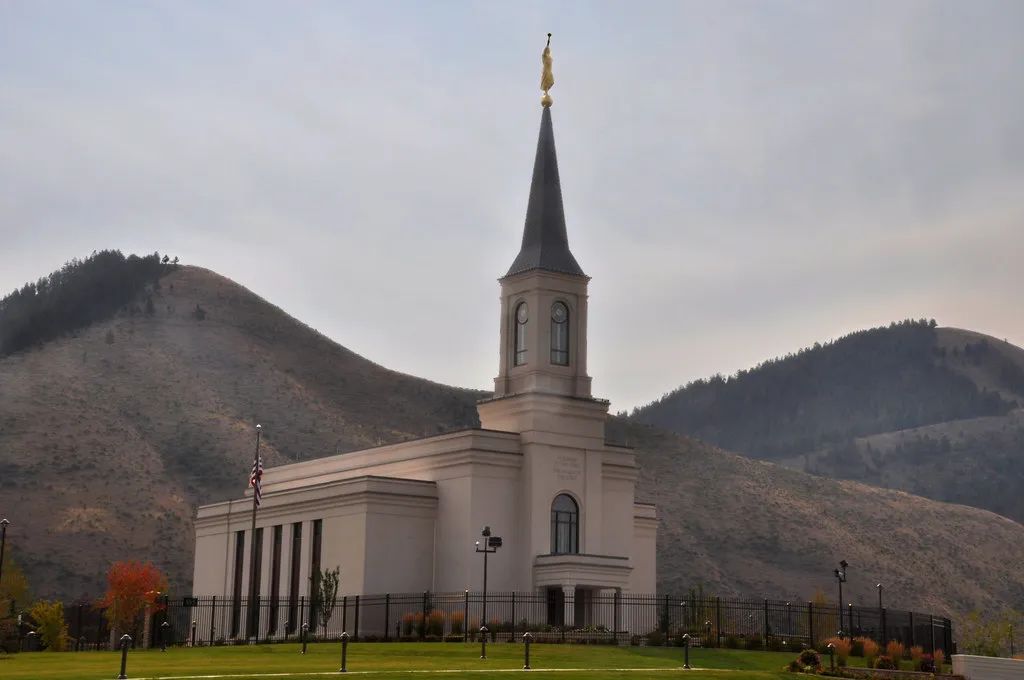
Star Valley isn’t trying to be the next Jackson Hole, and that restraint is precisely what makes it worth seeking out. The fishing is legitimate, the trails are long and uncrowded, and the towns carry the kind of lived-in character that tourism infrastructure tends to erode over time.
The numbers flooding Grand Teton tell their own story. Data collected from eight trail counters at key summer destinations within Grand Teton showed an estimated 34% increase in trail use over the last ten years, indicating a higher proportion of visitors using the park’s trail system. That pressure has consequences for the landscape and for the experience itself.
Star Valley offers a quieter version of the same Wyoming that draws millions every year. The mountains are still here. The rivers run cold and clear. The elk antlers still arch across the main street in Afton, catching the afternoon light. Some places are best appreciated by the people willing to look past the famous views right in front of them.
AI Disclaimer: This article was created with the assistance of AI tools and reviewed by a human editor.