
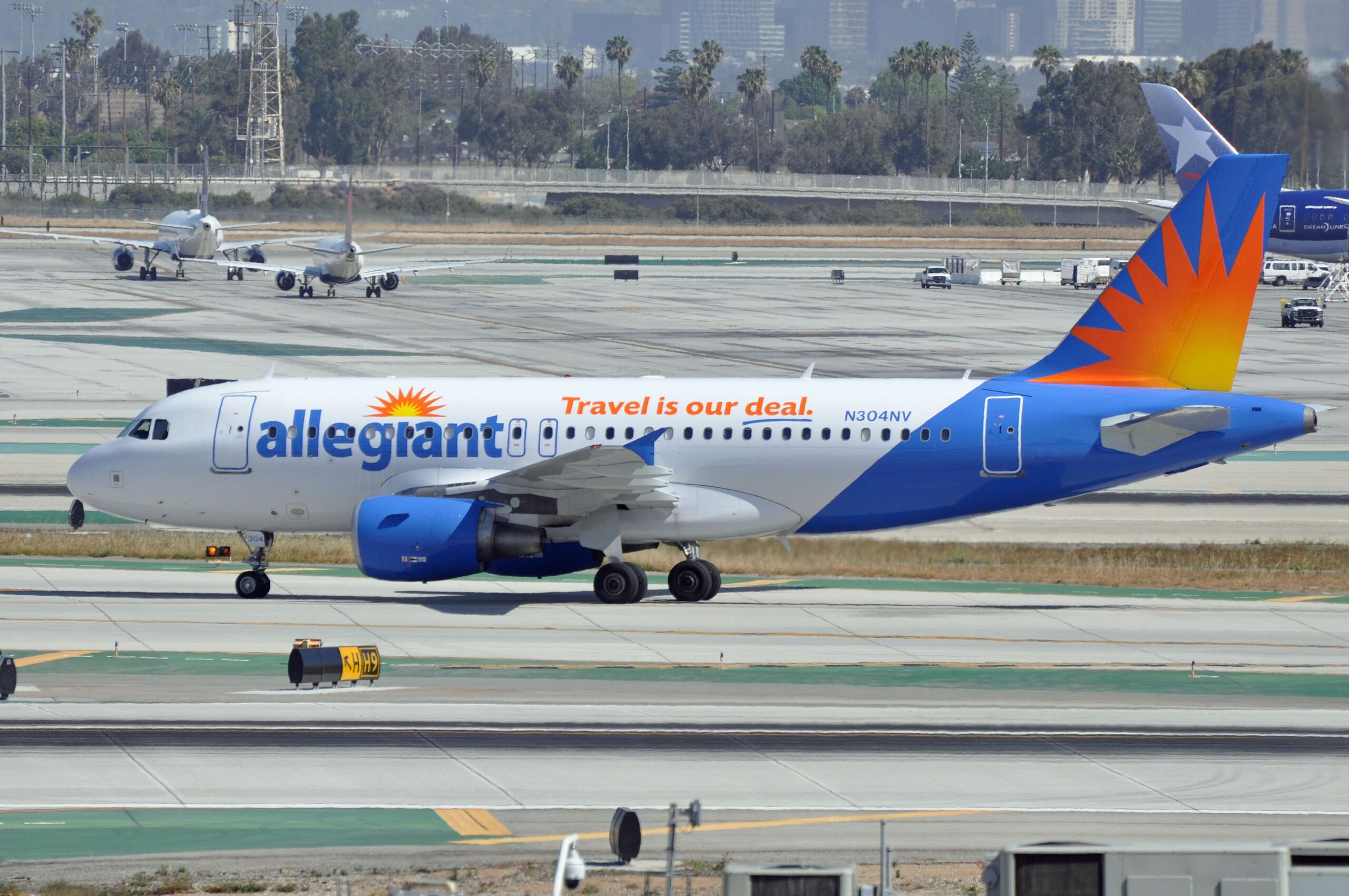

For years, travelers in smaller American cities have quietly accepted a frustrating reality: getting somewhere warm or popular almost always meant a connecting flight through a major hub. That extra layover added hours to the journey and dollars to the fare. Now, one regional carrier has moved decisively to change that calculus.
Allegiant Air, the Las Vegas-based ultra-low-cost carrier known for skipping the hub model entirely, has been on a sustained route-building streak that directly addresses what budget-minded leisure travelers have long wanted: affordable, nonstop service from where they actually live. Here is a closer look at what this expansion means, and why it matters right now.
A Scale of Expansion Rarely Seen in the Regional Space
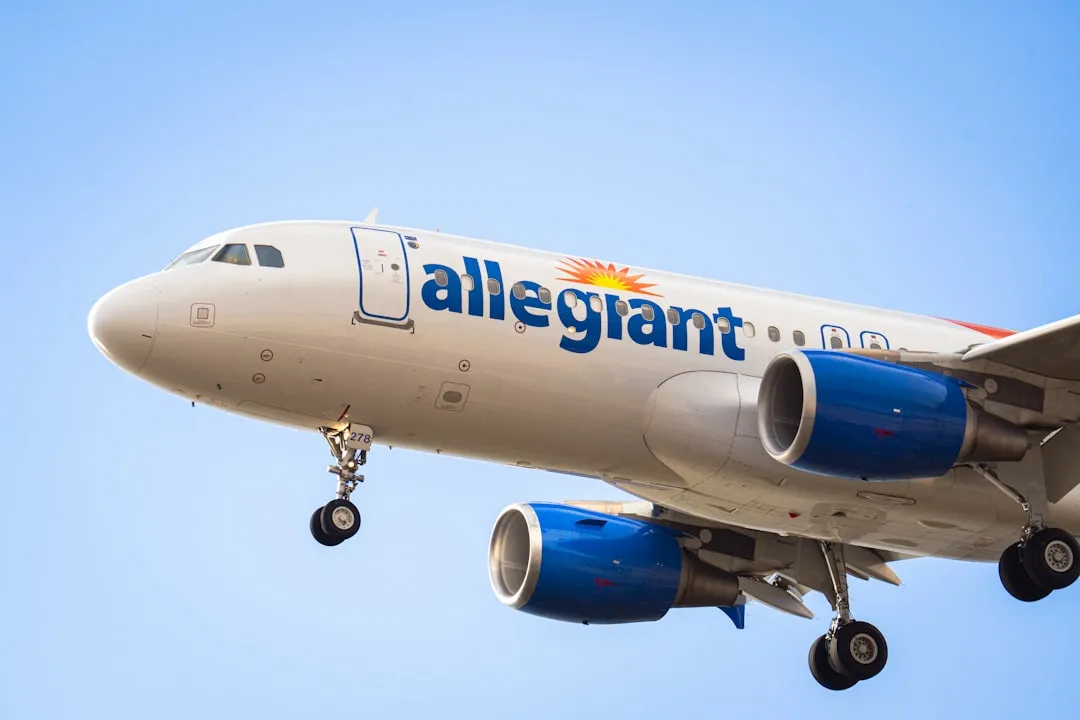
The numbers behind this latest push are genuinely striking. Allegiant Travel Company announced 30 new nonstop routes connecting 35 cities across the country, including four new markets. That kind of single-announcement expansion is rare for a carrier operating mainly in the regional and leisure-travel lane.
Allegiant’s strategy is to connect smaller and mid-sized cities across the U.S. to popular vacation spots, and with 30 new nonstop routes launching in 2026, the airline is providing travelers with more direct flight options at affordable prices. For the communities being added, this represents a meaningful shift in travel access.
Brand-New Cities Joining the Network

The airline now serves leisure travelers in La Crosse, Wisconsin via La Crosse Regional Airport; Philadelphia, Pennsylvania via Philadelphia International Airport; Trenton, New Jersey via Trenton-Mercer Airport; and Columbia, Missouri via Columbia Regional Airport. These are not afterthoughts. They are cities where demand had been building with no direct nonstop options to warm-weather destinations.
This expansion includes three all-new cities for the Las Vegas-based carrier: La Crosse, Wisconsin; Columbia, Missouri; and Philadelphia. Allegiant also returned to Trenton, New Jersey for the first time since the COVID-19 pandemic. These additions signal the airline’s confidence that unserved demand in mid-market cities is real and sustainable.
Huntsville, Alabama Gets Its First Allegiant Service
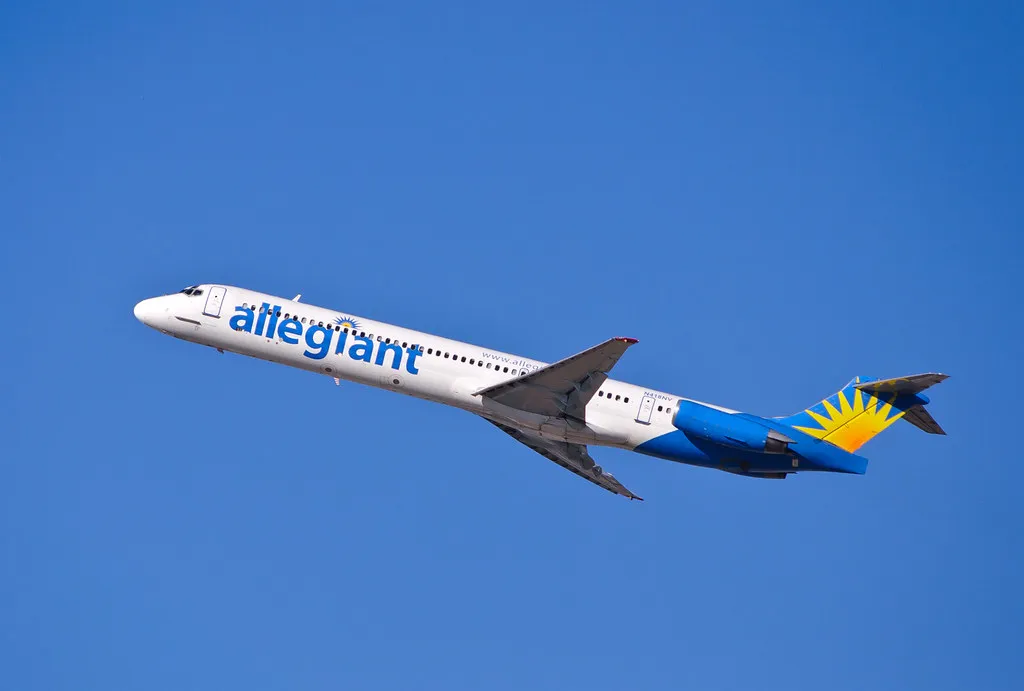
Allegiant Air’s recent expansion includes new service from Huntsville, Alabama, a brand-new addition to its network. This continues the carrier’s leisure-oriented strategy, as Allegiant aims to link underserved markets to vacation destinations. Huntsville residents previously had no low-cost nonstop options to Florida.
The new routes from Huntsville connect to Fort Lauderdale beginning November 2025, St. Petersburg beginning March 2026, and Orlando Sanford beginning February 2026, with one-way fares as low as $39. Three Florida gateways from a single mid-sized Alabama city is a notable addition for regional connectivity.
Why These Specific Cities Were Chosen

Allegiant’s business model focuses on flying between underserved markets often overlooked by major carriers. The airline is beloved by budget travelers and passengers in smaller cities with fewer options for nonstop flights. It is a deliberate gap-filling strategy rather than a head-to-head fight with legacy carriers on busy corridors.
All five of Allegiant’s newer routes connect smaller cities to Florida, offering vacationers new, convenient options with fares as low as $39 one way. Florida remains the dominant leisure draw for much of the American interior, and nonstop access to the state’s multiple airports makes a real practical difference for families planning vacations.
The Broader Passenger Demand Picture

This expansion is not happening in a vacuum. The wider aviation industry is experiencing robust passenger growth that is pushing airlines to add capacity wherever demand justifies it. The global aviation industry is entering a transformative period marked by stronger premium travel demand, evolving passenger preferences, expanding regional connectivity, and strategic airline investments in fleet modernization.
The latest annual statistical assessment from IATA demonstrates that global aviation demand continues to broaden rather than merely recover. Unlike the immediate post-pandemic years, when growth was largely driven by reopening borders, the 2025 data reflects a more balanced expansion supported by corporate travel, international tourism, domestic connectivity, premium services, and network diversification. Regional carriers are benefiting directly from that diversification trend.
Summer 2026: A Record Year for New Routes Globally
New airline route development is accelerating for summer 2026, with a total of 1,323 new routes scheduled to launch globally, according to data from OAG. This includes 614 domestic and 709 international routes across all major regions. The sheer volume of launches reflects how seriously airlines are reading the demand signals coming from travelers.
North America is adding 122 new domestic routes this summer, underlining the resilience of the U.S. and Canadian travel markets. For regional carriers like Allegiant, domestic expansion is where the real opportunity sits, particularly as travelers in mid-sized cities show consistent appetite for convenient, affordable connections.
Contour Airlines Quietly Expanding Underserved Corridors
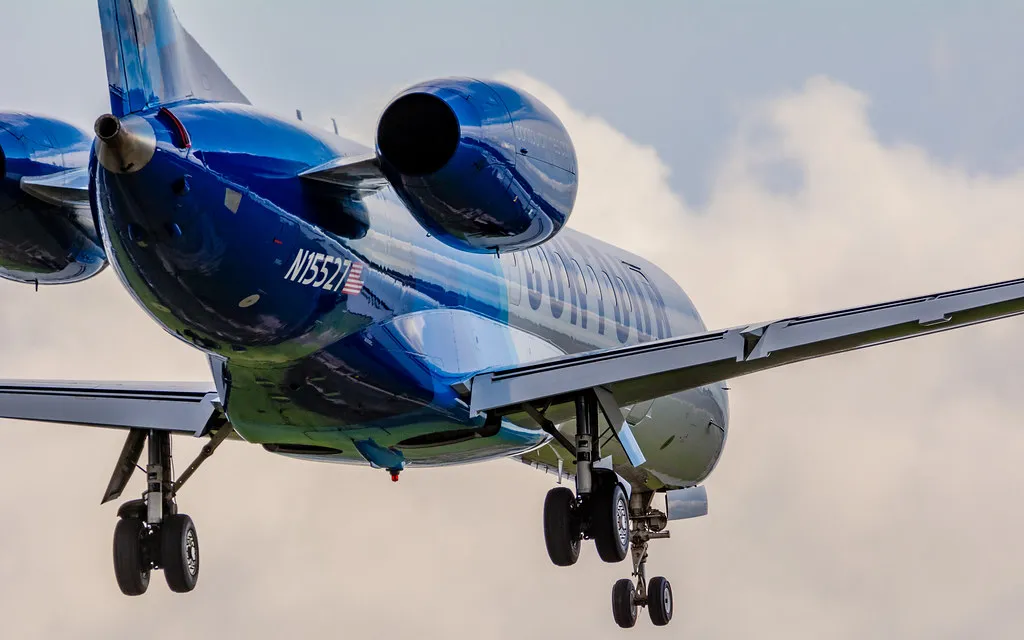
Allegiant is not the only regional player making moves. Contour Airlines launched nonstop service between South Arkansas Regional Airport and Dallas-Fort Worth International Airport from March 2026, operating 18 times weekly. That frequency is impressive for a small regional market, and it shows that even lightly served communities can attract regular, viable service when the connection makes geographic sense.
This new service highlights Contour’s commitment to connecting underserved communities with major markets. The Dallas-Fort Worth hub connection is particularly valuable because it opens onward connections across American’s entire network for travelers who previously had no practical local access.
Low Fares as a Deliberate Access Strategy

A hallmark of Allegiant’s leisure-focused business model is its network of all-nonstop flights, making air travel more seamless and accessible. Passengers spend less time at the airport and more time enjoying their vacation. This is not just a marketing line. Removing connections genuinely changes who can afford to fly, especially for families.
To celebrate its latest route launches, Allegiant offered one-way fares on the new routes as low as $39. Introductory pricing at that level brings flying within reach for households that might otherwise drive or skip the trip entirely. The ripple effect on regional tourism economies can be significant.
Gulf Shores and Orange County Emerge as Expansion Hotspots

Gulf Shores International Airport in Alabama received five new Allegiant routes in 2026, after the airline first started flying to the airport in 2025. John Wayne Airport in Orange County, California, also received five new routes. Both of these airports had been seriously under-connected relative to the leisure demand they generate.
Despite some route cuts elsewhere in its network, Allegiant has been expanding into new markets. Eight airports have been added to its network since July 2025, including Fort Myers, Huntsville, Atlantic City, La Crosse, Burbank, Trenton, Philadelphia, and Columbia, Missouri. The net picture is one of genuine, deliberate growth in underserved communities.
What the Route Growth Means for Regional Travelers in Practice

The 2025 to 2026 period features the largest U.S. airline nonstop route expansion since 2019, with airline announcements indicating 22 domestic expansions from low-cost carriers. For regional travelers, that translates into a genuinely improved menu of options compared to just two or three years ago.
The continued expansion of premium travel, the resilience of domestic aviation, and Asia-Pacific’s dominance collectively suggest that future airline competition will focus not only on increasing capacity but also on enhancing customer experience and network quality. For travelers, these evolving patterns are likely to translate into greater route choice, more modern aircraft, and stronger connectivity across many of the world’s fastest-growing tourism markets. Even in small cities, the competitive landscape is shifting in the traveler’s favor.
The Takeaway

What is unfolding across the regional airline market is not a dramatic overhaul but a steady, data-driven rebalancing. Airlines are finally paying attention to the places that were long left off the map. For travelers in cities like La Crosse, Huntsville, and Columbia, that means options they simply did not have before.
Demand signals from passengers are increasingly being heard. Route announcements are following. The gap between where people live and where they want to go is closing, one nonstop flight at a time.
AI Disclaimer: This article was created with the assistance of AI tools and reviewed by a human editor.